
Doumu Dragon Kiln & ICH Lounge by Greyspace Architects: Preserving Intangible Heritage Through Contemporary Design in Qianshan, Anhui
Greyspace Architects revitalized a historic dragon kiln and built ICH Lounge, blending tradition, contemporary design, and cultural heritage seamlessly.


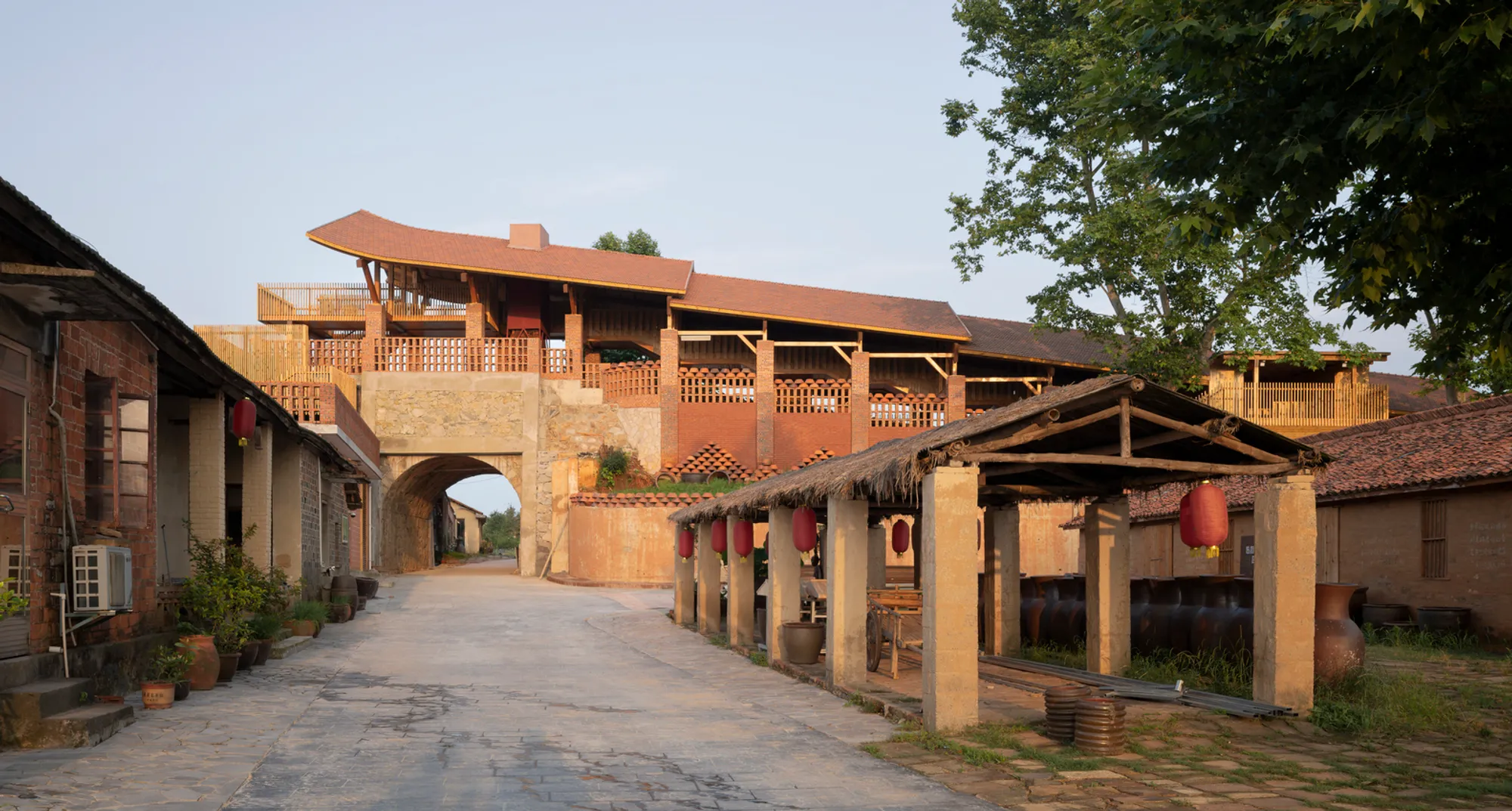
Located in the heart of Qianshan, Anhui, the Doumu Dragon Kiln and Intangible Cultural Heritage (ICH) Lounge represent a harmonious fusion of historical preservation and architectural innovation. Designed by Greyspace Architecture Design Studio, this project reimagines the traditional ceramic-making site through sensitive adaptive reuse and spatial transformation.
Covering a total area of 2,150 square meters, the project consists of two key elements: the renovation of the Doumu Dragon Kiln—a Qing dynasty-era firing structure—and the construction of the new ICH Lounge, designed to celebrate and showcase the techniques and rituals of Chinese ceramic craftsmanship, now recognized as a National Intangible Cultural Heritage.

A Site Steeped in Ceramics Legacy
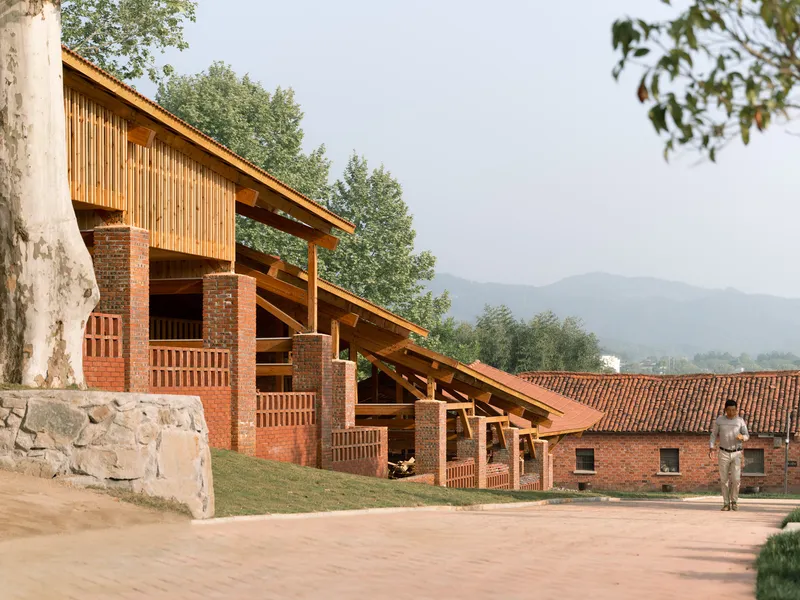
The Doumu site holds more than 6,000 years of pottery-making history, dating back to the Xuejiagang culture. When architect LI Jianshen, founder of the Sanbao International Ceramic Art Village and a professor at Jingdezhen Ceramic University, invited the team to join the revitalization project in 2021, the factory was already under transition. The architects were challenged with the dual task of preserving the traditional memory of ceramic production while introducing new functions and spatial experiences.


The ICH Lounge: Interweaving Tradition and Contemporary Space
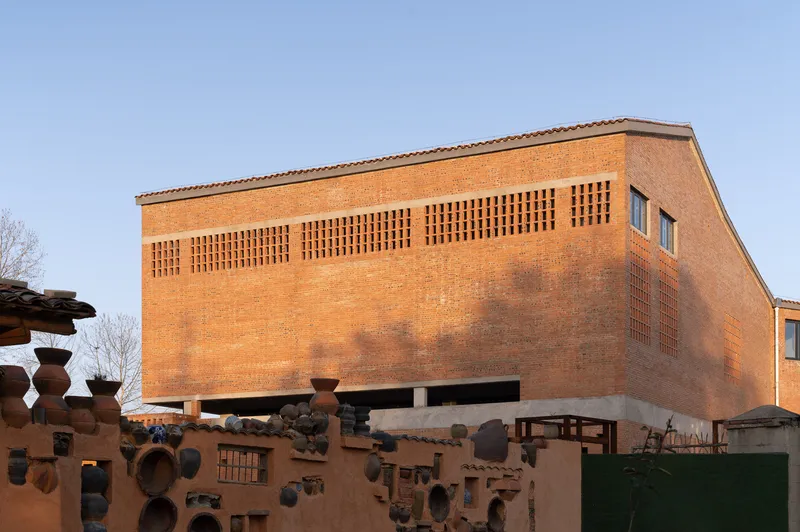
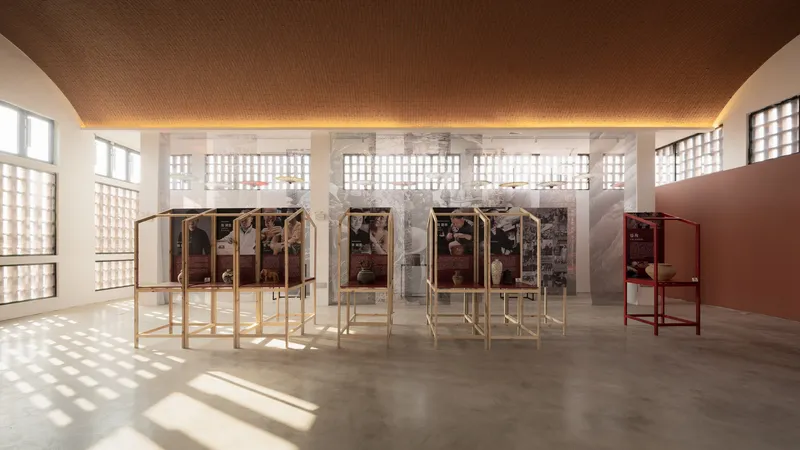
With foundations already in place, the ICH Lounge was designed around an existing structural footprint. However, Greyspace Architects subtly reshaped the building’s massing and spatial rhythm to create a more approachable ground-floor experience, prioritizing human-scale interaction. Internally, a streamlined circulation system was implemented, linking interior galleries with outdoor exhibition paths, inviting a seamless visitor journey through the world of Chinese ceramics.
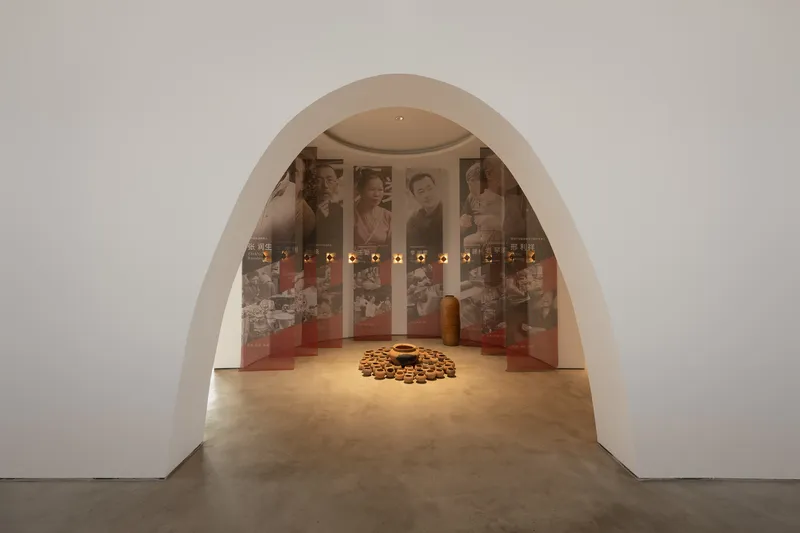
Architectural motifs draw from kiln culture—vaulted hallways, circular forms, and textured surfaces. The ‘Road of Kiln’, the dome-shaped toilets, and the arched exhibition corridor offer interpretive, immersive spaces that resonate with the material and ritual of pottery making.
Renovating the Dragon Kiln: Structural Innovation and Cultural Sensitivity
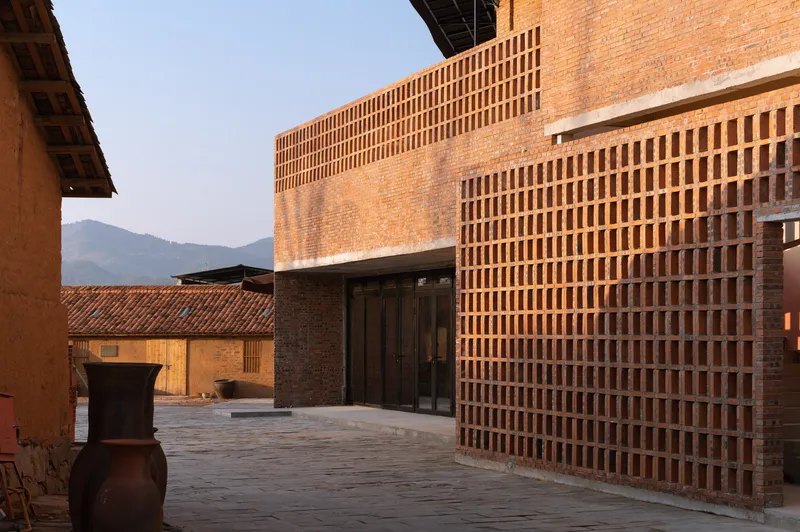
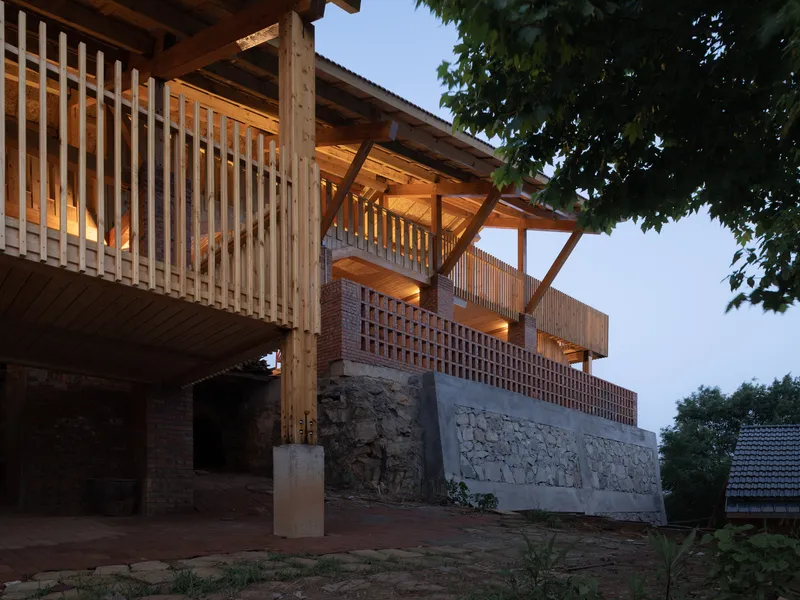
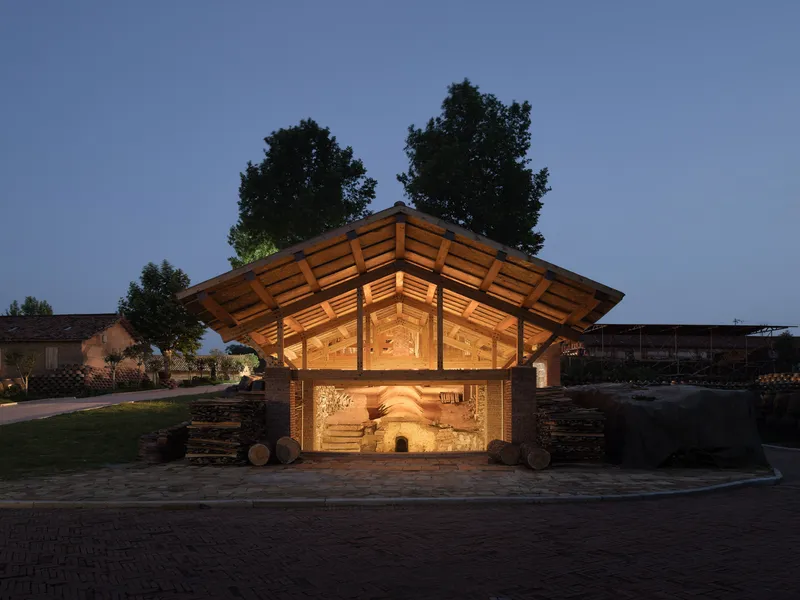
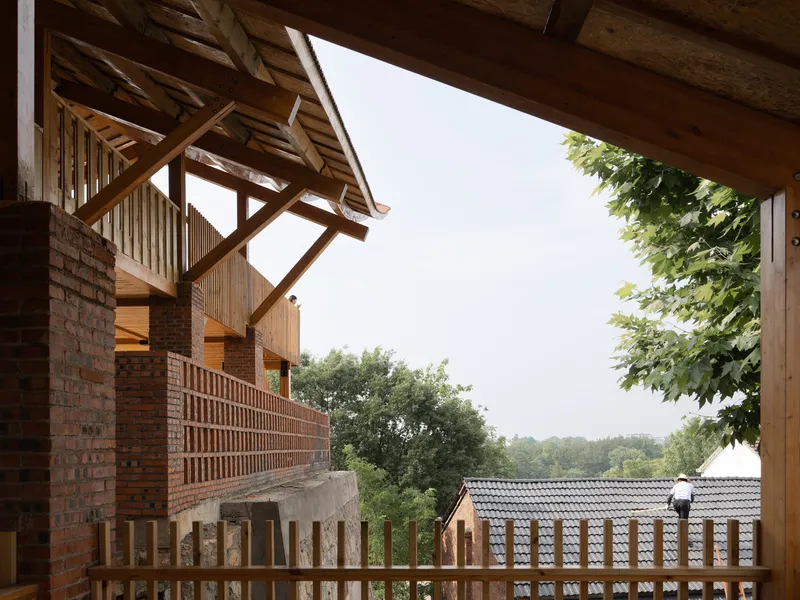
The adjacent Dragon Kiln, once covered in deteriorating asbestos tiles, was in urgent need of structural and aesthetic renewal. The design strategy involved reconstructing a herringbone pine timber roof atop the historic brick pillar framework. This not only maintains the kiln's traditional firing method but introduces a modern canopy to shelter the kiln from wind and rain.
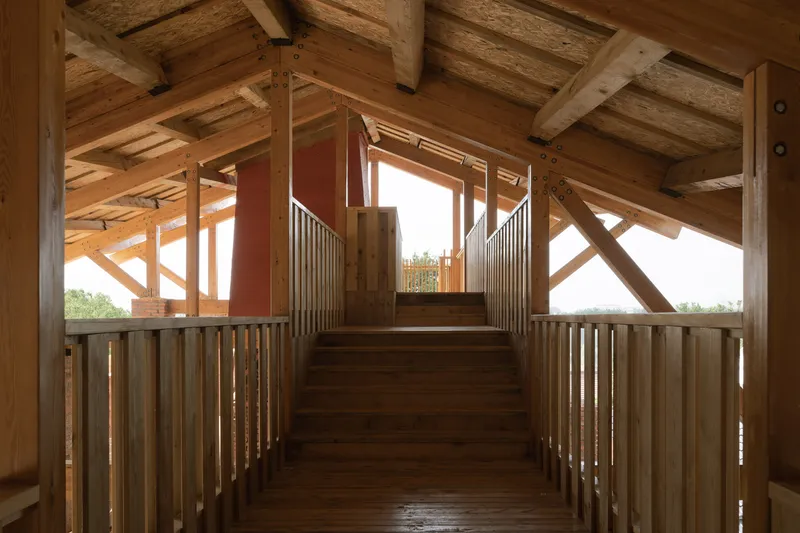
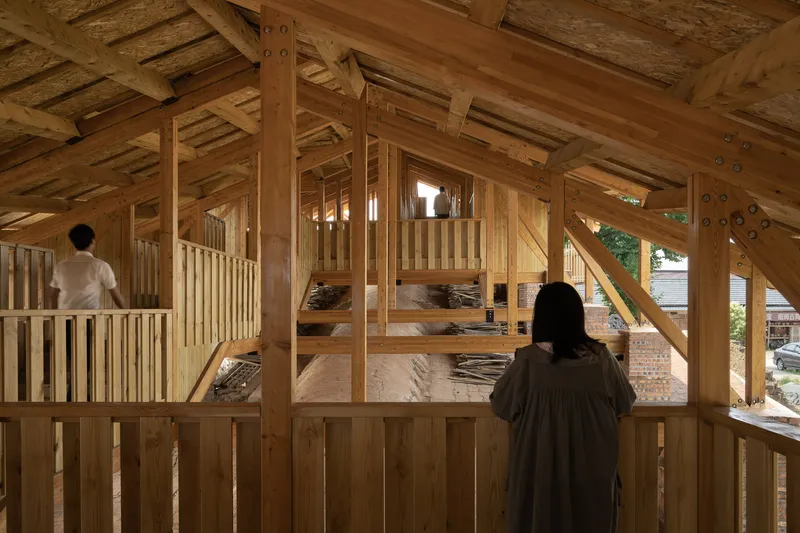
A raised visitor walkway was carefully integrated into the roof system, allowing guests to observe the firing process from above without disrupting it. This elevated path, which adds only 1.8 meters to the original roofline, was meticulously designed to ensure the architectural skyline of the pottery factory remains intact and respectful of its surroundings.

Spatial Dialogue: Kiln Workers and Visitors in Parallel Flow
The project's spatial choreography creates a compelling duality of movement. Kiln workers perform traditional tasks at ground level, while visitors circulate along the roof walkway, forming a juxtaposition of labor and observation. Strategic viewing platforms—such as the tea pavilion overlooking Tianzhu Mountain and three staggered balconies near the dragon kiln’s head—enhance the sensory and scenic experience.
Though separate for safety, the visual connectivity between these two flows fosters a quiet dialogue between tradition and its audience. Each turn of the stair or enlargement of a platform is anchored in the historical geometry of the kiln's noon gates, reinforcing the continuity between old and new.
Material Expression and Spatial Narrative
Material choices throughout the project are driven by vernacular texture and construction techniques. The architects drew inspiration from kiln bricks, clay pot stacking methods, and local masonry, translating them into a contemporary architectural language. The result is a tactile, immersive atmosphere that invites reflection, learning, and connection with the ceramic heritage of Qianshan.
A Living Cultural Landmark
This project stands as a model of cultural heritage conservation through architecture, where modest materiality, local craftsmanship, and thoughtful spatial intervention come together to reinvigorate a living tradition. The new Dragon Kiln roof and ICH Lounge are not only architectural enhancements—they’re platforms for community events, exhibitions, ceramic demonstrations, and cultural dialogues to evolve into the future.
Greyspace Architects have successfully transformed the Doumu Pottery Factory into a dynamic cultural venue that both honors its past and engages its present—a place where tradition is not preserved in glass, but fired anew in the kiln of contemporary design.





Popular Articles
Popular articles from the community


Co-Life: Senior Housing Design That Reconnects Older Adults With the City
Co-Life reimagines senior housing design through healing gardens, shared streets, workshops, and a sustainable community across generations.

The Earth Pod: 3D Printed Homes for Resilient Refugee Communities
The Earth Pod reimagines refugee housing through 3D printed homes made from clay, combining resilience, self-sufficiency, and rapid shelter.

Conexión: Biophilic Design Reimagines High-Rise Living in Hong Kong
Conexión reimagines high-rise living in Hong Kong through biophilic design, green facades, shared spaces, daylight, water and nature within.

Play: Fragments of Their World
Familiar architecture becomes modular playground design, creating safe spaces where displaced children can learn, connect, imagine and play.


Similar Reads
You might also enjoy these articles


Hodi-Mandai Geram
Project Function: Preservation and revitalization of the Intangible heritage and socio-spatial identity of the Hodi by Housing, Cultural Memory Center, Sacred Grove, landscape, local tourism economy


Olio Towers: A Mid-Rise for Performers That Fuses Housing, Rehearsal, and Stage
Located blocks from Houston's Theater District, this modular tower stacks living units around a central performance atrium.

Oasis: Modular Green Housing Carved into Dhaka's Urban Fabric
A shortlisted Plugin Housing entry reclaims unauthorized settlements in Dhaka with stepped concrete volumes, green roofs, and ventilation-driven design.

Black Hole: A Floating Megastructure for the Post-Physical Era
Emiliano Mazzarotto envisions a spherical, self-scaling arena where e-sports, digital hotels, and holographic stadiums replace traditional public space.


Explore Cultural Architecture Competitions
Discover active competitions in this discipline



Challenge to reimagine the Iron Throne


Photograph architecture without architects


Illustrate the lost glory of Angkor Wat - Render Challenge


Bring back Drive In's
Comments (0)
Please login or sign up to add comments
No comments yet. Be the first to comment!