
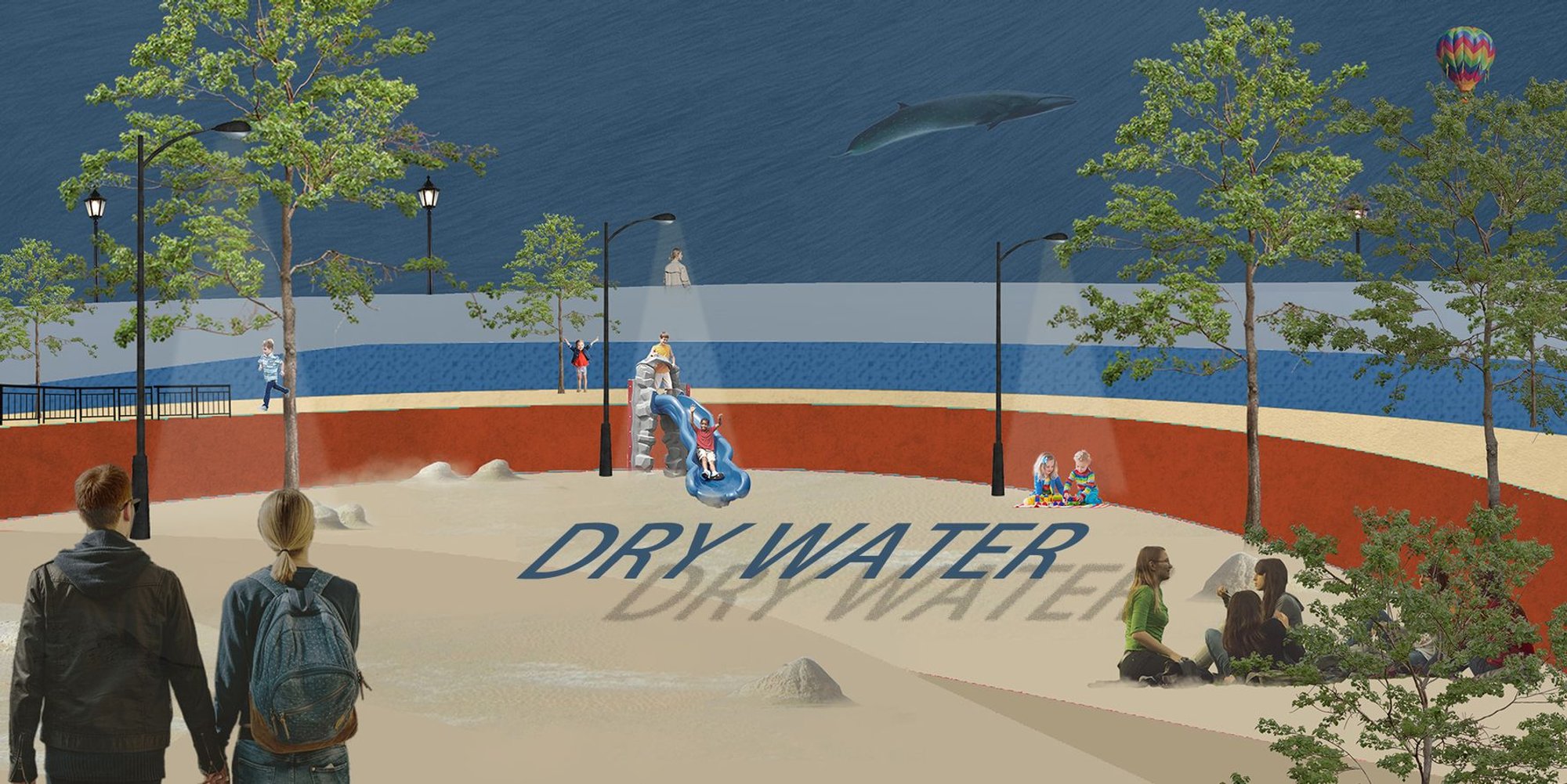
Dry Water: A Drought-Resilient Landscape Architecture for Istanbul
An experiential urban park that turns sand into a metaphor for water scarcity, raising awareness about climate and drought in cities.

Project by Shenyu Sun
Shortlisted entry of Ripple
As Istanbul faces the looming threat of water scarcity, fueled by rapid urbanization and climate change, "Dry Water" emerges as a compelling example of drought-resilient landscape architecture. Designed by Shenyu Sun, this public park concept uses spatial storytelling to confront the issue of drought in the city. It transforms a waterfront site near the Bosphorus Strait into a metaphorical landscape where sand replaces water, urging visitors to reflect on the environmental crisis unfolding around them.
A Landscape Shaped by Crisis
Located at the edge of the Saryburnu waterfront, the site lies within visual reach of historical monuments like Hagia Sophia and Topkapi Palace. But this culturally significant area is also a ground zero for Istanbul's growing environmental imbalance. Decreasing rainfall, rising temperatures, and excessive surface runoff have drastically lowered water reserves. The city's reservoirs now operate below 30% capacity, while population demands continue to surge.
Sand as a Symbol of Displacement
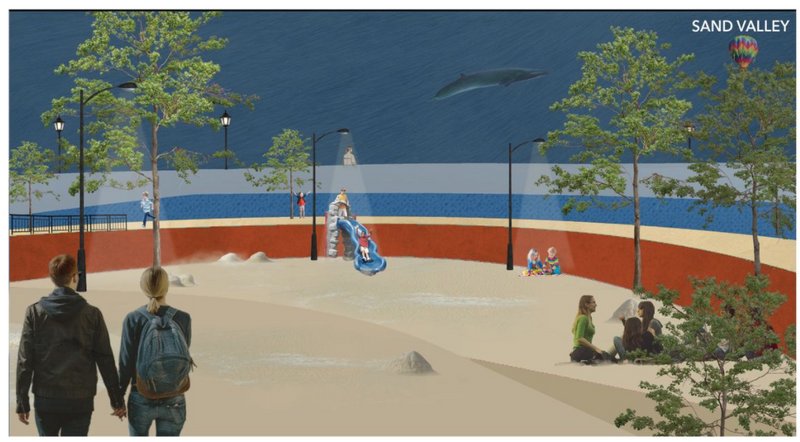
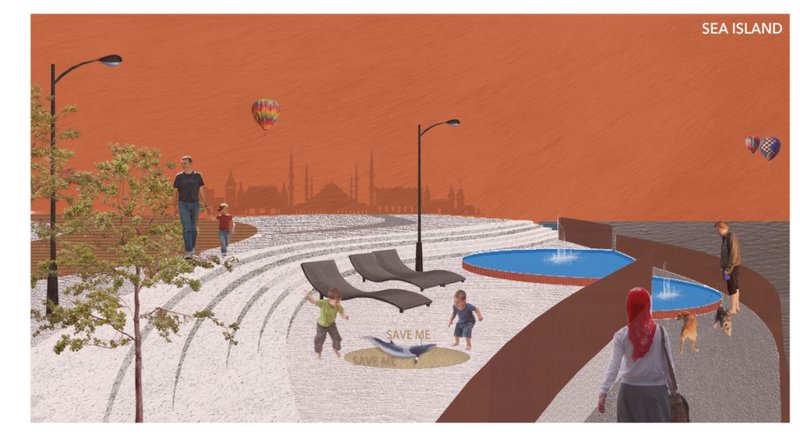
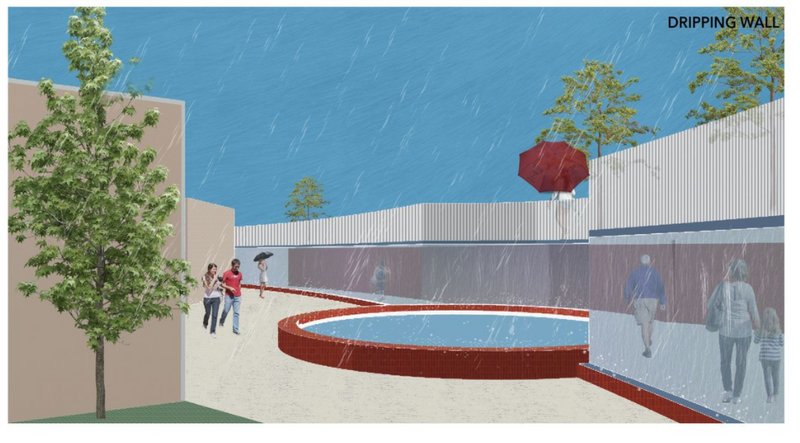
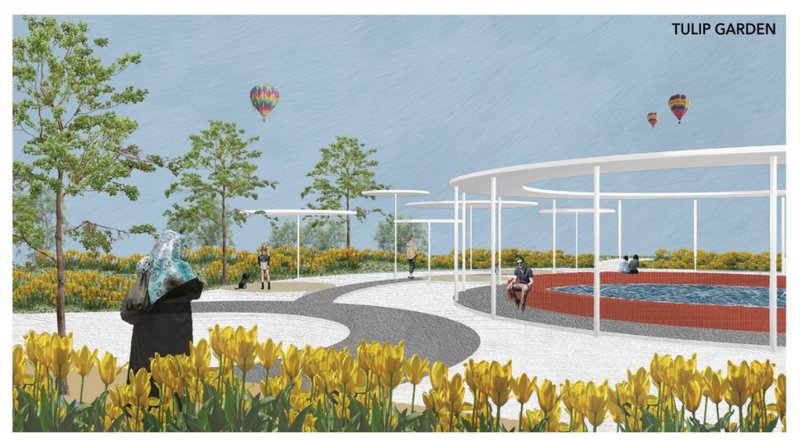
"Dry Water" uses sand as a metaphorical and material medium to evoke the vanishing presence of water. The project constructs an immersive narrative across multiple zones – from the "Sand Valley" and "Sea Island" to the "Dripping Wall" and "Tulip Garden." As visitors move through these spaces, they experience a shift from water-rich zones to dry, barren environments. This gradual transition is not merely aesthetic but educational, highlighting the stages of evaporation, waste, and drought.
Conceptual Layers and Visitor Journey
The visitor path is designed as a sequential revelation. It begins with engaging sensory environments mimicking aquatic settings and ends in barren, desolate zones that reflect the outcome of climate neglect. The layout integrates six experiential landscape nodes:
- Sand Valley: A desert-like space invoking the absence of water.
- Sea Island: A surreal coastal illusion embedded in sand.
- Tulip Garden: A seasonal bloom celebrating Istanbul’s floral heritage.
- Dripping Wall: A subtle installation only active in wet seasons.
- Steam Plaza: Symbolizing evaporation, fog, and loss.
- Discovery Bay: An interpretive zone revealing historical water narratives.
Environmental Storytelling through Design
Rather than relying on didactic signage, the park communicates its message through material contrasts, sensory triggers, and spatial progression. By simulating water loss and heat exposure, the park turns passive visitors into active observers of drought’s implications. Children play on sandscapes where fountains used to be; families walk through fog without water beneath them.
A Model for Climate-Conscious Urbanism
"Dry Water" is more than a memorial to vanishing water. It is a prototype for drought-resilient landscape architecture that blends ecological awareness with cultural sensitivity. It educates, engages, and activates public consciousness on the pressing issues of urban water scarcity.
In a city historically defined by its fountains and waterworks, this project reframes Istanbul’s identity through the lens of loss and adaptation. As a shortlisted entry of the Ripple competition, it proves how landscape architecture can become a tool for advocacy, experience, and sustainable change.



Popular Articles
Popular articles from the community

Split House: A Compact Urban Home Blending Privacy, Light, and Flexible Living in Japan
Compact Japanese home featuring DOMA space, flexible café potential, passive lighting, privacy zoning, and sustainable urban living design.

Marvila Apartment Renovation in Lisbon: A Bright Minimalist Attic Transformation by KEMA Studio
Bright attic transformed into minimalist Lisbon apartment with skylights, sustainable materials, open plan layout, and industrial-inspired interior design elements.

20 Most Popular Commercial Architecture Projects of 2025
From sustainable market concepts to heritage factories, the commercial buildings and proposals that drew the most attention on uni.xyz this year.

Similar Reads
You might also enjoy these articles
Twilight Crossing: A Pedestrian Bridge That Performs with Light and Water
Angel Gamboa's tensile cable bridge transforms a lakeside crossing into a choreographed sequence of color, reflection, and framed views at dusk.
Digital Façade Design for our cities’ urban fronts
Prima Facie - Result Story
Protecting avian biodiversity: Bird observatories to help spread awareness & save rare bird species.
Results for ‘Fly’ - Landscape design competition out now






Comments (0)
Please login or sign up to add comments
No comments yet. Be the first to comment!