

DSTRCT.Berlin “Old Slaughterhouses” – Gewers Pudewill
DSTRCT.Berlin transforms historic slaughterhouse halls into flexible, modern office spaces, preserving industrial heritage while fostering creativity, collaboration, and identity-driven design.


Historic Transformation and Adaptive Reuse
After more than 30 years of vacancy, fire damage, and decay, Berlin’s former slaughterhouse halls were revitalized into modern office spaces while respecting their historic status. Listed as cultural monuments, the renovation required extensive structural and technical upgrades, making the project equivalent to a new building in terms of investment and engineering.
The transformation illustrates how adaptive reuse can breathe new life into historic industrial sites, balancing heritage preservation with contemporary functionality.
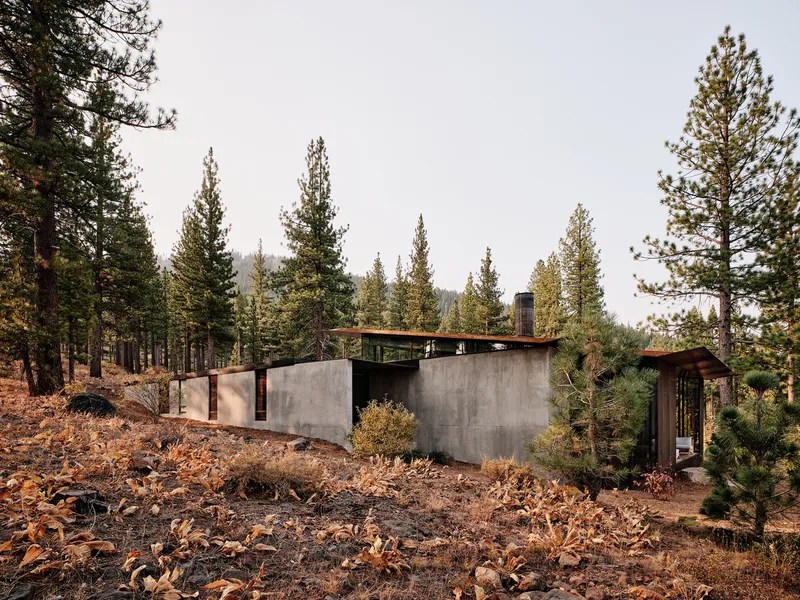

Industrial Heritage Meets Modern Office Design
The project preserves key architectural features of the early 20th-century industrial halls, including brick facades, arched windows, and arcade structures. Even remnants of graffiti from the buildings’ interim uses were retained, reflecting Berlin’s urban character and cultural identity.
This careful preservation allows the halls to retain their historical narrative while accommodating today’s office requirements, such as flexibility, collaboration, and creativity.
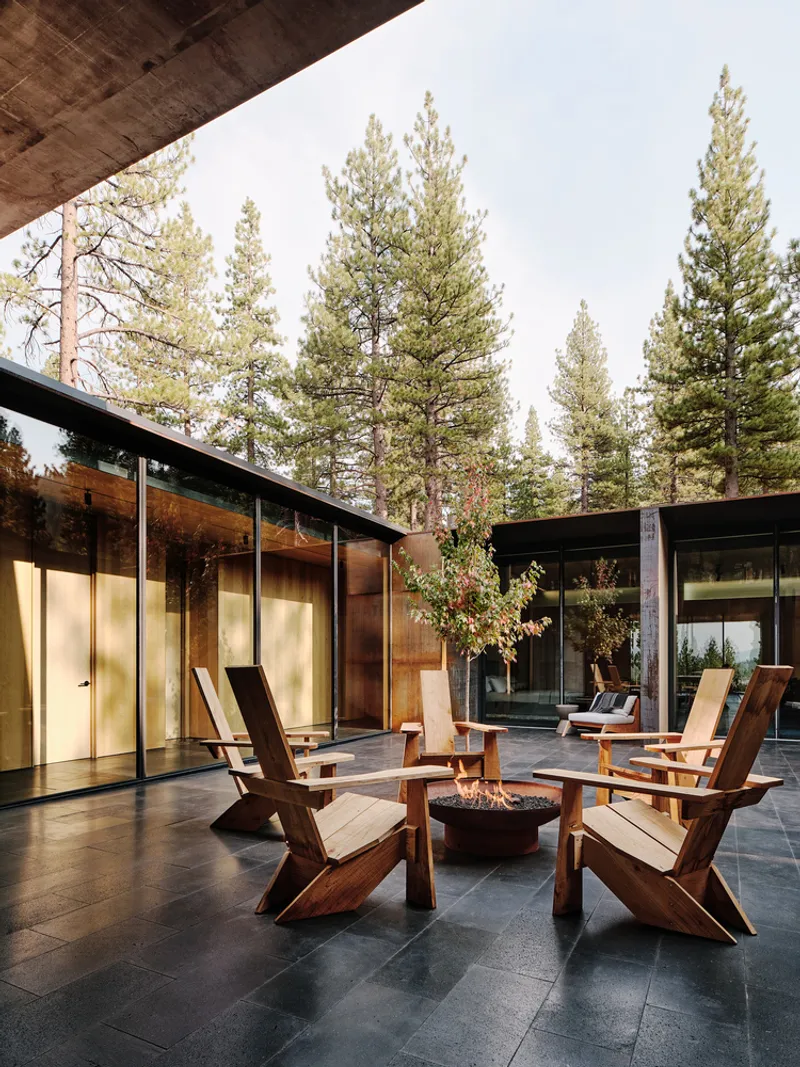
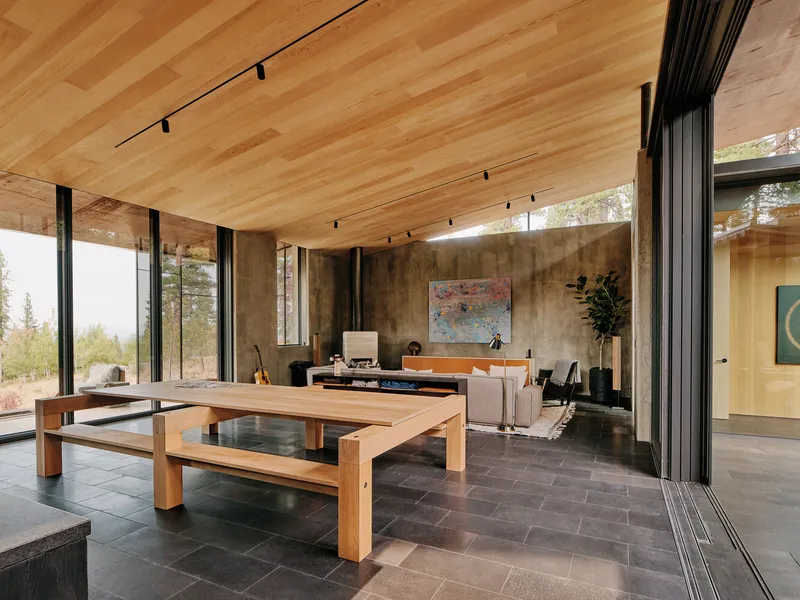
Interior Design and Spatial Innovation
Inside the halls, new gallery levels were installed, highlighting the original structural elements and creating open, adaptable workspaces. The spatial design emphasizes:
- Identity and cultural connection
- Flexibility for future office configurations
- Enhanced quality of stay and collaboration
- Distinctive industrial character integrated with modern design
The result is a dynamic environment that encourages creativity, communication, and innovation, while maintaining a strong link to the site’s historical significance.
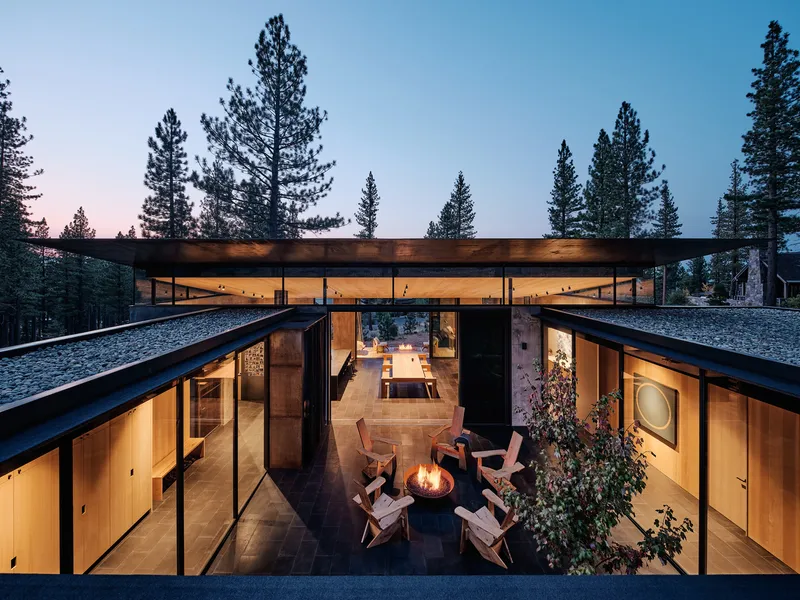
Sustainability and Heritage Preservation
DSTRCT.Berlin showcases the importance of preserving historic building fabric while implementing modern standards for sustainability and workplace functionality. The project demonstrates how cultural monuments can be transformed into contemporary, high-quality office spaces without compromising their historic essence.
All Photographs are works of HG Esch


Popular Articles
Popular articles from the community


Manzana Morphosis: Stretching Barcelona's Grid into a Living Landscape for 2050
A radical reworking of the Eixample manzana turns density into a tool for generous public space, vertical ecology, and environmental performance.

Singing Woman: Contemporary Architecture Inspired by Estonia’s Voice and the Sea
Singing Woman turns Estonia’s song culture into flowing opera house architecture, blending public life, landscape, sea, and national memory.

Opera on the Sea: Driftwood Logic Shapes a Timber Opera House on Estonia's Coast
Trevor Orgill's opera house translates the entangled drift of floating timber into a civic building where wood, water, and music converge.

The Amber Palace Opera: A Geological Fiction Surfaces on Tallinn's Baltic Waterfront
Pierre Brillard reimagines a Baltic legend as a public landscape, opera house, and waterfront promenade rooted in Tallinn's coastal identity.

Similar Reads
You might also enjoy these articles


Hodi-Mandai Geram
Project Function: Preservation and revitalization of the Intangible heritage and socio-spatial identity of the Hodi by Housing, Cultural Memory Center, Sacred Grove, landscape, local tourism economy


Olio Towers: A Mid-Rise for Performers That Fuses Housing, Rehearsal, and Stage
Located blocks from Houston's Theater District, this modular tower stacks living units around a central performance atrium.

Oasis: Modular Green Housing Carved into Dhaka's Urban Fabric
A shortlisted Plugin Housing entry reclaims unauthorized settlements in Dhaka with stepped concrete volumes, green roofs, and ventilation-driven design.

Black Hole: A Floating Megastructure for the Post-Physical Era
Emiliano Mazzarotto envisions a spherical, self-scaling arena where e-sports, digital hotels, and holographic stadiums replace traditional public space.

Explore B19 Architekten Bda – Weimar Competitions
Discover active competitions in this discipline

Challenge to reimagine the Iron Throne

Photograph architecture without architects

Illustrate the lost glory of Angkor Wat - Render Challenge

Design challenge to reuse E-waste
Comments (0)
Please login or sign up to add comments
No comments yet. Be the first to comment!