

Earth by the River Residence by Luigi Rosselli Architects: A Sustainable Rammed Earth House Design in Rural Australia
A sustainable rammed earth home and artist’s studio in rural Australia blending natural materials, cultural memory, and contemporary design.


A Contemporary Farmhouse Rooted in Earth and Community
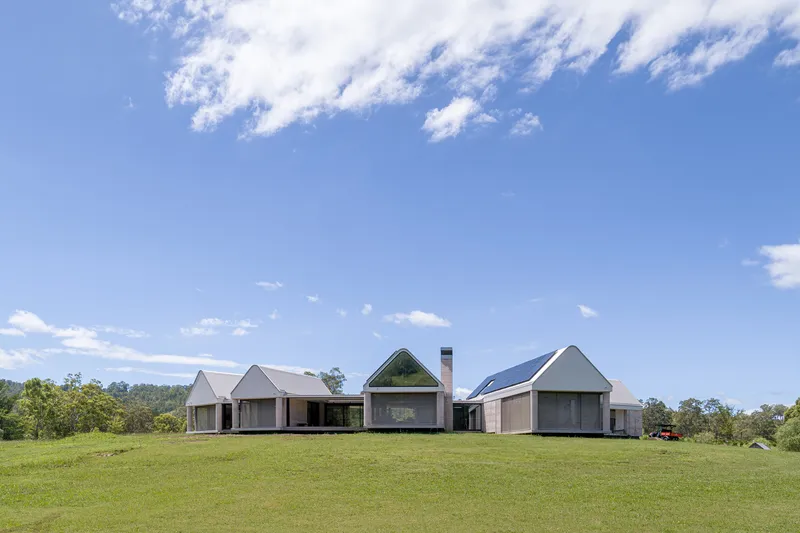
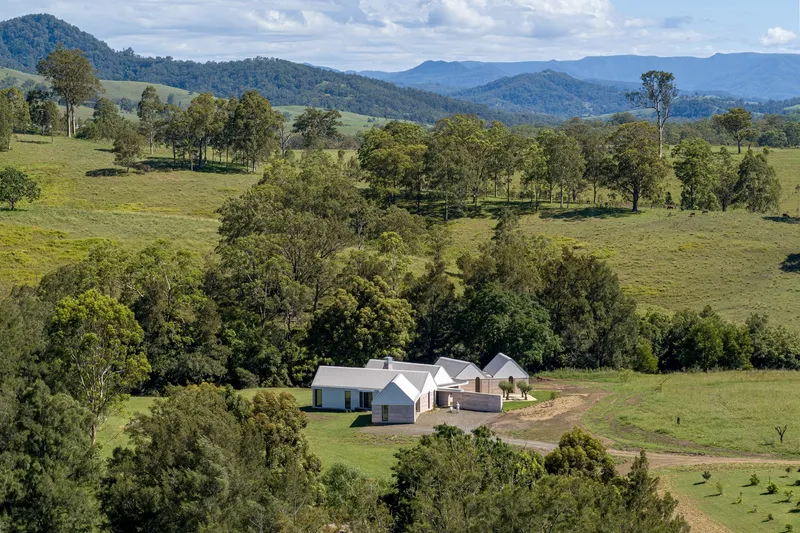
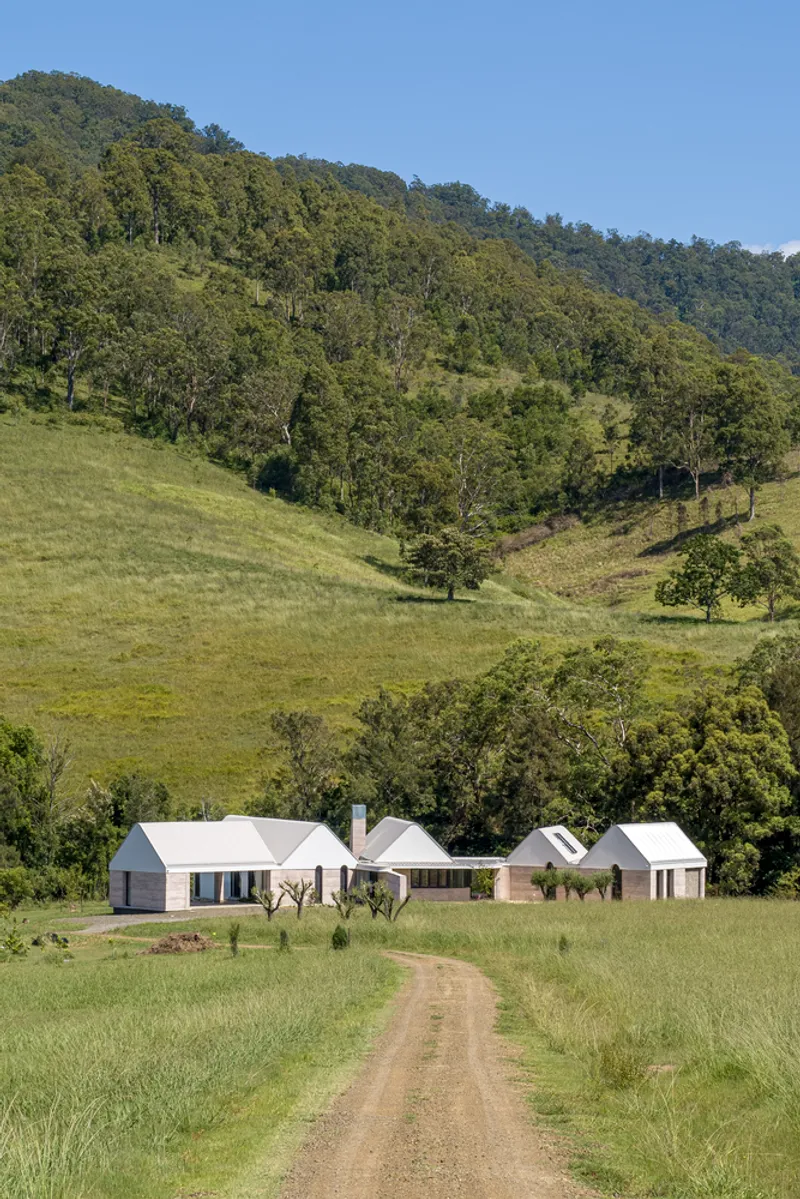
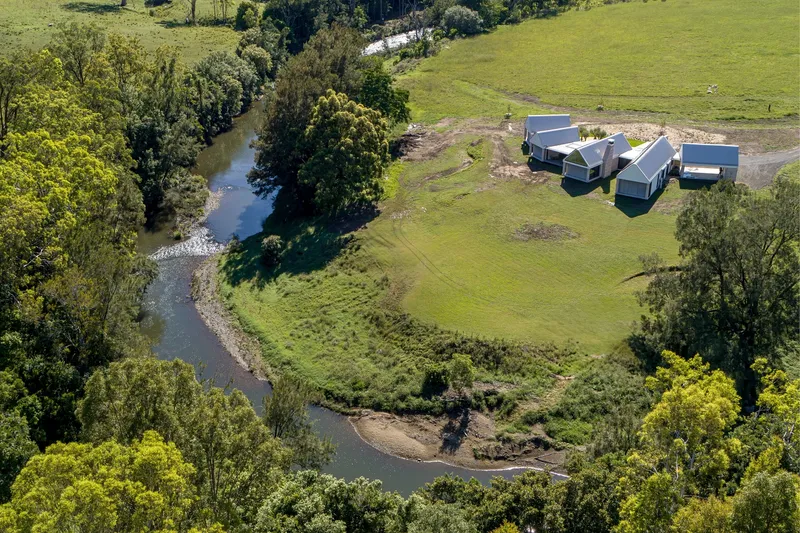
Set against the dramatic natural backdrop of the Barrington Tops in New South Wales, the Earth by the River Residence by Luigi Rosselli Architects is a refined example of rammed earth house design that balances environmental consciousness, rural simplicity, and artistic purpose. Located on the fertile lands of the Gringai people and bordered by the meandering curves of a river, the residence is a low-slung, finger-like structure that gently stretches toward the water, merging built form with natural topography.


Earth, Simplicity, and Restraint as Design Foundations
In rural architecture, restraint often becomes a necessity, and in this project, it becomes a virtue. The design reflects an essentialist philosophy—using what is necessary, with no architectural excess. The home serves dual purposes: private family living and a studio space for artists to create, collaborate, and engage with the surrounding landscape. The simplicity of the forms and materials creates an understated presence that feels deeply connected to the land.
Rammed Earth Anchors and Gabled Steel Roofs
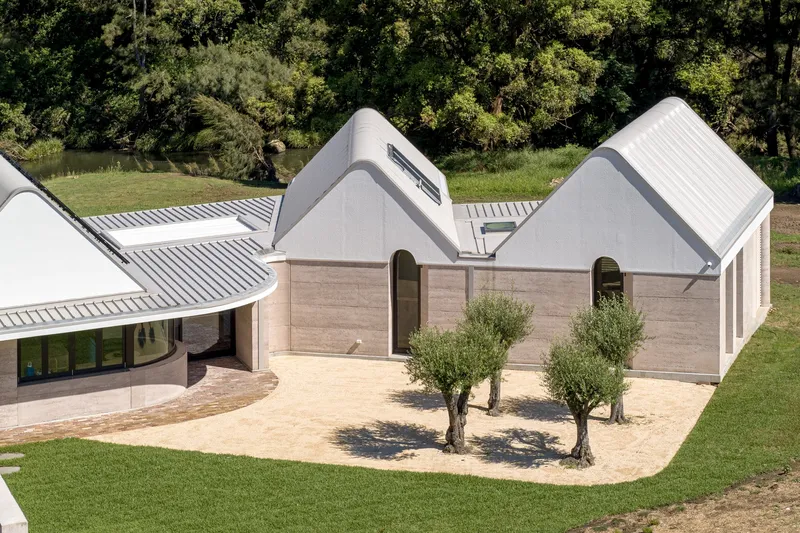
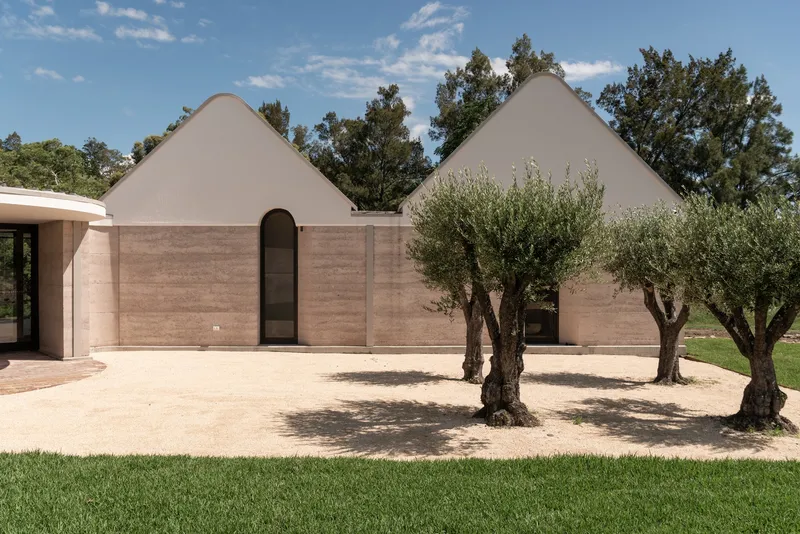
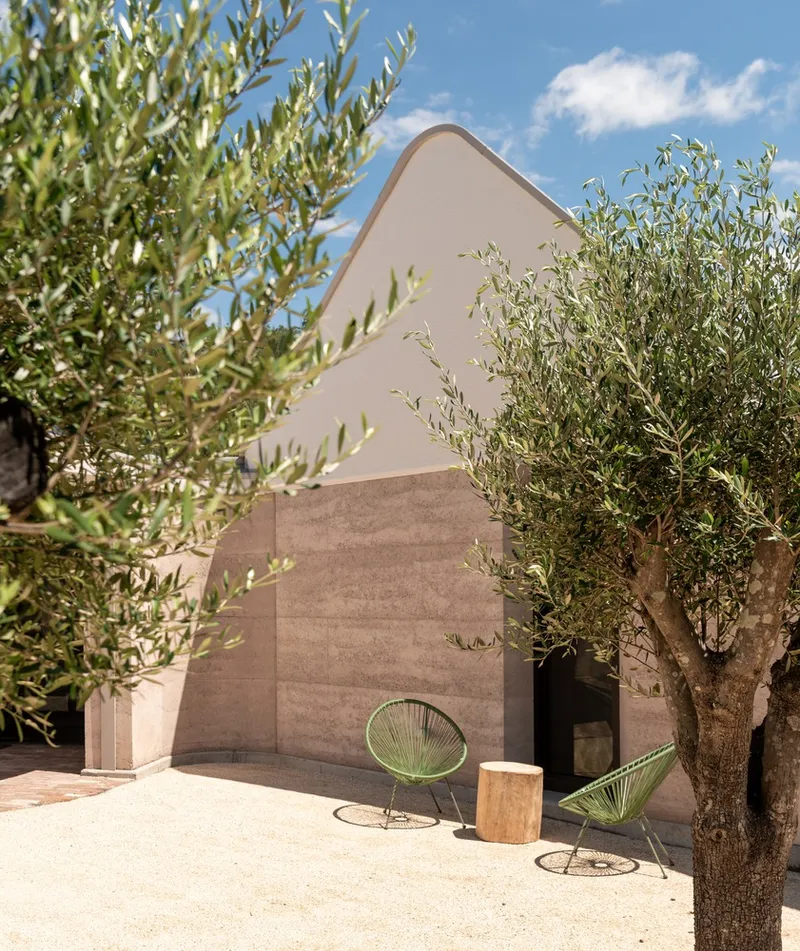
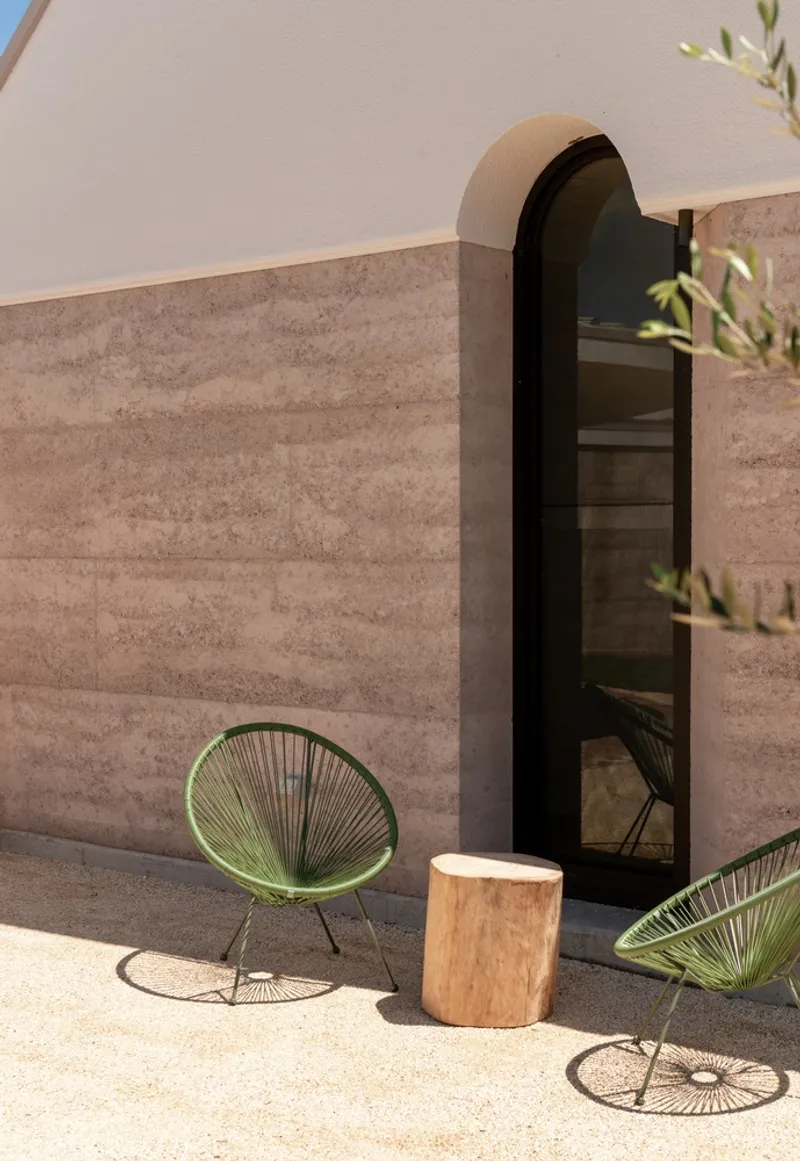
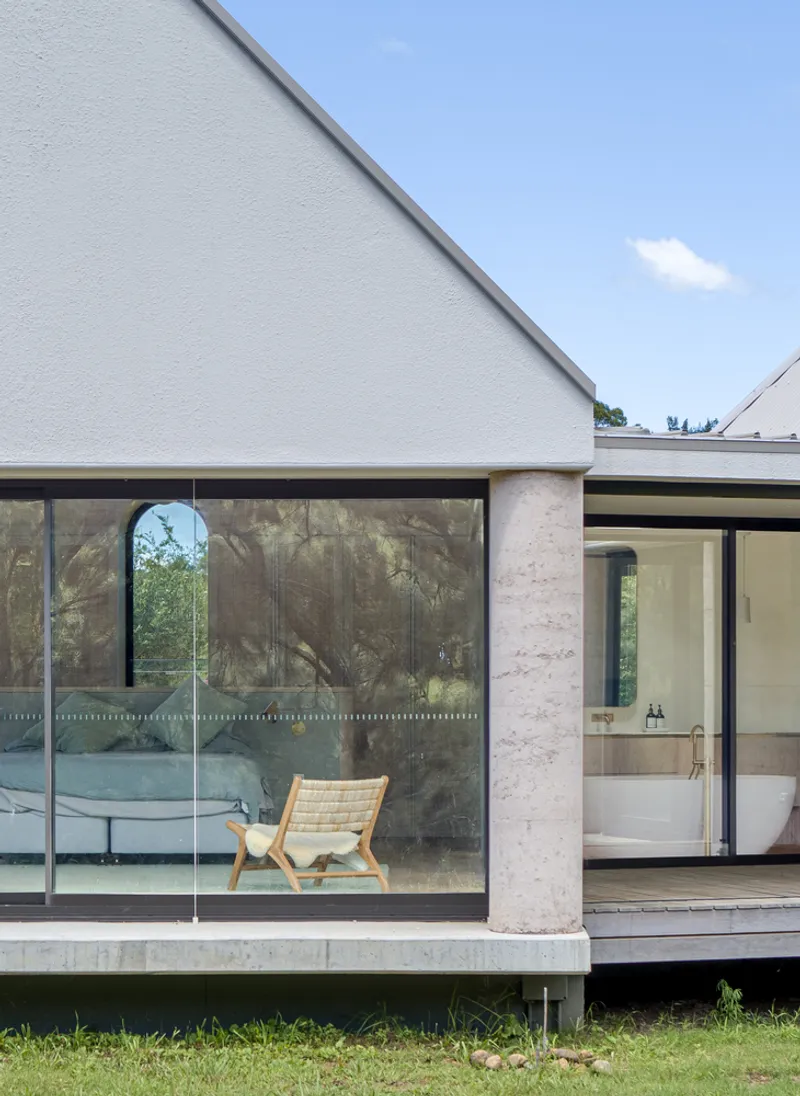
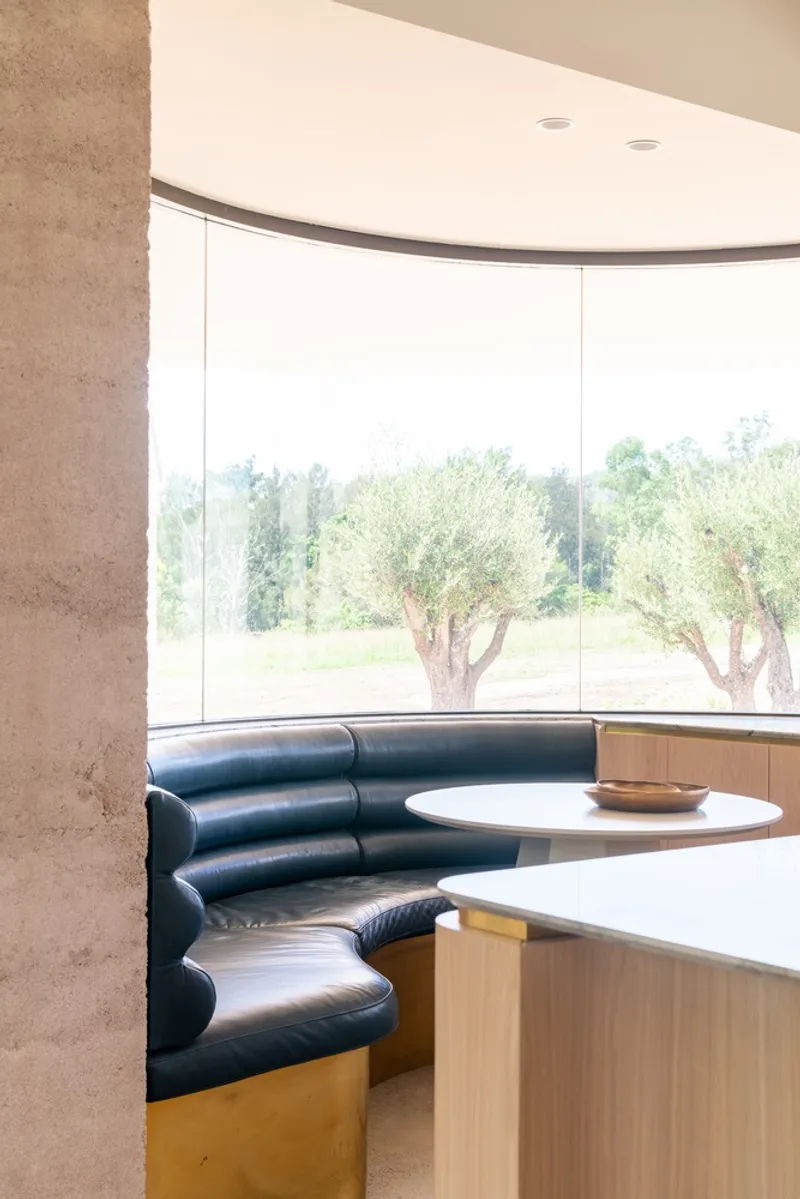
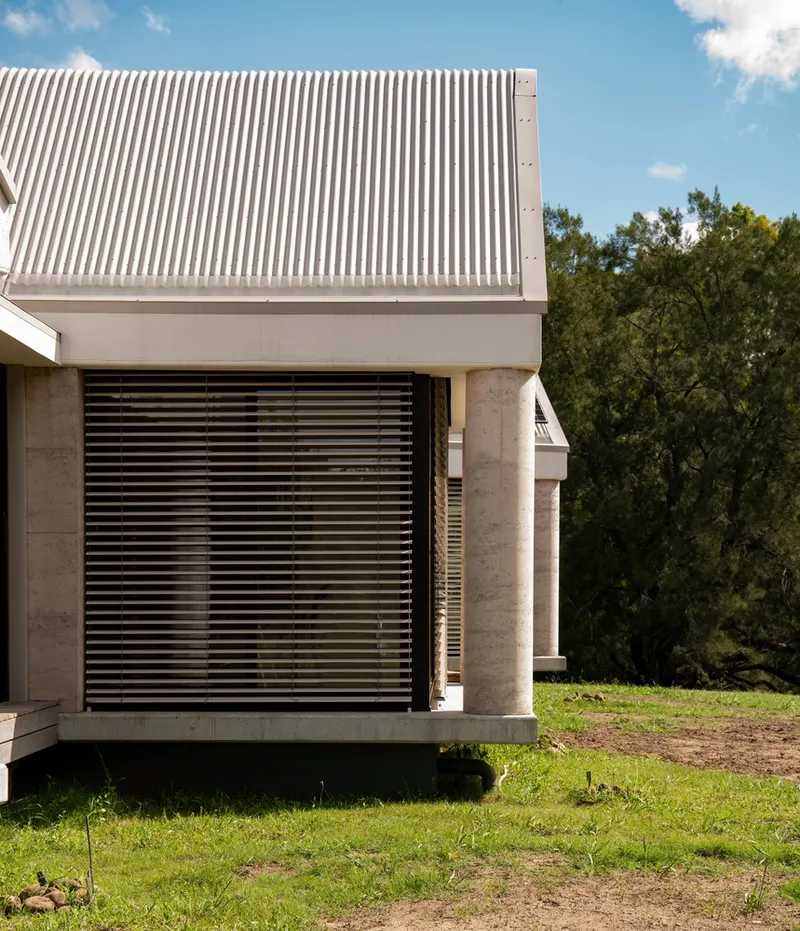
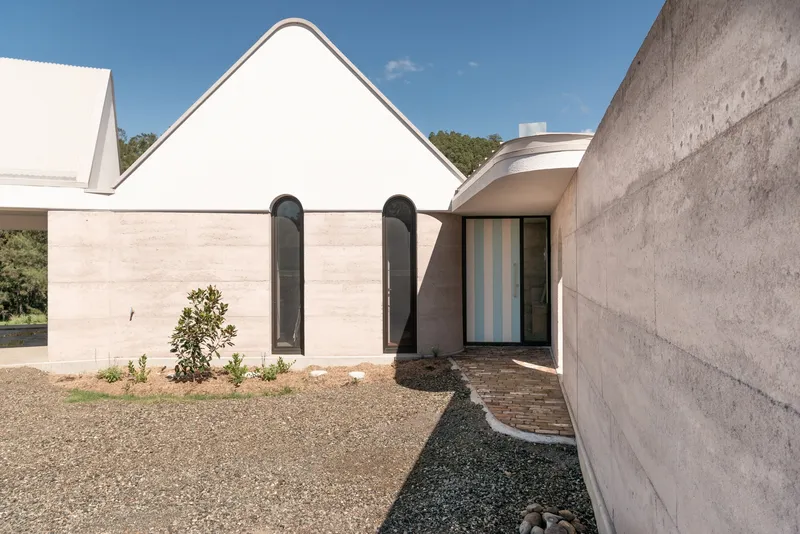
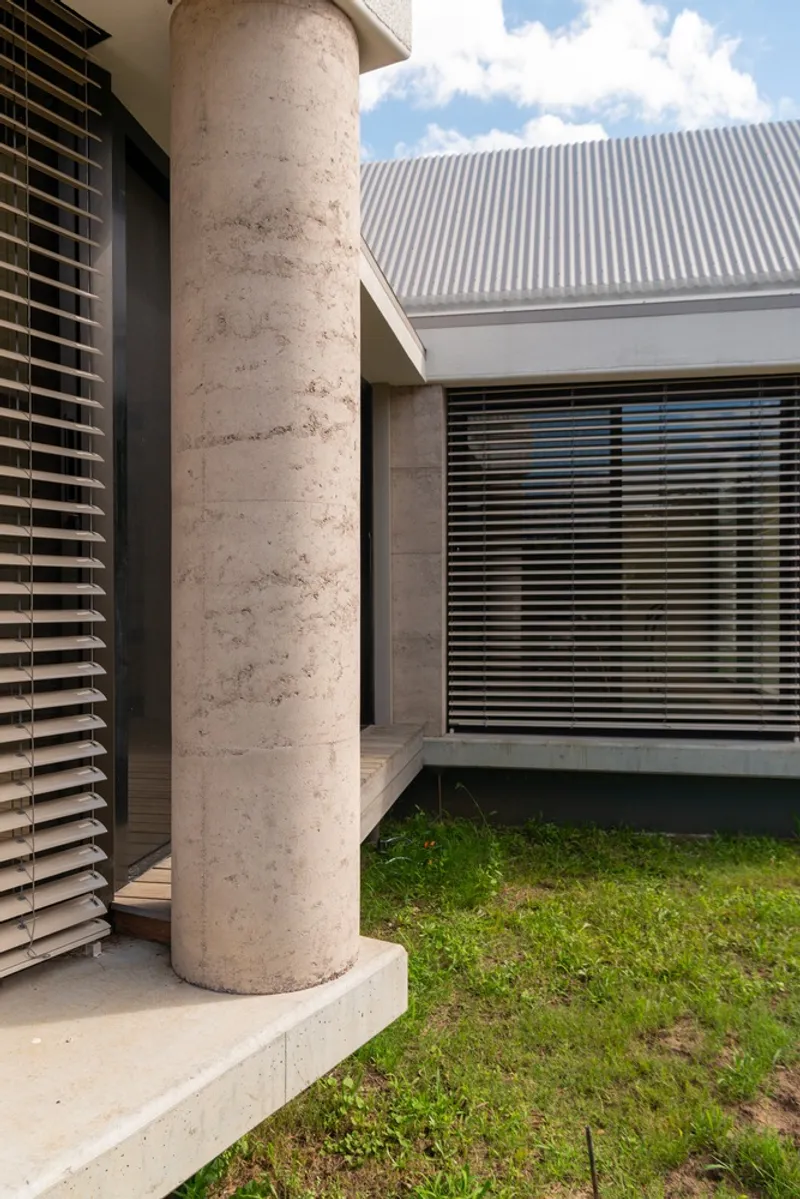
Each wing of the residence is grounded in rammed earth, a material Luigi Rosselli Architects has long championed. These massive walls are not only visually calming but also functional, offering exceptional thermal mass to regulate interior temperatures in a climate marked by high-altitude swings. The walls rise from the ground with an earthy permanence, visually merging with the surrounding terrain.

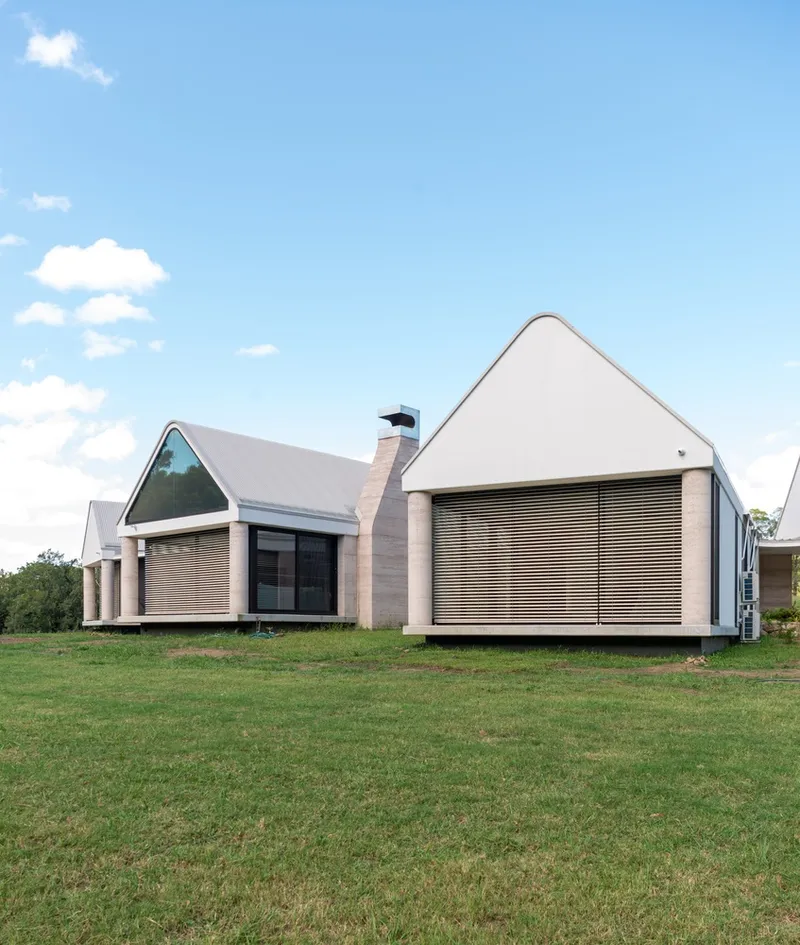

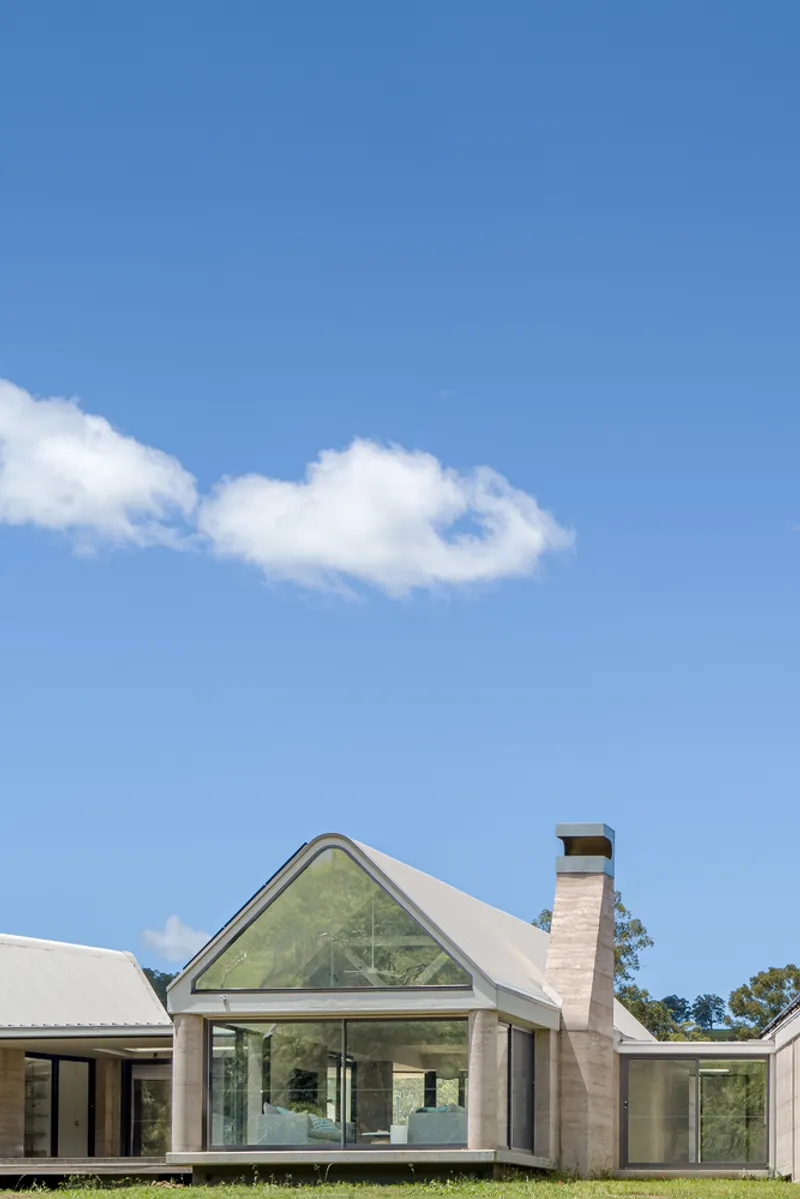
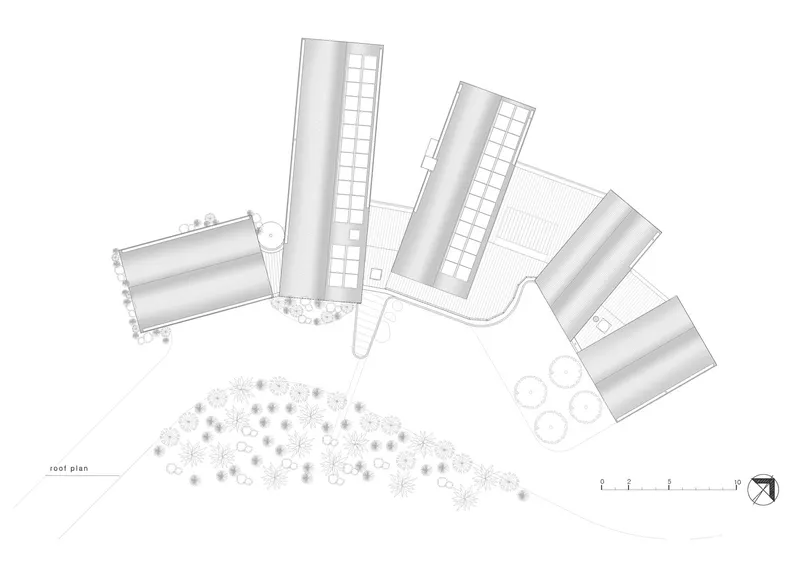
Capping each wing are gabled roofs made from corrugated iron sheets—a nod to the region’s vernacular shed architecture. The six-meter timber trusses span across the volumes, giving the rooflines clarity and strength while allowing for open, airy interiors. Together, the rammed earth and steel roofs form a powerful architectural language that is simultaneously grounded and lightweight.
Indoor-Outdoor Flow Through Traditional Hawaiian Lānai
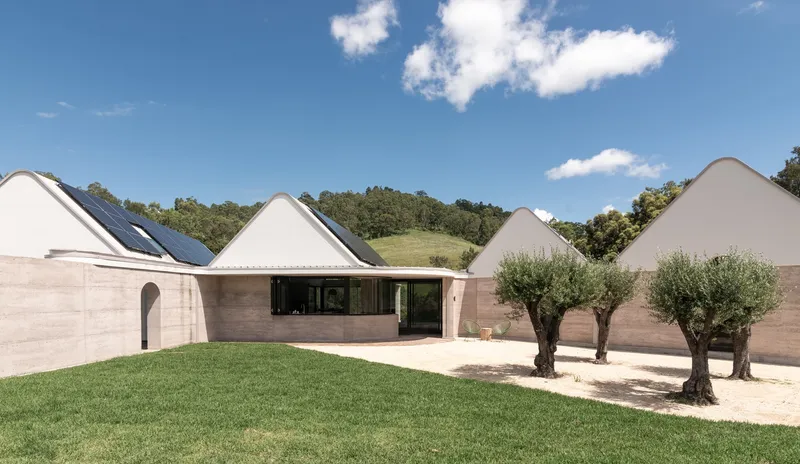
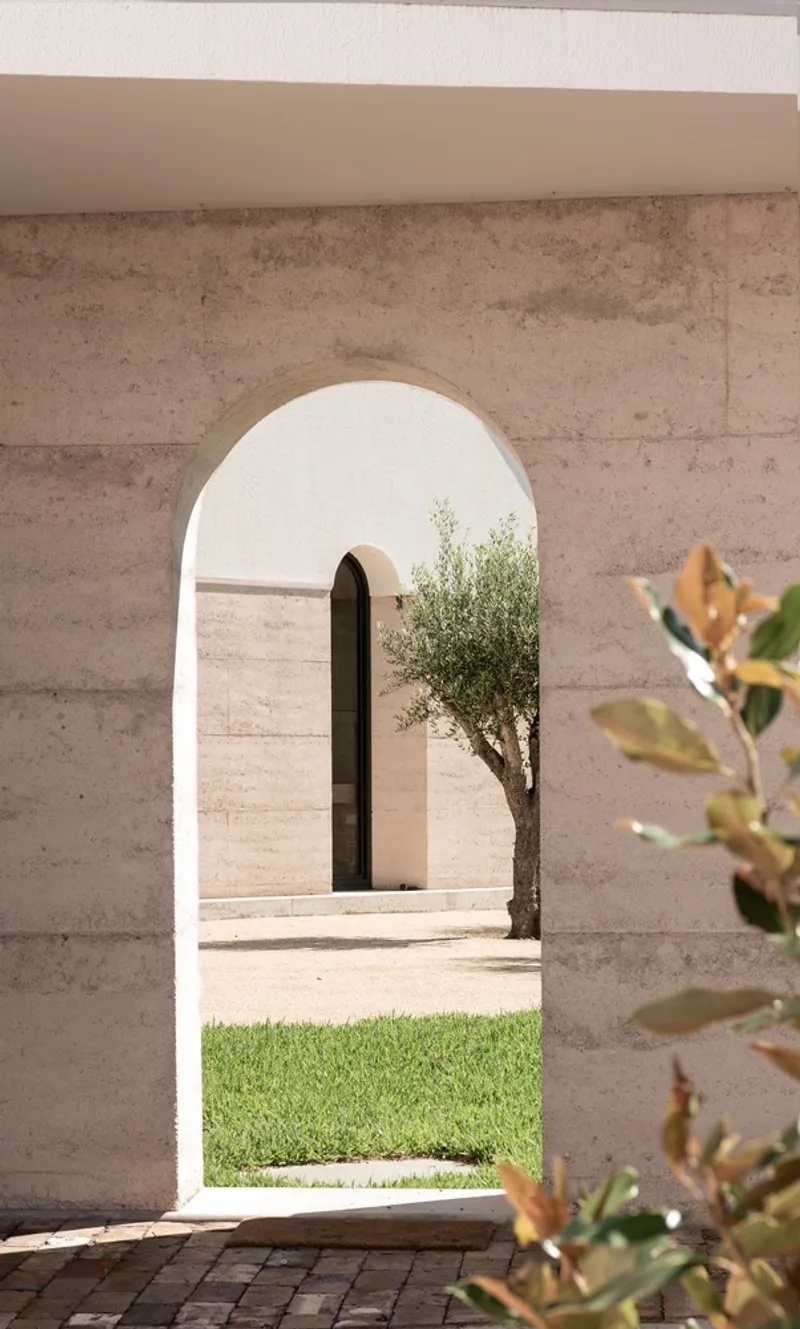
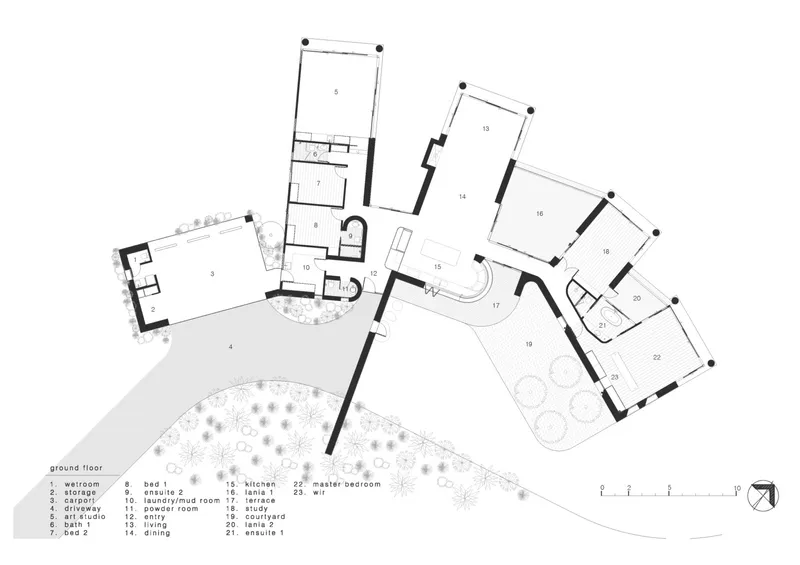
Connecting the residence's various wings are lānai—open-sided verandas of Hawaiian origin—that enable seamless transitions between indoors and outdoors. These sheltered walkways encourage airflow, offer shaded respite, and create communal spaces where residents and visitors can pause, observe, and engage. The arrangement of volumes around these circulation paths gives the impression of tents gathered around a campfire, emphasizing both intimacy and openness.

Landscape as Architecture
The architecture extends into the landscape through carefully curated outdoor spaces. A courtyard, olive grove, and soft landscaping define the atmosphere of the property, while the original farmhouse and outbuildings remain nearby, reprogrammed as barns and staff accommodations. This layered context enriches the project, framing the new construction as part of a larger, evolving rural narrative.

Designing for Efficiency and Circularity
Beyond aesthetics and comfort, this rammed earth house design adheres to principles of sustainable and circular construction. The use of standard-size building components reduces transportation costs and waste, while recycled timber is used for both the flooring and the roof structure. These choices not only reduce the building's embodied carbon but also offer opportunities for future reuse and disassembly.
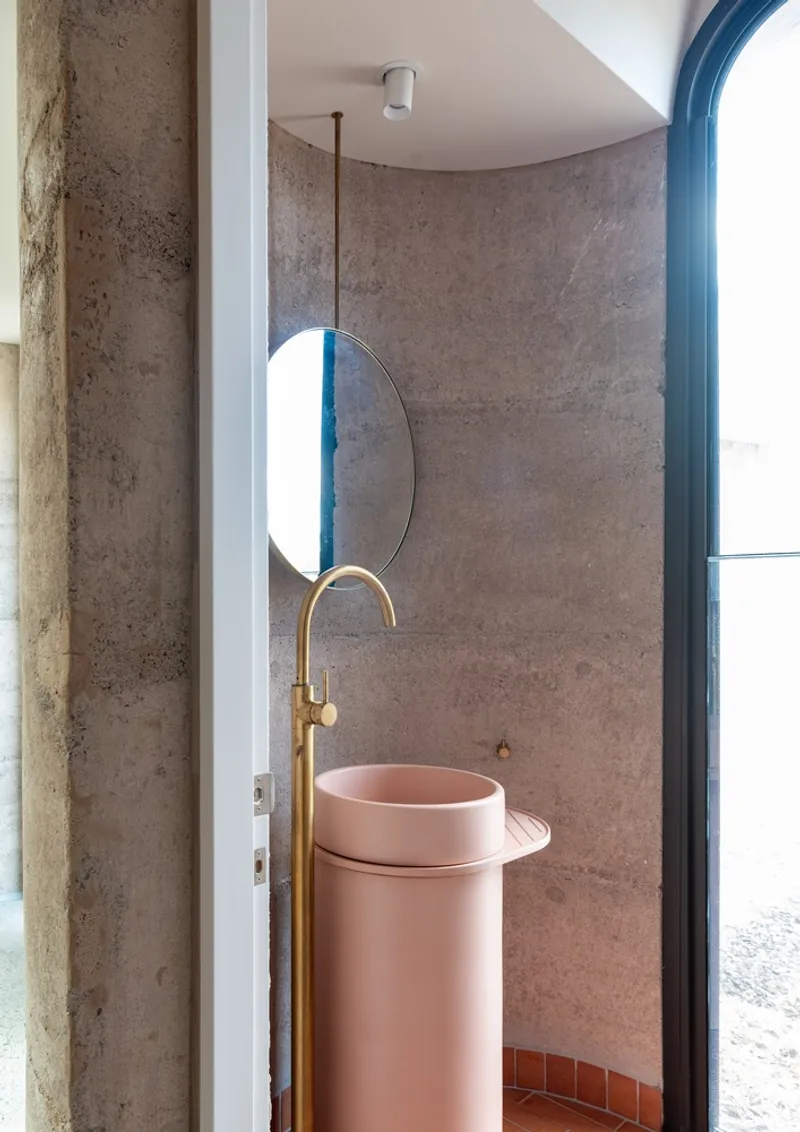

Rammed earth—once considered a fringe technique—is here elevated to the status of primary architectural expression. It is used not just for its ecological merits, but for its tactile beauty, thermal benefits, and profound connection to place. As more designers and clients seek resilient, low-impact building methods, projects like Earth by the River demonstrate how natural materials can shape the future of housing without sacrificing performance or design quality.
A Modern Rural Archetype
With Earth by the River, Luigi Rosselli Architects has created more than just a home; they’ve crafted a modern rural archetype. One that embraces the land’s geological history, respects its cultural origins, and honors the craft of making with earth. It is architecture that is quiet but enduring, contemporary but timeless—a true embodiment of rammed earth house design in the Australian landscape.
All photographs are works of Piers Haskard, Edward Birch


Popular Articles
Popular articles from the community


LT2A and OPEN Architectes Thread a Brick and Glass High School Through a Wooded Belgian Campus
In Braine-l'Alleud, a 3,000 m² wing for Collège Cardinal Mercier pairs pale brick with a glazed colonnade, deferring to a small chapel and a dense wood.

Jaramillo Van Sluys Arquitectura and Urbanismo Turn a Demolished Registry Lot in Quito into an Orchard Plaza
In Quito's Centro Histórico, a 2,800 m² plaza exposes the San Agustín convent wall and redraws its lost Augustinian orchard in volcanic stone.

Juan García Correa, John González and Claudia Rueda Sink a Circular Amphitheater into a Manizales Engineering Building
On the La Nubia campus in Manizales, Colombia, the S1 Building folds labs and offices into a hillside of ramped lawns that double as a campus route.

David Macias Steps a Doorless Stone and Plaster House Down a Tropical Colombian Hillside
In the humid hills of Colombia, Threshold House replaces the front door with an open void and terraces its 850 m² down the slope instead of fighting it.

Similar Reads
You might also enjoy these articles

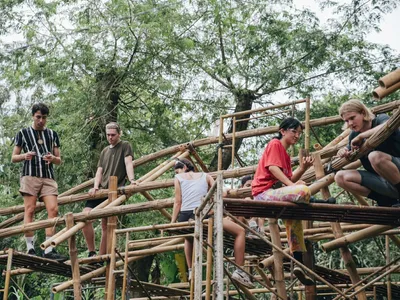
Bamboo Housing Challenge 2026: Design Affordable, Sustainable Homes Using Bamboo
An international design competition by Bamboo U and IBUKU inviting architects and designers to reimagine affordable housing using bamboo — with the winning design built full-scale in Bali.

Computational Design & Education: Beegraphy Design Awards Introduces 7th Category (Featuring Jiyun's Innovative Approach)
Dive into Beegraphy’s 7th Design Awards category, where computational design meets education to create immersive, interactive learning tools, inspired by Jiyun’s work.
From Parametric Lighting to Urban Furniture: Join the 2nd Workshop in Beegraphy’s Computational Design Series
Dive into Cutting-Edge Design Techniques and Practical Applications with Industry Experts

Last Call: Unleash Your Architectural Genius in SHAK's Kindergarten Design Competition
Urgent call for architects to join SHAK's kindergarten design competition before the looming deadline

Explore Rammed Earth Competitions
Discover active competitions in this discipline

Challenge to reimagine the Iron Throne

Photograph architecture without architects

Illustrate the lost glory of Angkor Wat - Render Challenge

Design challenge to reuse E-waste
Comments (0)
Please login or sign up to add comments
No comments yet. Be the first to comment!