

A space that acts as a vessel in reviving the destructed neighborhoods and encouraging inhabitants to come back in post war Syrian society.
Re-Coding Post-War Syria | Echo of Civilization


The Syrian Civil War is one of the worst humanitarian crises, that has entered its eighth year. There are a lot of plans for post-war reconstruction, and most of these plans are for the complete demolition of the existing damaged fabric by replacing it with a new urban fabric. But in the process, the participation of the community in these reconstructing plans is completely missing.
Post-war effects are widely spread and can be long term or short term. Meaningful post-war redevelopment should consider the balance between architectural infrastructure, public health provision, and social order. Reducing the importance of one of these three axes can lead to a collapse of social structure, services, education, health care, and also has a long-term impact on society.
The main focus should be on understanding how communities can be involved in the rehabilitation of these aspects.
When we look at the image of the ancient cities in the Middle Eastern regions, we see the urban texture that extends horizontally according to the needs of societies. If we bring the image closer, we see the paths that extend like veins reaching to the unit that forms all this beauty. At the center stage of this discovery often is the ancient mud house.
Ancient mud houses are the basis of societies in these regions. Especially since they are built by the inhabitants, from their land, and to serve their environment. It is a sustainable urban social and functional fabric that varies between cities and rural areas.
Brief: The cost of war cannot be quantified but the price Syria has to pay now is much more than it can afford. And even if we assume that the conflict is solved, still the daily life they used to live is impaired. It is the community of people in Syria that have suffered the most and without including them, the significance of the place will perish.
Challenge was to create a space that acts as a vessel in reviving the destructed neighborhoods and encouraging inhabitants to come back. A space that respects the past, responds to the present, and incorporates the possibility of a bright future for Syria.
A space that reinterprets the ancient mud house and uses it as a tool for a cultural revival.
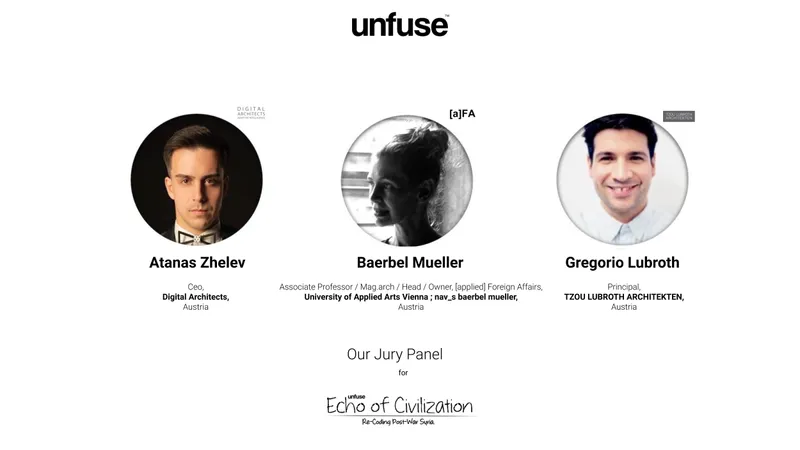
The jury for the competition consisted of esteemed designers, professionals, and academicians from around the world. The Lead Jurors for the competitions were as follows:
Atanas Zhelev, Ceo, Digital Architects, Austria
Baerbel Mueller, Associate Professor / Mag.arch / Head / Owner, [applied] Foreign Affairs, University of Applied Arts Vienna; nav_s barbel Mueller, Austria
Gregorio Lubroth, Principal, TZOU LUBROTH ARCHITEKTEN, Austria
Some of the Best of competition projects are:
Winning Project: Sky Dome
By: Mohamed Abdellatif, Eda nur Subaşı & Melike İnce
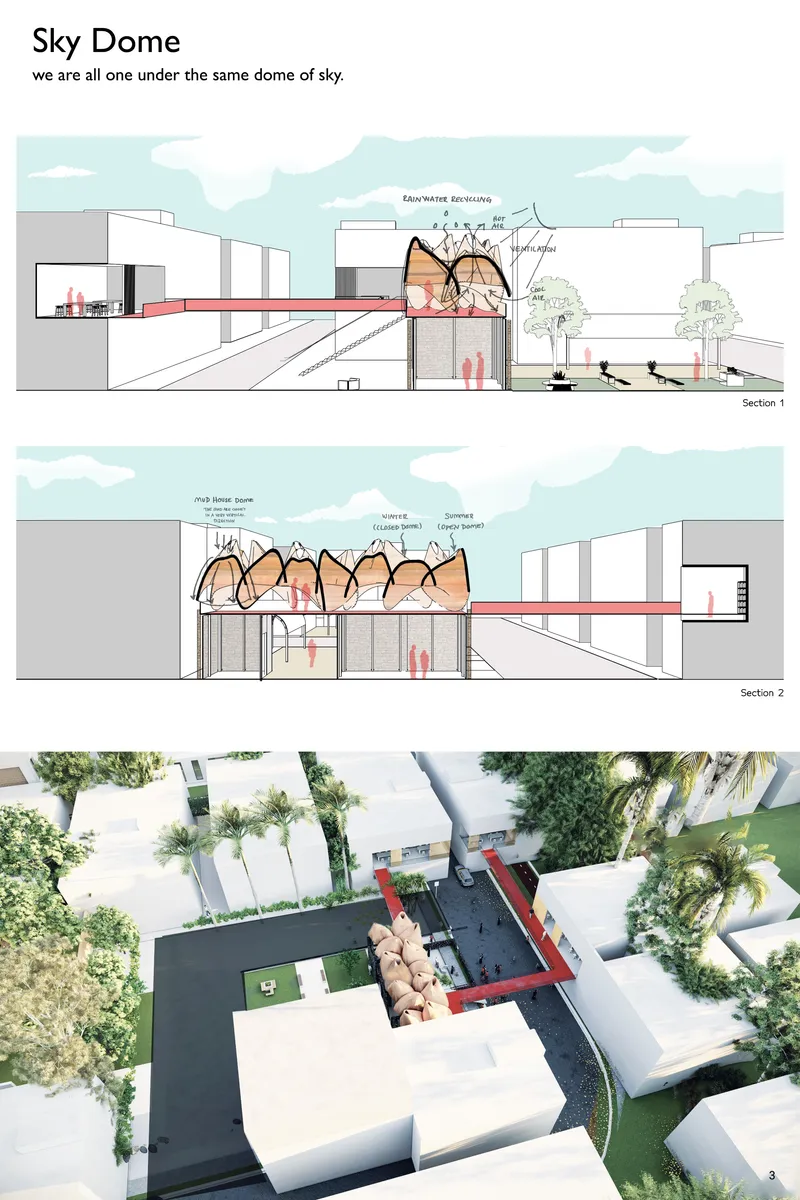
Description: We are all one under the dome of the sky.
-----------------
People’s Choice: Echo of Civilization
By: Sara Krzysztyniak
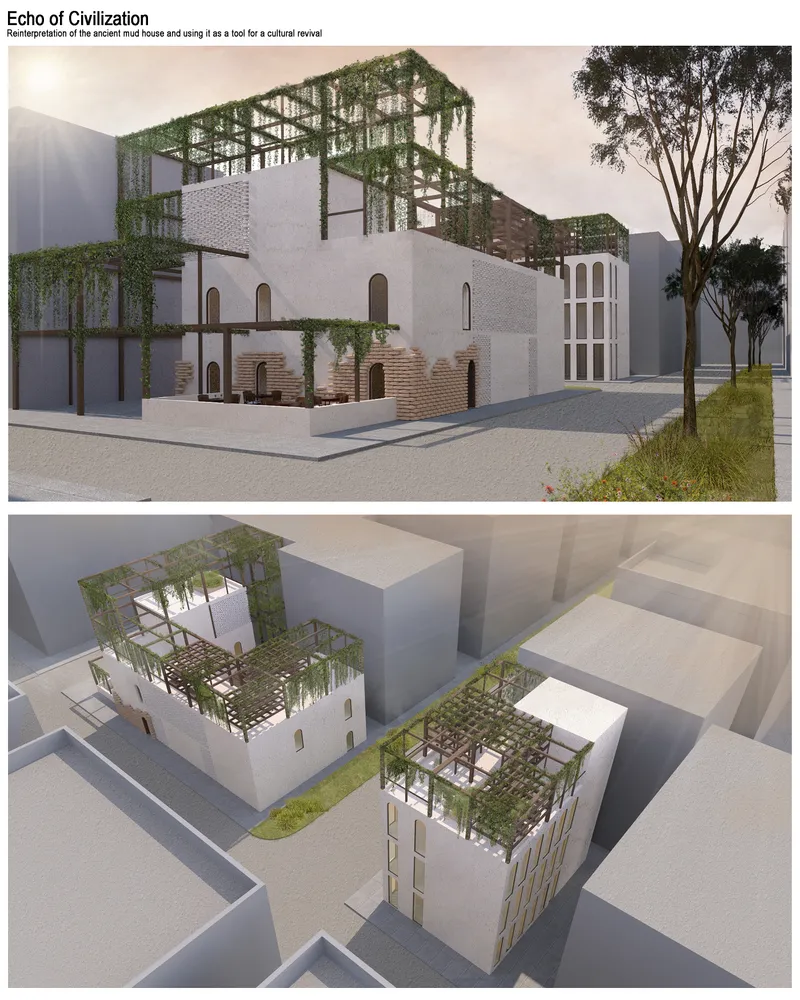
Description: Reinterpretation of the ancient mud house and using it as a tool for a cultural revival.
-----------------
Editor’s Choice: Echos of a Civilization
By: Nora Bretting
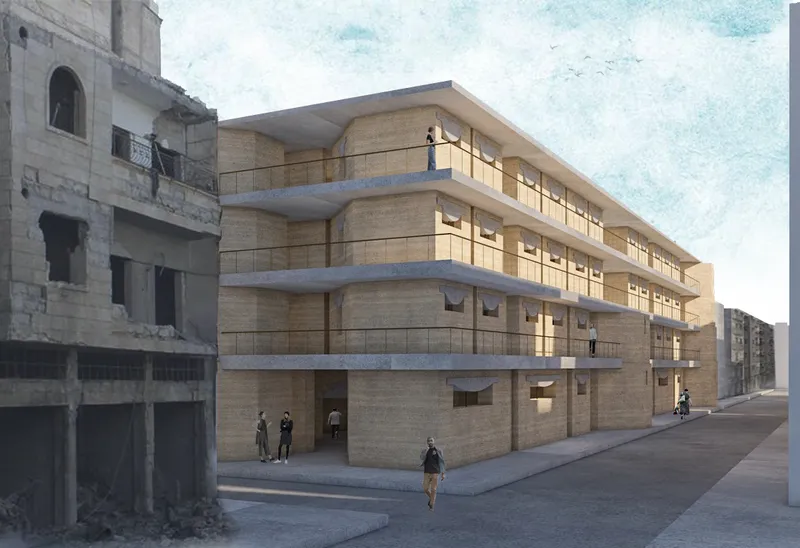
Description: During the reconstruction of a city, it makes sense to first create a living for the people who are returning at the same time, the building should also represent added value for the people who already live in zamalka.
Discover the design brief here:
https://uni.xyz/competitions/echo-of-civilization/info/about
Discover the full results here: https://uni.xyz/competitions/echo-of-civilization/entries
Follow us on social media: Facebook | Instagram | LinkedIn | Twitter | Youtube
Discover other design competitions to participate here: https://uni.xyz/competitions


Popular Articles
Popular articles from the community

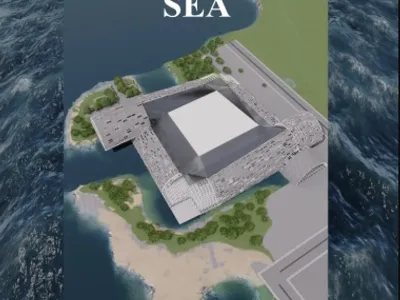
Opera on the Sea: Driftwood Logic Shapes a Timber Opera House on Estonia's Coast
Trevor Orgill's opera house translates the entangled drift of floating timber into a civic building where wood, water, and music converge.
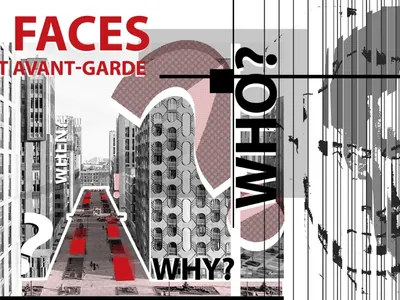
Faces of the Soviet Avant-Garde: Turning Moscow's Street Names into an Open-Air Museum
A network of sculptural installations across a Moscow residential district transforms forgotten architect names into spatial encounters with cultural memor
Tsunami Convergenics: Turning Catastrophic Ocean Forces into Underwater Housing Infrastructure
A speculative underwater settlement off the coast of Onagawa, Japan, treats tsunamis and typhoons as energy sources rather than threats.
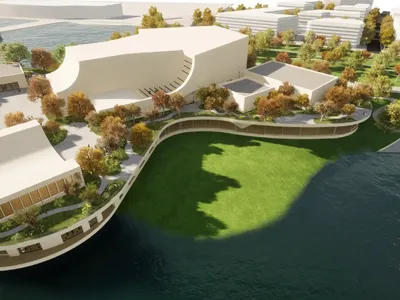
The Amber Palace Opera: A Geological Fiction Surfaces on Tallinn's Baltic Waterfront
Pierre Brillard reimagines a Baltic legend as a public landscape, opera house, and waterfront promenade rooted in Tallinn's coastal identity.

Similar Reads
You might also enjoy these articles

Play: Fragments of Their World: Remembered Architecture Rebuilt as a Modular Playground for Refugee Camps
Tom Gardner abstracts domes, arches and towers from the homelands of displaced families into a kit of child-scaled play parts for camp settlements.
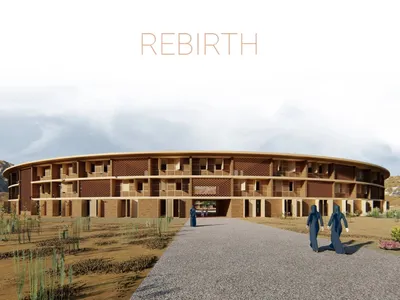
REBIRTH: A Circular Settlement Where Afghan Widows and Their Children Rebuild Life Together
A shortlisted Resile entry turns the circle into a protective ring of timber and brick, gathering homes, classrooms and gardens around a shared landscape.
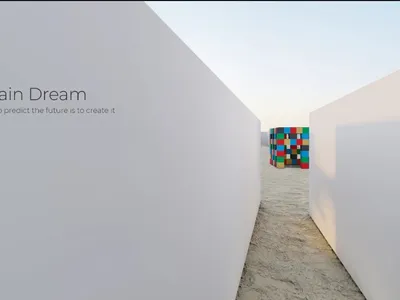
The Main Dream: A Recycled Plastic Kit That Lets Refugee Children Build Their Own Playground
Thirty-centimetre interlocking cubes that connect on three axes turn play into construction, letting children author the spaces they occupy.
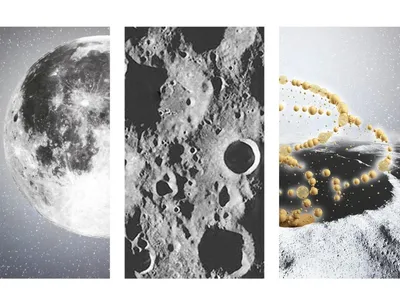
Lunar Spiral: A Fibonacci-Driven Moon Settlement Rising from Shackleton Crater
Golden-spiral geometry organises buried infrastructure and orbiting habitable spheres into a lunar base designed to grow as life on the Moon expands.

Comments (0)
Please login or sign up to add comments
No comments yet. Be the first to comment!