
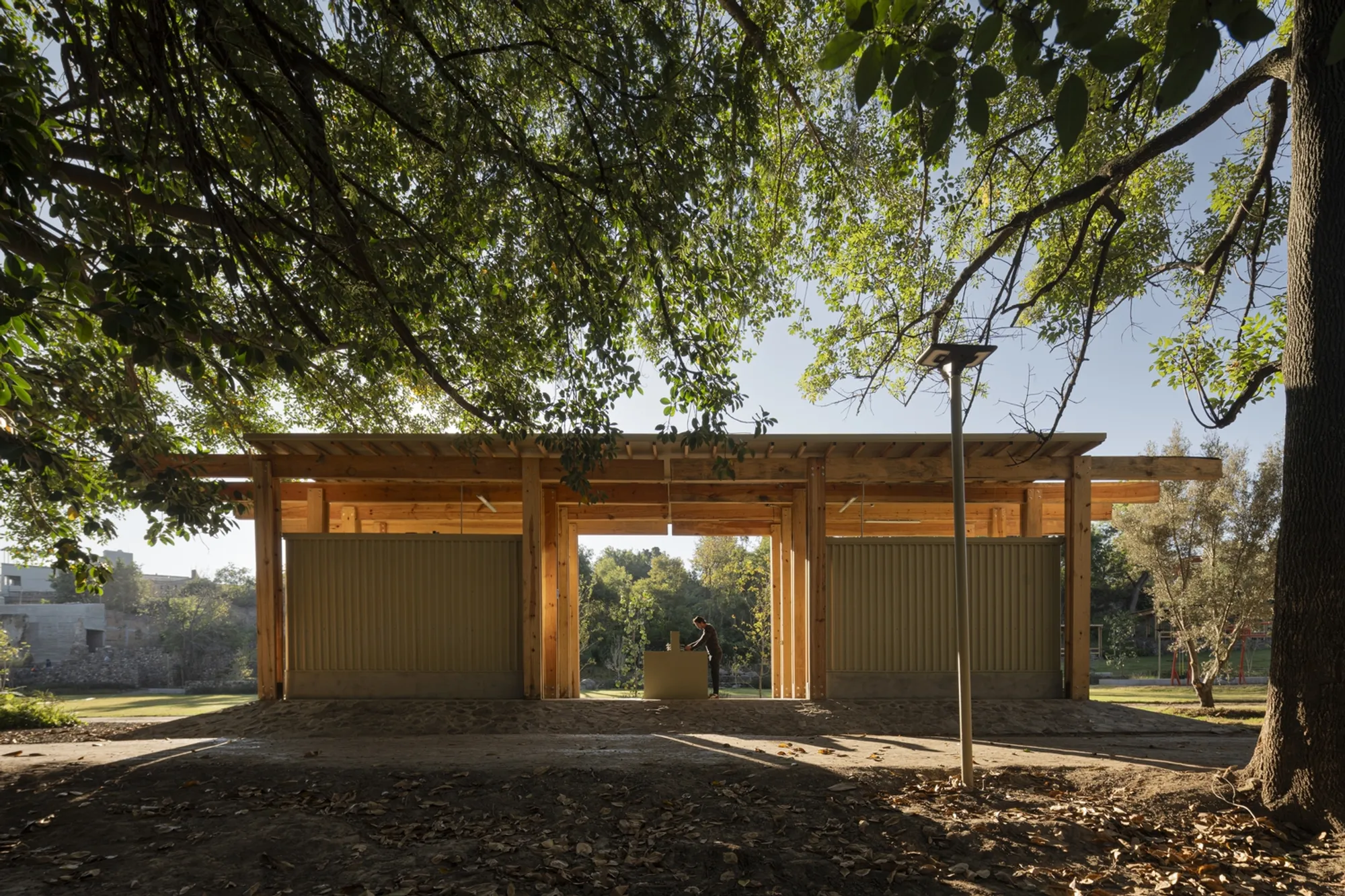
Eco Park Batanes Architecture: Revitalizing Heritage and Landscape in Salvatierra
Eco Park Batanes revitalizes Salvatierra’s historic bridge and riverfront through sustainable design, cultural integration, and ecological regeneration.


Eco Park Batanes, designed by 3ME Arquitectura, is a transformative public space that merges ecological restoration with historical preservation in Salvatierra, Guanajuato, Mexico. Situated at the confluence of the Lerma River and the historic 17th-century Batanes Bridge, this 26 m² project brings a neglected riverside area back to life, offering a harmonious balance between nature, heritage, and community.
Historical Context: The Legacy of Batanes Bridge
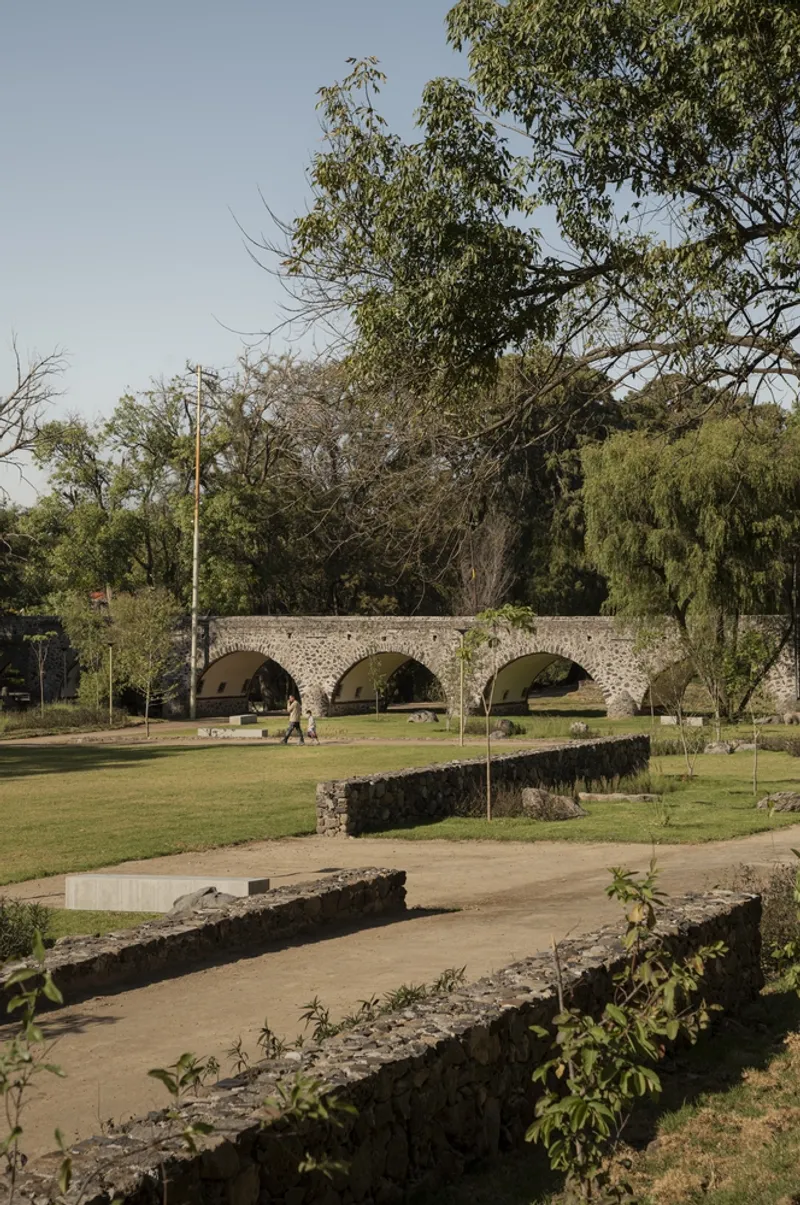
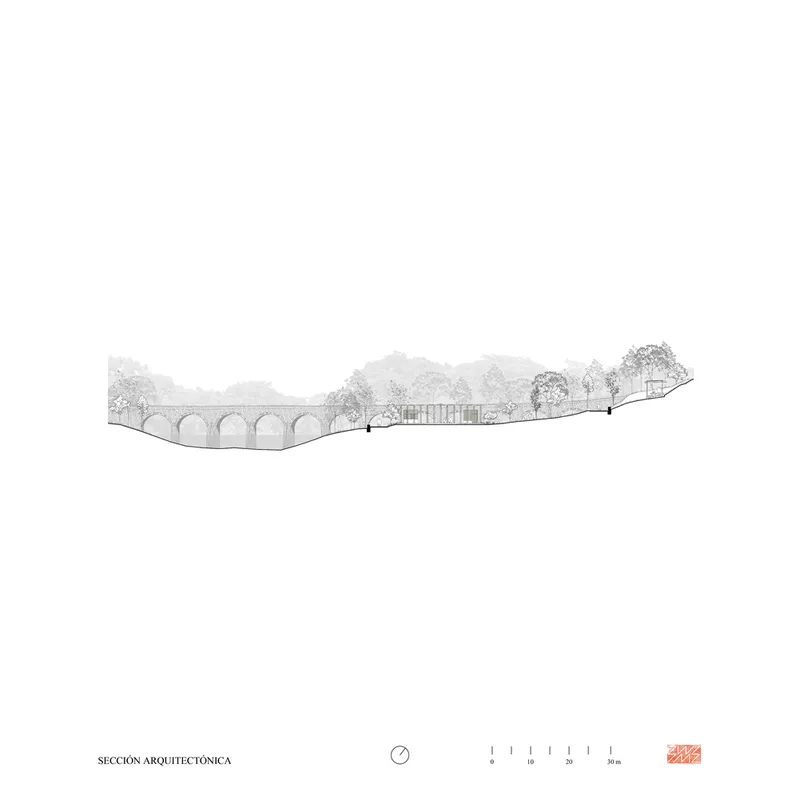
The Batanes Bridge, constructed in the 17th century by the barefoot Carmelite Fray Andrés de San Miguel, once served as the primary gateway to the fertile Huatzindeo Valley. This valley supported vast agricultural estates that sustained the lowlands and northern regions of Mexico. However, urban growth and land speculation over the last 70 years led to the abandonment of these lands, making them vulnerable to neglect and illegal activity. The new Ecopark initiative reclaims this historical setting, restoring its significance as a cultural and natural landmark.
Design Concept: Integrating Nature, History, and Public Space
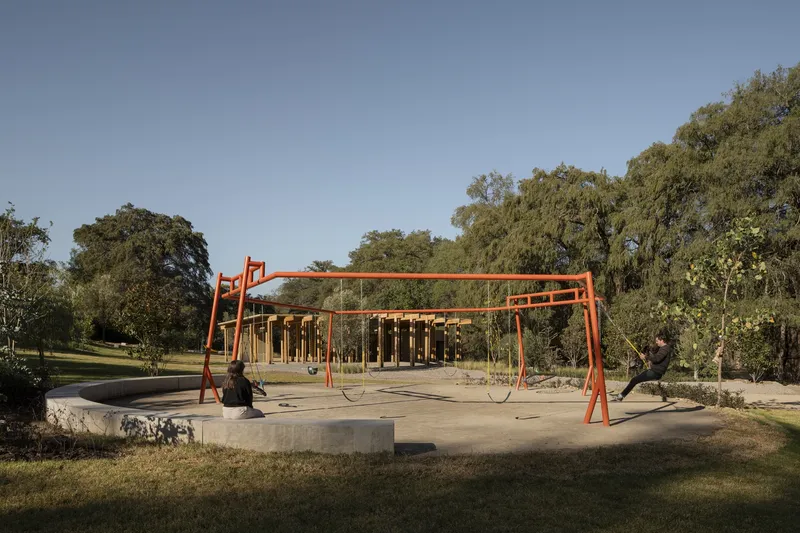
The Eco Park Batanes Architecture project aims to strengthen the existing landscape structure—composed of monumental sabino trees, orchards, and river ecosystems—while enhancing accessibility and public engagement. The intervention focuses on creating an ecological reserve that integrates seamlessly with the historical fabric of the bridge, providing a space for cultural, recreational, and environmental activities.
Master Plan: Platforms and Pathways
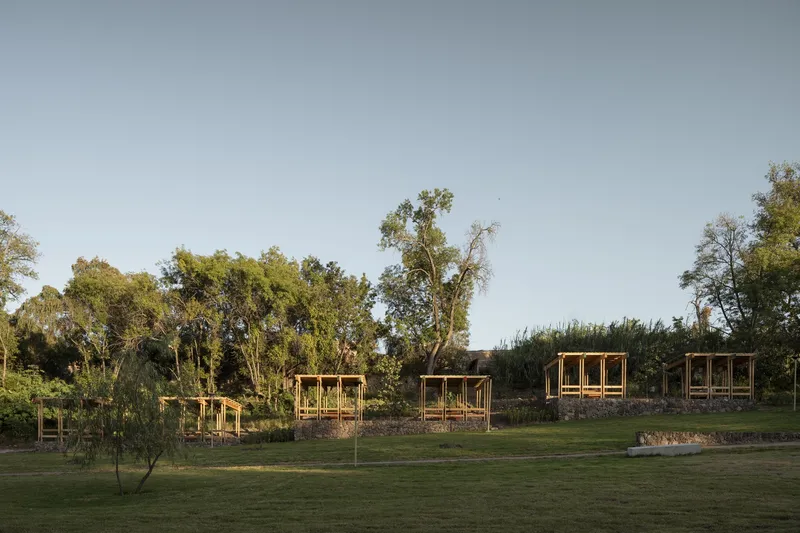
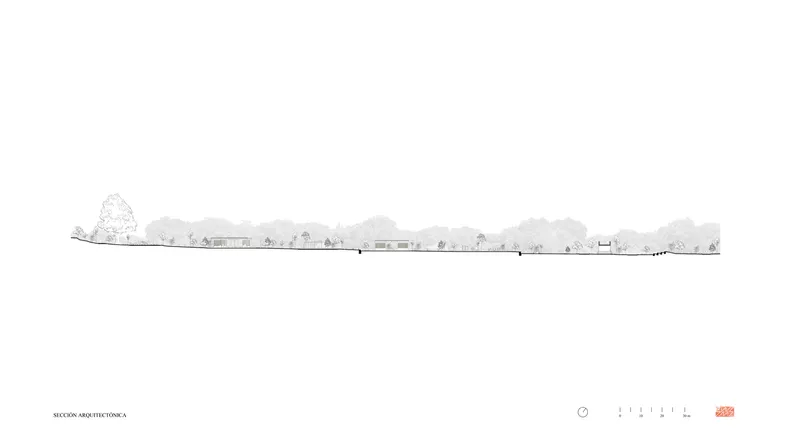
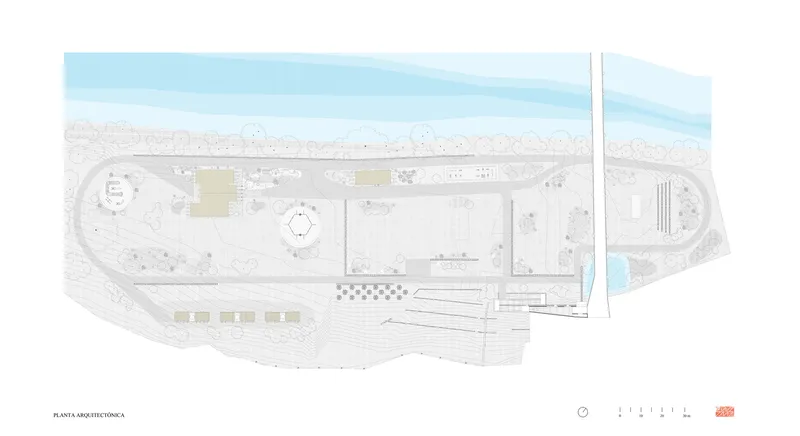
The park is organized into three open topographical platforms that gently descend toward the base of the bridge, maintaining it as a visual focal point. These platforms accommodate large outdoor gatherings, cultural events, and leisure activities. Pathways constructed from improved tepetate and bordered by traditional stone retaining walls enhance the natural terrain while respecting local material traditions.
Architectural Elements: Pavilions and Access Points
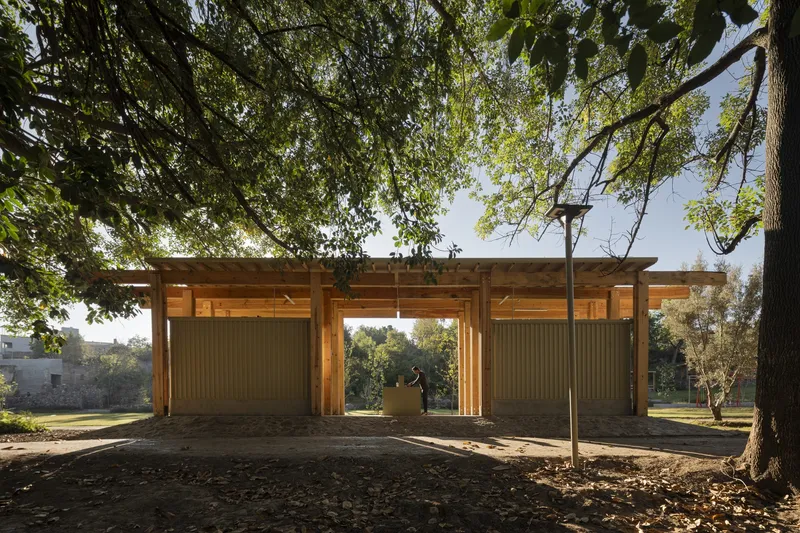
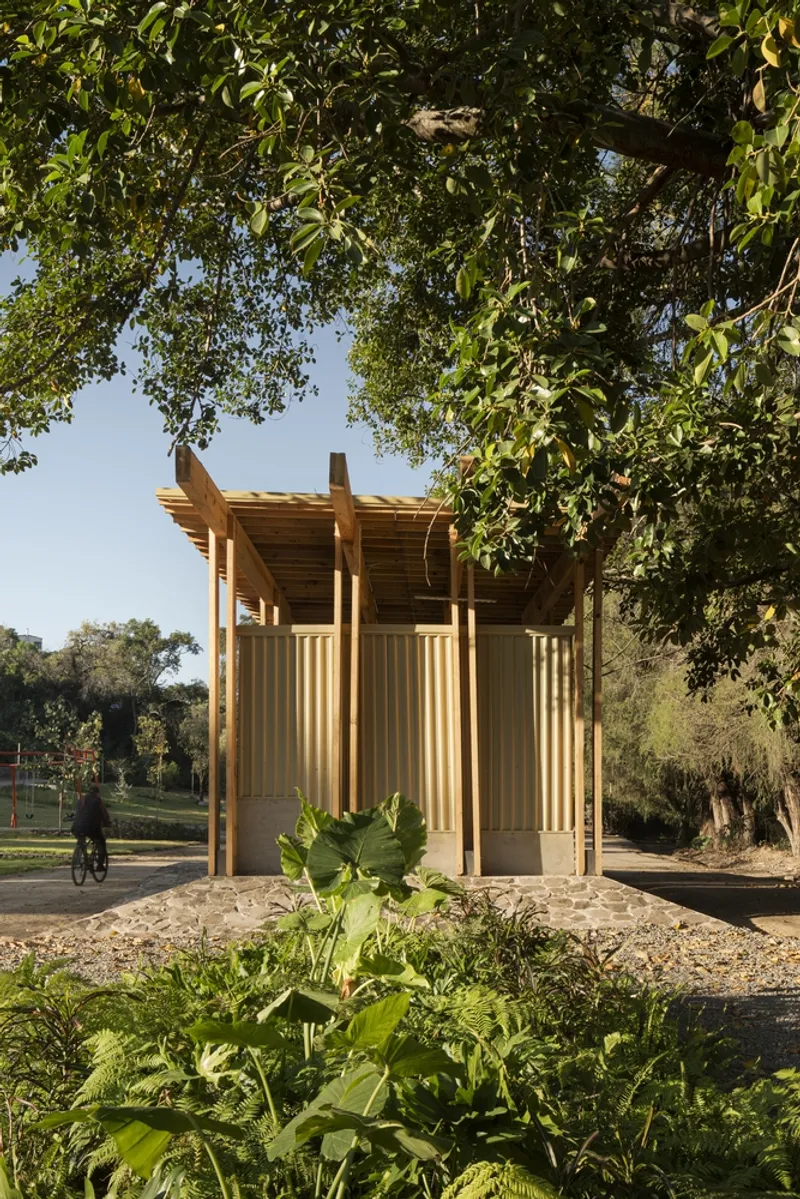
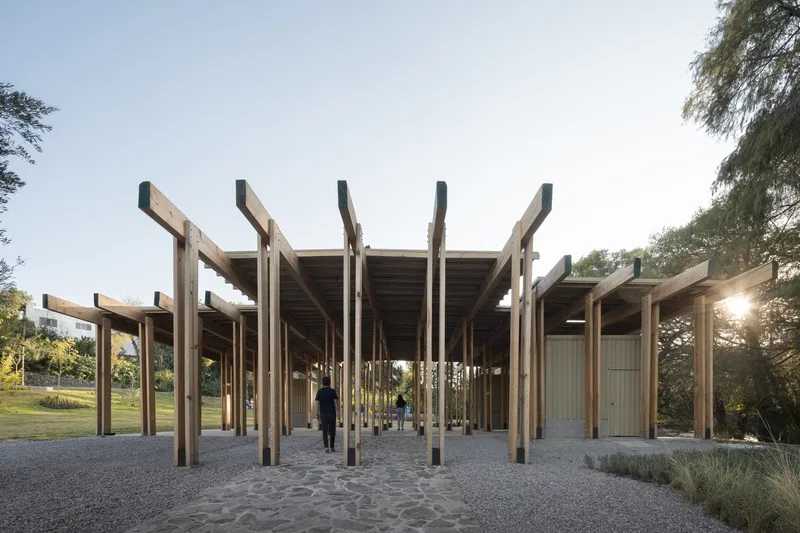
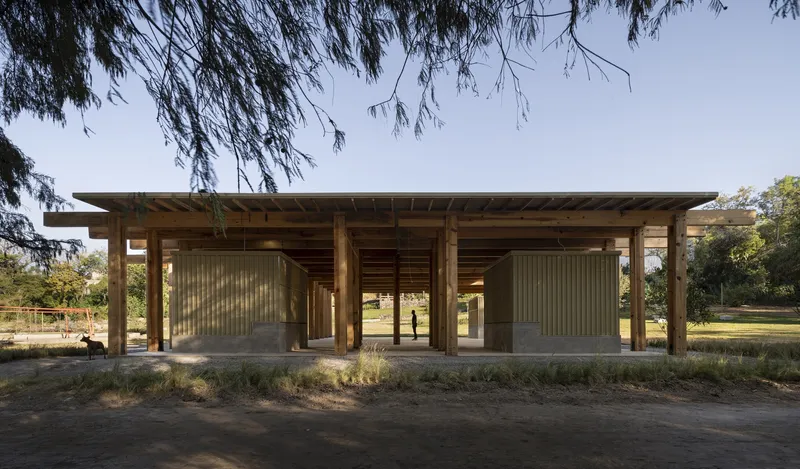
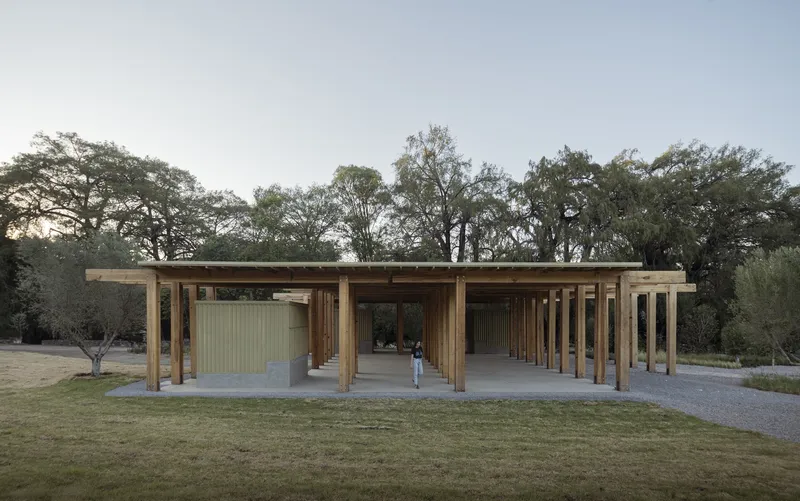
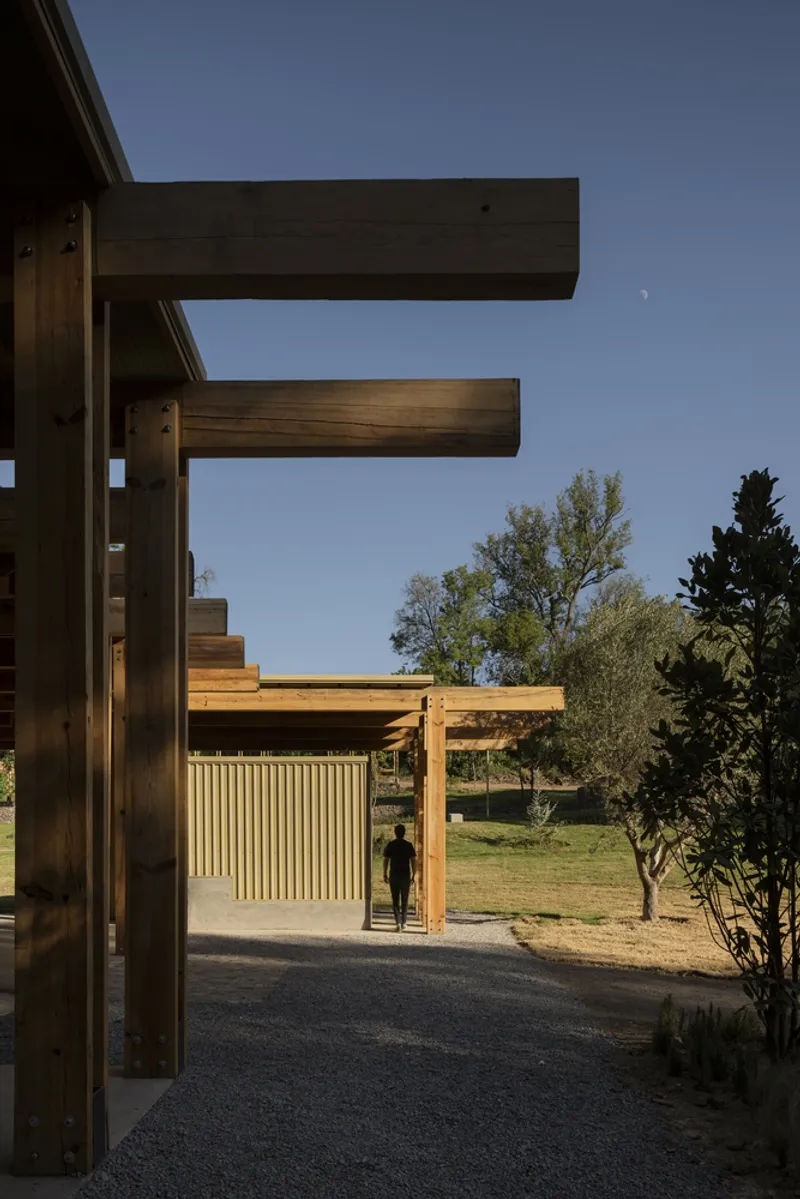
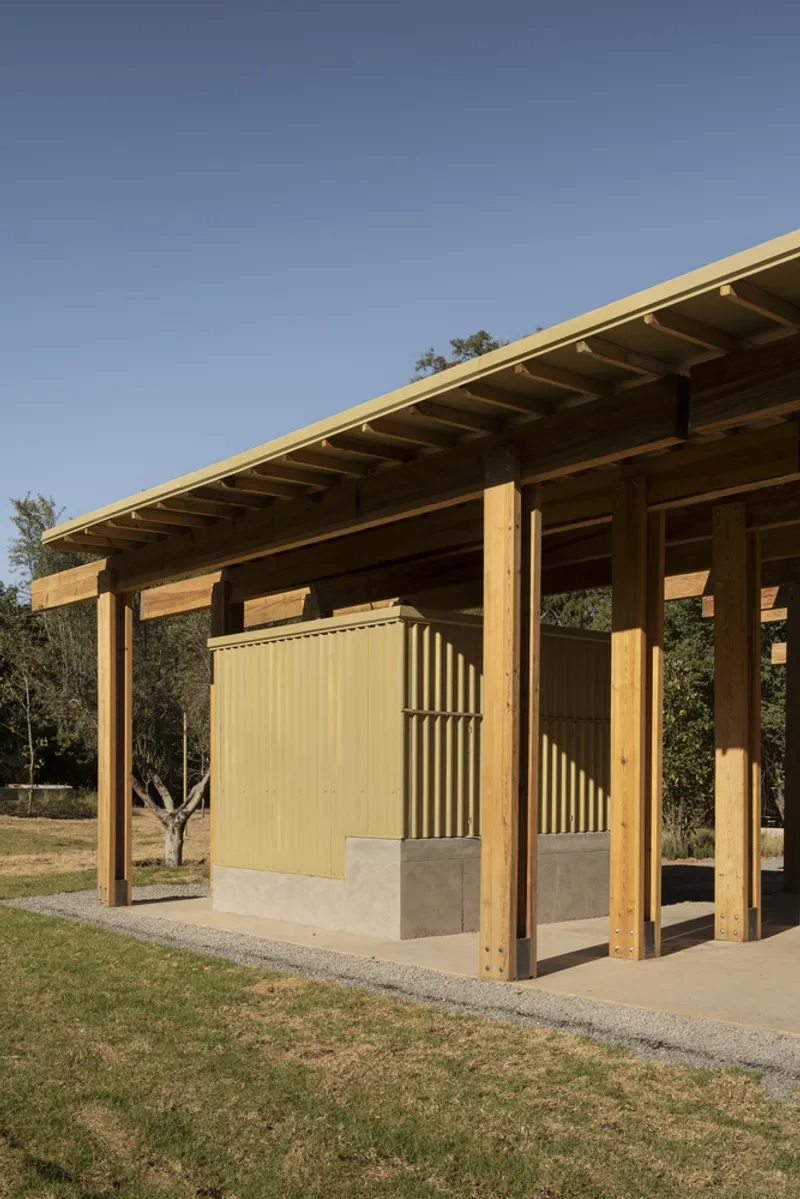
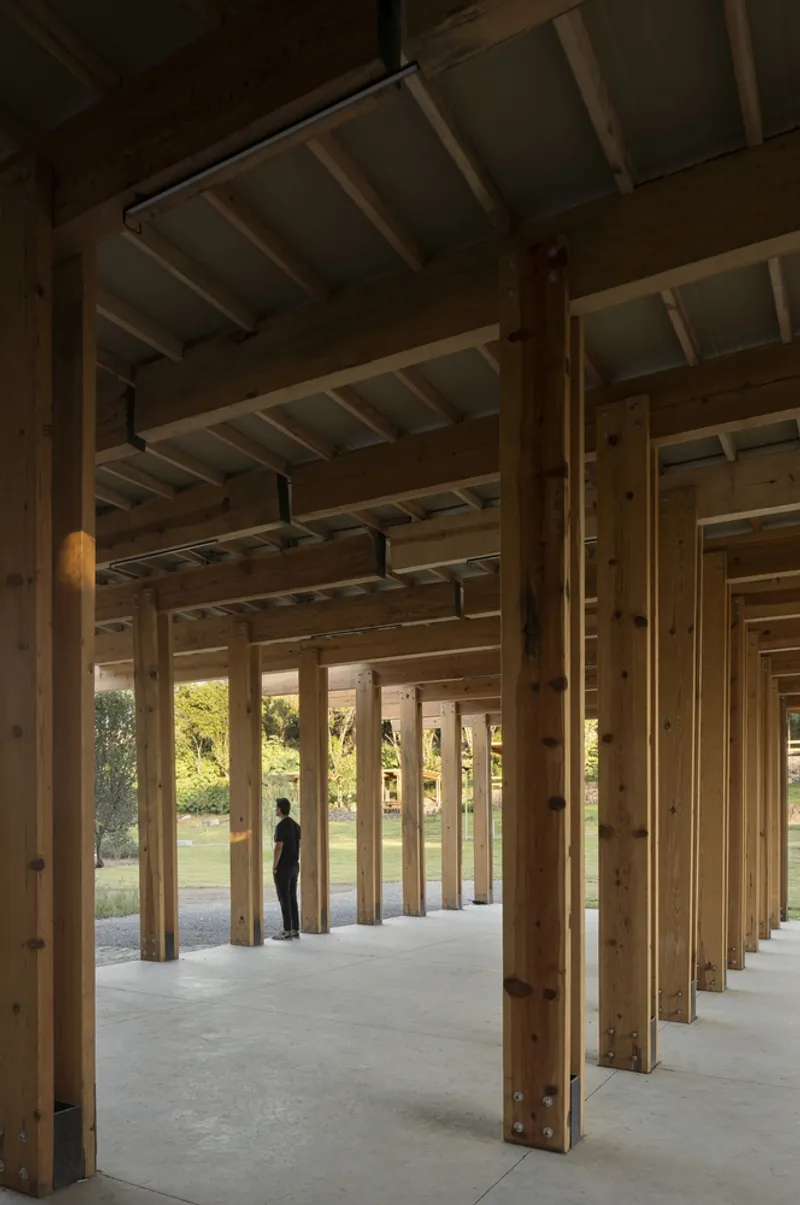
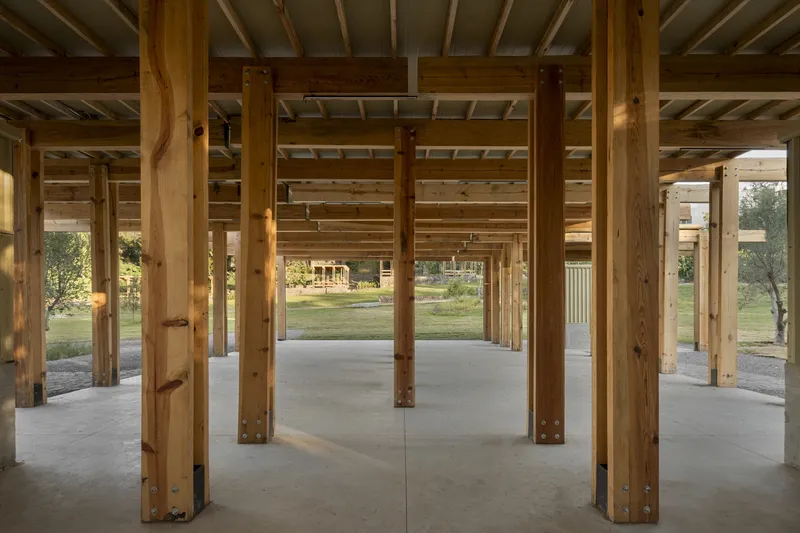
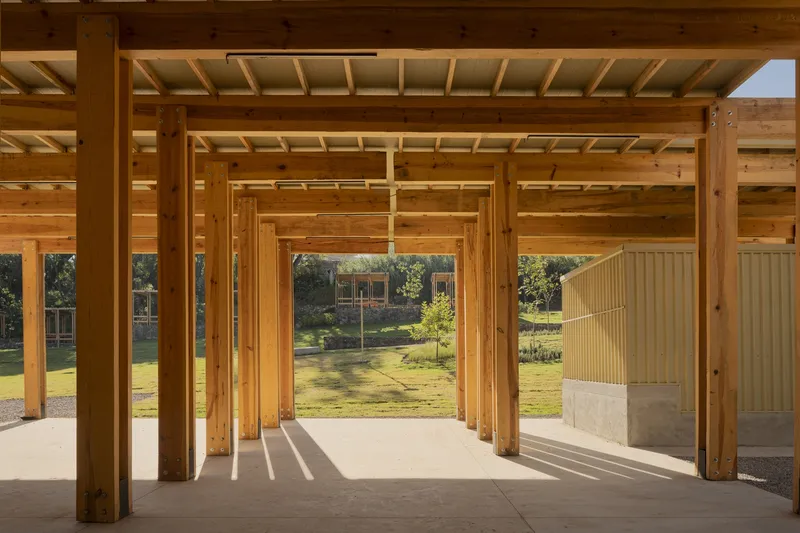
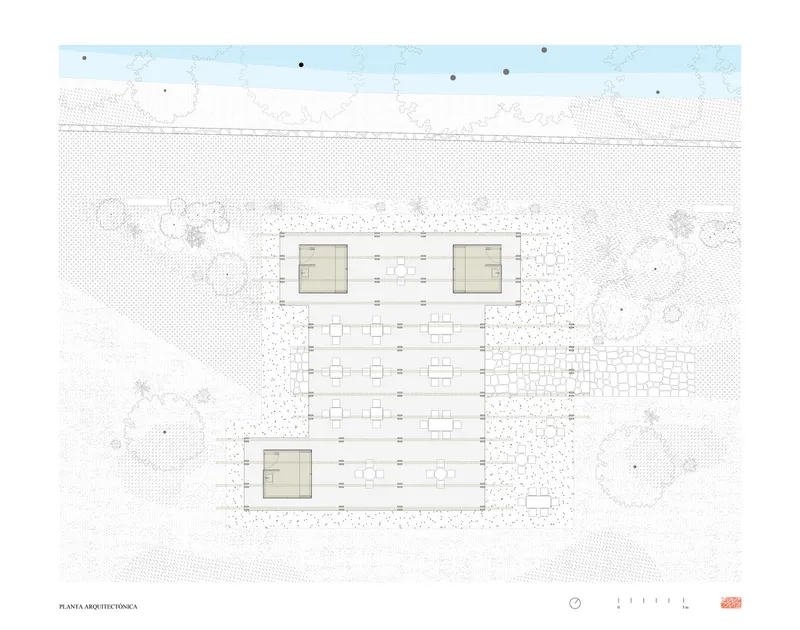
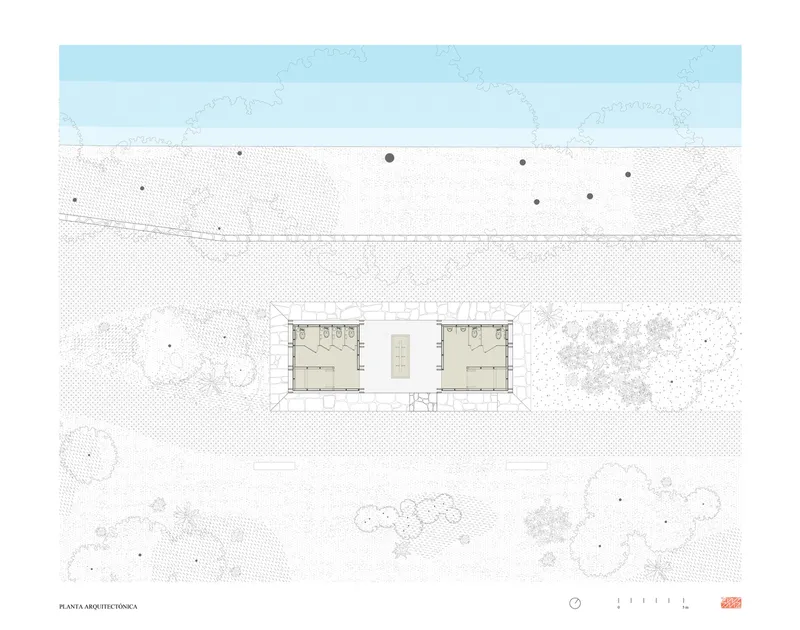
At the entrance, the remains of an old house were consolidated and complemented by a new concrete structure that houses a ticket office and a viewpoint ramp, offering panoramic views of the landscape. Service pavilions and the food pavilion feature lightweight wooden frameworks formed by double beams and columns in a distinctive double-T configuration. This structural rhythm creates dynamic spaces capable of hosting cultural programs, exhibitions, and gastronomic experiences tied to the region's natural heritage.
Materiality and Sustainability
The architectural language emphasizes local materials and traditional construction techniques, such as wood and stone masonry, ensuring continuity with the site’s historical character. The use of local craftsmanship also became a social inclusion strategy, providing employment opportunities for repatriated migrant men and women during construction. Additionally, the project incorporates native tree planting, wild grasses, and the rehabilitation of orchards, promoting biodiversity and reinforcing the ecological identity of the Lerma River landscape.
Social and Cultural Impact
Beyond its architectural and environmental contributions, Eco Park Batanes Architecture asserts the right to public space, fostering a culture of inclusivity, social equity, and ecological awareness. The park positions itself as a civic anchor, reconnecting the community with its historical and natural roots.
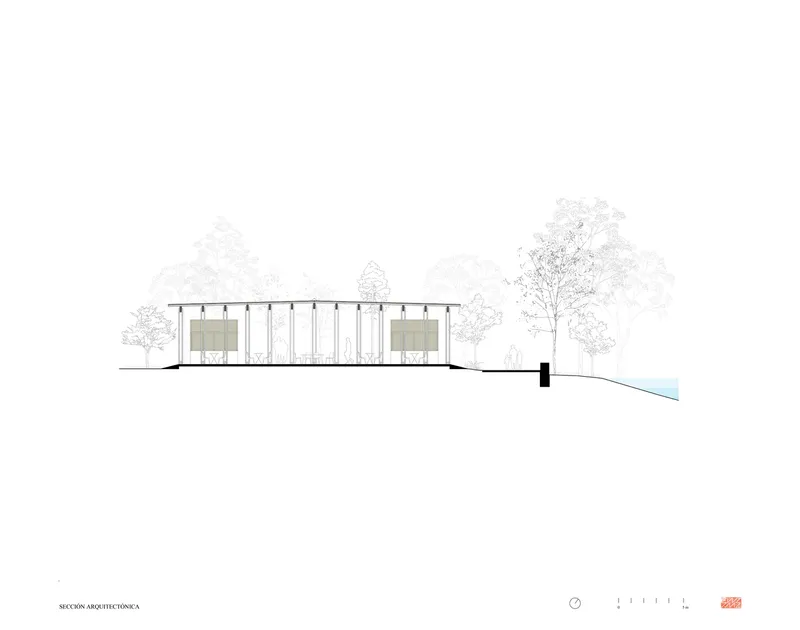
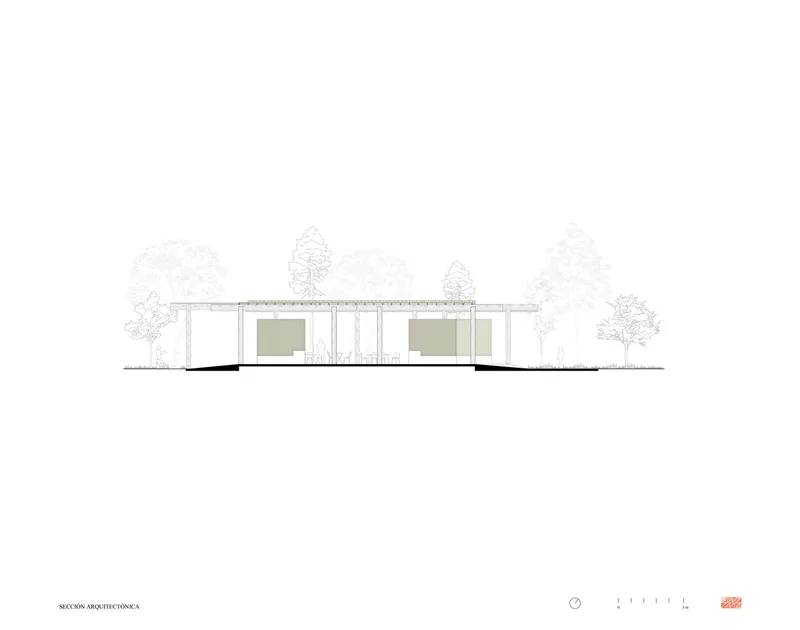
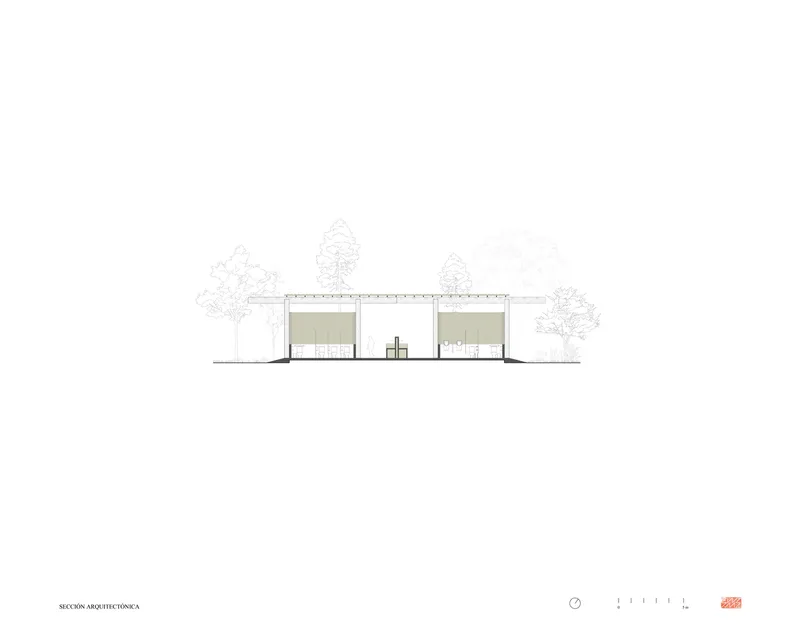
Eco Park Batanes by 3ME Arquitectura stands as a model for sustainable landscape architecture that bridges the past and the present. By restoring a historically significant site and transforming it into an ecological, cultural, and social hub, the project exemplifies how sensitive architectural interventions can regenerate abandoned urban edges into vibrant, inclusive public spaces.
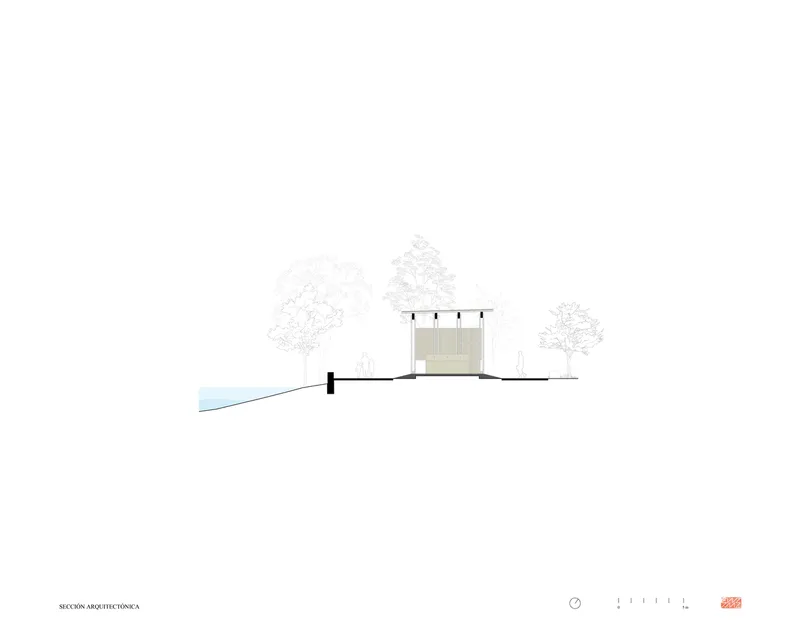
All the photographs are works of César Belio



Popular Articles
Popular articles from the community


The Earth Pod: 3D Printed Homes for Resilient Refugee Communities
The Earth Pod reimagines refugee housing through 3D printed homes made from clay, combining resilience, self-sufficiency, and rapid shelter.

Co-Life: Senior Housing Design That Reconnects Older Adults With the City
Co-Life reimagines senior housing design through healing gardens, shared streets, workshops, and a sustainable community across generations.

Conexión: Biophilic Design Reimagines High-Rise Living in Hong Kong
Conexión reimagines high-rise living in Hong Kong through biophilic design, green facades, shared spaces, daylight, water and nature within.

Play: Fragments of Their World
Familiar architecture becomes modular playground design, creating safe spaces where displaced children can learn, connect, imagine and play.

Similar Reads
You might also enjoy these articles

FAMM Arquitectura Organizes Ten Villas Around Courtyards and Jungle in Nosara, Costa Rica
El Molino pairs two elongated volumes with deep overhangs and timber louvers to build a compact coastal community five minutes from the beach.
Oscar Niemeyer's Ibirapuera Park Pavilions Define São Paulo's Cultural Identity in Concrete and Curve
A constellation of modernist volumes set within São Paulo's most important urban park, conceived for the city's 400th anniversary in 1954.
How Henri Picq's 1889 Paris Pavilion Traveled 11,000 Kilometers to Become Santiago's Artequín Museum
A prefabricated iron and glass pavilion built for the Paris Universal Exposition found a second life as a children's art museum in Chile.
Sanjay Puri Architects Wraps a Jaipur Office Tower in Capsule-Shaped Green Buffers
A nine-level climate-responsive workplace near Jaipur Airport uses stacked planter terraces and aluminium screens to fight 40°C heat.

Explore Architecture Competitions
Discover active competitions in this discipline



Challenge to reimagine the Iron Throne


Photograph architecture without architects


Illustrate the lost glory of Angkor Wat - Render Challenge


Design challenge to reuse E-waste
Comments (0)
Please login or sign up to add comments
No comments yet. Be the first to comment!