
Educational Architecture Design: Transforming Learning Environments
This article explores the innovative architectural redesign of San Antonio Primary School 2.0, focusing on enhancing educational environments through creative design.


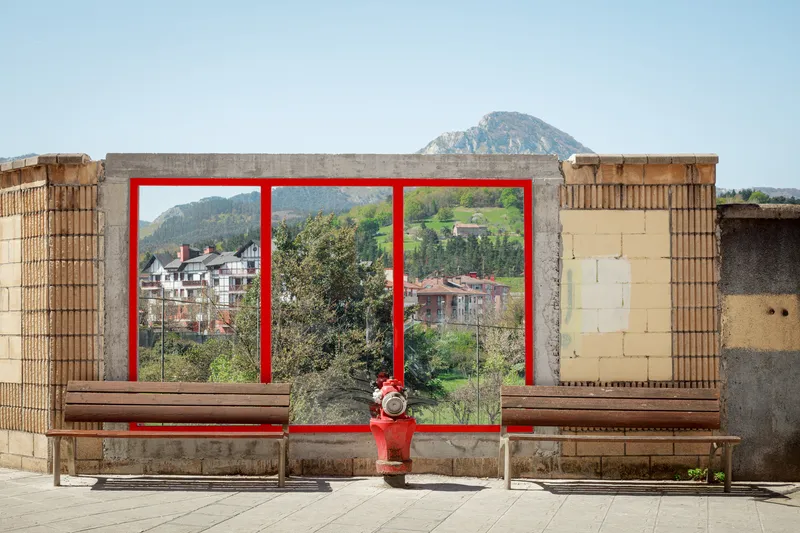
In the heart of Spain, the transformative redesign of San Antonio Primary School 2.0 by ELE Arkitektura sets a new benchmark in educational architecture design. This project not only caters to the functional needs of a learning environment but also integrates creative spatial solutions to enhance the educational experience of students aged 7 to 12. Through the strategic use of space, materials, and light, ELE Arkitektura illustrates how architecture can channel the desire to learn and play in a stimulating environment.
The Role of Architecture in Education
Creating Dynamic Learning Environments
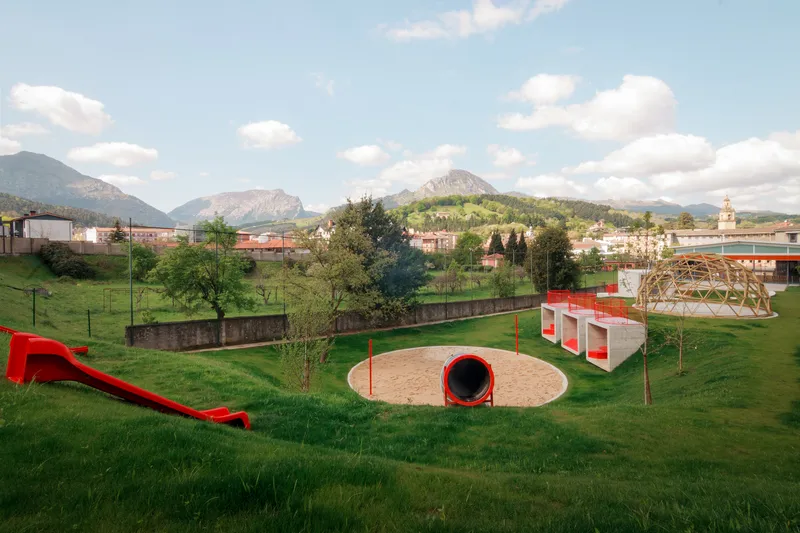
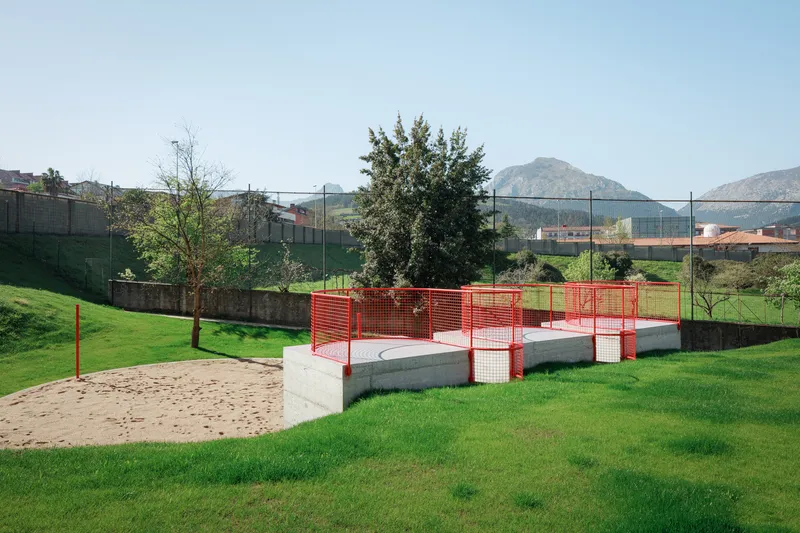
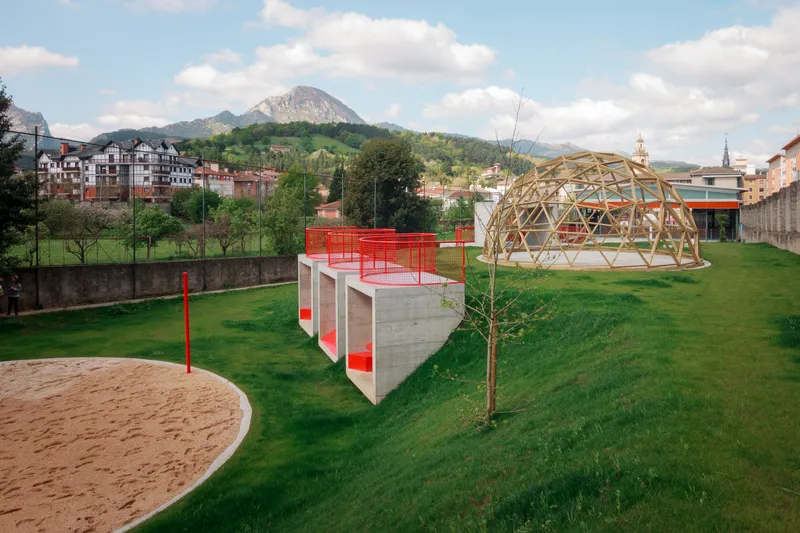
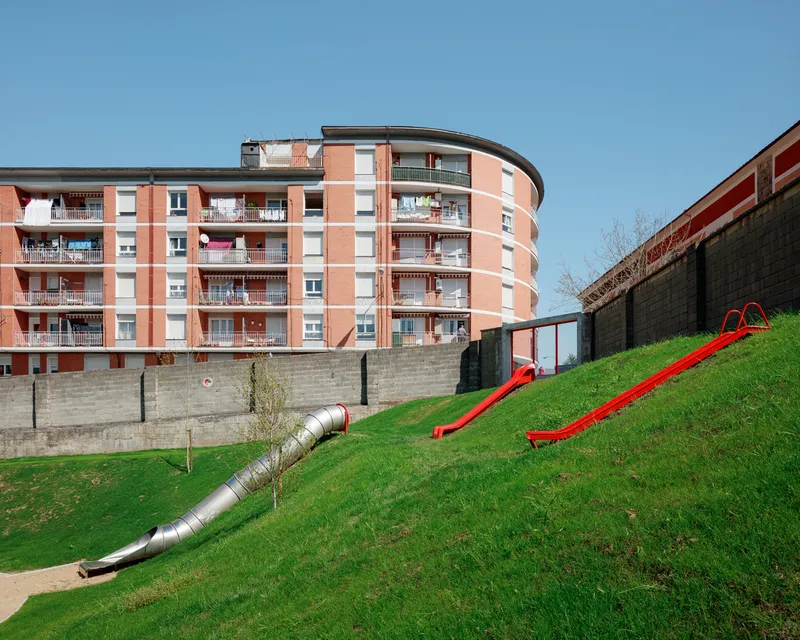
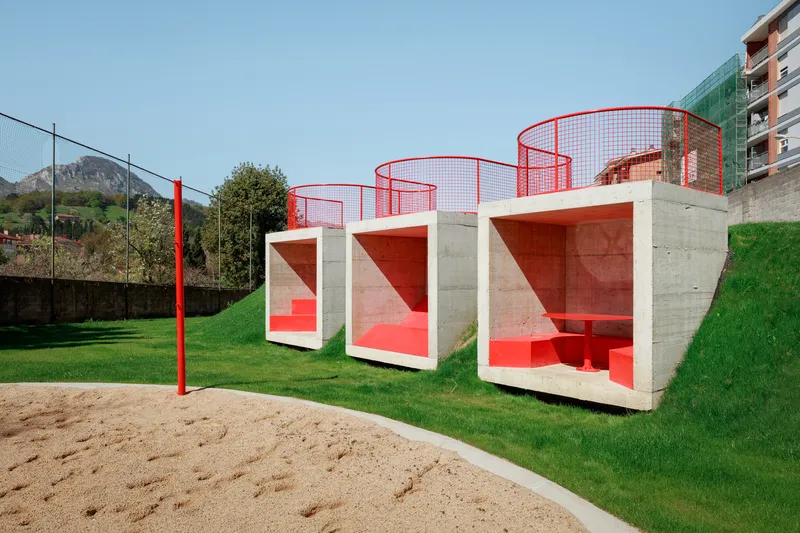
The redesign of the San Antonio Primary School emphasizes the critical role of architecture in creating dynamic and adaptable learning environments. By transforming traditional spaces into areas that encourage creativity and interaction, the school becomes a canvas for expression and exploration. The use of sinuous hills and varied spatial enclosures allows for different activities and atmospheres within a cohesive outdoor area.
Integrating Natural Elements
One of the standout features of this project is the integration of natural elements within the educational setting. Maintaining the wild character of the local environment, the design includes native plants and green spaces that blend seamlessly with the school’s outdoor learning and play areas. This connection to nature is not only aesthetically pleasing but also promotes a healthier learning environment conducive to student well-being and engagement.
Innovative Design Features of San Antonio Primary School 2.0
Zones Tailored for Diverse Activities
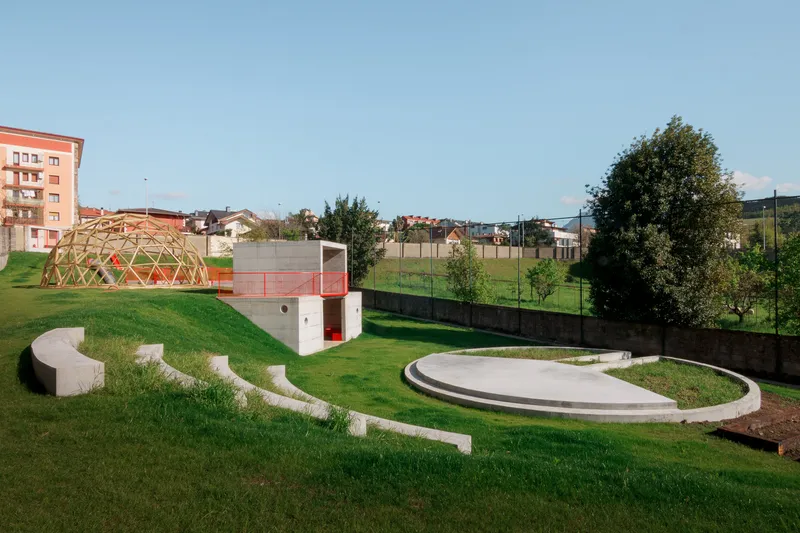
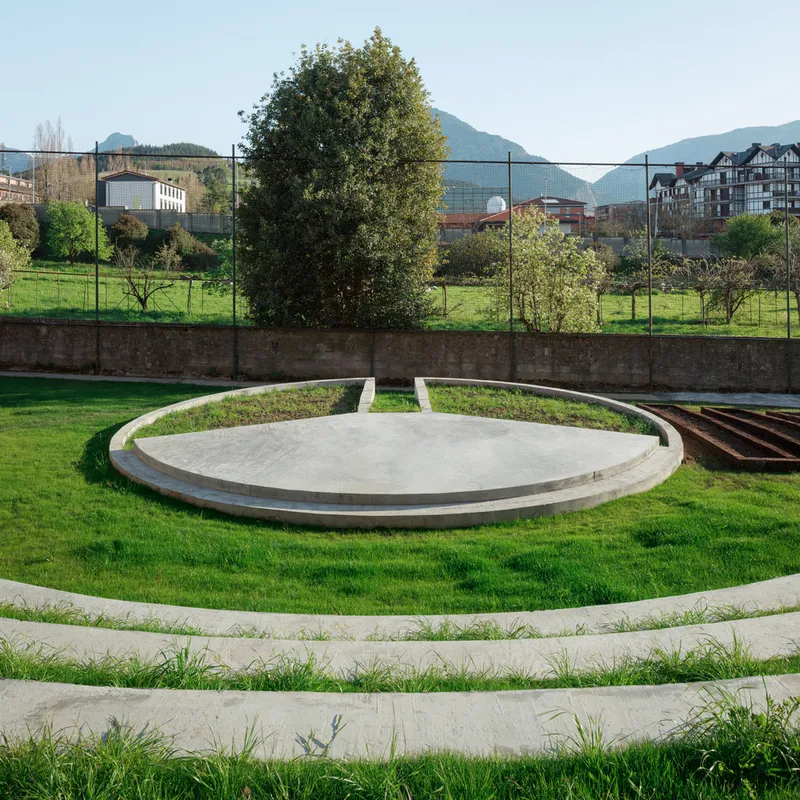
The exterior area of San Antonio Primary School is divided into three main zones, each designed to foster different types of learning and interaction:
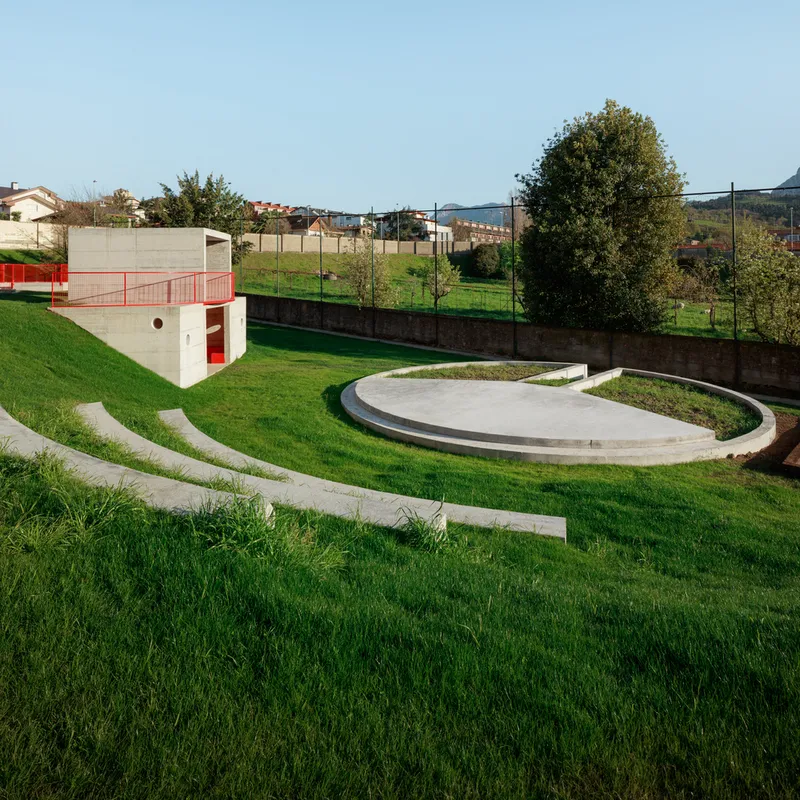
- The Amphitheater and Cultivation Area: This zone combines the arts with practical gardening skills, providing a space where creativity meets sustainability.
- Sports and Play Zone: Catering to physical education and play, this area is equipped with facilities for various sports and recreational activities, ensuring students have access to physical exercise.
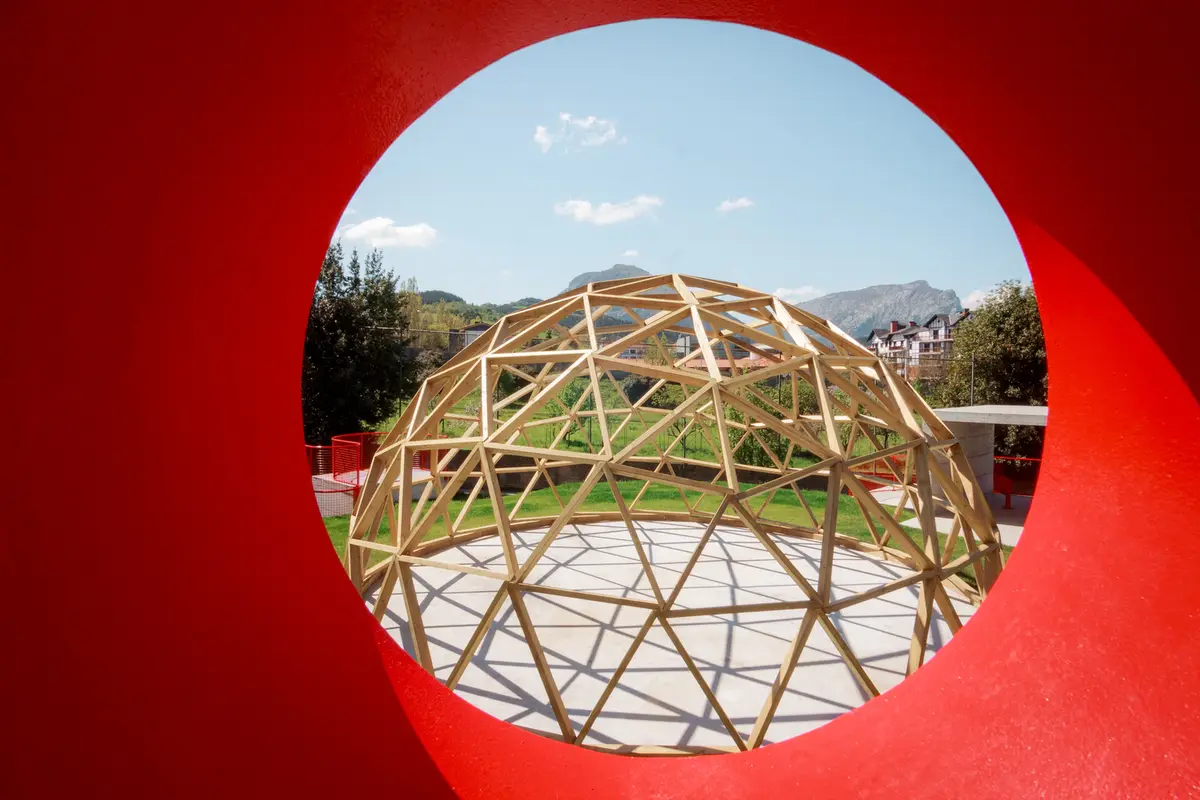
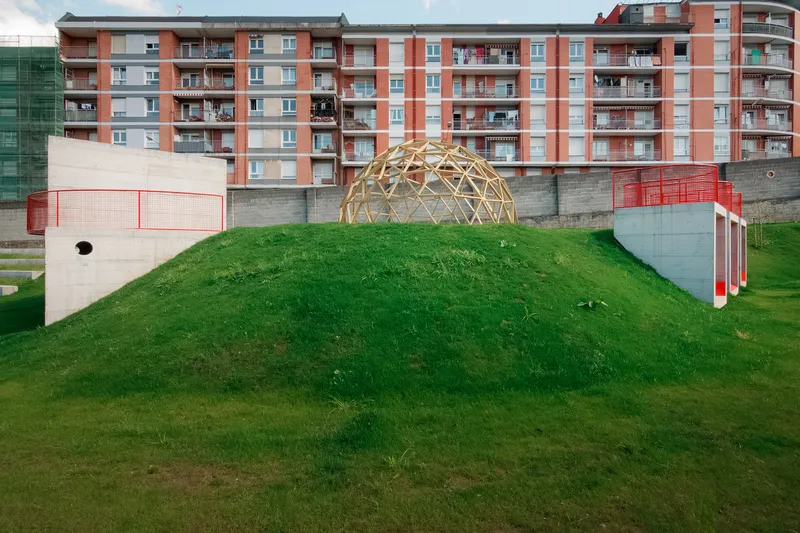
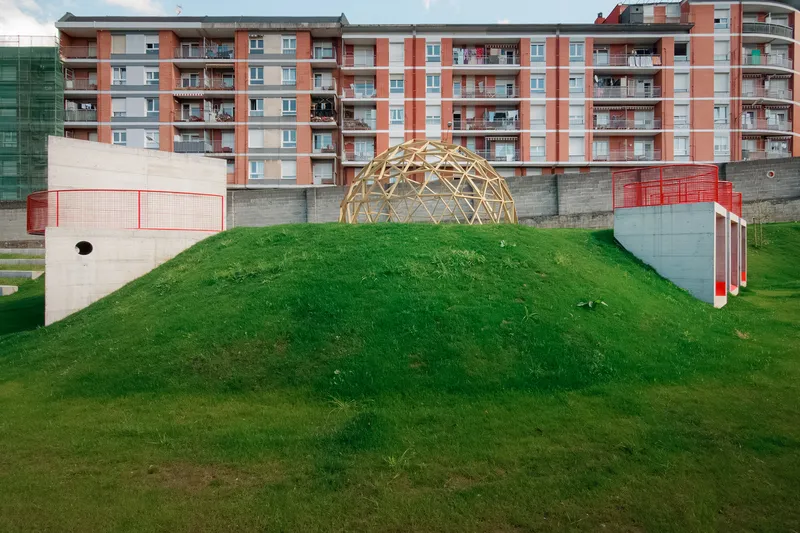
- The Meeting Dome: Situated atop a hill, this large dome serves as a gathering space for classes and larger school events, symbolizing the school community's unity.
Auxiliary Buildings Enhancing Functionality
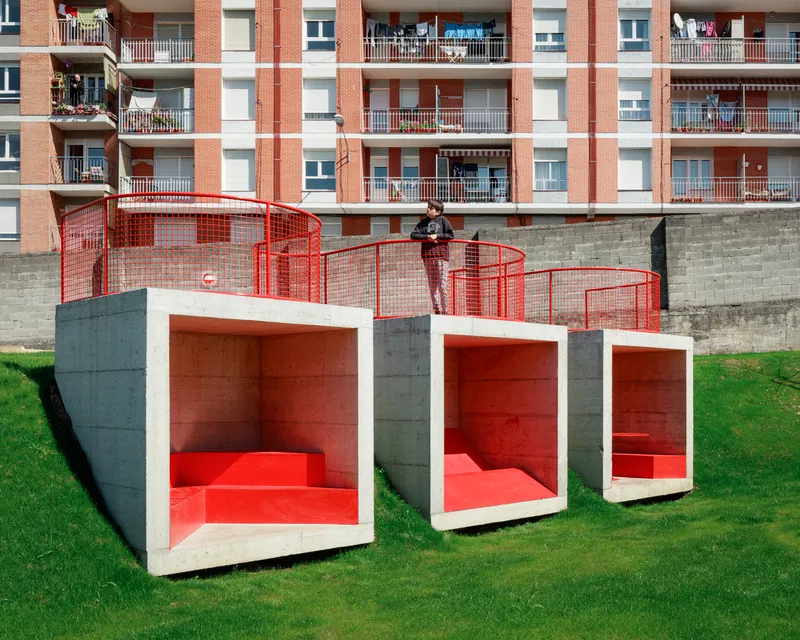
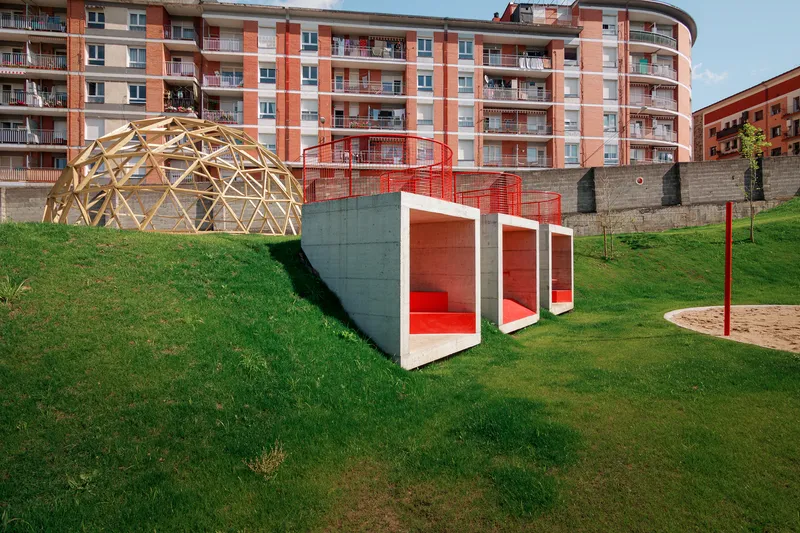
Accompanying these zones are auxiliary buildings made of reinforced concrete and wood, which blend into the surrounding slopes. These structures house storage for gardening tools, viewpoints, and covered spaces for meetings, demonstrating how utility and design can coexist beautifully.
The Future of Educational Architecture
The architectural redesign of San Antonio Primary School 2.0 by ELE Arkitektura exemplifies the future of educational architecture. With a focus on open, flexible spaces that adapt to the needs of both students and teachers, the project serves as a model for future educational facilities worldwide. By prioritizing the integration of natural environments and multifunctional areas, educational architecture can significantly enhance the learning experience and foster a lifelong love of discovery among students.
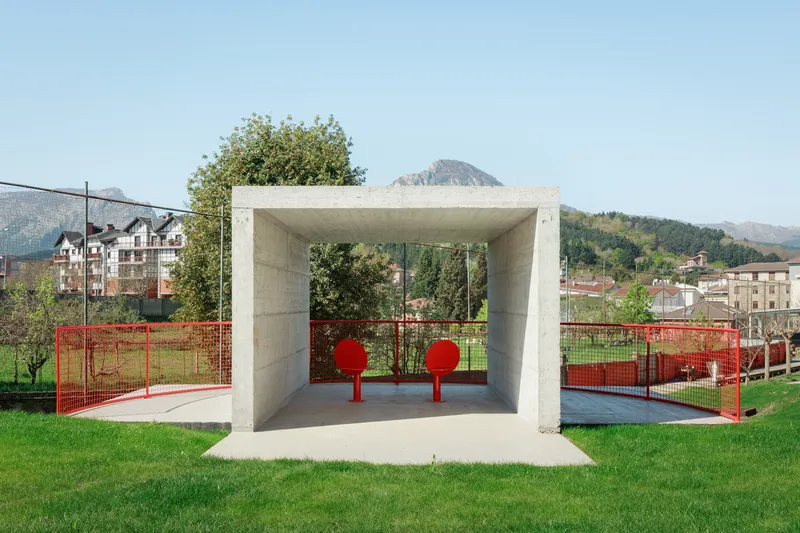
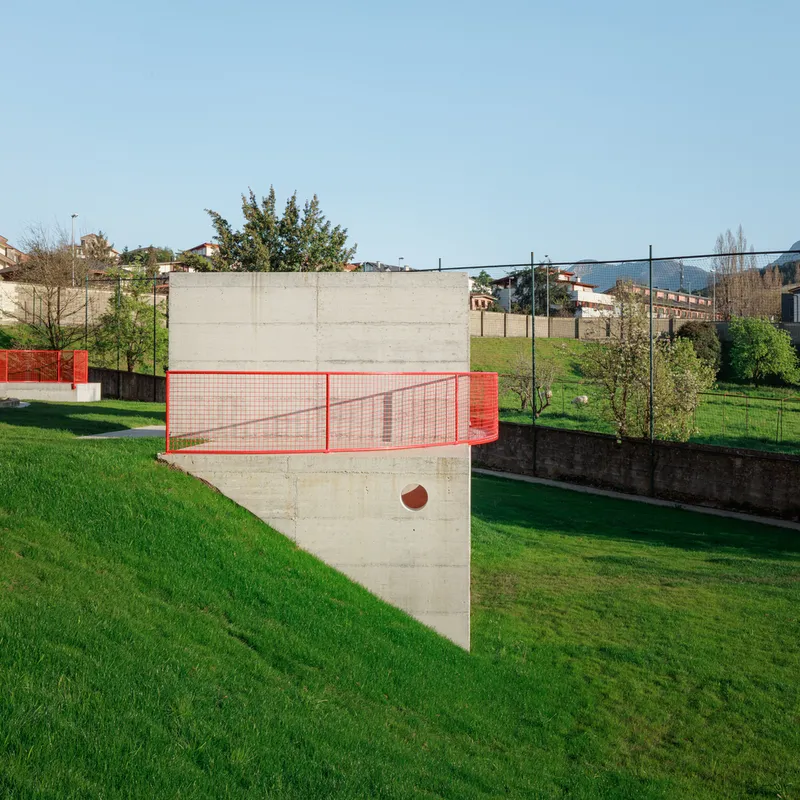
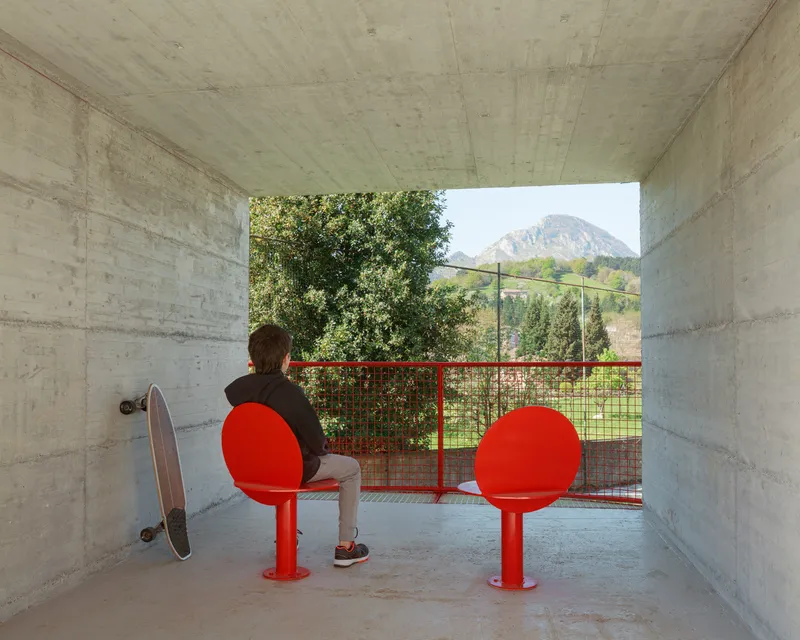
All the photographs are work of Aitor Estévez Olaizola


Popular Articles
Popular articles from the community


Hill & Cross Opera: Sculptural Opera House Architecture Shaped by Tallinn’s Landscape and Identity
Hill & Cross Opera reimagines opera house architecture in Tallinn through its sculptural hill, civic plaza, glass wave and a luminous cross.

Co-Life: Senior Housing Design That Reconnects Older Adults With the City
Co-Life reimagines senior housing design through healing gardens, shared streets, workshops, and a sustainable community across generations.

The Musturak Paradise: Senior Living Architecture for a Connected Future in Temara, Morocco
The Musturak Paradise reimagines senior living architecture in Temara via private homes, social spaces, culture, community, and shared care.

The Ocean Hive: Sustainable Architecture for a Self-Sufficient Civilization at Sea
The Ocean Hive imagines sustainable architecture at sea, where modular habitats, algae, wave power and ocean waste sustain a growing colony.

Similar Reads
You might also enjoy these articles


Hodi-Mandai Geram
Project Function: Preservation and revitalization of the Intangible heritage and socio-spatial identity of the Hodi by Housing, Cultural Memory Center, Sacred Grove, landscape, local tourism economy


Olio Towers: A Mid-Rise for Performers That Fuses Housing, Rehearsal, and Stage
Located blocks from Houston's Theater District, this modular tower stacks living units around a central performance atrium.

Oasis: Modular Green Housing Carved into Dhaka's Urban Fabric
A shortlisted Plugin Housing entry reclaims unauthorized settlements in Dhaka with stepped concrete volumes, green roofs, and ventilation-driven design.

Black Hole: A Floating Megastructure for the Post-Physical Era
Emiliano Mazzarotto envisions a spherical, self-scaling arena where e-sports, digital hotels, and holographic stadiums replace traditional public space.

Explore Educational Building Competitions
Discover active competitions in this discipline

Challenge to design public laboratory

Challenge to reimagine the Iron Throne

Photograph architecture without architects

Illustrate the lost glory of Angkor Wat - Render Challenge
Comments (0)
Please login or sign up to add comments
No comments yet. Be the first to comment!