
Embracing Nature: The Mastery of Forest Cabin Architecture in K+S Architects' Cabin in the Woods
The article details the Cabin in the Woods by K+S Architects, showcasing its integration with nature and sustainable forest cabin architecture.


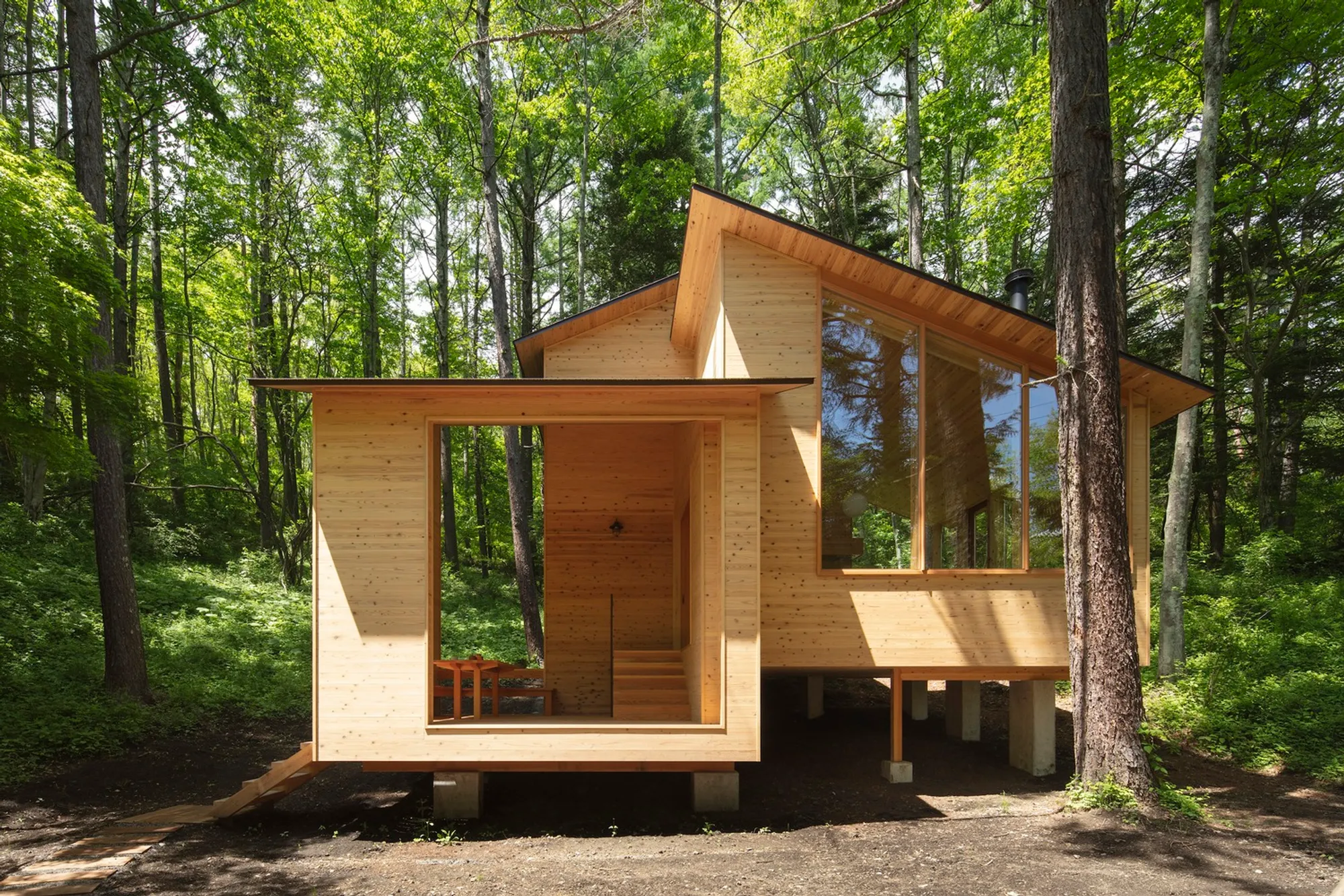
Nestled at the foot of Mt. Asama, the Cabin in the Woods by K+S Architects exemplifies the essence of forest cabin architecture. Designed as a retreat that harmonizes with its natural surroundings, this project reflects a profound respect for the environment fused with innovative architectural solutions.

Architectural Integration with the Natural Environment
Strategic Site Selection and Use
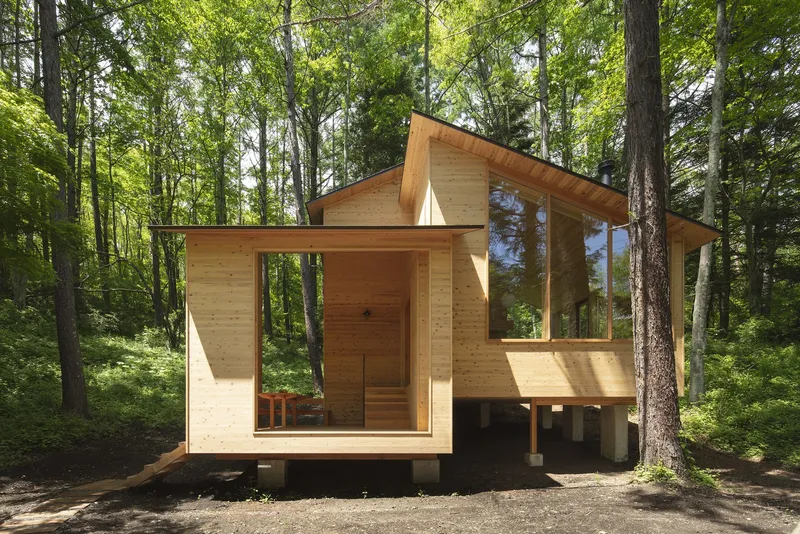
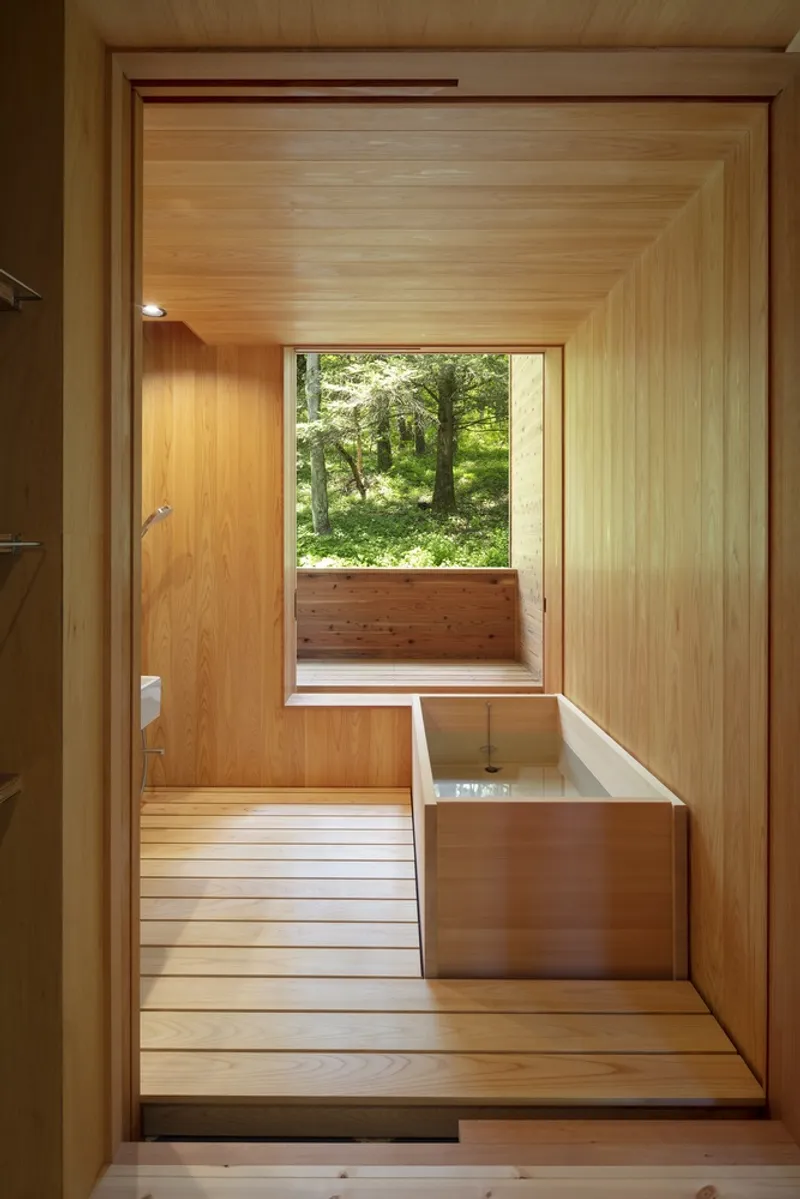
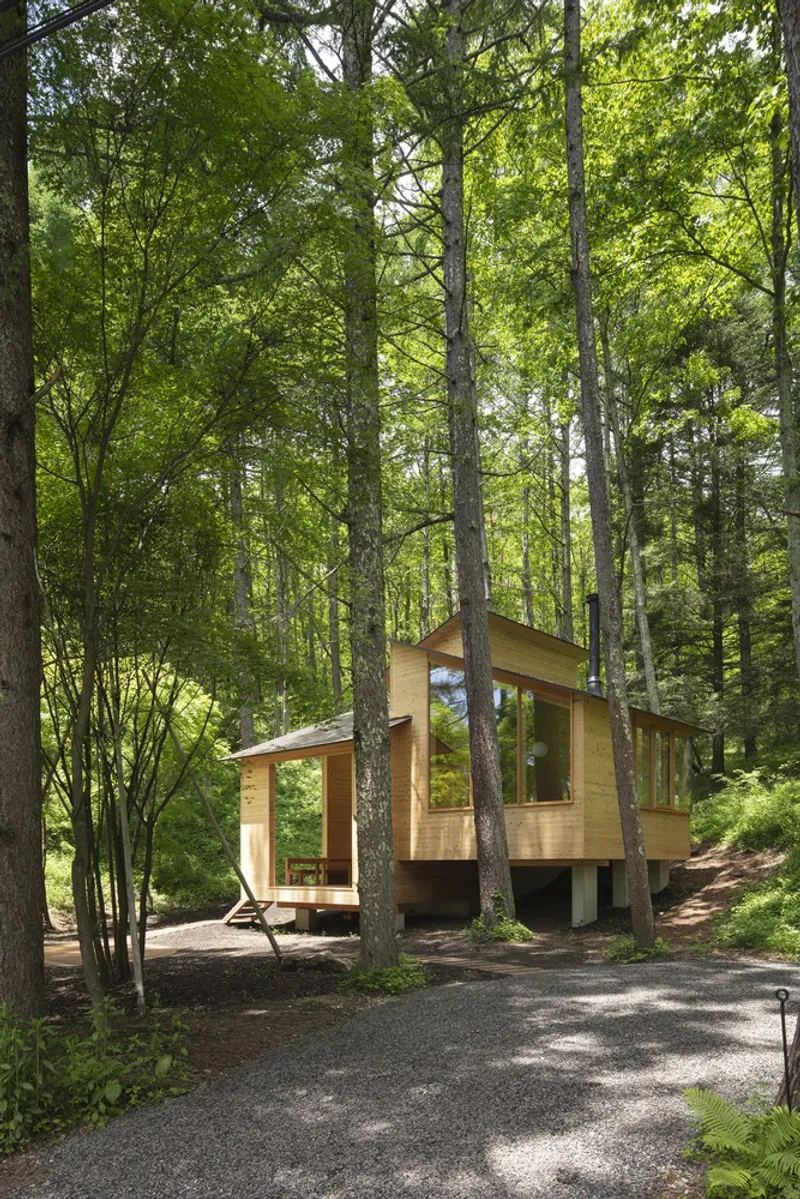
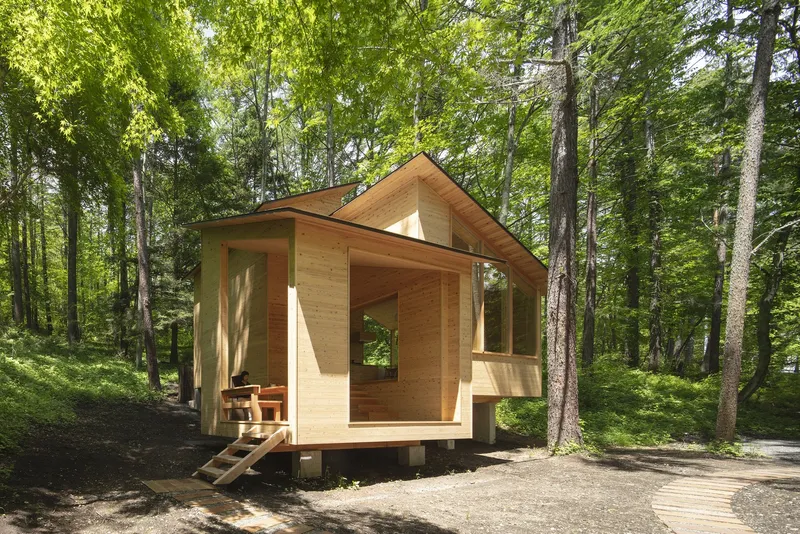
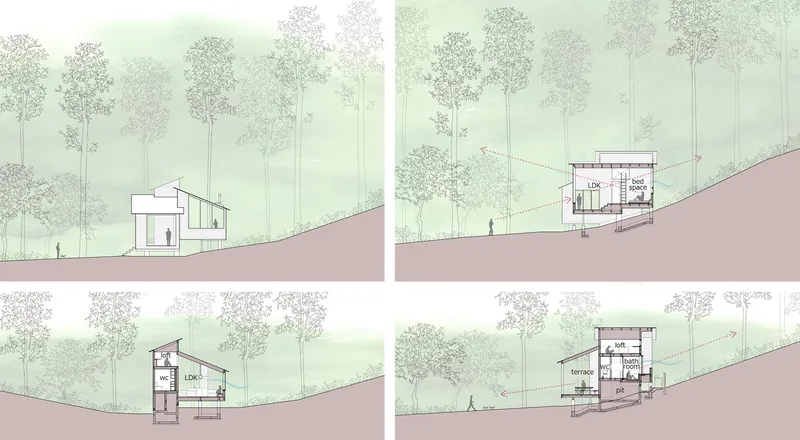
The cabin, located in the lush forests of Karuizawa, Japan, is strategically positioned to maximize the connection with nature. The site’s rhombus shape and its mortar-shaped sloping terrain guided the architects' hand, allowing the structure to rise organically at different levels, each offering unique views and experiences of the woodland.
Minimal Environmental Impact
In keeping with the principles of sustainable design, the Cabin in the Woods was constructed with minimal disruption to the existing ecosystem. Remarkably, only one tree was removed during construction, demonstrating K+S Architects' commitment to ecological preservation.


Design Features of the Cabin in the Woods
Multi-Level Design for Enhanced Experience
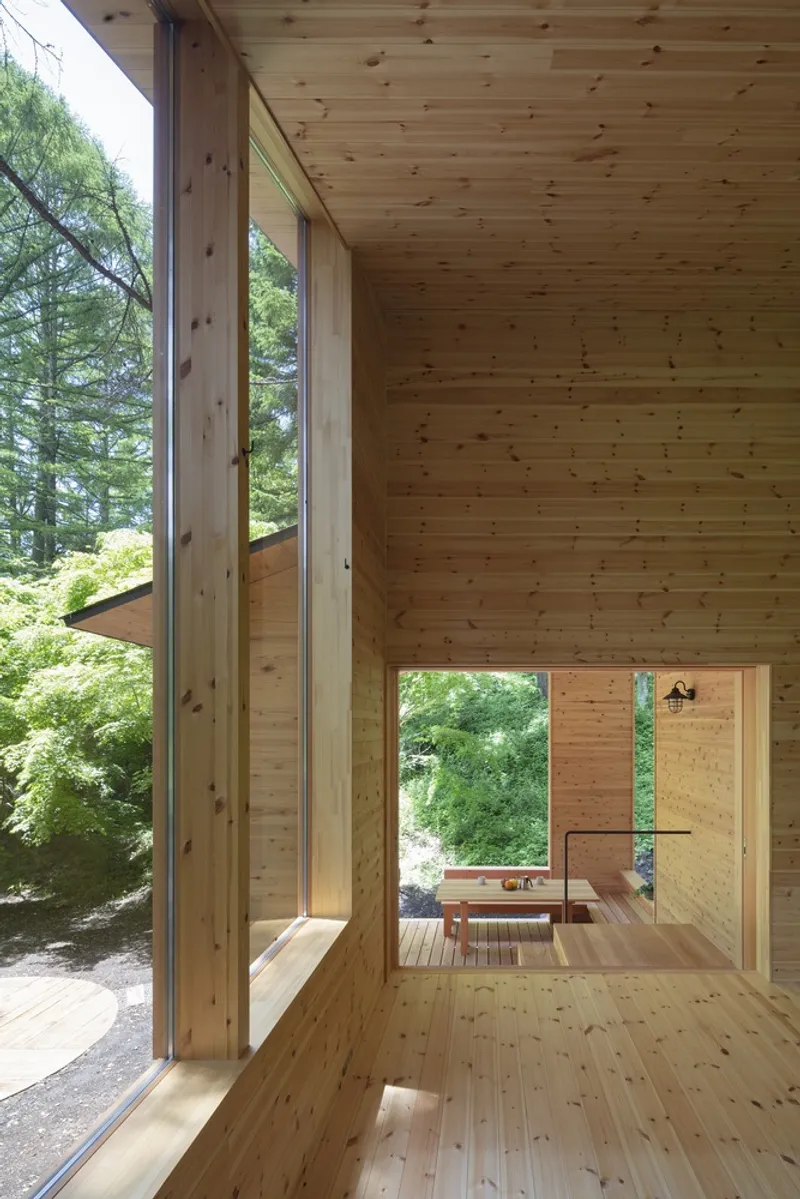
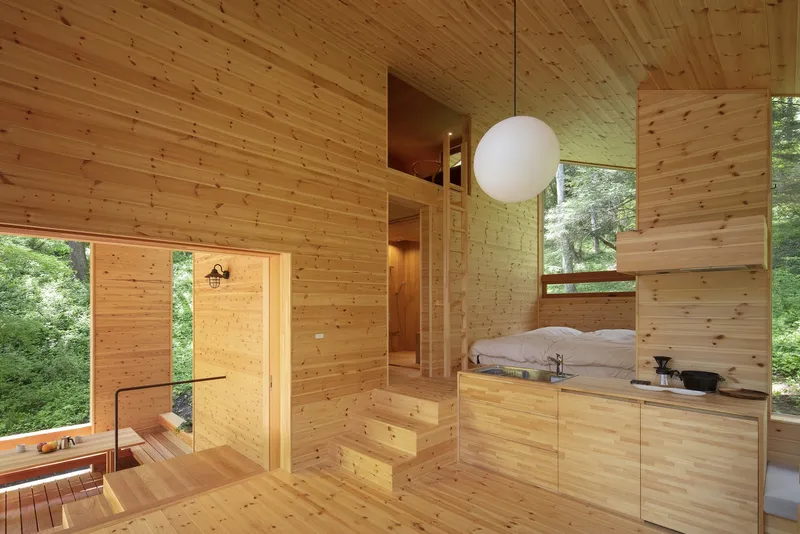
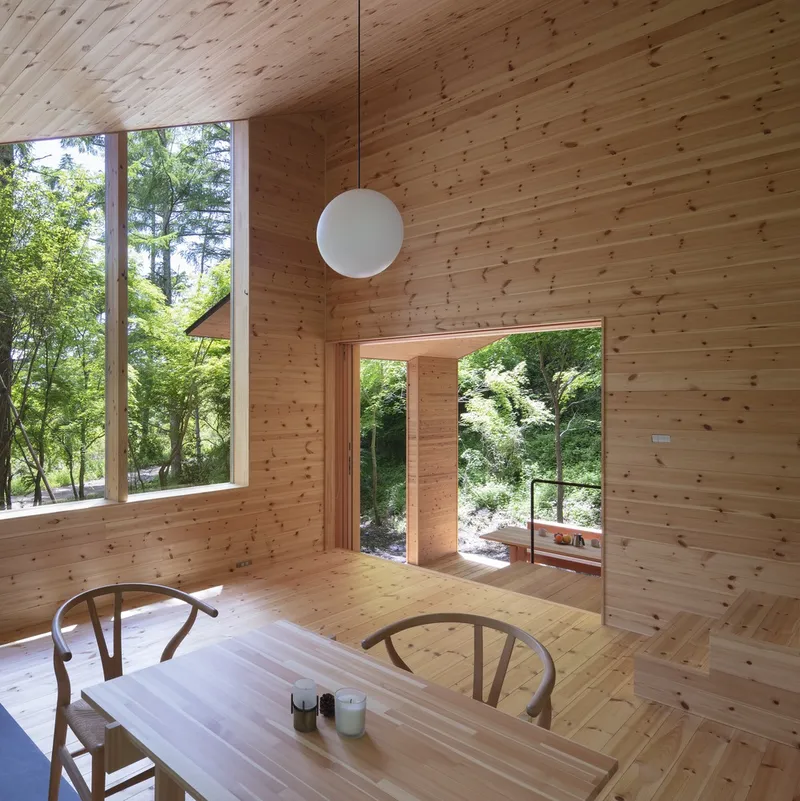
The cabin's design utilizes its multi-level structure to create distinct living spaces that integrate seamlessly with the outside environment. From the terrace connected to the garden to the upper-level living spaces, each area of the cabin offers a unique interaction with the surrounding forest, facilitated by large windows and open terraces.

Material Selection and Structural Details
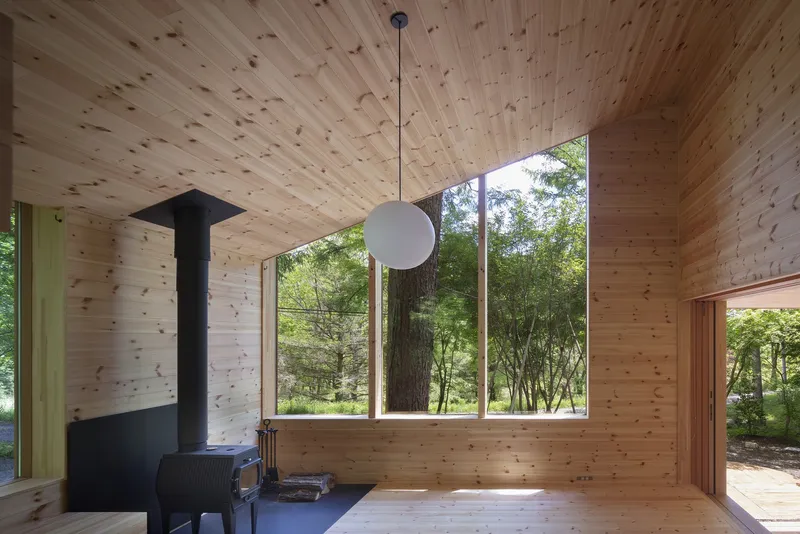
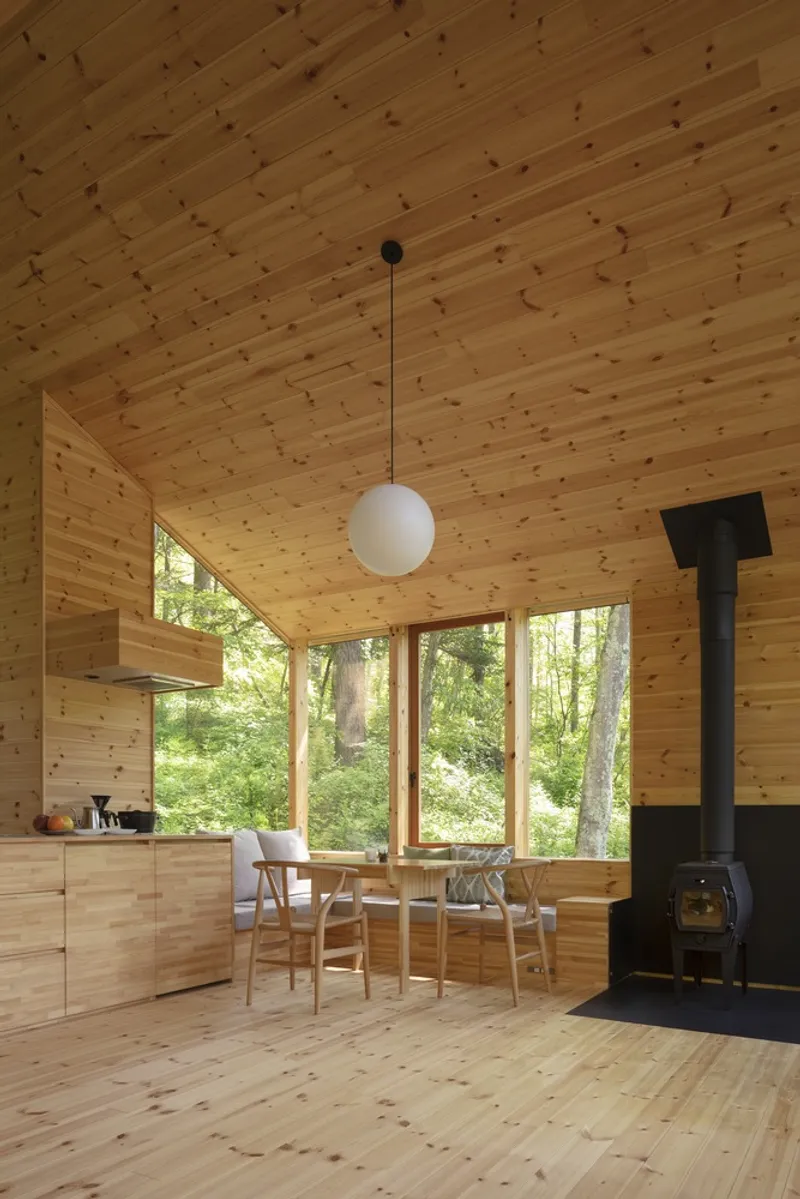
Reflecting the textures and colors of the forest, the materials used in the Cabin in the Woods include wood-grain aluminum panels and glass, which not only blend aesthetically with the natural environment but also enhance the cabin's energy efficiency. The sloped roof and varying ceiling heights across the cabin create dynamic spaces that celebrate the forest canopy.


Living Spaces and Their Connection to Nature
The Terrace and Garden Interface
The lower level of the cabin opens to a terrace that acts as a natural extension of the living space into the garden. This design choice enhances the indoor-outdoor flow, making it ideal for enjoying the cool breezes and natural beauty of the forest.


Flexible Interior Spaces
The main living area, located on the intermediate level, is designed without restrictive barriers, offering flexibility in use and fostering communication. This space is directly aligned with both the internal and external benches, further enhancing its openness and utility.


A Benchmark in Forest Cabin Architecture
The Cabin in the Woods by K+S Architects stands as a benchmark in forest cabin architecture, demonstrating how thoughtful design can create a living space that is both environmentally respectful and beautifully integrated with its natural surroundings. This project serves as a source of inspiration for architects and designers looking to blend modern living with the beauty of the natural world.


All photographs are work of Hiroshi Ueda



Popular Articles
Popular articles from the community


The Musturak Paradise: Senior Living Architecture for a Connected Future in Temara, Morocco
The Musturak Paradise reimagines senior living architecture in Temara via private homes, social spaces, culture, community, and shared care.
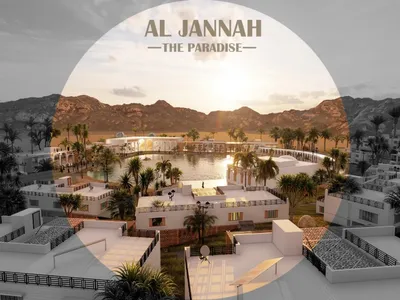
AL-JANNAH: Sustainable Architecture and Permaculture for Afghan Widows
AL-JANNAH uses sustainable architecture and permaculture to create resilient oasis of housing, learning, work and renewal for Afghan widows.

Conexión: Biophilic Design Reimagines High-Rise Living in Hong Kong
Conexión reimagines high-rise living in Hong Kong through biophilic design, green facades, shared spaces, daylight, water and nature within.

Co-Life: Senior Housing Design That Reconnects Older Adults With the City
Co-Life reimagines senior housing design through healing gardens, shared streets, workshops, and a sustainable community across generations.


Similar Reads
You might also enjoy these articles


Hodi-Mandai Geram
Project Function: Preservation and revitalization of the Intangible heritage and socio-spatial identity of the Hodi by Housing, Cultural Memory Center, Sacred Grove, landscape, local tourism economy


Olio Towers: A Mid-Rise for Performers That Fuses Housing, Rehearsal, and Stage
Located blocks from Houston's Theater District, this modular tower stacks living units around a central performance atrium.

Oasis: Modular Green Housing Carved into Dhaka's Urban Fabric
A shortlisted Plugin Housing entry reclaims unauthorized settlements in Dhaka with stepped concrete volumes, green roofs, and ventilation-driven design.

Black Hole: A Floating Megastructure for the Post-Physical Era
Emiliano Mazzarotto envisions a spherical, self-scaling arena where e-sports, digital hotels, and holographic stadiums replace traditional public space.


Explore Japanese Architecture Competitions
Discover active competitions in this discipline



Challenge to reimagine the Iron Throne


Photograph architecture without architects


Illustrate the lost glory of Angkor Wat - Render Challenge


Design challenge to reuse E-waste
Comments (0)
Please login or sign up to add comments
No comments yet. Be the first to comment!