

Embracing Serenity and Sustainability: Tropical Villa Architecture at Iron Wood House by Earth Lines Architects
The Iron Wood House combines traditional Indonesian architecture with modern design to create a sustainable and culturally resonant tropical villa.


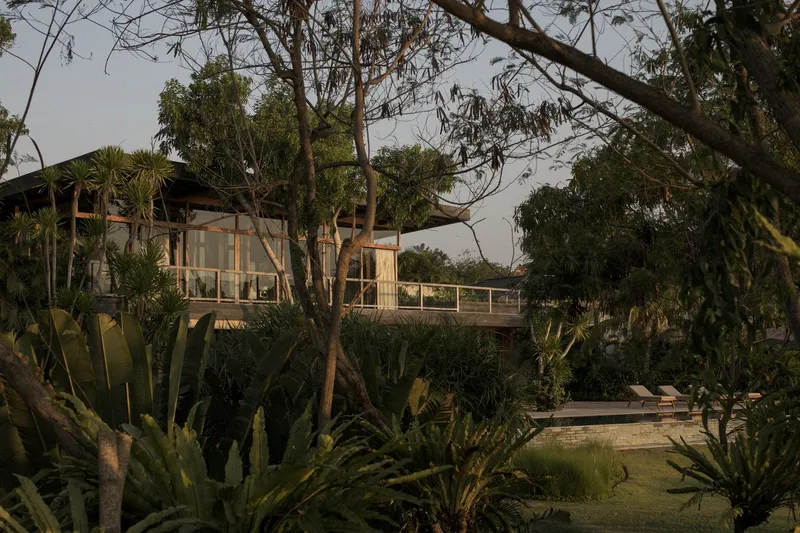
Nestled in the lush landscapes of Uluwatu, Bali, the Iron Wood House stands as a masterpiece of tropical villa architecture. Designed by Earth Lines Architects, this residence exemplifies how architectural innovation can harmoniously blend with the natural environment, creating a tranquil and sustainable living space.
Architectural Vision and Design Strategy
Contextual and Cultural Integration
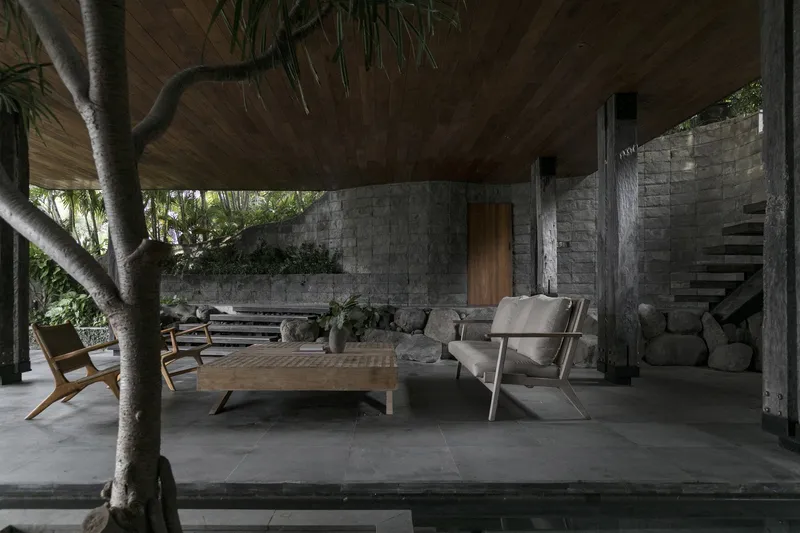
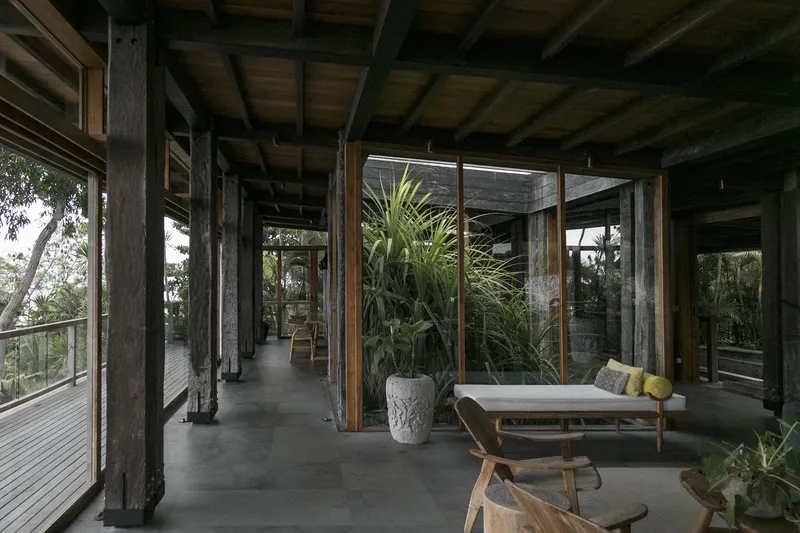
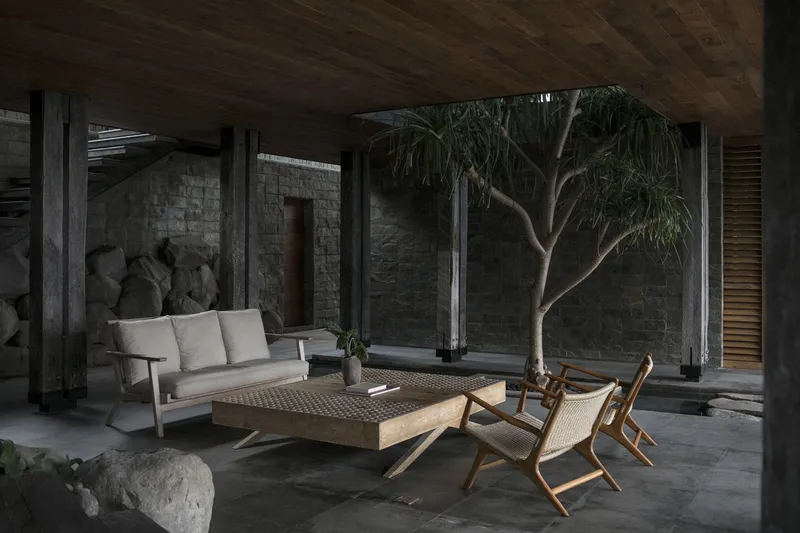
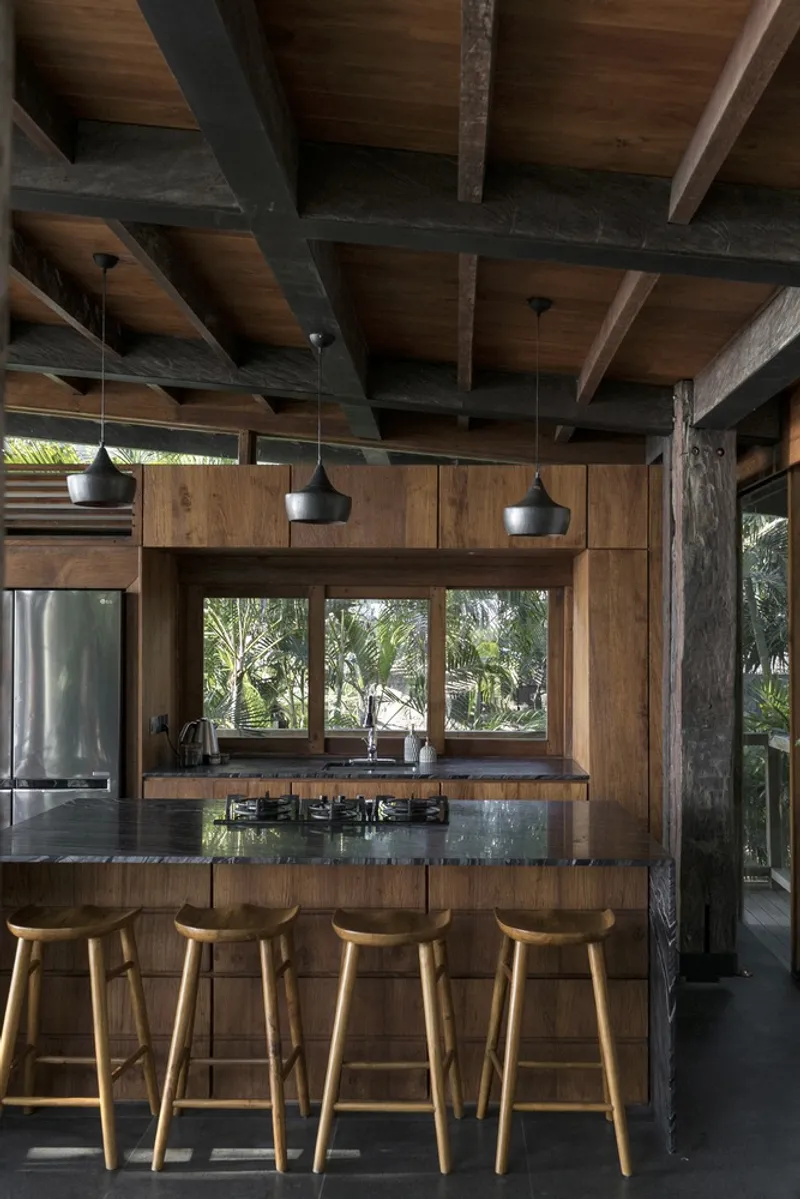
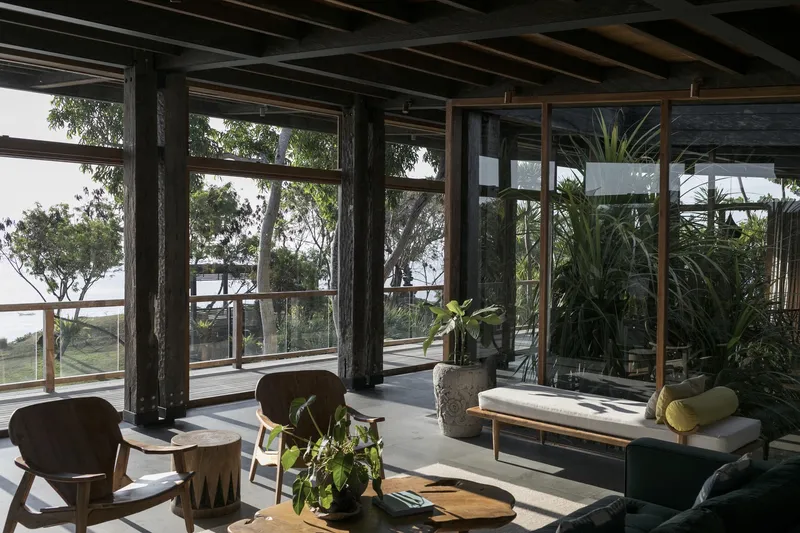
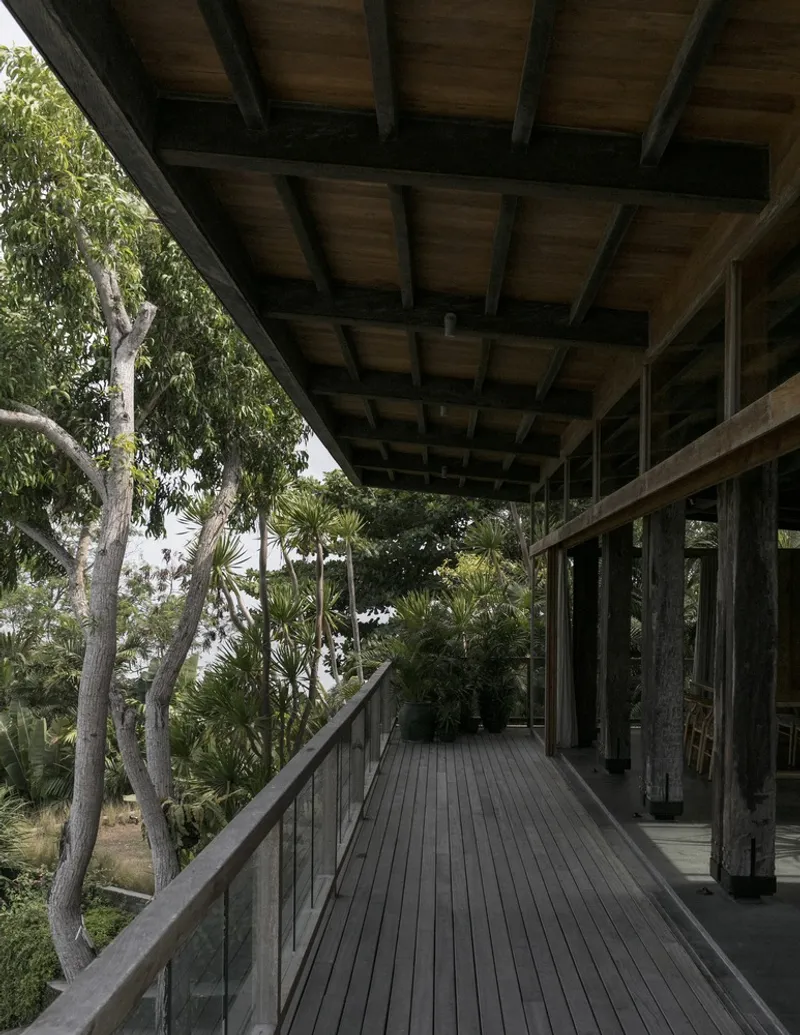
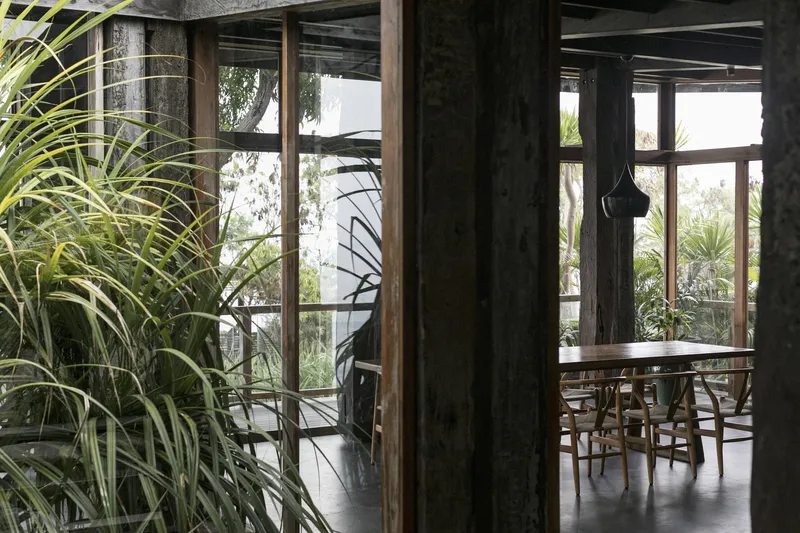
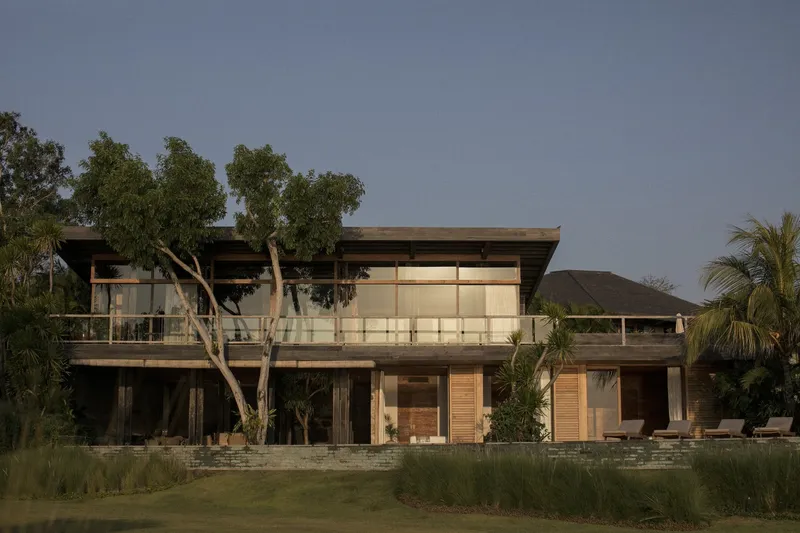
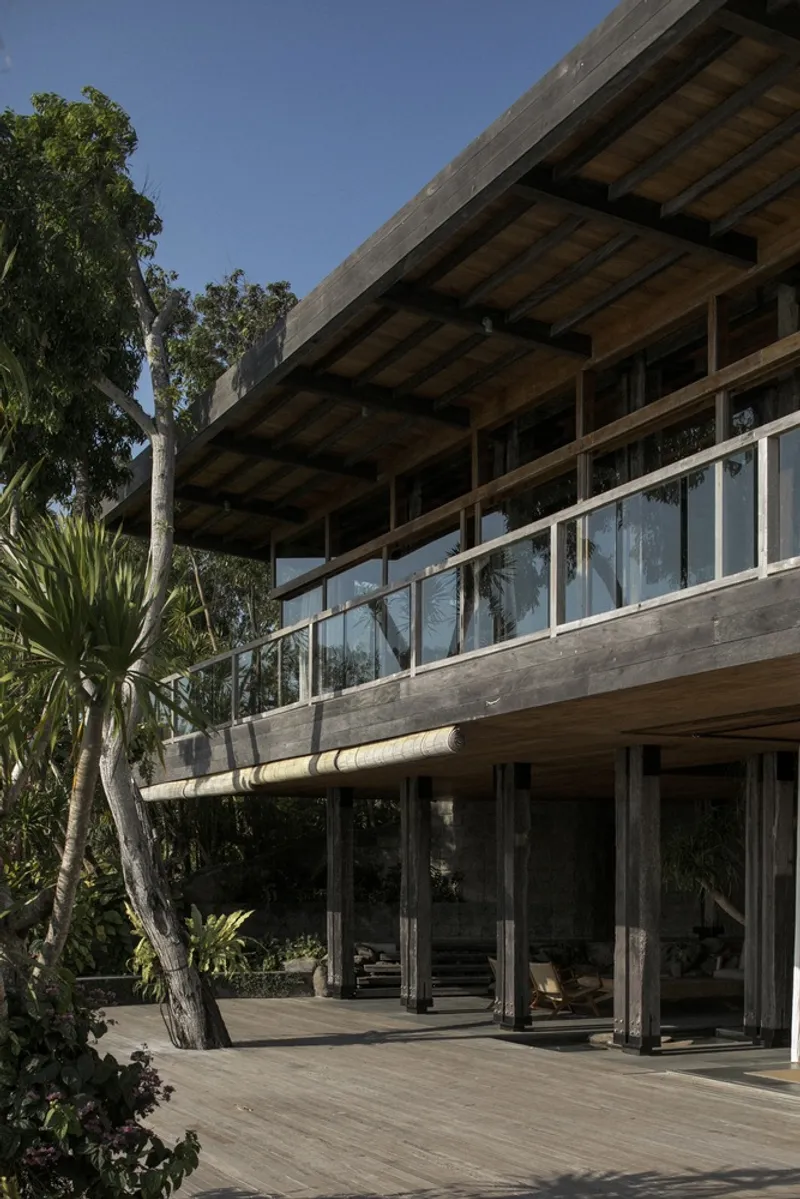
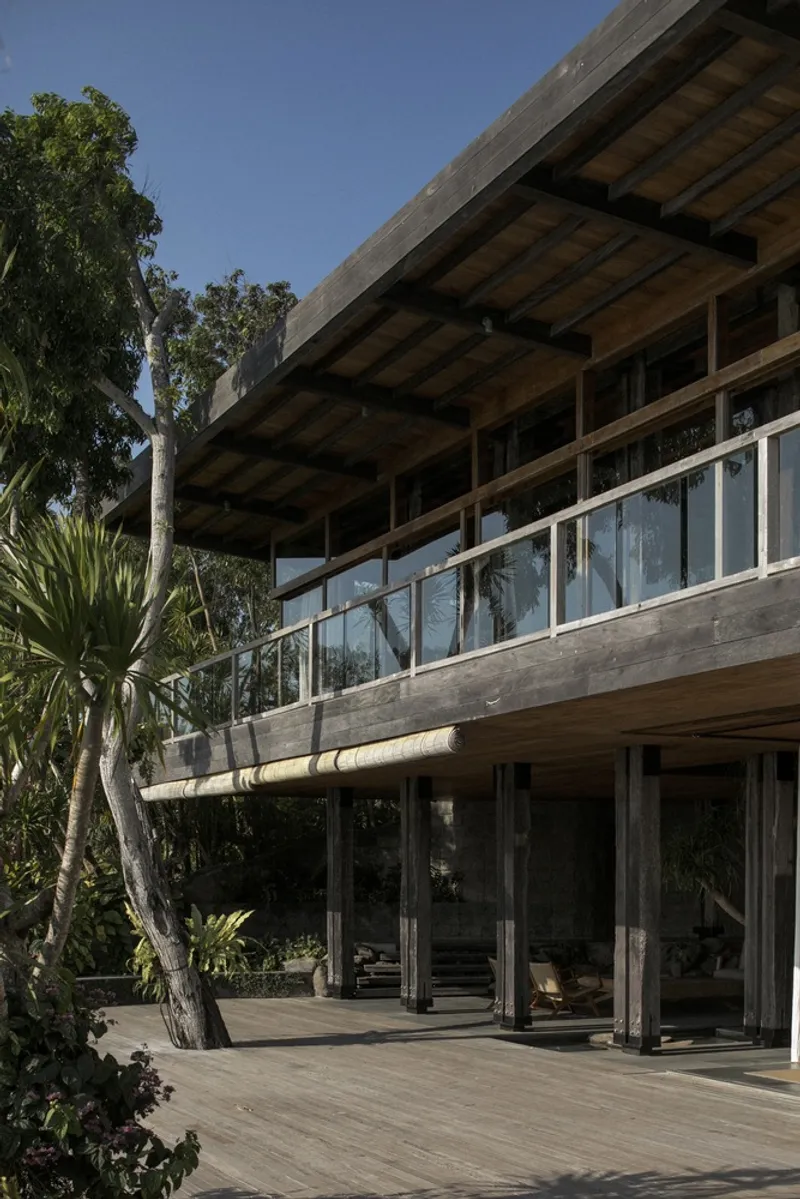
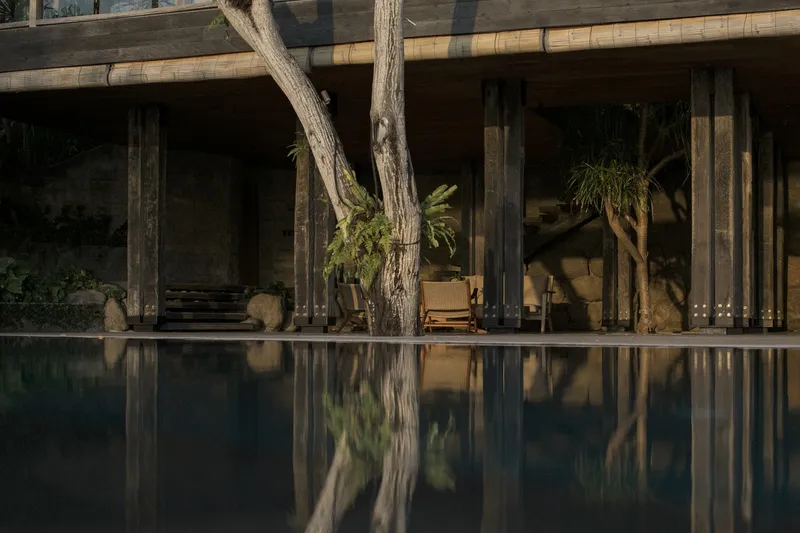
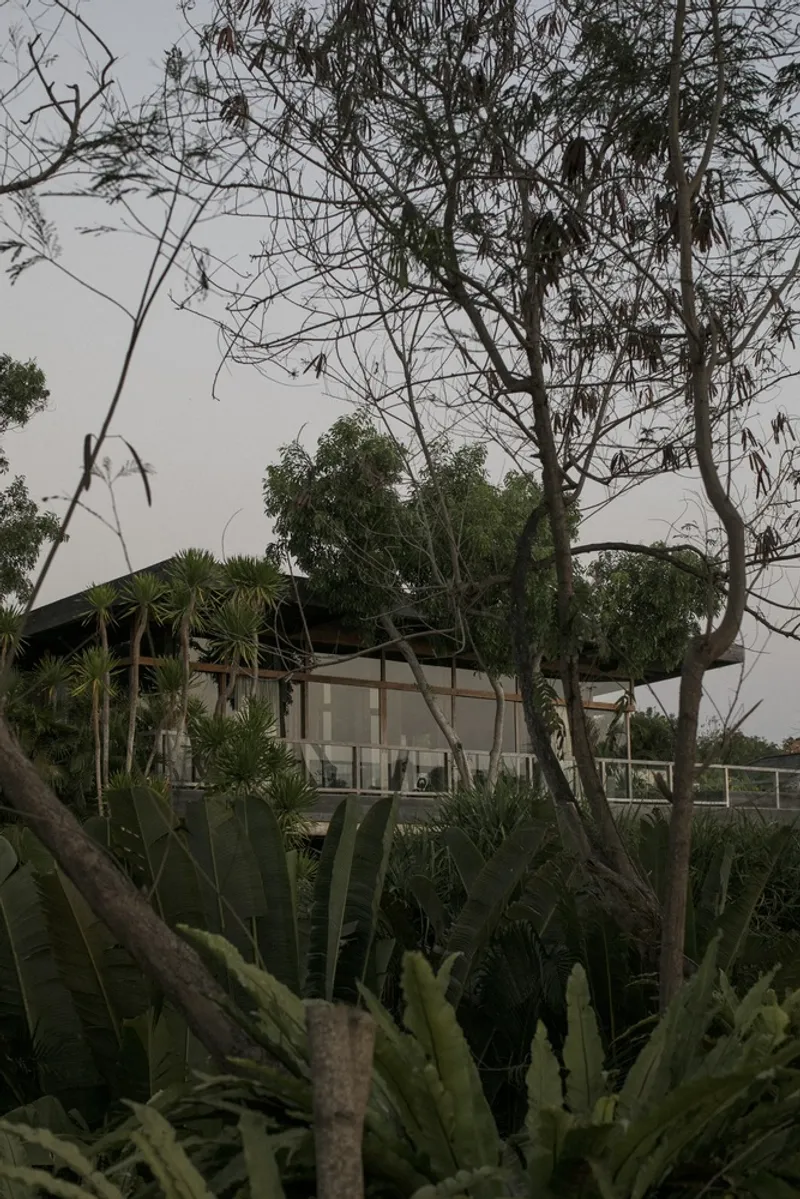
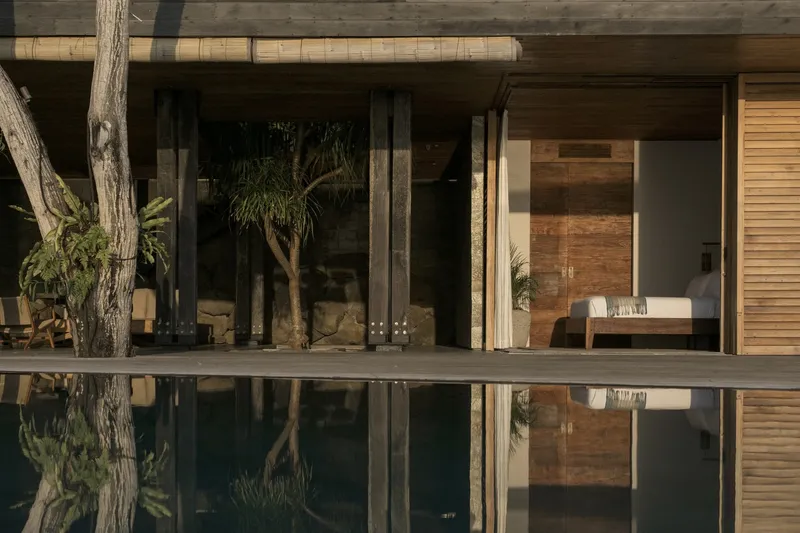
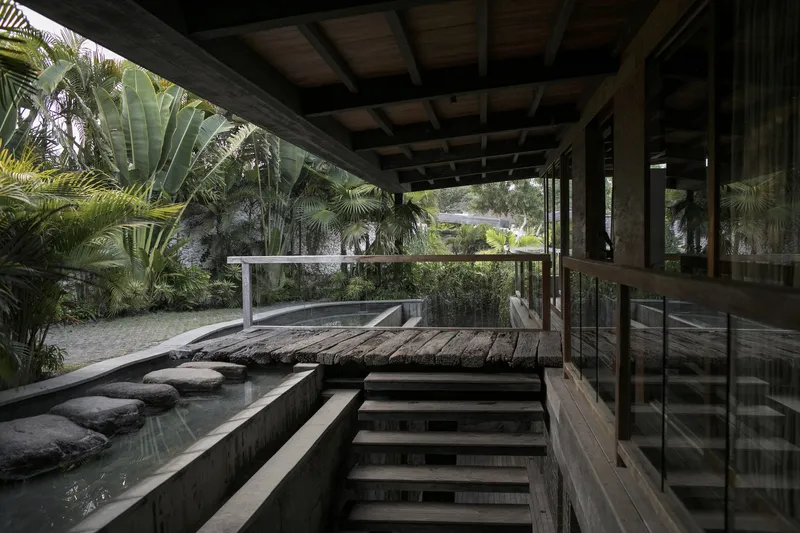
Iron Wood House is more than just a residence; it's a reflection of its cultural and environmental context. Situated on a cliff-front plot, the house incorporates elements of traditional Indonesian architecture, which is known for its resilience to seismic activities. The use of reclaimed iron wood columns not only adds a rustic charm but also ties the structure to the local heritage and sustainable practices.
Designing with Nature
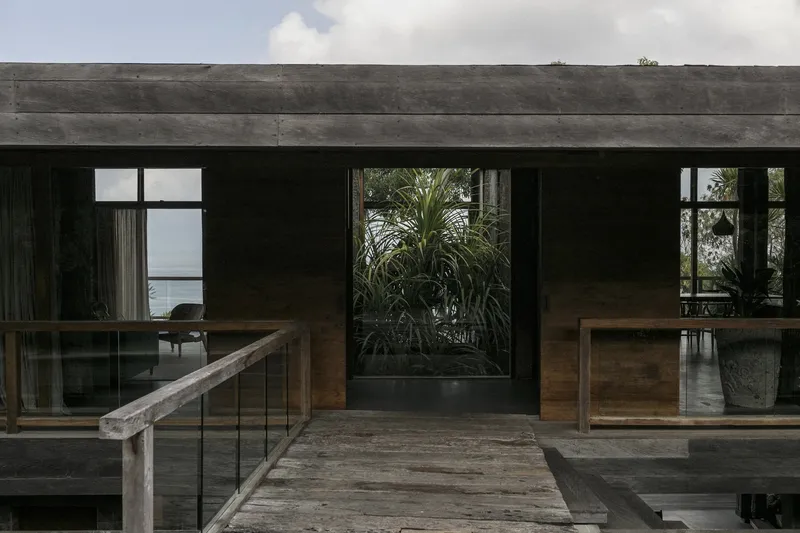
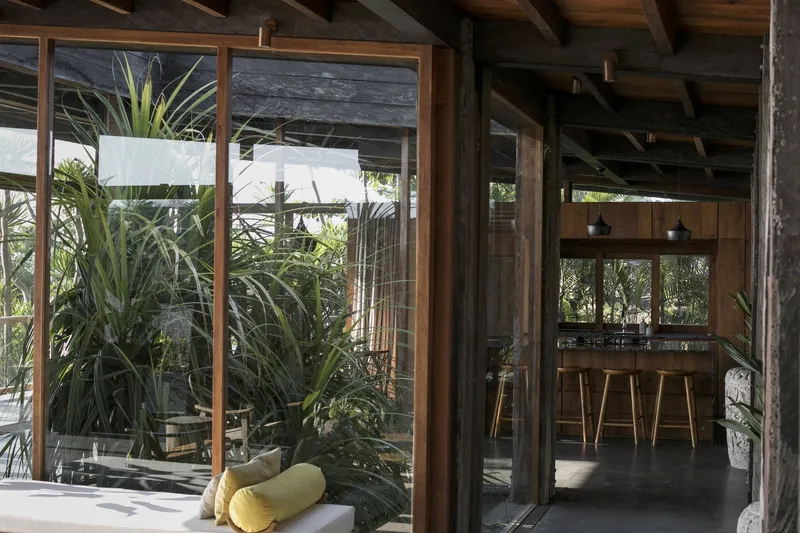
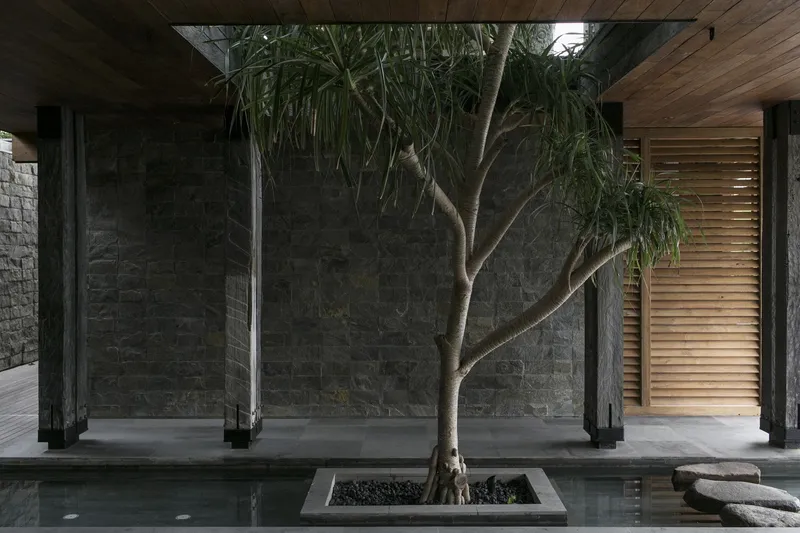
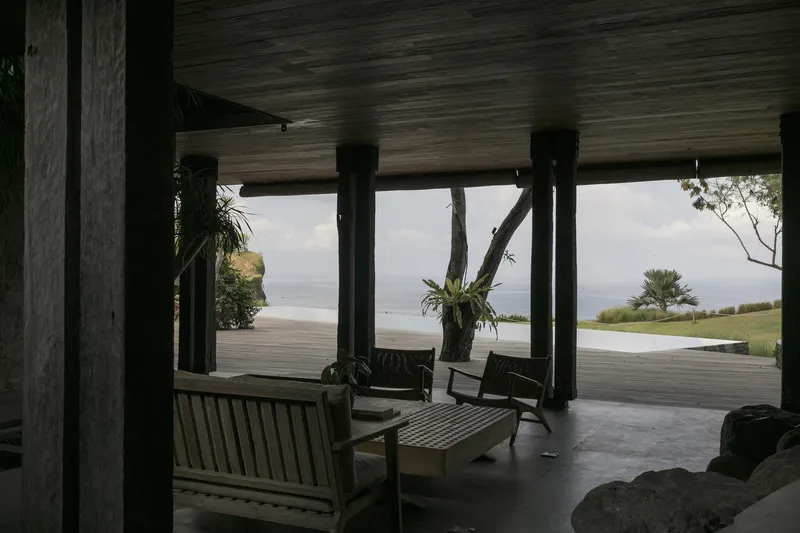
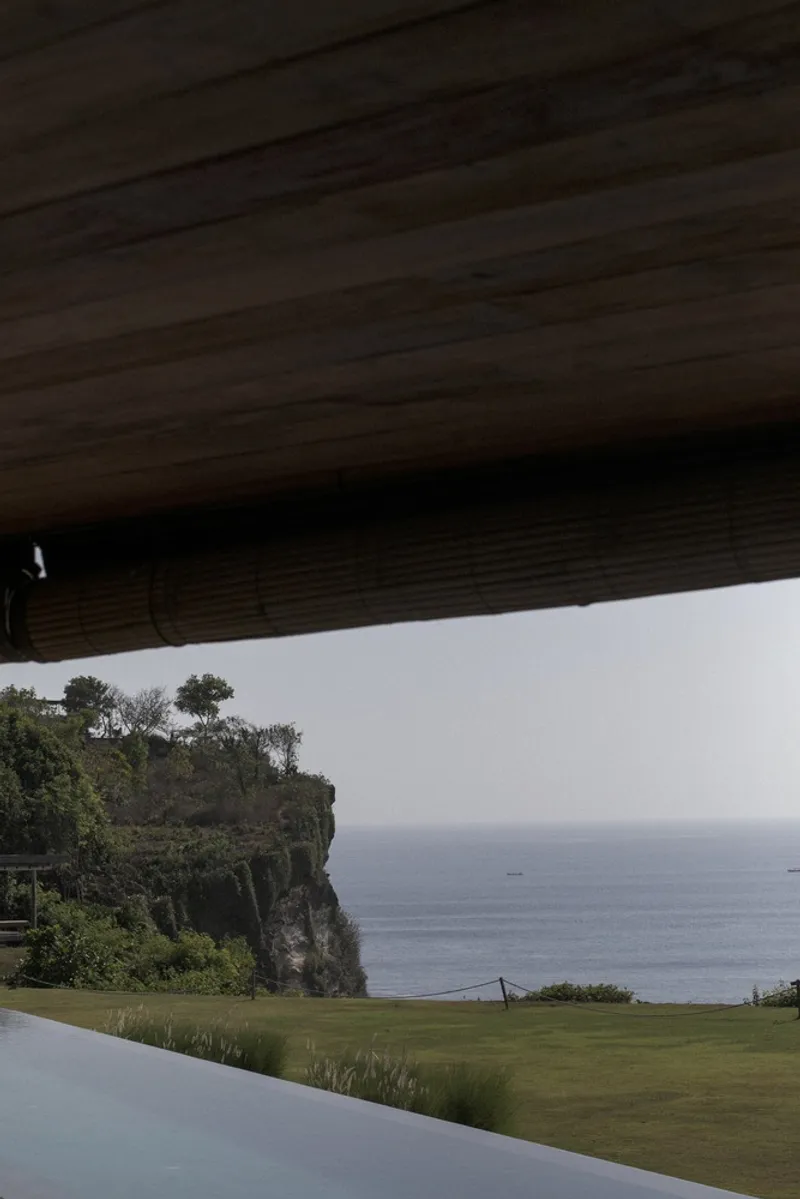
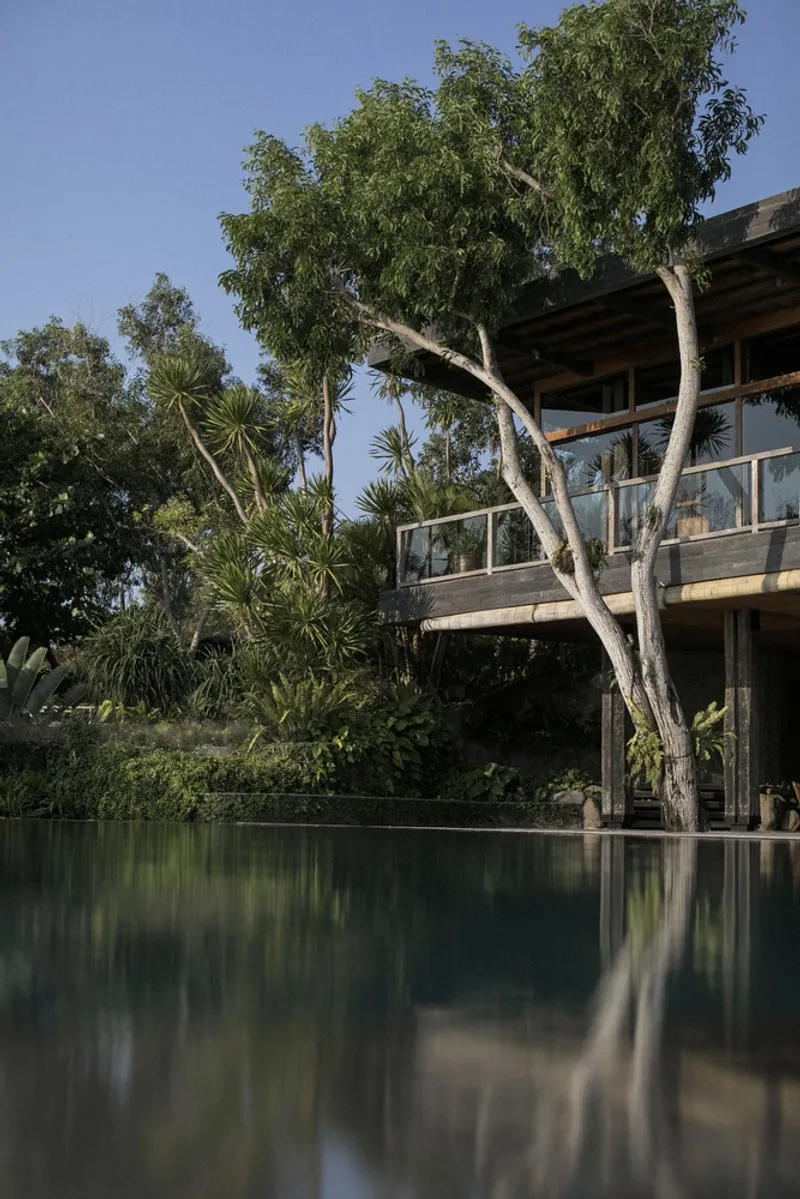
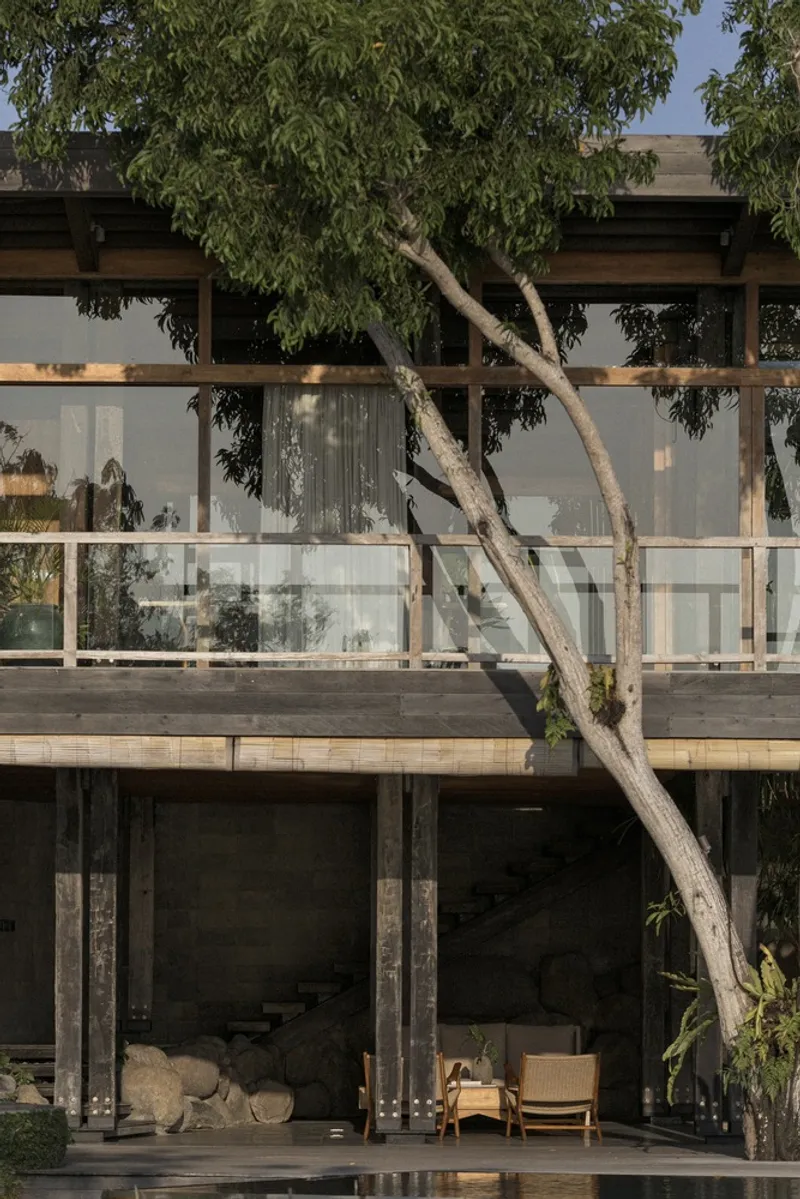
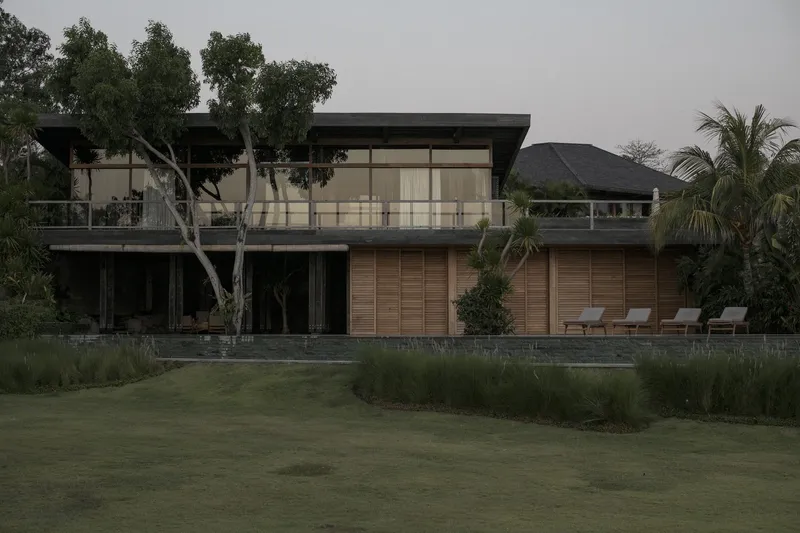
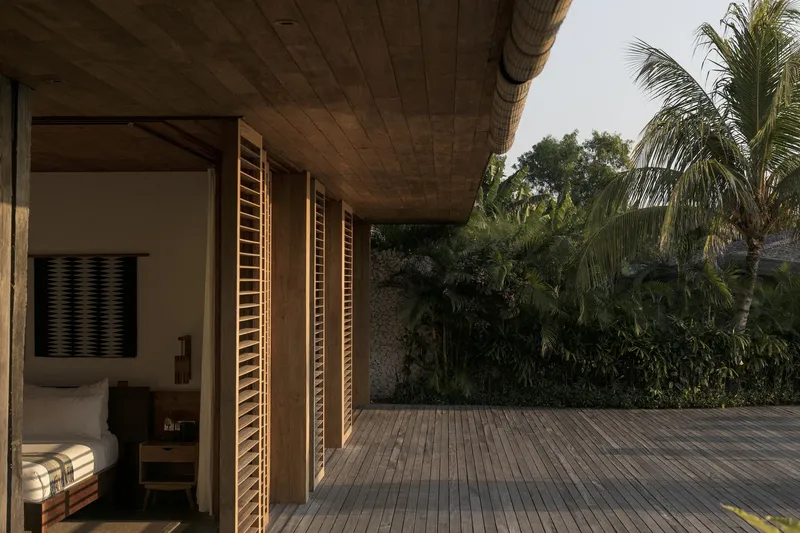
The architects have meticulously designed the house to ensure that every element complements its surroundings. Large windows and open spaces invite panoramic views of the ocean and lush greenery, creating a seamless indoor-outdoor living experience. The structure's orientation and layout are thoughtfully planned to enhance natural ventilation and lighting, reducing the need for artificial cooling and lighting.


Key Architectural Features
Sustainable Materials and Construction
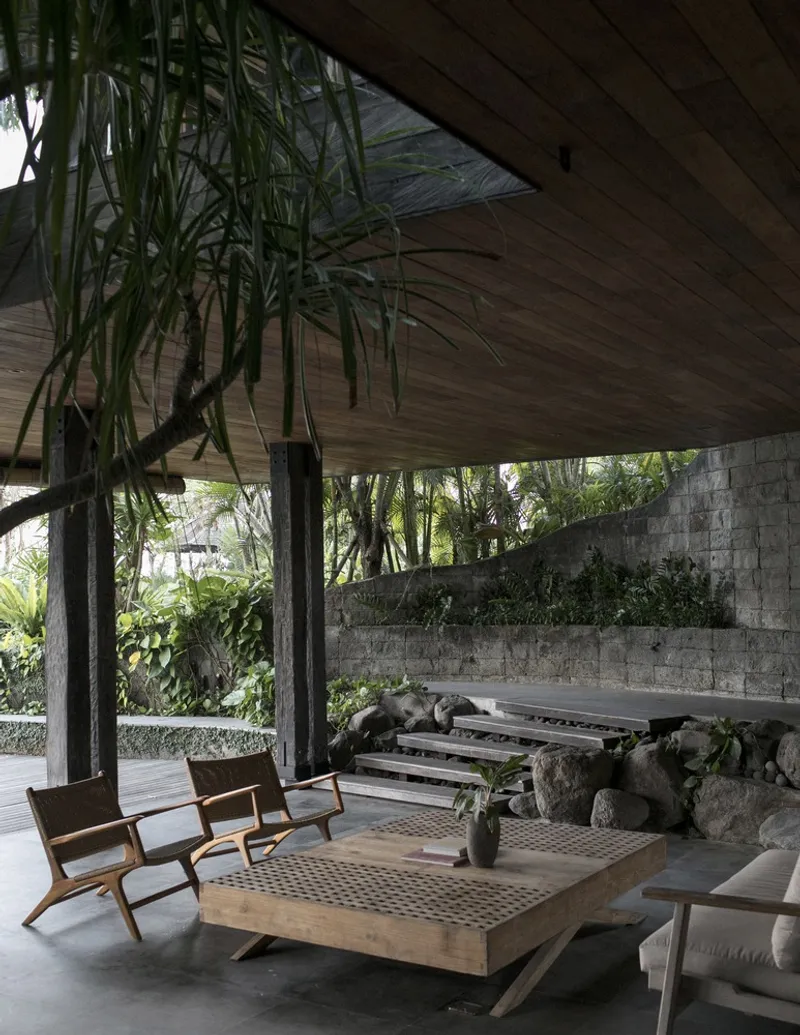
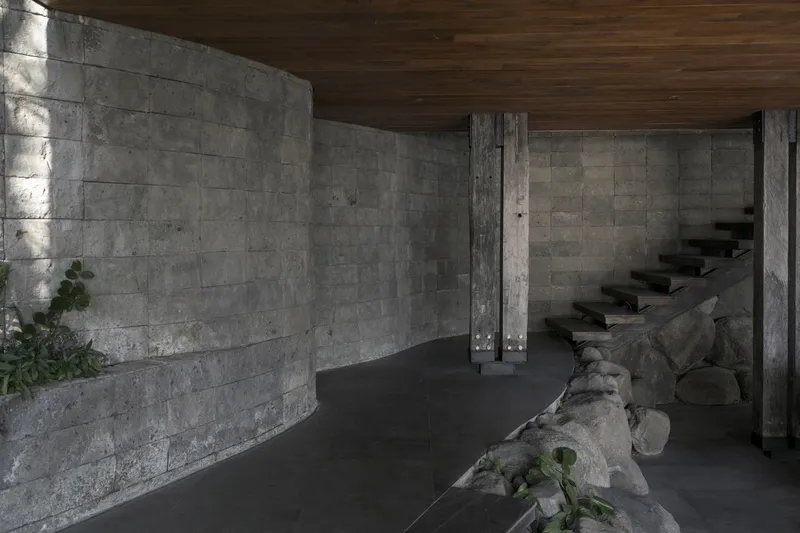
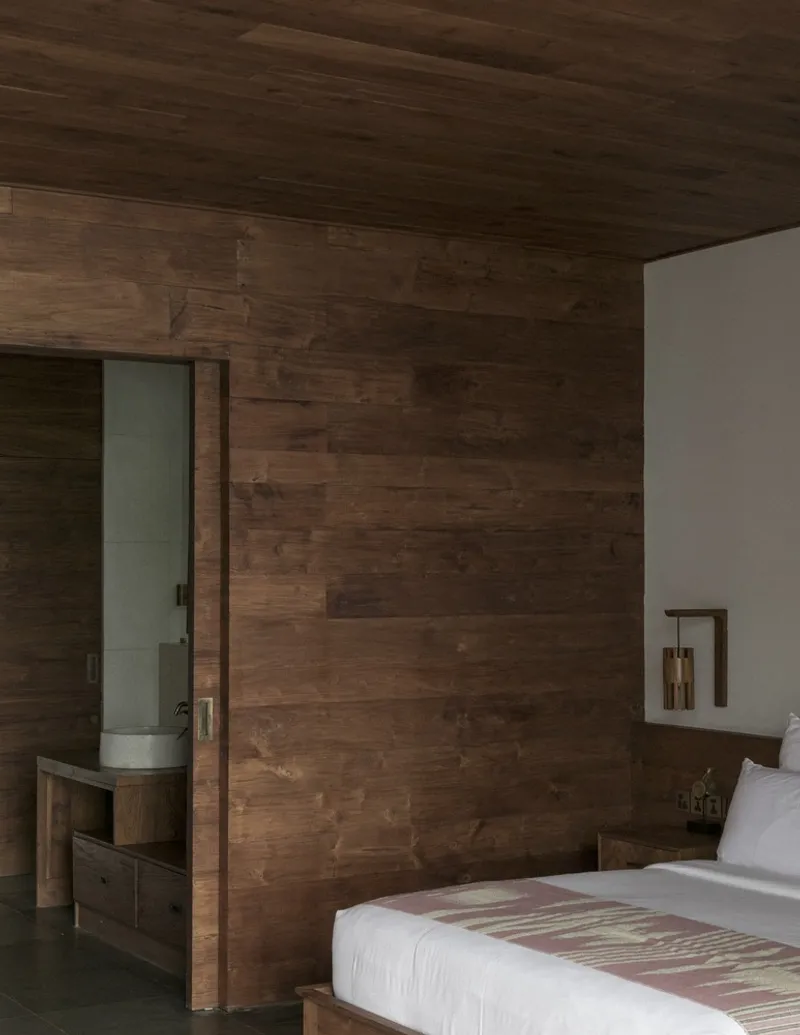
Sustainability is at the core of Iron Wood House’s design philosophy. The use of reclaimed materials, such as teak and iron wood, not only minimizes the environmental impact but also adds a layer of historical significance to the home. These materials were sourced with the help of local artisans, supporting the local economy and craftsmanship.


Innovative Structural Elements
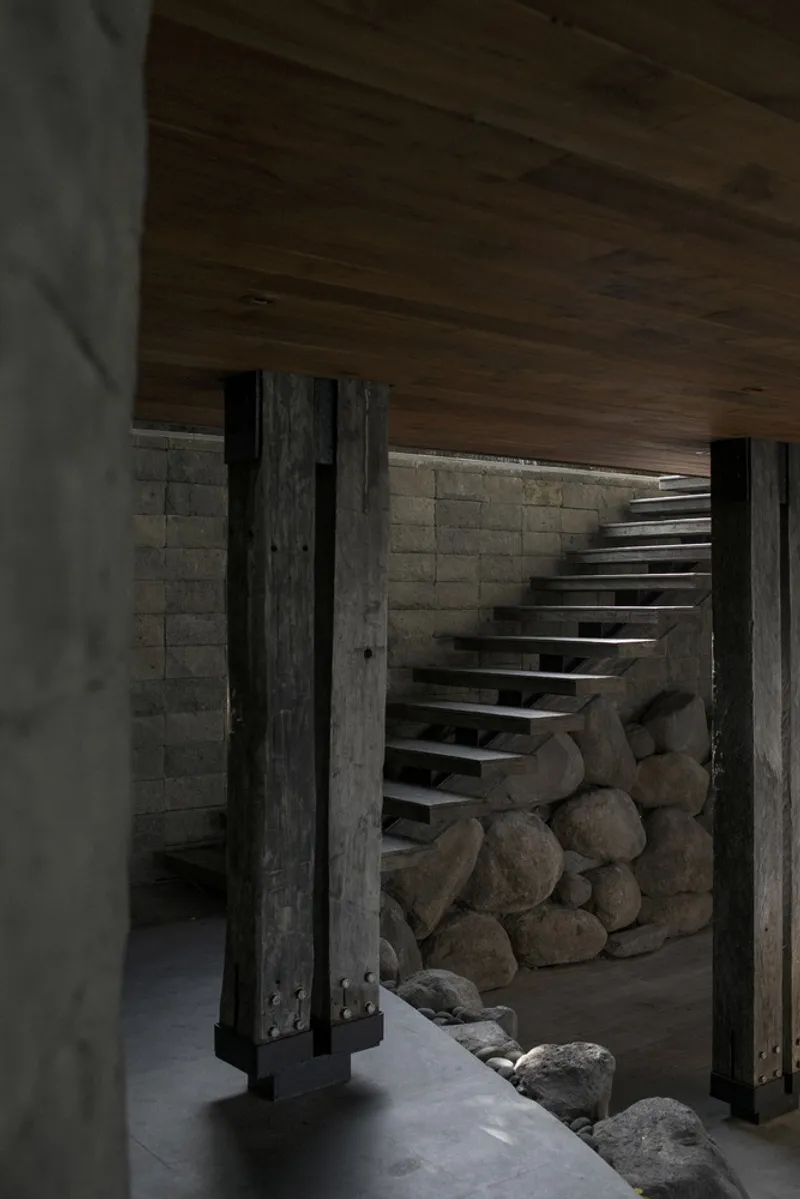
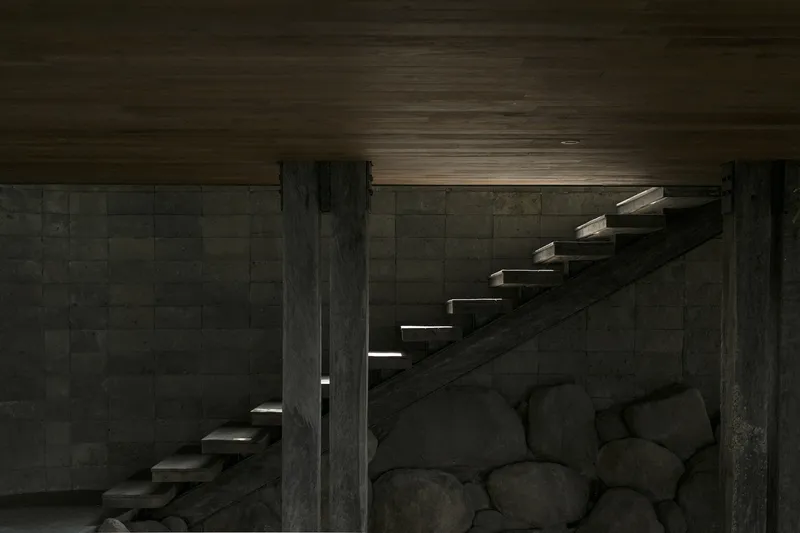
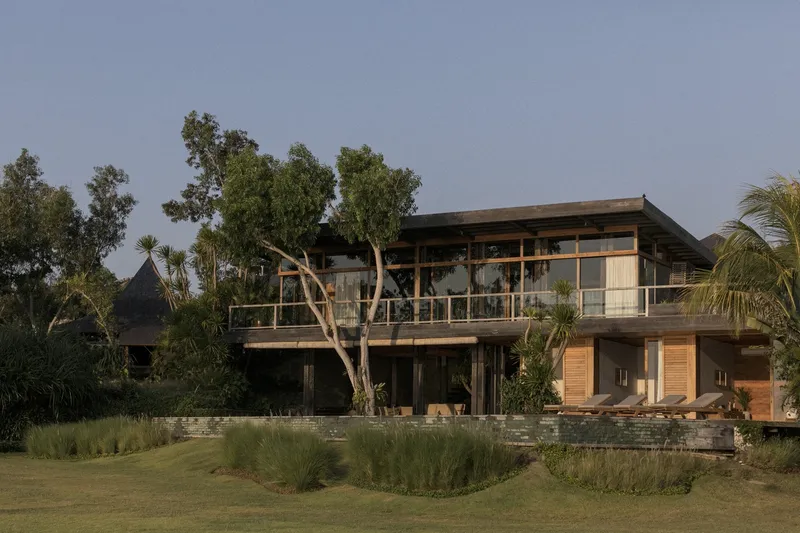
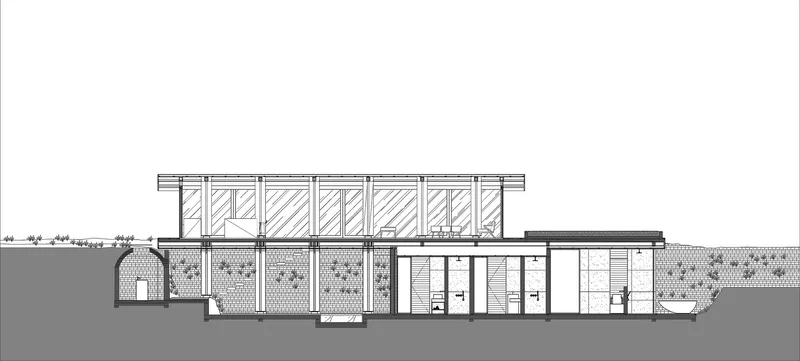
The house features a unique floating structure, with the second story seemingly levitating above the ground floor. This not only creates a striking visual impact but also minimizes the footprint on the natural landscape. The dual-column structure tied with steel plates ensures stability against the frequent earthquakes in the region, making it a safe haven for its inhabitants.
Sustainable Features and Environmental Impact
Water Conservation and Management
In response to the water scarcity issues in the Bukit Peninsula, Iron Wood House incorporates a rainwater harvesting system that collects, stores, and treats rainwater for household use. This sustainable practice significantly reduces the residence’s reliance on local water resources and exemplifies responsible environmental stewardship.

Energy Efficiency
The architectural design maximizes passive cooling and natural lighting, significantly reducing the energy consumption of the house. The strategic placement of windows and the use of reflective materials help maintain a comfortable indoor temperature without extensive use of air conditioning, which is crucial in the tropical climate of Bali.
Community Impact and Cultural Engagement
Fostering Cultural Connectivity
Iron Wood House is not just a private residence; it's a cultural hub that attracts architects, designers, and tourists interested in sustainable architecture and Indonesian culture. By opening its doors to the community, it fosters a greater understanding and appreciation of sustainable living practices and traditional Indonesian architecture.
Educational and Inspirational Role
The house serves as an educational model for sustainable living and tropical architecture, inspiring future projects in Indonesia and around the world. It demonstrates how modern architectural practices can be effectively integrated with traditional methods to create innovative, sustainable, and culturally resonant living spaces.
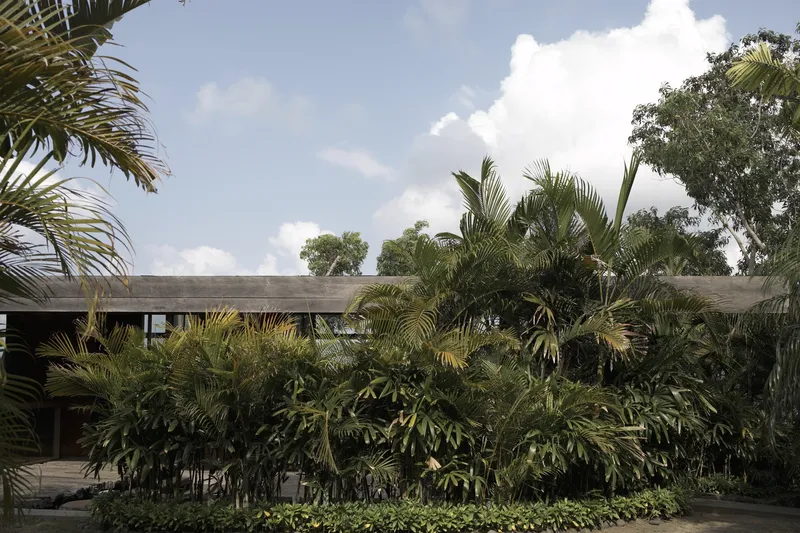
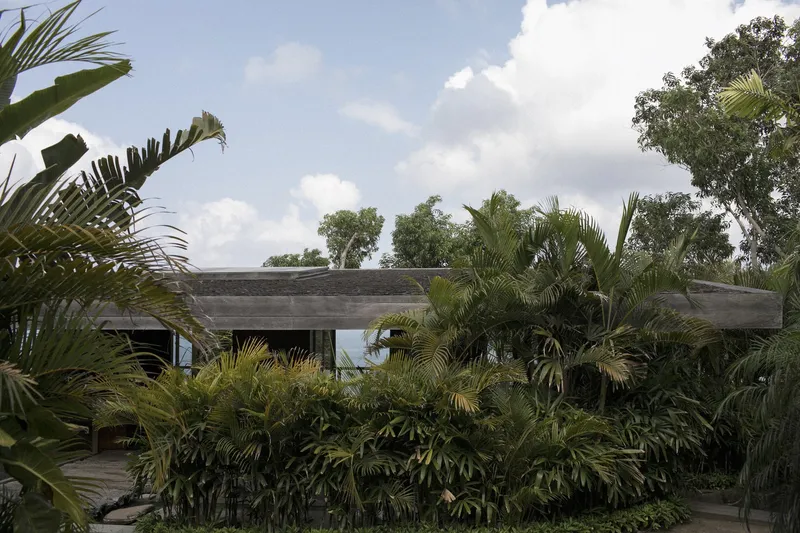
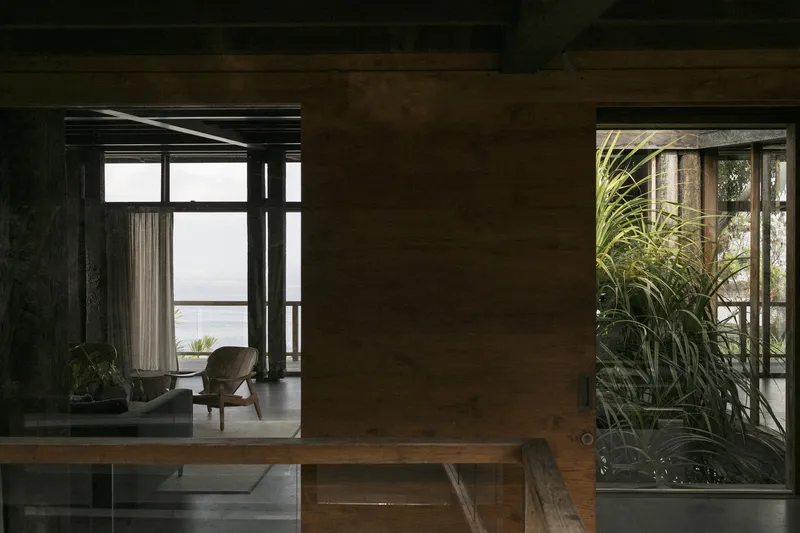
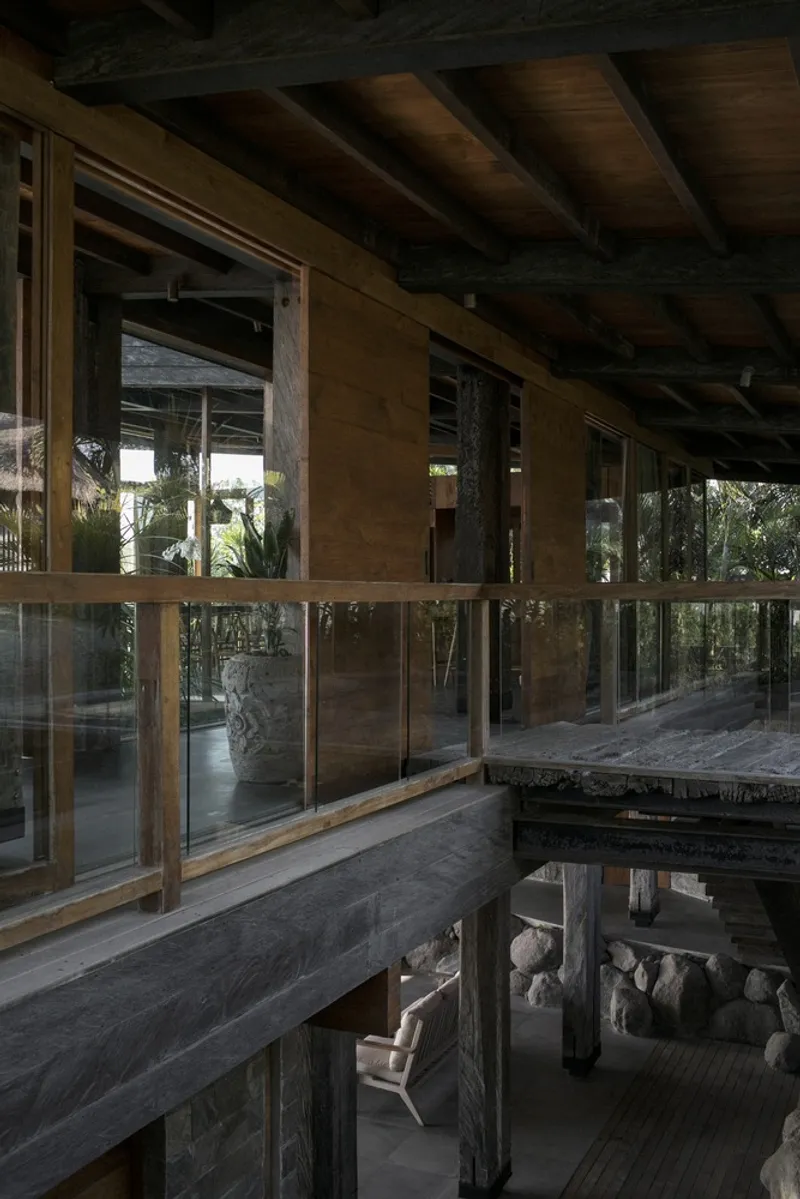
Iron Wood House by Earth Lines Architects is a paradigm of tropical villa architecture that beautifully marries functionality with aesthetics. It stands as a testament to the possibilities of integrating traditional building techniques with modern architectural innovations to create spaces that are not only environmentally sustainable but also deeply rooted in local culture and heritage.
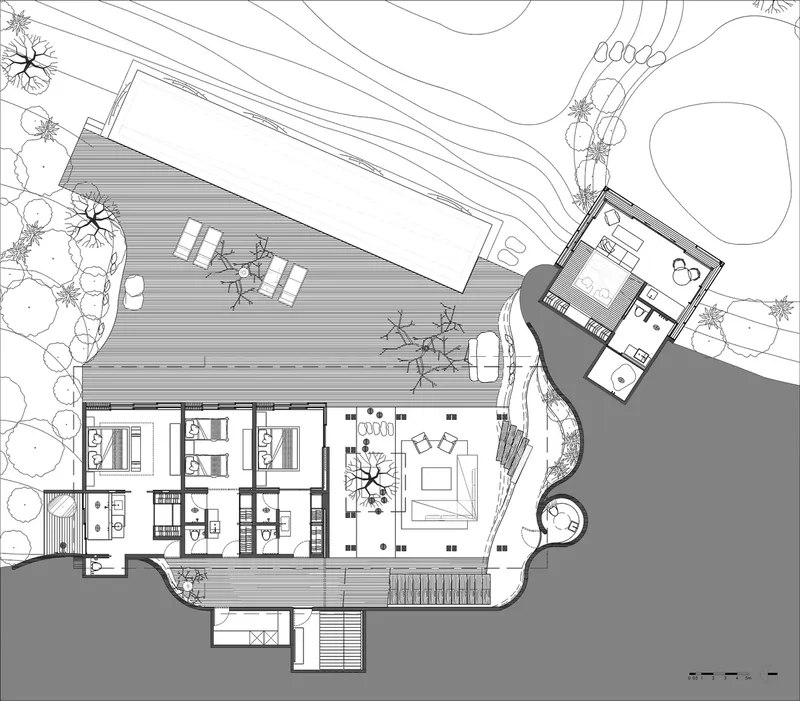

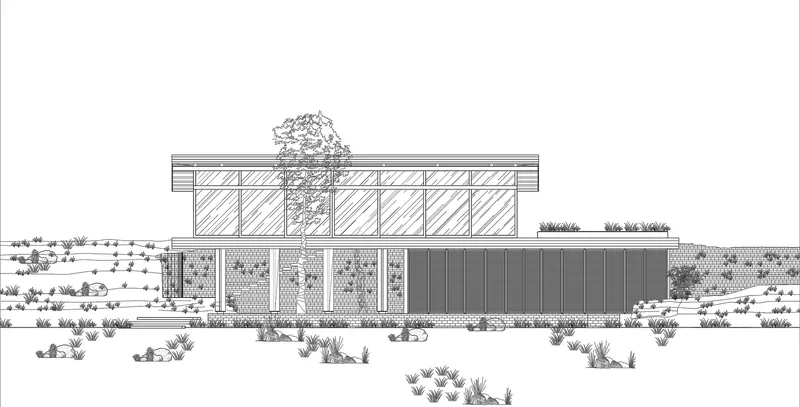

All photographs are work of Tommaso Riva


Popular Articles
Popular articles from the community


longwave studio Reorganizes a 112 m² Tainan Apartment Around the Daily Routines of a Family and Two Cats
In Tainan, Taiwan, birch plywood, rust-red furniture and a freestanding plaster wall link arrival, storage, work and family life in one apartment.

U.GA Architects Wraps an Oval Rooftop Pool in Curved Board-Formed Concrete on Busan's Jeollidan-gil
In Busan's Jeonpo-dong, a 454 m² mixed-use block stacks a neighborhood facility, guest rooms and an oval rooftop pool inside spiraling concrete walls.

David Ortega Stacks a Two-Story Mexico City Penthouse Around a Steel Stair and a Pergola-Shaded Roof Terrace
In Colonia Roma, a 300 m² penthouse uses oak joinery, a planted steel stair and a slatted roof pergola to make a new-build apartment feel like a house.

Juan García Correa, John González and Claudia Rueda Sink a Circular Amphitheater into a Manizales Engineering Building
On the La Nubia campus in Manizales, Colombia, the S1 Building folds labs and offices into a hillside of ramped lawns that double as a campus route.

Similar Reads
You might also enjoy these articles


Hodi-Mandai Geram
Project Function: Preservation and revitalization of the Intangible heritage and socio-spatial identity of the Hodi by Housing, Cultural Memory Center, Sacred Grove, landscape, local tourism economy


Olio Towers: A Mid-Rise for Performers That Fuses Housing, Rehearsal, and Stage
Located blocks from Houston's Theater District, this modular tower stacks living units around a central performance atrium.

Oasis: Modular Green Housing Carved into Dhaka's Urban Fabric
A shortlisted Plugin Housing entry reclaims unauthorized settlements in Dhaka with stepped concrete volumes, green roofs, and ventilation-driven design.

Black Hole: A Floating Megastructure for the Post-Physical Era
Emiliano Mazzarotto envisions a spherical, self-scaling arena where e-sports, digital hotels, and holographic stadiums replace traditional public space.

Explore Architecture Competitions
Discover active competitions in this discipline

Challenge to reimagine the Iron Throne

Photograph architecture without architects

Illustrate the lost glory of Angkor Wat - Render Challenge

Design challenge to reuse E-waste
Comments (0)
Please login or sign up to add comments
No comments yet. Be the first to comment!