
Embracing Sustainable Architecture Design: The Terra Cotta Workshop by Tropical Space
Explore the Terra Cotta Workshop by Tropical Space, showcasing sustainable architecture with traditional materials in Thành Phố Hội An, Vietnam.

Sustainable architecture design is not just about reducing the environmental impact of buildings but also about integrating the structure into its natural surroundings in a way that is both functional and aesthetic. The Terra Cotta Workshop in Thành Phố Hội An, Vietnam, designed by Tropical Space, is a prime example of how traditional materials and techniques can be revitalized to meet contemporary sustainable design standards.
Architectural Design of Terra Cotta Workshop
Innovative Use of Natural Materials
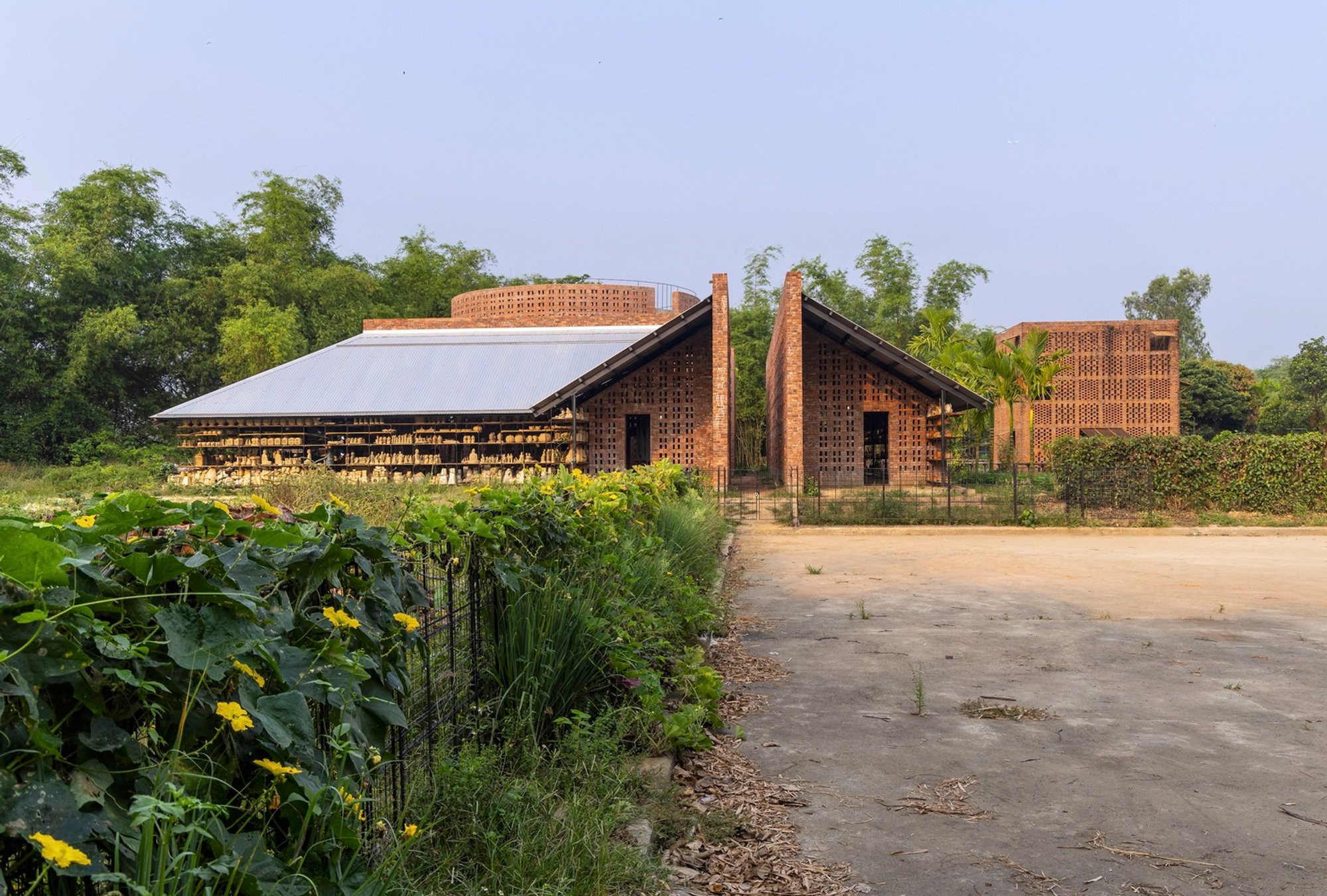
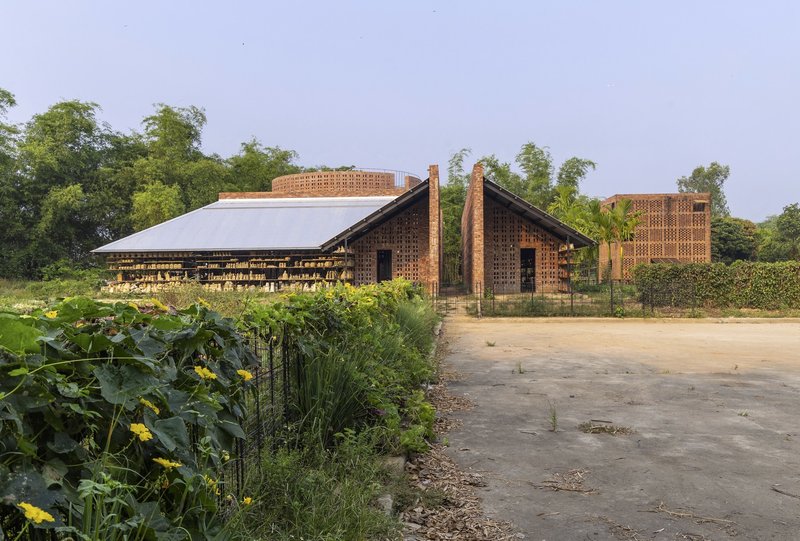
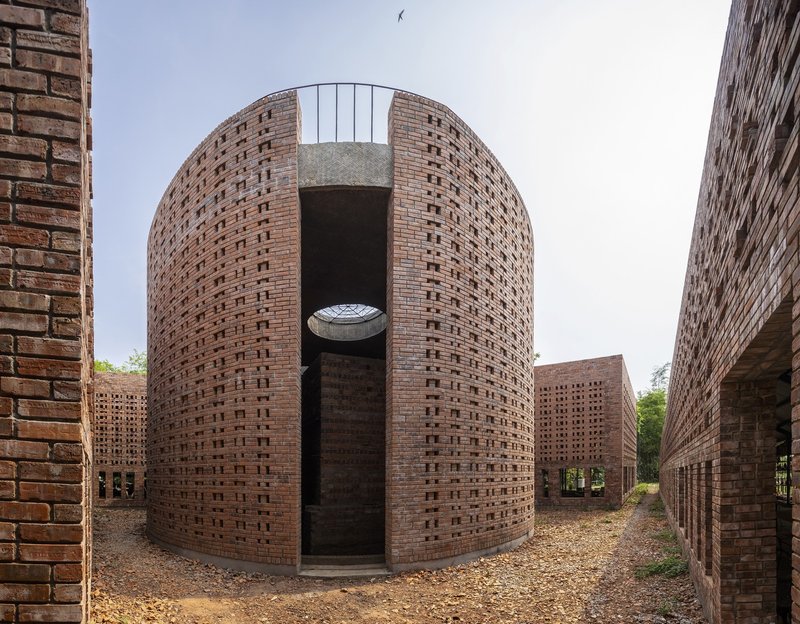
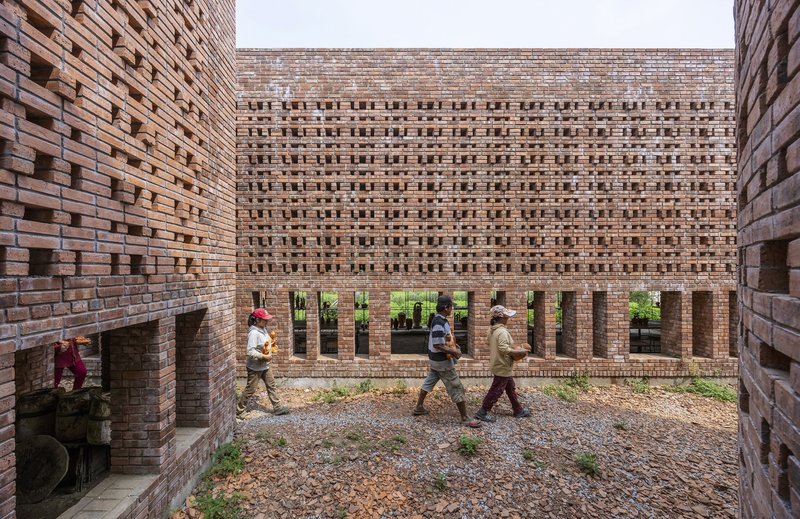
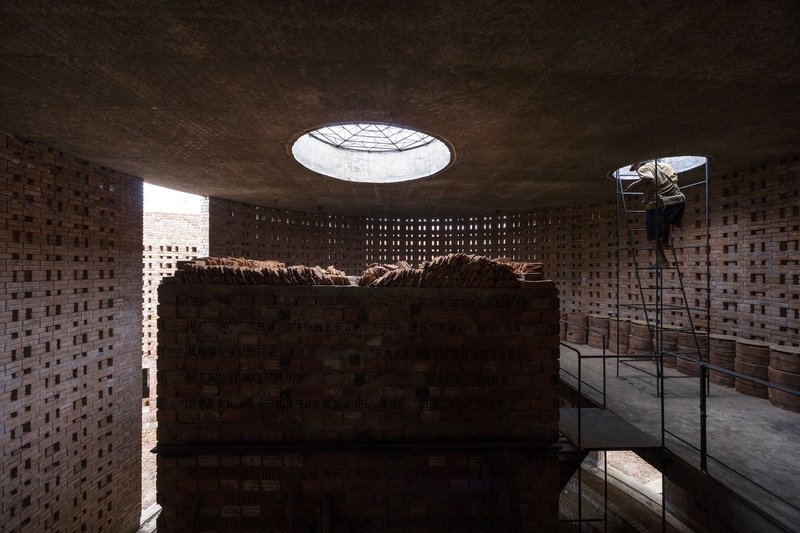
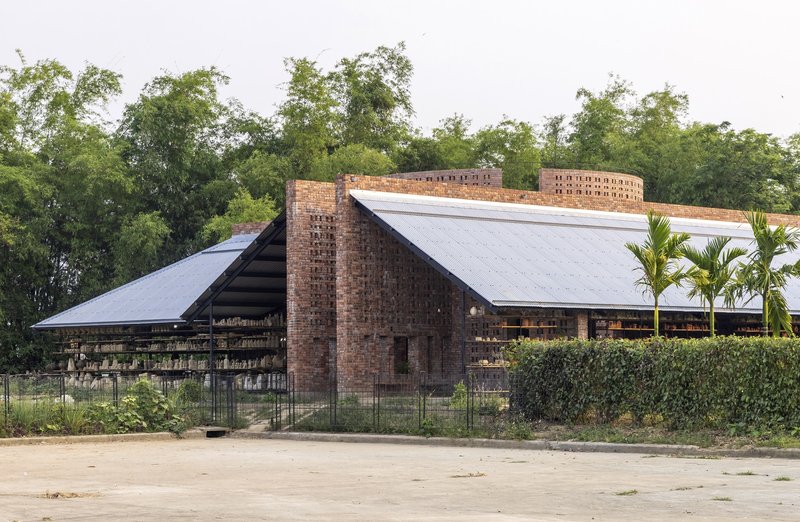
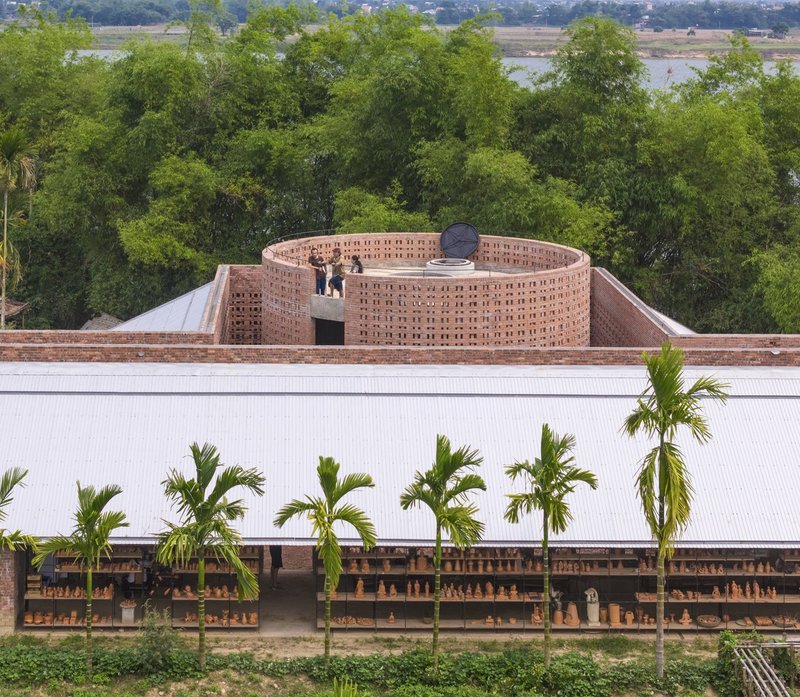
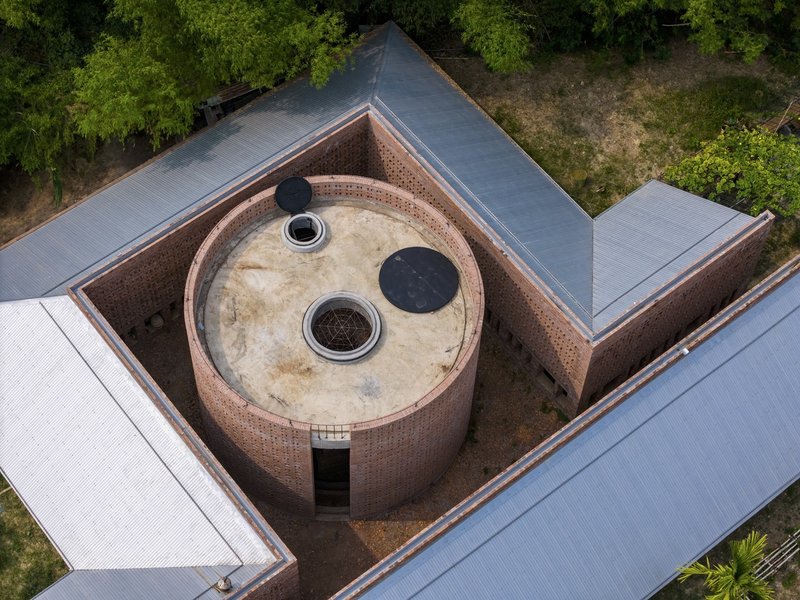
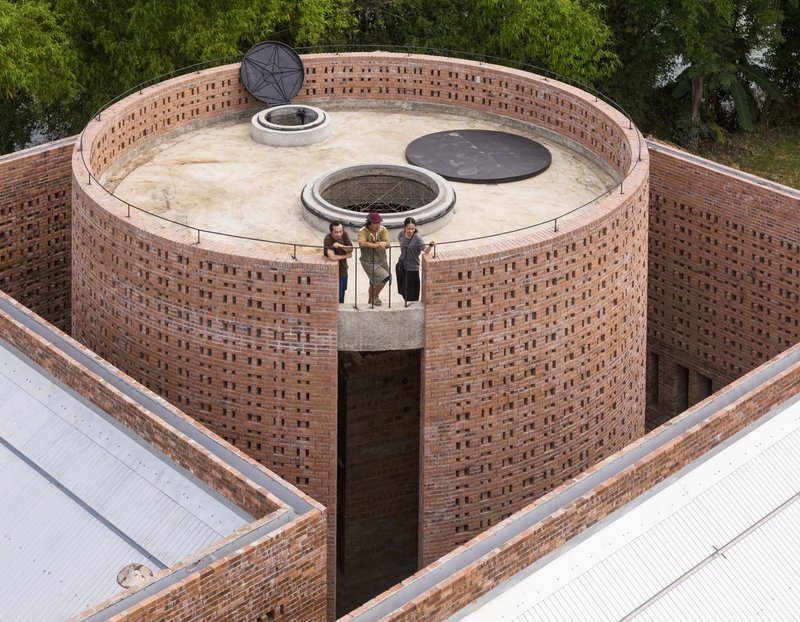
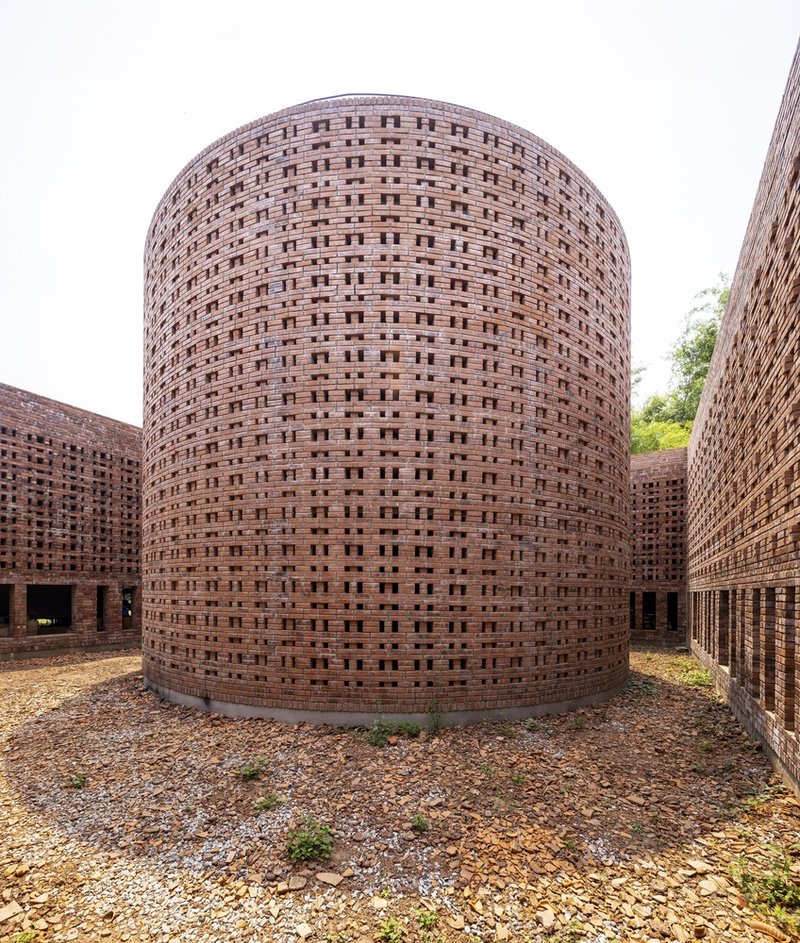
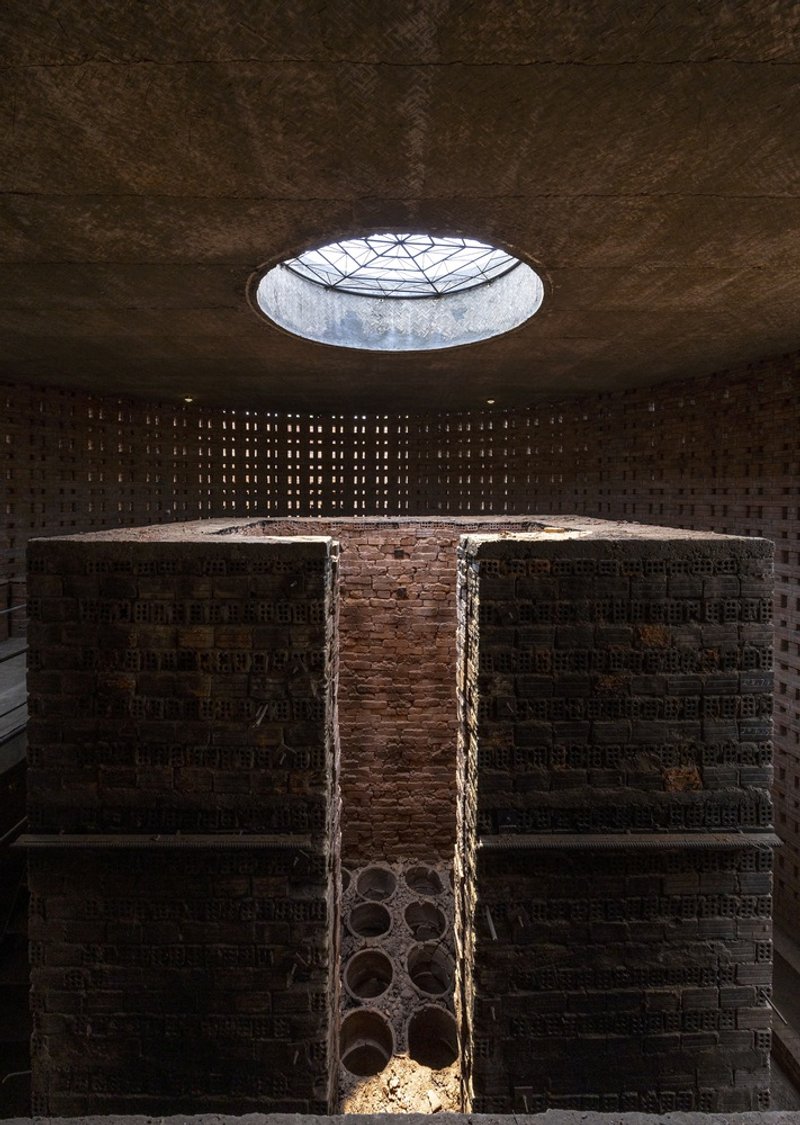
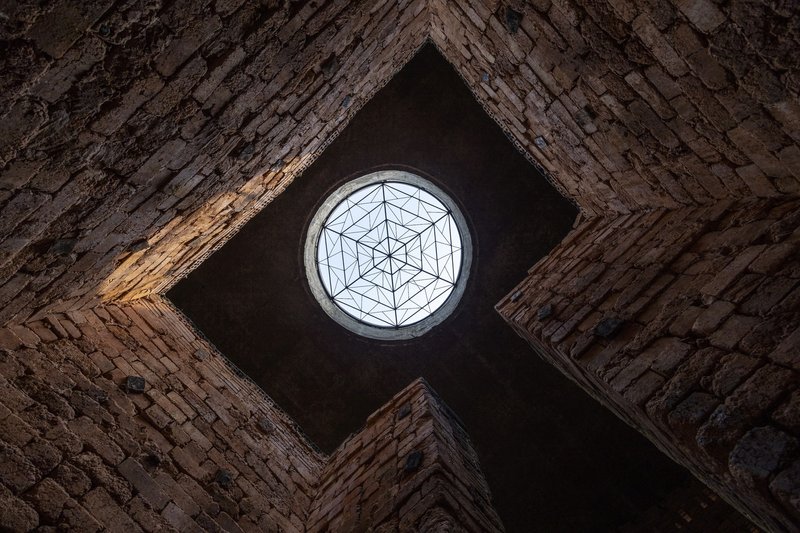
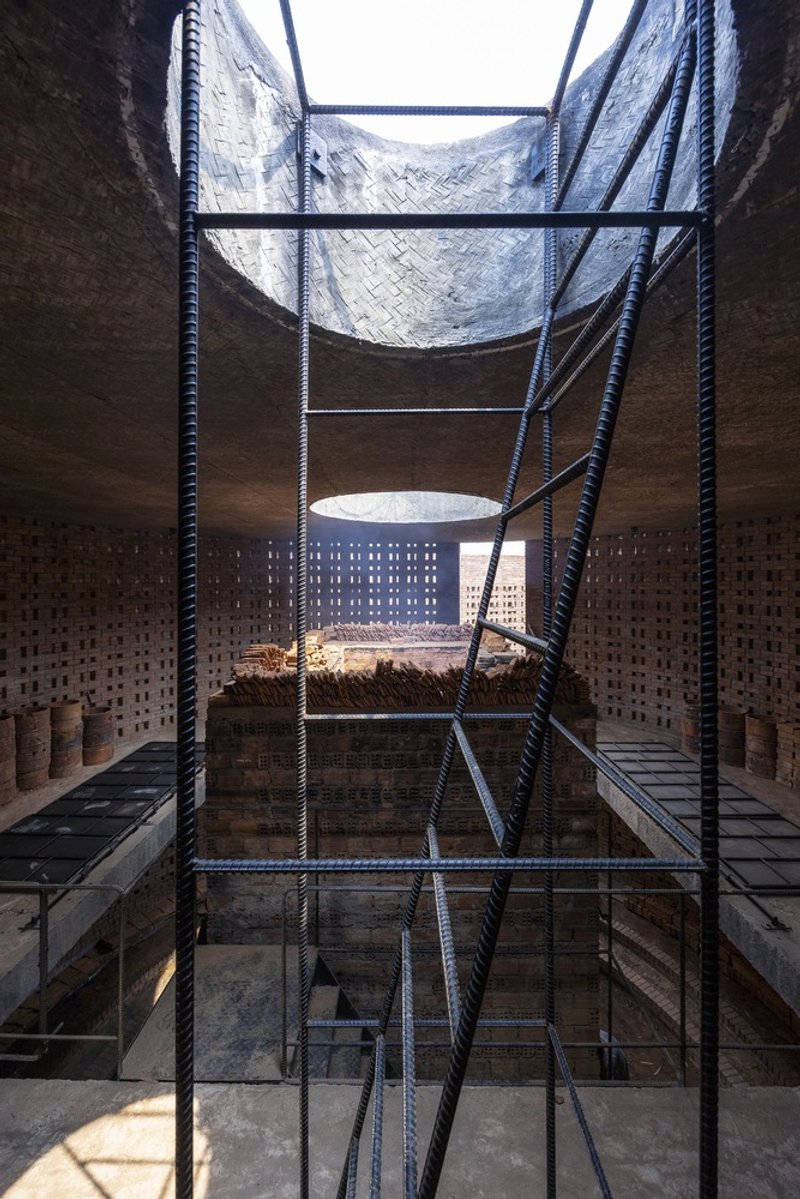
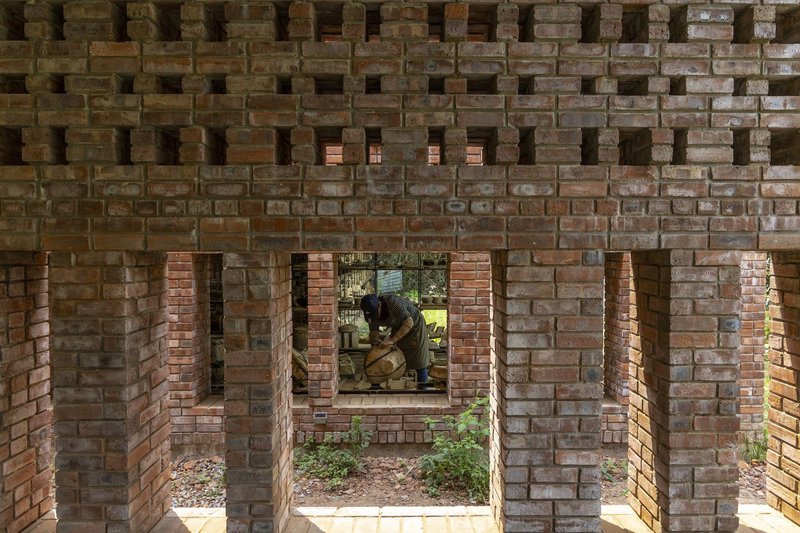
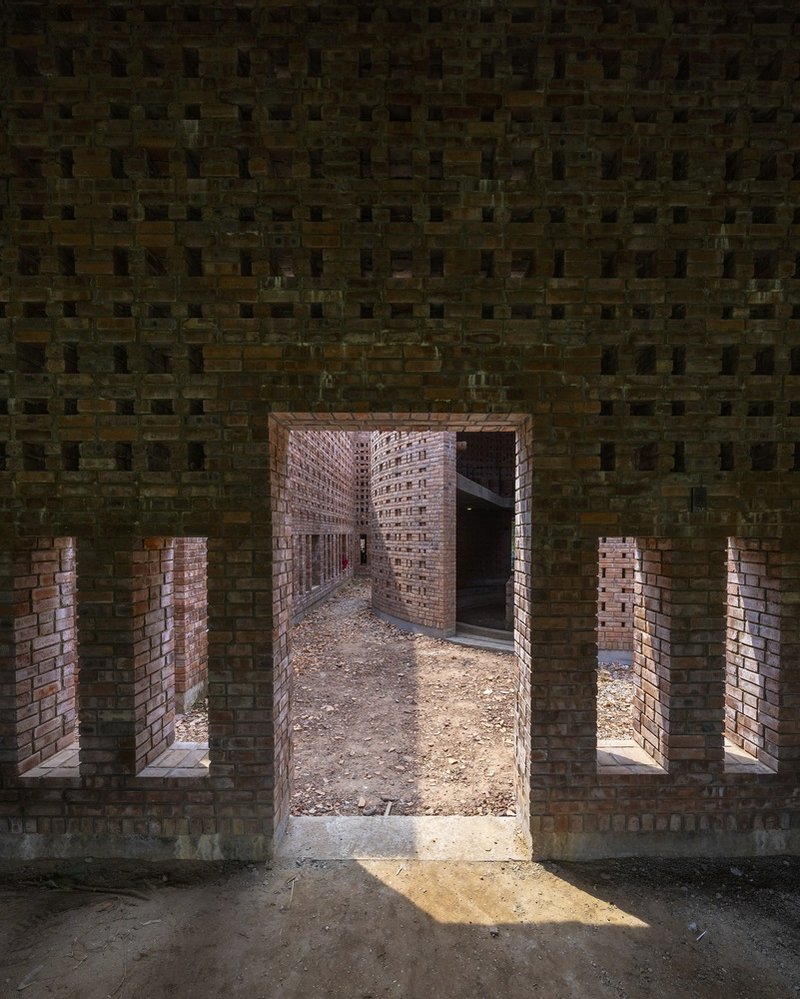
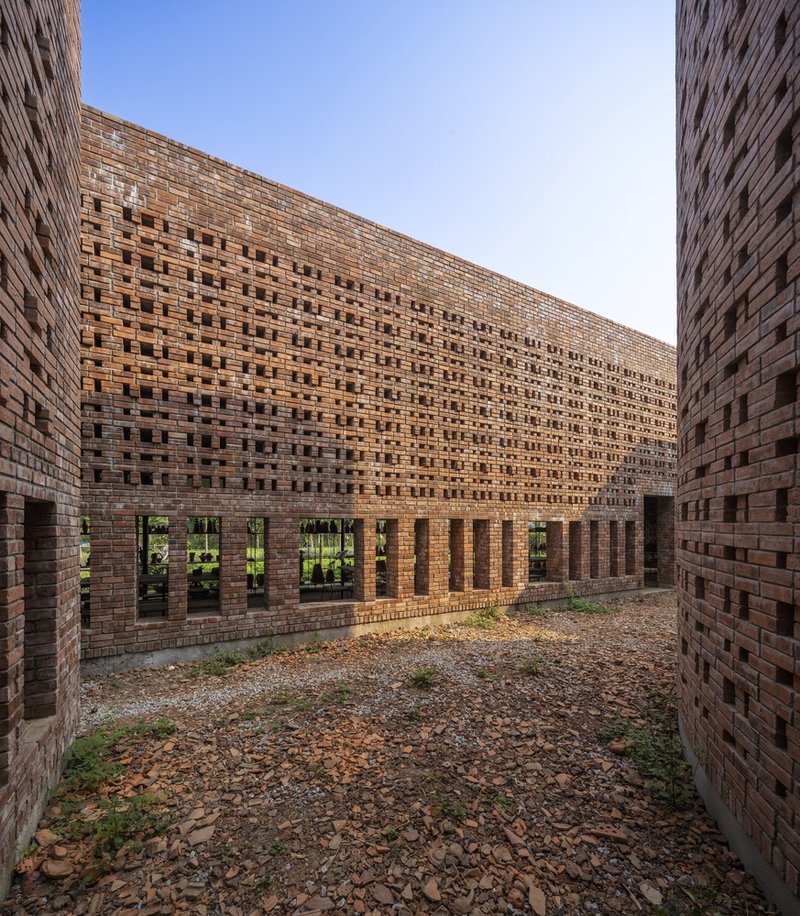
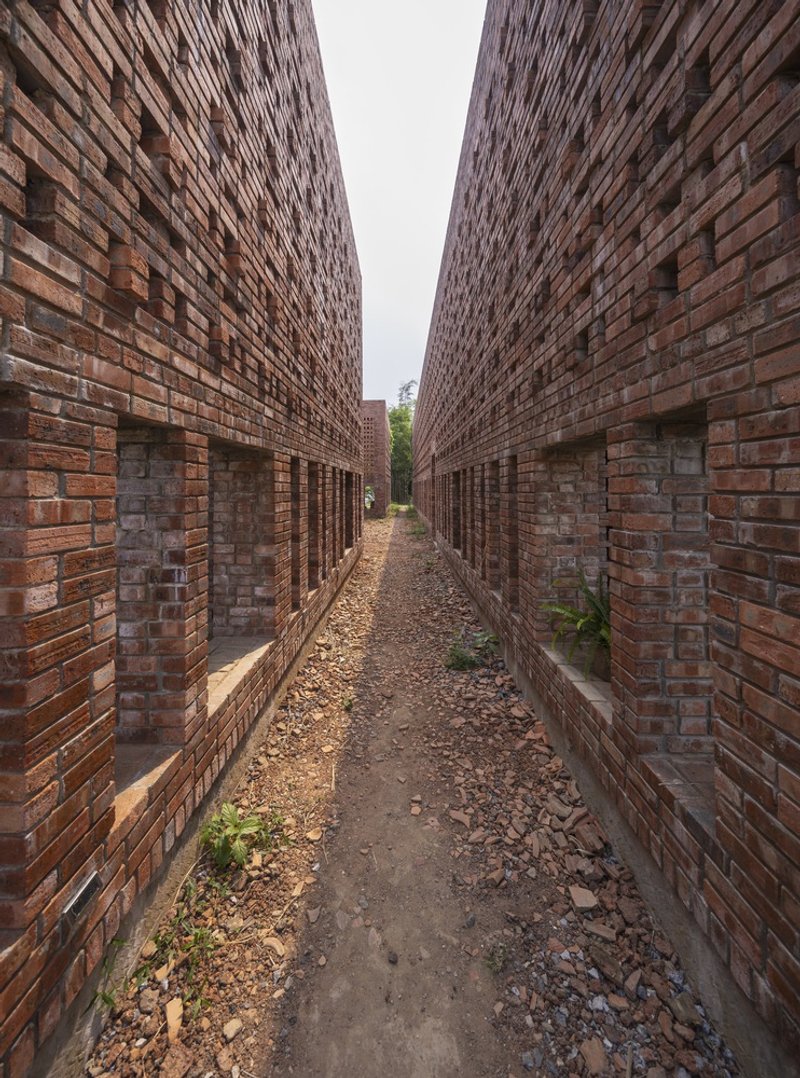
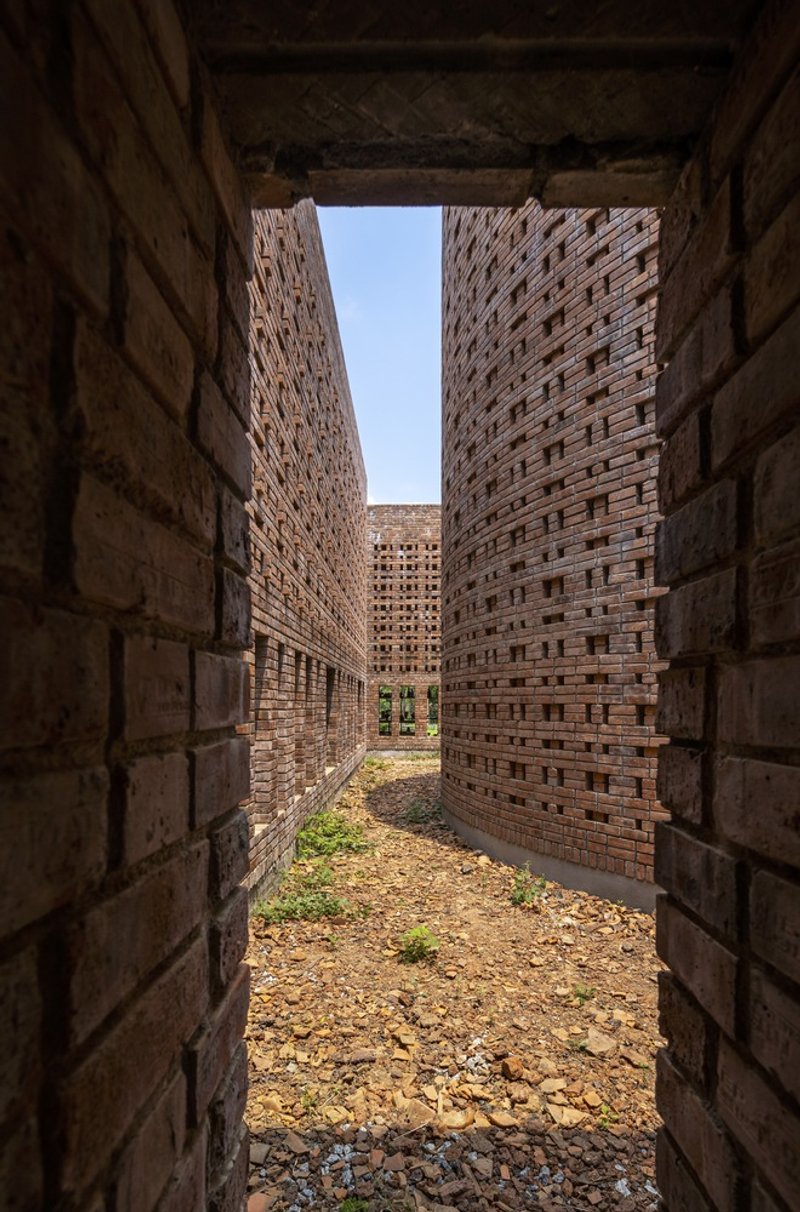
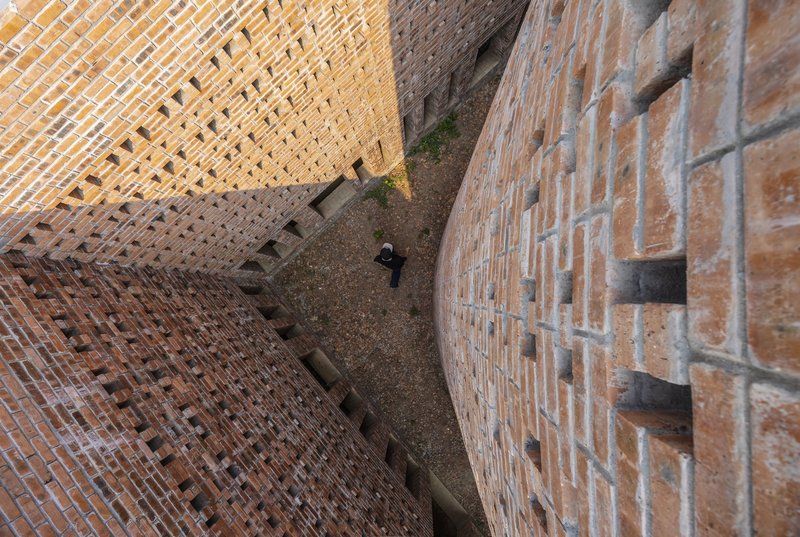
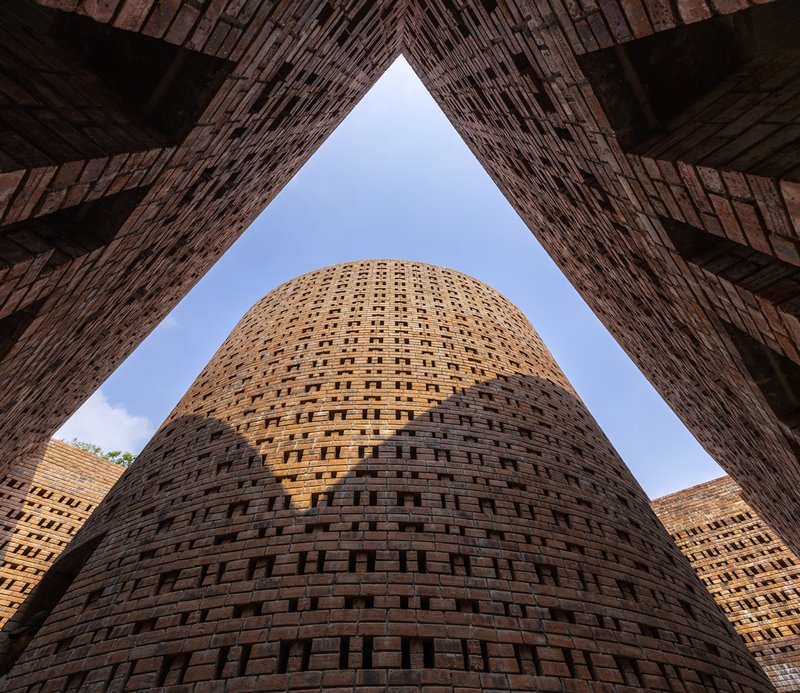
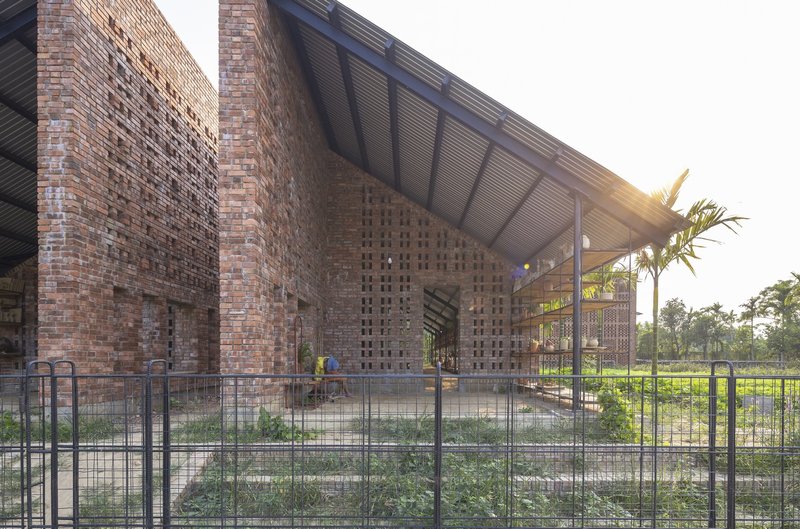
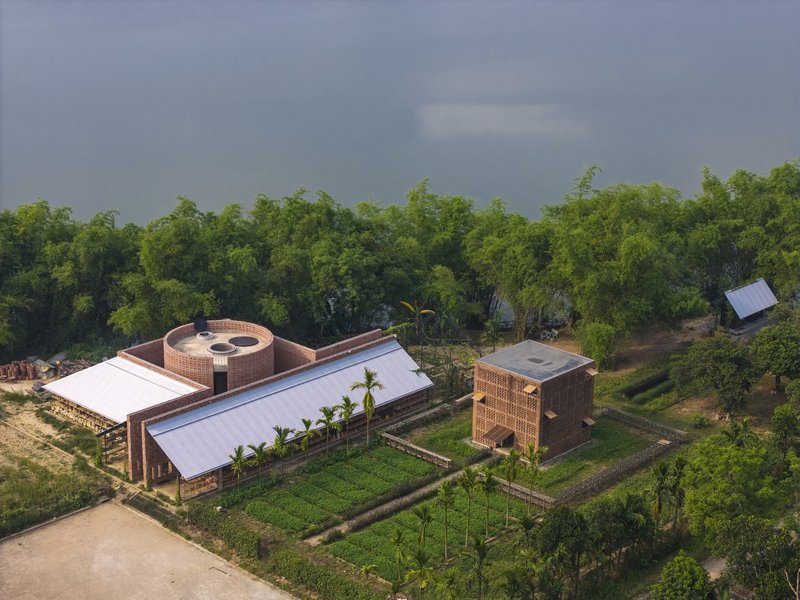
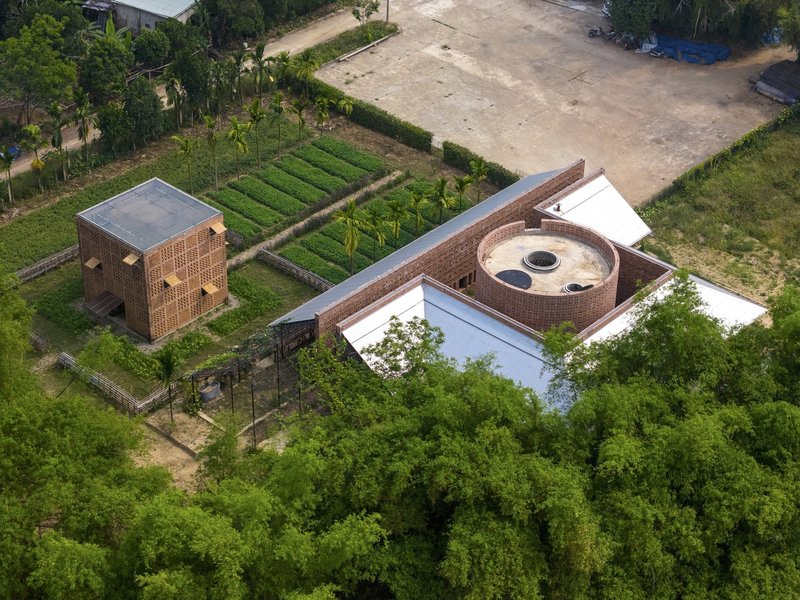
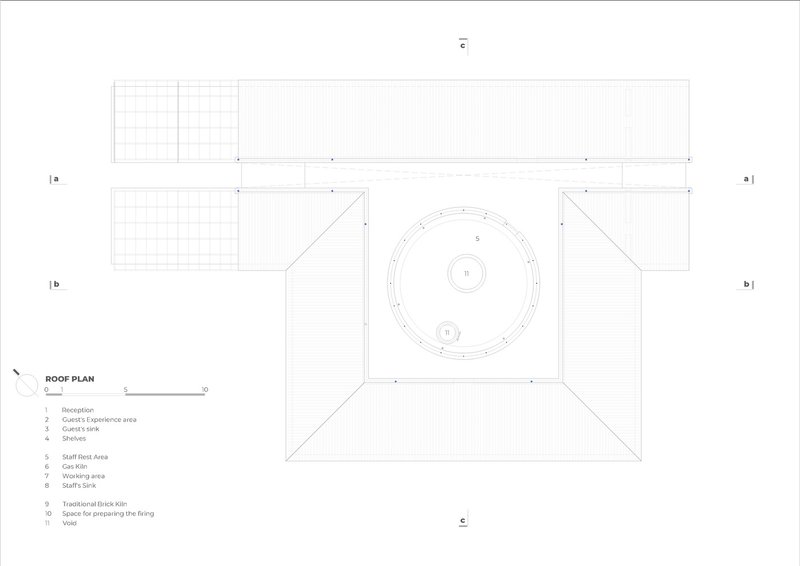
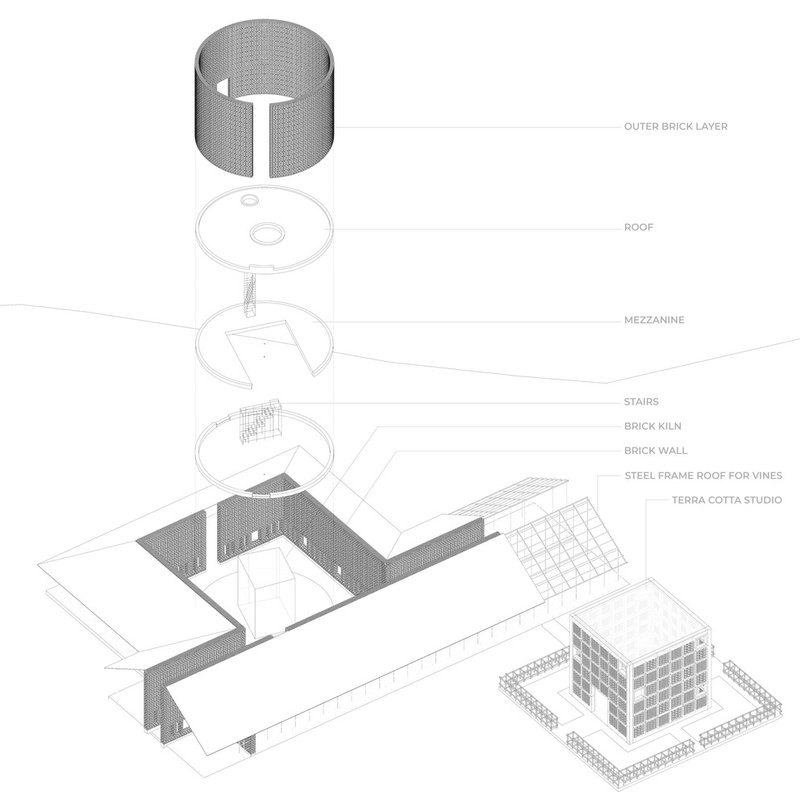
The workshop is distinguished by its use of local materials, primarily brick, which is central to both its construction and thematic expression. The design incorporates two long, folded brick walls and a circular brick wall that not only define the workshop’s layout but also demonstrate the material’s versatility and sustainability.
Layout and Spatial Dynamics
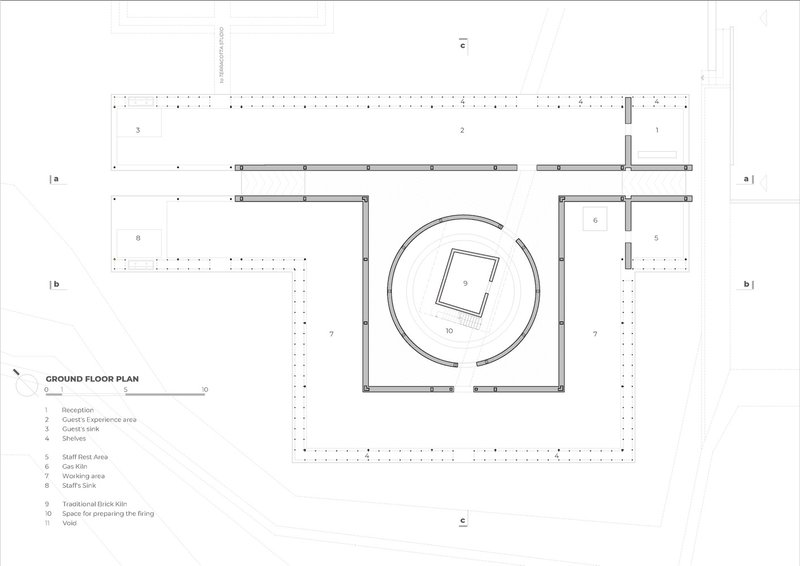
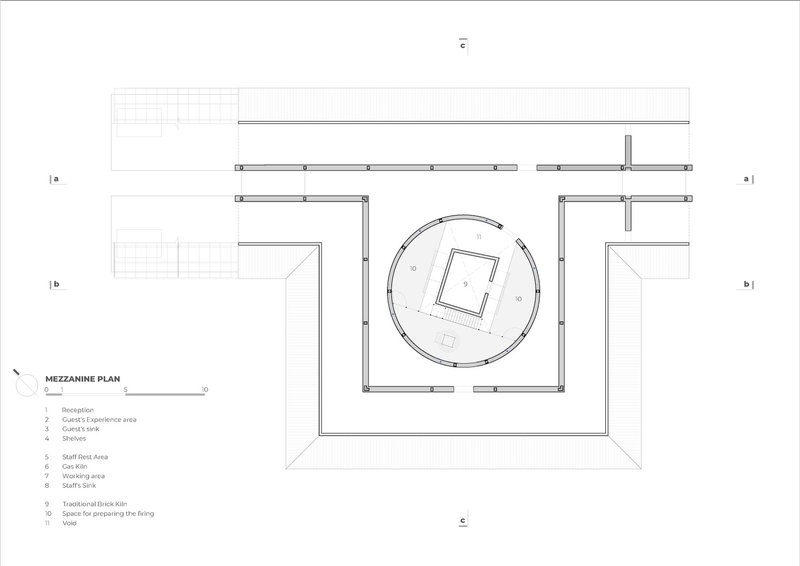
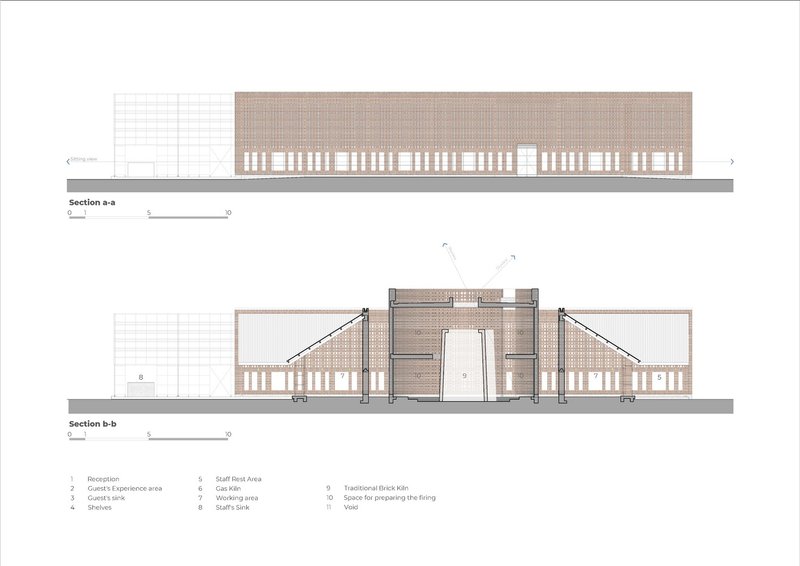
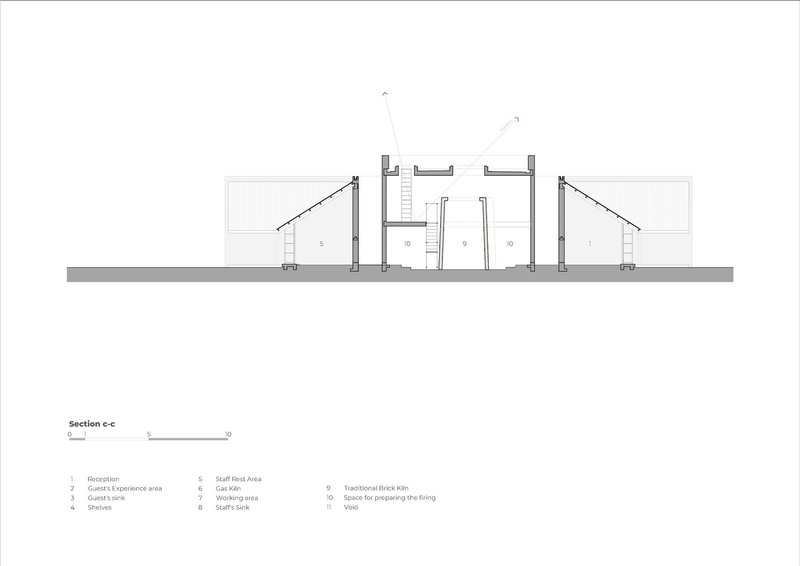
The Terra Cotta Workshop is thoughtfully divided into three main areas by its brick architecture:
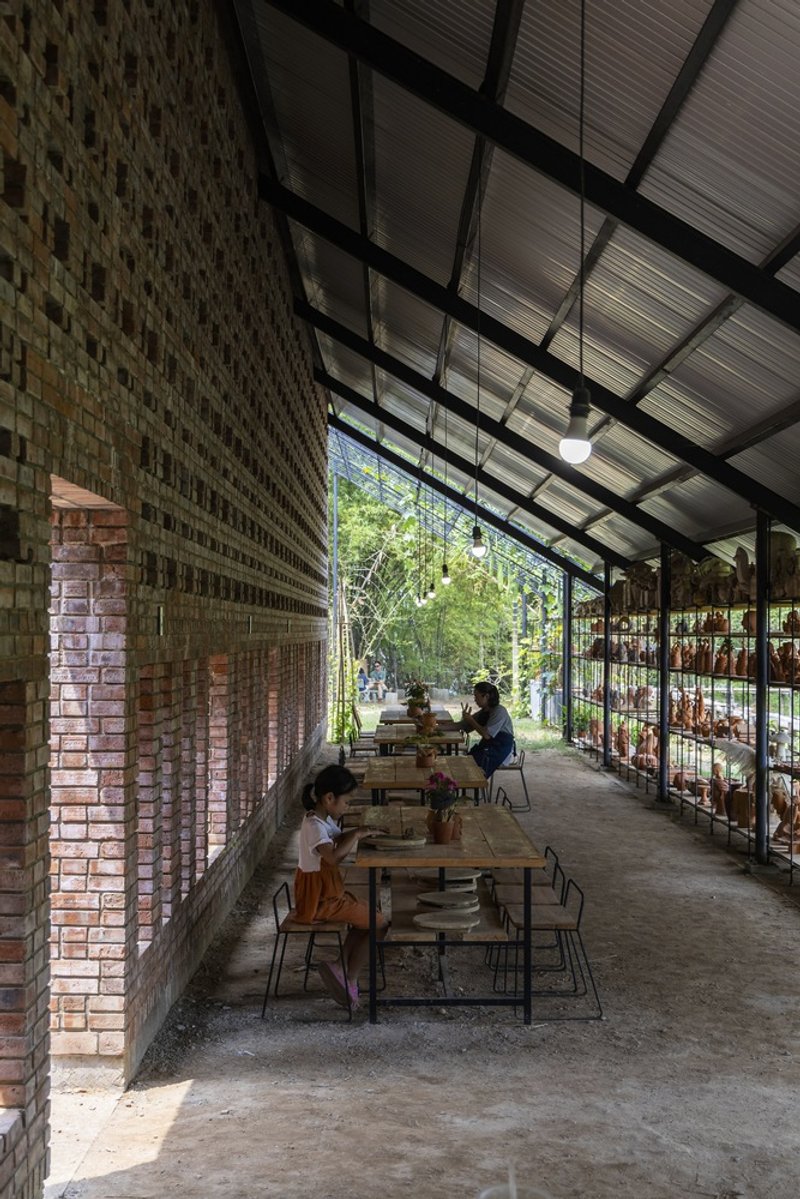
- Experiential Area for Visitors: This space allows visitors to engage directly with the clay, offering a hands-on experience complemented by stories from the craftsmen.
- Craftsmen’s Working Area: Located along the river bank, this area utilizes a rammed earth floor to maintain natural humidity, essential for the crafting process.
- Central Kiln and Display Area: Acting as the core of the workshop, this area features reused brick slag and terra cotta fragments, enhancing the visitor’s sensory experience of the space.
Integration with the Environment
Sustainable Design Features
The workshop’s design focuses on sustainability through several key elements:
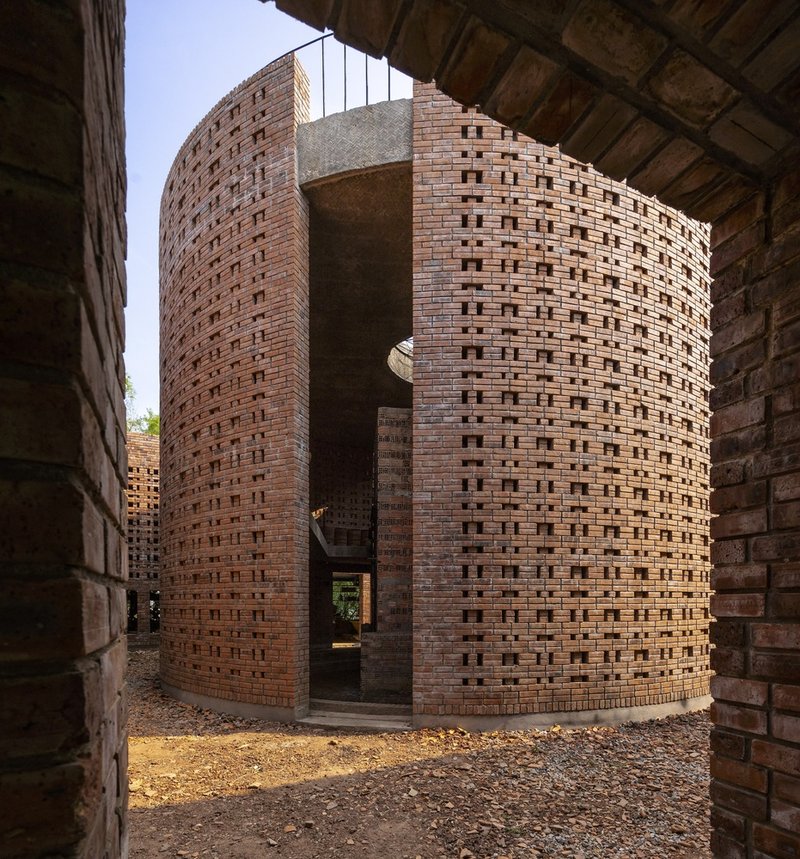
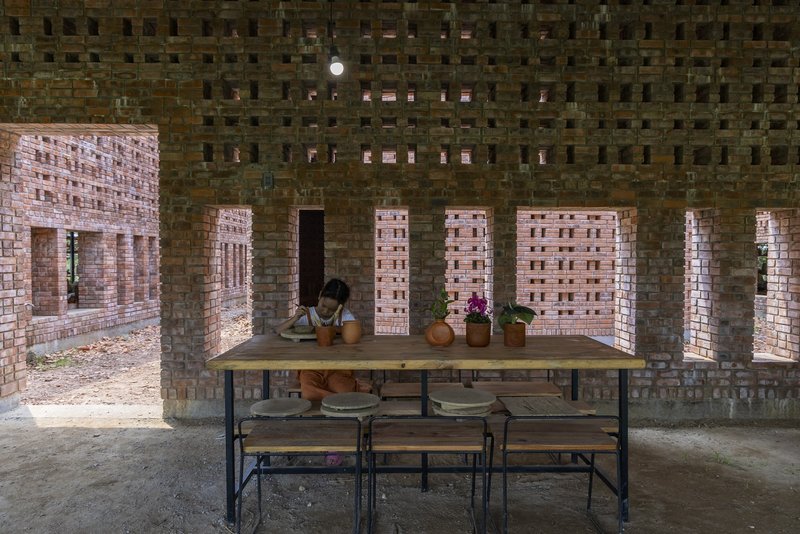
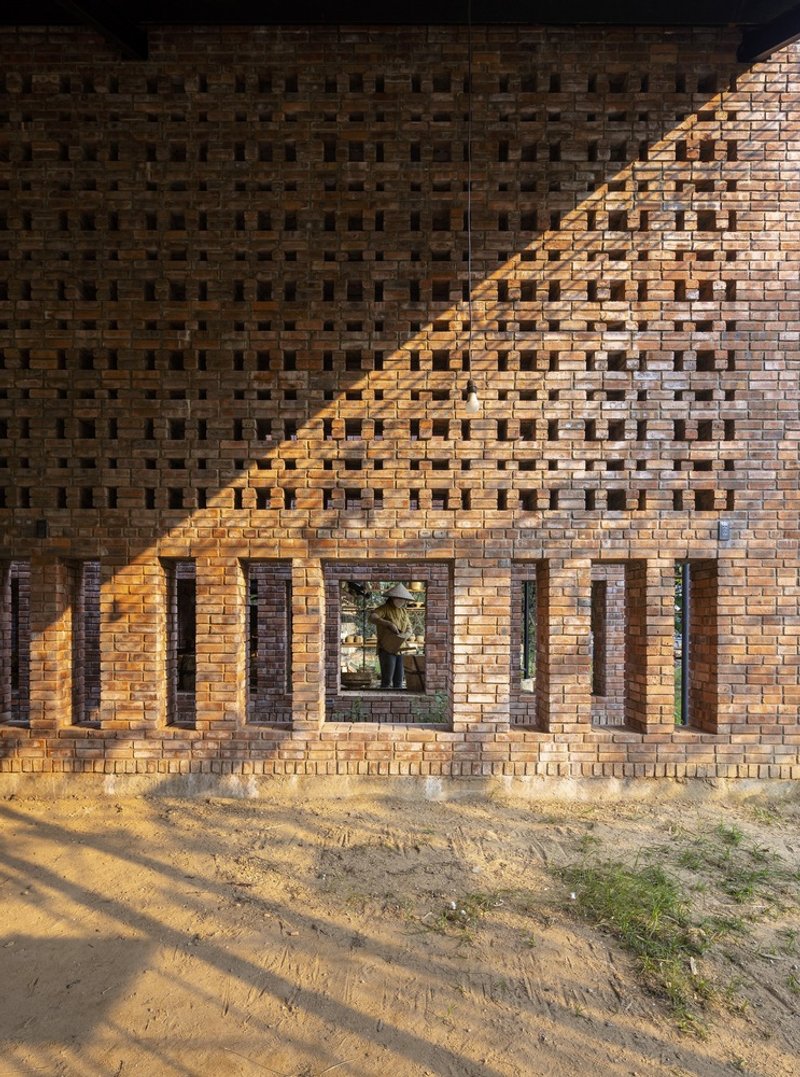
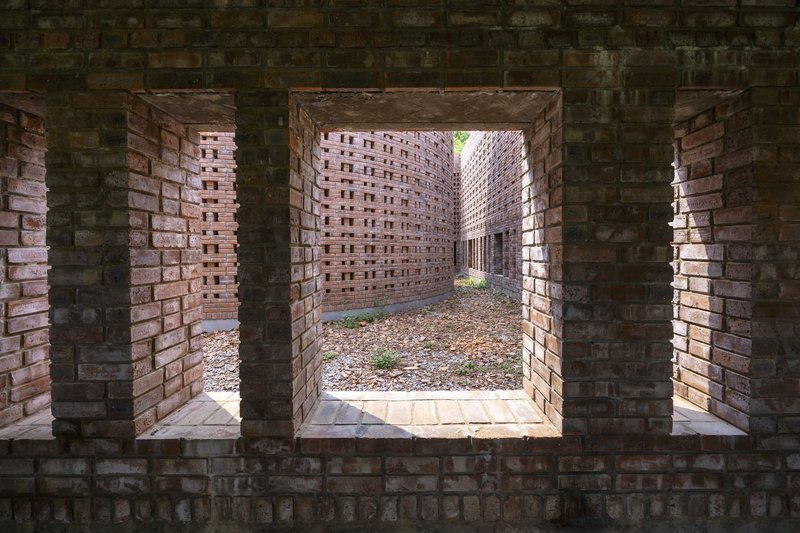
- Natural Ventilation: The strategic placement of hollow brick walls and low windows facilitates natural airflow and light control, reducing the need for artificial cooling and lighting.
- Use of Recycled Materials: Brick slag and failed terra cotta products are recycled and used as finishing materials for the courtyard, demonstrating a commitment to zero-waste principles.
Visual and Functional Connectivity
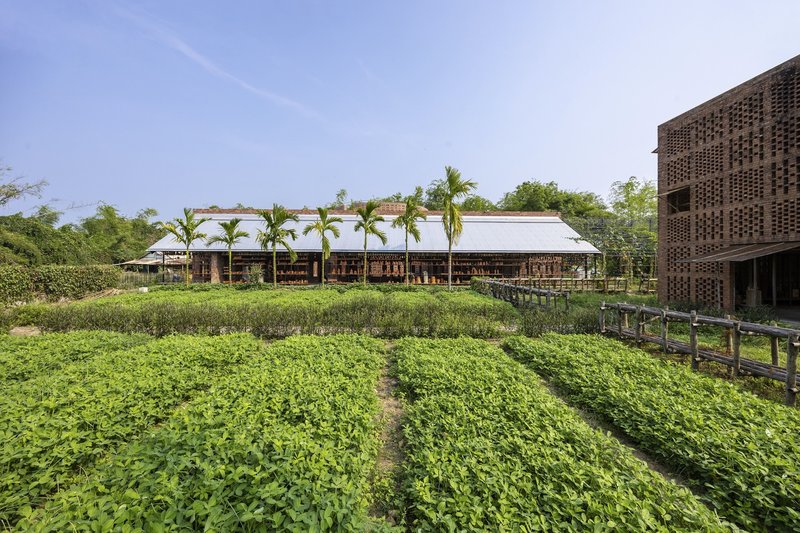
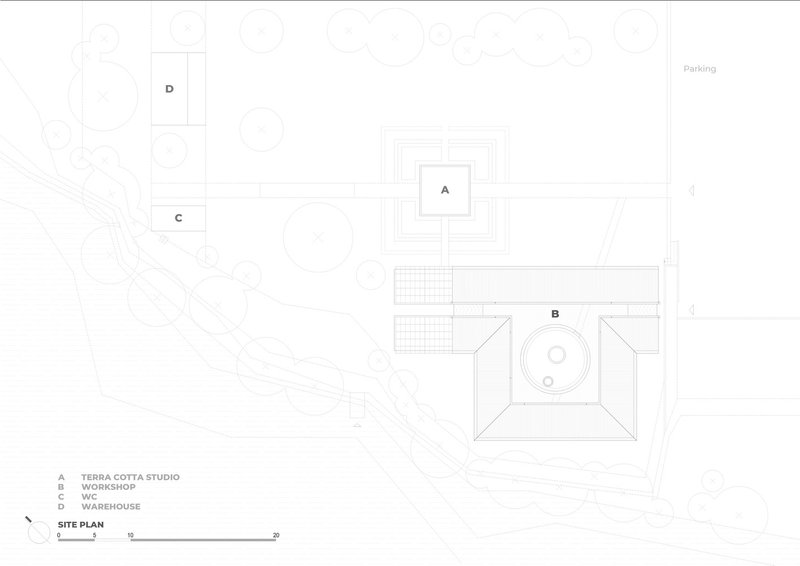
The low openings in the brick walls allow for expanded views across the workshop, connecting the interior spaces to the surrounding landscape, which includes a garden, Terra Cotta Studio, and nearby bamboo bushes. This design philosophy not only enhances the visual appeal but also embeds the structure within its environmental context.
The Role of Architecture in Cultural and Environmental Sustainability
The Terra Cotta Workshop by Tropical Space is more than just a building; it's a testament to the power of sustainable architecture design in preserving and enhancing traditional crafts. Through its thoughtful use of local materials, integration with the natural environment, and sustainable building practices, the workshop stands as a model for future architecture projects worldwide.
All photographs are work of Trieu Chien




Popular Articles
Popular articles from the community

20 Most Popular Office Building Projects of 2025
From biophilic workspaces in India to net-positive energy offices in New Delhi, 20 office building projects that defined architecture in 2025.

BICA Arquitectos Buries a Coastal Home in a Man-Made Dune on Portugal's Tróia Peninsula
A 300-square-meter house of timber, sand mortar, and travertine dissolves into the dune landscape it helped regenerate on the Alentejo coast.
boq architekti Fits a Gabled Family House onto a Tiny Moravian Hillside Plot with No Room for a Garden
A 115 square meter home in South Moravia trades a garden for a rooftop terrace and a fully glazed facade facing the village below.
Studio Gram Unfurls a Concrete Curve Through an Adelaide Queen Anne Villa
In Rose Park, a billowing concrete threshold stitches a century-old house to a sun-chasing pavilion organized around an existing pool.

Similar Reads
You might also enjoy these articles
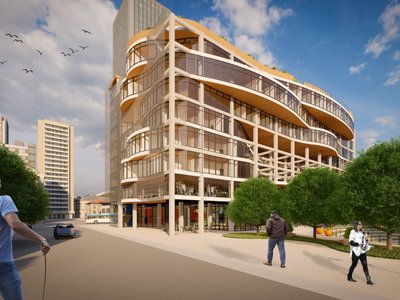
Olio Towers: A Mid-Rise for Performers That Fuses Housing, Rehearsal, and Stage
Located blocks from Houston's Theater District, this modular tower stacks living units around a central performance atrium.
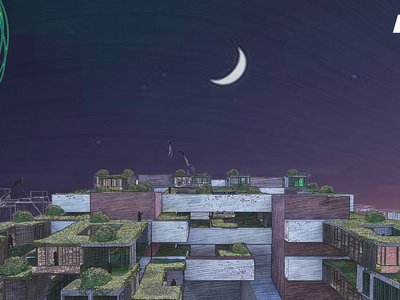
Oasis: Modular Green Housing Carved into Dhaka's Urban Fabric
A shortlisted Plugin Housing entry reclaims unauthorized settlements in Dhaka with stepped concrete volumes, green roofs, and ventilation-driven design.

Black Hole: A Floating Megastructure for the Post-Physical Era
Emiliano Mazzarotto envisions a spherical, self-scaling arena where e-sports, digital hotels, and holographic stadiums replace traditional public space.
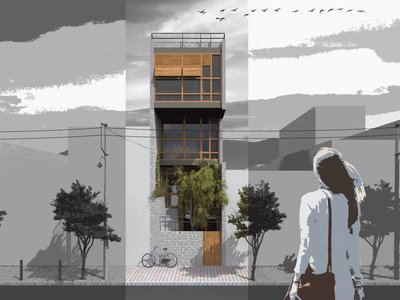
Compact & Sustainable Living in Piraeus: A Four-Level Family Home Built Around Light and Air
A narrow townhouse in one of Greece's densest port cities uses a central atrium and passive strategies to house three generations under one roof.


Explore Architecture Competitions
Discover active competitions in this discipline




The International Standard for Design Portfolios


The Global Benchmark for Architecture Dissertation Awards


The Global Benchmark for Graduation Excellence


Challenge to reimagine the Iron Throne
Comments (0)
Please login or sign up to add comments
No comments yet. Be the first to comment!