

Esbjerg's New Maritime Center by WERK Arkitekter and Snøhetta
Illuminating the Danish West Coast

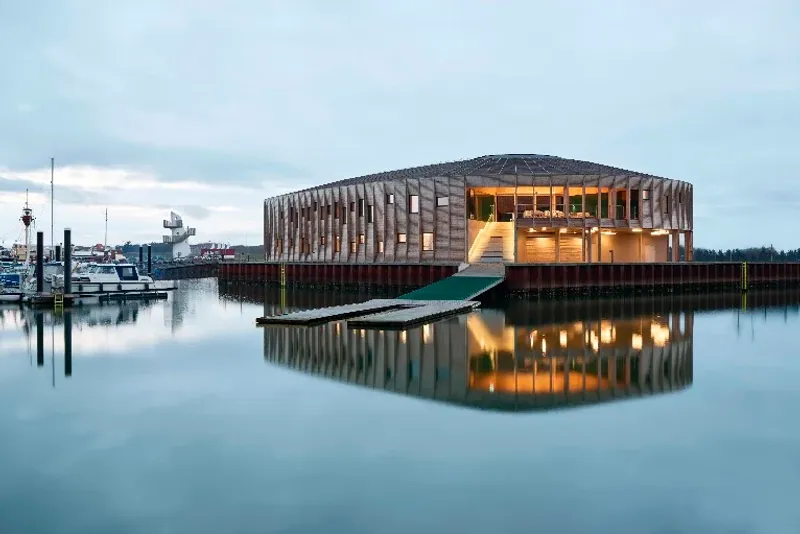
A new maritime centre, known as "The Lantern," has opened to the public in the seaport town of Esbjerg on the Danish west coast. Developed by architecture firms WERK arkitekter and Snøhetta, the centre was created as a result of a design competition in 2019. It serves as a shared space for watersport clubs and visitors along the port, providing the town with a social hub and architectural landmark.
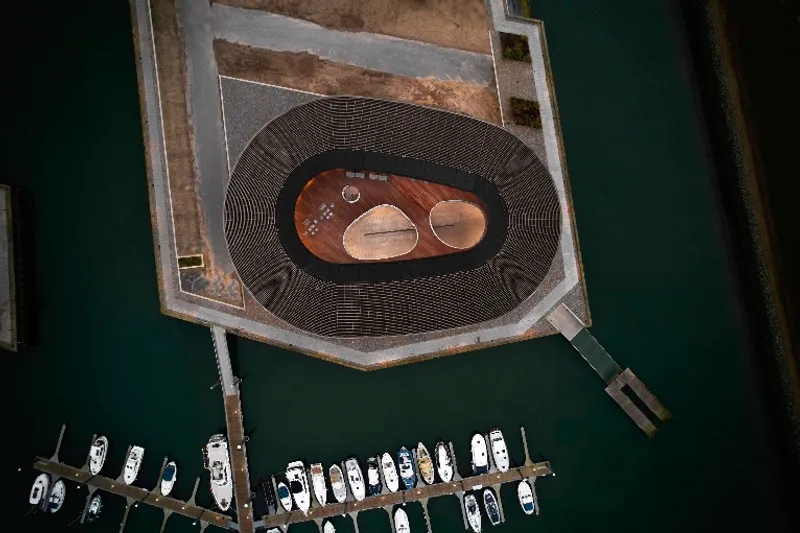
The Lantern is designed with the community in mind, offering multiple watersport clubs, boat storage, training facilities, a large workshop space, and social functions. Its circular, open design welcomes visitors from all angles, making it an accessible and inclusive building.
"The goal has been to create a unique destination that lights up the Danish West Coast, so everyone can find their way to new communities at the sea," says Thomas Kock, Creative Director at WERK Arkitekter.
 ©wichmann+bendtsen photography
A new maritime centre, known as "The Lantern," has opened to the public in the seaport town of Esbjerg on the Danish west coast. Developed by architecture firms WERK arkitekter and Snøhetta, the centre was created as a result of a design competition in 2019. It serves as a shared space for watersport clubs and visitors along the port, providing the town with a social hub and architectural landmark.
The Lantern is designed with the community in mind, offering multiple watersport clubs, boat storage, training facilities, a large workshop space, and social functions. Its circular, open design welcomes visitors from all angles, making it an accessible and inclusive building.
"The goal has been to create a unique destination that lights up the Danish West Coast, so everyone can find their way to new communities at the sea," says Thomas Kock, Creative Director at WERK Arkitekter.
 ©wichmann+bendtsen photography
Room for maritime activities and communities
The new maritime centre, designed by Snøhetta, will be a hub for activity, engagement, and learning for visitors of all backgrounds and skill levels. According to Frank D. Foray, senior architect and project manager at Snøhetta, "The maritime centre has room for everyone; from the experienced diver or professional kayaker to a crab-fishing school class or a random passer-by. The Lantern invites everyone to a peek inside the maritime life and outwards to the sea with its endless horizon."
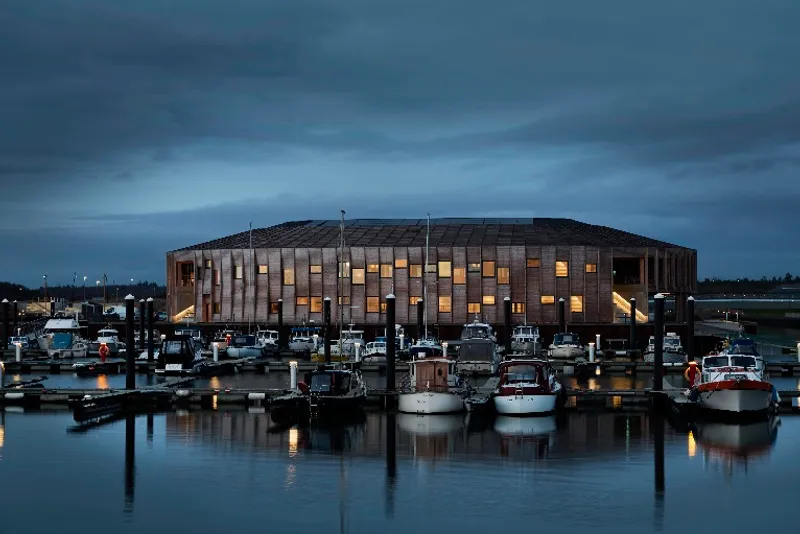
The upper level of the building features various clubs for activities such as rowing, kayaking, sailing, diving, and triathlon, as well as common areas, an educational centre, and training facilities. The lower level, connected to the sea by a bridge, includes boat storage and workshop space. Large windows throughout the building's façade provide ample daylight and visibility inside, while also connecting the centre to its surroundings. At night, the warm glow of the windows illuminates the centre, making it a beacon like a lantern.
Inspired by wooden boat construction
The design of the building is influenced by the shape and skill of the boats, paying tribute to the maritime heritage and its importance in the port of Esbjerg. Circular openings between the terrace and the boat storage and preparation area allow natural light to reach the ground floor's core and establish a visual and social connection between the levels.
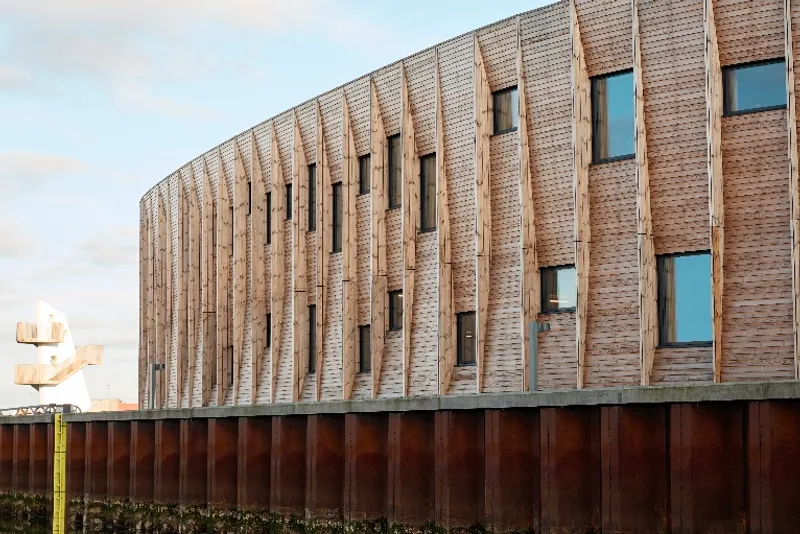
The design of the building's exterior, both inside and out, is influenced by the construction techniques used in wooden boats. The repetitive patterns and rhythms found in the façade mimic the movement of water, with a rippling effect similar to that created by throwing a stone into a lake. The angles of the panels also add a dynamic element, creating shadows that resemble the shape of kayaks. This wooden aesthetic is carried through to the roof, where solar panels are seamlessly integrated into a band along the top edge.
 ©wichmann+bendtsen photography
Where the poetical and practical meet
The Maritime Center is designed to be a harmonious blend of the poetic and the practical. It seeks to strike a balance between the mesmerizing, ever-changing movements of the sea and the practicalities of everyday life. The centre is built to be both beautiful and raw, elegant and robust.
The robustness of the centre is evident in its ability to withstand harsh weather conditions and provide shelter from strong winds. The building is designed to handle high water levels in the event of a flood, with the first floor constructed entirely of poured concrete. The wooden façade is also designed to be durable and withstand the elements. The centre also includes areas where visitors can find shelter and take cover from the wind.
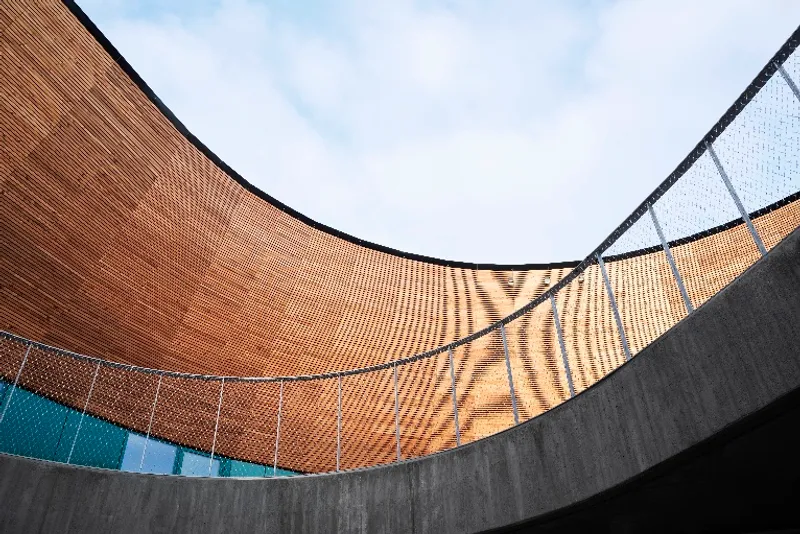 ©wichmann+bendtsen photography
One of the key features of the centre is a publicly accessible terrace that serves as the heart of the project. The terrace is lifted off the ground and connected to the first floor by two main stairs, creating an amphitheatre-like atmosphere. Visitors can enjoy the view and the maritime activities on smaller, wind-protected terraces on the first floor while ascending the stairs.
References (2)

Popular Articles
Popular articles from the community


Aquadapt: An Underwater Habitat That Rewrites Its Rooms by the Hour
Curved modules ring the seabed while one shell shifts from breakfast room to cinema, farm and football pitch as residents' needs change.


graciastudio Turns a Viewless Tijuana Lot Inward Around a Courtyard of Concrete, Timber and Trees
In Tijuana, Jorge Gracia's GA2 House stacks a timber-clad private floor over exposed concrete and replaces a missing view with a planted interior patio.

Cube Design Draws an Ecological Corridor Between Two Shenzhen Hills with the Nankai Building
Beside Shenzhen's container docks, the Nankai Building pairs stacked balconies with a climbing green screen to connect two hillsides across its height.

ETEH Reworks the Shared Spaces of São Domingos School in Brazil Around Timber, Color and Hanging Plants
At São Domingos School in Brazil, 436 m² of hall, refectory and library are recast with timber joinery, a yellow and blue code and trailing greenery.

Similar Reads
You might also enjoy these articles

Rede Arquitetos Turns Circulation into Civic Space at the Educar II SESC School in Fortaleza
In Fortaleza, Brazil, Educar II SESC-CE trades a signature form for mesh screens, yellow thresholds and courtyard walkways built for equatorial heat.
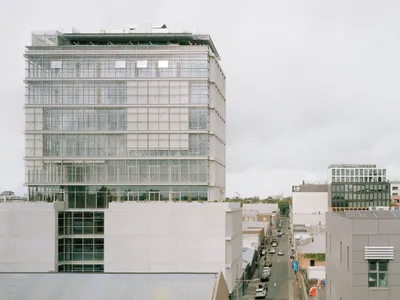
116 Rokeby Building, Collingwood
Sustainable Collingwood office building featuring double-skin façade, natural ventilation, rooftop amenities, and carbon-neutral design focused on wellbeing and longevity.
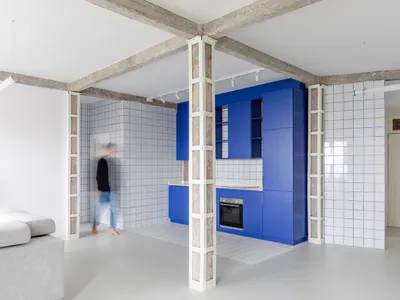
Contemporary Apartment Renovation in Spain: RV House by BIAN Opens Up to the Sea
A minimalist 1930s apartment in Santander is transformed into a flexible, sea-facing home through contemporary Spanish renovation.
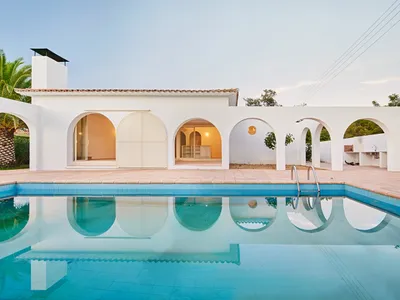
3 Marías House: A Contemporary Mediterranean Courtyard Retreat by Bajet Giramé + Burckhardt
Mediterranean courtyard home blending traditional architecture with modern design, terracotta flooring, flexible interiors, sustainable climate strategies, and garden integration.

Explore Commercial Buildings Competitions
Discover active competitions in this discipline


Challenge to reimagine the Iron Throne

Photograph architecture without architects

Illustrate the lost glory of Angkor Wat - Render Challenge

Design challenge to reuse E-waste
Comments (0)
Please login or sign up to add comments
No comments yet. Be the first to comment!