
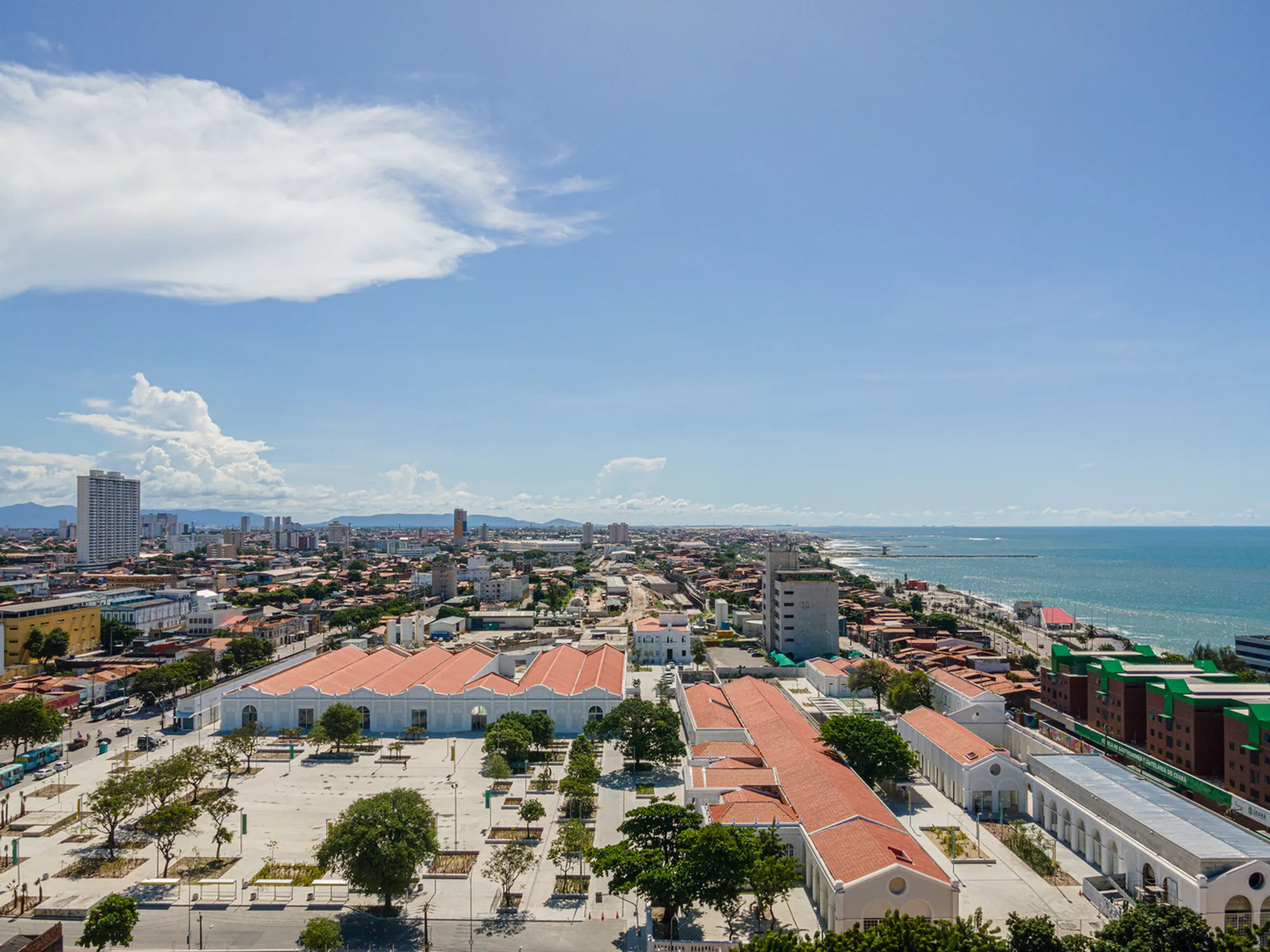
Estação das Artes Cultural Complex by Carvalho Araújo – Fortaleza, Brazil
Estação das Artes transforms Fortaleza’s historic railway station into a vibrant cultural hub with exhibitions, performance spaces, studios, library, and gastronomic market.


The Estação das Artes Cultural Complex is an innovative transformation of a historic railway station in Ceará, Brazil, into a dynamic cultural hub. Designed by Carvalho Araújo, the project merges heritage preservation with contemporary architecture, creating an engaging environment for art, performance, and community interaction.
Adaptive Reuse of Historic Structures
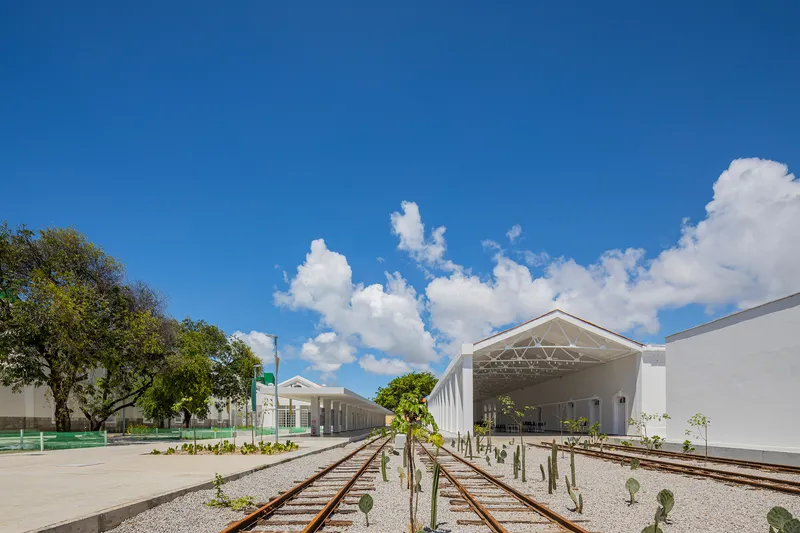
The complex thoughtfully repurposes the existing railway station structures to accommodate a diversified cultural program. The facility includes exhibition halls, auditoriums, performance spaces, artist studios, creative residences, libraries, archives, and a gastronomic market, among other amenities. The project is organized into five autonomous functional units—the Square, Pinacoteca, IPHAN, SECULT, and Studios—each with a distinct architectural character and purpose.
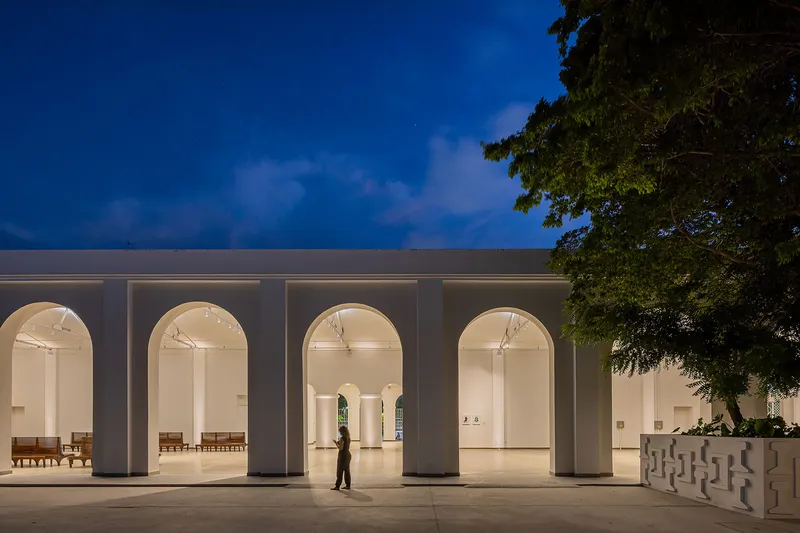
Central Square – The Green Lung
At the heart of the complex lies the redesigned station square, formerly a bus terminal. Now a lush, landscaped “green lung,” the square emphasizes the historic railway structure through pavement lines that reflect the old warehouse and railway layouts. This central hub connects all main buildings and provides access to the subway through a creatively “deformed” pavement entrance, blending urban functionality with cultural identity.
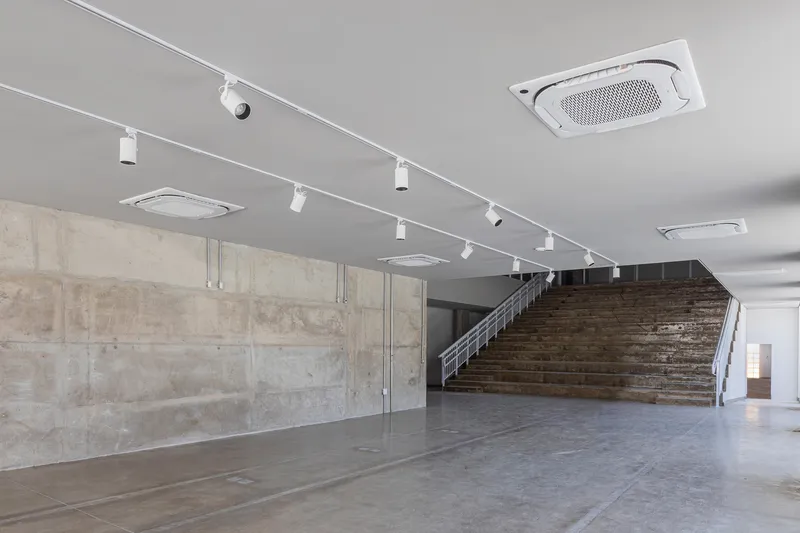
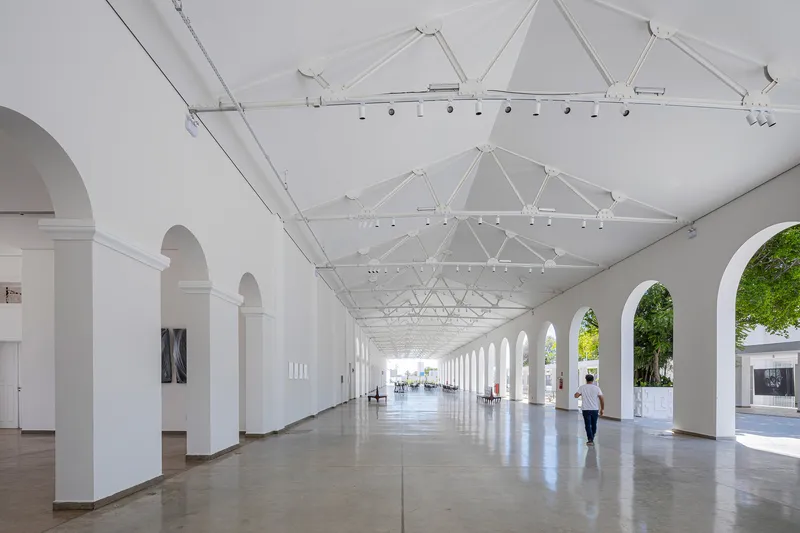
Pinacoteca – Exhibition and Performance Spaces
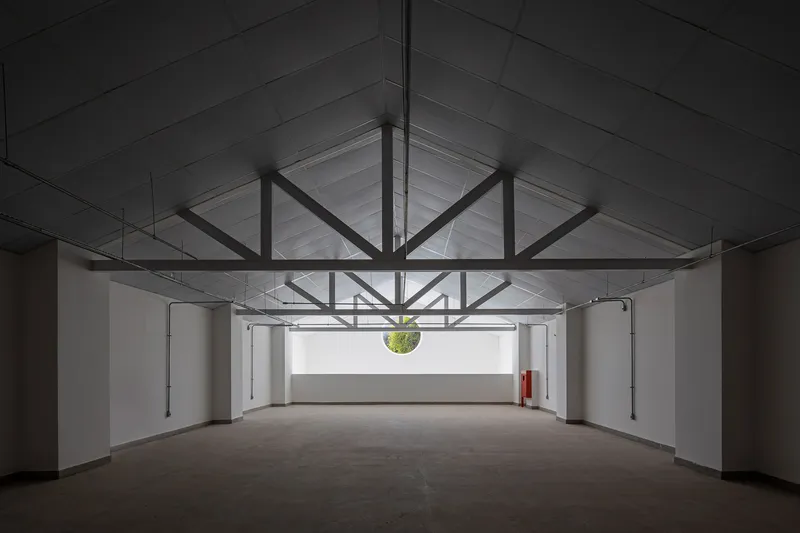
The Pinacoteca occupies seven adjacent warehouses of the former Federal Railway Network (R.E.F.E.S.A.), each featuring gable roofs ranging from 6 to 9 meters in height. These spaces are ideal for art exhibitions, auditoriums, small-scale performances, and archival work, preserving the industrial character while creating flexible cultural environments.
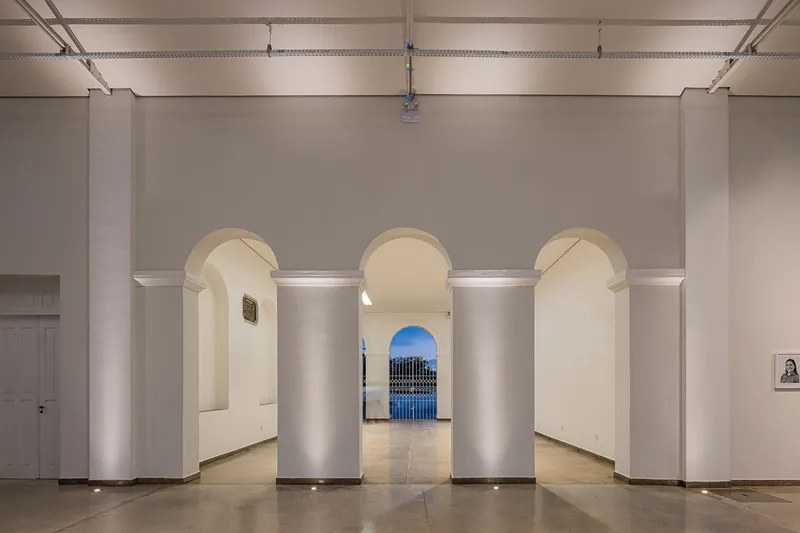
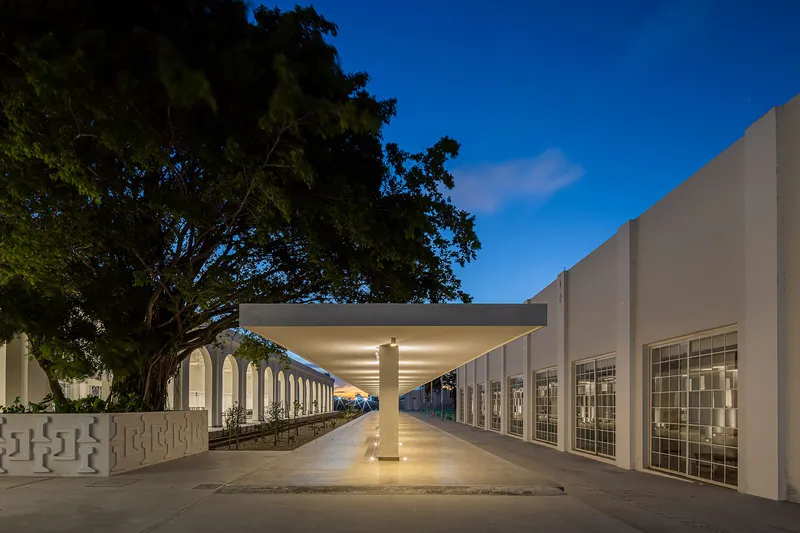
IPHAN – Heritage and Multifunctional Spaces
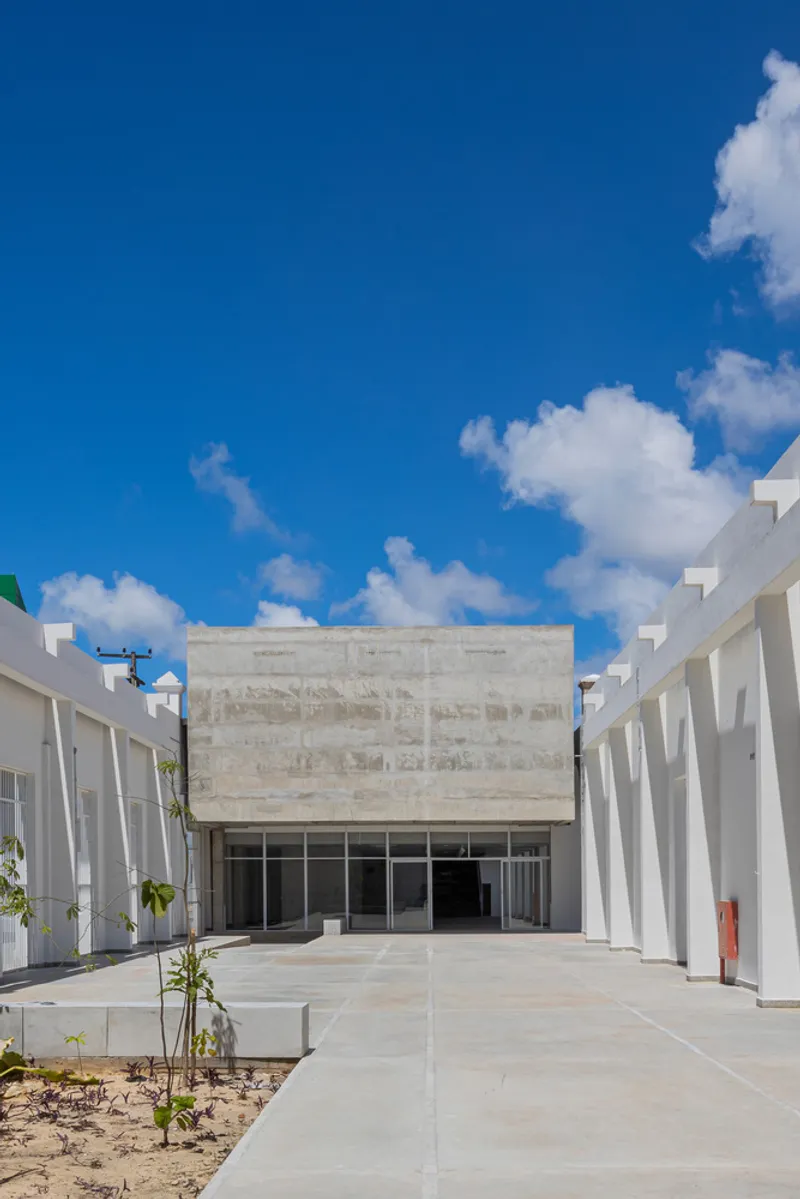
The IPHAN area preserves the João Filipe railway station buildings, comprising three historic structures and a covered platform. A central courtyard, integrated with the square’s pavement, connects interior and exterior spaces. This unit houses a small museum, multipurpose exhibition rooms, library, archive, archaeology and conservation areas, support rooms, dining facilities, and a gastronomic market, blending cultural heritage with modern programming.
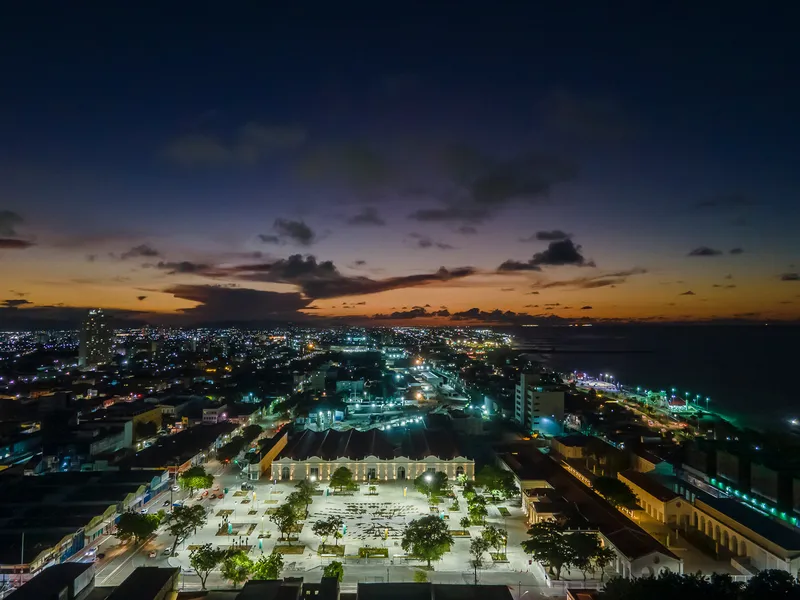
SECULT – Administrative and Cultural Continuity
The SECULT building leverages the existing Casa do Engenheiro and a newly designed complementary structure, forming a cohesive triangle with the other main buildings. The intimate space between SECULT and the square functions as a welcoming antechamber to the subway, fostering interaction and continuity between public and cultural realms.
Estação das Artes Cultural Complex exemplifies how adaptive reuse, cultural preservation, and contemporary architecture can coexist, creating a vibrant hub for the arts in Fortaleza.
All Photographs are works of Felipe Petrovsky



Popular Articles
Popular articles from the community

EW PARK: Sustainable Architecture Reimagines the Future of Urban Parking
EW PARK reimagines city parking as a modular wooden tower combining automation, solar energy, electric mobility, and adaptable urban design.

Conexión: Biophilic Design Reimagines High-Rise Living in Hong Kong
Conexión reimagines high-rise living in Hong Kong through biophilic design, green facades, shared spaces, daylight, water and nature within.
AL-JANNAH: Sustainable Architecture and Permaculture for Afghan Widows
AL-JANNAH uses sustainable architecture and permaculture to create resilient oasis of housing, learning, work and renewal for Afghan widows.

The Ocean Hive: Sustainable Architecture for a Self-Sufficient Civilization at Sea
The Ocean Hive imagines sustainable architecture at sea, where modular habitats, algae, wave power and ocean waste sustain a growing colony.


Similar Reads
You might also enjoy these articles


Hodi-Mandai Geram
Project Function: Preservation and revitalization of the Intangible heritage and socio-spatial identity of the Hodi by Housing, Cultural Memory Center, Sacred Grove, landscape, local tourism economy


Olio Towers: A Mid-Rise for Performers That Fuses Housing, Rehearsal, and Stage
Located blocks from Houston's Theater District, this modular tower stacks living units around a central performance atrium.

Oasis: Modular Green Housing Carved into Dhaka's Urban Fabric
A shortlisted Plugin Housing entry reclaims unauthorized settlements in Dhaka with stepped concrete volumes, green roofs, and ventilation-driven design.

Black Hole: A Floating Megastructure for the Post-Physical Era
Emiliano Mazzarotto envisions a spherical, self-scaling arena where e-sports, digital hotels, and holographic stadiums replace traditional public space.

Explore Cultural Architecture Competitions
Discover active competitions in this discipline



Challenge to reimagine the Iron Throne


Photograph architecture without architects


Illustrate the lost glory of Angkor Wat - Render Challenge


Bring back Drive In's
Comments (0)
Please login or sign up to add comments
No comments yet. Be the first to comment!