

Eurostar UK Terminal Opens at Amsterdam Centraal Station: A Fusion of Heritage and Modern Design
The UK Terminal at Amsterdam Centraal blends heritage and modern design, offering sustainable, spacious, and innovative Eurostar facilities for seamless international travel.


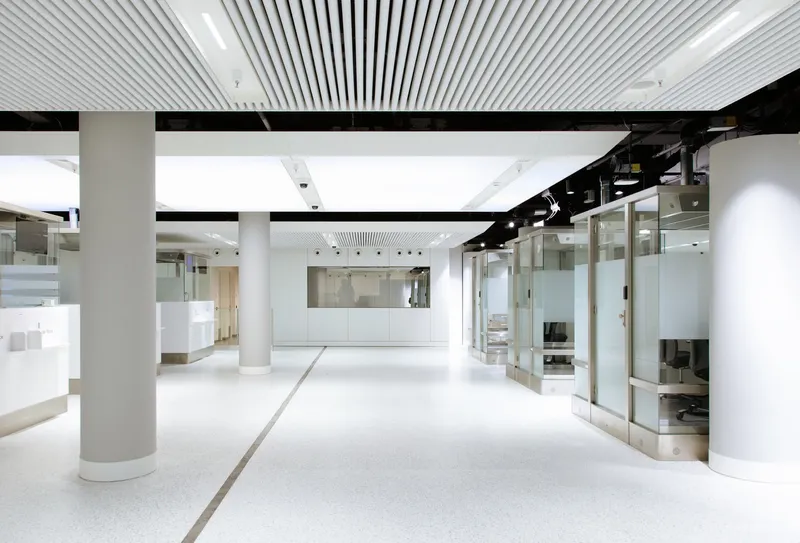
The newly opened UK Terminal at Amsterdam Centraal Station represents a major milestone in international rail travel between London and Amsterdam. Designed by Superimpose Architecture in collaboration with ZJA Architects & Engineers, this state-of-the-art terminal combines functionality, sustainability, and architectural heritage within the heart of a national monument.
A Terminal That Connects Past and Future
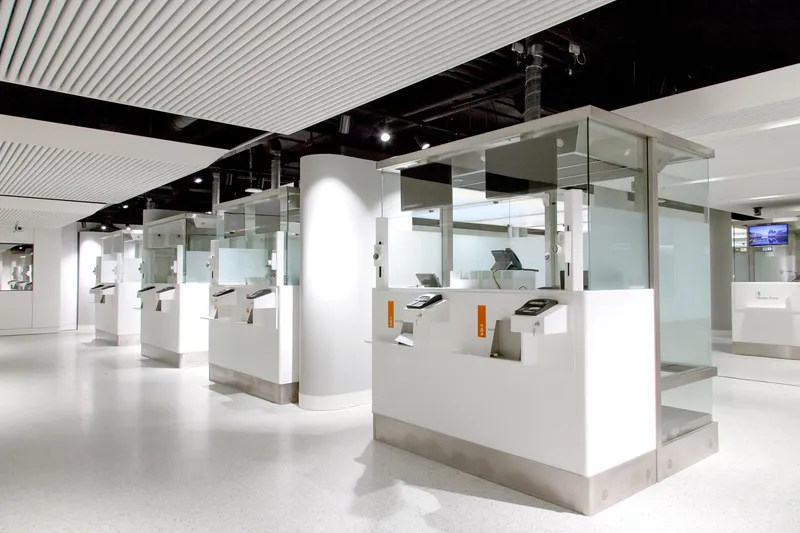
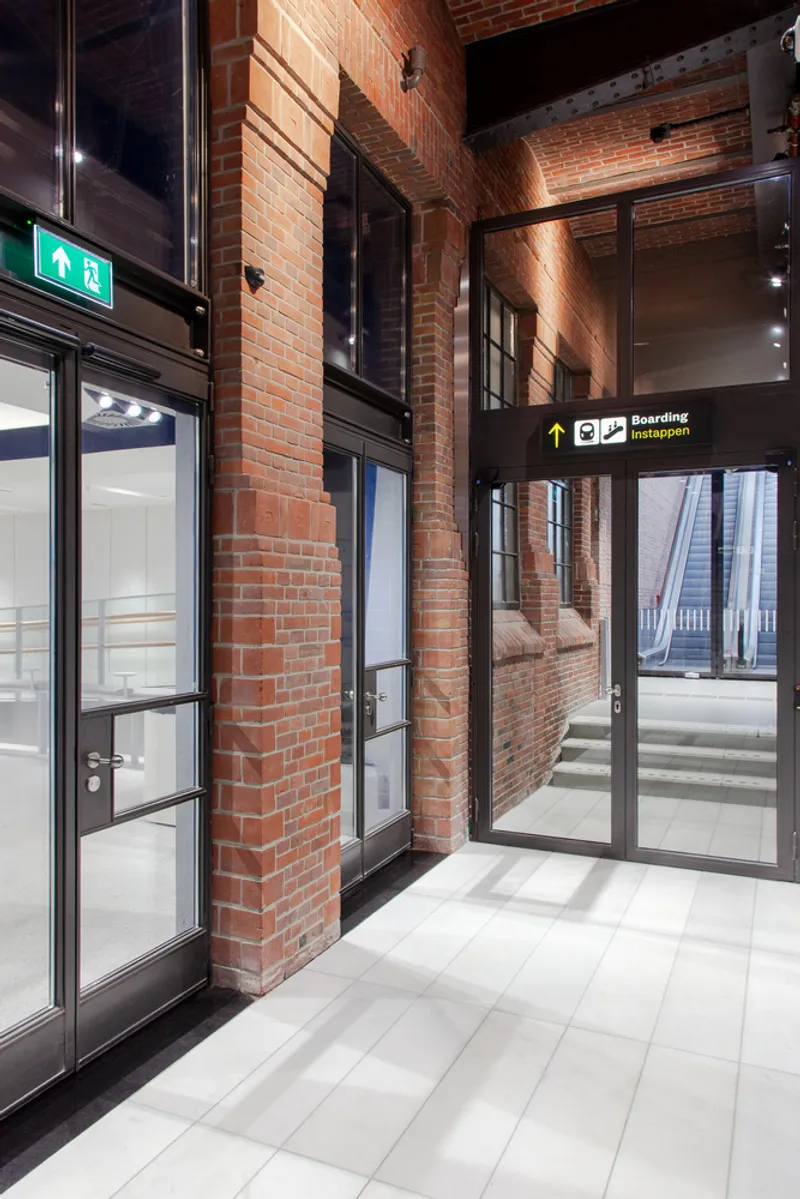
Located within the historic Amsterdam Central Station, the new terminal integrates seamlessly into ongoing renovations while respecting the original 1889 Cuypersgebou and recent additions such as the IJhal (2017). Architects meticulously crafted an environment that honors the station’s monumental legacy, restoring historical layers and blending them with contemporary design. Curved ceilings reference Cuypers’ iconic barrel vaults, while subtle terrazzo floors in green tones guide travelers, bridging history and modernity. The Eurostar ‘Spark’ logo is echoed in the interior design, creating a cohesive brand experience.
Expanded Space and Optimized Circulation
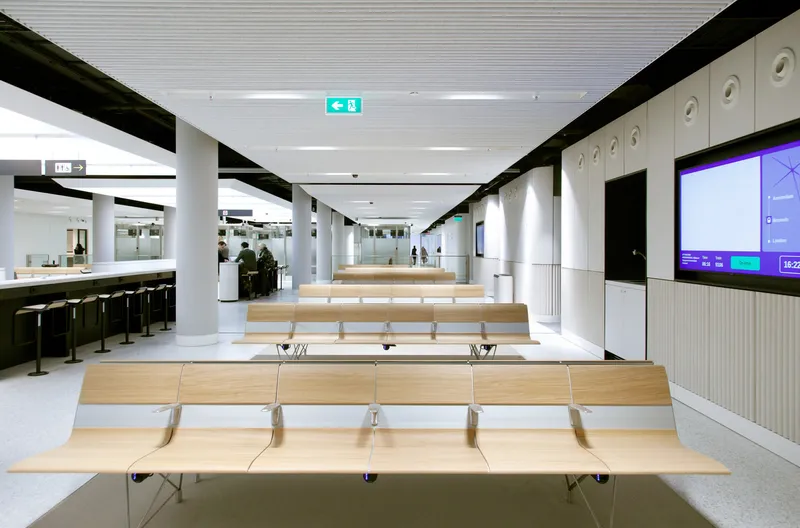
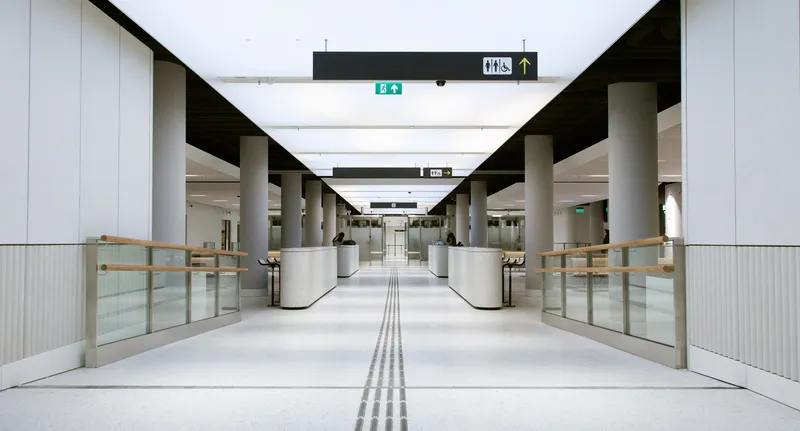
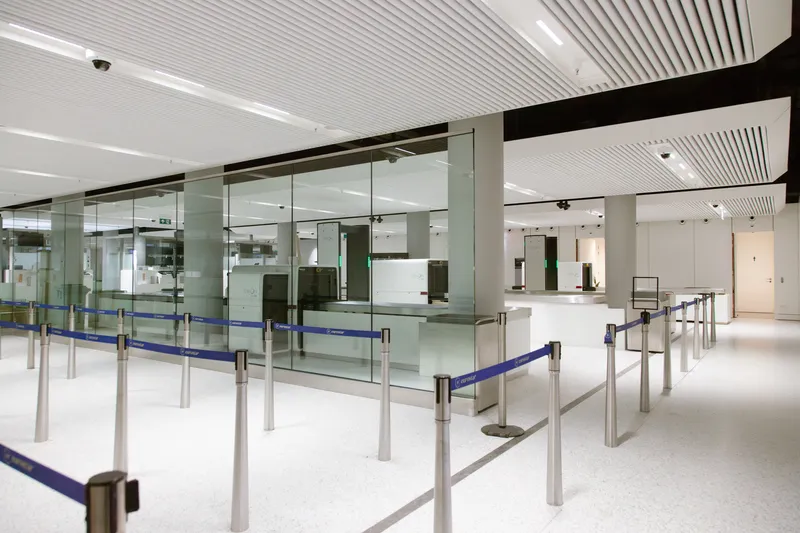
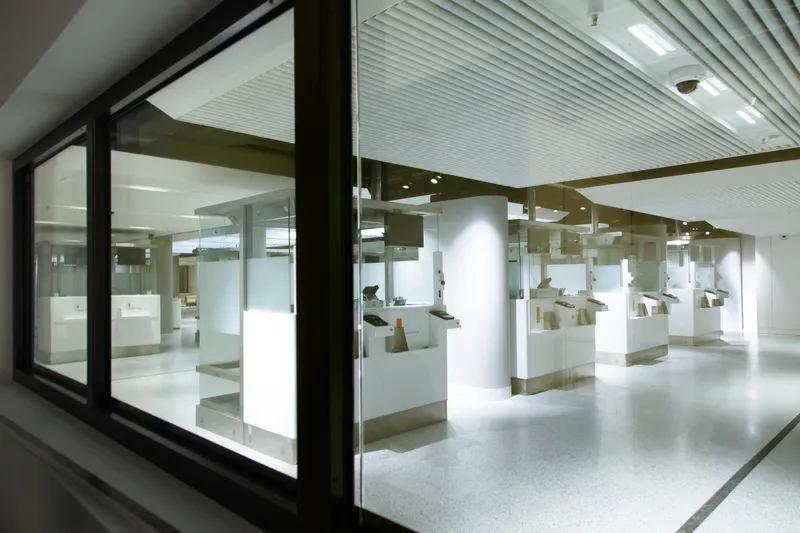
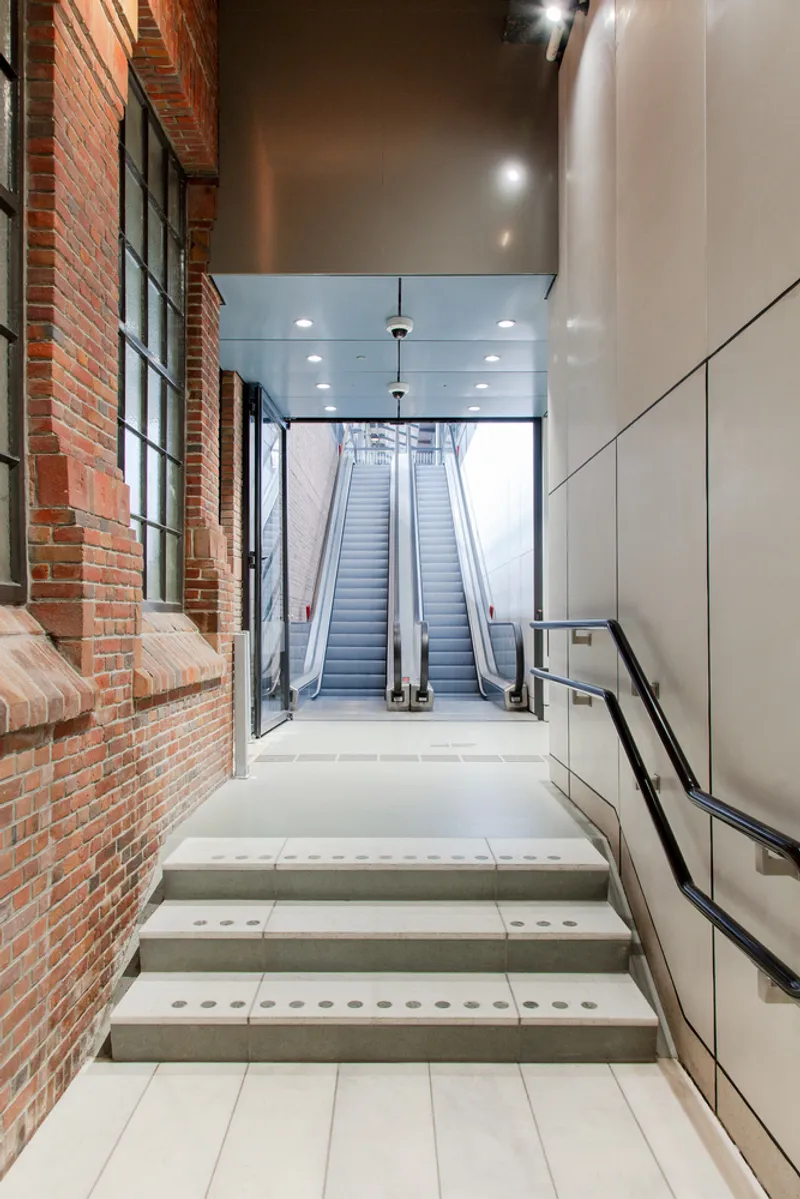
The UK Terminal expands up to four times the area of the former facility on platform 15, functioning as a Schengen external border with passport and baggage checks. Housed in the former Amstelpassage, one of the station’s five north-south tunnels, the design follows a clear circulation strategy. Travelers enter from the city-facing entrance, pass through baggage and border checks, and arrive in a spacious waiting area. Vertical circulation integrates historic elements, with escalators and staircases along a historic brick wall, complemented by vaulted ceilings and accent lighting for wayfinding and visual continuity.
Dynamic Interiors Inspired by Nature and Art
The waiting area celebrates the theme of earth and sky, inspired by Dutch and British landscape paintings from the Golden Age. A floating ceiling with dynamic lighting projects moving clouds that respond to boarding schedules, creating a calming yet engaging atmosphere. This innovative approach demonstrates how architecture and technology can enhance the passenger experience while maintaining functional efficiency.
Sustainability and Future-Proofing
Sustainability was a central focus of the design. Existing structures and installations, including the sprinkler system, were repurposed, reducing material waste and preserving stored CO2. Materials such as biobased insulation, negative CO2 terrazzo, and recycled felt and aluminium ensure a long-lasting, environmentally responsible solution. Modular components allow for flexible future adjustments, aligning the terminal with evolving transport and sustainability standards.
Operational Excellence Amidst Challenges
Constructing a modern terminal within an active national monument posed significant logistical challenges. A carefully phased approach maintained operational continuity, even while multiple station-wide renovations were underway. This ensures that the terminal is fully functional for passengers while simultaneously accommodating future developments.
Strengthening European Connections
More than an architectural achievement, the UK Terminal enhances cross-border mobility and contributes to European integration. By improving rail connections, the project promotes sustainable travel, cultural exchange, and closer ties between the UK and the Netherlands. As a symbol of future-ready transport infrastructure, the terminal underscores the role of architecture in supporting climate-conscious urban development.
All photographs are works of Ilka Schumacher, Marc Goodwin


Popular Articles
Popular articles from the community


Extended Shell: Retrofitting Kolkata's Balconies as Living Urban Thresholds
A modular retrofit system recovers the social and environmental intelligence of Kolkata's historic verandas for contemporary Park Street residents.

Singing Woman: Contemporary Architecture Inspired by Estonia’s Voice and the Sea
Singing Woman turns Estonia’s song culture into flowing opera house architecture, blending public life, landscape, sea, and national memory.

The Amber Palace Opera: A Geological Fiction Surfaces on Tallinn's Baltic Waterfront
Pierre Brillard reimagines a Baltic legend as a public landscape, opera house, and waterfront promenade rooted in Tallinn's coastal identity.

Faces of the Soviet Avant-Garde: Turning Moscow's Street Names into an Open-Air Museum
A network of sculptural installations across a Moscow residential district transforms forgotten architect names into spatial encounters with cultural memor

Similar Reads
You might also enjoy these articles


Hodi-Mandai Geram
Project Function: Preservation and revitalization of the Intangible heritage and socio-spatial identity of the Hodi by Housing, Cultural Memory Center, Sacred Grove, landscape, local tourism economy


Olio Towers: A Mid-Rise for Performers That Fuses Housing, Rehearsal, and Stage
Located blocks from Houston's Theater District, this modular tower stacks living units around a central performance atrium.

Oasis: Modular Green Housing Carved into Dhaka's Urban Fabric
A shortlisted Plugin Housing entry reclaims unauthorized settlements in Dhaka with stepped concrete volumes, green roofs, and ventilation-driven design.

Black Hole: A Floating Megastructure for the Post-Physical Era
Emiliano Mazzarotto envisions a spherical, self-scaling arena where e-sports, digital hotels, and holographic stadiums replace traditional public space.

Explore Amsterdam Competitions
Discover active competitions in this discipline

Challenge to design luxury tourism on rails

Challenge to reimagine the Iron Throne

Photograph architecture without architects

VR headsets Storefront design competition
Comments (0)
Please login or sign up to add comments
No comments yet. Be the first to comment!