

Experi-Lib: Reinventing Space through Innovative Library Design
Delve into Experi-Lib's fusion of design and sensory experience, redefining libraries as immersive learning landscapes.


In the heart of architectural evolution lies a gem known as Experi-Lib, a concept that redefines our understanding of libraries and champions a fresh outlook on information acquisition. This shortlisted entry of the Libgen Competition, envisioned by architects Gözde Artan and Yağmur Karabacak, has stirred the realms of innovative library design with its unique approach to learning environments.
A New Paradigm in Library Experience
The Experi-Lib project is not just another brick in the wall of traditional library architecture; it is a leap into the experiential, a sanctuary where perceptual learning meets tangible reality. Here, the concept of "library" transcends the passive storage of books and becomes a dynamic space of engagement—where the sensory experience is as informative as the written word.

Crafting the Sensory Library
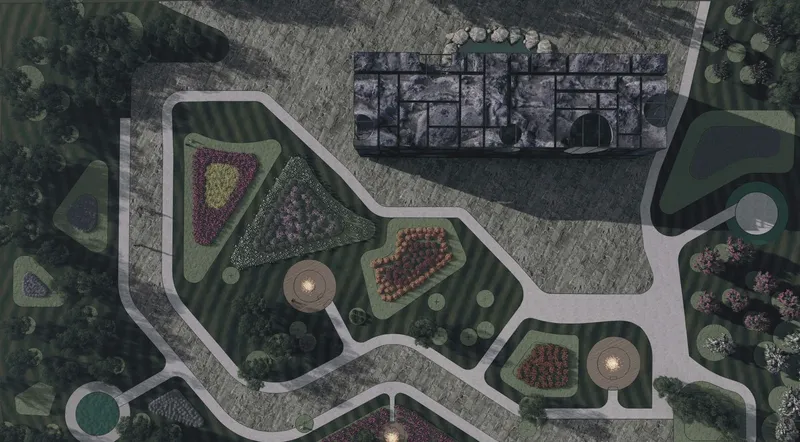
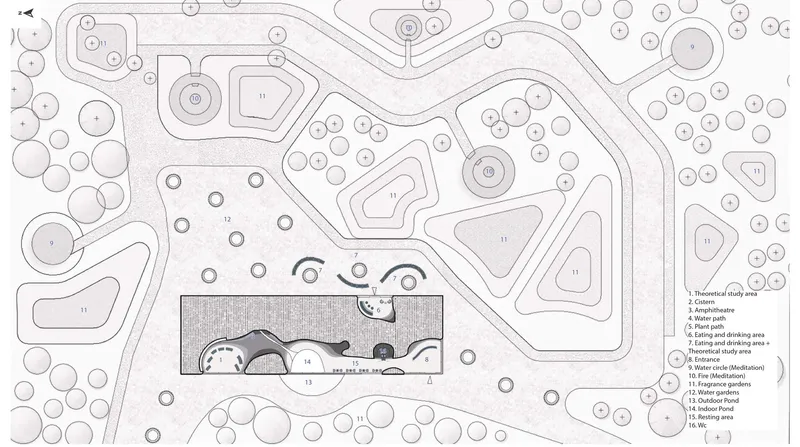
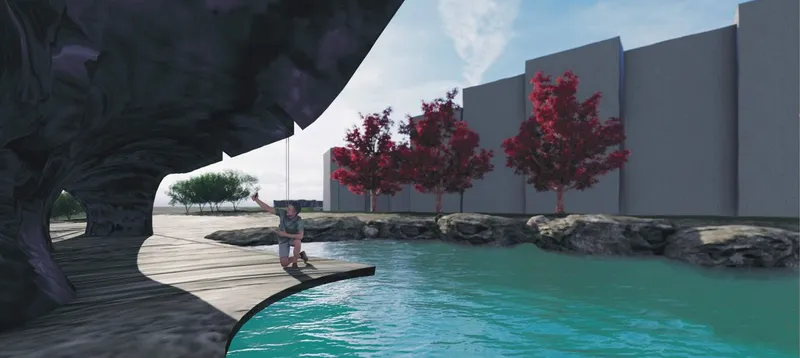
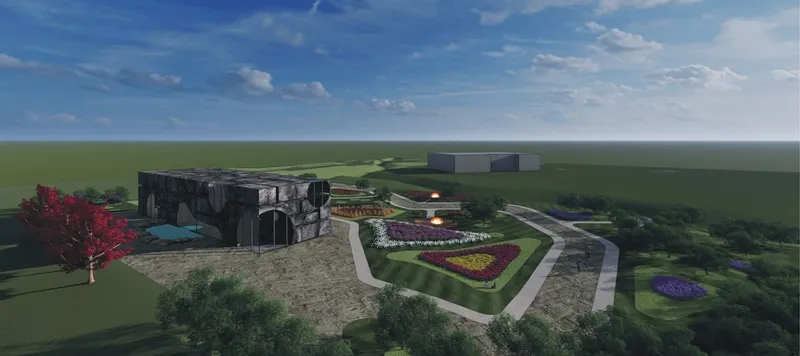
At Experi-Lib, every element is a dialogue with the senses. From the stone extracted meticulously from the earth to the arrangement of space that allows theoretical learning points to emanate from the architecture itself, each aspect is a verse in a poem dedicated to the senses. The library is envisioned as a seamless blend of indoor and outdoor spaces, where meditation circles, fragrance gardens, and water features invite visitors to a new level of interaction with knowledge.

Materiality and Memory
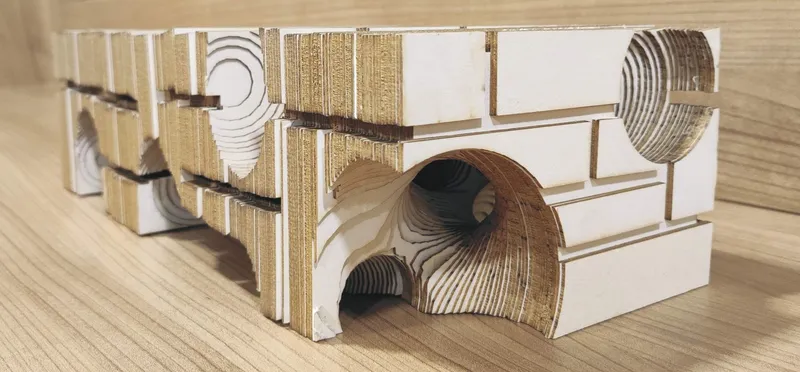
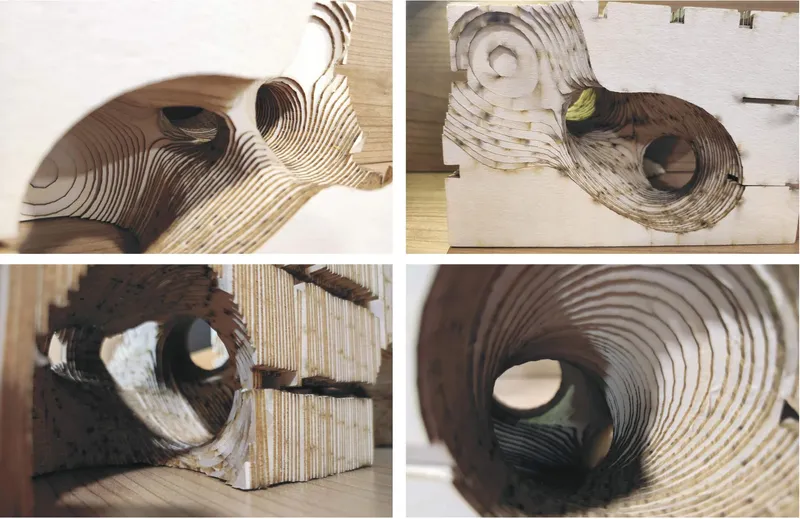
One cannot talk about Experi-Lib without delving into the materiality that defines its essence. Stone, the elemental choice, serves a dual purpose. It is both the foundation and the silent narrator of history and nature's timelessness. The library's stone façade and interiors, punctuated by negative spaces carved into rock, invoke a tactile response, urging visitors to engage with the environment on a primal level.
Designing with Nature
In the realm of innovative library design, integrating natural elements is not just an aesthetic choice but a functional one. At Experi-Lib, rainwater harvesting systems and gardens are part of the design, serving both environmental and experiential purposes. The design embodies sustainability while providing a multi-sensory journey through the paths of learning.
The Evolution of Experi-Lib
The journey to the final design of Experi-Lib was iterative, a process of refining and redefining the concept of a library. The architects moved beyond the digital paradigm to embrace a holistic approach where digital, analog, old, and new coexist. Through 3D modeling, maquette making, and meticulous assembly of over a thousand pieces, the design was brought to life, demonstrating a perfect synergy between form and function.
Experi-Lib as an Urban Icon
Experi-Lib is more than a building; it's a destination poised to become an urban icon. It stands as a testament to the evolving role of libraries in modern cities and an exemplar of innovative library design. The architects envision Experi-Lib as a place where information is not just consumed but lived, where memories embed knowledge deeper than any digital medium could.
The Experi-Lib project is a beacon of innovative library design, a crucible where knowledge is not only acquired but also experienced. It represents the future of public spaces, where architecture and information are interwoven into the fabric of society. As Experi-Lib takes its place in the urban landscape, it promises to be a repository of memories as much as it is a house of books—a library where every visit enriches the mind and the soul.
In this era of rapid technological advancement, Experi-Lib stands as a reminder that at the intersection of the past and the future, there is a place for spaces that challenge the norm and invite us to experience knowledge in its most visceral form. As we move forward, innovative library design like that of Experi-Lib will undoubtedly shape the cornerstone of cultural and educational development for generations to come.


Popular Articles
Popular articles from the community


graciastudio Turns a Viewless Tijuana Lot Inward Around a Courtyard of Concrete, Timber and Trees
In Tijuana, Jorge Gracia's GA2 House stacks a timber-clad private floor over exposed concrete and replaces a missing view with a planted interior patio.


Aquadapt: An Underwater Habitat That Rewrites Its Rooms by the Hour
Curved modules ring the seabed while one shell shifts from breakfast room to cinema, farm and football pitch as residents' needs change.

Singing Woman: An Opera House That Performs Before the Curtain Rises
Ovidiu Cristian Pavel's conceptual opera house translates Estonia's choral identity into a sculpted waterfront landmark facing the Baltic Sea.

ETEH Reworks the Shared Spaces of São Domingos School in Brazil Around Timber, Color and Hanging Plants
At São Domingos School in Brazil, 436 m² of hall, refectory and library are recast with timber joinery, a yellow and blue code and trailing greenery.

Similar Reads
You might also enjoy these articles

Vereda Arquitetos Renovates a 40-Square-Meter Apartment Inside Niemeyer's Copan Building
A compact unit in São Paulo's most iconic residential tower gets a material overhaul that pairs exposed concrete with bold blue Formica.

Shakur's House: Exposed Brick as an Interior Organiser in a 168 m² Mashhad Residence
Brick moves indoors in this Mashhad residence, where masonry walls, glass partitions and teal planes sequence a compact home without closing it off.

Day and Night Park: A Time-Based Urban Newsstand in Beijing
A temporary urban newsstand in Beijing blending travel, light, and reading through poetic colors, compact form, and community-focused design.

Modernist Patio Renovation in El Masnou, Barcelona by Oliver Segura Arquitectura + Cebrià Arquitectura
Modernist patio renovation blending tradition and innovation with a movable pool, leveled floors, and Catalan materials in El Masnou.

Explore Experiential Architecture Competitions
Discover active competitions in this discipline

Challenge to reimagine the Iron Throne

Photograph architecture without architects

Illustrate the lost glory of Angkor Wat - Render Challenge

Design challenge to reuse E-waste
Comments (0)
Please login or sign up to add comments
No comments yet. Be the first to comment!