
Exploring Adaptive Reuse Architecture in Denmark: The Case of House 14A by Pihlmann Architects
This article explores House 14A's redesign by pihlmann architects in Denmark, highlighting sustainable adaptive reuse in modern Danish architecture.

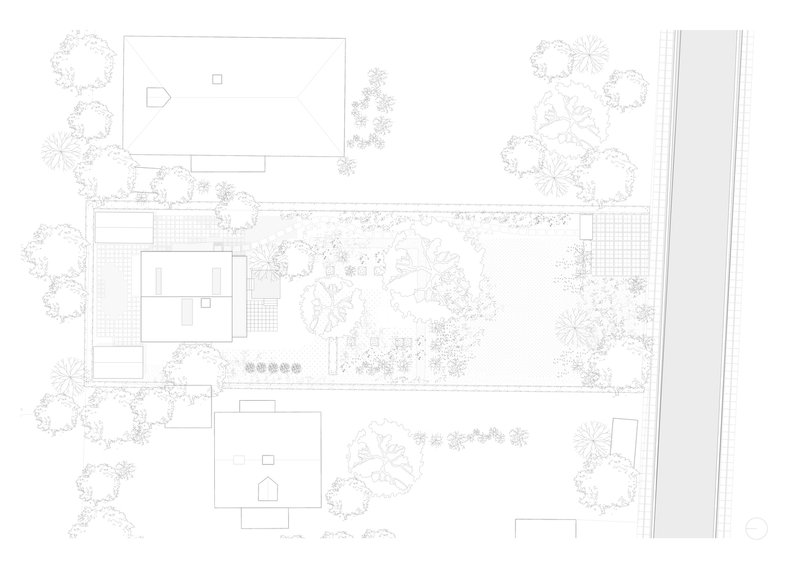
Adaptive reuse is a key trend in sustainable architecture, allowing for the transformation of existing structures to meet new needs while preserving their historical essence. In Denmark, this approach is not only a matter of sustainability but also of cultural preservation. House 14A, redesigned by pihlmann architects, serves as a prime example of how adaptive reuse principles are applied in Danish architecture.
The Evolution of House 14A
Historical Background and Original Structure
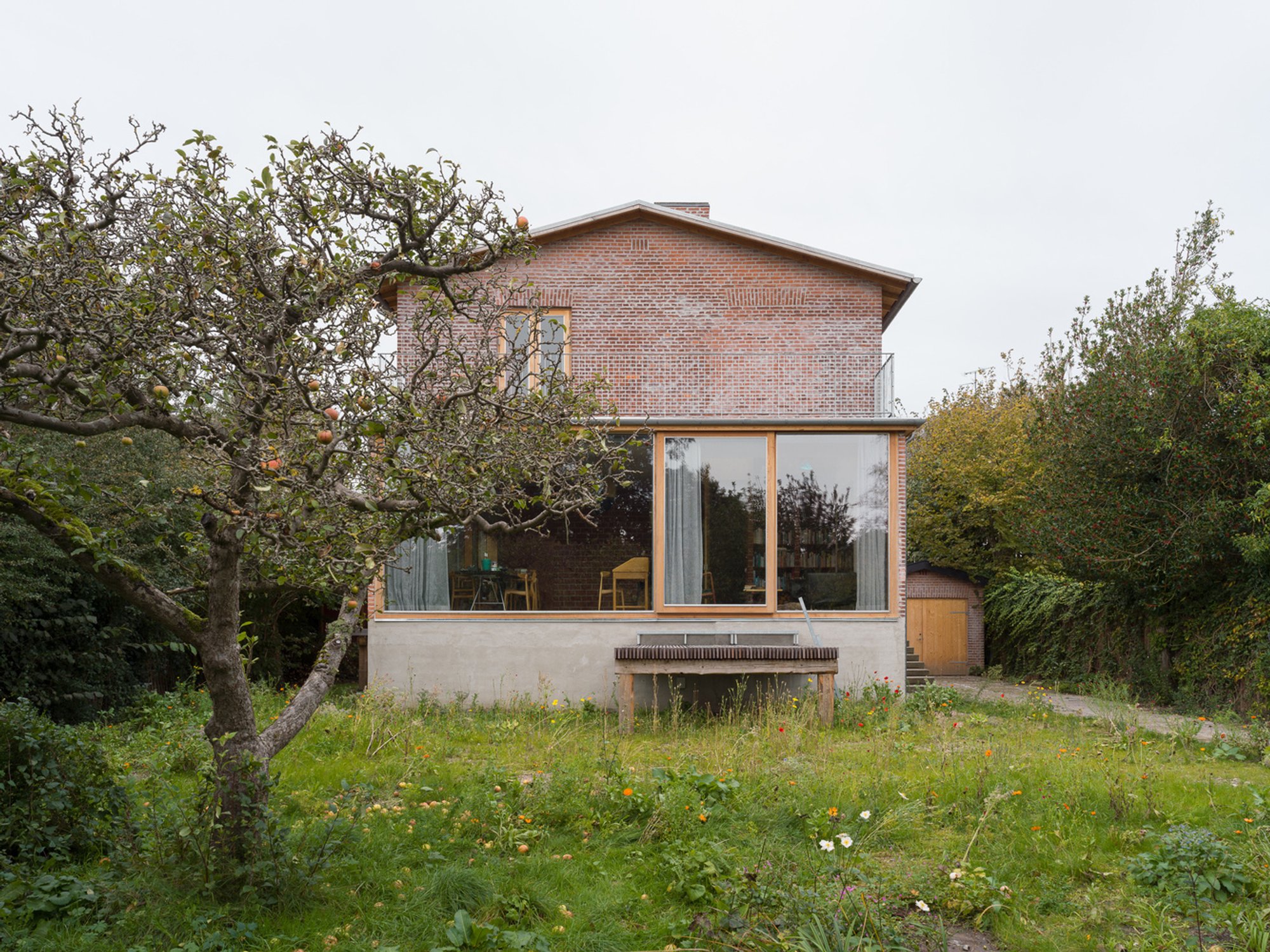
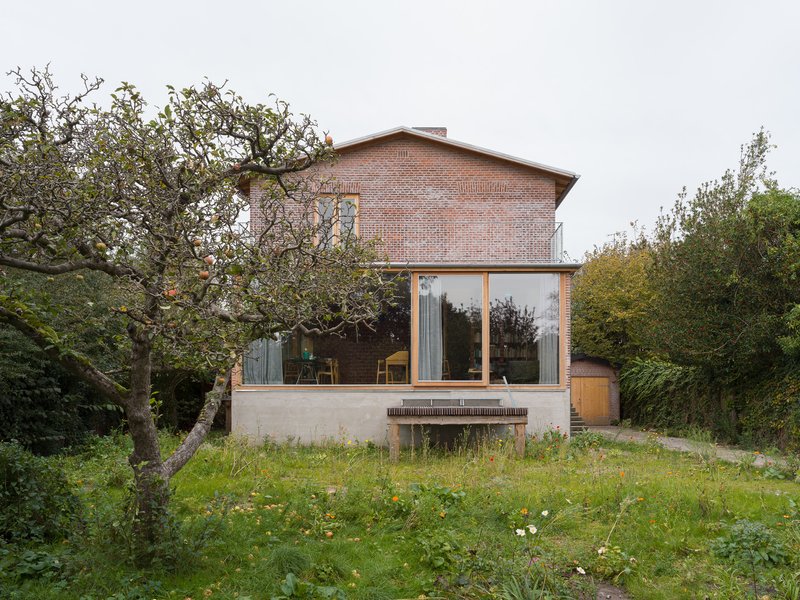
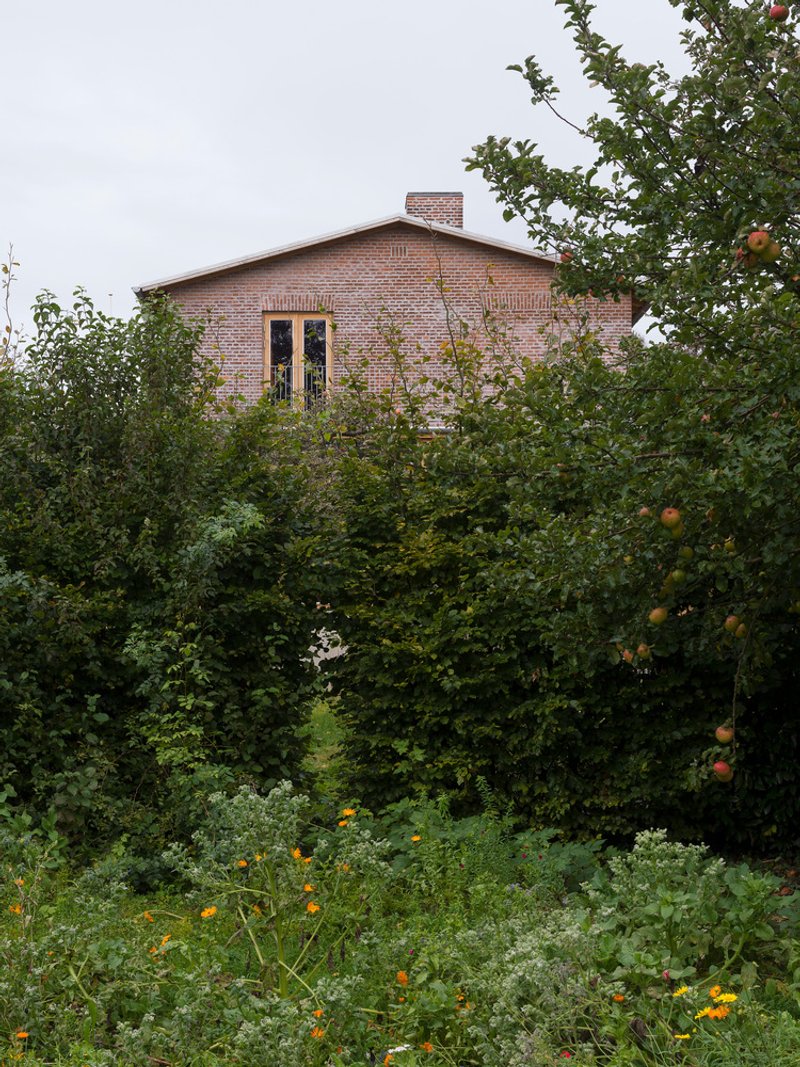
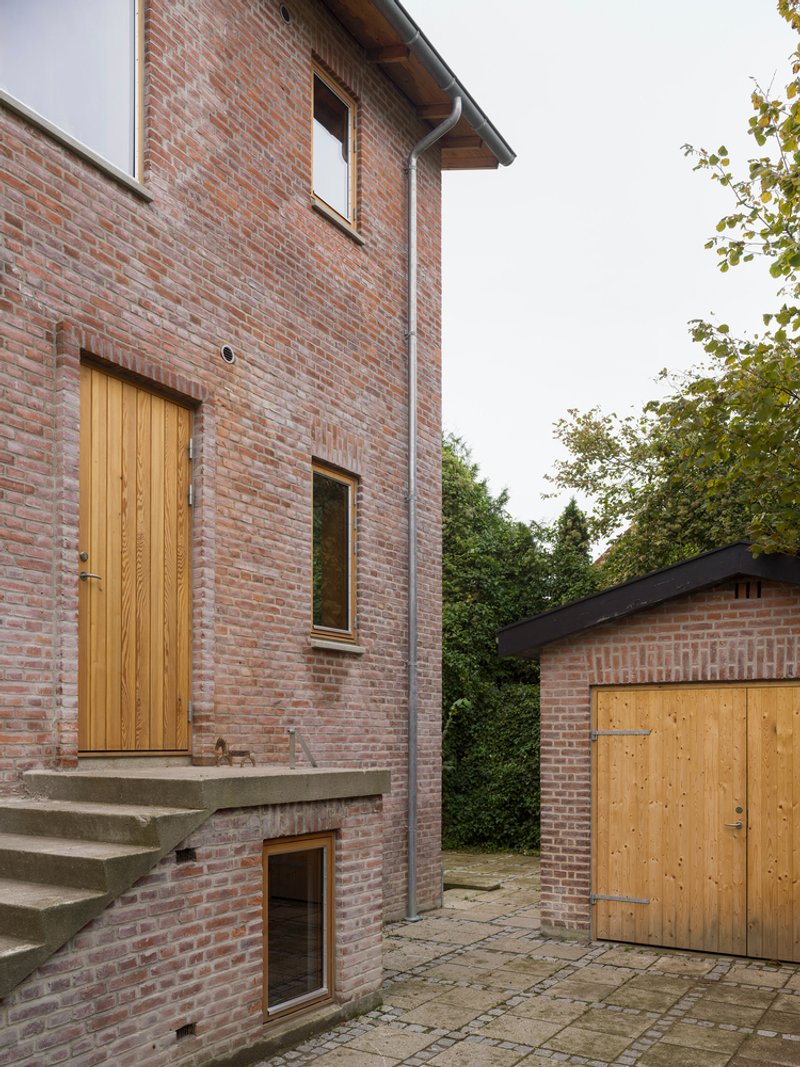
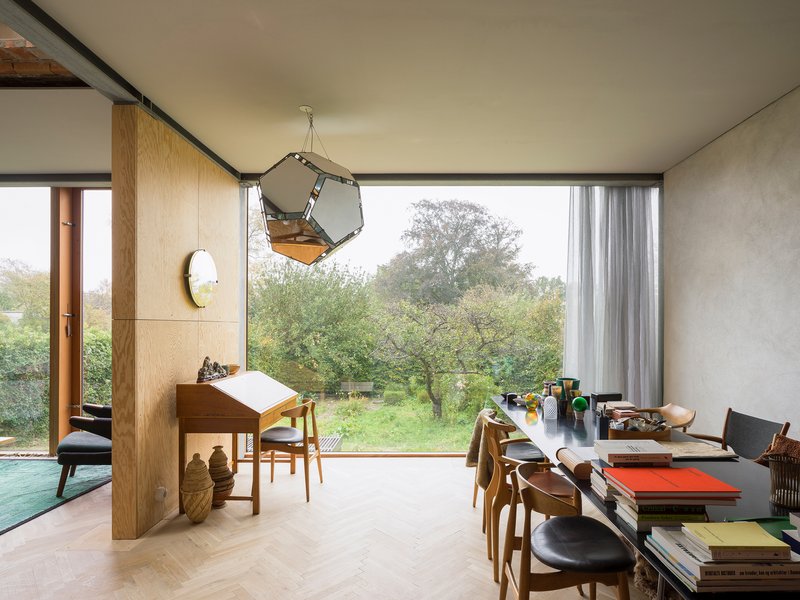
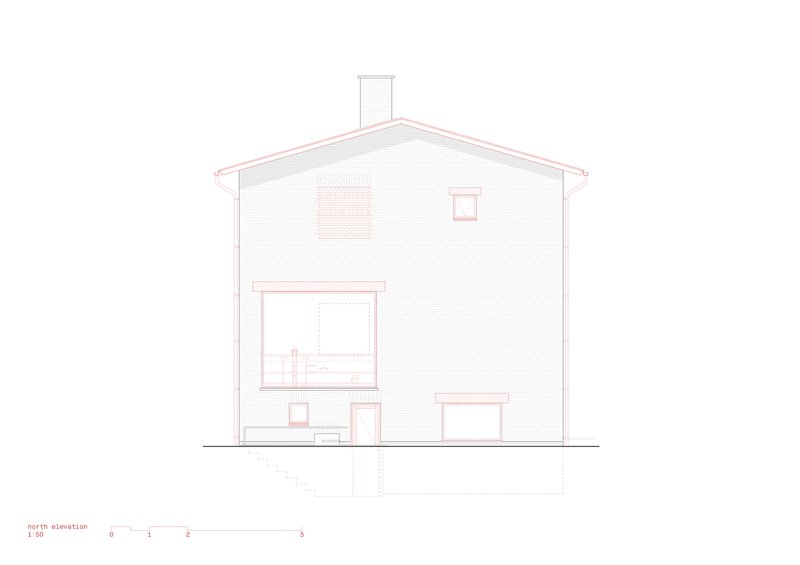
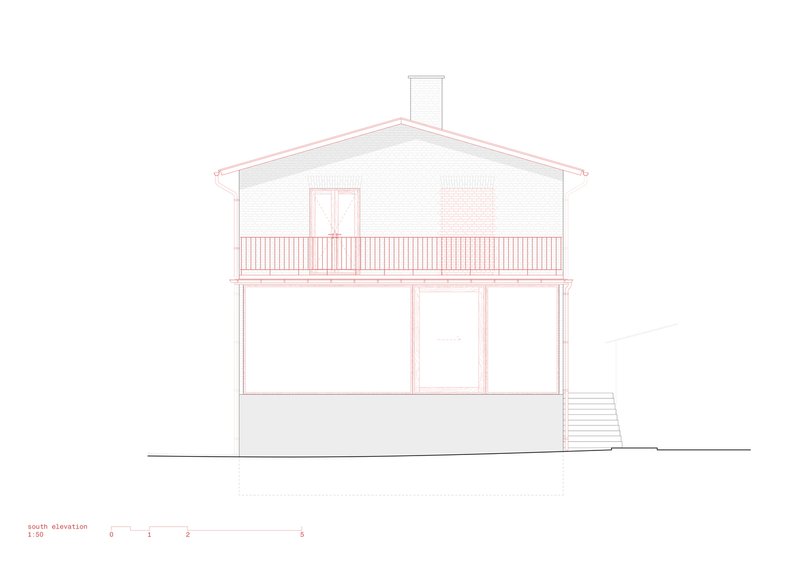
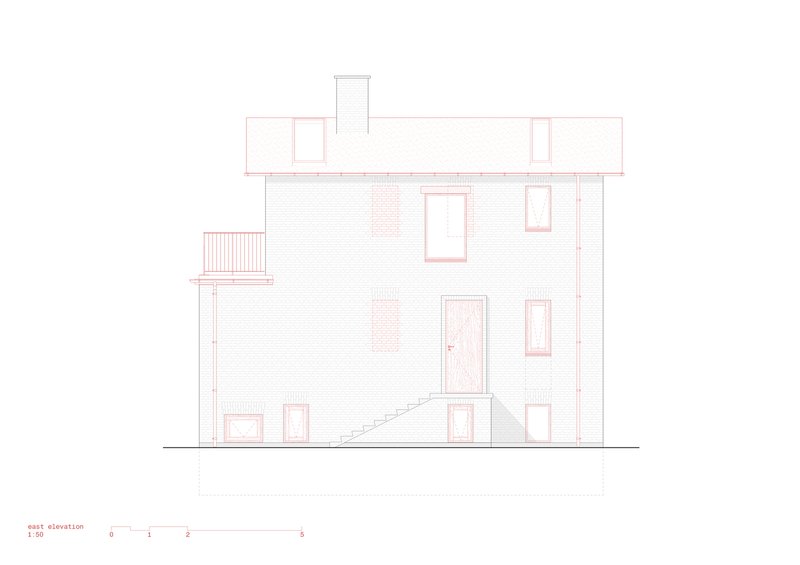
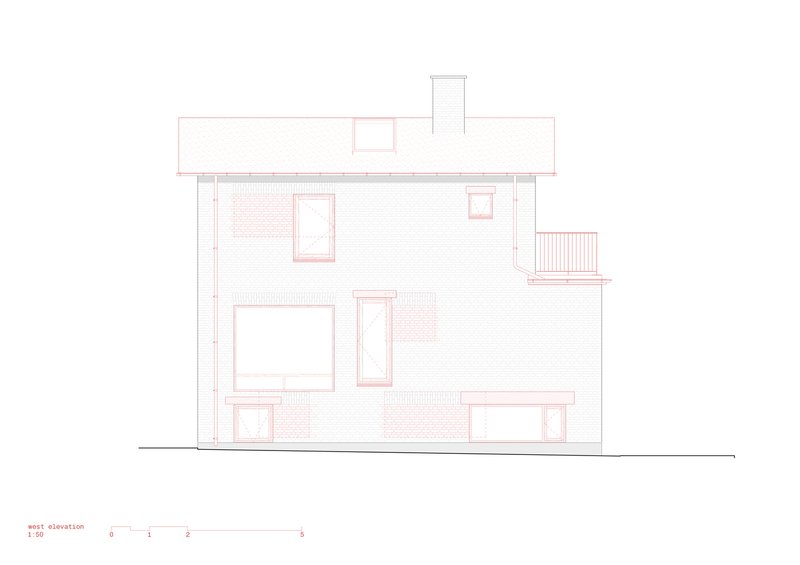
Originally built in 1951, House 14A epitomized the post-war residential style prevalent in Denmark—a cubic form with a red brick facade and evenly distributed windows. Despite its solid structure, the house's design limited its adaptability to the changing demands of modern usage.
Architectural Transformation
Integrating New and Old
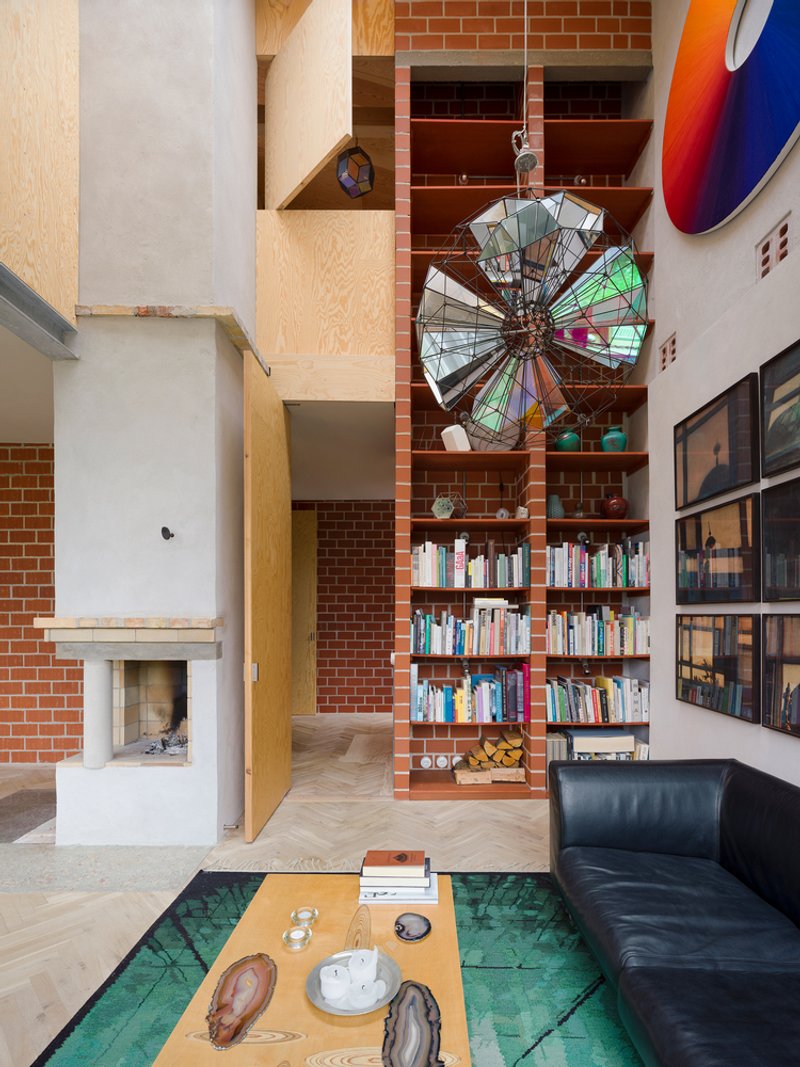
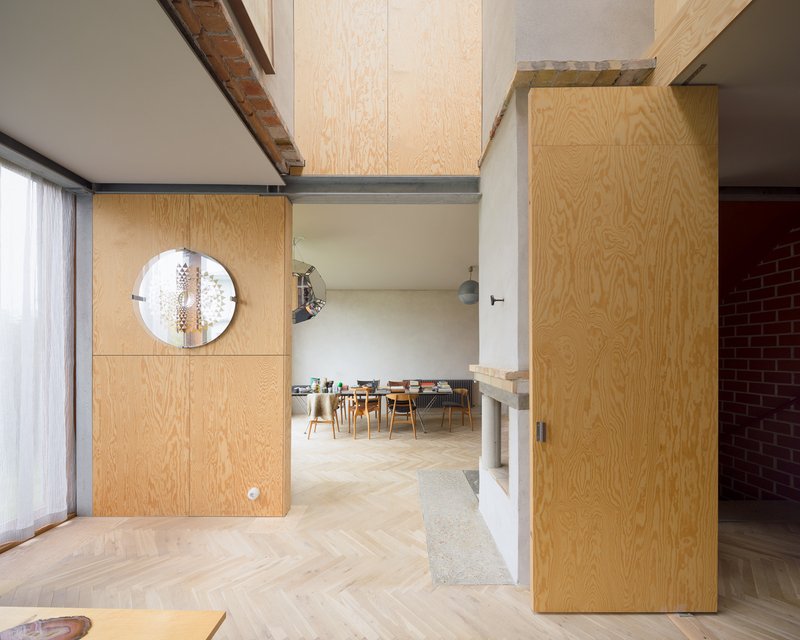
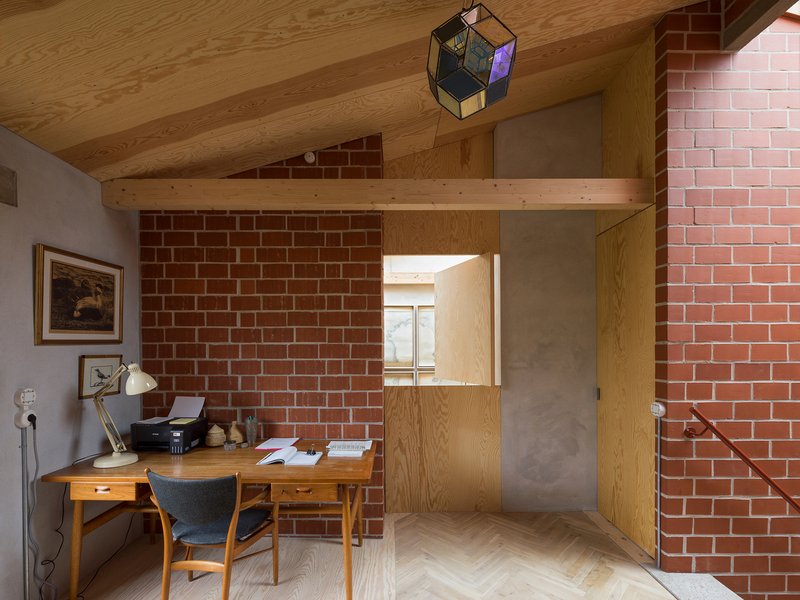
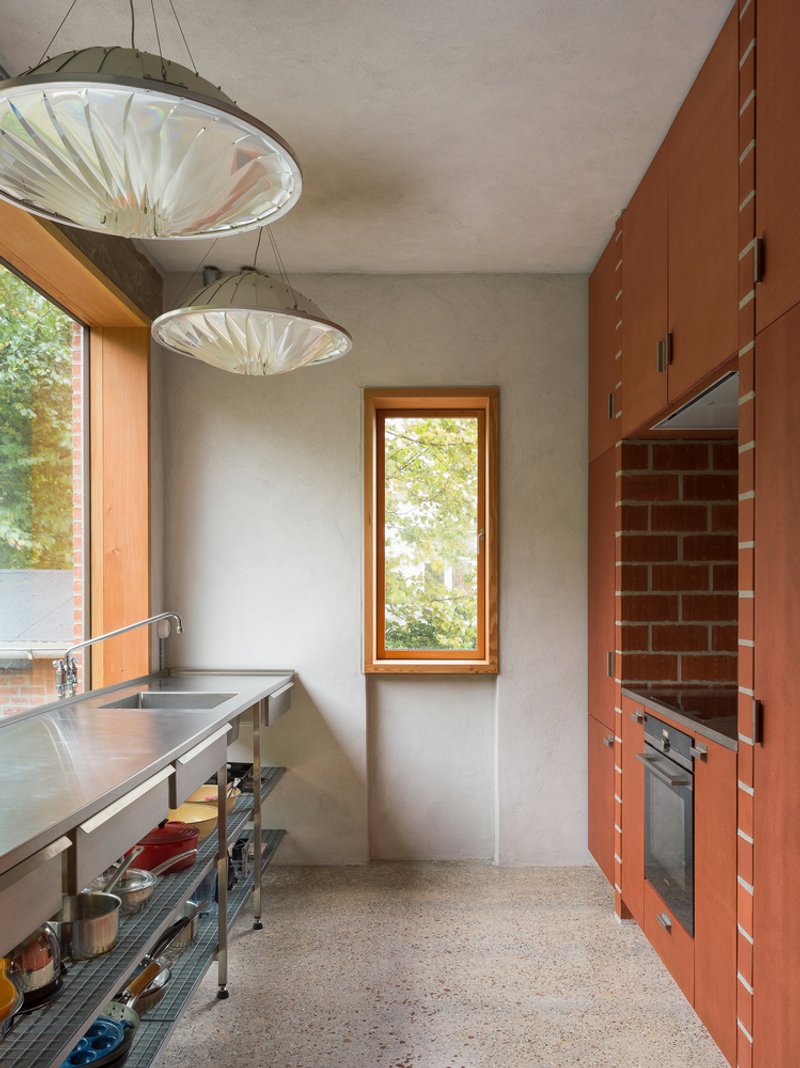
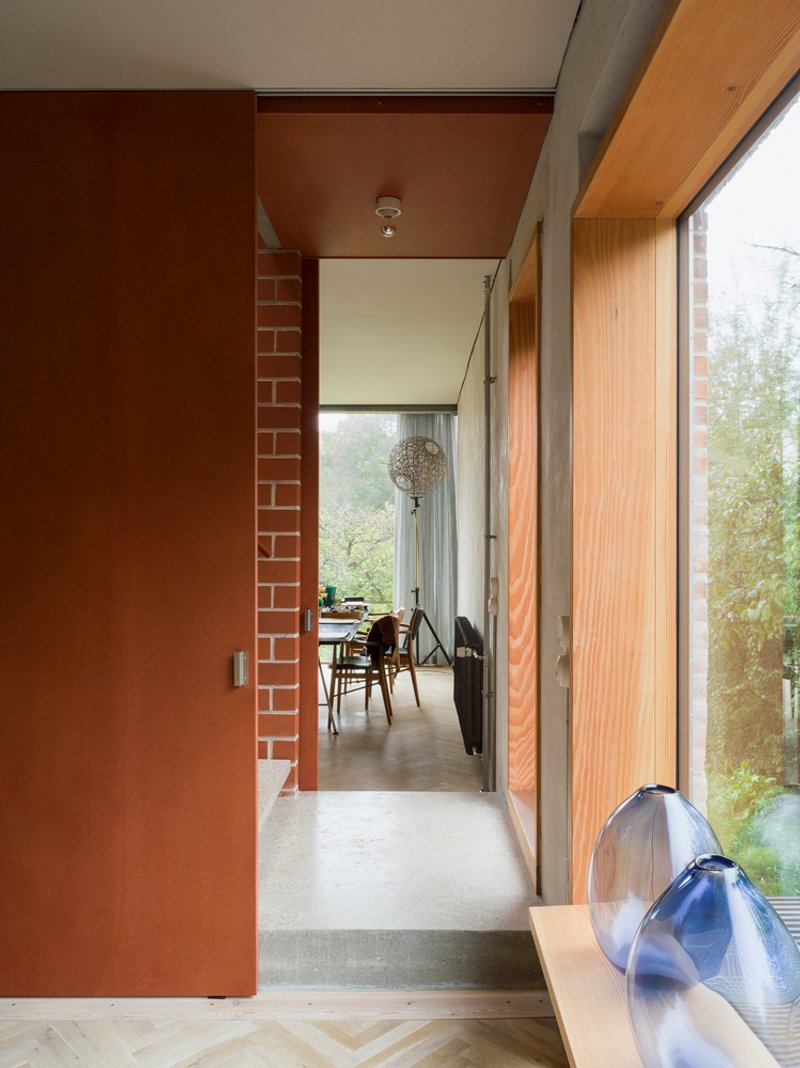
The redesign by pihlmann architects was driven by the philosophy of non-hierarchical integration, where each element, whether old or new, rough or refined, is valued for its contribution to the house's ongoing narrative. This approach reflects a deep respect for the original materials and methods, while also embracing modern innovations.
Design Techniques Employed
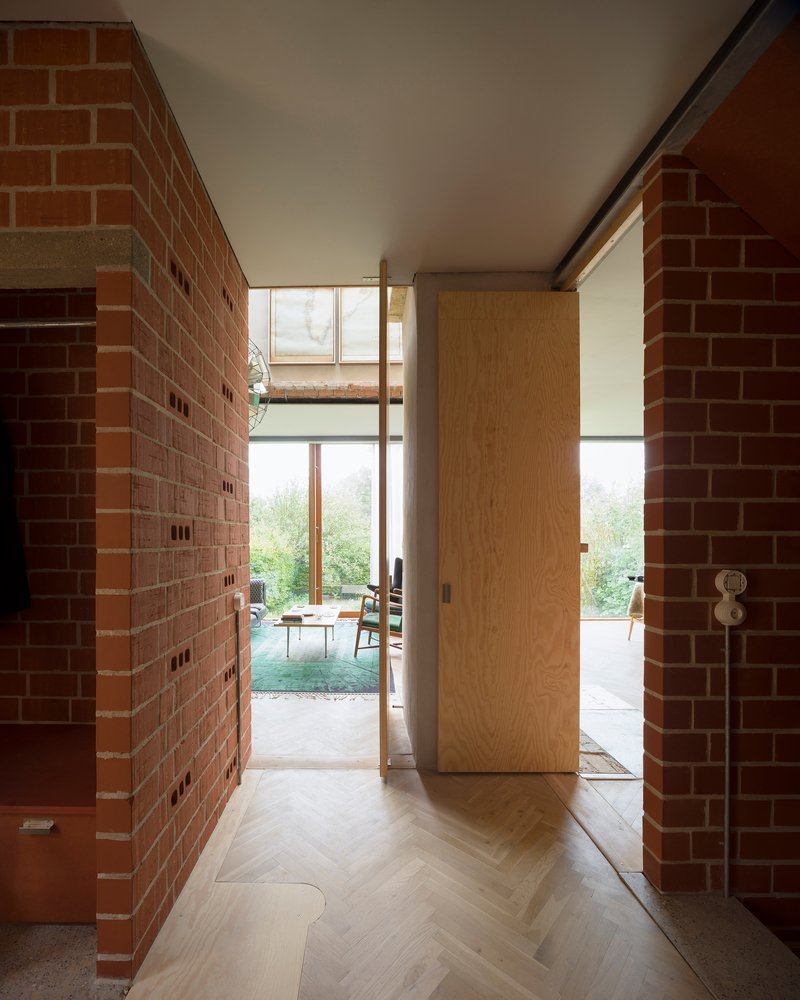
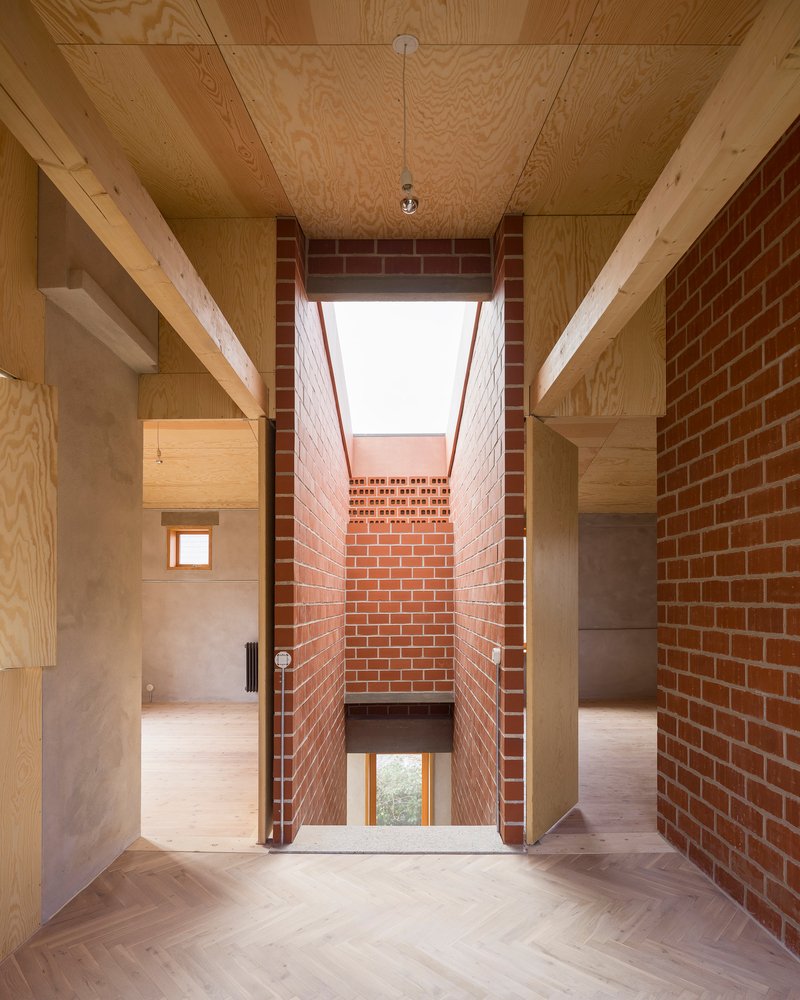
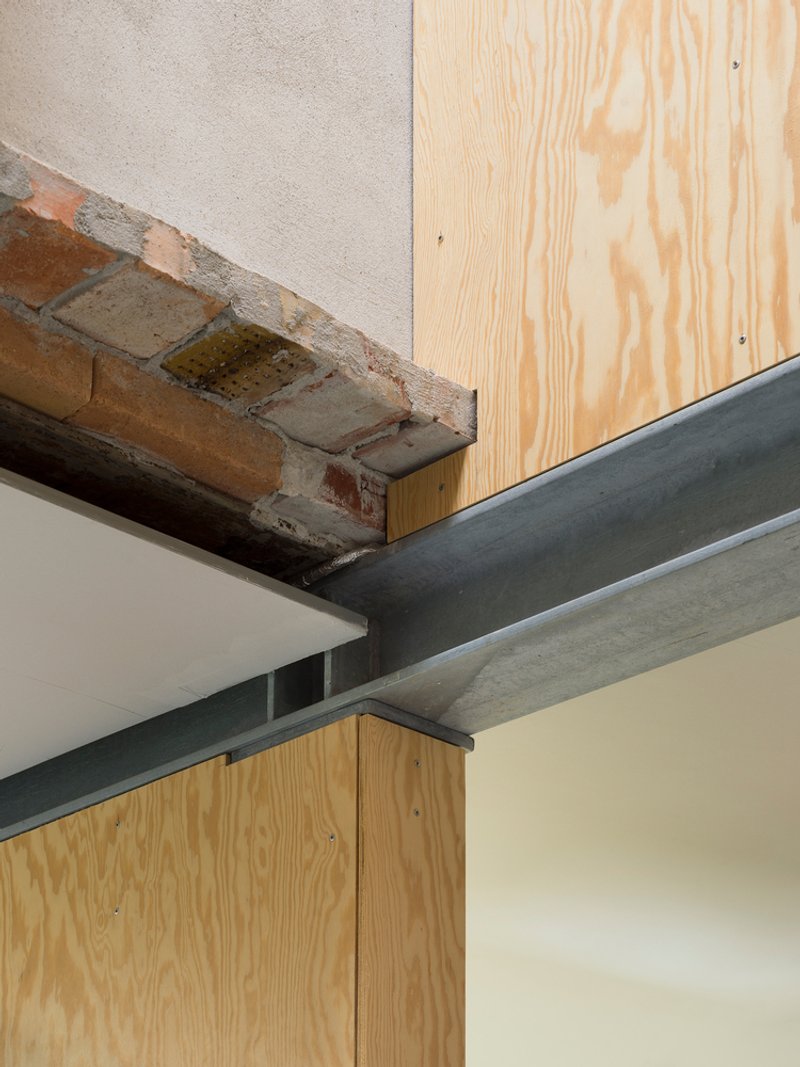
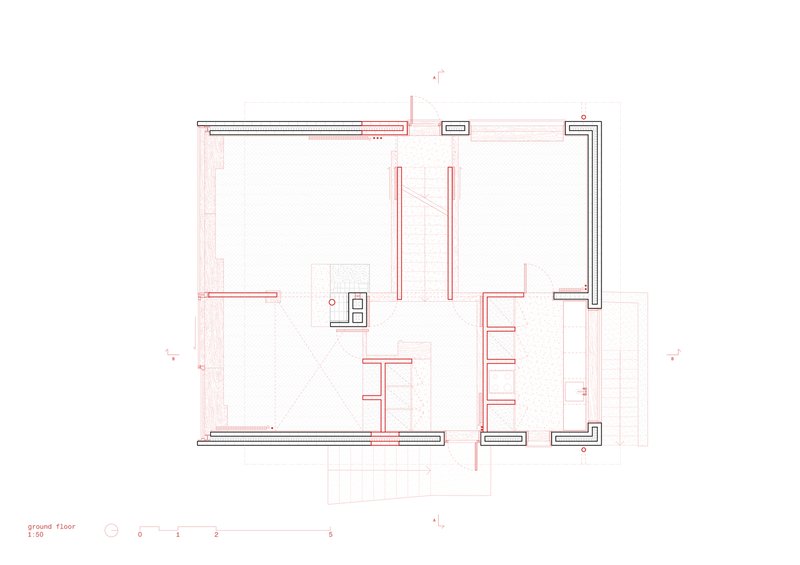
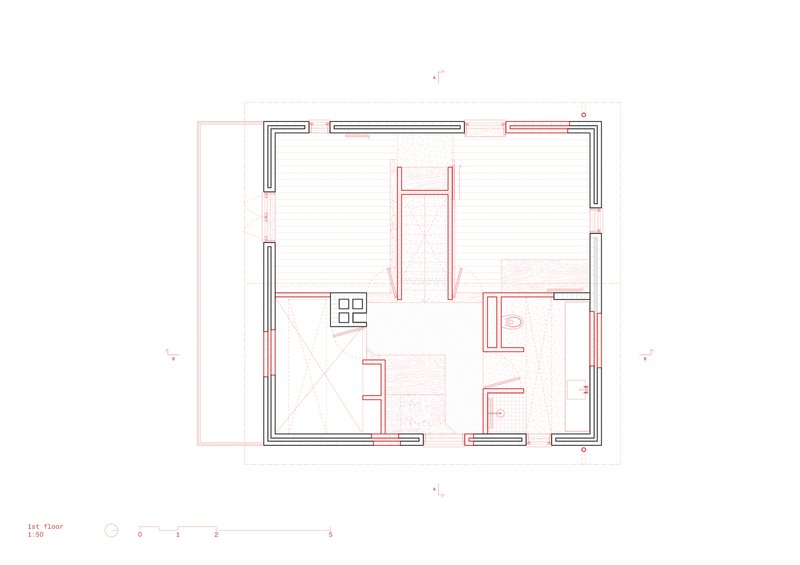
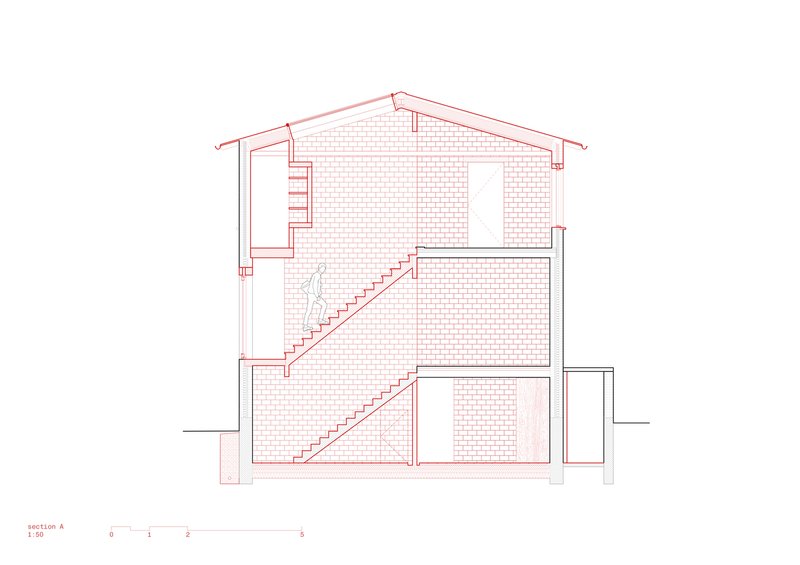
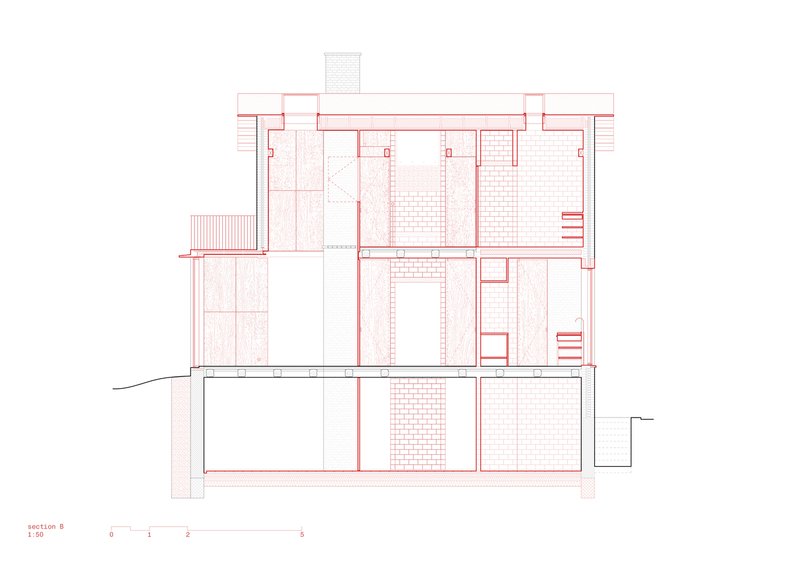
Traditional architectural techniques such as exposing, covering, cutting, joining, stacking, and casting were used to dissolve the rigidity of the original design, making the house more adaptable to contemporary needs. This included the introduction of three masonry cores that provide structural and functional updates without compromising the building's historical integrity.
Core Elements of House 14A's Design
The Masonry Cores
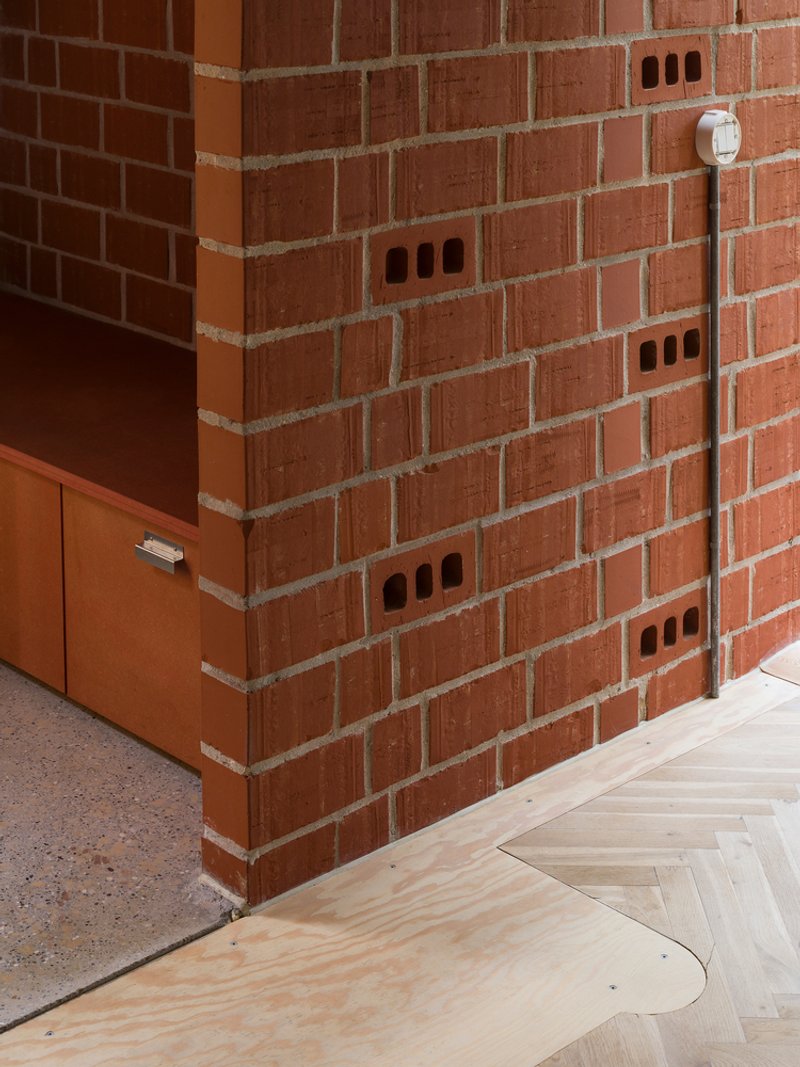
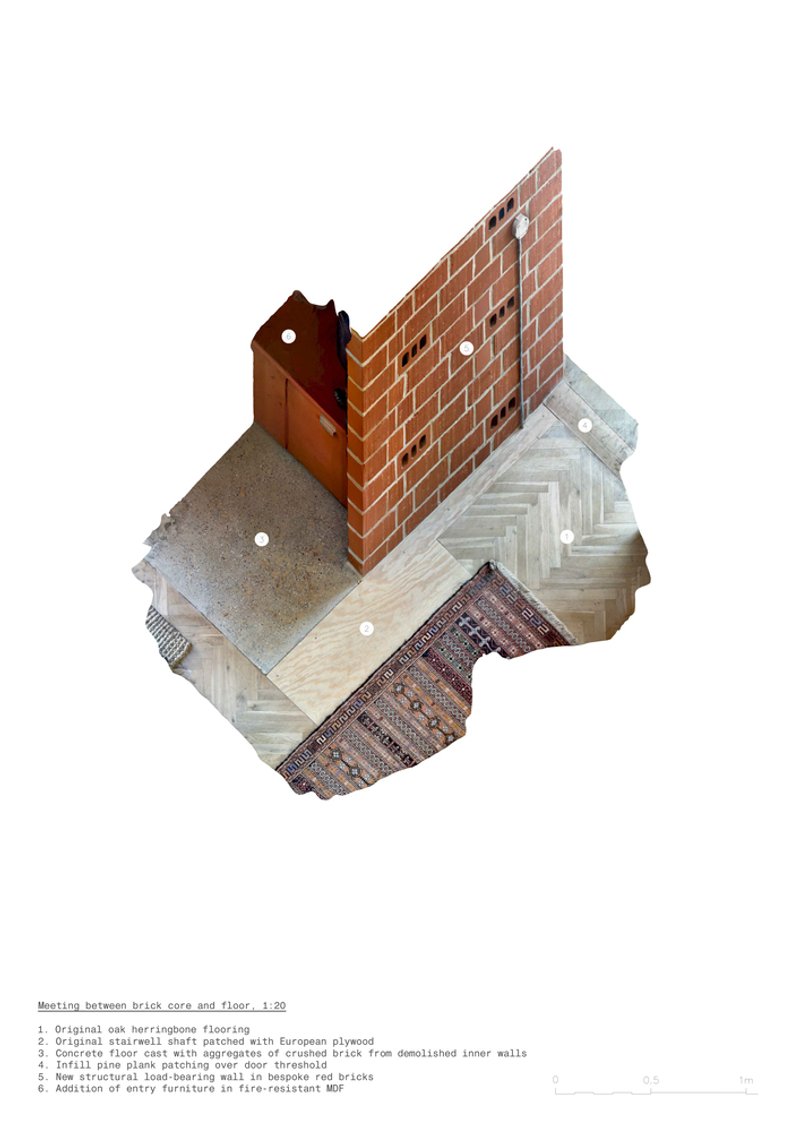
The masonry cores are pivotal in the house’s redesign, containing essential elements like storage, stairs, and pipework. These cores not only support the house structurally but also define new spatial configurations, creating fluid, inhabitable spaces between them.
Sustainable Materials and Techniques
Sustainability is a cornerstone of the project, with the architects employing reused materials such as crushed bricks for new terrazzo flooring. This not only reduces waste but also ties the new additions back to the original construction.
The Role of the Construction Site as a Creative Space
Collaboration and Experimentation
The construction site for House 14A transcended its traditional role, becoming a studio and laboratory where architects, craftsmen, and clients engaged in continuous dialogue. This collaborative environment was essential for the tactile experimentation that defined the project’s development.
The Future of Adaptive Reuse in Danish Architecture
House 14A is more than just a building; it's a testament to the possibilities of adaptive reuse in architecture. By embracing the unpredictable and cultivating an openness to change, projects like House 14A pave the way for a new understanding of how buildings can evolve over time, reflecting both their past and their potential future.
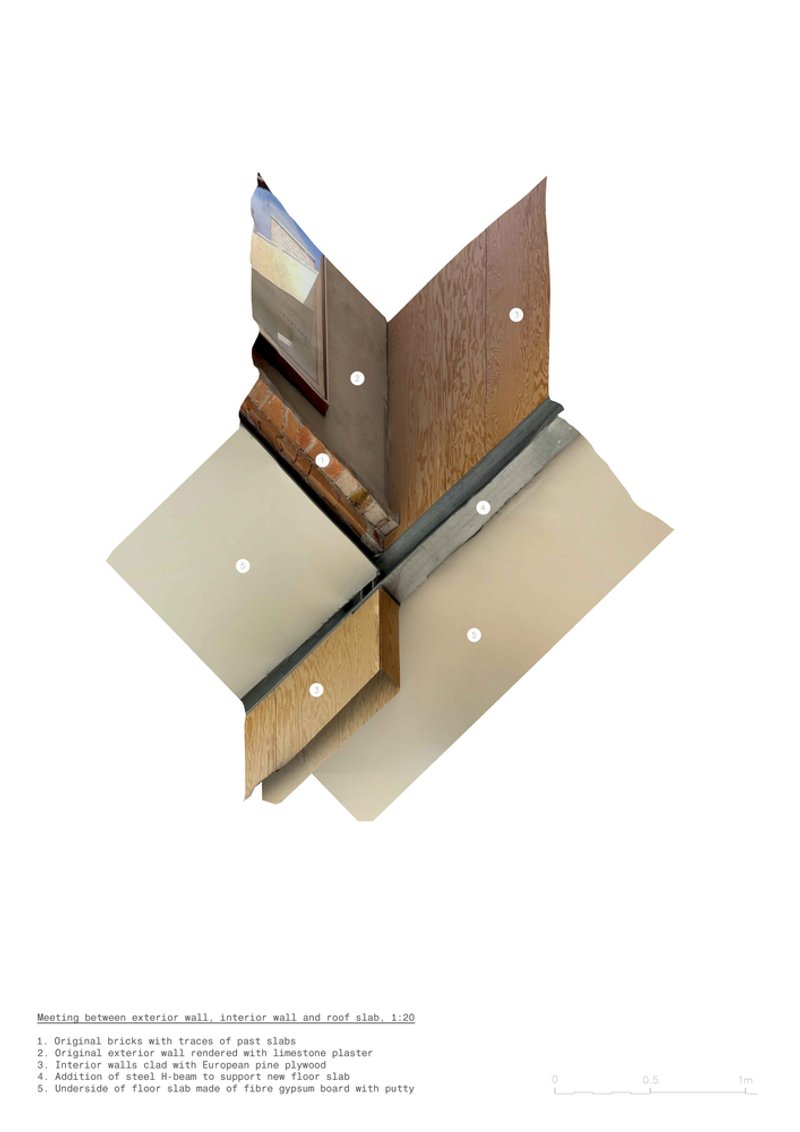
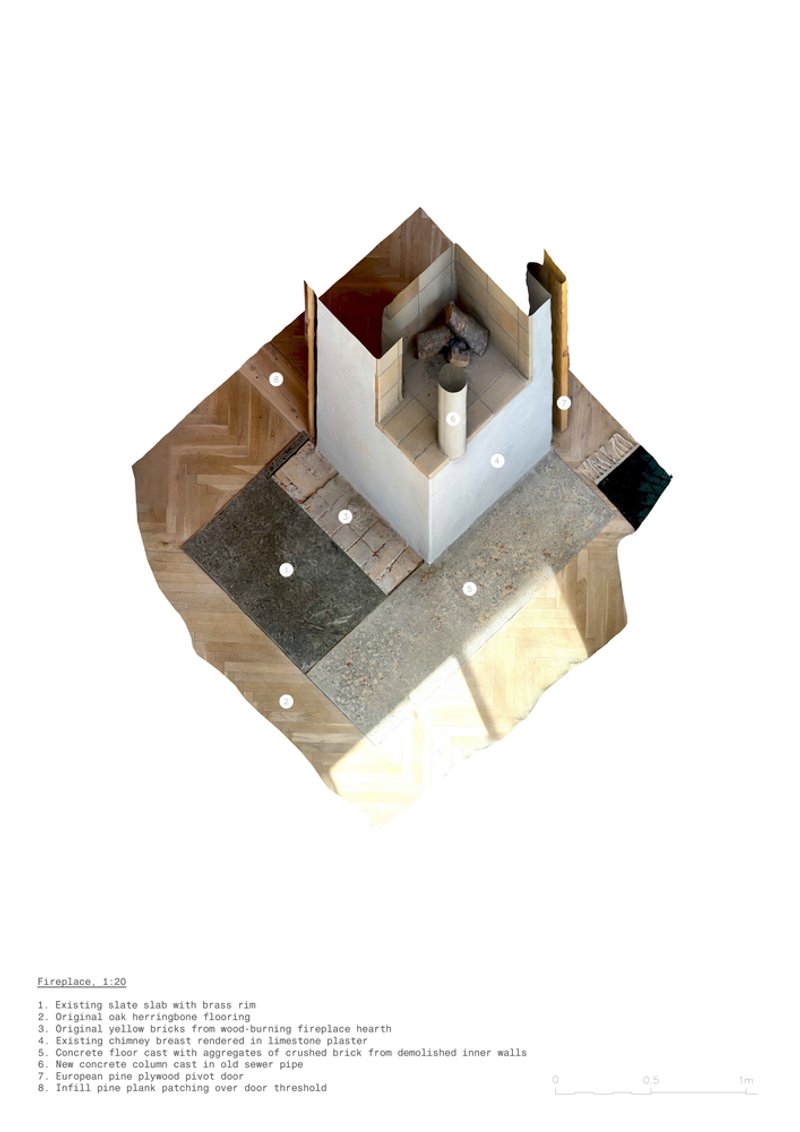
All photographs are work of Hampus Berndtson




Popular Articles
Popular articles from the community

Inside a Timeless Mumbai Residence by Aether Studio
Aether Studio's 2,250 sq ft apartment in Malad, Mumbai uses marble, brass, boucle, and disciplined restraint to build a quiet retreat from the city.
LGA Architectural Partners Build Toronto's First Multiplex Condo on a Single-Family Lot
Ulster House packs five zero-carbon units into a Harbord Village lot, proving gentle density can be market-ready and livable.
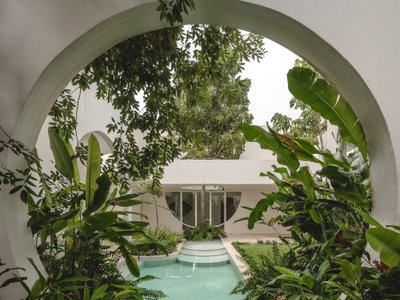
Etea and Ghostframe Carve a Surreal Domestic World from Arches and Circles in Mérida
Casa Eclipse wraps 385 square meters of sculptural living space around a lush courtyard pool in Mexico's Yucatán Peninsula.
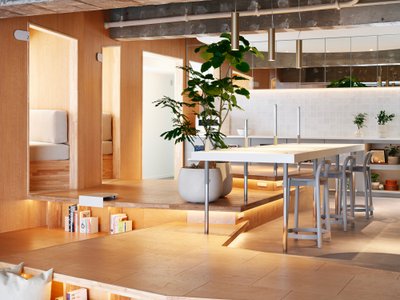
R/URBAN DESIGN OFFICE Carves a Communal Living Room from a Tokyo Corporate Dormitory
In Shinagawa's Oi district, a 35-year-old reinforced concrete tower becomes a 49-unit rental residence with shared spaces that redefine cohabitation.


Similar Reads
You might also enjoy these articles

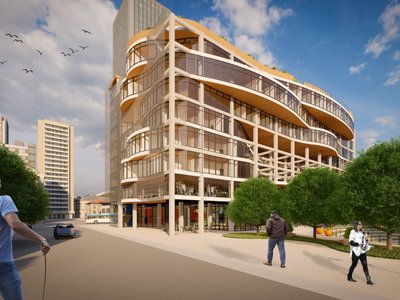
Olio Towers: A Mid-Rise for Performers That Fuses Housing, Rehearsal, and Stage
Located blocks from Houston's Theater District, this modular tower stacks living units around a central performance atrium.

Oasis: Modular Green Housing Carved into Dhaka's Urban Fabric
A shortlisted Plugin Housing entry reclaims unauthorized settlements in Dhaka with stepped concrete volumes, green roofs, and ventilation-driven design.

Black Hole: A Floating Megastructure for the Post-Physical Era
Emiliano Mazzarotto envisions a spherical, self-scaling arena where e-sports, digital hotels, and holographic stadiums replace traditional public space.
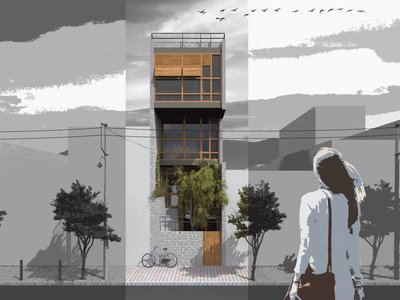
Compact & Sustainable Living in Piraeus: A Four-Level Family Home Built Around Light and Air
A narrow townhouse in one of Greece's densest port cities uses a central atrium and passive strategies to house three generations under one roof.


Explore Architecture Competitions
Discover active competitions in this discipline




The International Standard for Design Portfolios


The Global Benchmark for Architecture Dissertation Awards


The Global Benchmark for Graduation Excellence


Challenge to reimagine the Iron Throne
Comments (0)
Please login or sign up to add comments
No comments yet. Be the first to comment!