
Falcon House: Pioneering Eco-Friendly House Design in Kenya
Falcon House in Kenya exemplifies eco-friendly design, merging sustainable technologies with local materials for harmonious living on Manda Island.

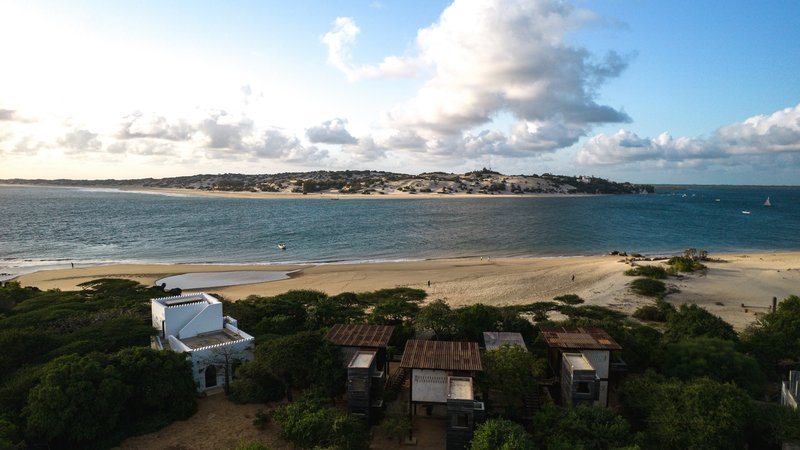
Nestled on the tranquil shores of Manda Island, overlooking the ancient city of Lamu, Kenya, Falcon House stands as a testament to innovative eco-friendly house design in Kenya. Developed by PAT. architetti associati in collaboration with Ferdinando Fagnola, this residence is designed to seamlessly blend with its natural surroundings while harnessing the forces of nature for sustainable living.
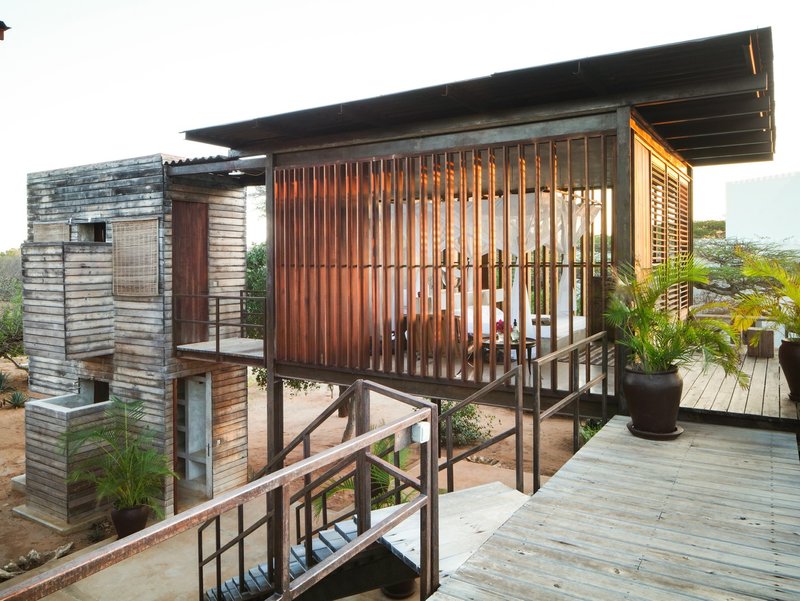
Design Philosophy: Harmony with Nature
Embracing the Environment
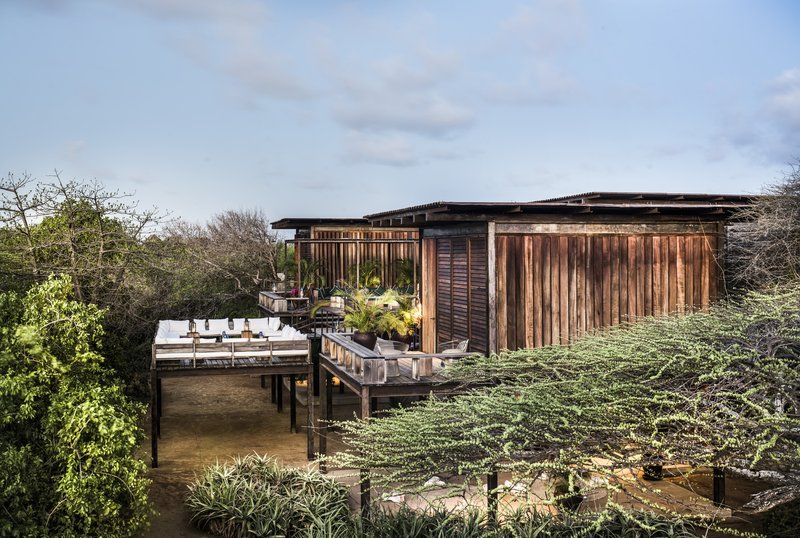
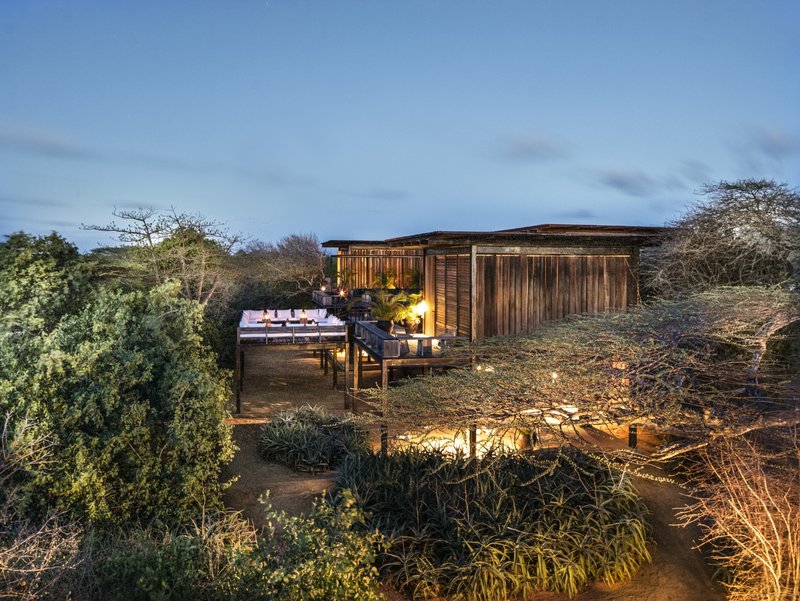
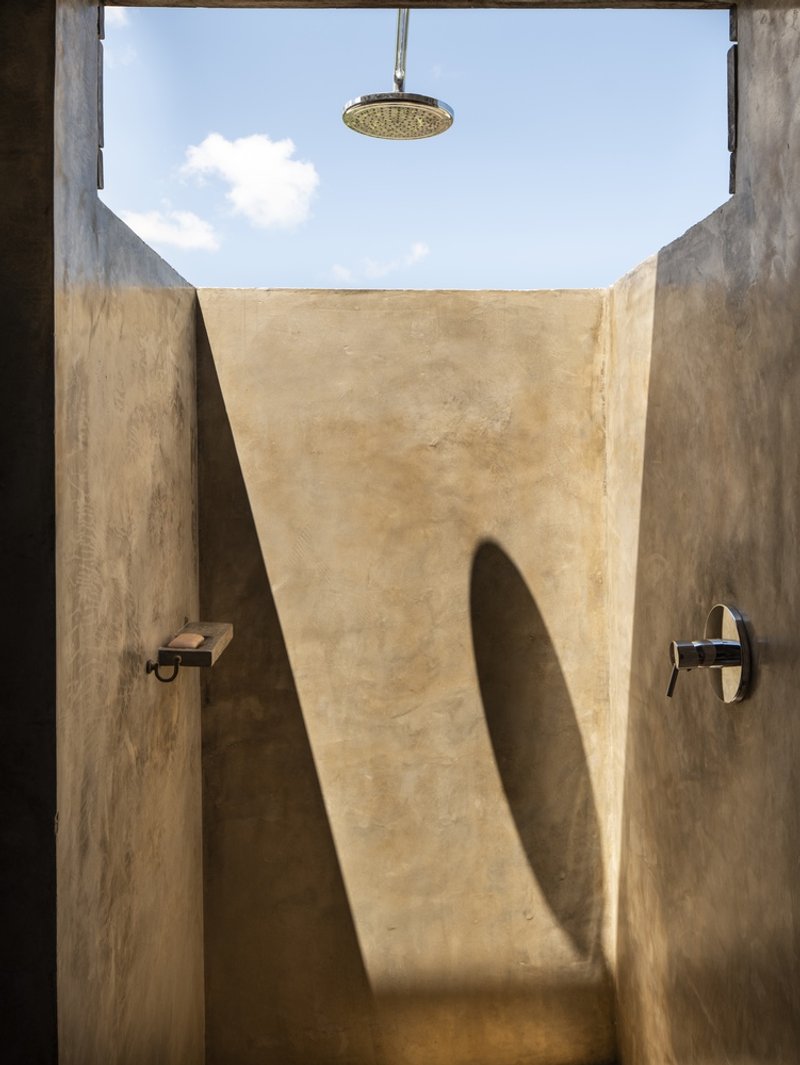
Falcon House's architectural strategy revolves around maximizing natural ventilation and solar heat gain. Situated on an island devoid of electricity and running water, the design leverages the prevailing winds for natural cooling and employs photovoltaic panels to generate electricity. This approach not only ensures the home's self-sufficiency but also minimizes its environmental footprint.
Sustainable Water Management
A key component of Falcon House's eco-friendly design is its water management system. The residence features a desalination system powered by solar energy, transforming seawater into potable water. Additionally, rainwater harvesting complements the water supply, showcasing a commitment to sustainable living practices.
Architectural Details: A Fusion of Innovation and Tradition
Elevated Living Spaces
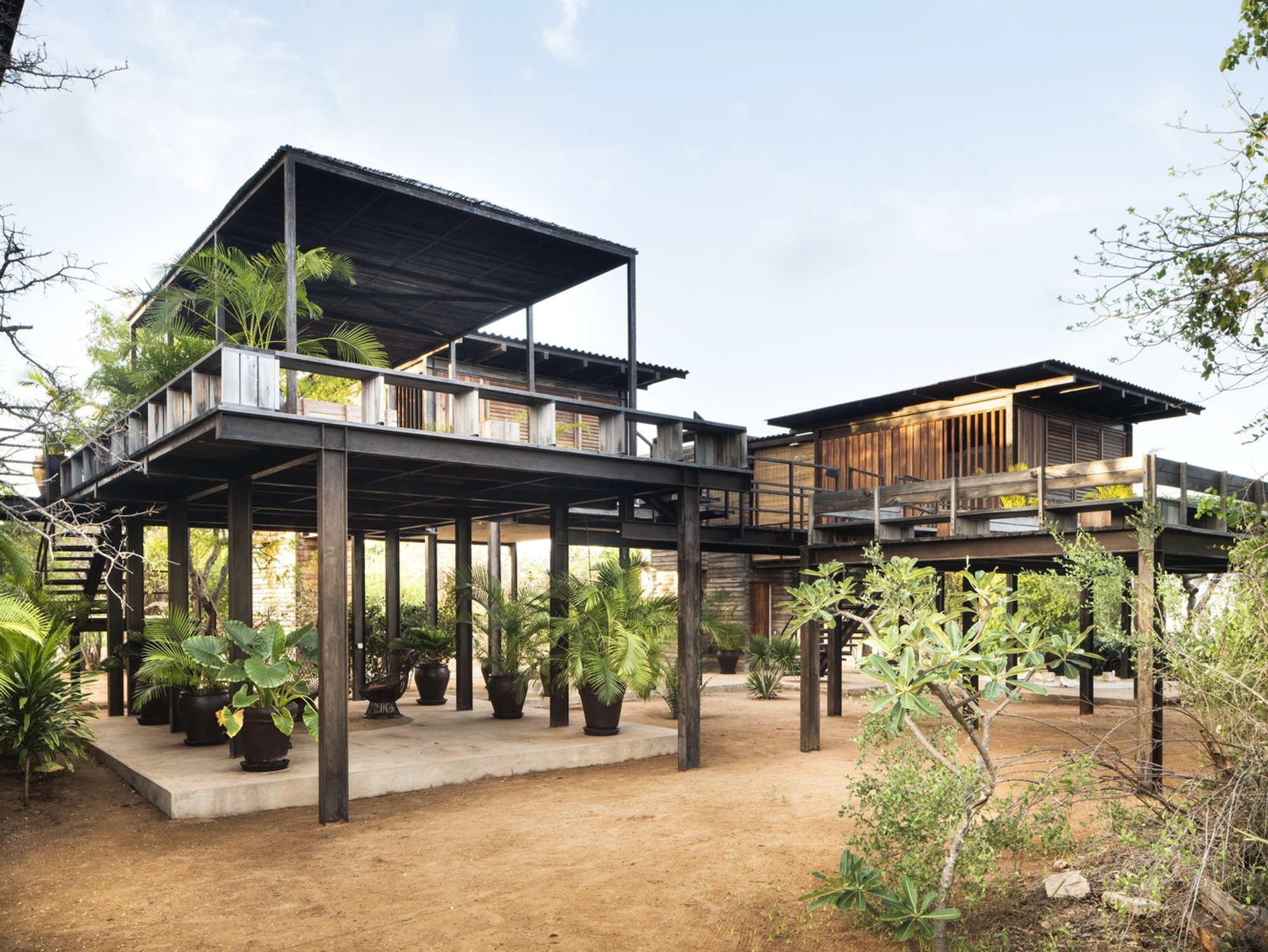
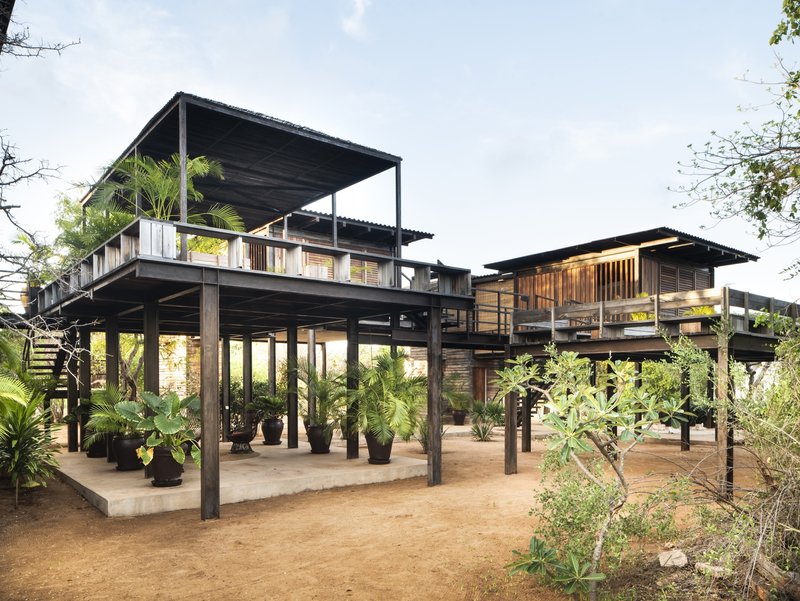
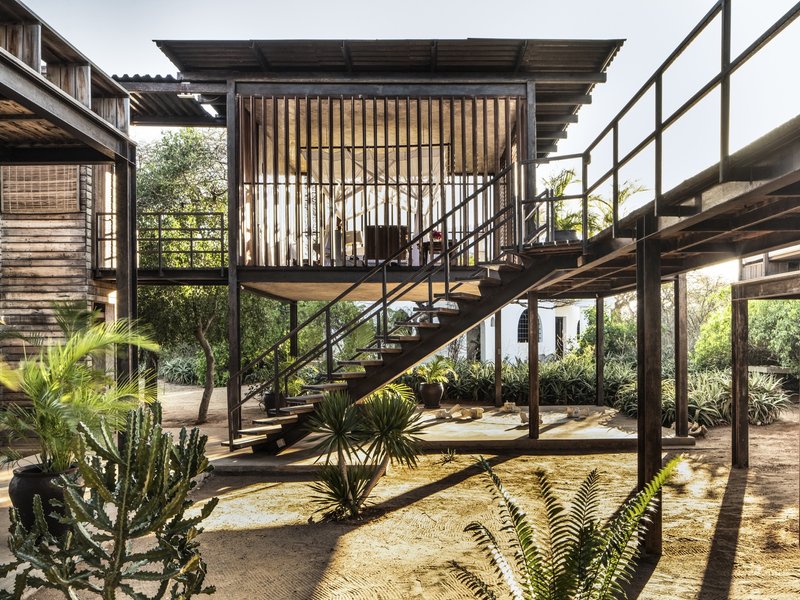
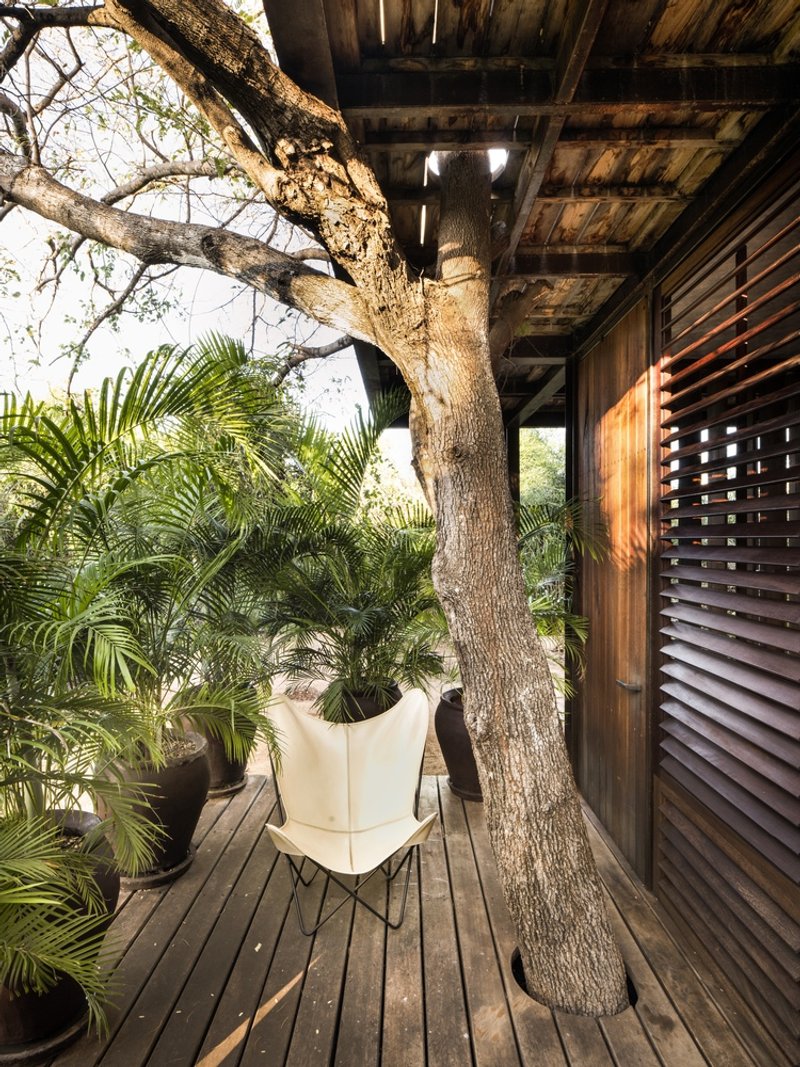
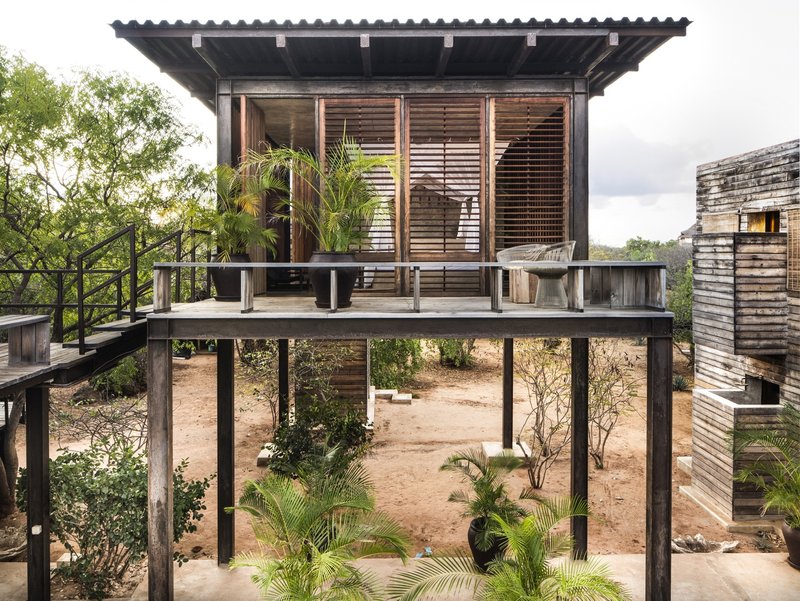
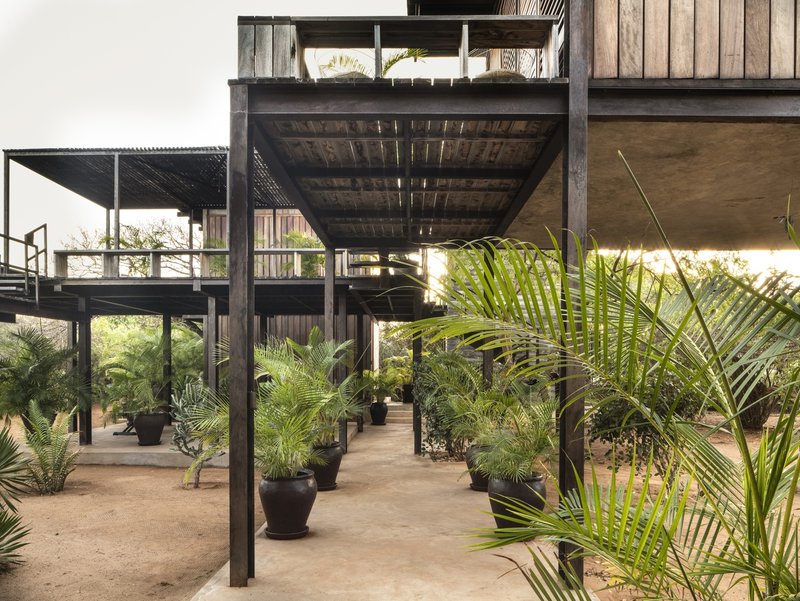
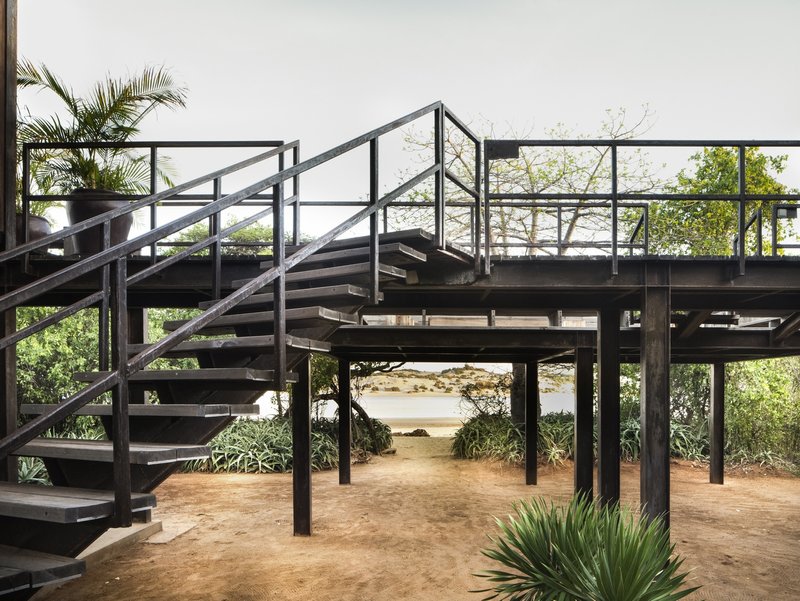
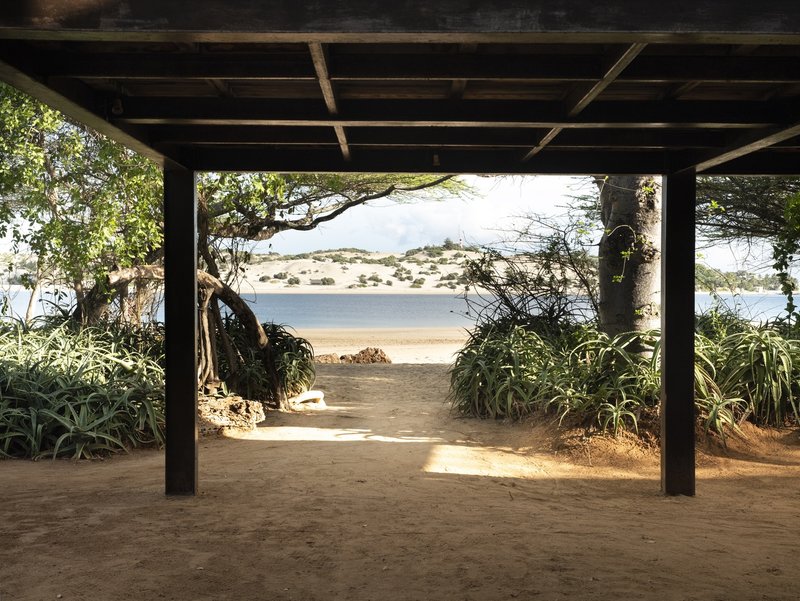
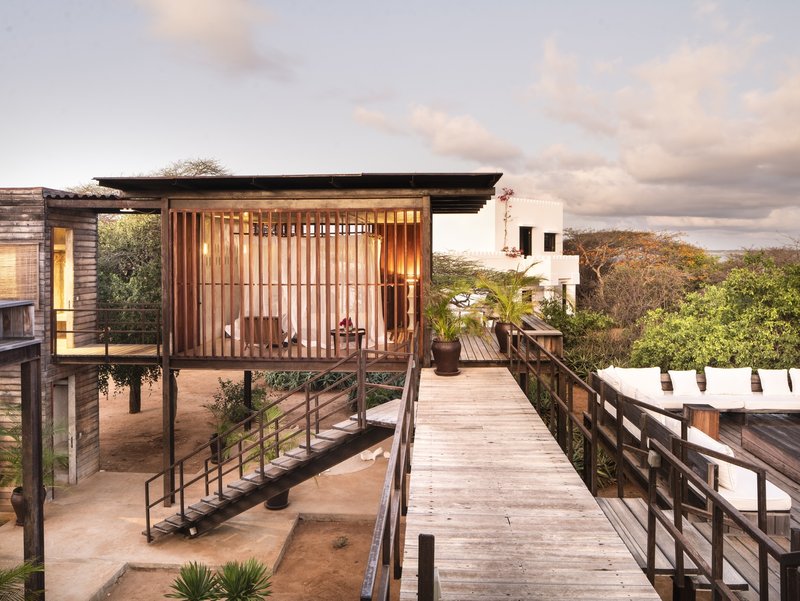
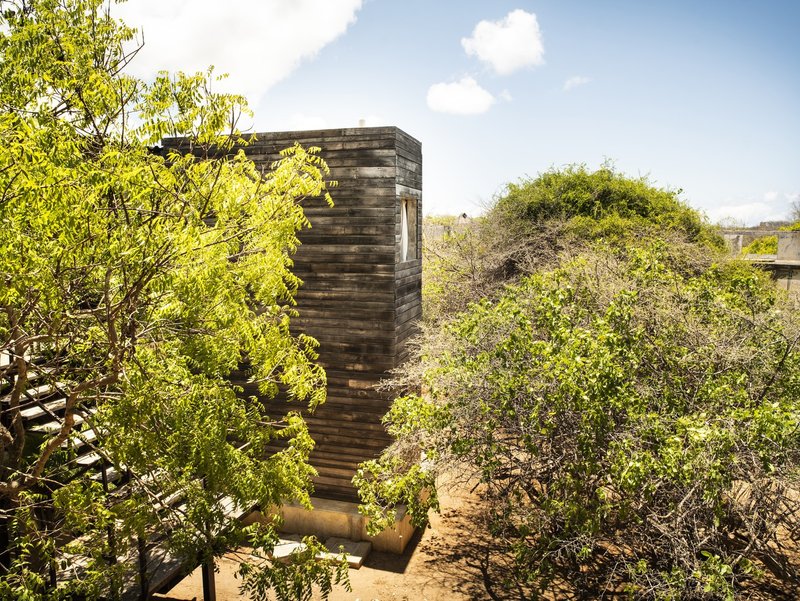
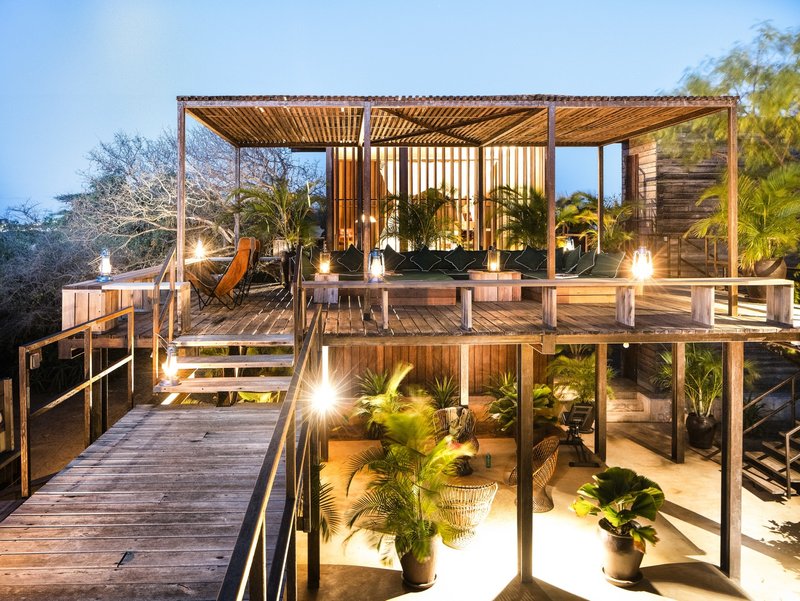
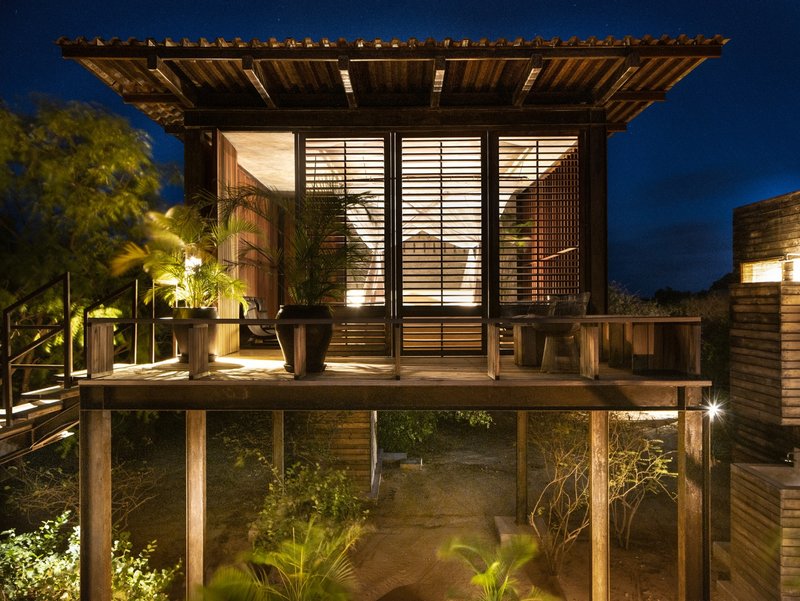
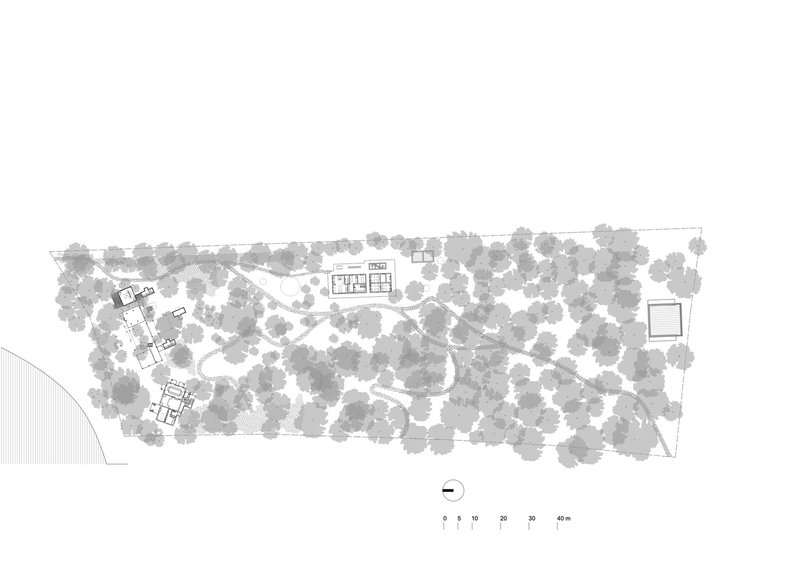
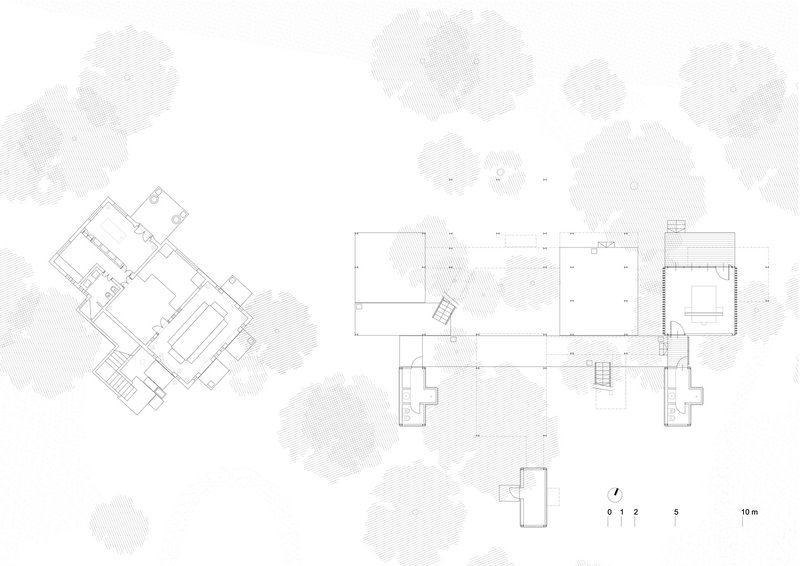
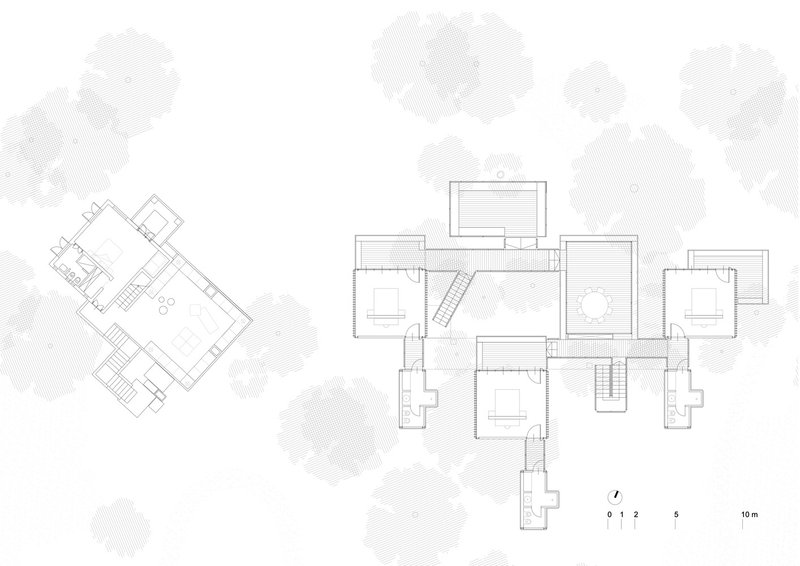
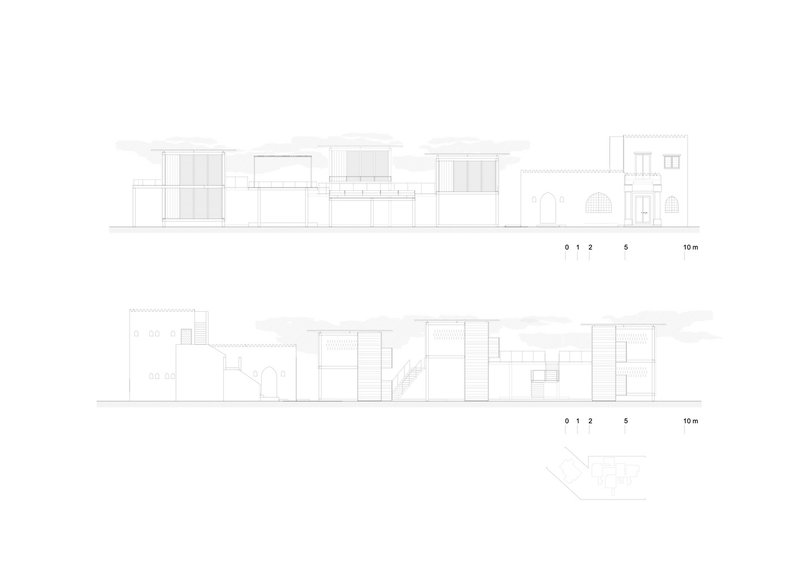
The residence consists of pavilion-style structures raised on steel stilts, carefully positioned to preserve the native acacia and baobab trees. This elevation strategy not only mitigates the impact on the site's natural flora but also enhances the home's ventilation and views.
Material Selection and Construction Techniques
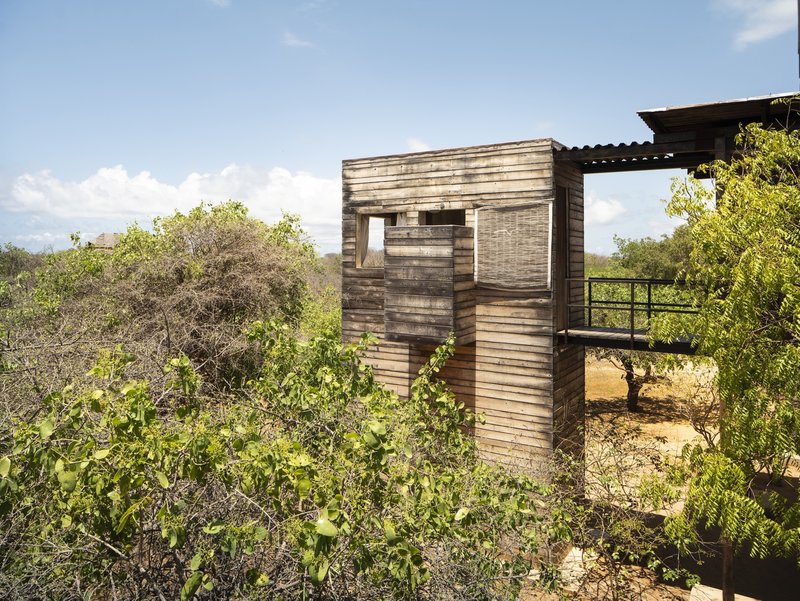
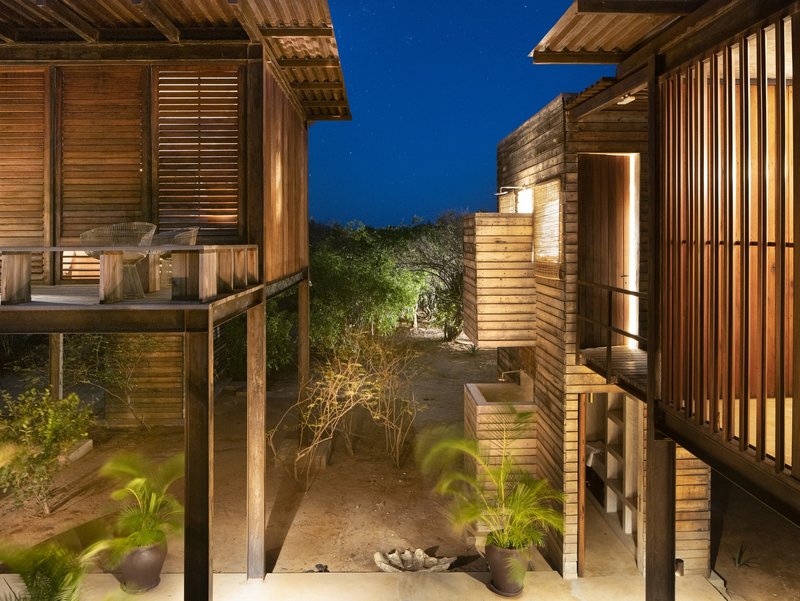
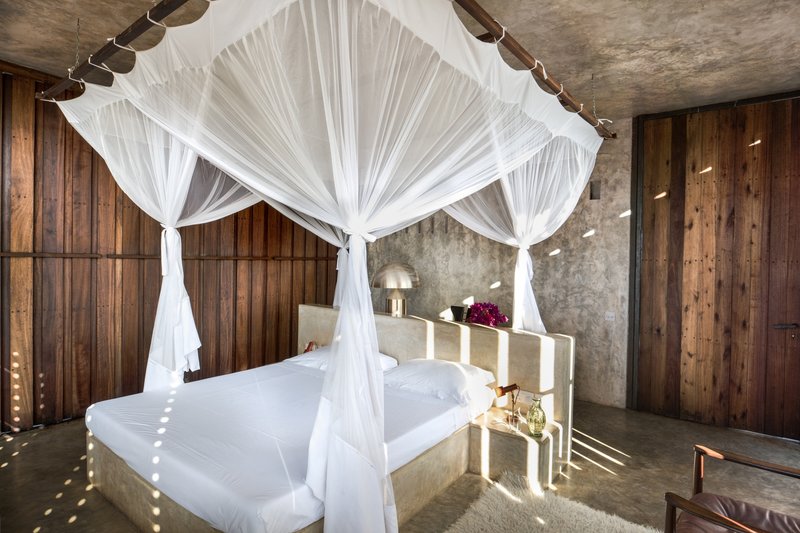
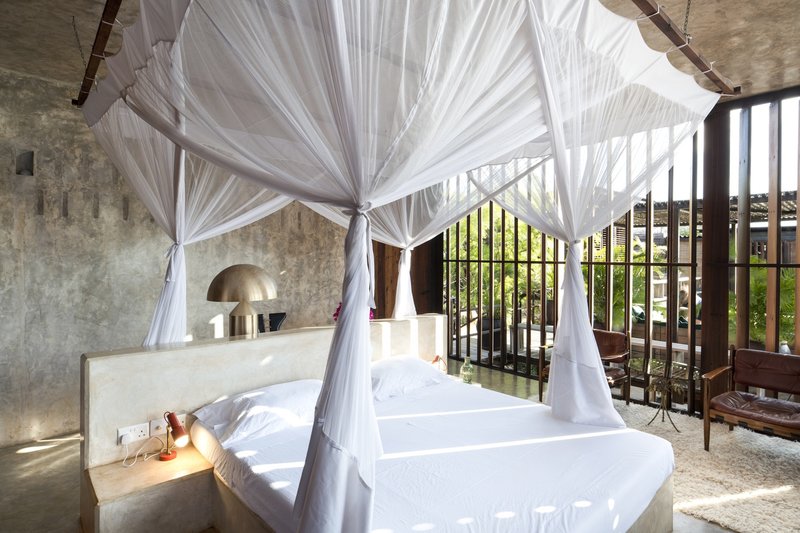
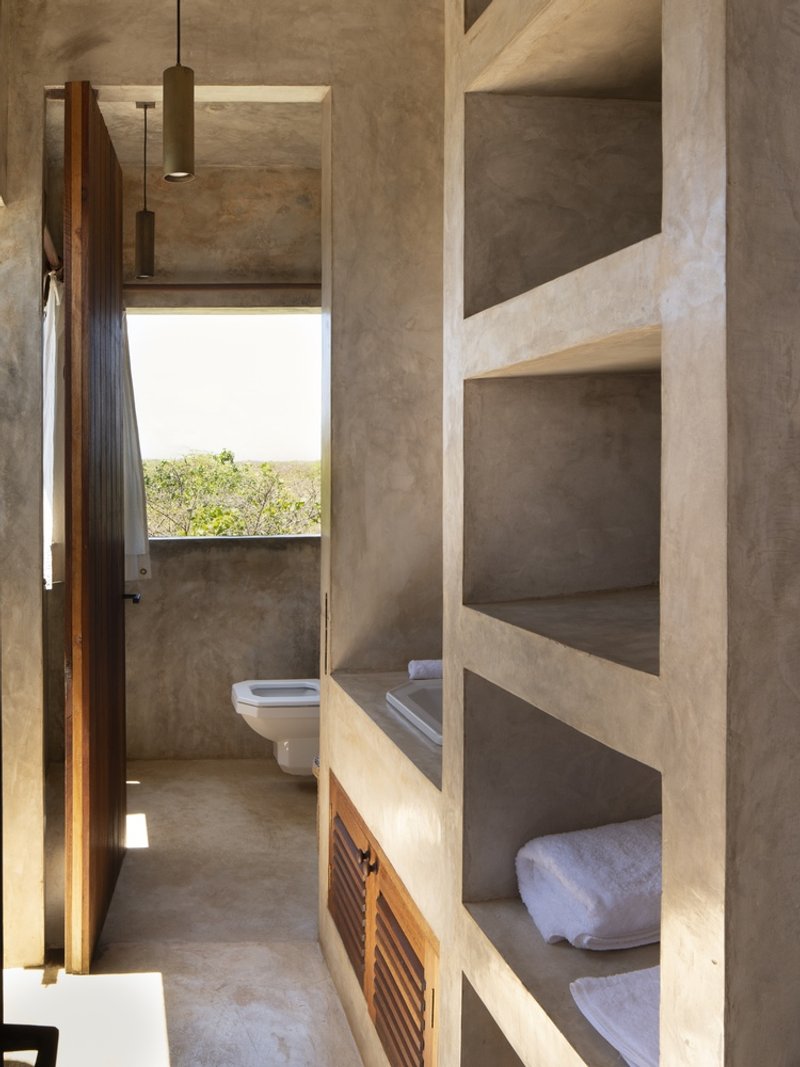
Falcon House showcases a conscious approach to material selection, prioritizing recycled and locally sourced materials. Pre-existing bungalows were carefully deconstructed, allowing for the reuse of wooden planks. The use of corten steel for roofing and prefabricated concrete blocks for construction reflects a blend of modernity and respect for traditional craftsmanship.
The Living Experience: Comfort and Connection
Indoor-Outdoor Synergy
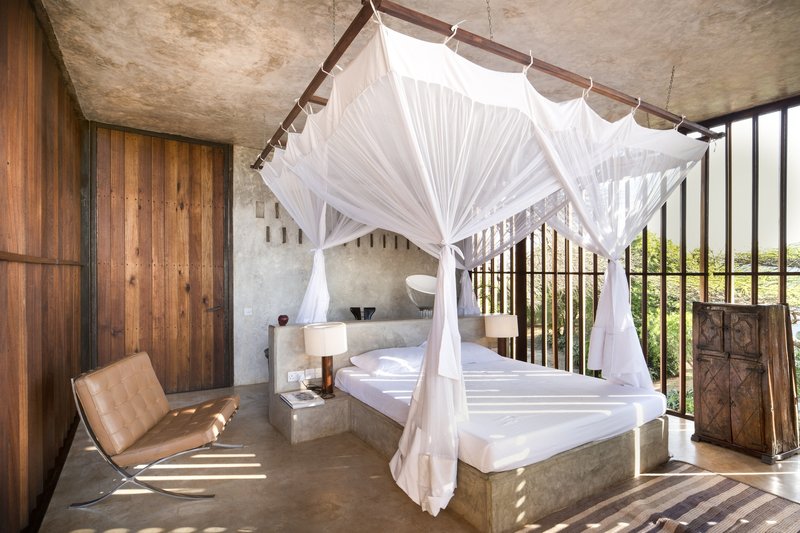
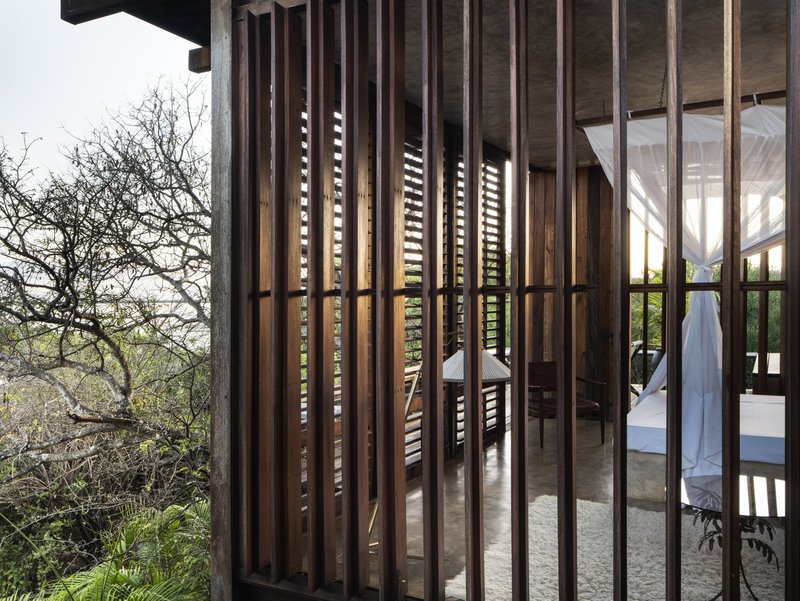
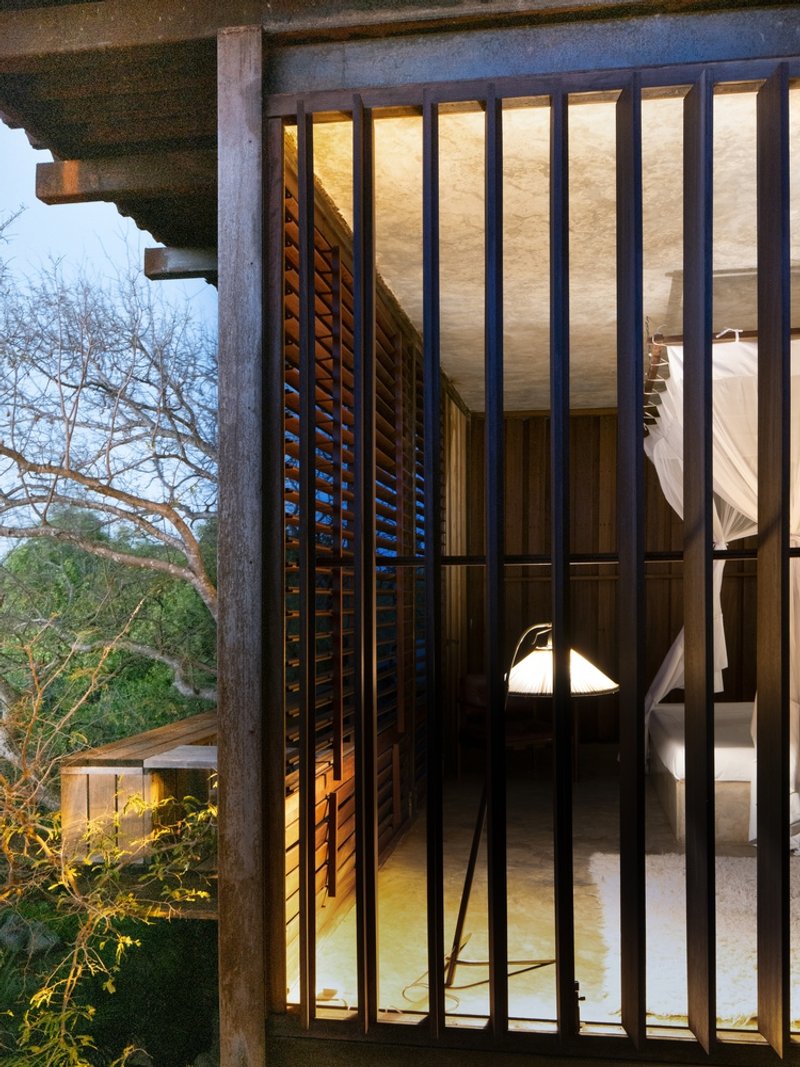
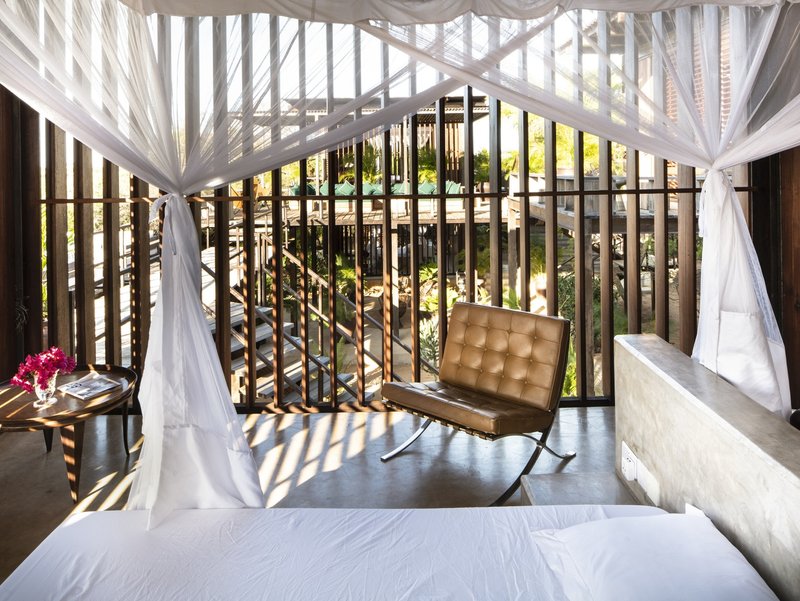
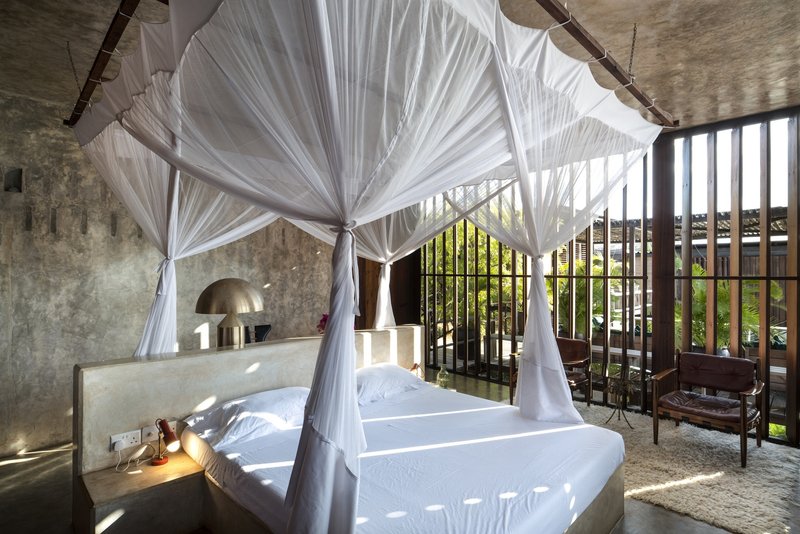
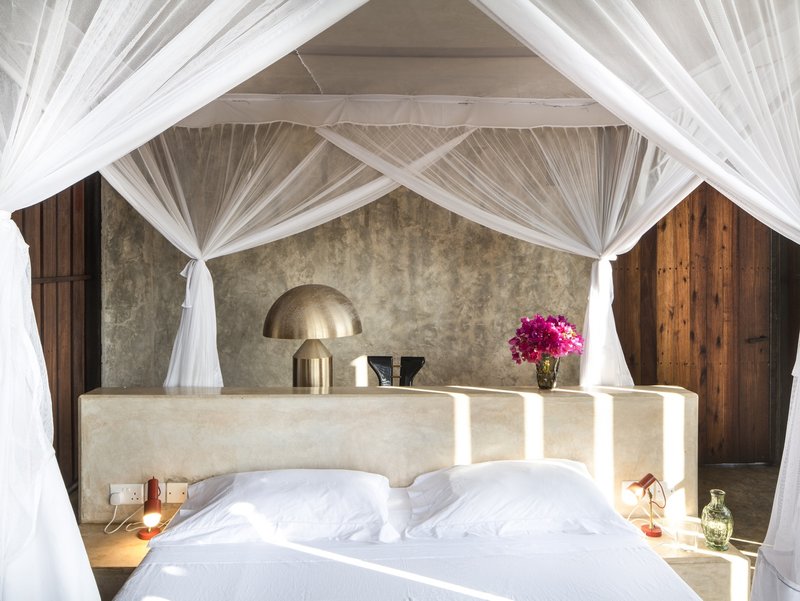
The design of Falcon House fosters a profound connection between indoor spaces and the surrounding landscape. Large pivot doors and adjustable wooden slats allow residents to modulate their exposure to the natural environment, creating living spaces that are truly in harmony with the outdoors.
A Cultural and Environmental Beacon
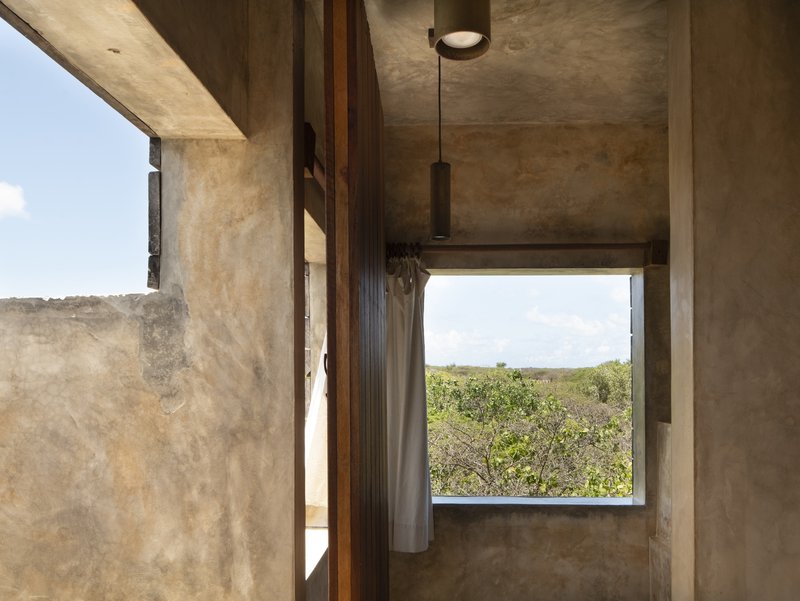
Beyond its architectural innovation, Falcon House serves as a cultural landmark, reflecting the client's deep appreciation for contemporary art and the rich history of Lamu. The project exemplifies how modern design can pay homage to local traditions while advancing sustainable living standards.
Setting a New Standard for Eco-Friendly House Design in Kenya
Falcon House by PAT. architetti associati and Ferdinando Fagnola represents a milestone in eco-friendly house design in Kenya. Through its thoughtful integration of sustainable technologies, innovative construction methods, and a deep respect for the natural and cultural context, the residence sets a new benchmark for environmentally conscious living in East Africa.
All photographs are work of Kelvin Muiruri Muriithi, Filippo Romano




Popular Articles
Popular articles from the community

Paco Oria Estudio Rebuilds a 1949 Valencian Town House Around Timber, Terracotta, and a New Interior Patio
In Godella, Spain, a semi-detached house from the postwar era is stripped to its party walls and rebuilt with wood and ceramics.
1-1 Architects Builds a Nagoya House and Office from Decades of Stockpiled Timber
A 69-square-meter tower in dense residential Nagoya transforms surplus lumber into a home and workplace for a construction company.

Biophilic Architecture and Regenerative Stadium Design: Biophilia Lagos by Rachel George
A regenerative stadium in Lagos transforms landfill into a living ecosystem through biophilic architecture, waste reuse, and environmental healing.
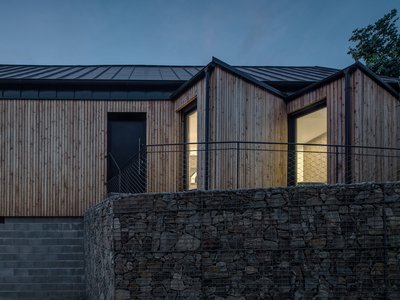
boq architekti Fits a Gabled Family House onto a Tiny Moravian Hillside Plot with No Room for a Garden
A 115 square meter home in South Moravia trades a garden for a rooftop terrace and a fully glazed facade facing the village below.


Similar Reads
You might also enjoy these articles

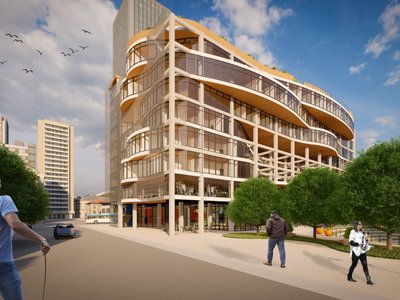
Olio Towers: A Mid-Rise for Performers That Fuses Housing, Rehearsal, and Stage
Located blocks from Houston's Theater District, this modular tower stacks living units around a central performance atrium.
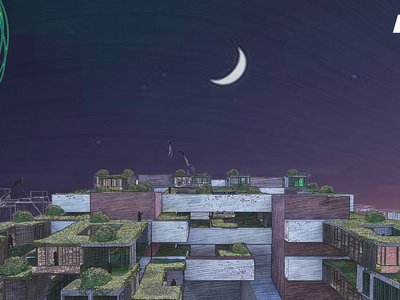
Oasis: Modular Green Housing Carved into Dhaka's Urban Fabric
A shortlisted Plugin Housing entry reclaims unauthorized settlements in Dhaka with stepped concrete volumes, green roofs, and ventilation-driven design.

Black Hole: A Floating Megastructure for the Post-Physical Era
Emiliano Mazzarotto envisions a spherical, self-scaling arena where e-sports, digital hotels, and holographic stadiums replace traditional public space.
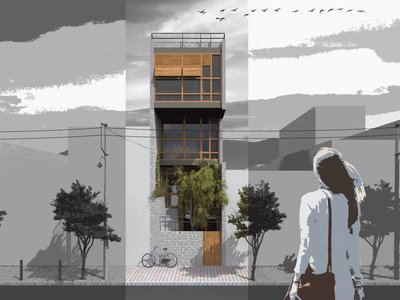
Compact & Sustainable Living in Piraeus: A Four-Level Family Home Built Around Light and Air
A narrow townhouse in one of Greece's densest port cities uses a central atrium and passive strategies to house three generations under one roof.


Explore Architecture Competitions
Discover active competitions in this discipline




The International Standard for Design Portfolios


The Global Benchmark for Architecture Dissertation Awards


The Global Benchmark for Graduation Excellence


Challenge to reimagine the Iron Throne
Comments (0)
Please login or sign up to add comments
No comments yet. Be the first to comment!