
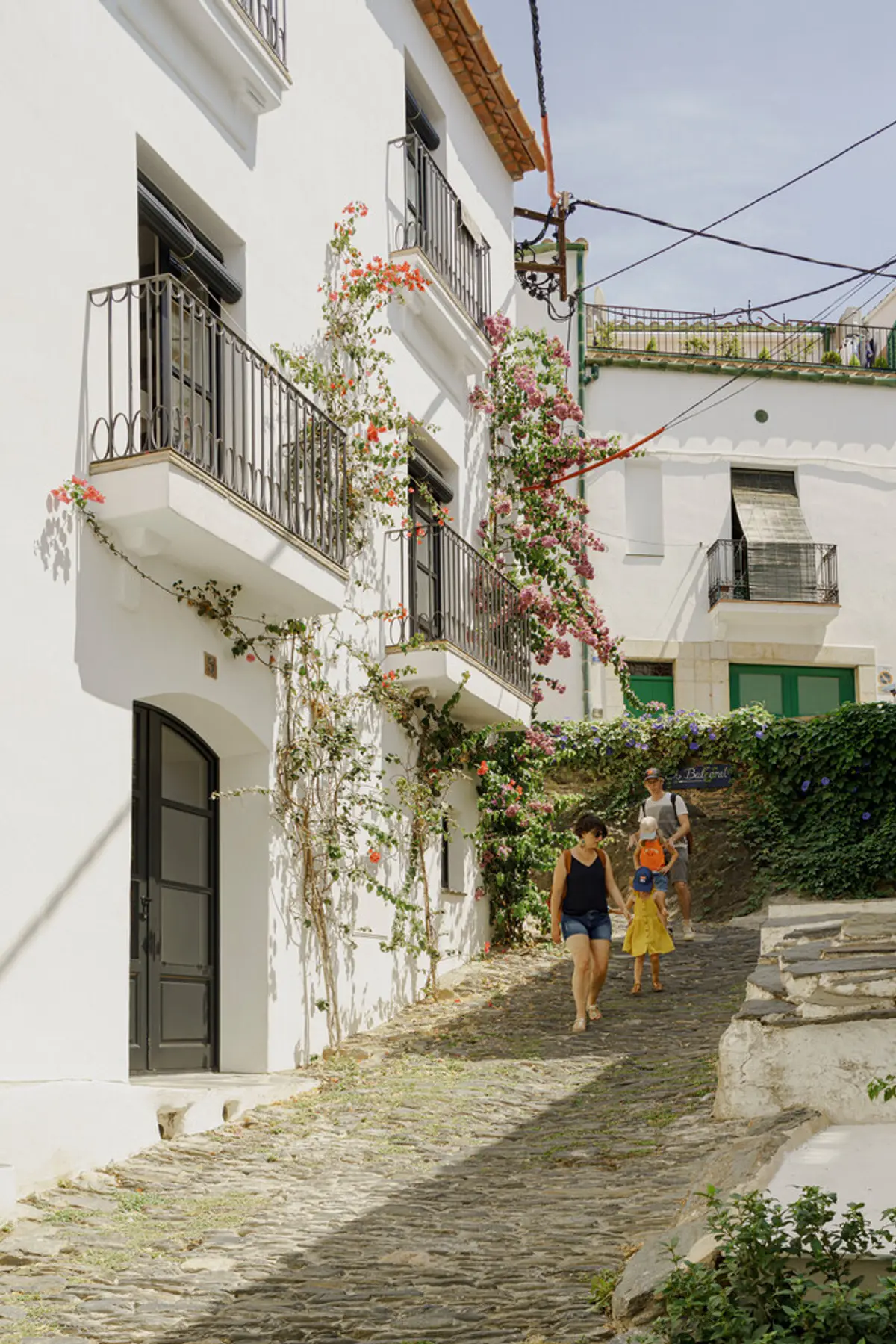
Fisherman’s House in Cadaqués: A Stunning Blend of History and Contemporary Design
Fisherman’s House in Cadaqués blends historic Catalan architecture with modern design, bright interiors, natural materials, and stunning Mediterranean sea views.


Preserving Character Through Careful Restoration
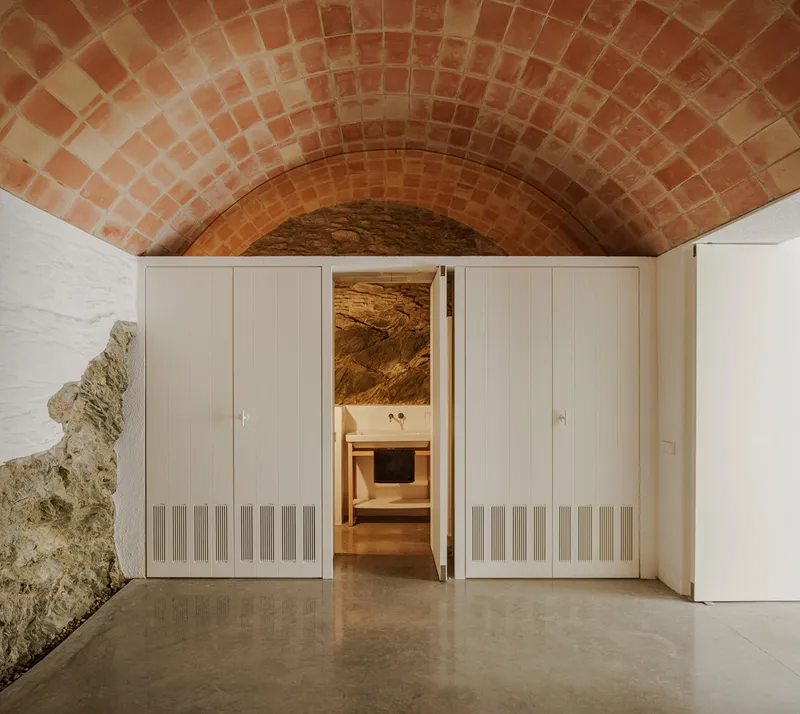
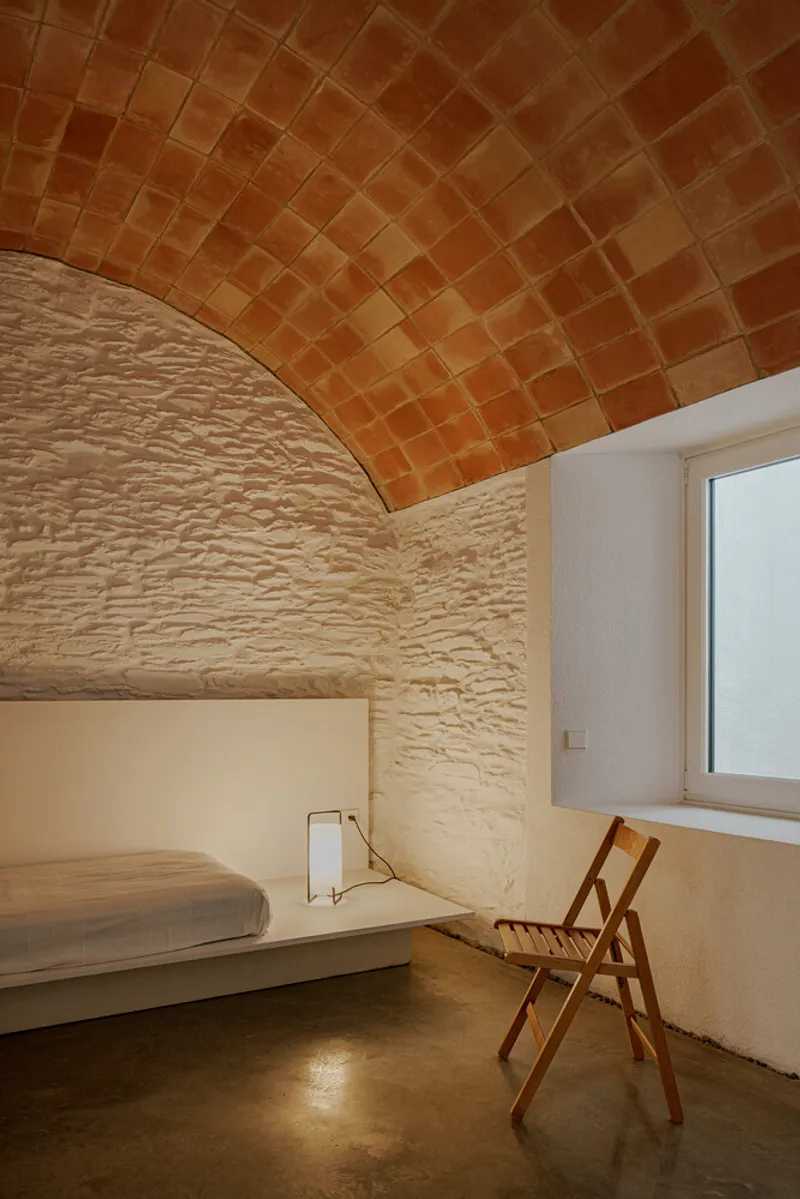
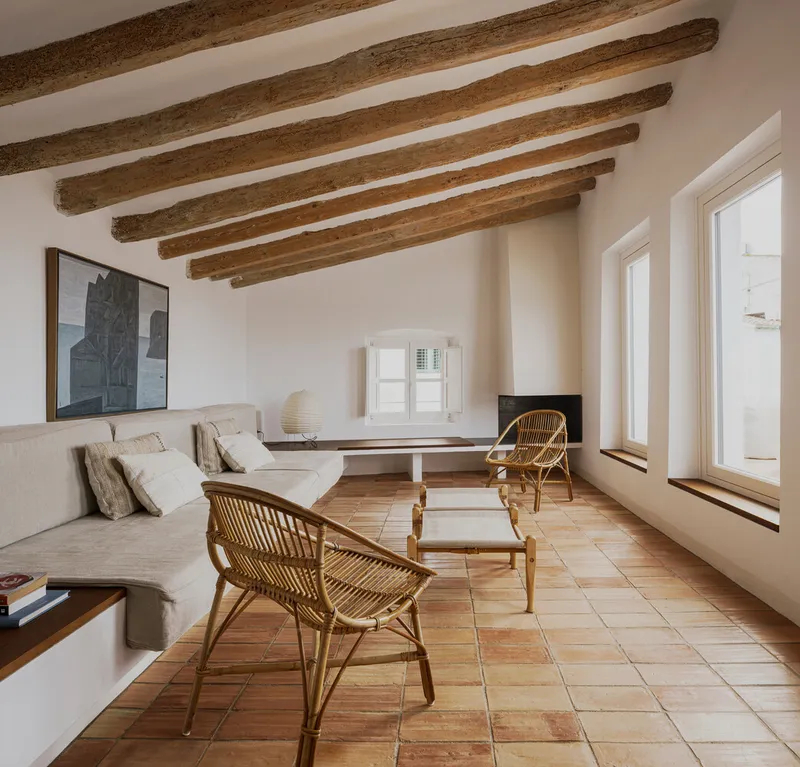
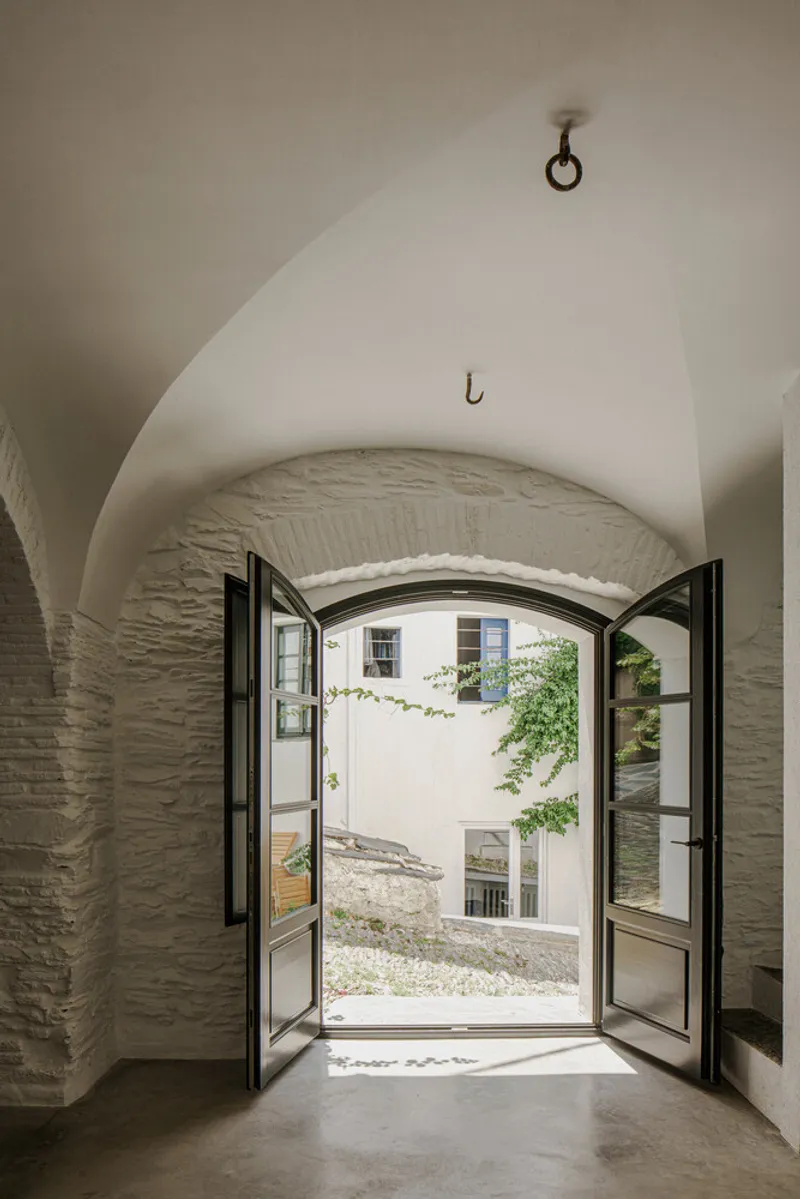
The house’s original structure, constructed with 50-centimeter-thick load-bearing stone walls, remains a strong example of traditional local architecture. Hallmarks such as timber-beamed ceilings on the upper levels and a Catalan vaulted ceiling on the ground floor still define the home’s identity.
Over time, however, age and wear demanded thoughtful intervention. The renovation by architects Bea Portabella and Jordi Pagès sought to honor the home’s historic character while introducing contemporary comfort and functionality. Their work strikes a careful balance between preservation and renewal—respecting the past while gently ushering the building into the present.
A Century of History Preserved
Nestled in the scenic coastal town of Cadaqués, Spain, the Fisherman’s House is a remarkable example of historic preservation fused with modern design. Originally built over a century ago, this home began its life as the residence of a local fisherman, potentially tied to the historic Confraria de Pescadors de Cadaqués. Over the decades, it has served multiple purposes — from a hostel to a Civil Guard barracks on the upper floor — each era leaving its imprint on the building.
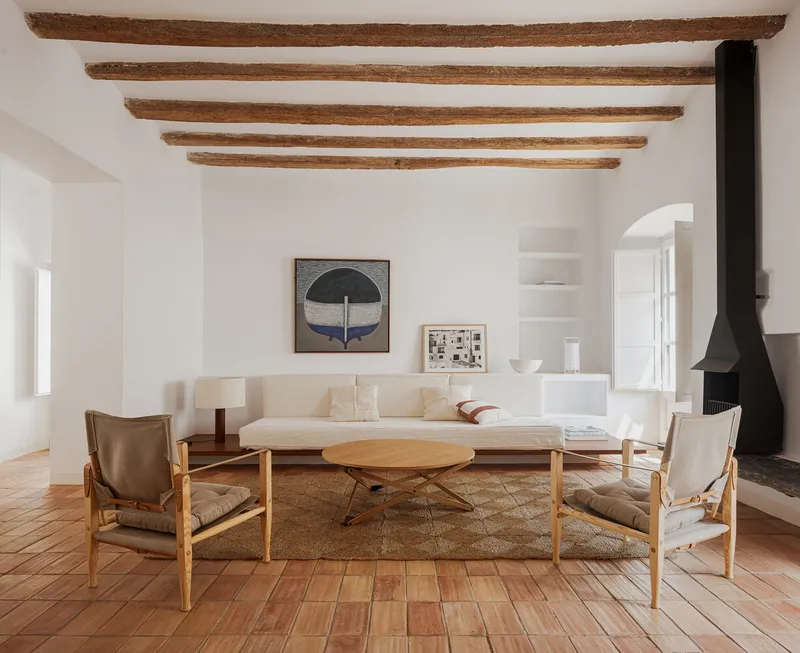
The house’s load-bearing stone walls, measuring 50 cm thick, exemplify traditional Catalan architecture. Original features like wooden beam ceilings on the upper floors and the Catalan vault on the ground floor have been carefully preserved, blending history with contemporary needs.
Thoughtful Renovation: Balancing Preservation and Modernity
The renovation, led by architects Bea Portabella and Jordi Pagès, was a delicate balancing act between structural consolidation and modern functionality. The previously fragmented layout has been reimagined into a bright, airy home that harmonizes with its natural and cultural surroundings.
Four-Level Design for Light and Air
The house is structured over four levels, each thoughtfully designed:
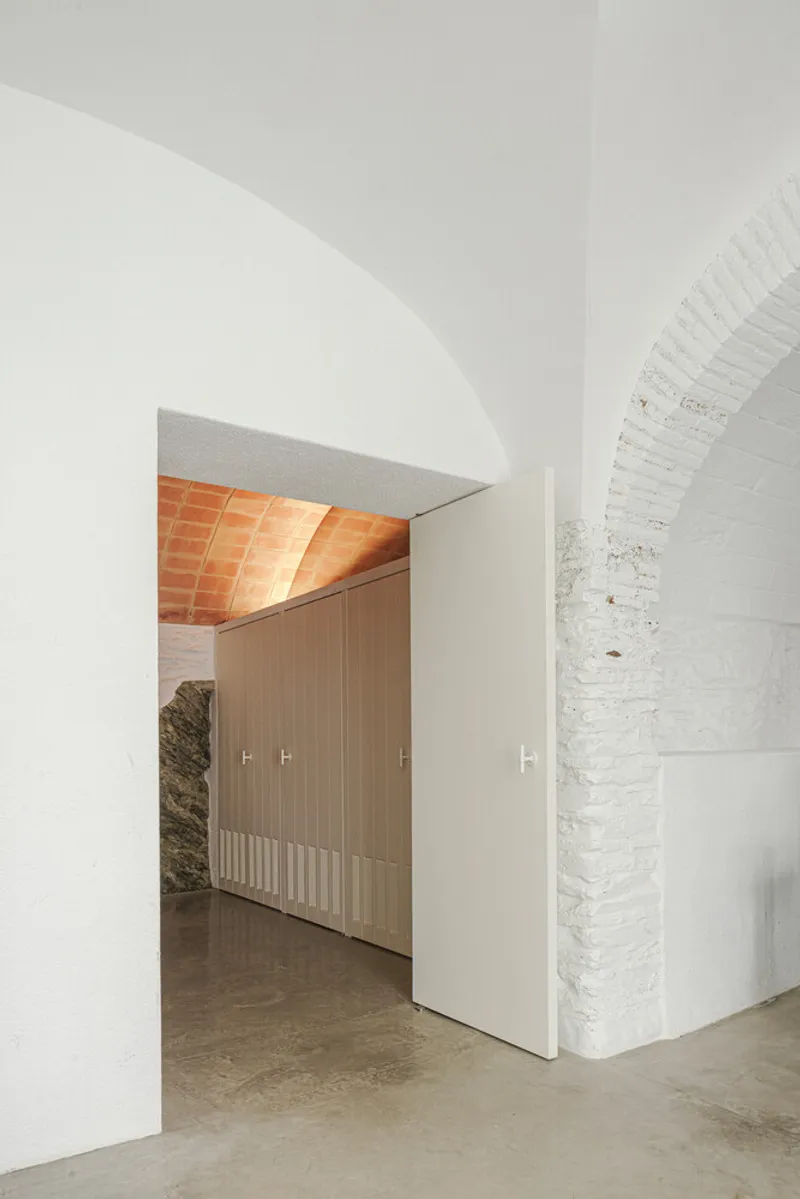
- Ground Floor: Featuring the original vaulted ceiling, this versatile space serves as a play area or storage for nautical equipment. A small patio, introduced during the renovation, allows natural light and ventilation into a room carved from the original rock.
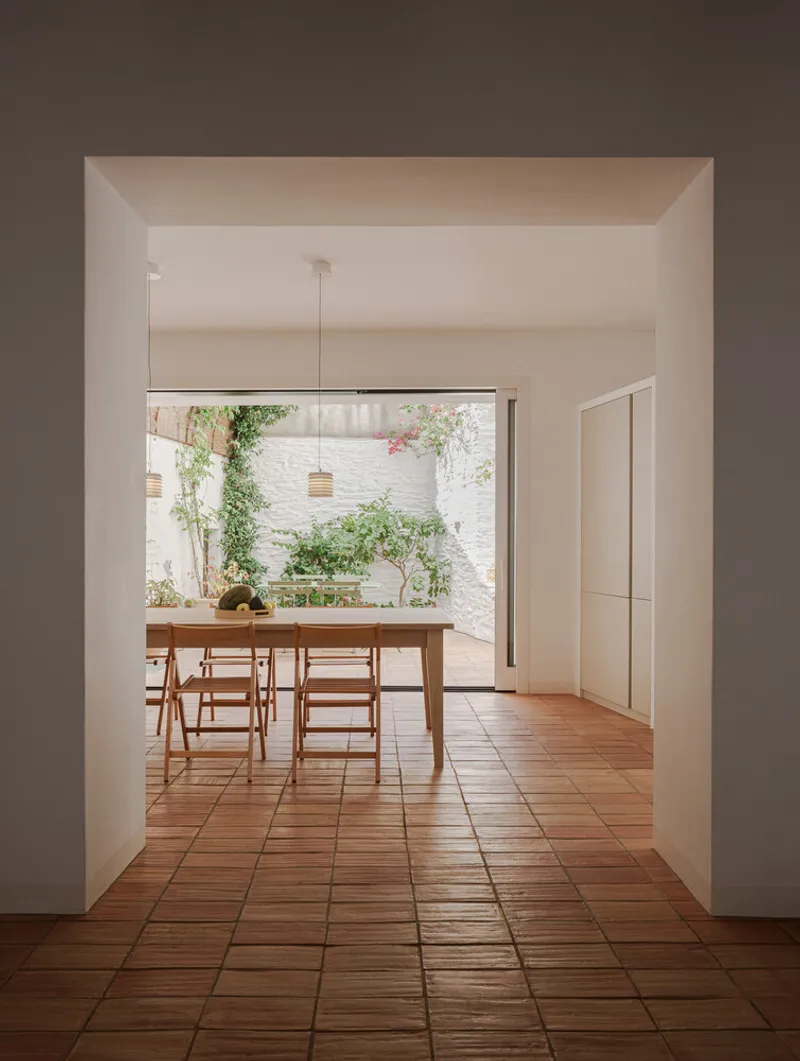
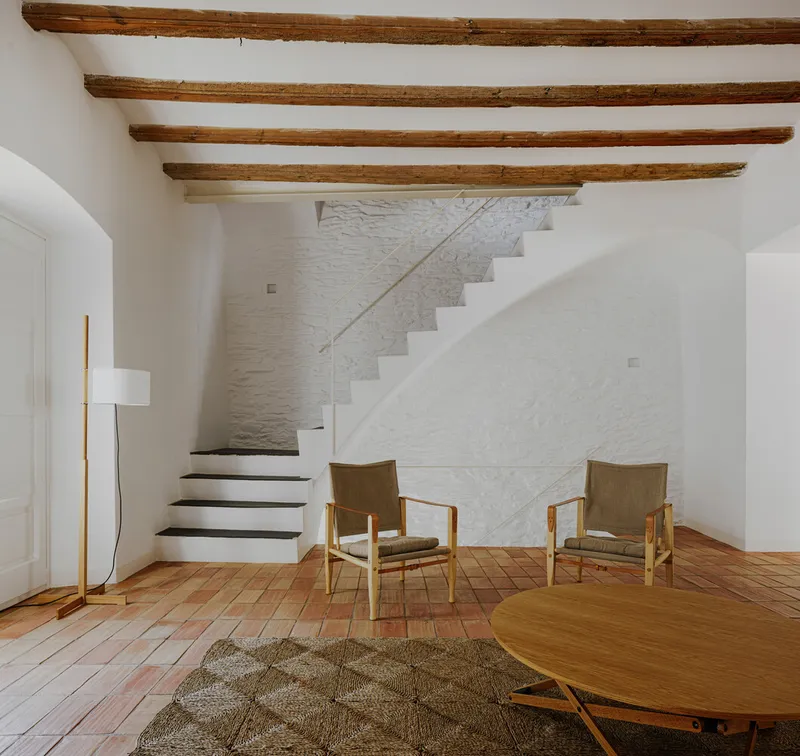
- First Floor: Social spaces including the kitchen, dining room, and living room are situated here. Large openings in load-bearing walls enhance connectivity and allow sunlight to flood the interiors. A direct connection to the patio blurs the boundary between indoors and outdoors, creating a fresh and vibrant atmosphere.
- Second Floor: Bedrooms and bathrooms occupy this level, designed for privacy, comfort, and tranquility.
- Third Floor: A sunny terrace overlooking the Mediterranean Sea crowns the home, providing a serene retreat bathed in natural light.
Materiality: Tradition Meets Contemporary Aesthetic
A key focus of the project was integrating vernacular materials with a modern design sensibility. Original ceramic tiles were restored to honor the home’s heritage, while white lime-plastered walls maintain breathability, essential for the humid climate of the Ampurdán coast.
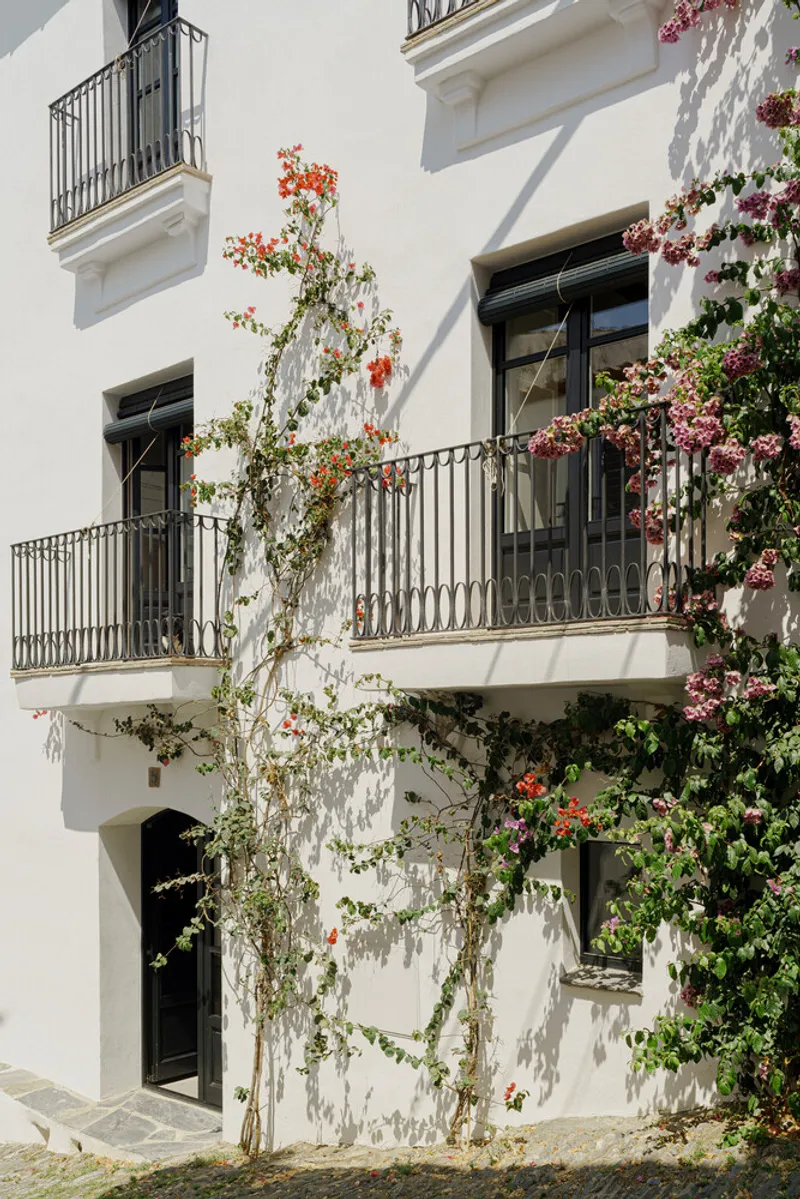
Iroko wood, known for its durability and warmth, features prominently in custom carpentry and furniture, creating a striking contrast with the white walls. The combination of traditional and contemporary materials imbues the home with character, warmth, and timeless elegance.
A Home That Tells a Story
The Fisherman’s House in Cadaqués is more than a renovation project — it is a celebration of history, culture, and architecture. By preserving traditional elements while introducing modern functionality and comfort, Bea Portabella and Jordi Pagès have created a home that honors its past while embracing the present.
All photographs are works of David Zarzoso


Popular Articles
Popular articles from the community


Conexión: Biophilic Design Reimagines High-Rise Living in Hong Kong
Conexión reimagines high-rise living in Hong Kong through biophilic design, green facades, shared spaces, daylight, water and nature within.

Co-life: Sustainable Architecture for Age-Friendly Community Living
Co-life reimagines sustainable architecture for seniors through courtyards, rammed earth, shared gardens, and spaces designed for belonging.

ALGAL REALM: A Bio-Integrated Lunar Habitat Design for Life Beyond Earth
ALGAL REALM reimagines lunar habitat design with algae-powered life support, 3D-printed regolith, and vertical living for a lunar future.

Co-Life: Senior Housing Design That Reconnects Older Adults With the City
Co-Life reimagines senior housing design through healing gardens, shared streets, workshops, and a sustainable community across generations.

Similar Reads
You might also enjoy these articles


Hodi-Mandai Geram
Project Function: Preservation and revitalization of the Intangible heritage and socio-spatial identity of the Hodi by Housing, Cultural Memory Center, Sacred Grove, landscape, local tourism economy


Olio Towers: A Mid-Rise for Performers That Fuses Housing, Rehearsal, and Stage
Located blocks from Houston's Theater District, this modular tower stacks living units around a central performance atrium.

Oasis: Modular Green Housing Carved into Dhaka's Urban Fabric
A shortlisted Plugin Housing entry reclaims unauthorized settlements in Dhaka with stepped concrete volumes, green roofs, and ventilation-driven design.

Black Hole: A Floating Megastructure for the Post-Physical Era
Emiliano Mazzarotto envisions a spherical, self-scaling arena where e-sports, digital hotels, and holographic stadiums replace traditional public space.

Explore Historic Preservation Competitions
Discover active competitions in this discipline

Challenge to reimagine the Iron Throne

Photograph architecture without architects

Illustrate the lost glory of Angkor Wat - Render Challenge

Design challenge to reuse E-waste
Comments (0)
Please login or sign up to add comments
No comments yet. Be the first to comment!