
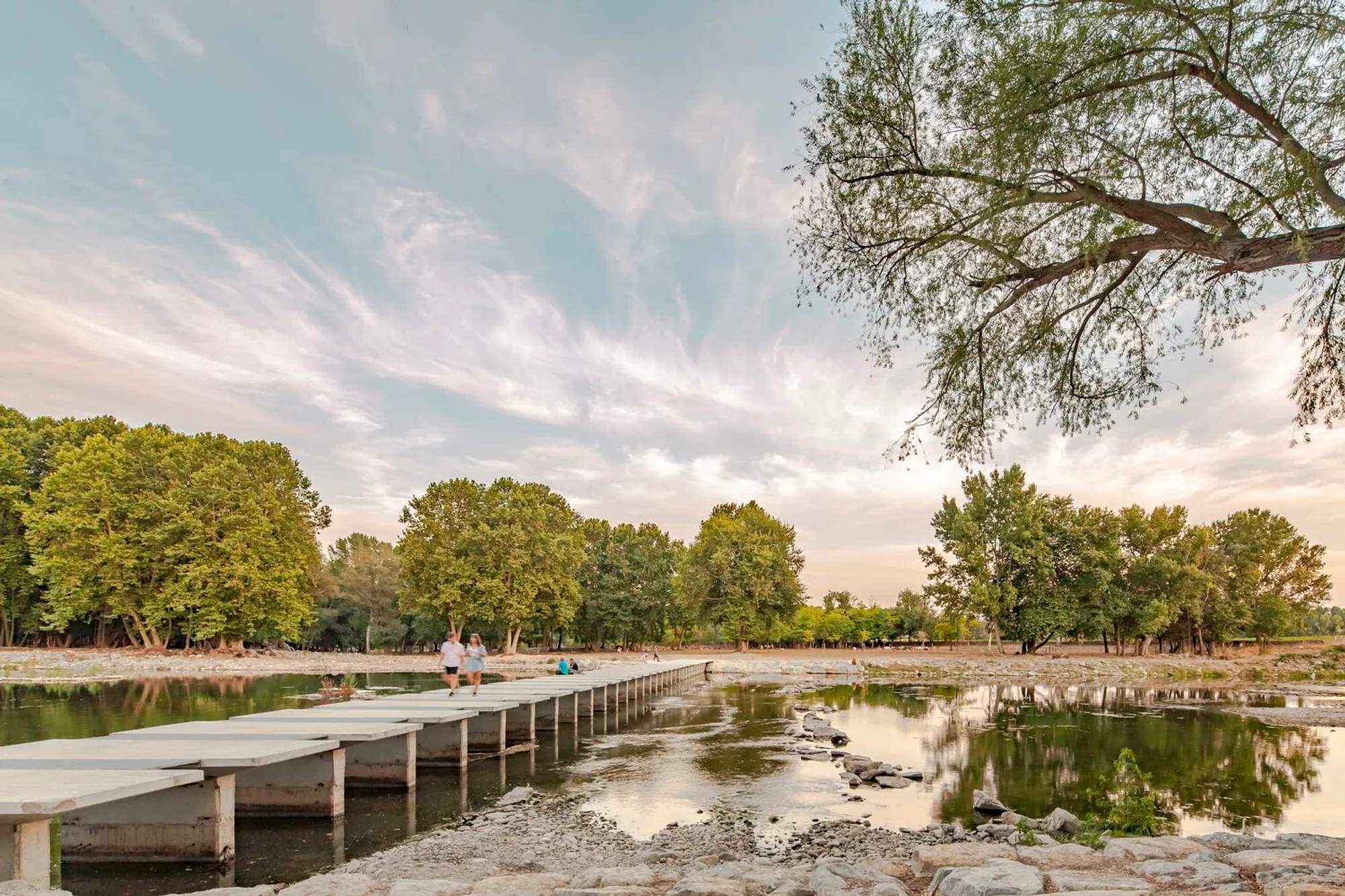
Floodable Bridge Ter in Manlleu River: A Seamless Fusion of Urban Design and Ecology
Floodable pedestrian bridge in Manlleu enhances river connectivity, promotes ecological awareness, and transforms urban-river interaction through sustainable architecture.


Bridging Nature and Community: A New Urban Landmark in Manlleu
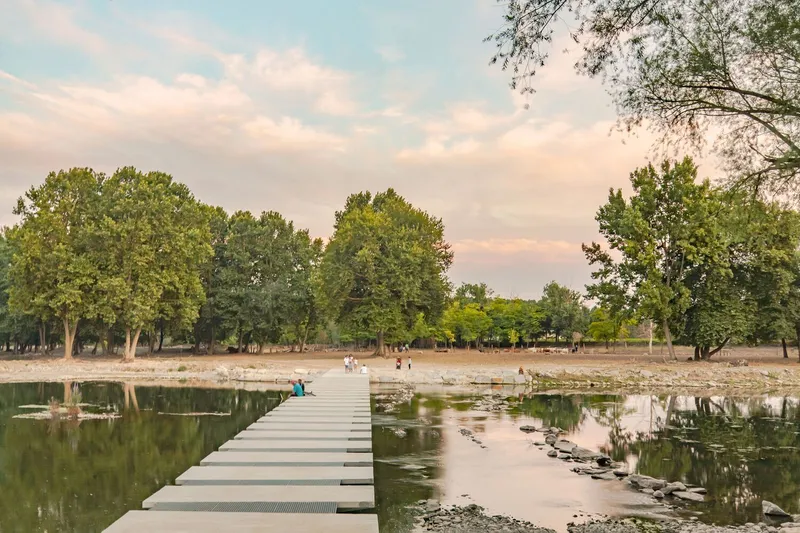
The Floodable Bridge Ter in Manlleu, designed by Sau Taller d’Arquitectura, is more than a bridge—it's a multifunctional connector of people, place, and environment. Located on the Ter River, this innovative pedestrian walkway embodies a visionary approach to urban planning, landscape architecture, and sustainable design.
Designed with minimal environmental impact, the project reclaims and transforms the riverbanks into a vibrant, cultural, and recreational corridor. By encouraging interaction with the natural landscape, it enhances both urban life and environmental awareness.
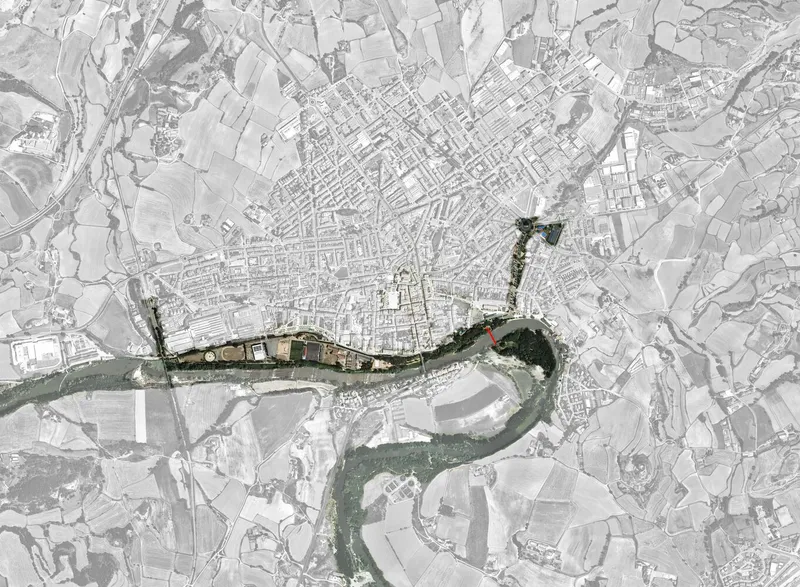
Strategic Urban Integration
The project is anchored on three main strategies:
- Territorial Logic – Enhancing the ecological and scenic value of the riverbeds.
- Urban Strategy – Strengthening the green, cultural-recreational axis along the river.
- Technical Design – A minimalist, floodable structure that respects the river's flow.
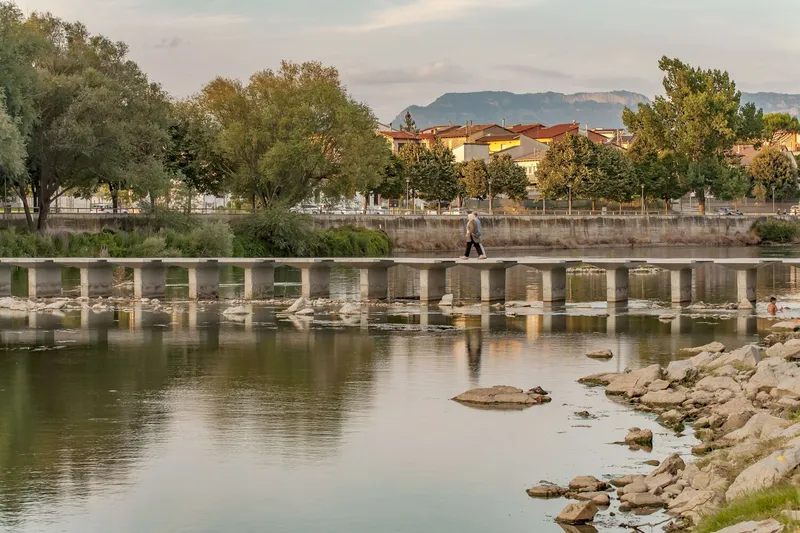
The Ter river has historically shaped Manlleu's agricultural and industrial life. Yet, over time, the city turned its back on this vital resource. This project seeks to reverse that narrative by reconnecting the community with its river through accessible infrastructure and ecological awareness.
Environmental Design and Low Impact Construction
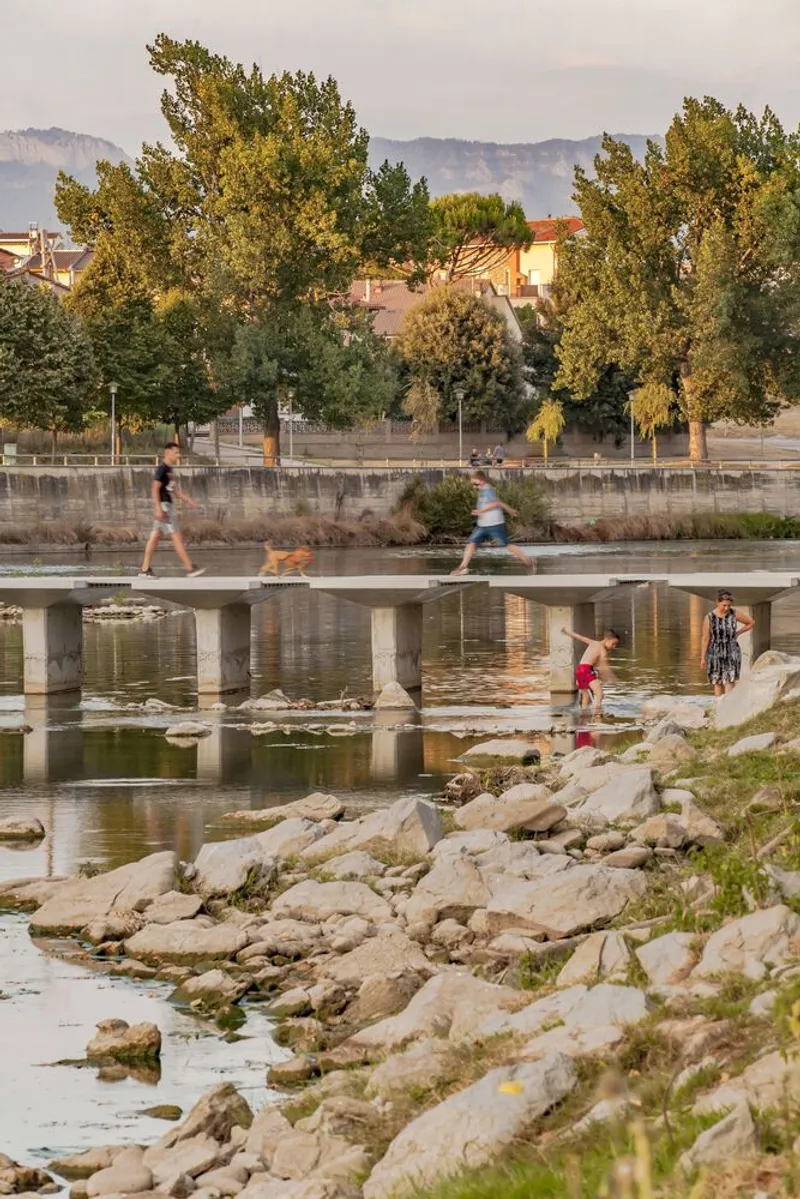
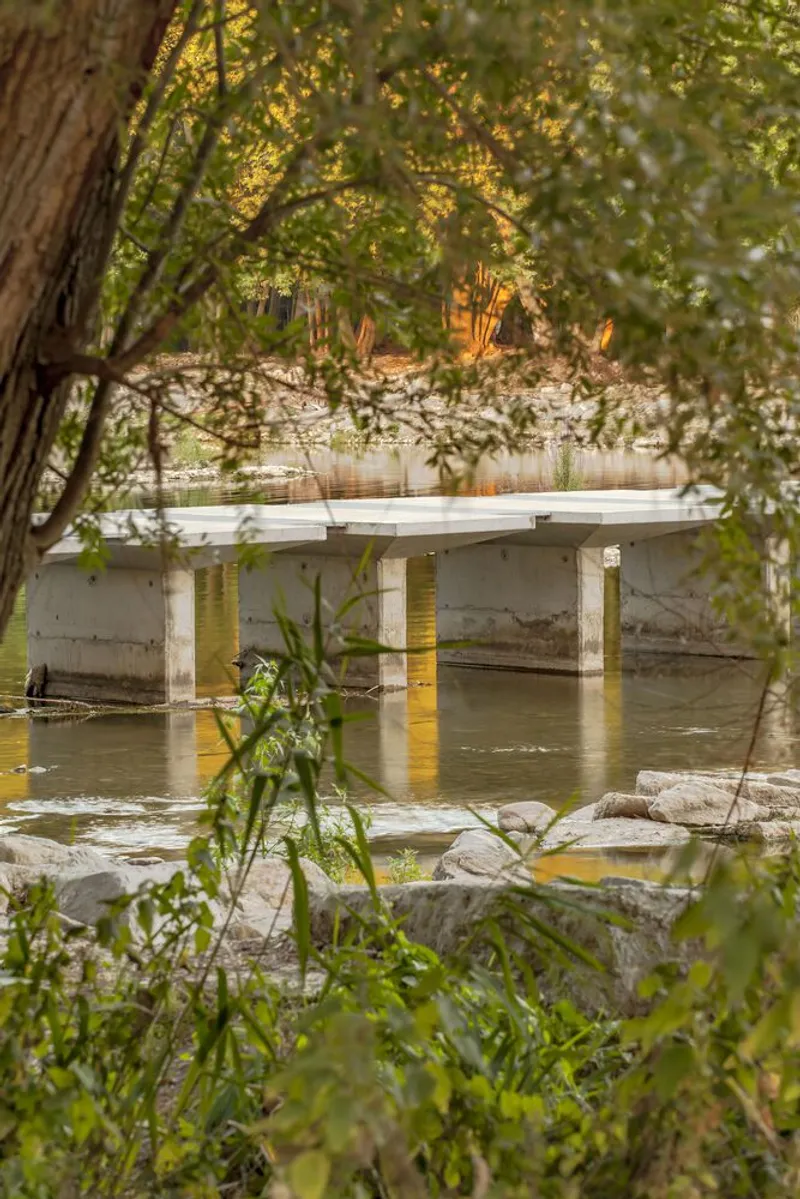
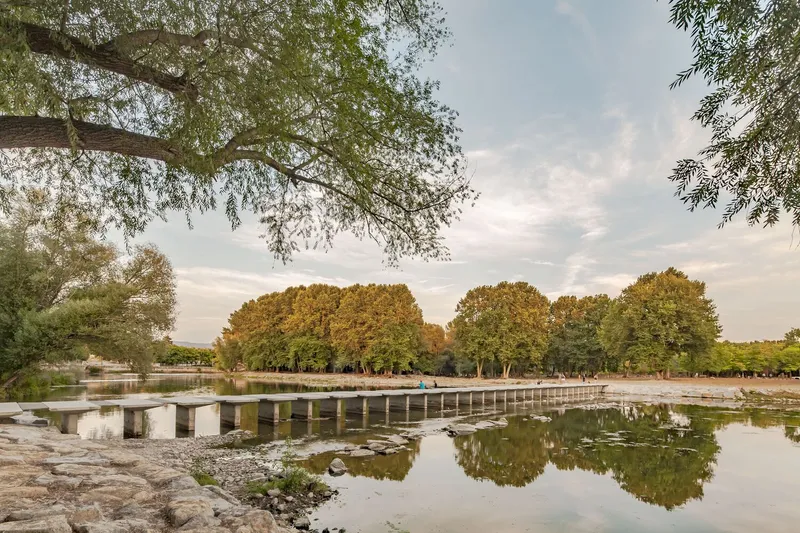
The bridge is a contemporary interpretation of the traditional "passallis"—a series of floodable stepping platforms that allow people to cross the riverbed even during high-water periods.
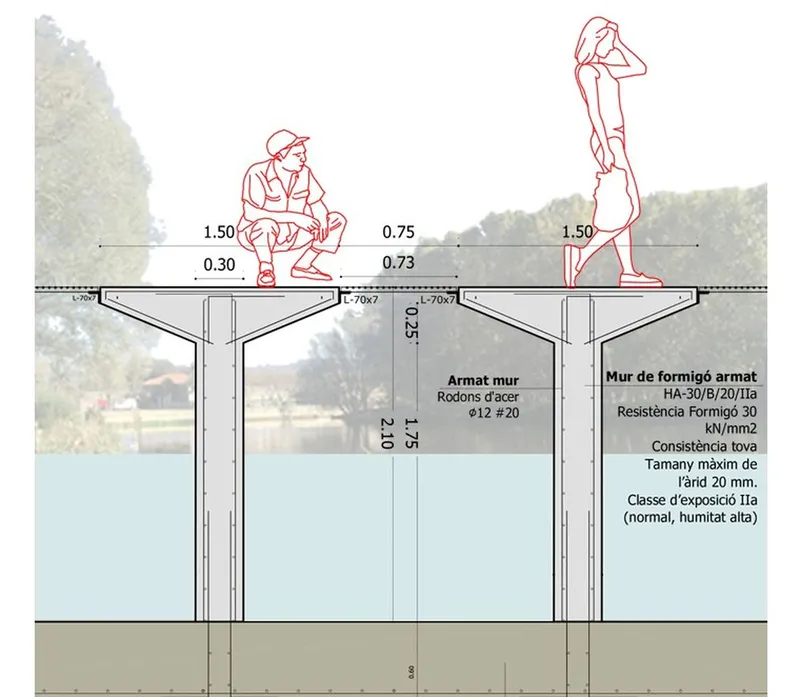
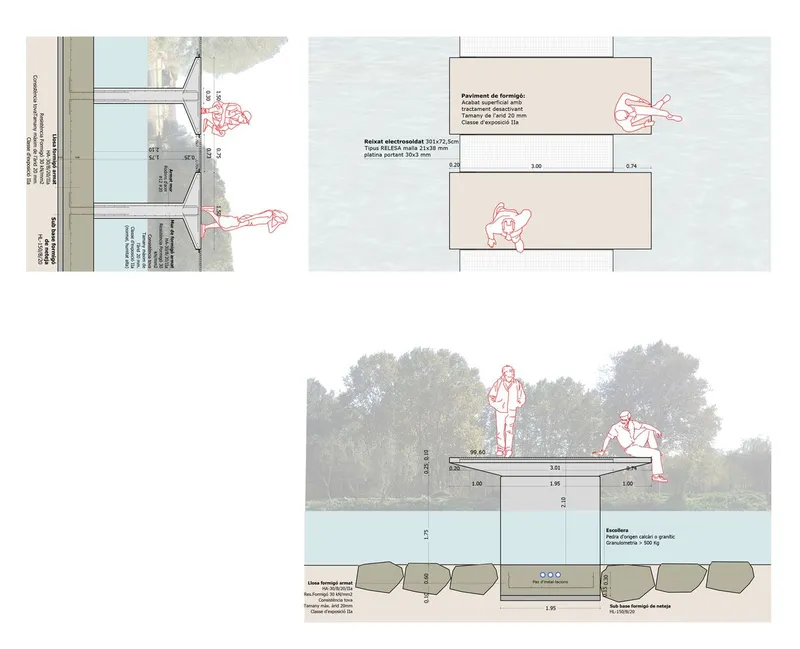
Crafted from 25cm thick concrete walls, set perpendicularly to the river flow, and spaced 2.25 meters apart, the design ensures optimal hydraulic performance. Floating above are 1.5m x 3.95m cantilevered platforms, elevated and spaced to allow floodwaters to pass freely beneath.
Steel rails provide accessibility and support maintenance, being both functional and removable. This open structure, free of continuous surfaces, enhances water flow while offering a unique, immersive experience for pedestrians.
A Sensory Journey Through the River Ecosystem
Walking across the floodable pedestrian bridge is intentionally designed to draw people into the river's natural rhythm. As users leave the safety of structured urban spaces, they experience subtle environmental cues—rushing water, moist air, and temperature shifts—creating a sensory connection with the river's ecosystem.
This immersive journey encourages a deeper appreciation of biodiversity, climate dynamics, and the evolving nature of urban-natural interactions.
A Living Structure: Adapting and Evolving Over Time
Like the riverbanks it connects, the bridge is designed to change. Over time, water levels will stain the concrete, flood debris may leave marks on the structure, and metal elements will weather under the sun. These changes are not damage—they are architectural storytelling, showing the interaction between the built environment and natural forces.
Ultimately, the Floodable Bridge becomes a living ecotone—a threshold between urban and natural worlds that adapts with the seasons and the river.
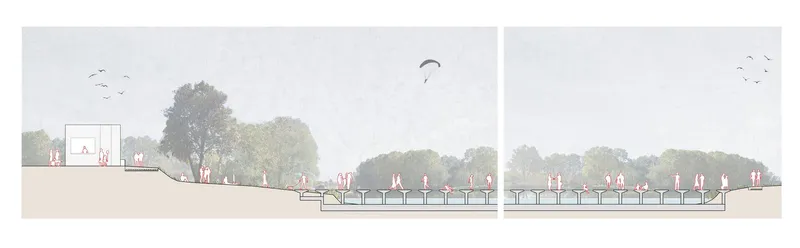
Unlocking Community Potential
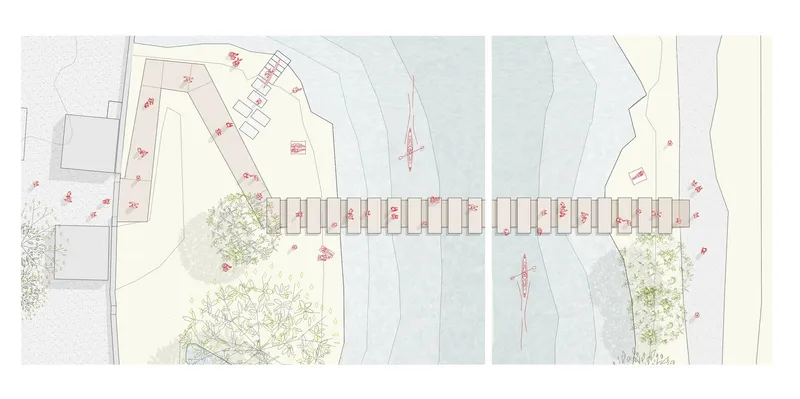
The bridge unlocks 30,000 square meters of previously unused floodplain on the river's opposite bank, turning it into a flexible public space for:
- Recreation (running, cycling, kayaking)
- Cultural and educational programs (outdoor classrooms, museum extensions)
- Nature-based tourism
- Environmental awareness initiatives
This project supports resilient cities by enhancing public space, encouraging active lifestyles, and restoring ecological integrity within an urban framework.
The Floodable Bridge Ter in Manlleu is an exemplary model of eco-urban design. With its sensitive integration into the river landscape and focus on resilience, adaptability, and community connection, the bridge serves as both a passage and a place—where people reconnect with nature, culture, and each other.




Popular Articles
Popular articles from the community


The Earth Pod: 3D Printed Homes for Resilient Refugee Communities
The Earth Pod reimagines refugee housing through 3D printed homes made from clay, combining resilience, self-sufficiency, and rapid shelter.

The Ocean Hive: Sustainable Architecture for a Self-Sufficient Civilization at Sea
The Ocean Hive imagines sustainable architecture at sea, where modular habitats, algae, wave power and ocean waste sustain a growing colony.

Co-life: Sustainable Architecture for Age-Friendly Community Living
Co-life reimagines sustainable architecture for seniors through courtyards, rammed earth, shared gardens, and spaces designed for belonging.

Co-Life: Senior Housing Design That Reconnects Older Adults With the City
Co-Life reimagines senior housing design through healing gardens, shared streets, workshops, and a sustainable community across generations.

Similar Reads
You might also enjoy these articles


Hodi-Mandai Geram
Project Function: Preservation and revitalization of the Intangible heritage and socio-spatial identity of the Hodi by Housing, Cultural Memory Center, Sacred Grove, landscape, local tourism economy


Olio Towers: A Mid-Rise for Performers That Fuses Housing, Rehearsal, and Stage
Located blocks from Houston's Theater District, this modular tower stacks living units around a central performance atrium.

Oasis: Modular Green Housing Carved into Dhaka's Urban Fabric
A shortlisted Plugin Housing entry reclaims unauthorized settlements in Dhaka with stepped concrete volumes, green roofs, and ventilation-driven design.

Black Hole: A Floating Megastructure for the Post-Physical Era
Emiliano Mazzarotto envisions a spherical, self-scaling arena where e-sports, digital hotels, and holographic stadiums replace traditional public space.


Explore Foot Bridge Competitions
Discover active competitions in this discipline



Challenge to reimagine the Iron Throne


Photograph architecture without architects


Illustrate the lost glory of Angkor Wat - Render Challenge


Design challenge to reuse E-waste
Comments (0)
Please login or sign up to add comments
No comments yet. Be the first to comment!