
Flovik House by Fabian Tan Architect: A Modern Split-Level House Design in Kuala Lumpur
This article explores Flovik House by Fabian Tan Architect, a modern split-level house design blending heritage structure with innovative spatial layering.


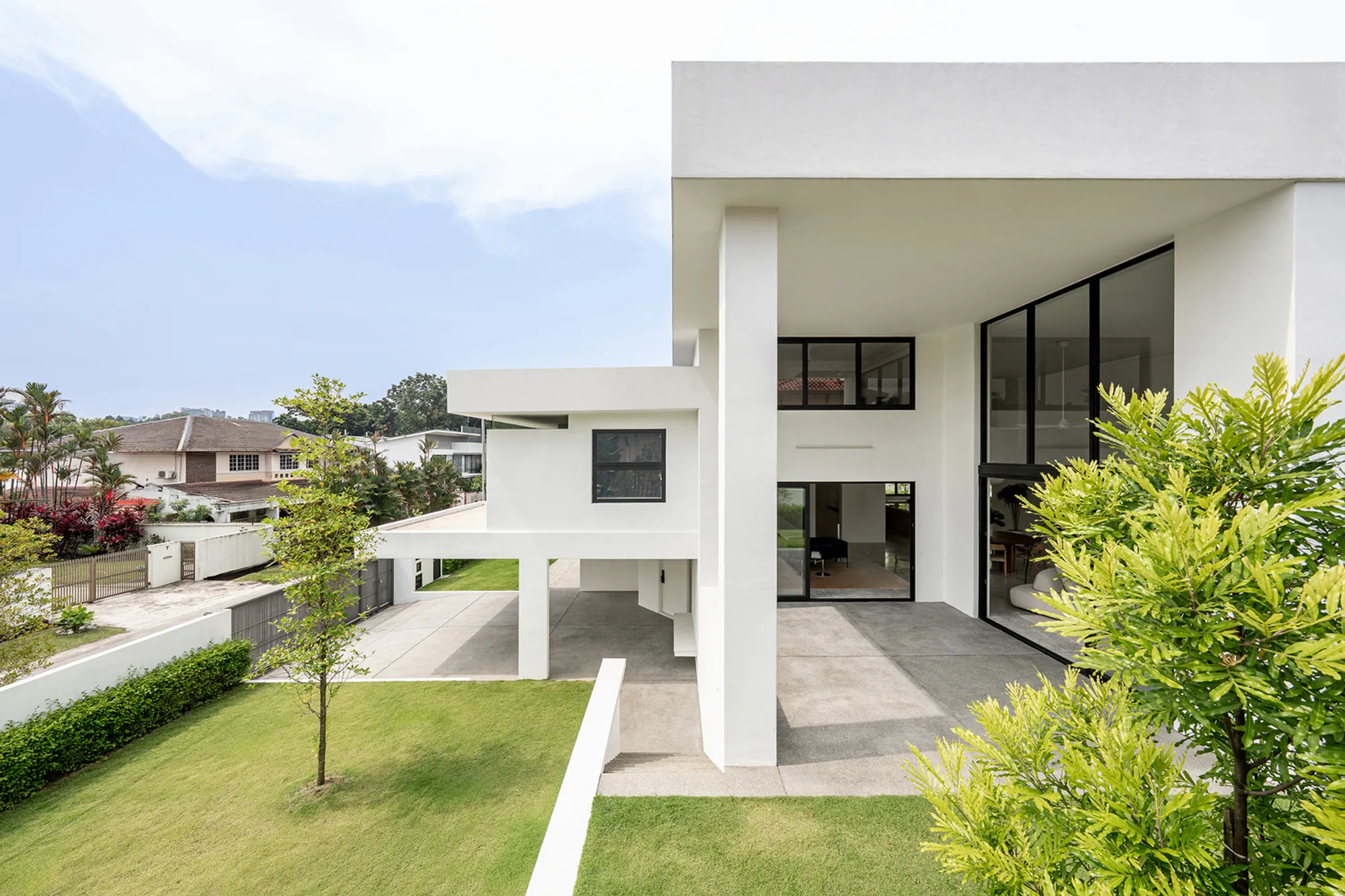
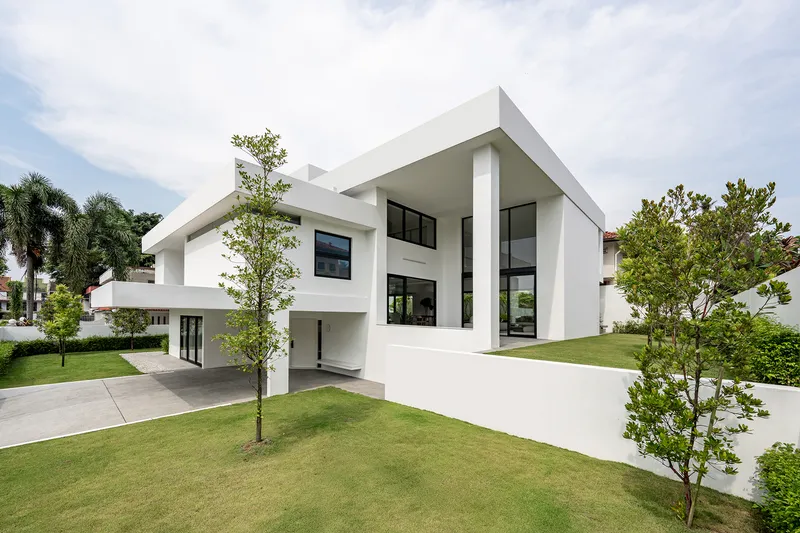
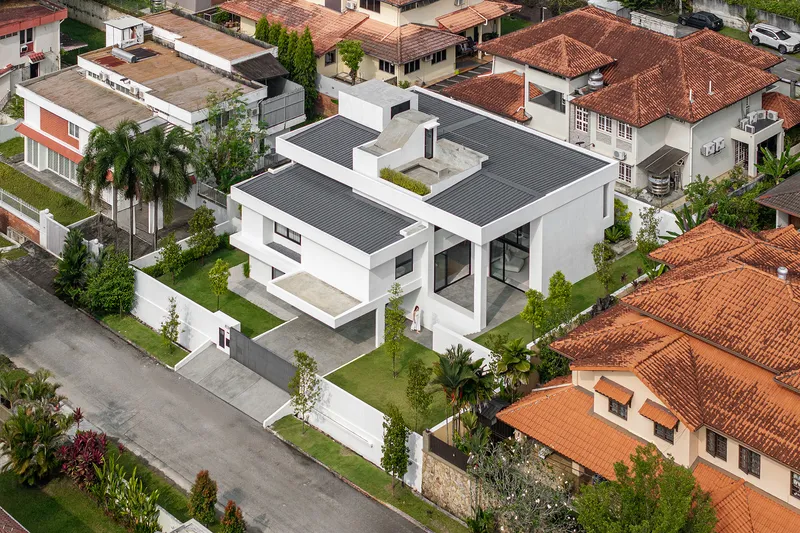
Flovik House by Fabian Tan Architect is a striking example of modern split-level house design that seamlessly transforms an existing bungalow in Kuala Lumpur into a contemporary dwelling rich in spatial layering, light play, and indoor-outdoor connection. This 4,000 square foot home is situated on a 6,800 square foot hillside plot and preserves the original split-level foundation, integrating it with innovative architectural interventions that enrich the spatial experience.


A Sensitive Transformation of Split Levels
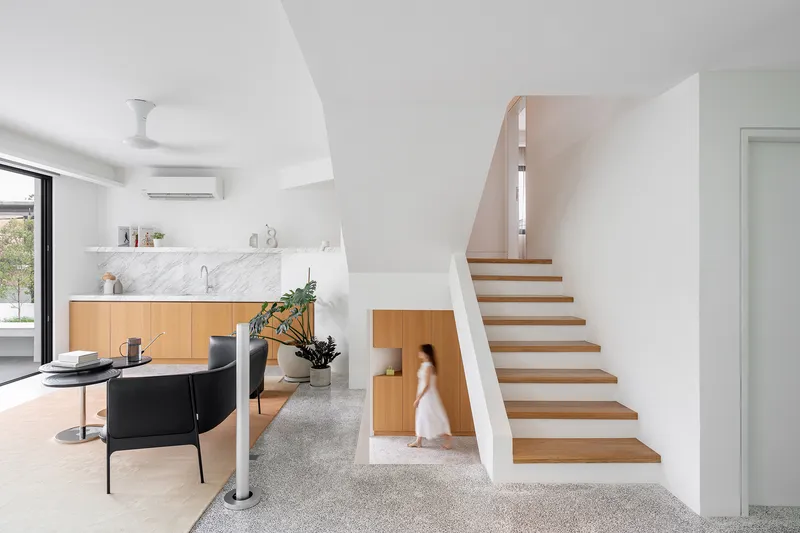
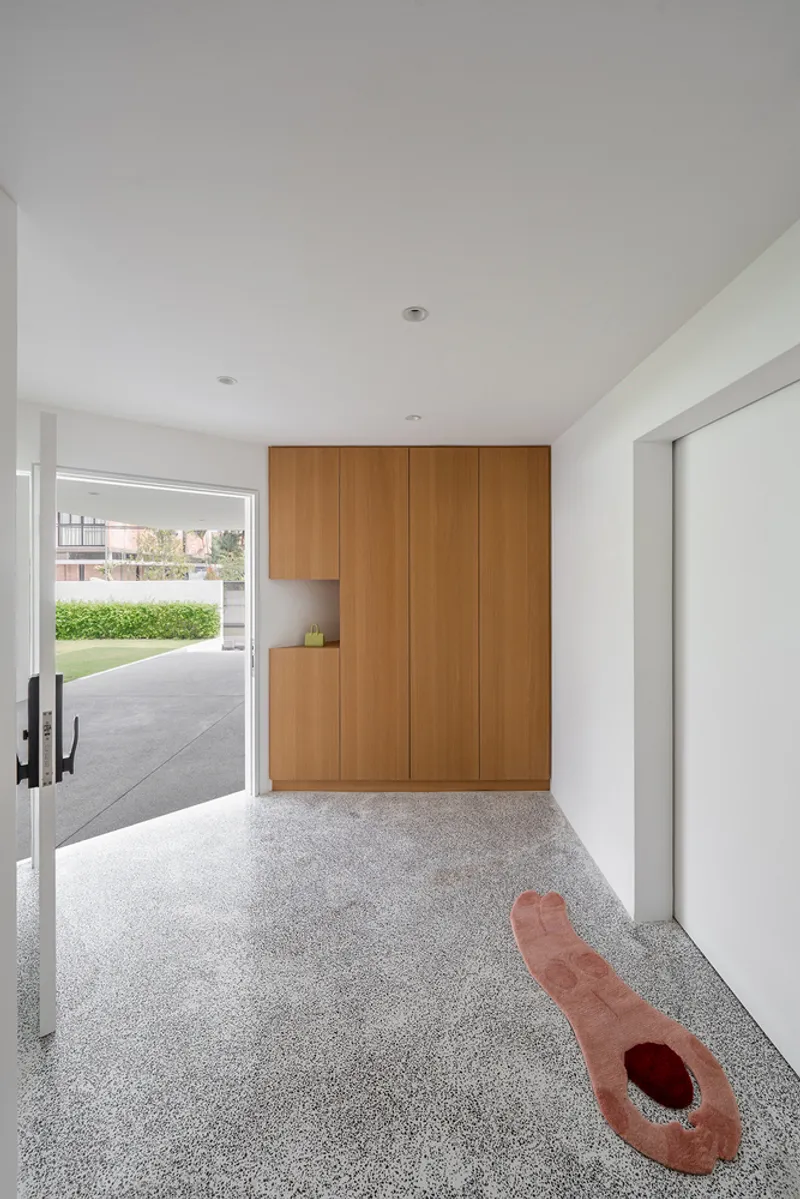
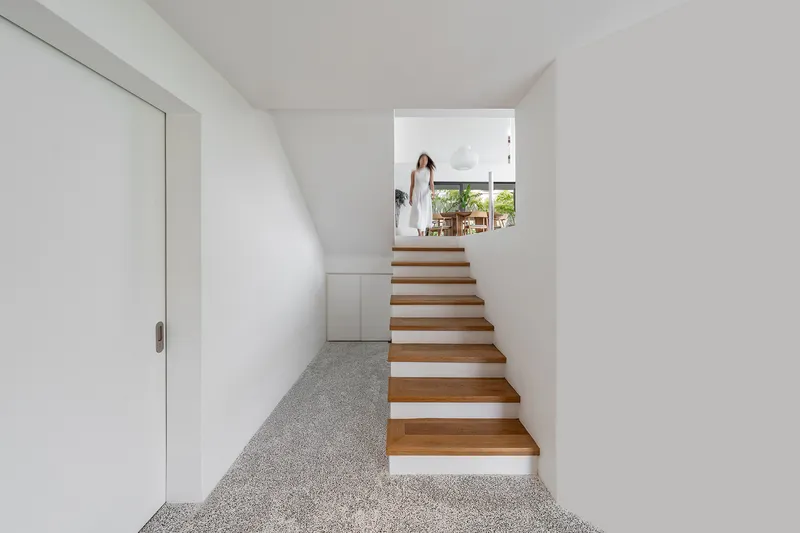
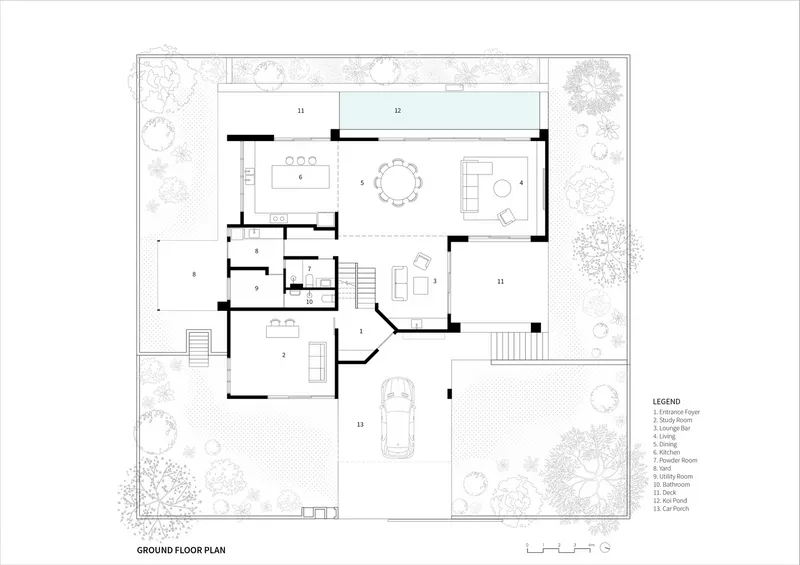
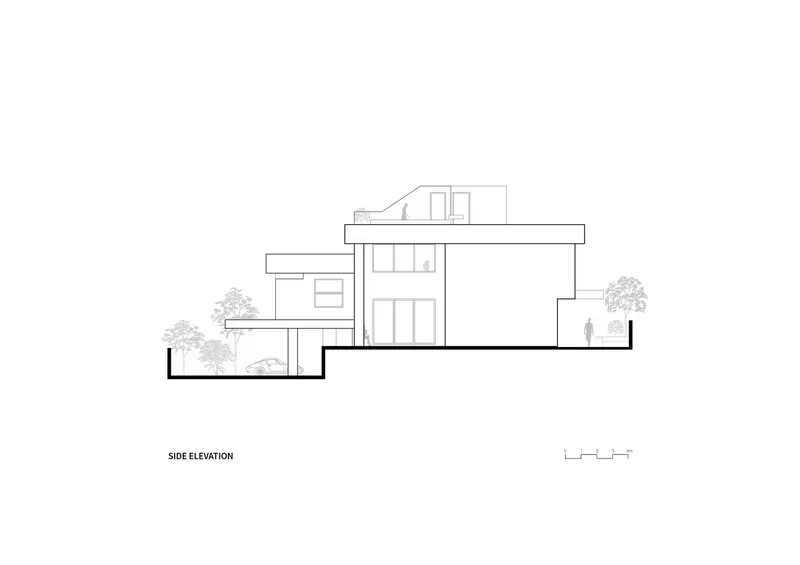
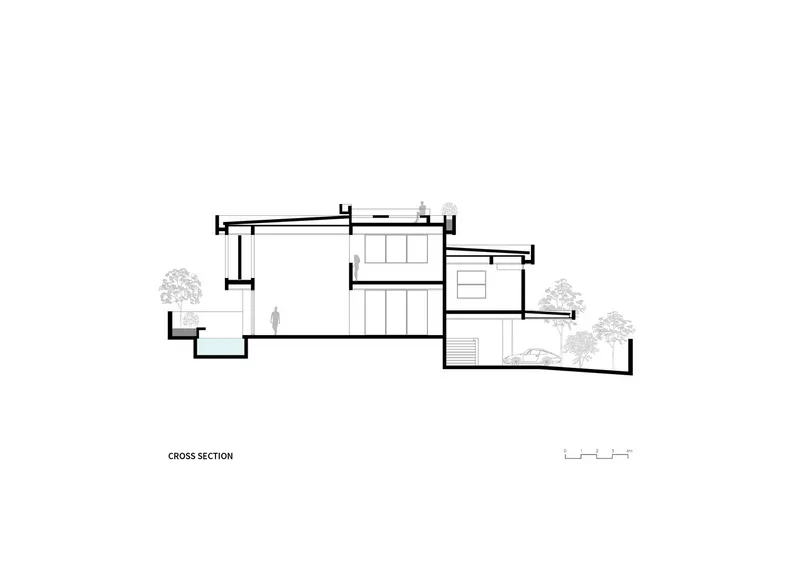
The design retains the original 1.5-meter split-level difference of the existing structure, allowing for a nuanced division of spaces while maintaining continuity throughout the house. Upon entry, the former lower ground living area is now reimagined as a private, enclosed study, providing a calm buffer before ascending into the heart of the home.
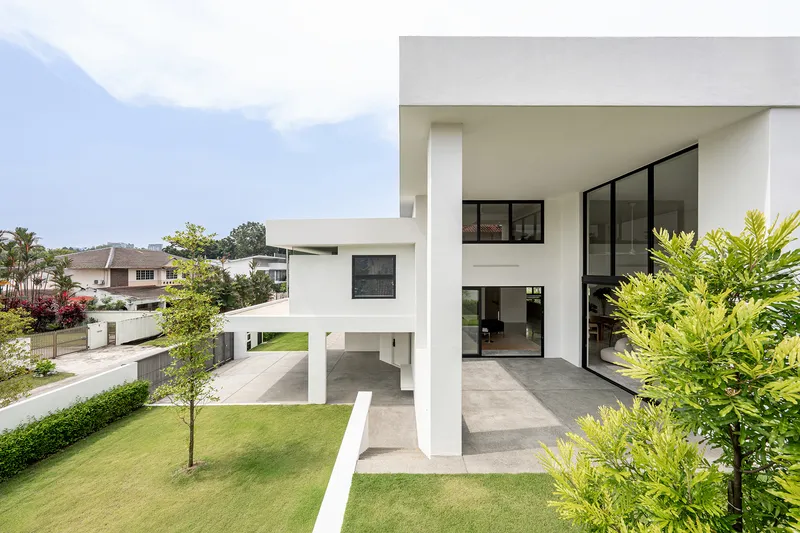
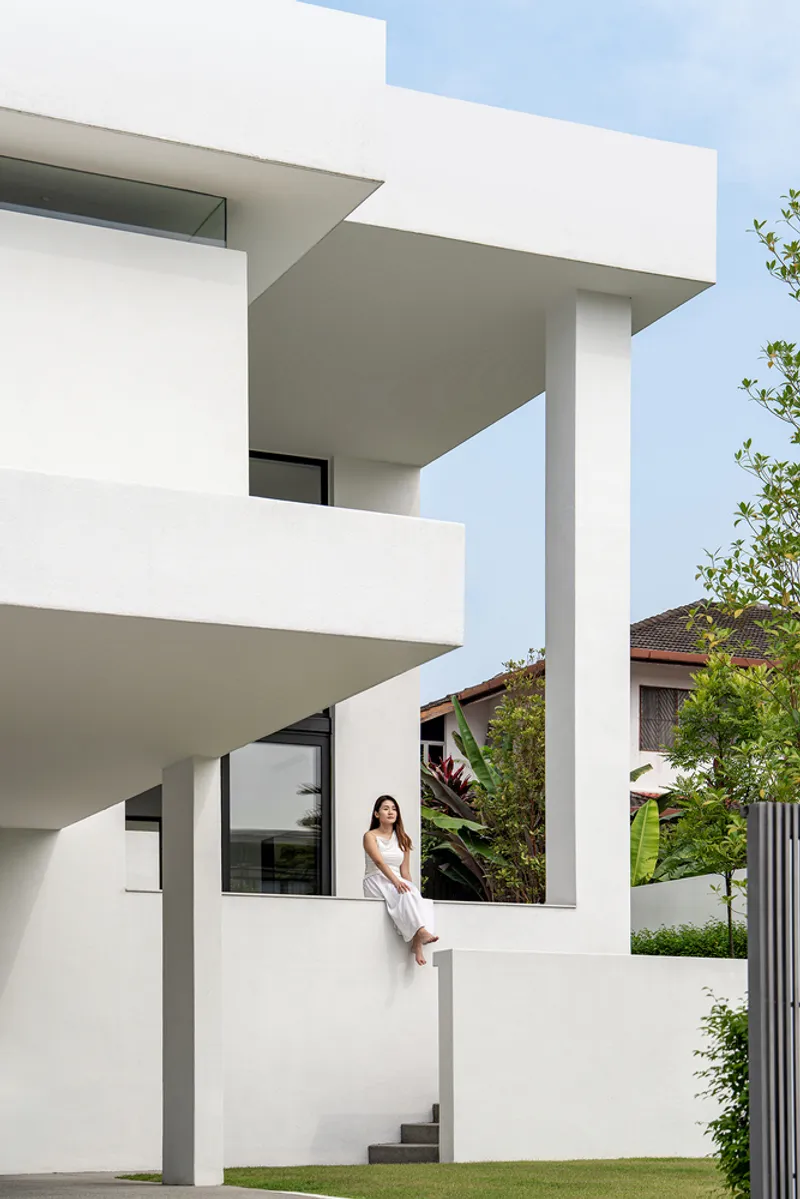
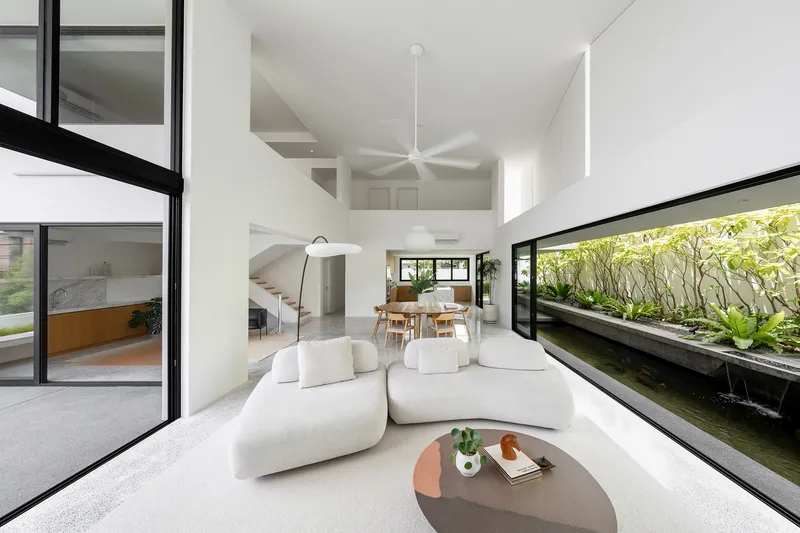
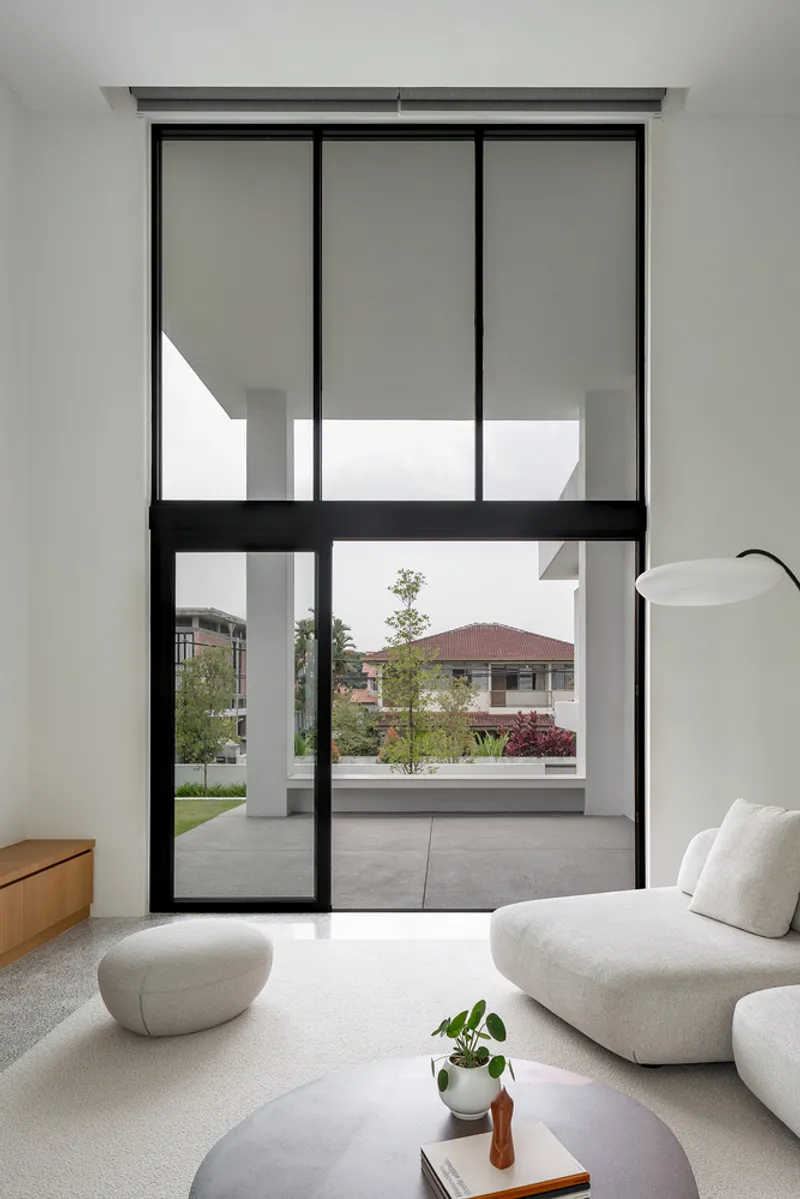
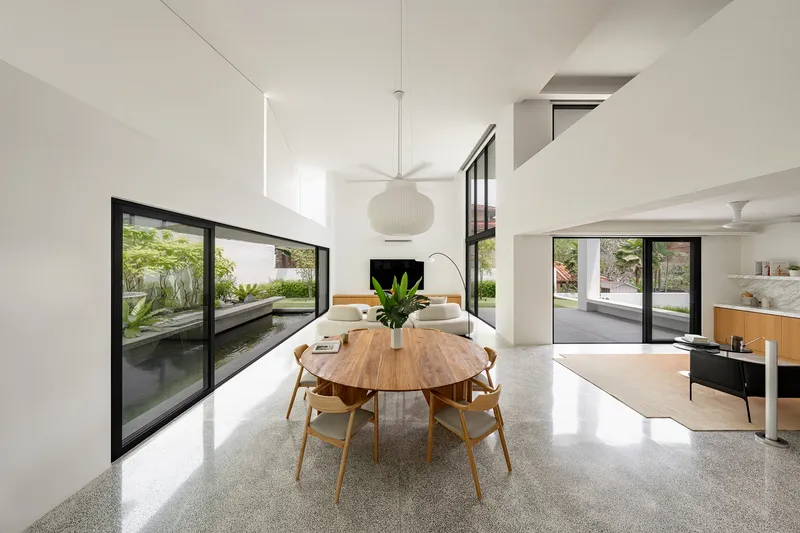
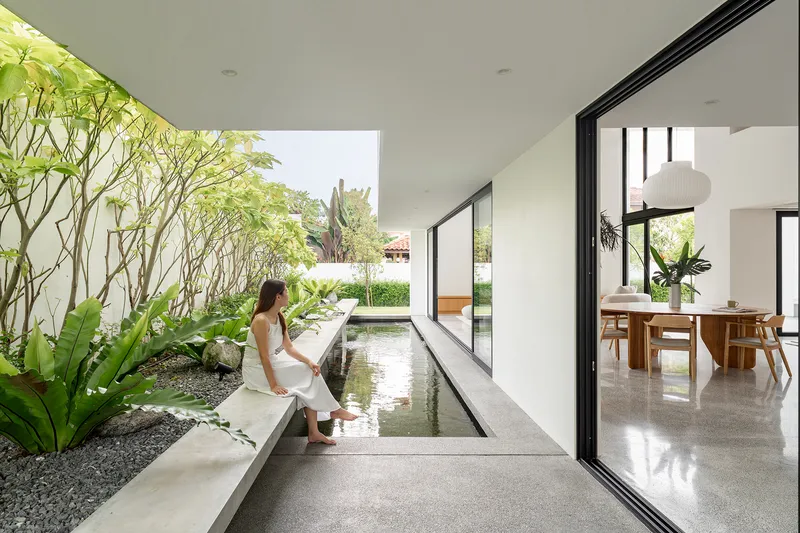
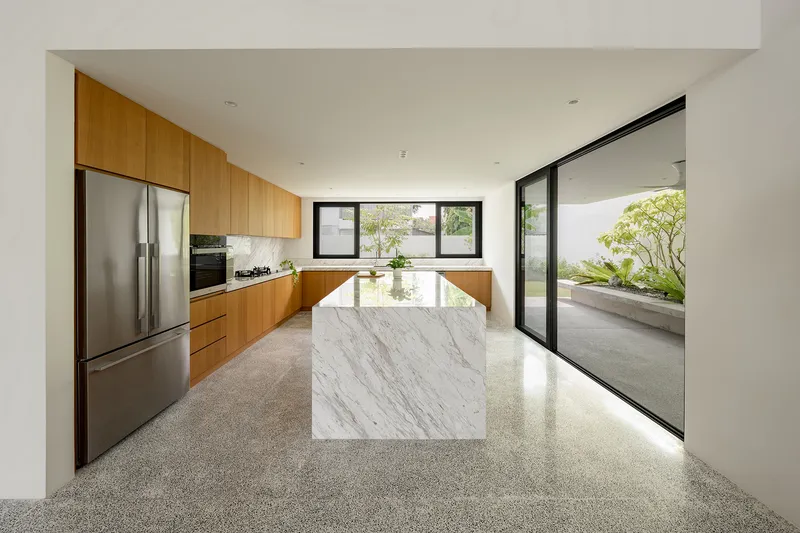
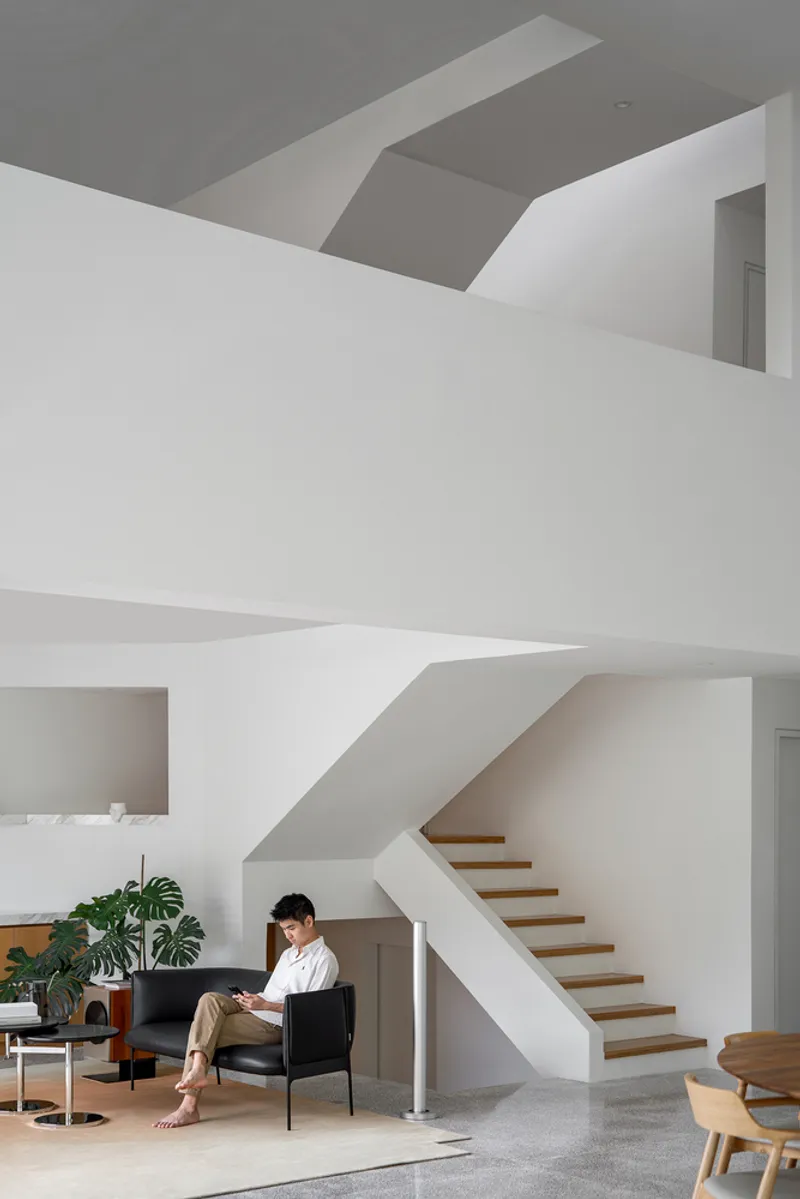
On the upper ground level, the rear portion has been completely reconfigured into a dramatic double-height living and dining area. This space opens to a tranquil koi pond and is framed by large windows that pull in natural light while offering a serene connection to the landscape. Above, a rock garden and planter create a suspended green layer that cleverly conceals a water feature cascading into the seating area, adding movement and sound to the open deck that connects seamlessly with the kitchen.

Interior Flow and Architectural Fluidity
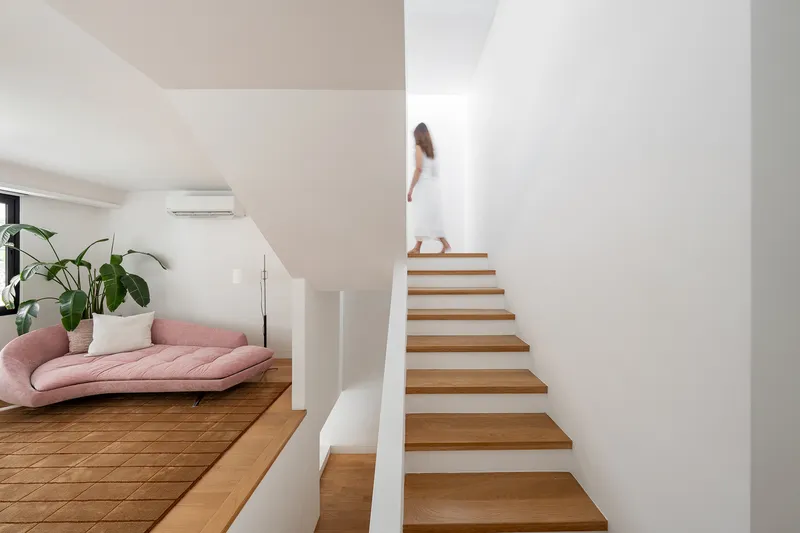
One of the key features of Flovik House is how it channels the irregularity of the site into architectural opportunities. The home’s natural split levels are celebrated rather than flattened, with the architecture playing with vertical transitions to frame unexpected moments and views.

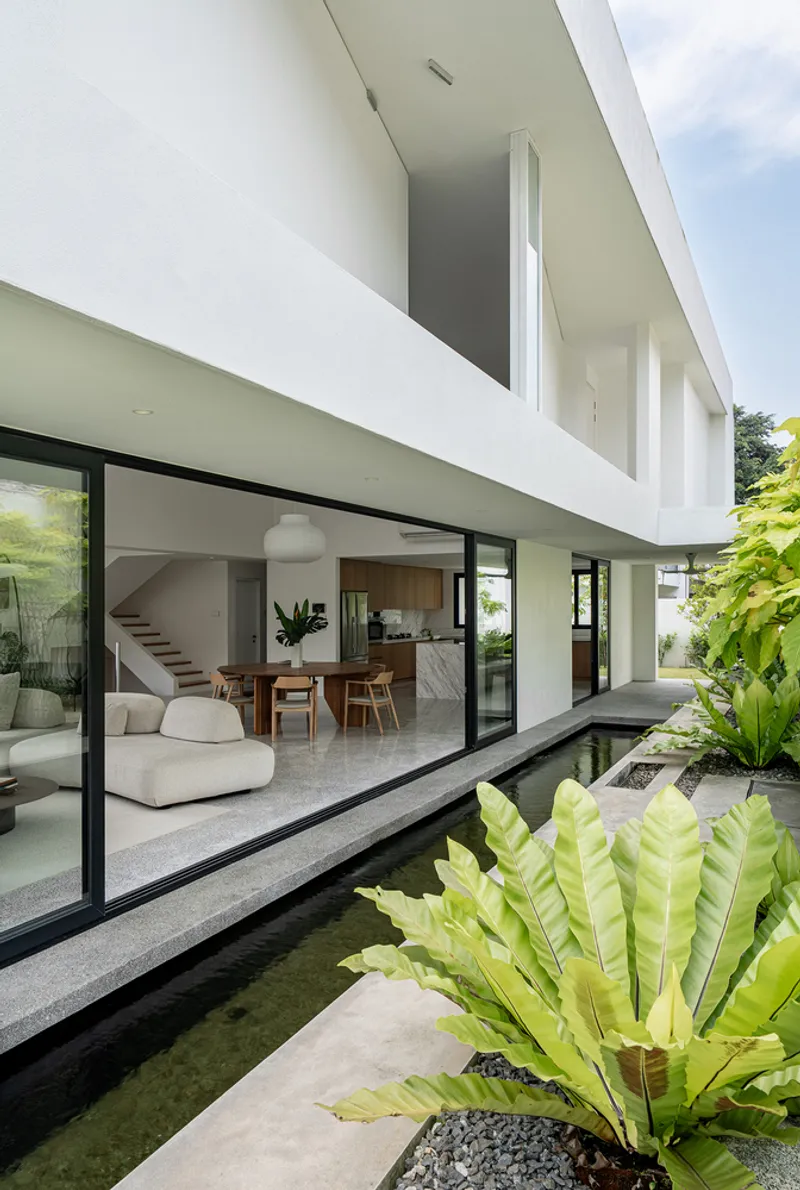
The living area extends into a refined bar lounge, making full use of angular geometries that offer mid-landing openings and cross-views across the different zones. An external staircase brings residents and guests directly to a grand front deck for lounging beneath a high ceiling, which sits above a lush front garden. The columns in this area have been absorbed into the furniture, becoming integrated seating that respects scale and preserves openness.

A Dynamic Wall That Defines the Home
An architectural highlight is a custom-designed two-panel pivoting wall above the sliding doors of the main living area. At first glance, it appears as a static facade element, but it can be adjusted into four different configurations, enabling control over privacy, ventilation, light, and views. This feature embodies the spirit of modern split-level house design—dynamic, responsive, and tailored to lifestyle and environment.
Private Retreats on the Upper Floors
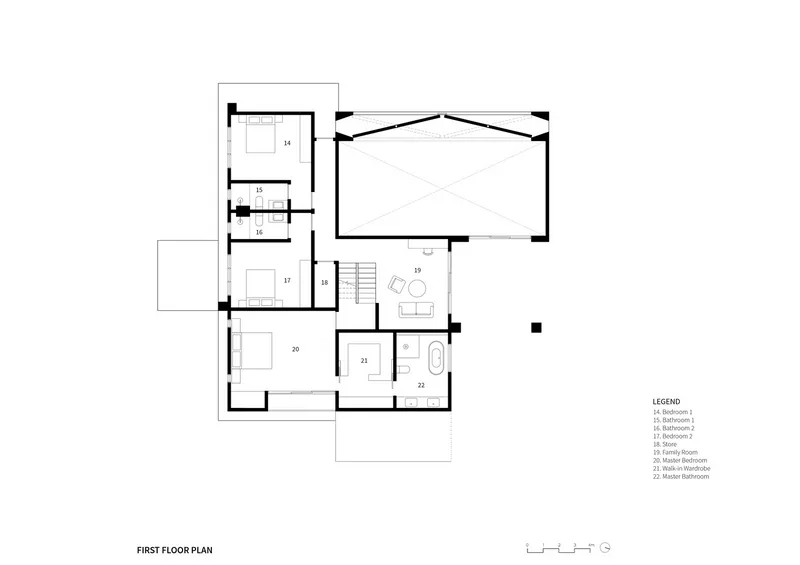
The upper floors reflect the home's intelligent layering. The master suite includes a generously sized bedroom, a walk-in wardrobe, and a luxurious bathroom with a soaking tub. From the family room on the upper first floor, one overlooks the double-volume living area and the open deck, maintaining visual connectivity between levels.
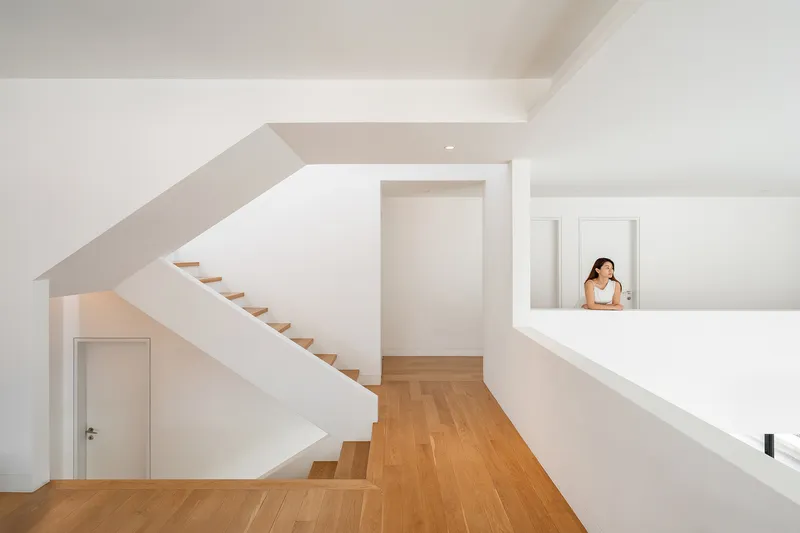
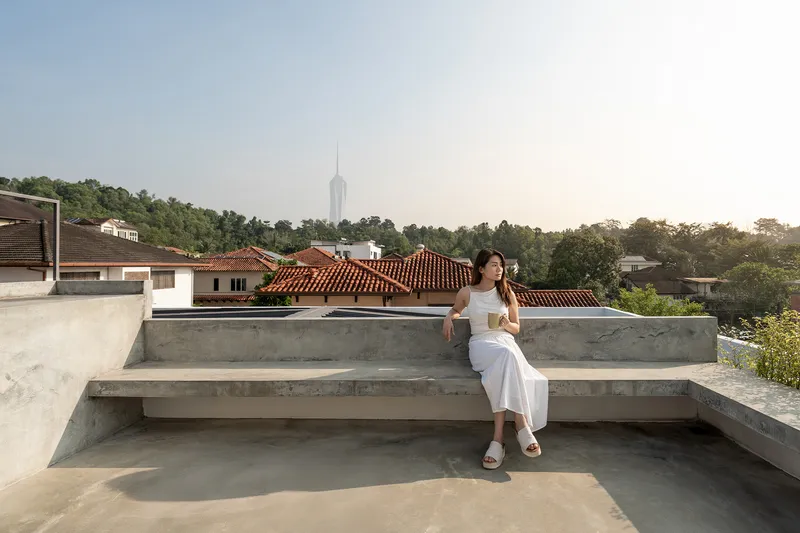
A corridor leads to two additional en suite bedrooms, each positioned for privacy but still within the house's architectural dialogue. The rooftop level offers a final, breathtaking gesture: panoramic views of neighborhood greenery and distant city skyline vistas, elevating the residential experience beyond the confines of interior walls.

Bridging Past and Present with Seamless Design
Flovik House is a compelling case of architectural reinvention—where old structure and new form coexist through a language of openness, light, and material warmth. Fabian Tan’s design not only respects the existing spatial qualities but enhances them, turning a modest hillside bungalow into a multi-sensory home that reflects both tradition and innovation. The balance between openness and enclosure, simplicity and detail, is what defines this modern split-level house design as both a functional home and a crafted architectural experience.

All Photographs are works of Bricksbegin




Popular Articles
Popular articles from the community


AL-JANNAH: Sustainable Architecture and Permaculture for Afghan Widows
AL-JANNAH uses sustainable architecture and permaculture to create resilient oasis of housing, learning, work and renewal for Afghan widows.

EW PARK: Sustainable Architecture Reimagines the Future of Urban Parking
EW PARK reimagines city parking as a modular wooden tower combining automation, solar energy, electric mobility, and adaptable urban design.

Riyadh For All: Intergenerational Urban Design for Active Aging in Rabat
Riyadh For All reimagines urban design in Rabat with intergenerational co-living, adaptive courtyards, and Moroccan cultural exchange today.

Conexión: Biophilic Design Reimagines High-Rise Living in Hong Kong
Conexión reimagines high-rise living in Hong Kong through biophilic design, green facades, shared spaces, daylight, water and nature within.


Similar Reads
You might also enjoy these articles


Bamboo Housing Challenge 2026: Design Affordable, Sustainable Homes Using Bamboo
An international design competition by Bamboo U and IBUKU inviting architects and designers to reimagine affordable housing using bamboo — with the winning design built full-scale in Bali.

Computational Design & Education: Beegraphy Design Awards Introduces 7th Category (Featuring Jiyun's Innovative Approach)
Dive into Beegraphy’s 7th Design Awards category, where computational design meets education to create immersive, interactive learning tools, inspired by Jiyun’s work.

From Parametric Lighting to Urban Furniture: Join the 2nd Workshop in Beegraphy’s Computational Design Series
Dive into Cutting-Edge Design Techniques and Practical Applications with Industry Experts

Last Call: Unleash Your Architectural Genius in SHAK's Kindergarten Design Competition
Urgent call for architects to join SHAK's kindergarten design competition before the looming deadline


Explore Architecture Competitions
Discover active competitions in this discipline



Challenge to reimagine the Iron Throne


Photograph architecture without architects


Illustrate the lost glory of Angkor Wat - Render Challenge


Design challenge to reuse E-waste
Comments (0)
Please login or sign up to add comments
No comments yet. Be the first to comment!