

Forest House Architecture: House of the Glade by Ignacio Correa in Southern Chile
This article explores a forest house in Chile that harmoniously integrates with the landscape through sensitive design and ecological respect.


A Harmonious Retreat Nestled Among Hazel Trees by Lake Rupanco
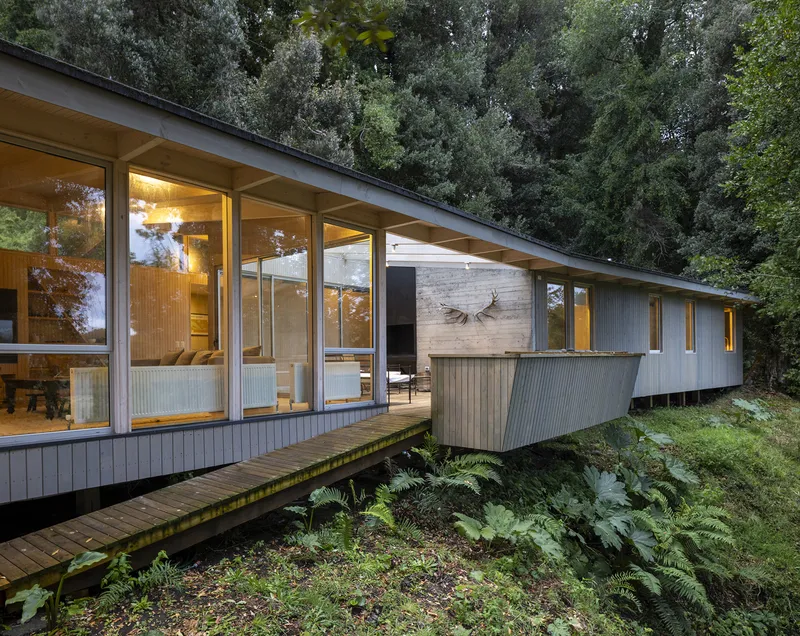
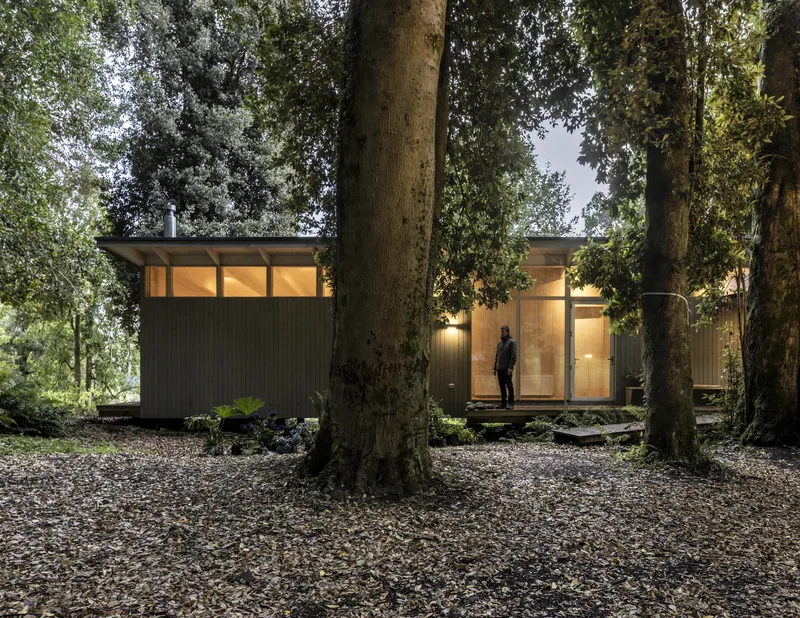
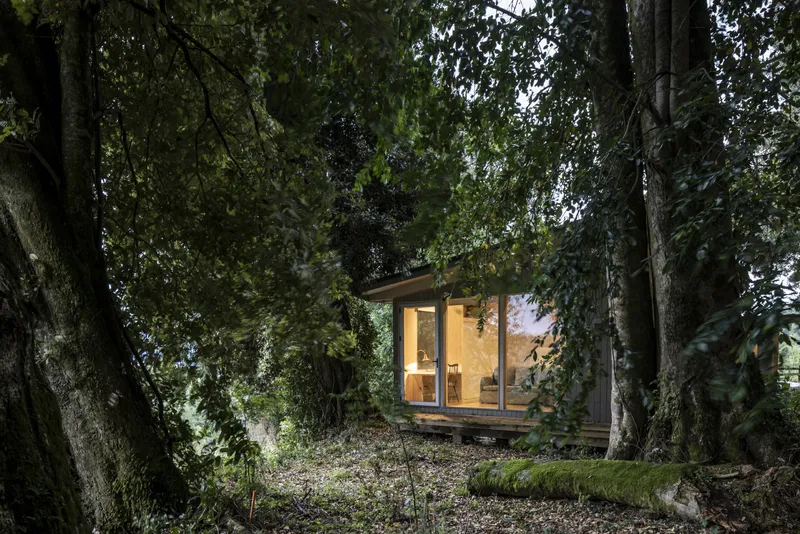
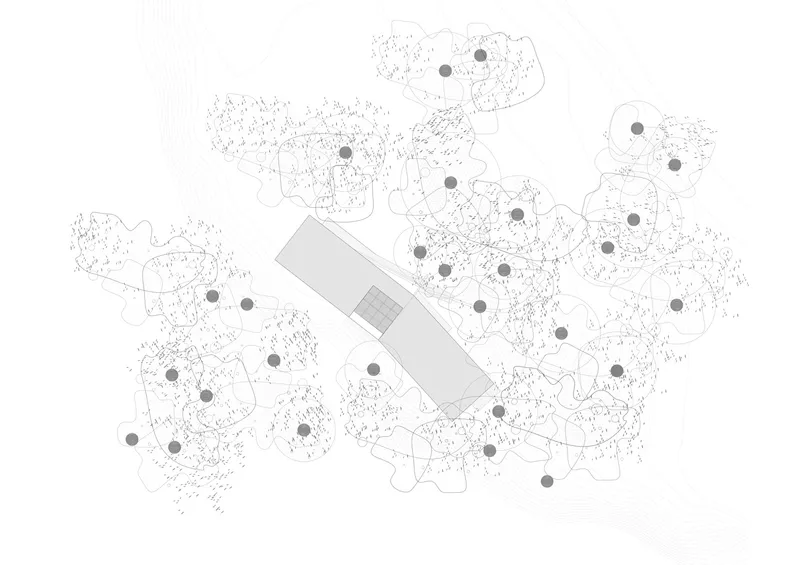
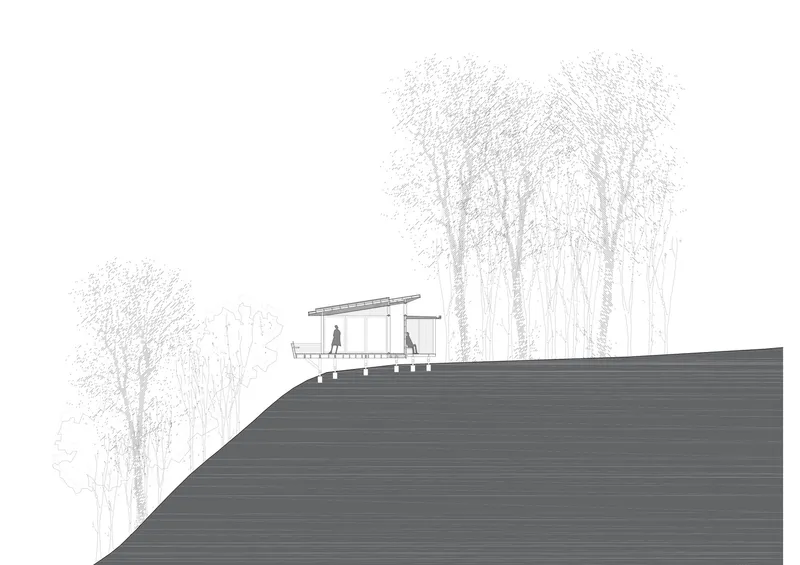
The House of the Glade, designed by Ignacio Correa, is a compelling example of forest house architecture that celebrates ecological sensitivity, contextual responsiveness, and serene spatial experience. Located on the northern shore of Lake Rupanco in the picturesque Lakes Region of southern Chile, this 200-square-meter second home is delicately integrated into a hillside of glacial origin, carefully positioned to preserve and enhance the surrounding forested landscape.
Rooted in Landscape: Mapping Nature Before Building
The design process for this lakefront forest house began with a detailed mapping of the hazel grove that defines the site. Each tree was surveyed in relation to its location and size to determine a construction footprint that would avoid disturbance to the natural setting. Rather than dominate the land, the architecture quietly responds to it—embracing its contours and existing vegetation as design guides.

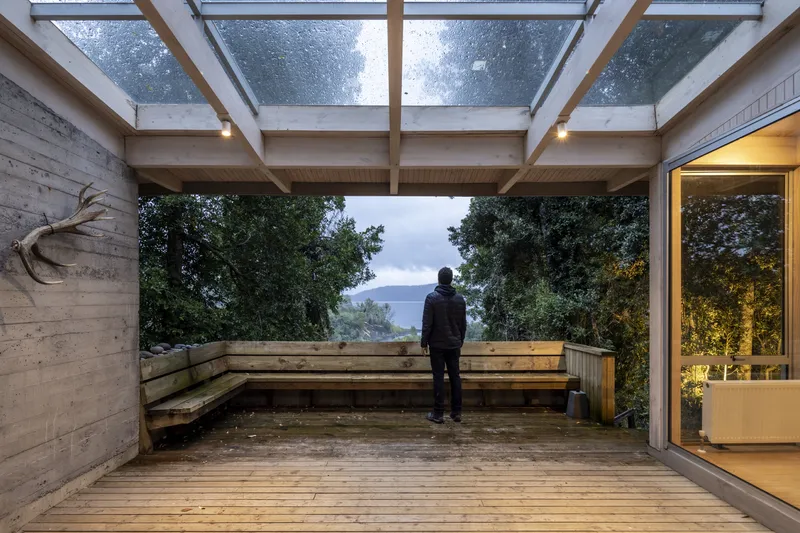
Linear Form Embracing Forest and Lake
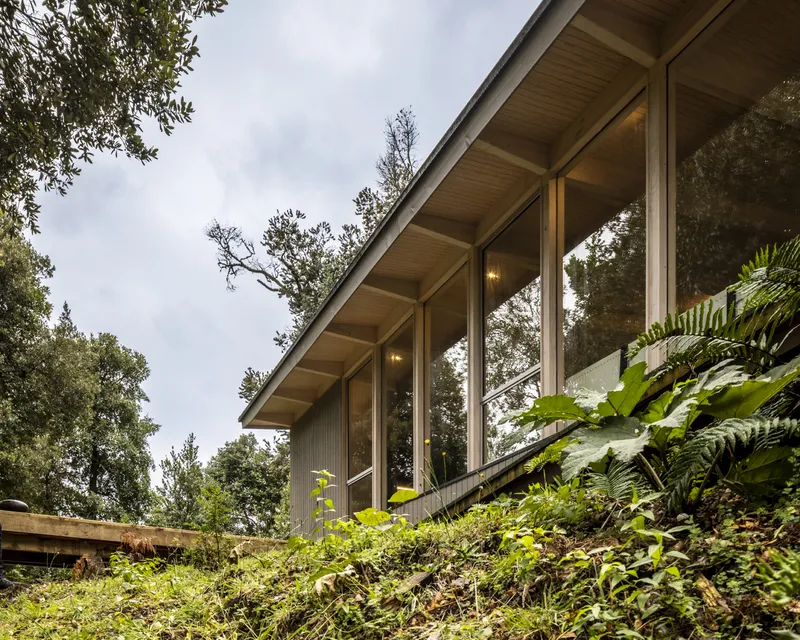
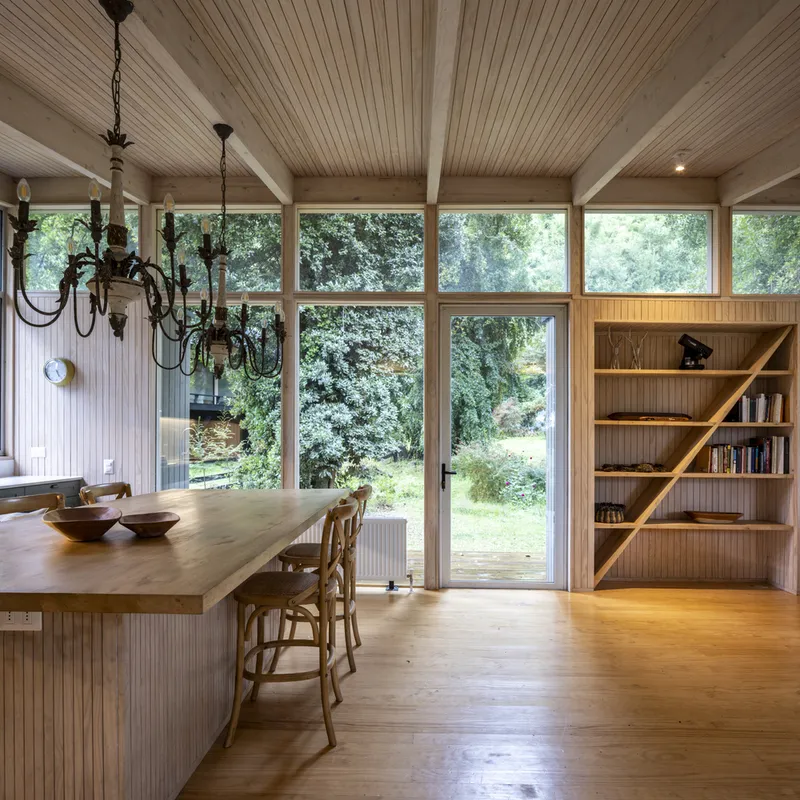
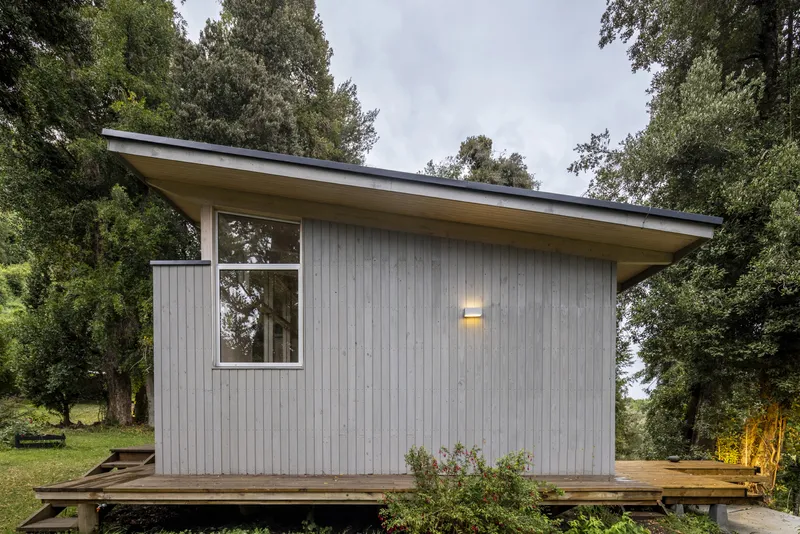
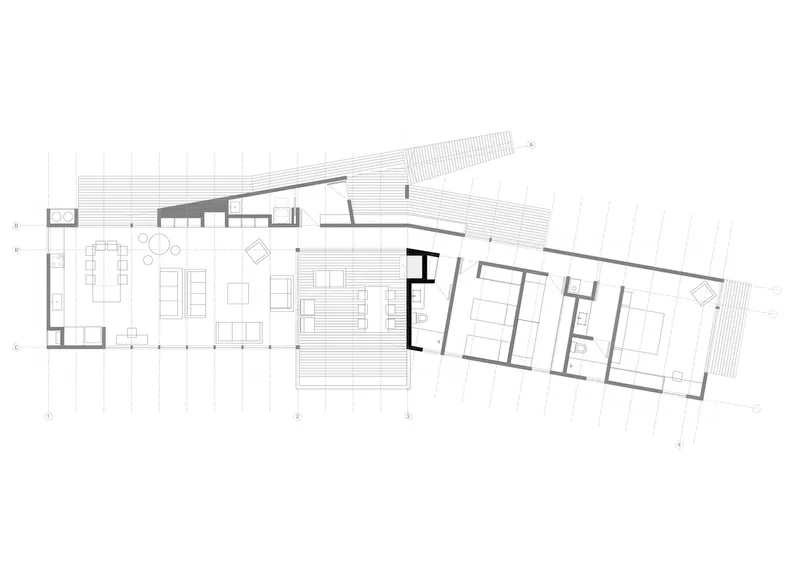
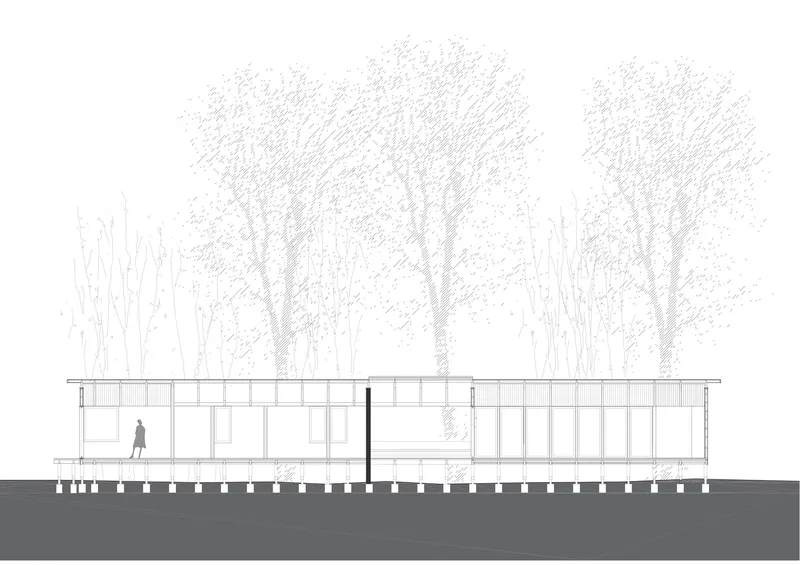
Architecturally, the house unfolds as a horizontal volume aligned with the southern edge of the hillside. This layout emphasizes a contrast between the home's grounded, linear form and the vertical rhythm of the surrounding trees. Each interior space is oriented to maximize its relationship with Lake Rupanco, capturing partial views of water and forest through thoughtful spatial framing.
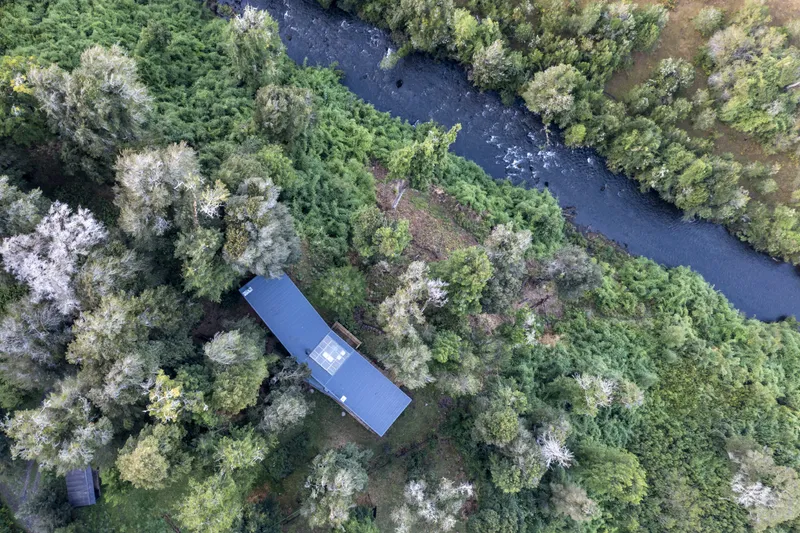
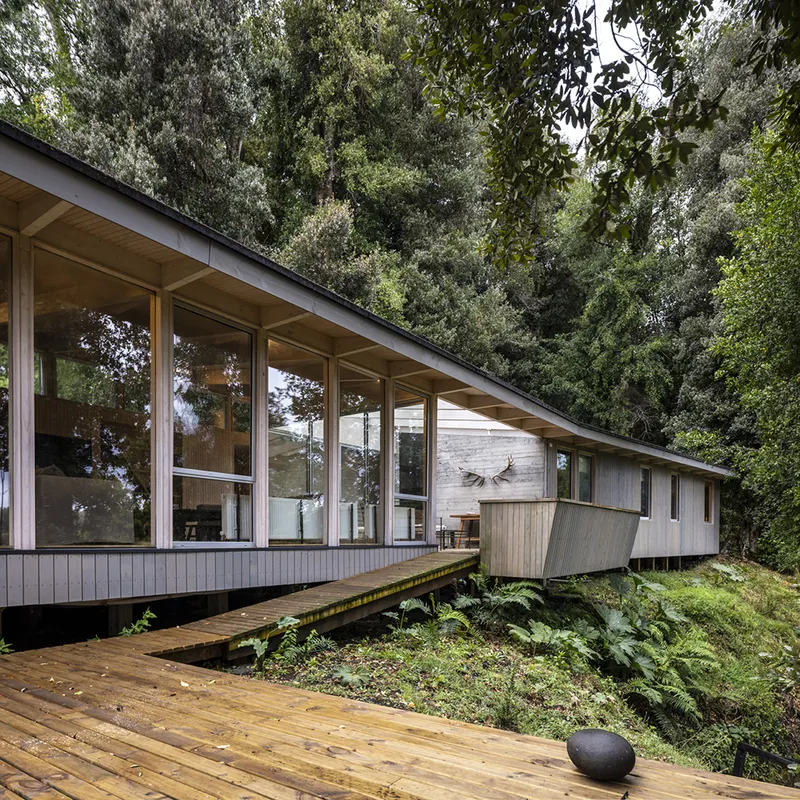
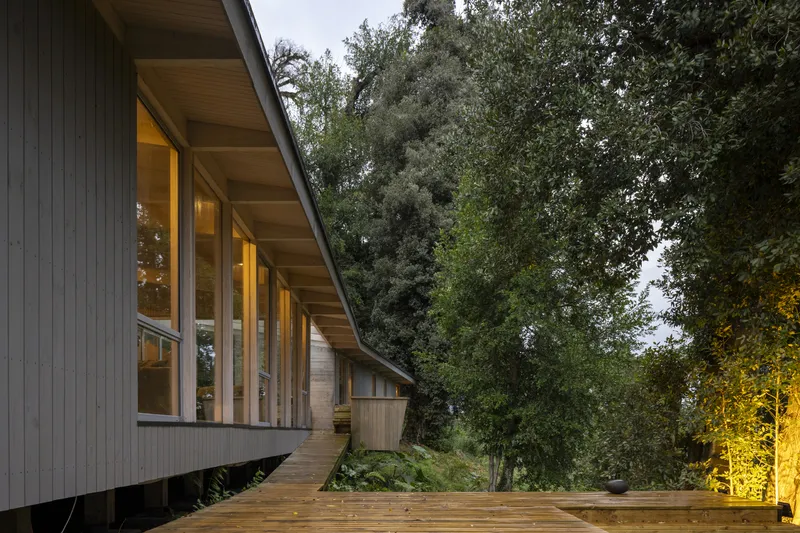
A Functional and Visual Threshold: The Covered Terrace
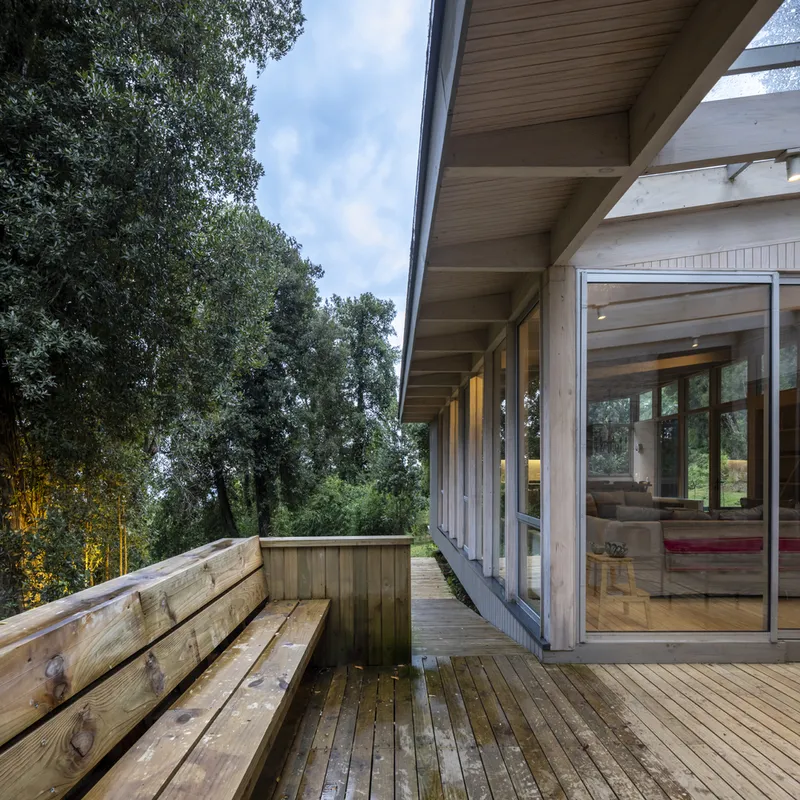
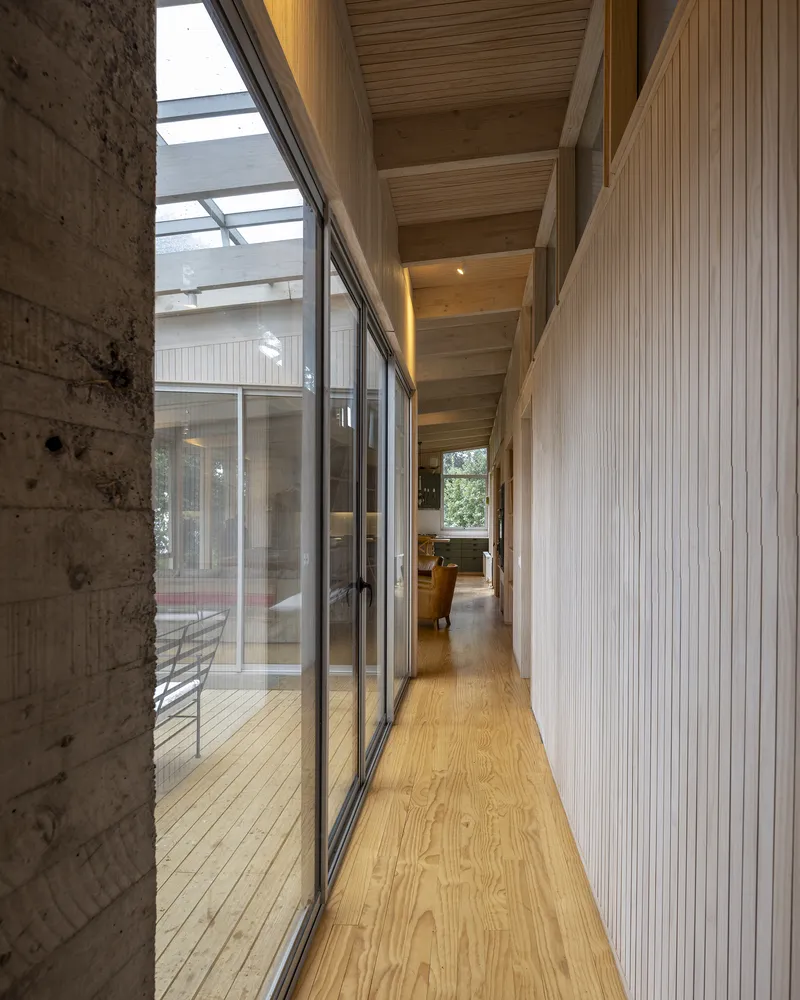
The plan of the home is anchored by a covered terrace that acts as both a functional divider and a visual connector. On one side lies the common living area; on the other, private bedrooms. This transitional space opens toward a natural clearing, offering views of the river's mouth and the distant mountain range. It becomes a pivotal threshold, linking architecture, landscape, and sky.
Responsive Roof Design and Passive Sunlight Strategies
The home's roofline dynamically responds to the site's dual orientation. It rises gently toward the north to bring sunlight deep into the living and bedroom areas and descends toward the lake on the southern side, reducing visual impact while reinforcing the panoramic lake views. This passive solar design enhances the building’s comfort and environmental performance without relying on intrusive mechanical systems.
Crafted Simplicity in Material and Form
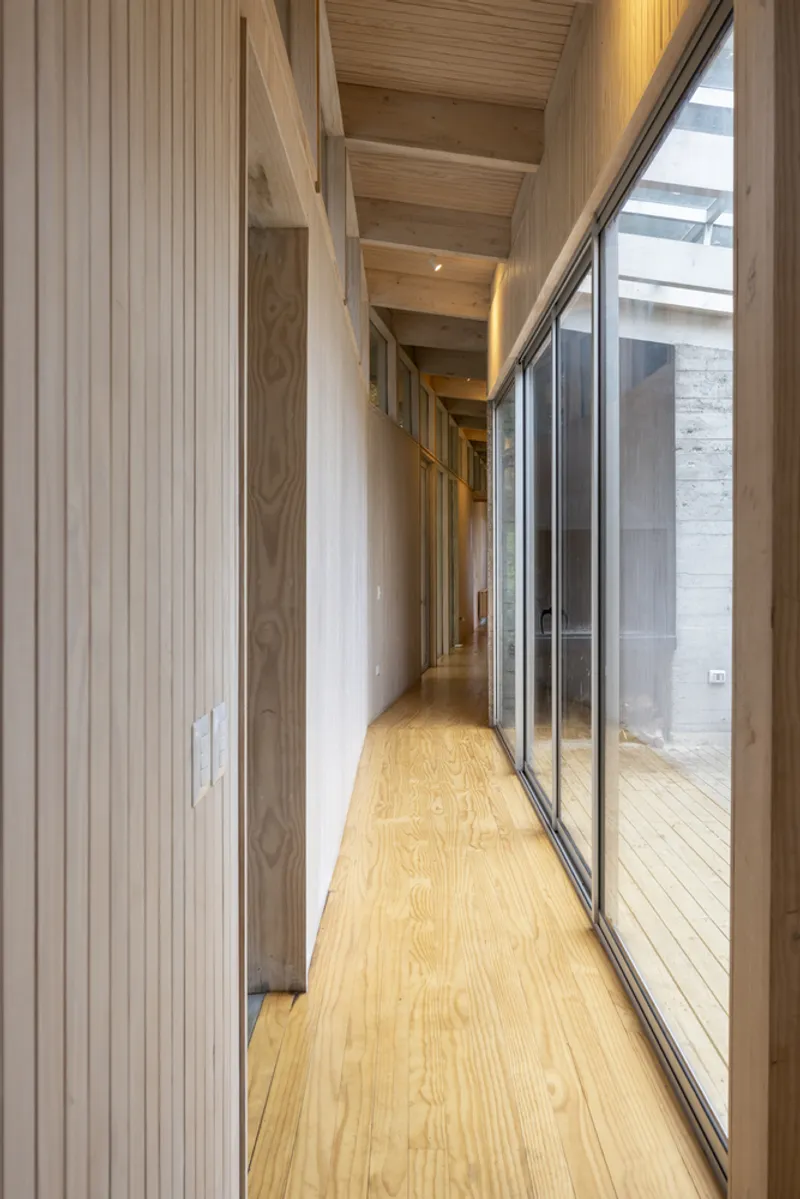
The structure is primarily composed of locally sourced wood, echoing the natural tones and textures of the forest. Interior finishes maintain a tactile honesty, with exposed beams, shelving, and large glass openings that seamlessly connect inside and out. The architecture avoids decorative excess, instead embracing a minimalist approach that allows the landscape to remain the focal point.
Forest House Architecture as a Model of Sensitive Design
Through its site-specific orientation, ecological awareness, and visual subtlety, the House of the Glade becomes a model for forest house architecture. It reflects a design philosophy where building and nature coexist—not in tension but in quiet, poetic dialogue. Ignacio Correa’s approach demonstrates that thoughtful architectural interventions can both respect and reveal the beauty of the environments they inhabit.
All photographs are works of Arieh Kornfeld



Popular Articles
Popular articles from the community


The Earth Pod: 3D Printed Homes for Resilient Refugee Communities
The Earth Pod reimagines refugee housing through 3D printed homes made from clay, combining resilience, self-sufficiency, and rapid shelter.

The Musturak Paradise: Senior Living Architecture for a Connected Future in Temara, Morocco
The Musturak Paradise reimagines senior living architecture in Temara via private homes, social spaces, culture, community, and shared care.

Co-Life: Senior Housing Design That Reconnects Older Adults With the City
Co-Life reimagines senior housing design through healing gardens, shared streets, workshops, and a sustainable community across generations.
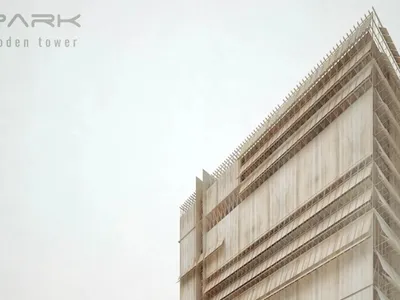
EW PARK: Sustainable Architecture Reimagines the Future of Urban Parking
EW PARK reimagines city parking as a modular wooden tower combining automation, solar energy, electric mobility, and adaptable urban design.

Similar Reads
You might also enjoy these articles


Hodi-Mandai Geram
Project Function: Preservation and revitalization of the Intangible heritage and socio-spatial identity of the Hodi by Housing, Cultural Memory Center, Sacred Grove, landscape, local tourism economy


Olio Towers: A Mid-Rise for Performers That Fuses Housing, Rehearsal, and Stage
Located blocks from Houston's Theater District, this modular tower stacks living units around a central performance atrium.

Oasis: Modular Green Housing Carved into Dhaka's Urban Fabric
A shortlisted Plugin Housing entry reclaims unauthorized settlements in Dhaka with stepped concrete volumes, green roofs, and ventilation-driven design.

Black Hole: A Floating Megastructure for the Post-Physical Era
Emiliano Mazzarotto envisions a spherical, self-scaling arena where e-sports, digital hotels, and holographic stadiums replace traditional public space.
Explore Architecture Competitions
Discover active competitions in this discipline



Challenge to reimagine the Iron Throne


Photograph architecture without architects


Illustrate the lost glory of Angkor Wat - Render Challenge


Design challenge to reuse E-waste
Comments (0)
Please login or sign up to add comments
No comments yet. Be the first to comment!