

Fruits and Vegetables Center Raspa y Amagado by FORarquitectura: Honoring Agricultural Heritage with Modern Industrial Architecture
A luminous agricultural center blending tradition and innovation, celebrating Axarquía’s farming heritage with modern industrial architecture by FORarquitectura.


In the heart of Axarquía, a region steeped in agricultural tradition, the Fruits and Vegetables Center Raspa y Amagado by FORarquitectura stands as a striking example of how contemporary industrial architecture can pay homage to vernacular heritage. Designed to serve the agricultural community, this 1,125 m² facility blends the wisdom of the past with the needs of modern farming, offering a space that is both highly functional and deeply symbolic.
A Design Rooted in the Past
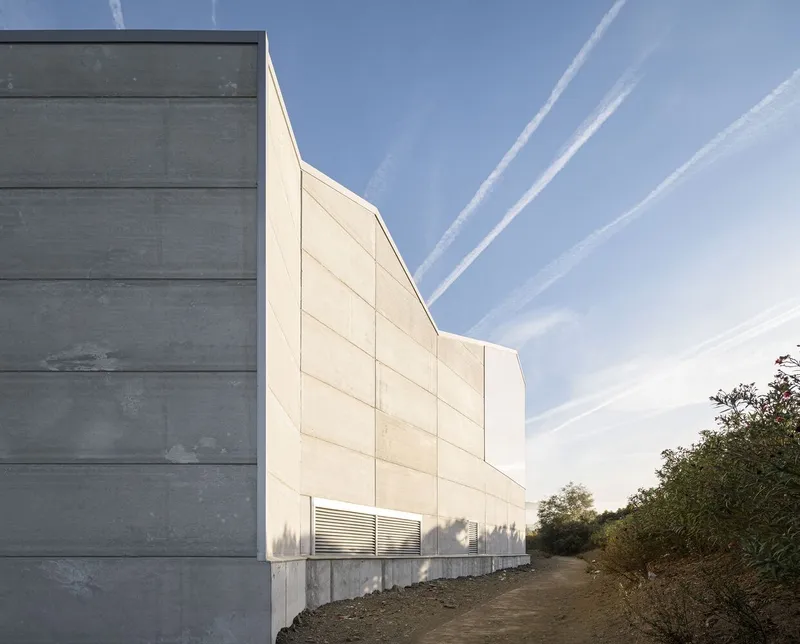
FORarquitectura approached this project with a clear intent: to look back at the forms, strategies, and gestures of traditional agricultural buildings. Axarquía’s landscape is dotted with structures shaped by centuries of farming, and the design draws from this lineage. The architectural response integrates lessons learned from vernacular construction — particularly in the handling of rainwater drainage, the organization of space across sectional bays, and the expressive use of facade materials.
Spatial Organization: Efficiency Meets Symbolism
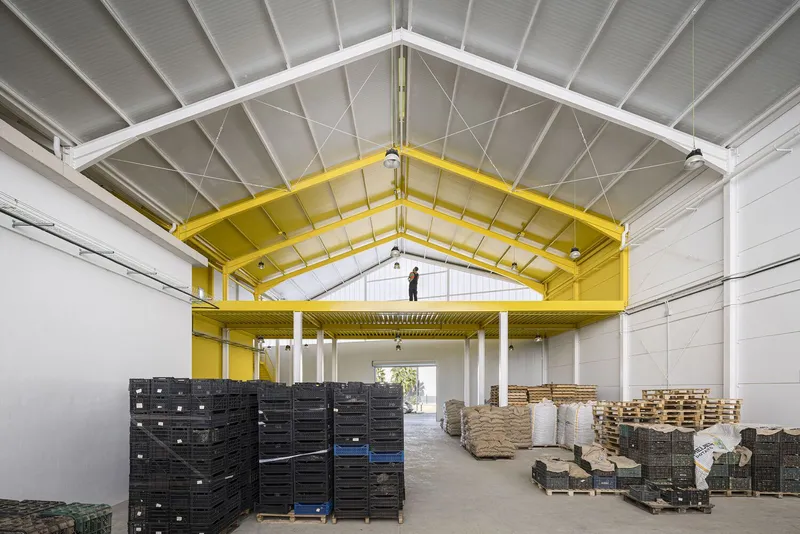
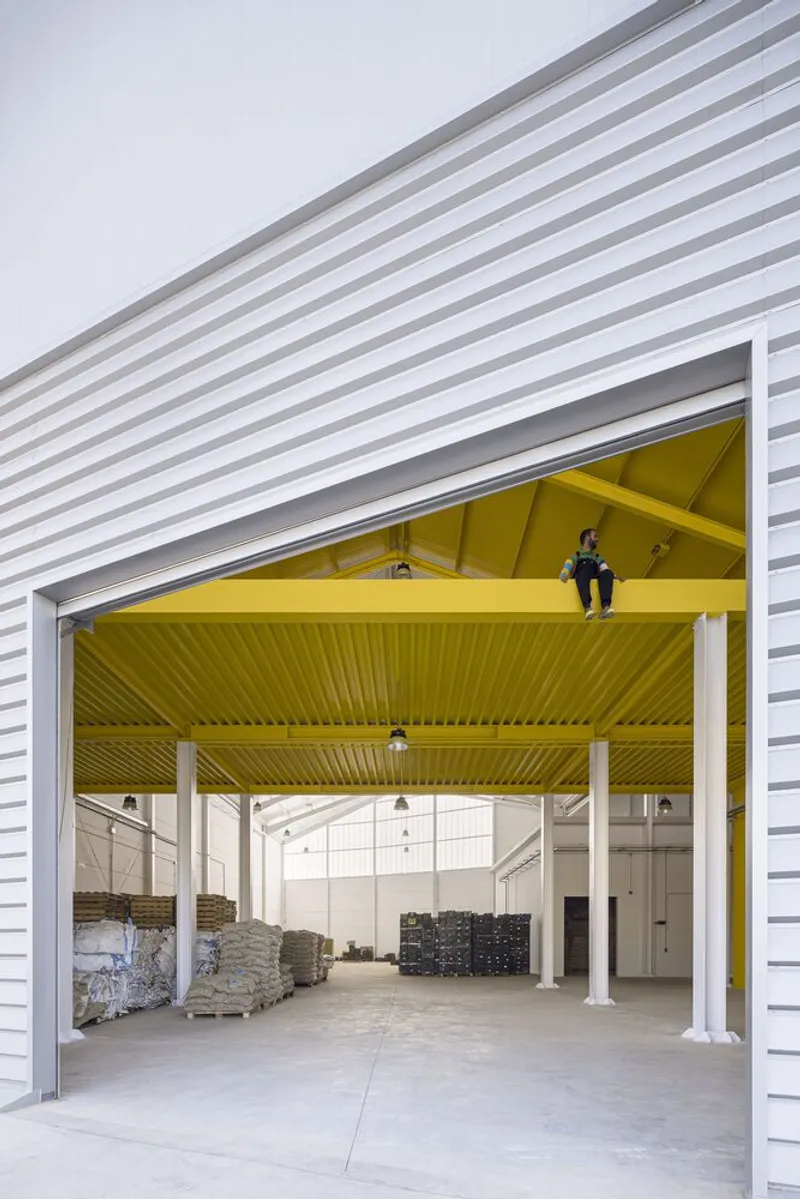
The building is divided into four large zones dedicated to storing agricultural products and tools. Here, the raw materials from local farmers are handled, cared for, and prepared for sale. The spatial arrangement is more than utilitarian — it mirrors the sectional logic found in older farm buildings, where distinct bays accommodate different functions. This organizational clarity enhances workflow efficiency and reinforces a sense of continuity with the local architectural DNA.
Material Palette: Tradition and Innovation
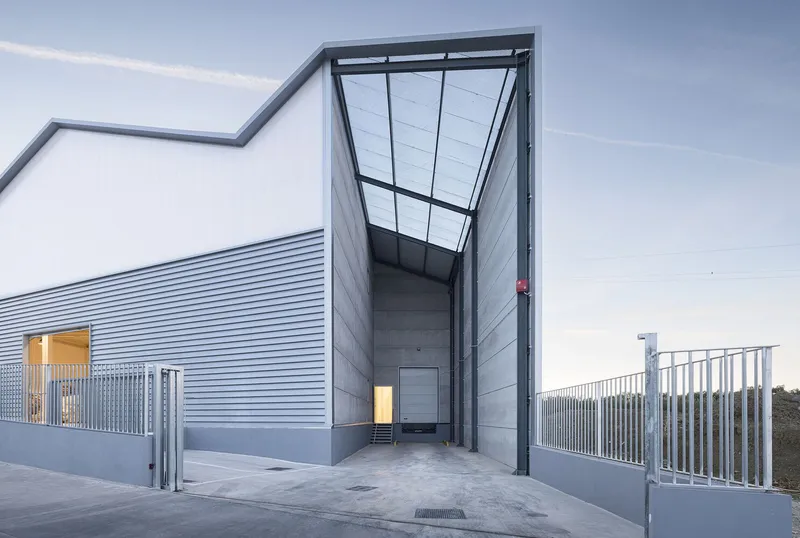
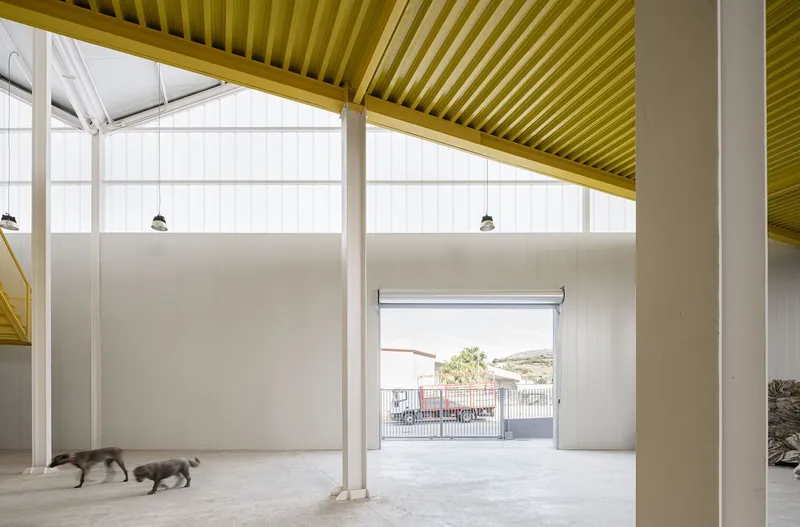
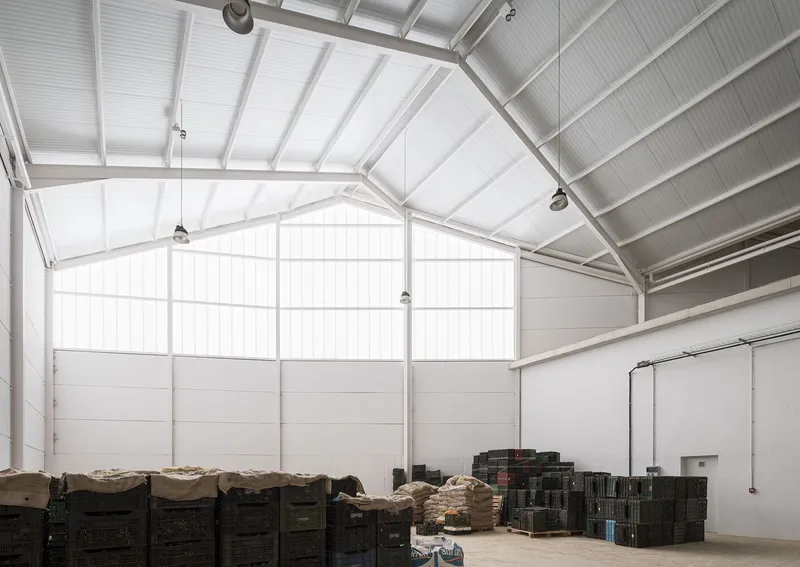
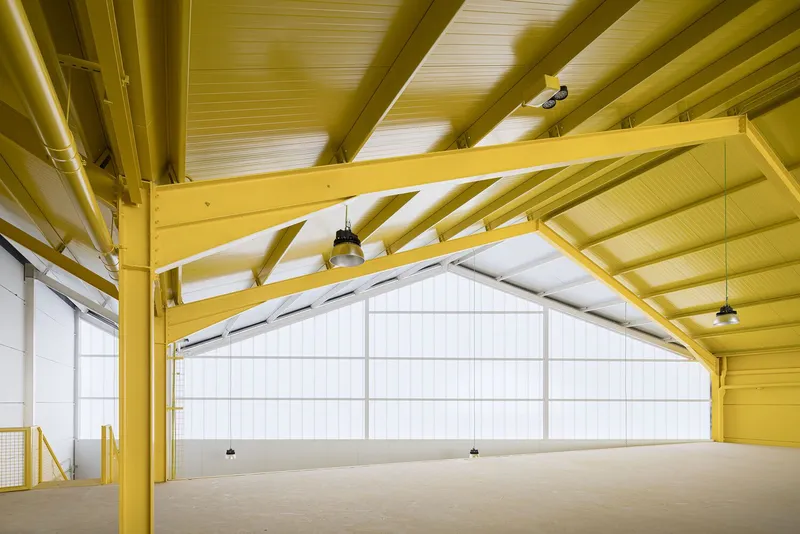
The facades of the Fruits and Vegetables Center combine traditional materials with a distinctly modern intervention. One standout feature is the use of polycarbonate — a material commonly seen in agricultural greenhouses — which allows natural light to flood the interiors while providing protection from the elements. This innovative choice transforms the warehouse into a cathedral of light, elevating it from a mere storage facility to a luminous, almost sacred space for the raw fruits of the land.
A Pictorial Gesture: Injecting Color and Energy
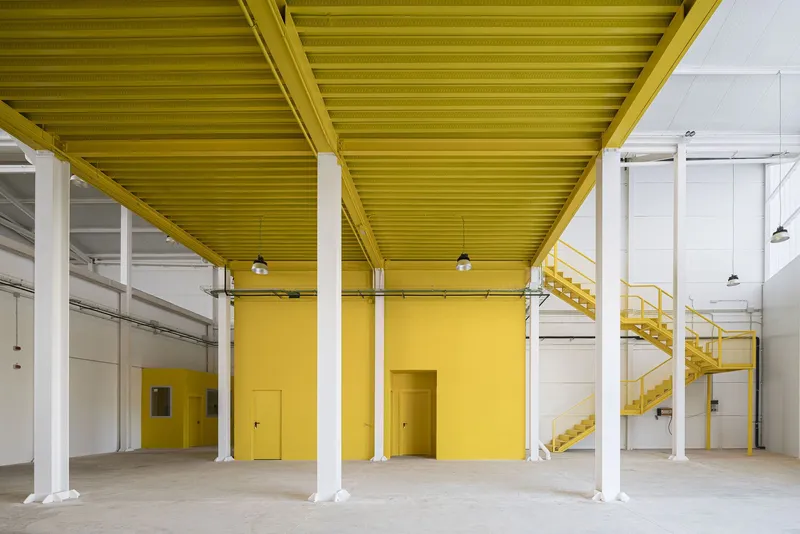
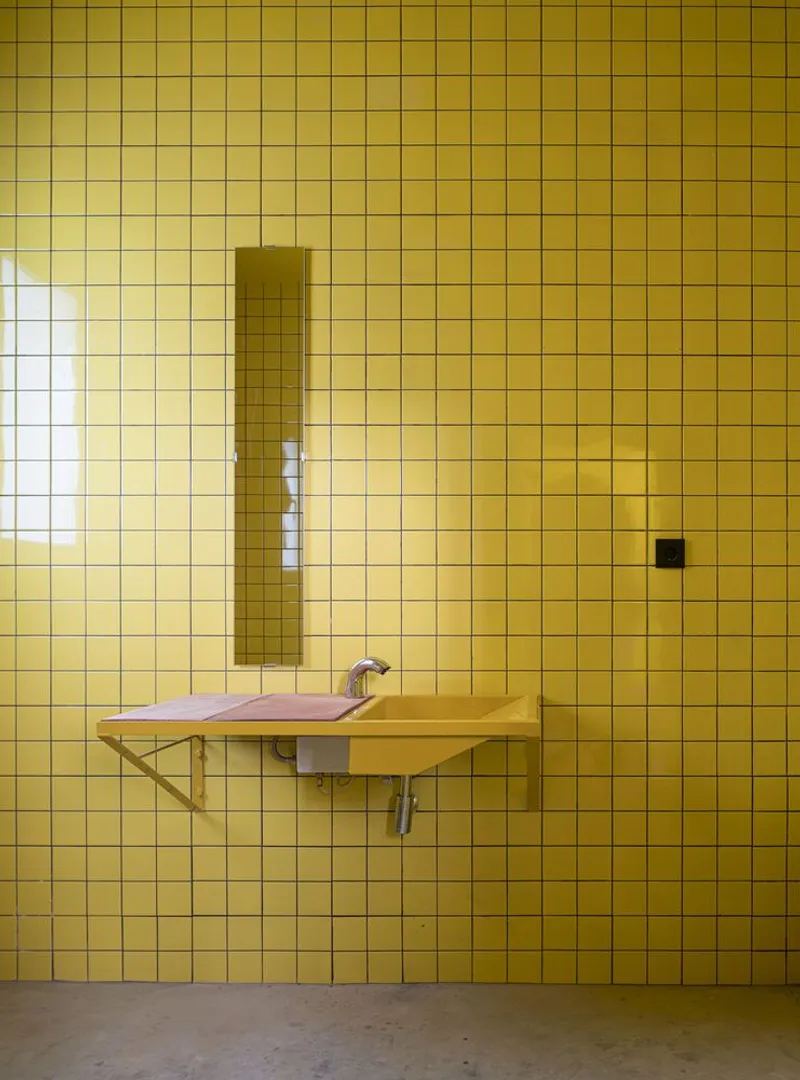
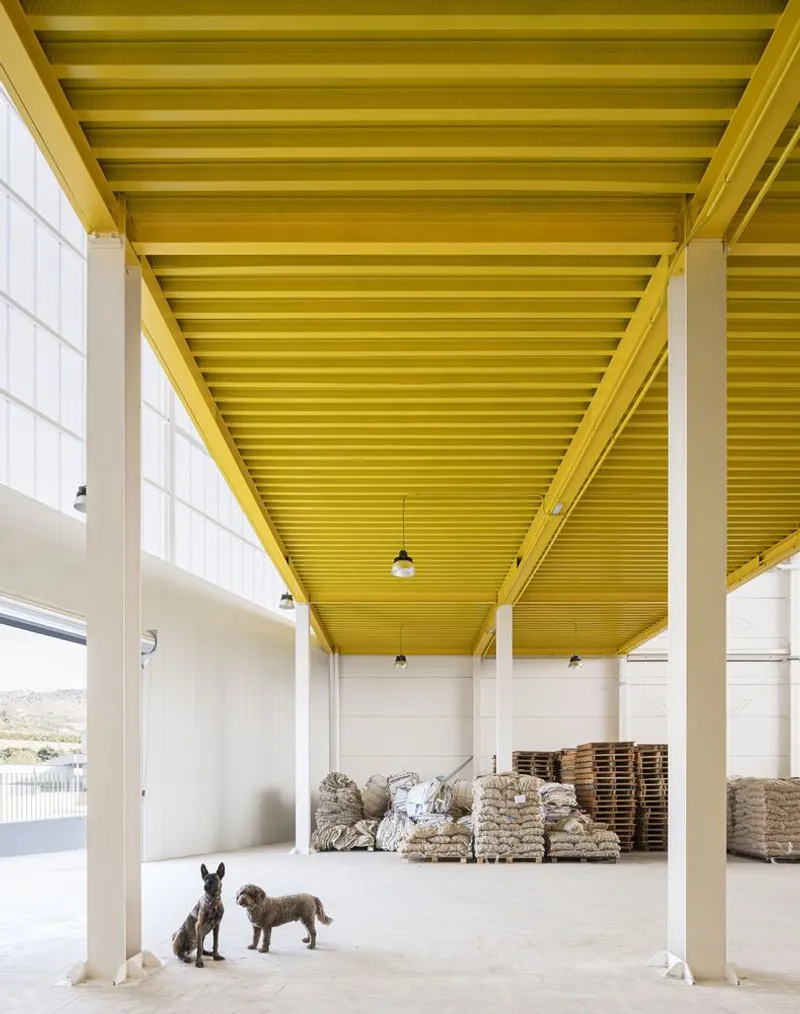
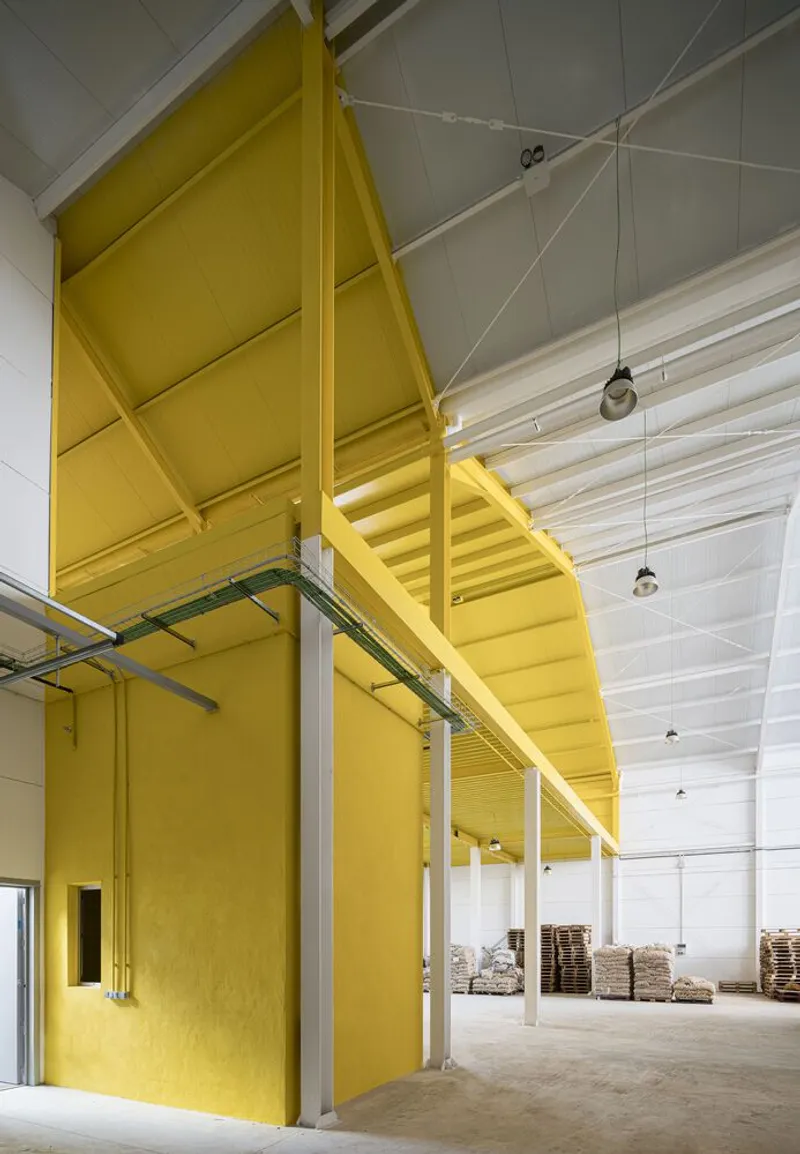
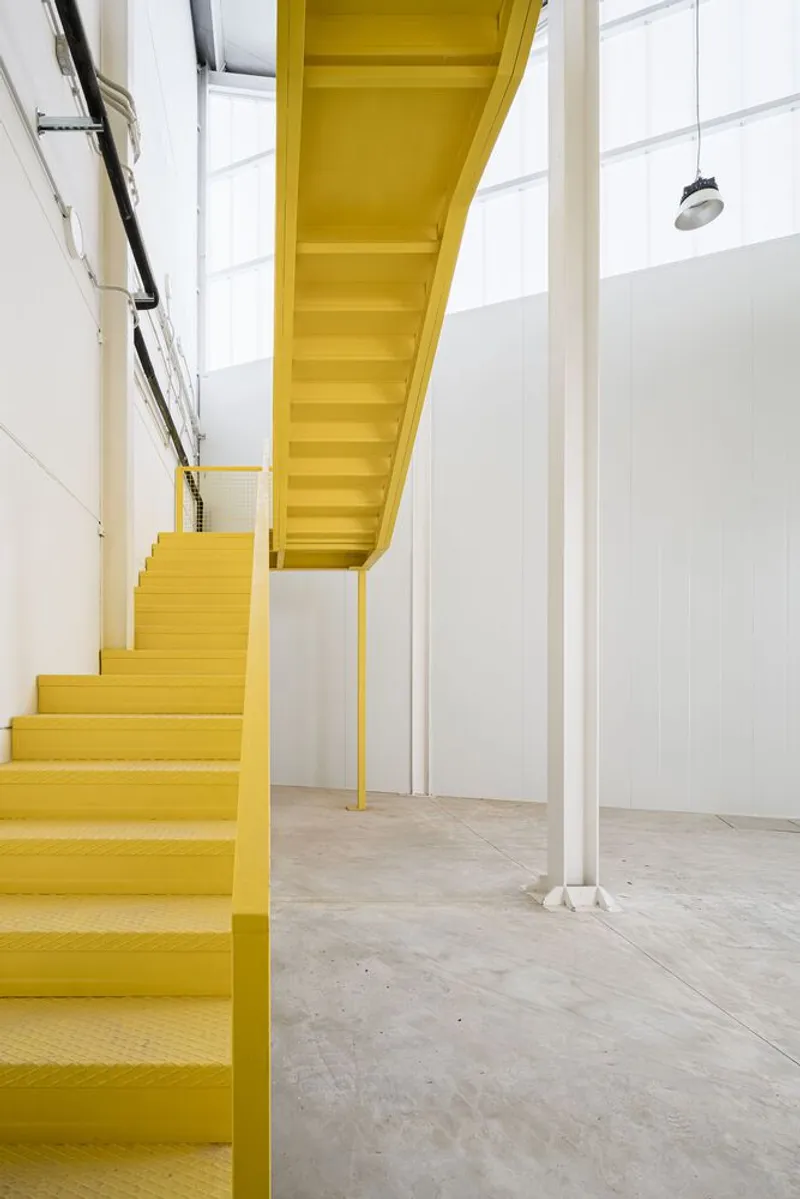
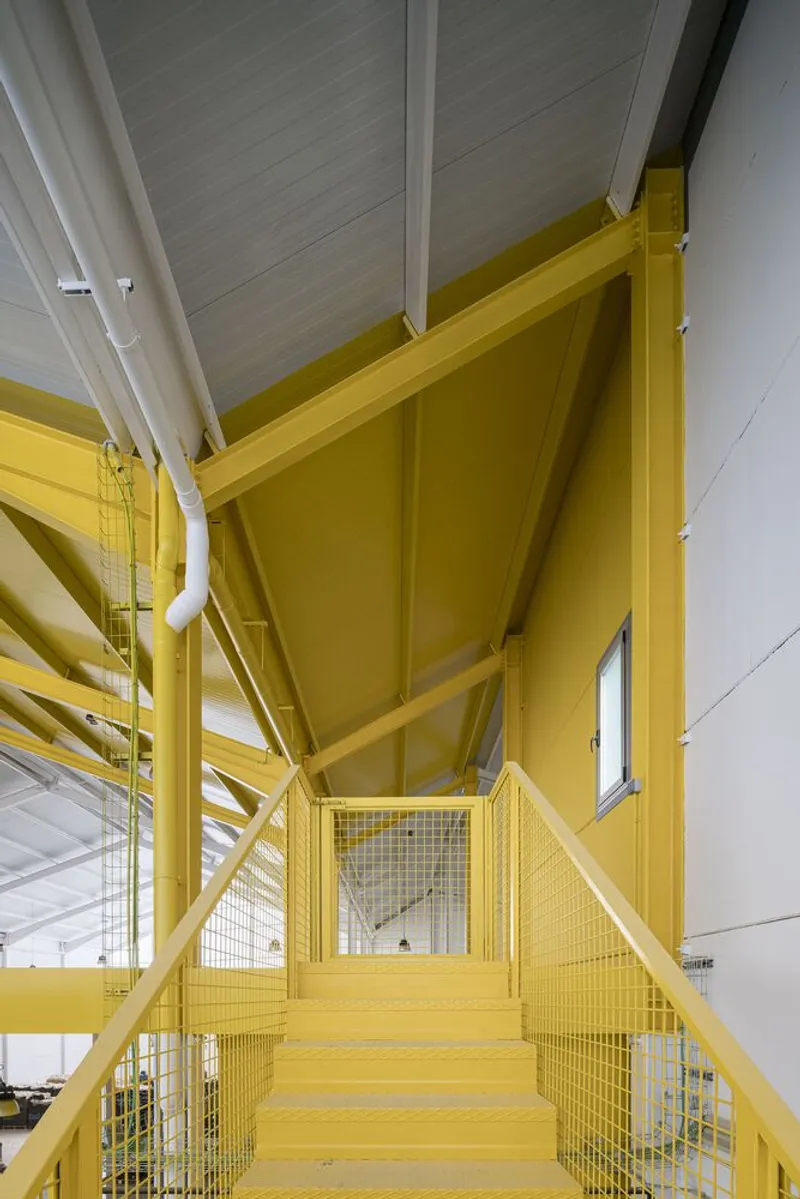
Inside the building, FORarquitectura introduces a bold pictorial gesture — a colorful, bright zone that visually anchors part of the interior. This injection of color not only draws the eye but also injects dynamism, turning what could have been a monotonous industrial interior into an energetic, joyful place. It reflects the architects’ ambition to create a building that celebrates agricultural work as something worthy of attention, pride, and even reverence.
A Contemporary Temple for Agriculture
The Fruits and Vegetables Center Raspa y Amagado is more than an agricultural warehouse — it is a space of worship dedicated to the land. By merging functional industrial design with aesthetic and cultural sensitivity, FORarquitectura has crafted a building that resonates deeply with the landscape and the people it serves. This modern agricultural center stands as a testament to the enduring dialogue between tradition and innovation in Spanish architecture.
All Photographs are works of Juanca Lagares


Popular Articles
Popular articles from the community


Cube Design Draws an Ecological Corridor Between Two Shenzhen Hills with the Nankai Building
Beside Shenzhen's container docks, the Nankai Building pairs stacked balconies with a climbing green screen to connect two hillsides across its height.

David Ortega Stacks a Two-Story Mexico City Penthouse Around a Steel Stair and a Pergola-Shaded Roof Terrace
In Colonia Roma, a 300 m² penthouse uses oak joinery, a planted steel stair and a slatted roof pergola to make a new-build apartment feel like a house.

Architekt Andreas Gruber Scatters 23 Dark Timber Chalets Across a South Tyrolean Forest Edge
In Molini di Tures, Amonti Chalets breaks a resort into a hamlet of gabled timber houses, with parking, storage and services pushed into the slope.

LT2A and OPEN Architectes Thread a Brick and Glass High School Through a Wooded Belgian Campus
In Braine-l'Alleud, a 3,000 m² wing for Collège Cardinal Mercier pairs pale brick with a glazed colonnade, deferring to a small chapel and a dense wood.

Similar Reads
You might also enjoy these articles


Hodi-Mandai Geram
Project Function: Preservation and revitalization of the Intangible heritage and socio-spatial identity of the Hodi by Housing, Cultural Memory Center, Sacred Grove, landscape, local tourism economy


Olio Towers: A Mid-Rise for Performers That Fuses Housing, Rehearsal, and Stage
Located blocks from Houston's Theater District, this modular tower stacks living units around a central performance atrium.

Oasis: Modular Green Housing Carved into Dhaka's Urban Fabric
A shortlisted Plugin Housing entry reclaims unauthorized settlements in Dhaka with stepped concrete volumes, green roofs, and ventilation-driven design.

Black Hole: A Floating Megastructure for the Post-Physical Era
Emiliano Mazzarotto envisions a spherical, self-scaling arena where e-sports, digital hotels, and holographic stadiums replace traditional public space.

Explore Industrial Building Competitions
Discover active competitions in this discipline

Challenge to reimagine the Iron Throne

Photograph architecture without architects

Illustrate the lost glory of Angkor Wat - Render Challenge

Design challenge to reuse E-waste
Comments (0)
Please login or sign up to add comments
No comments yet. Be the first to comment!