

Fulcrum Studio Workspace in Bengaluru: A Playful and Experimental Architecture Office
Experimental Bengaluru workspace by Fulcrum Studio featuring layered spaces, bridges, perforated mesh floors, kinetic conference box, recycled materials, and flexible creative environments.


The Fulcrum Studio Workspace in Bengaluru, India, is a bold architectural experiment that redefines the concept of a conventional office environment. Designed by Fulcrum Studio, this 900-square-meter workspace completed in 2024 serves as both a professional studio and an evolving creative playground. Rather than following traditional office layouts, the architects used this project as an opportunity to rethink how designers interact with space, movement, and collaboration in the post-pandemic era.
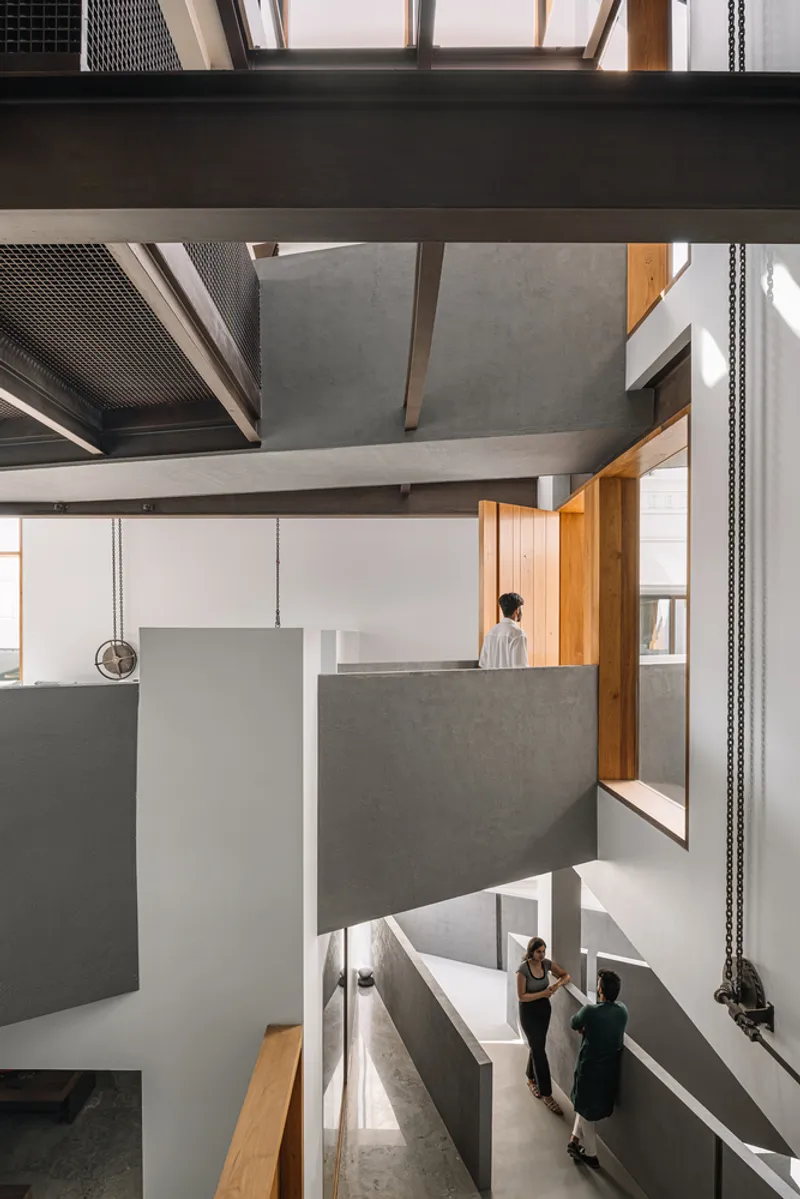
By acting as their own clients, Fulcrum Studio pushed the boundaries of workplace design, creating an architecture studio that functions simultaneously as a workspace, exhibition space, and community hub. The design integrates layered spatial experiences, recycled materials, and dynamic architectural elements that encourage creativity and exploration.
Rethinking the Modern Workspace
The design of the Fulcrum Studio office challenges the rigid conventions of corporate office environments. Instead of enclosed cubicles and hierarchical layouts, the studio embraces an open and fluid spatial organization. The workspace unfolds through a sequence of unexpected layers, bridges, and vertical connections, inviting users to experience the space from multiple perspectives.
This approach reflects a deeper inquiry into what it means to “go to work” in the post-pandemic world. The architects envisioned a workplace that prioritizes flexibility, collaboration, and well-being while maintaining a strong connection to nature and the surrounding urban environment.
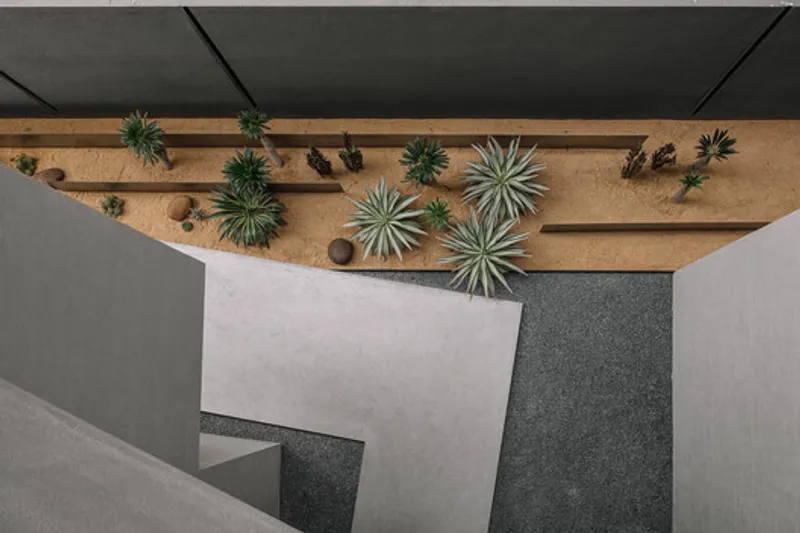
Despite being located in the dense urban context of Bengaluru, the interior spaces open upward to capture views of the surrounding tree canopies and the sky. This vertical openness transforms the workspace into a series of stacked spatial experiences that connect interior architecture with the natural environment.

Spatial Composition: Solid, Void, and the In-Between
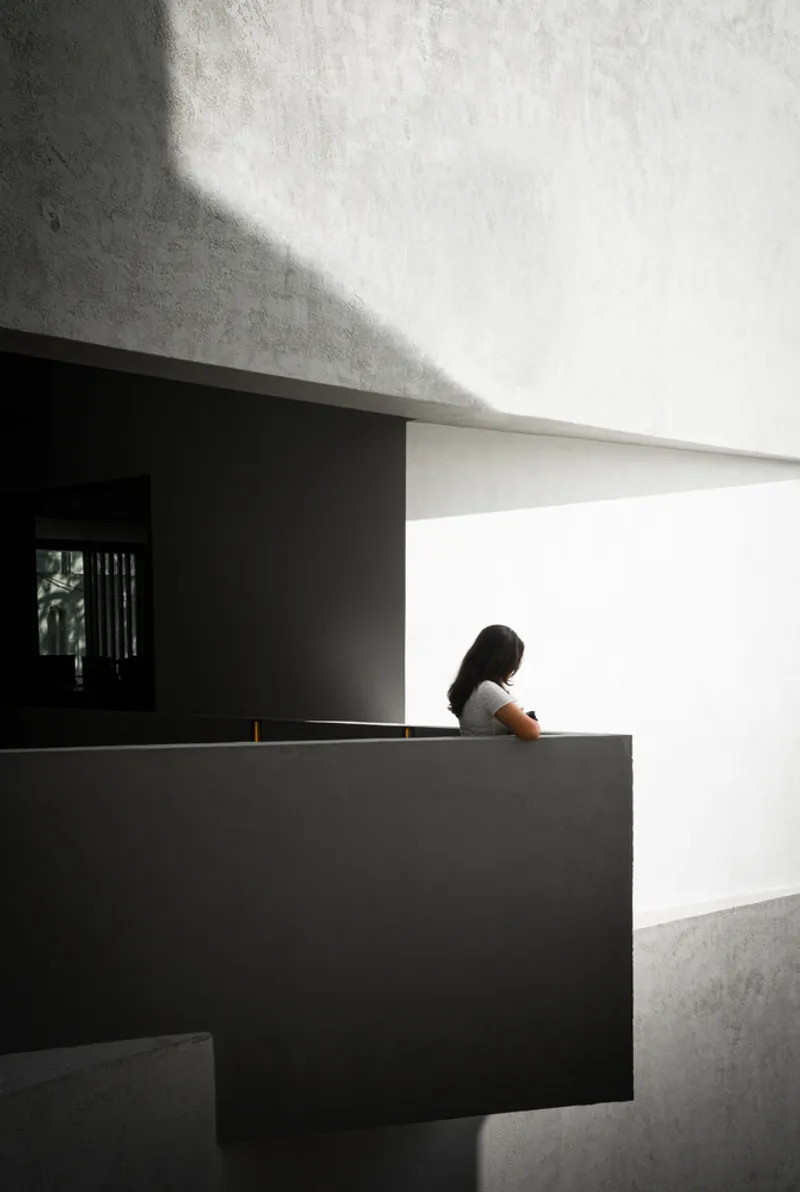
A defining characteristic of the Fulcrum Studio Workspace is the careful balance between solid structures, voids, and transitional spaces. Rather than focusing solely on built elements, the architects emphasized the significance of the “in-between” zones: spaces that blur the boundaries between floors, levels, and functions.
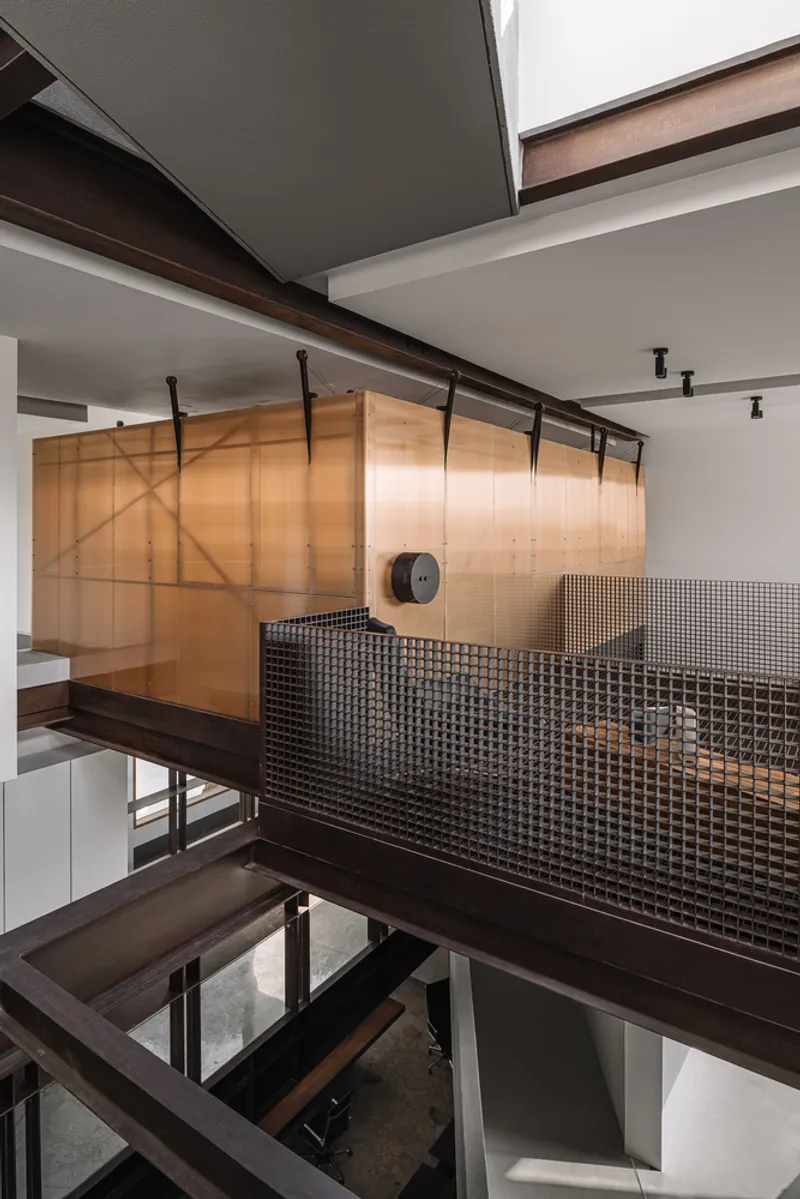
Perforated mesh surfaces play a key role in shaping these transitional spaces. Integrated into the flooring, staircases, and leisure areas, the perforated metal mesh allows light to pass through multiple levels of the building. This design strategy dissolves the visual heaviness of vertical planes while creating dynamic shadow patterns throughout the workspace.
As daylight filters through the perforations, the interior becomes a constantly changing environment where light and shadow animate the architecture. These layered spatial effects visually expand the building’s vertical dimension, making the workspace feel larger and more interconnected.
Bridges and Circulation: Guiding Movement Through Space
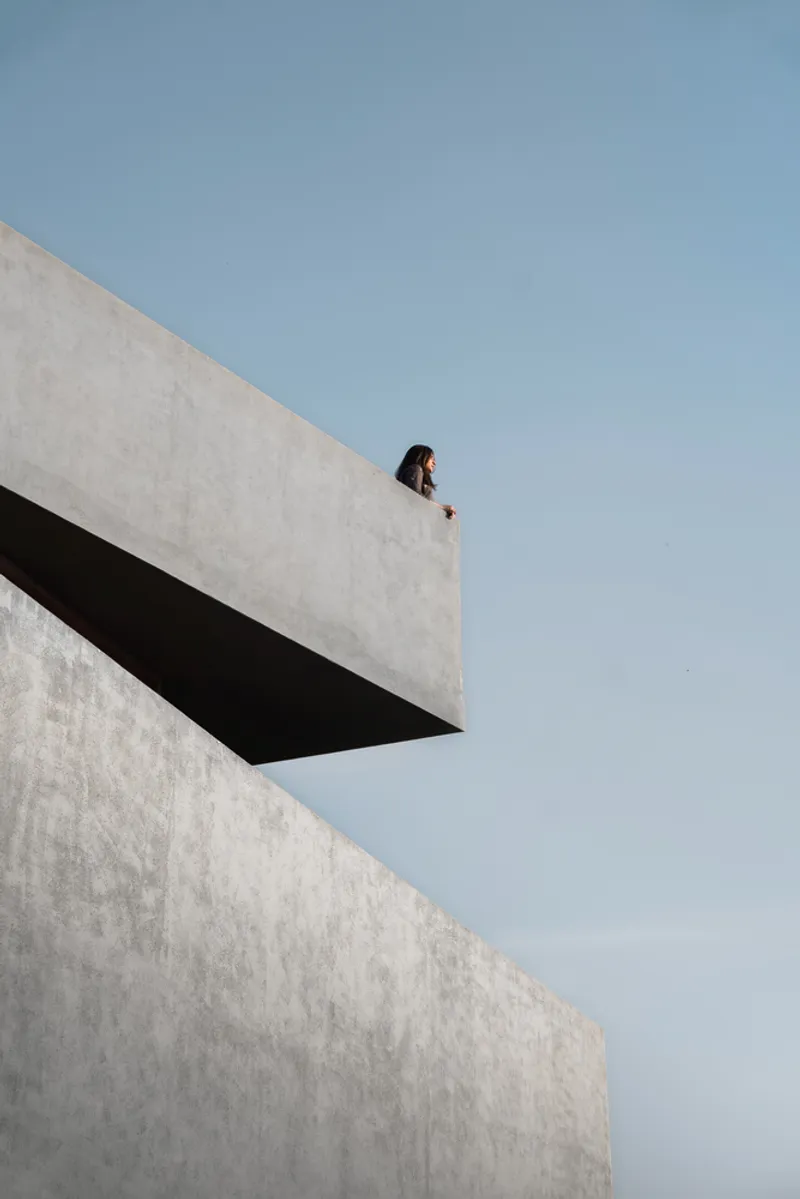
Movement within the studio is choreographed through a network of angular bridges and connecting pathways. These bridges overlap in dynamic configurations, creating directional flows that guide users from one space to another.
The architectural language of these bridges resembles arrows pointing through the building, subtly directing circulation while encouraging exploration. This system of elevated connections allows team members to move easily between levels while maintaining visual connections across the workspace.
Such spatial continuity fosters collaboration and interaction, reinforcing the studio’s philosophy of openness and shared creativity.
The Kinetic Conference Box: Innovation in Motion
One of the most striking features of the workspace is the kinetic conference box, a mechanical structure that merges technology, art, and architecture. Designed as a flexible meeting space, this conference room can open and close with the press of a button.
The kinetic mechanism transforms the conference box into a dynamic architectural element rather than a static enclosed room. When closed, it functions as a private meeting space. When opened, it becomes part of the larger studio environment, allowing discussions and presentations to spill into the surrounding spaces.
This innovative feature reflects Fulcrum Studio’s experimental design philosophy, demonstrating how architecture can actively respond to the changing needs of its users.

Celebrating Conceptual Models and Creative Process
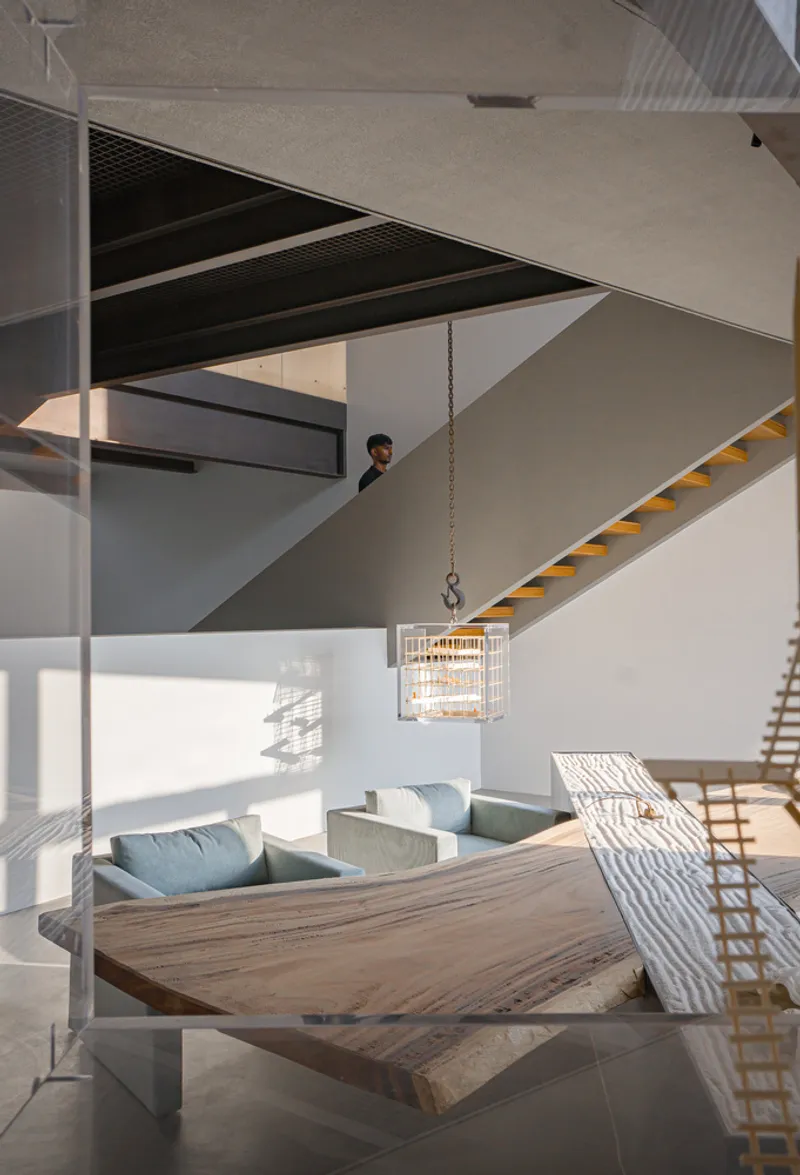
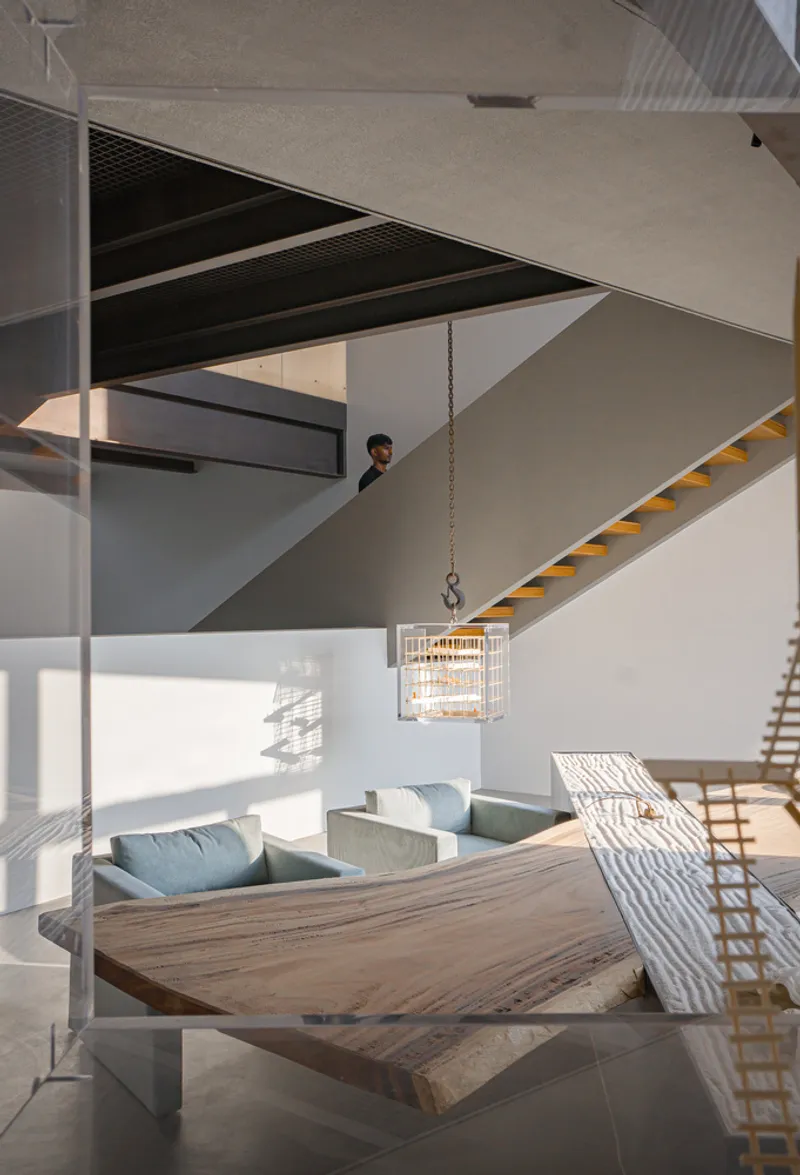
The workspace also showcases the studio’s design process. Architectural models and conceptual studies are displayed within suspended transparent boxes, giving them a floating appearance.
A simple pulley system, similar to those used during the construction process, was adapted to hold these display boxes. This approach celebrates the raw mechanics of building and emphasizes the importance of experimentation in architectural practice.
The suspended models become part of the spatial narrative, reminding visitors that architecture is an ongoing process of exploration and refinement.
Sustainable Materials and Circular Design
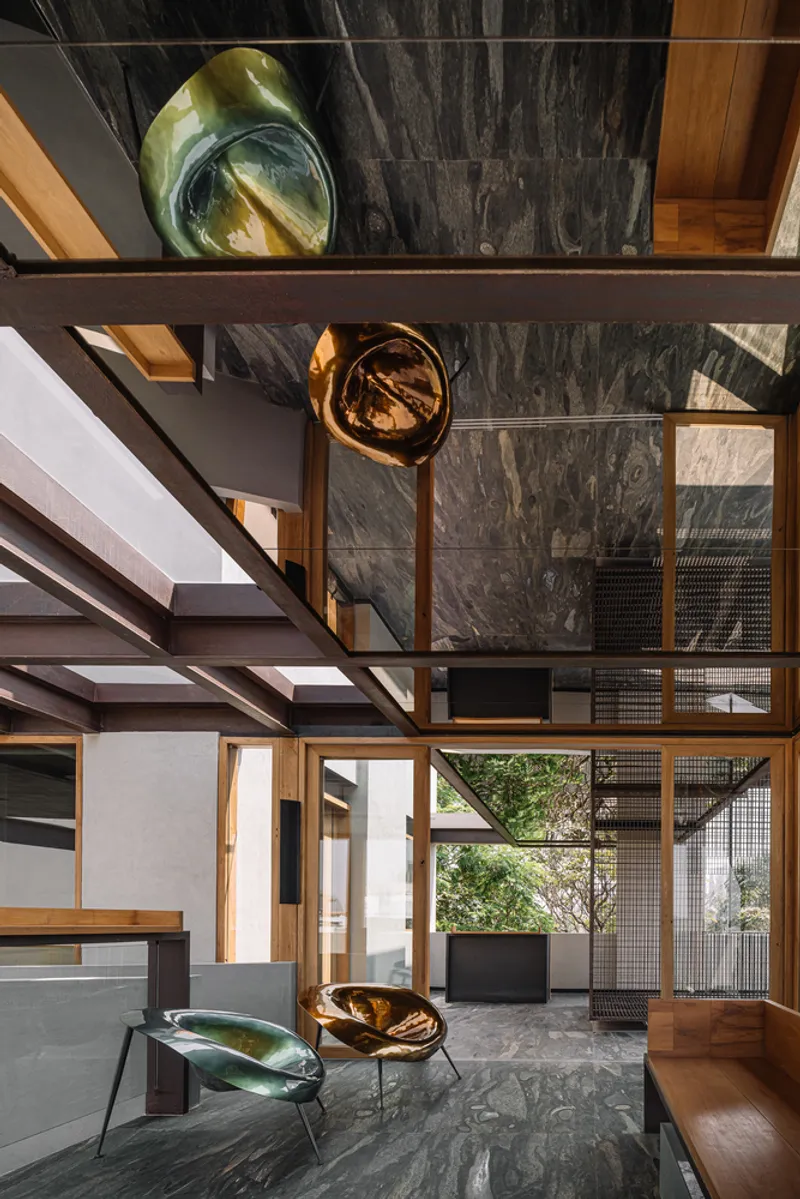
Sustainability plays a crucial role in the material strategy of the Fulcrum Studio Workspace. The architects intentionally exposed structural elements such as I-beams, chains, and metal frameworks, highlighting their industrial aesthetic while ensuring they remain reusable in the future.
Wood is used extensively throughout the interior and is sourced from sustainable timber yards, reinforcing the studio’s commitment to responsible material sourcing.
Additionally, the perforated mesh flooring was fabricated from metal waste generated during the construction process. Instead of discarding leftover materials, the architects transformed them into functional design elements that define the workspace’s unique character.
This circular approach to construction demonstrates how architectural creativity can align with environmental responsibility.


Art, Community, and Cultural Engagement
Beyond functioning as an architecture office, the Fulcrum Studio Workspace was designed to serve as a cultural and creative platform within the city. The layered spatial configuration allows the studio to host exhibitions, art installations, fashion showcases, culinary events, and cultural gatherings.
A dramatic suspended artwork made from reclaimed waste materials forms a central focal point within the building. This installation not only highlights the studio’s sustainable ethos but also reinforces the workspace’s role as a venue for artistic expression.
By opening its doors to the broader community, Fulcrum Studio transforms its workplace into a creative hub that encourages collaboration across disciplines.

A Creative Heart in the Urban Fabric
Located in the bustling center of Bengaluru, the Fulcrum Studio Workspace stands as an architectural statement about the evolving nature of work environments. The building’s layered interiors, experimental design elements, and sustainable materials create a dynamic setting that nurtures creativity and collaboration.
Rather than simply functioning as an office, the project represents a new model for architectural workplaces: one that integrates design experimentation, environmental responsibility, and community engagement.
Through its innovative spatial strategies and playful architectural interventions, the Fulcrum Studio Workspace demonstrates how contemporary architecture can transform everyday workspaces into inspiring environments that spark imagination and connection.
All photographs are works of
The Fishy Project


Popular Articles
Popular articles from the community


Tsunami Convergenics: Turning Catastrophic Ocean Forces into Underwater Housing Infrastructure
A speculative underwater settlement off the coast of Onagawa, Japan, treats tsunamis and typhoons as energy sources rather than threats.
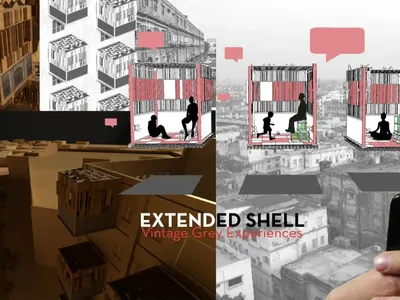
Extended Shell: Retrofitting Kolkata's Balconies as Living Urban Thresholds
A modular retrofit system recovers the social and environmental intelligence of Kolkata's historic verandas for contemporary Park Street residents.
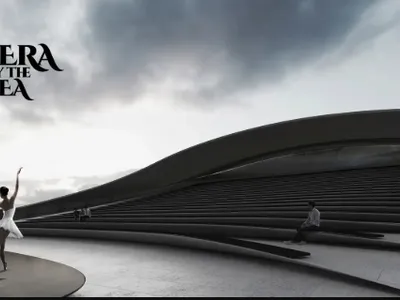
Opera by the Sea Estonia: Three Shells Dissolving Architecture into Tallinn's Coastline
A winning opera house proposal replaces monumental form with interconnected shells that blur the boundary between building, park and Baltic Sea.

Opera on the Sea: Driftwood Logic Shapes a Timber Opera House on Estonia's Coast
Trevor Orgill's opera house translates the entangled drift of floating timber into a civic building where wood, water, and music converge.

Similar Reads
You might also enjoy these articles

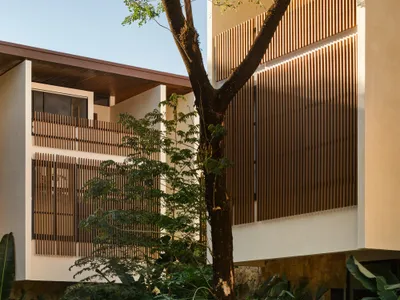
FAMM Arquitectura Organizes Ten Villas Around Courtyards and Jungle in Nosara, Costa Rica
El Molino pairs two elongated volumes with deep overhangs and timber louvers to build a compact coastal community five minutes from the beach.
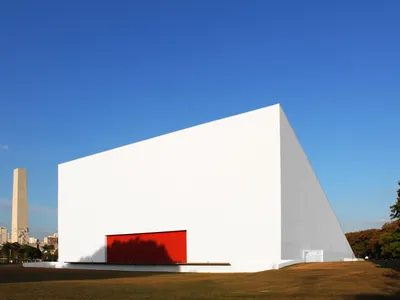
Oscar Niemeyer's Ibirapuera Park Pavilions Define São Paulo's Cultural Identity in Concrete and Curve
A constellation of modernist volumes set within São Paulo's most important urban park, conceived for the city's 400th anniversary in 1954.
Sanjay Puri Architects Wraps a Jaipur Office Tower in Capsule-Shaped Green Buffers
A nine-level climate-responsive workplace near Jaipur Airport uses stacked planter terraces and aluminium screens to fight 40°C heat.
RHO Converts a Berlin Spree-Side Industrial Courtyard into Enkime's 1,000 m² Agency Headquarters
A social media agency's new home in Charlottenburg trades glossy branding for concrete waffle ceilings, glazed tile, and sheer curtains.

Explore Futuristic Workspaces Competitions
Discover active competitions in this discipline

Challenge to reimagine the Iron Throne

Photograph architecture without architects

Illustrate the lost glory of Angkor Wat - Render Challenge

Design challenge to reuse E-waste
Comments (0)
Please login or sign up to add comments
No comments yet. Be the first to comment!