

Futuristic Community Retail Parks: Unveiling the Vision of Conveyor Park
This article explores the innovative design and community-centric vision behind Conveyor Park, a futuristic retail park concept reshaping the future of urban spaces and retail experiences.


In an era where the line between tomorrow and today blurs with rapid technological advancements, architectural innovations continue to reshape our urban landscapes and social interactions. A shining example of this evolution is Conveyor Park, a pioneering project conceptualized by the visionary architect Stefanos Gregoriou. This futuristic retail park, crowned as the winner of "The Architecture of Time" competition, redefines the traditional shopping experience, transitioning from consumerism to creativity and community engagement.
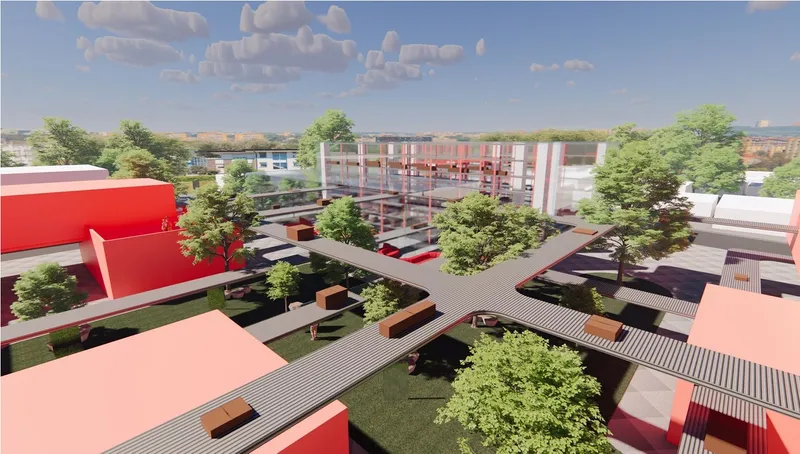
Location and Significance
Strategically nestled in the heart of Merida, merely 5.9 km from the International Airport, Conveyor Park stands in the vibrant area of the Centenario, one of the most expansive historical centers in the Americas. This choice of location is not merely geographical but symbolic, bridging the rich past with an innovative future, and serving as a beacon of new-age architecture in a region steeped in history.

Innovative Design and Economic Impact
At the core of Conveyor Park's design philosophy is the integration of green spaces, ensuring that the natural environment is not only preserved but highlighted as an essential element of modern retail spaces. The park is a testament to the importance of eco-friendly and sustainable architecture, reflecting the growing trend towards greener retail environments in the sector of Futuristic Community Retail Parks.
Moreover, the economic structure of the surrounding area, predominantly driven by retail trade and manufacturing industries, aligns seamlessly with Conveyor Park's ethos. By promoting DIY culture and personal manufacturing, the park aims to revolutionize the local economy, fostering a community of creators and innovators.

Phasing and Development
The development of Conveyor Park is meticulously planned through initial phasing ideas, projecting a timeline that extends two centuries into the future. This long-term vision ensures the project's sustainability and relevance, anticipating the evolving needs of future generations. The park's design embraces flexibility, connectivity, and accessibility, making it a quintessential model for future retail parks worldwide.

Design Strategies and Concept Features
Conveyor Park's layout emphasizes brief connections, park-like spaces, and multiple access points, facilitating an open and inclusive environment. The heart of the project lies in its fulfillment center, supplying all workshops with necessary materials, thereby encouraging visitors to engage in the creation of their own goods—a revolutionary concept in the realm of retail.
The park's architecture promotes a seamless journey through its premises, accentuated by underground and overground connectivity, ensuring an immersive and interactive experience for all visitors.

The Future of Retail and Community Spaces
Conveyor Park embodies the future of retail and community spaces, showcasing how architecture can facilitate new forms of social interaction and economic activity. This project serves as a blueprint for future developments in the sector of Futuristic Community Retail Parks, highlighting the potential for sustainable, community-focused, and innovative urban spaces.
Conveyor Park is not just a physical space but a movement towards a more inclusive, sustainable, and community-oriented future. As we look towards the horizon of urban development and retail experiences, projects like Conveyor Park light the way, demonstrating the boundless possibilities of architectural innovation. In embracing the principles of creativity, sustainability, and community, Conveyor Park stands as a beacon for future generations, epitomizing the true essence of Futuristic Community Retail Parks.




Popular Articles
Popular articles from the community


Co-Life: Senior Housing Design That Reconnects Older Adults With the City
Co-Life reimagines senior housing design through healing gardens, shared streets, workshops, and a sustainable community across generations.

Play: Fragments of Their World
Familiar architecture becomes modular playground design, creating safe spaces where displaced children can learn, connect, imagine and play.

The Ocean Hive: Sustainable Architecture for a Self-Sufficient Civilization at Sea
The Ocean Hive imagines sustainable architecture at sea, where modular habitats, algae, wave power and ocean waste sustain a growing colony.

Hill & Cross Opera: Sculptural Opera House Architecture Shaped by Tallinn’s Landscape and Identity
Hill & Cross Opera reimagines opera house architecture in Tallinn through its sculptural hill, civic plaza, glass wave and a luminous cross.


Similar Reads
You might also enjoy these articles

Day and Night Park: A Time-Based Urban Newsstand in Beijing
A temporary urban newsstand in Beijing blending travel, light, and reading through poetic colors, compact form, and community-focused design.

Modernist Patio Renovation in El Masnou, Barcelona by Oliver Segura Arquitectura + Cebrià Arquitectura
Modernist patio renovation blending tradition and innovation with a movable pool, leveled floors, and Catalan materials in El Masnou.

Alto Residencial Coop: Cooperative Housing Development in Santiago de Compostela by Carbajo Barrios Arquitectos
A linear cooperative housing complex blending white volumes and perforated metal façades, enhancing community living, natural light, privacy, and urban integration.
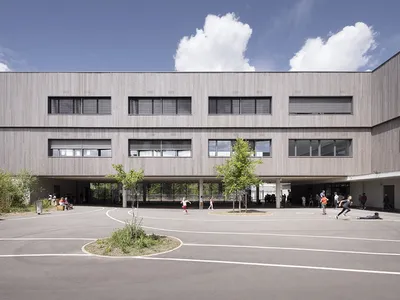
Vil Genis School by BPA ARCHITECTURE – Massy, France
Vil Genis School in Massy, France, features sustainable design, south-facing classrooms, community integration, accessible spaces, and modern educational architecture.


Comments (0)
Please login or sign up to add comments
No comments yet. Be the first to comment!