

GALAXIE eR Kindergarten in Varnsdorf: A Playful Learning Environment Designed Around Nature
Elliptical kindergarten with central atrium, green roof, and flexible classrooms, blending nature, daylight, and child-centered design for joyful learning.


The GALAXIE eR Kindergarten in Varnsdorf, Czechia, designed by RG architects studio, is a thoughtfully crafted educational building that blends organic architecture, nature integration, and child-centered design. Completed in 2024, the 1,120-square-meter facility was developed to address the growing demand for modern preschool infrastructure in the Šluknov foothills region. Designed to accommodate 50 children, the kindergarten combines spatial harmony, flexibility, and landscape connectivity to create a joyful and nurturing environment for early childhood education.

A Contemporary Preschool for a Growing Community
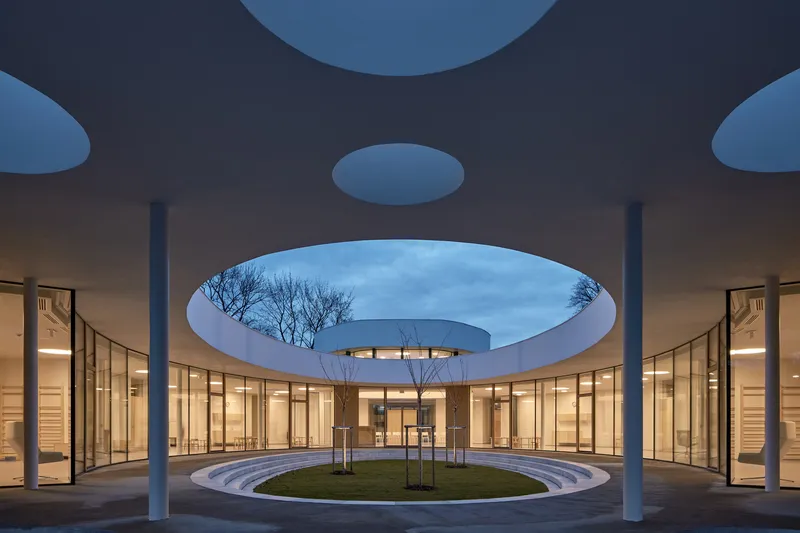
Located at the corner of Západní Street near the road leading to Edisonova School, the kindergarten occupies a strategic corner site that helps define a new public space in the neighborhood. The building’s placement carefully responds to the surrounding urban context, circulation patterns, and landscape views.
The architects envisioned the project as more than just a school building. Instead, it acts as a community-oriented educational facility, supporting not only preschool learning but also cultural and social activities within the local community.
The design organizes the site with elliptical green islands and pedestrian pathways, encouraging natural circulation around the building. This landscaping strategy creates an inviting public environment that strengthens the connection between the kindergarten and its surroundings.
An Organic Architectural Form Inspired by Movement and Harmony
One of the most distinctive features of the GALAXIE eR Kindergarten is its regular elliptical floor plan. The single-story structure is constructed from brick and capped with a flat green roof that enhances thermal performance while visually blending the building with the surrounding landscape.
At the center of the building lies an elliptical internal atrium, which acts as the heart of the kindergarten. The organic geometry was carefully designed to maximize sunlight penetration into interior spaces and to maintain visual connections with the adjacent forest park and landscape.
This architectural form embodies concepts such as freedom, openness, and harmony, qualities that are essential for fostering children's creativity and emotional well-being.

A Symbolic Garden at the Heart of the School
The central courtyard serves as a peaceful green sanctuary. Newly planted sakura trees create a seasonal landscape that transforms throughout the year, offering children a constantly evolving natural environment.
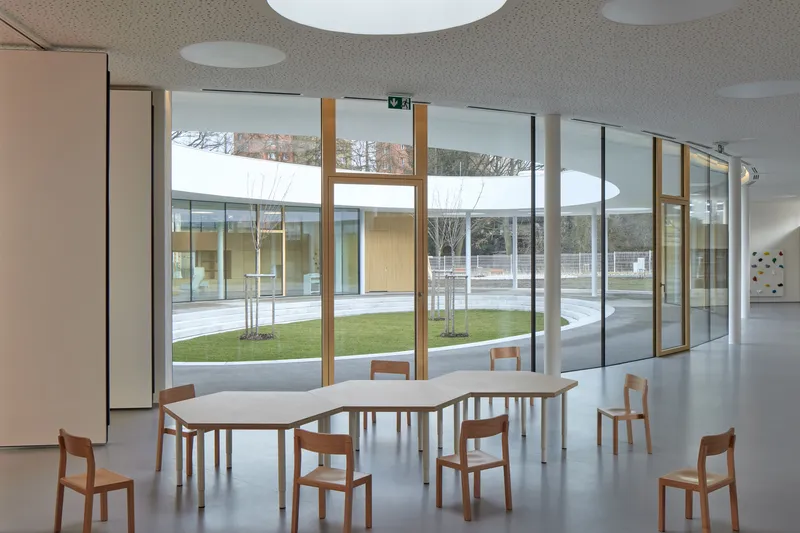
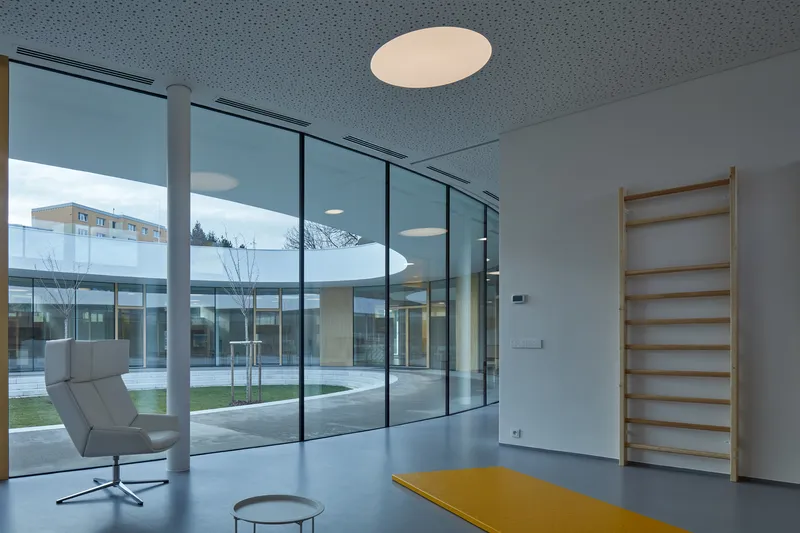
The atrium symbolizes the idea of a “Garden of Eden,” representing innocence and the purity of childhood. Through large glass openings, the courtyard visually connects with the surrounding outdoor playground and garden areas. This spatial continuity reinforces the concept of children gradually discovering and exploring the wider world beyond the protected inner garden.
The result is a learning environment where nature becomes an active participant in daily educational experiences.
Functional Layout for Learning, Play, and Community Events
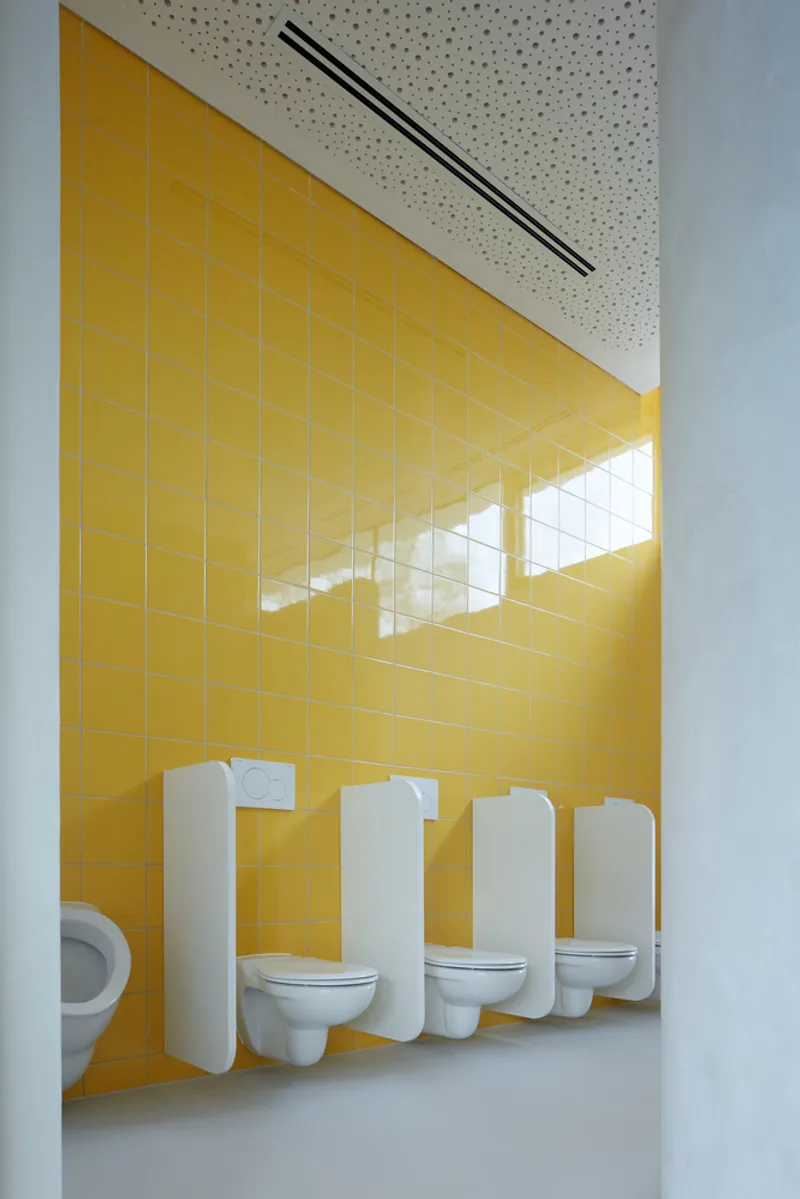
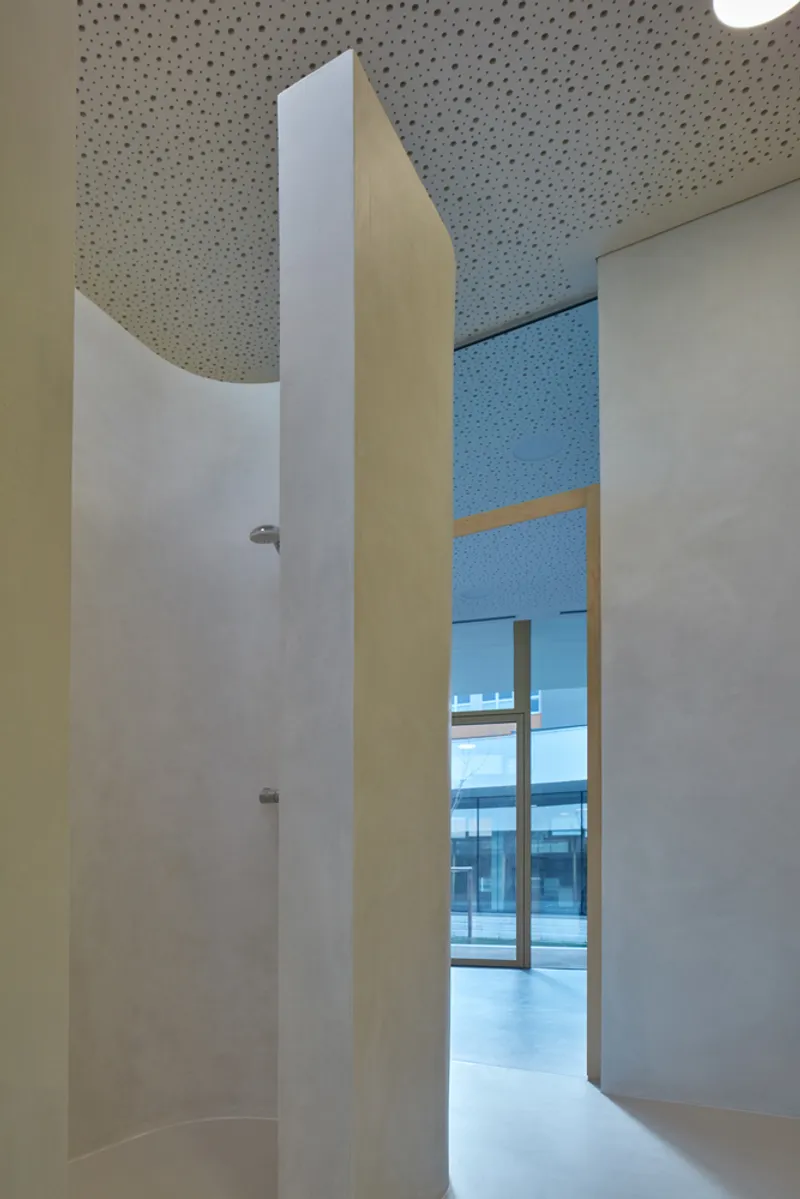
The kindergarten is organized into two equal educational units, each designed for 25 children. Each section includes its own operational facilities, sanitary spaces, and dining areas to ensure smooth daily functioning.
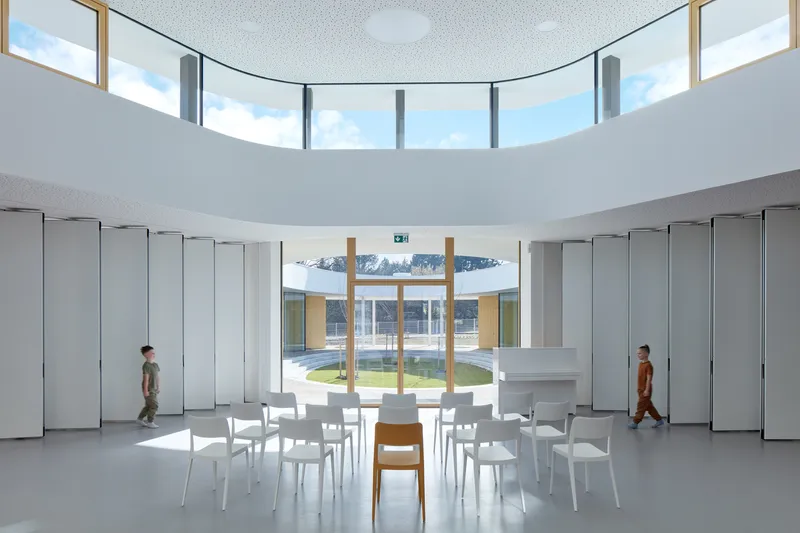
At the core of the building lies a multifunctional hall, positioned at the center of the elliptical plan. This flexible space serves multiple purposes:
- Children’s celebrations and performances
- Indoor physical activities
- Educational gatherings
- Cultural events for the wider community
Sliding mobile partitions separate the hall from nearby classrooms, allowing the space to expand or contract depending on the activity. This adaptable layout ensures that the building can easily respond to different teaching methods and community uses.
Child-Centered Interior Design
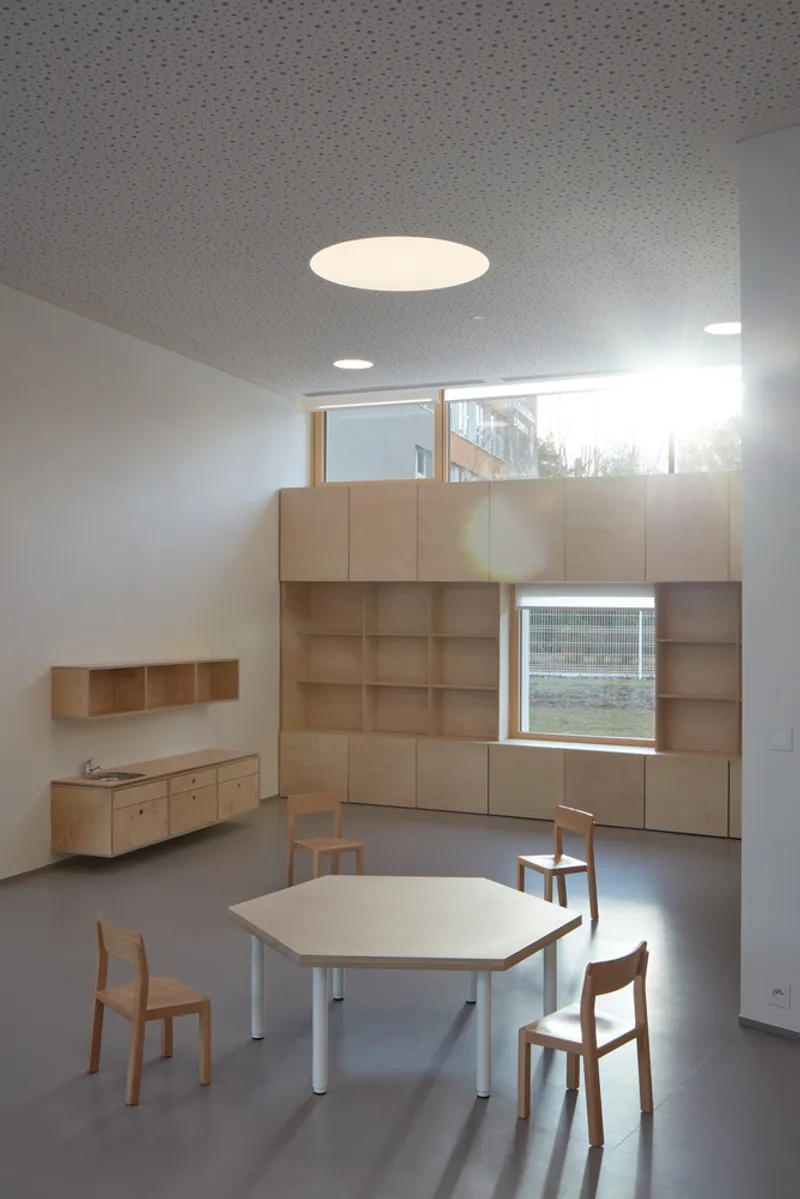
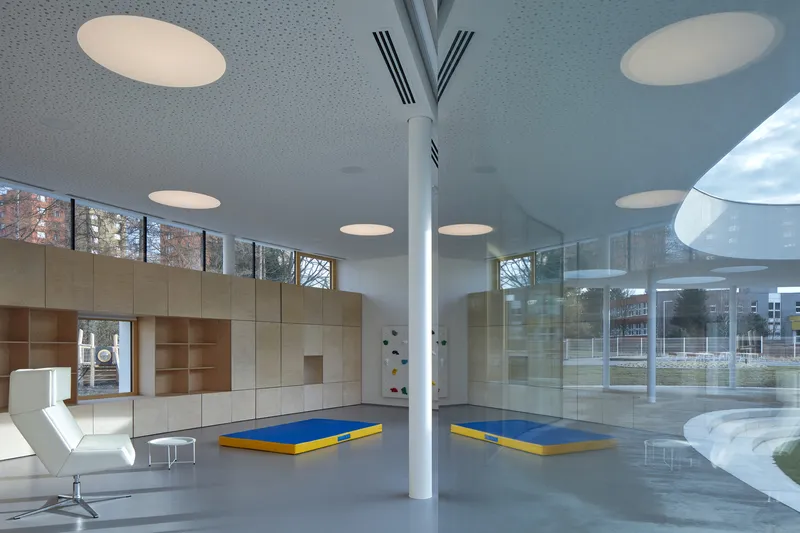
The classrooms, playrooms, and resting areas are symmetrically arranged along the building’s curved wings. These spaces are conceived as open, flexible environments that encourage movement, exploration, and creativity.
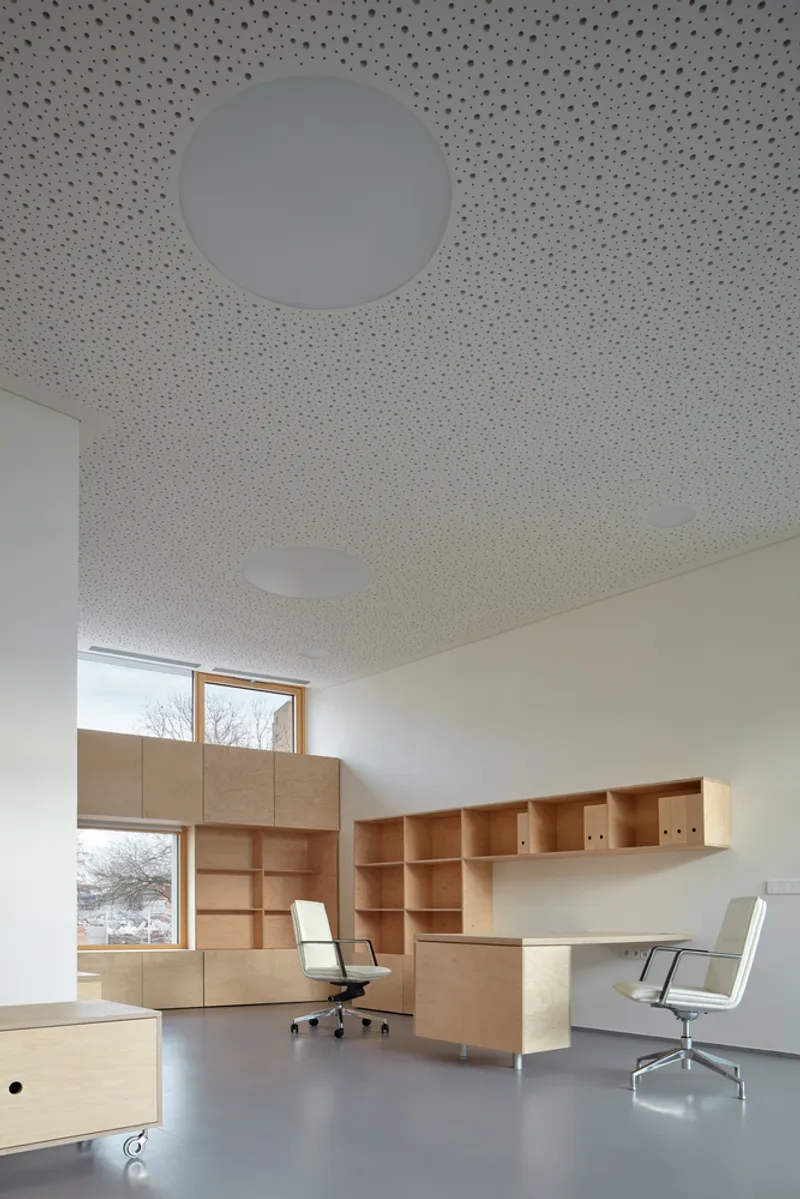
Built-in custom furniture plays a major role in the interior design. The furniture includes:
- Toy storage shelves
- Built-in cabinets
- Mobile containers for flexible classroom organization
- Integrated frameless windows positioned at children’s eye level
These windows frame views toward the surrounding garden, helping children maintain a visual connection with nature throughout the day.
Natural Materials and Calm Interior Atmosphere
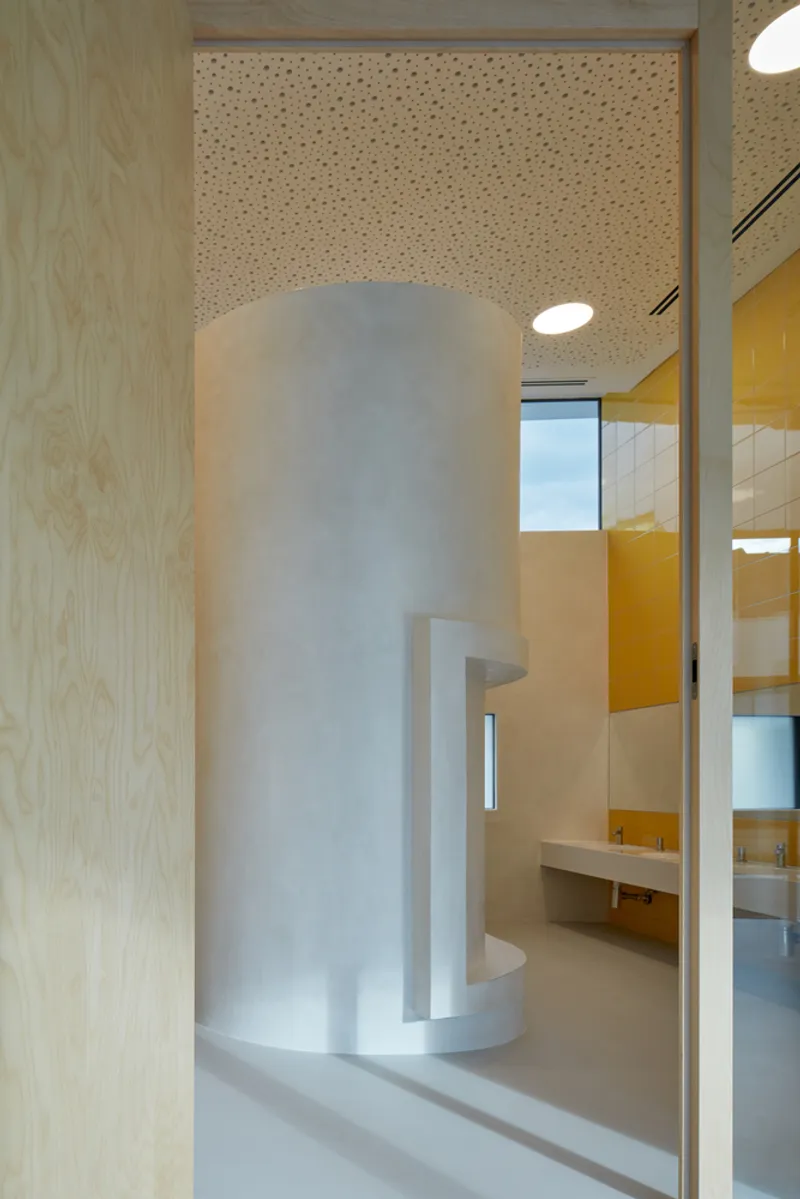
The interior design follows a neutral and calming material palette, allowing playful colors and natural greenery to become the main visual highlights. Key materials include:
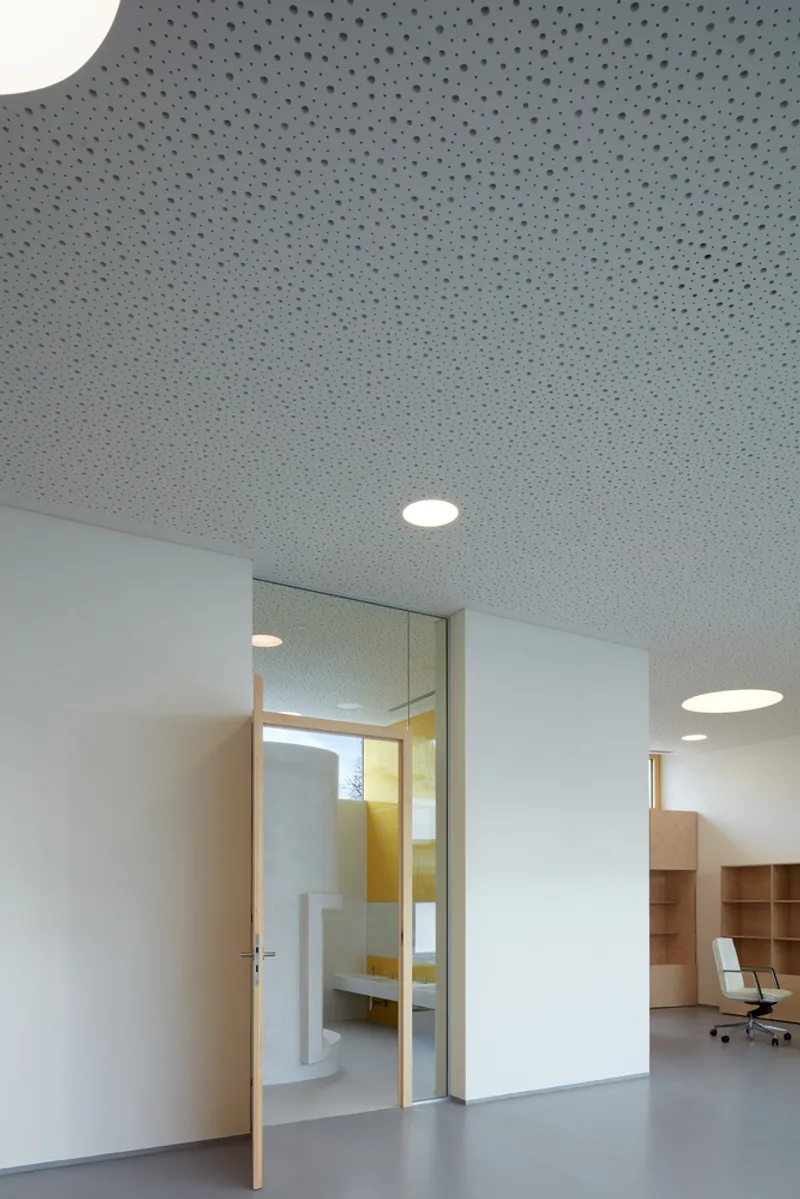
- Light gray linoleum flooring for durability and comfort
- Birch plywood furniture that adds warmth and natural texture
- White painted surfaces that enhance brightness
- Acoustic perforated ceilings with circular lighting elements
This restrained palette ensures a balanced and harmonious environment while supporting acoustic comfort and visual clarity for young learners.

Seamless Connection Between Indoor and Outdoor Spaces
Large floor-to-ceiling glazing facing the courtyard ensures abundant natural daylight throughout the building. Combined with strip and square windows along the exterior walls, the design allows the surrounding garden to remain visible from almost every interior space.
This constant visual connection reinforces the concept that nature and architecture are inseparable parts of the educational experience. Children can observe seasonal changes, weather patterns, and plant growth while remaining indoors.
The surrounding garden with birch trees and blooming sakura becomes a natural extension of the learning environment, encouraging outdoor play and exploration.
Sustainable and Future-Focused Educational Architecture
The GALAXIE eR Kindergarten demonstrates how contemporary school design can integrate sustainability, flexibility, and child-focused spatial planning. Its green roof, efficient natural lighting, and landscape integration contribute to environmental performance while creating a healthier learning environment.
By combining organic architecture, symbolic landscape elements, and adaptable educational spaces, RG architects studio has created a preschool that supports both children’s development and community engagement.
The project stands as an inspiring example of modern kindergarten architecture, where thoughtful design nurtures creativity, emotional well-being, and a lifelong connection to nature.
All photographs are works of
BoysPlayNice




Popular Articles
Popular articles from the community


AL-JANNAH: Sustainable Architecture and Permaculture for Afghan Widows
AL-JANNAH uses sustainable architecture and permaculture to create resilient oasis of housing, learning, work and renewal for Afghan widows.

The Musturak Paradise: Senior Living Architecture for a Connected Future in Temara, Morocco
The Musturak Paradise reimagines senior living architecture in Temara via private homes, social spaces, culture, community, and shared care.
EW PARK: Sustainable Architecture Reimagines the Future of Urban Parking
EW PARK reimagines city parking as a modular wooden tower combining automation, solar energy, electric mobility, and adaptable urban design.

Riyadh For All: Intergenerational Urban Design for Active Aging in Rabat
Riyadh For All reimagines urban design in Rabat with intergenerational co-living, adaptive courtyards, and Moroccan cultural exchange today.


Similar Reads
You might also enjoy these articles

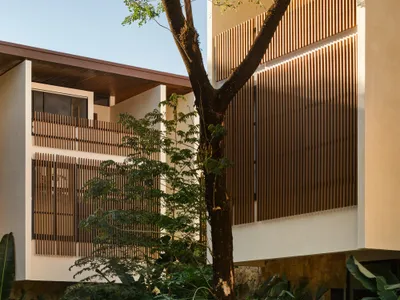
FAMM Arquitectura Organizes Ten Villas Around Courtyards and Jungle in Nosara, Costa Rica
El Molino pairs two elongated volumes with deep overhangs and timber louvers to build a compact coastal community five minutes from the beach.
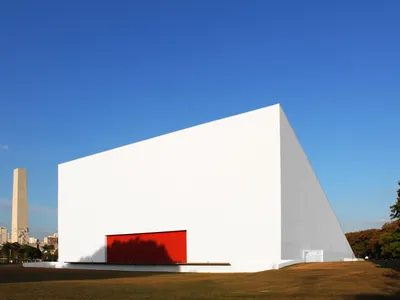
Oscar Niemeyer's Ibirapuera Park Pavilions Define São Paulo's Cultural Identity in Concrete and Curve
A constellation of modernist volumes set within São Paulo's most important urban park, conceived for the city's 400th anniversary in 1954.
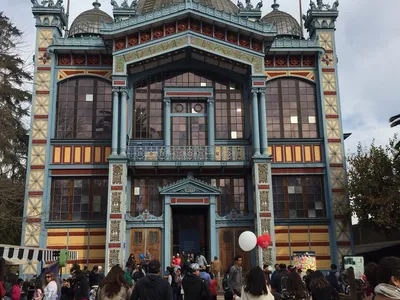
How Henri Picq's 1889 Paris Pavilion Traveled 11,000 Kilometers to Become Santiago's Artequín Museum
A prefabricated iron and glass pavilion built for the Paris Universal Exposition found a second life as a children's art museum in Chile.
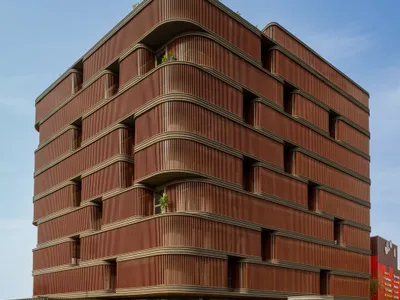
Sanjay Puri Architects Wraps a Jaipur Office Tower in Capsule-Shaped Green Buffers
A nine-level climate-responsive workplace near Jaipur Airport uses stacked planter terraces and aluminium screens to fight 40°C heat.
Explore Educational Building Competitions
Discover active competitions in this discipline



Challenge to design public laboratory


Challenge to reimagine the Iron Throne


Photograph architecture without architects


Illustrate the lost glory of Angkor Wat - Render Challenge
Comments (0)
Please login or sign up to add comments
No comments yet. Be the first to comment!