
Gallery in Ishiyama by CHIKARAISHI ARCHITECTS STUDIO: A Minimalist Expression of Wooden Gallery Architecture in Japan
A showcase of wooden gallery architecture blending brand identity, transparency, and sustainability in a minimalist space in Shiga, Japan.


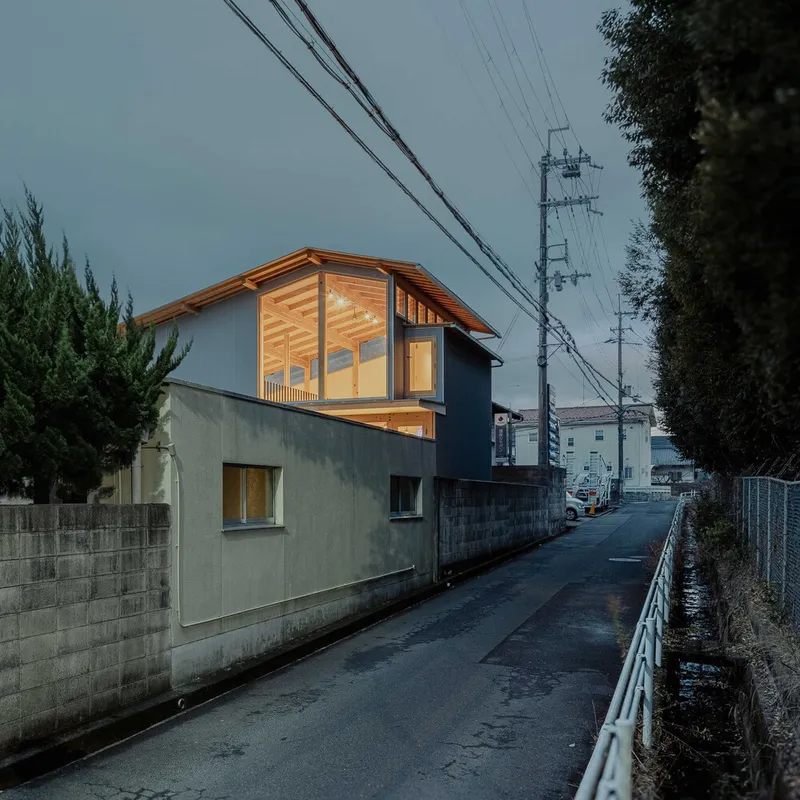
Nestled in Ōtsu, Shiga Prefecture, the Gallery in Ishiyama by CHIKARAISHI ARCHITECTS STUDIO exemplifies the refined craft of wooden gallery architecture, where structural clarity, material honesty, and flexible spatial design converge to create a thoughtful architectural narrative. Serving as both a gallery and a brand hub for a technology company, this two-story structure is designed not only as a functional space but as an embodiment of the brand’s philosophy of openness, craftsmanship, and sustainability.

A Platform for Communication Through Architecture
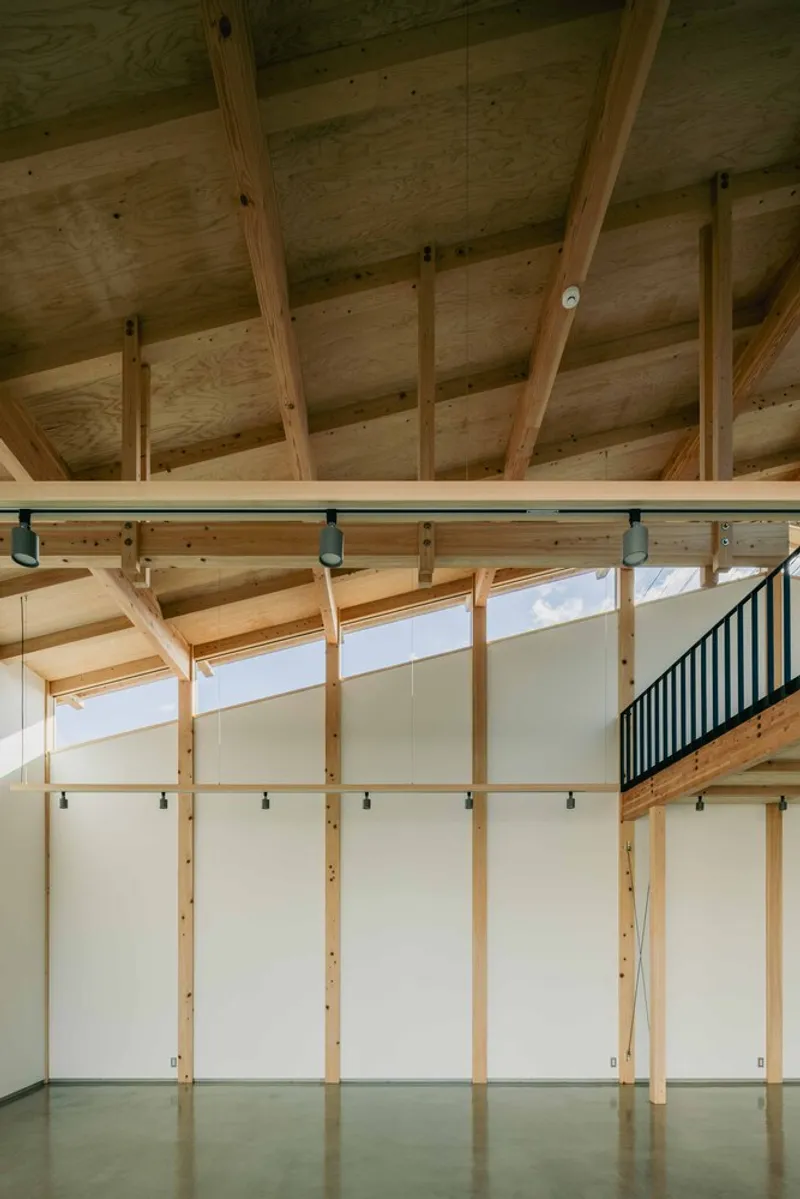
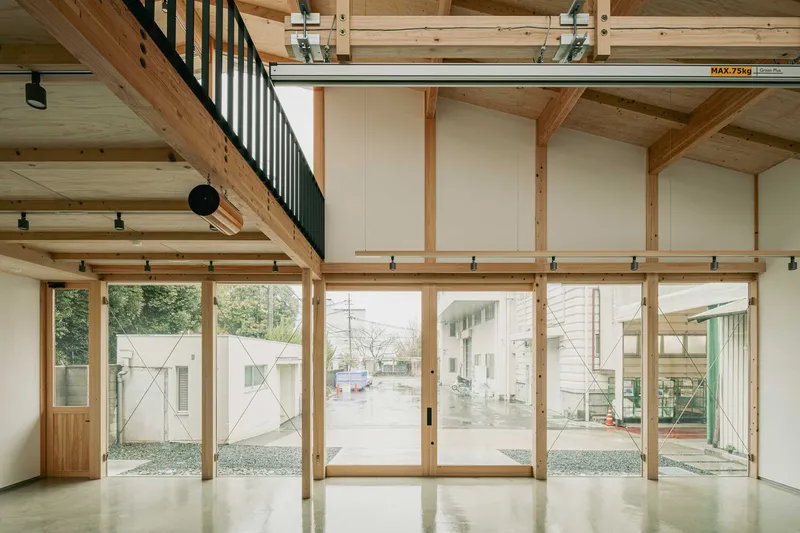
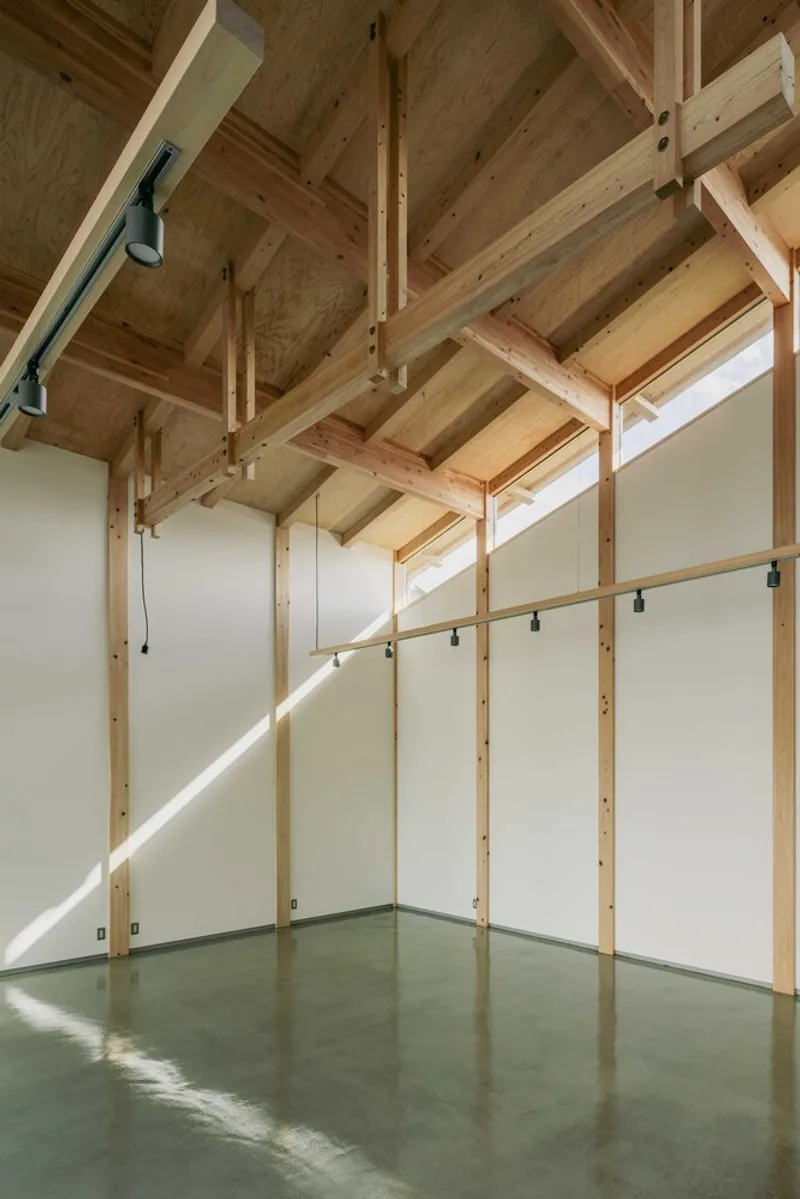
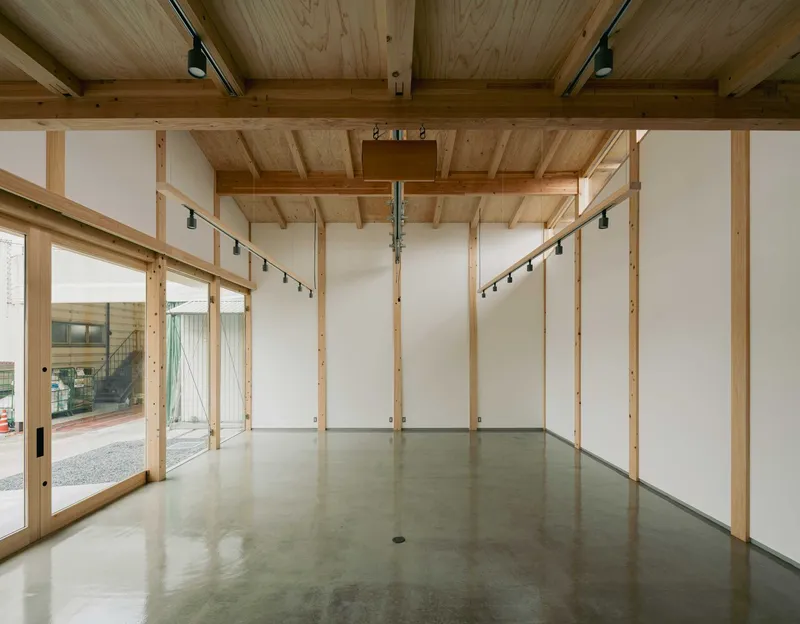
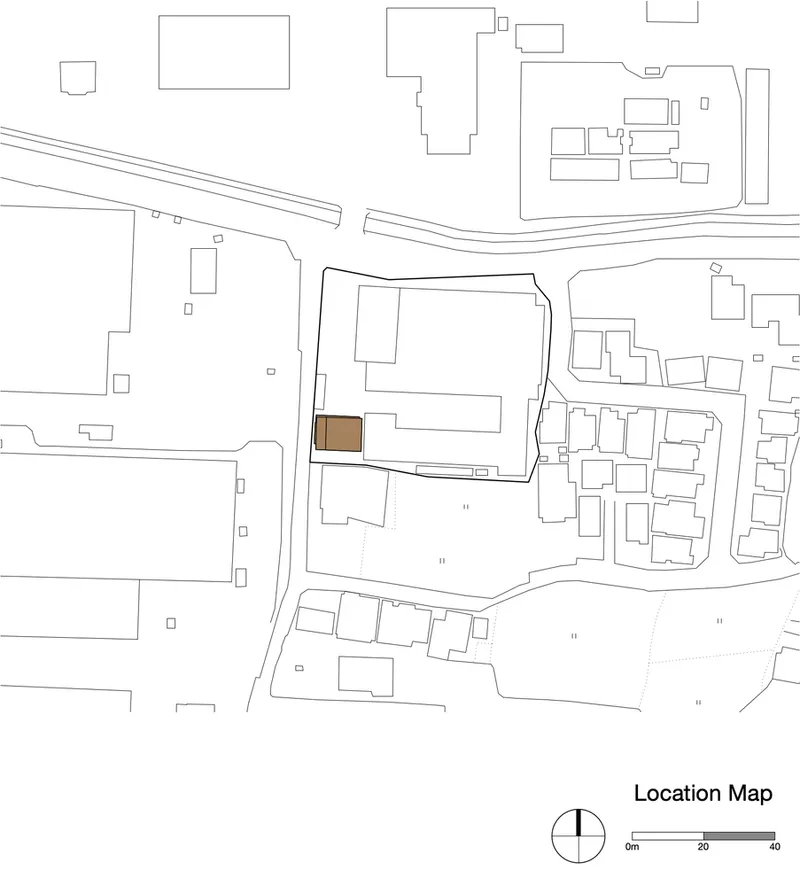
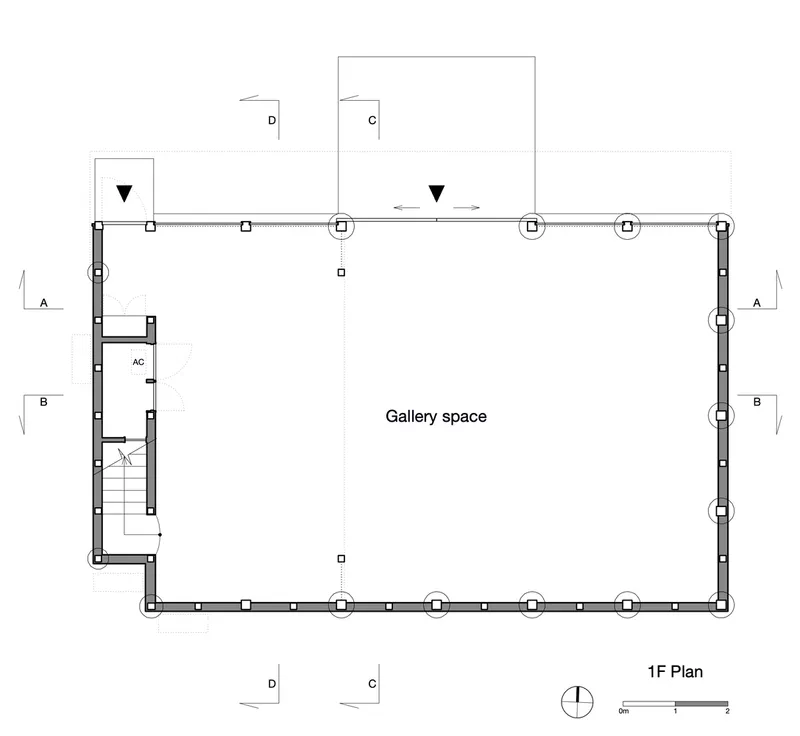
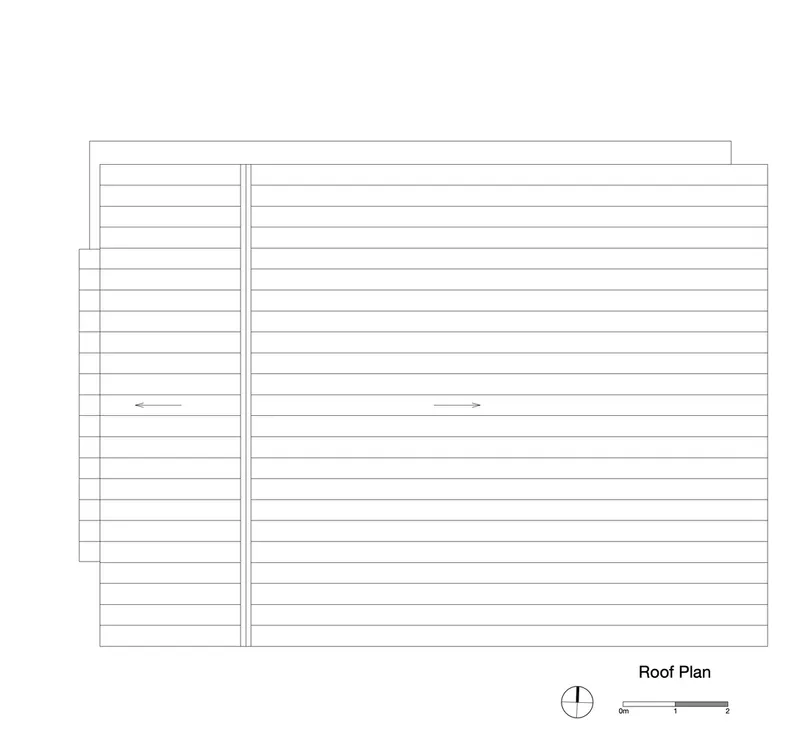
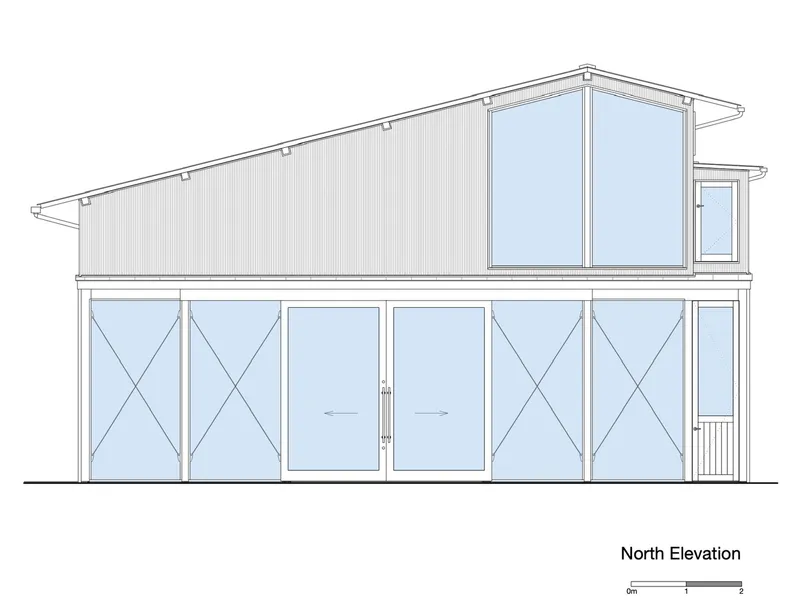
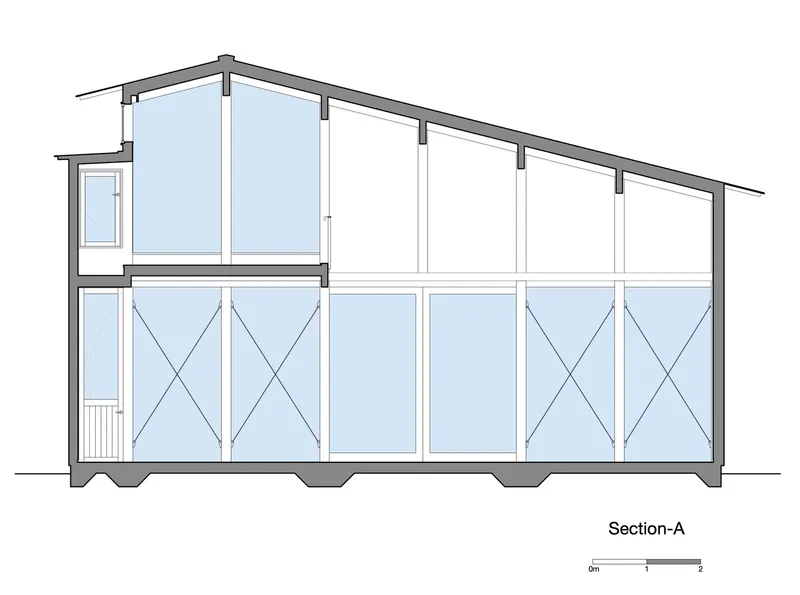
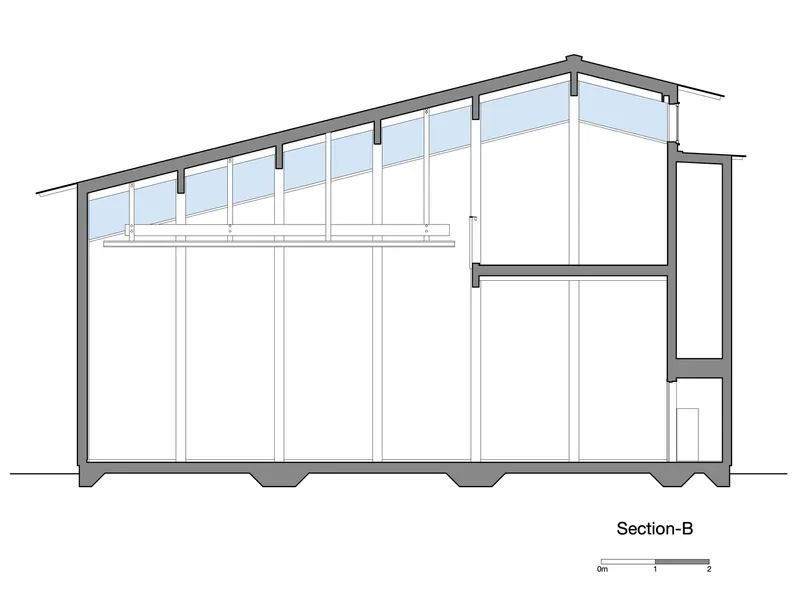
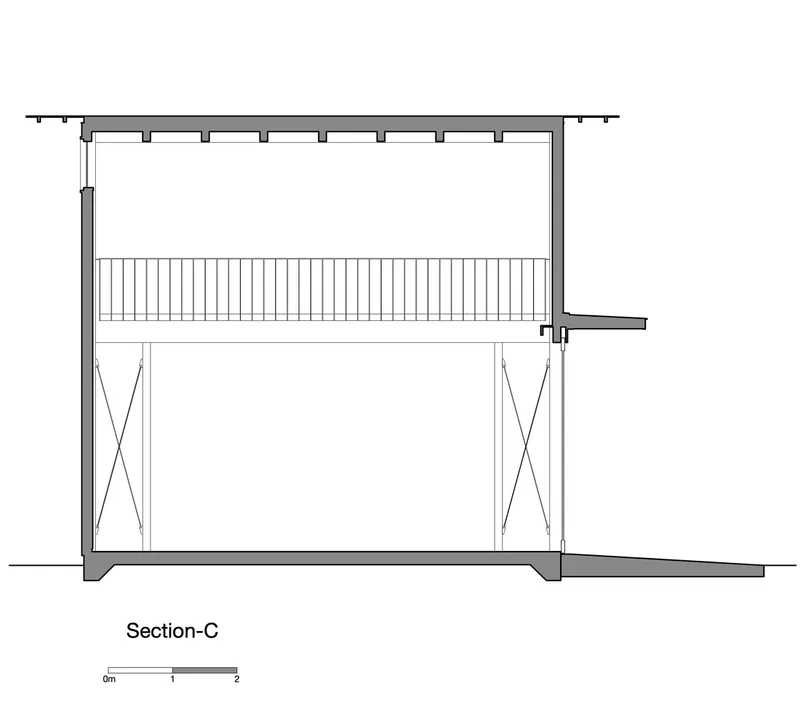
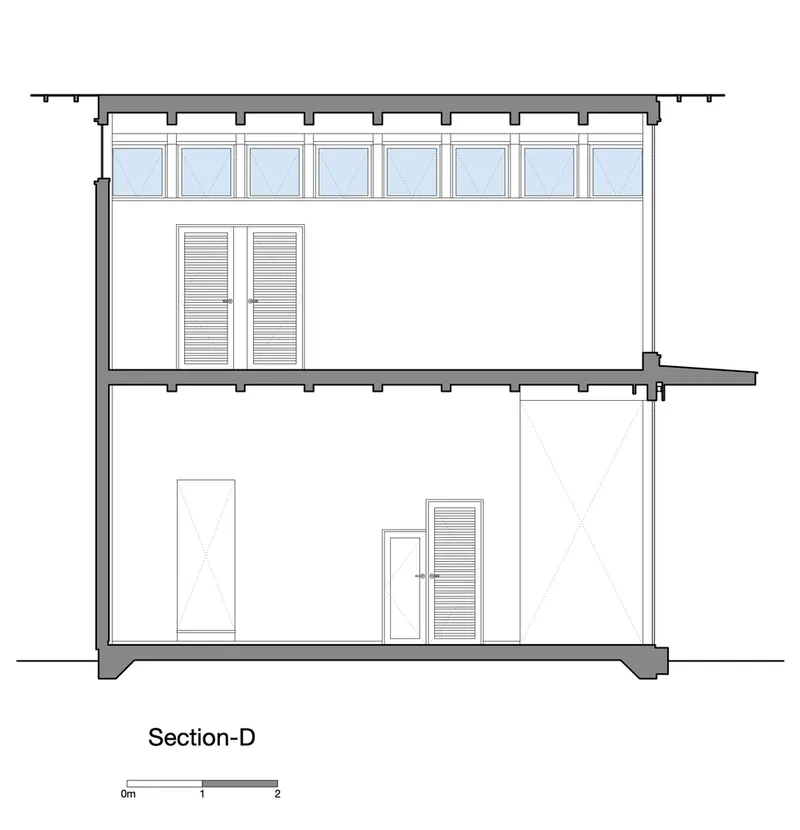
Conceived as a multifunctional space that merges display, work, and communication, the gallery features a single-room layout measuring 7.28 by 10.92 meters. This open-plan configuration is intentionally free of fixed partitions, allowing the space to flexibly shift between uses—exhibitions, product launches, meetings, and events. The architecture becomes a silent communicator of the company’s identity, transforming everyday use into a performative expression of values and design integrity.
Transparency as an Architectural Language
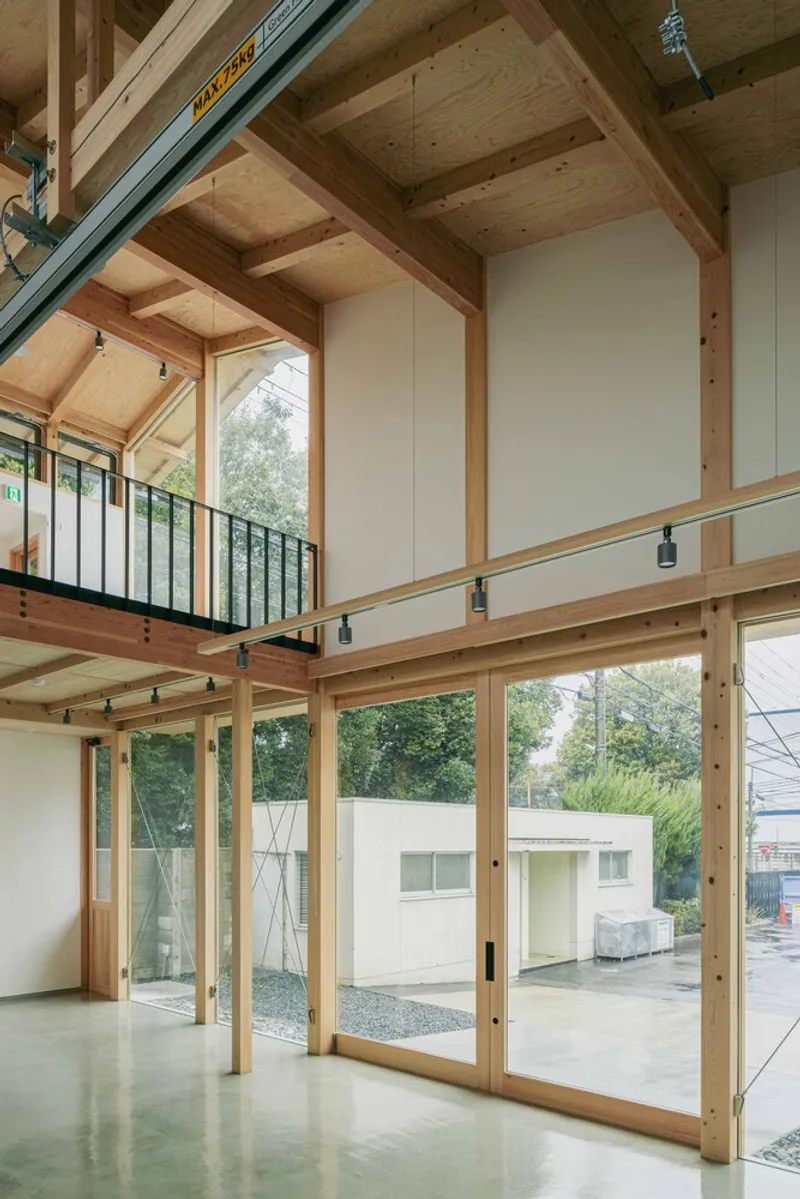
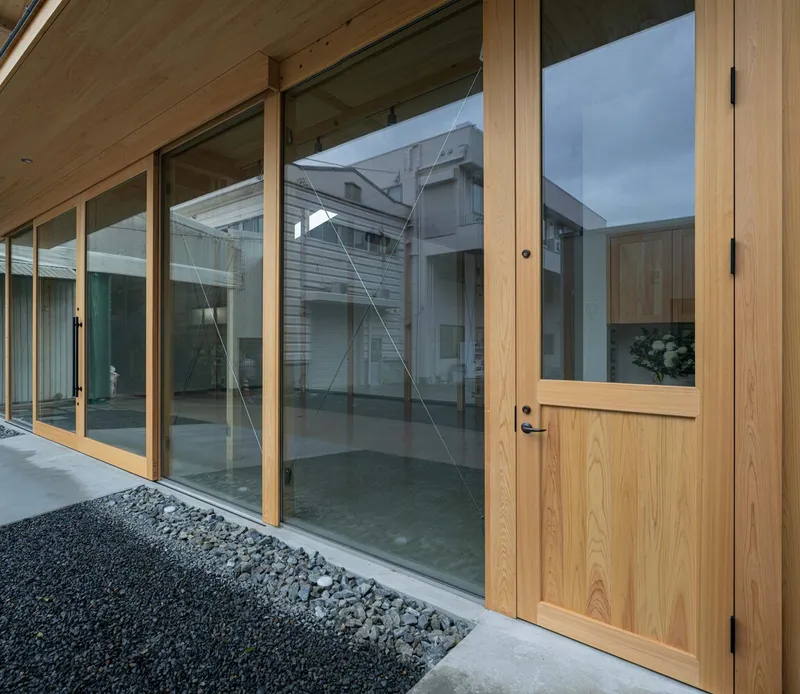
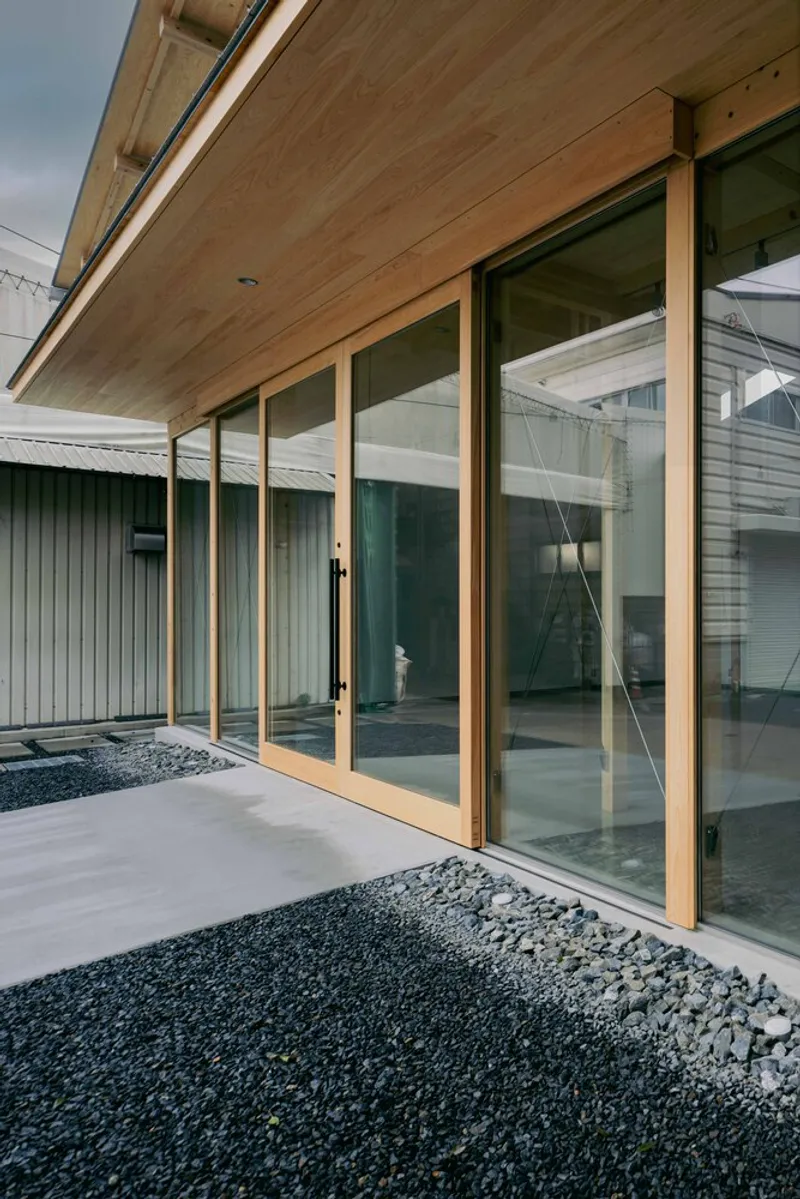
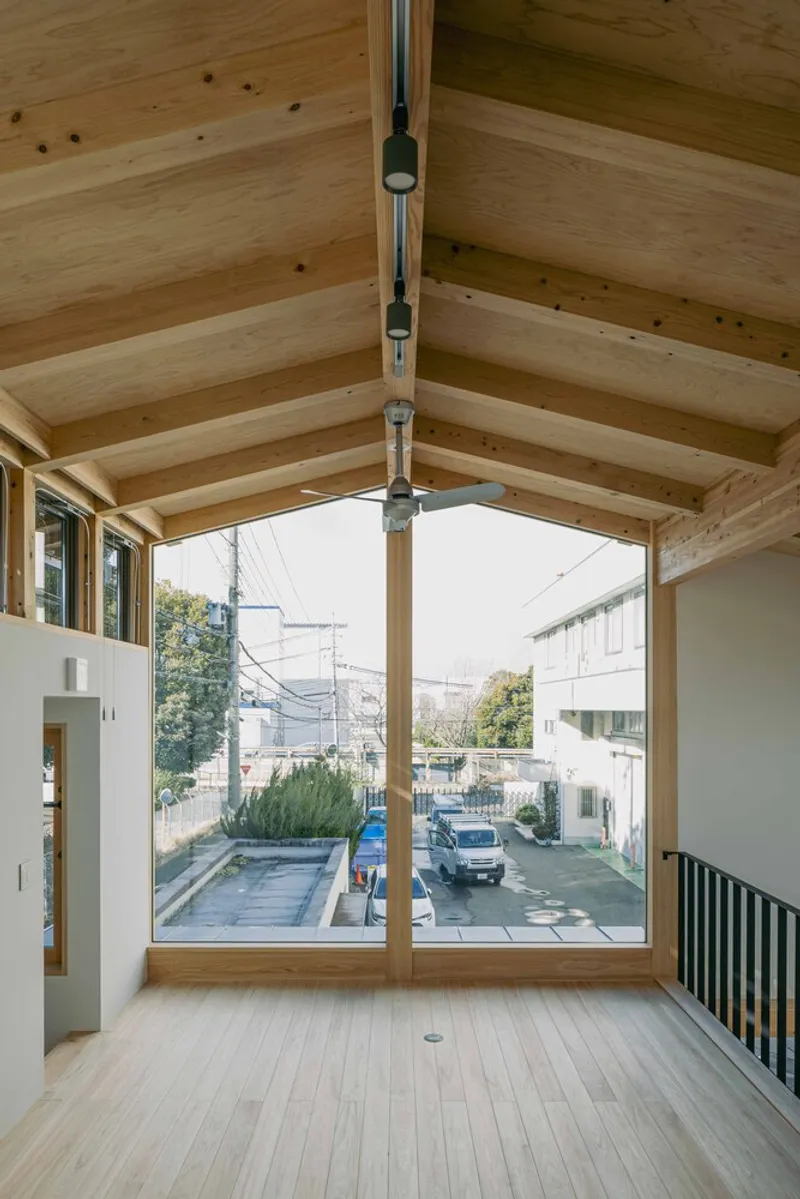
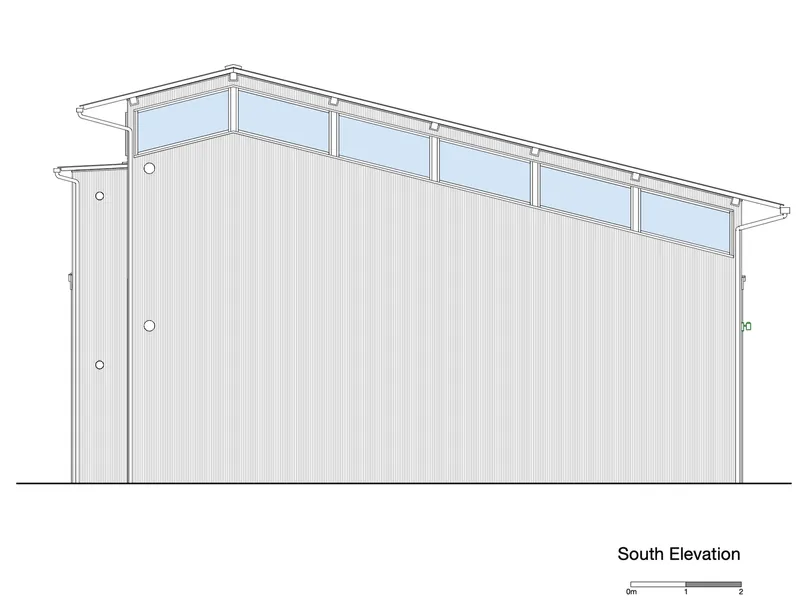
One of the defining features of the gallery is its transparent façade. Large glass panels dominate the exterior, turning the building into a visual display case that invites curiosity from the street. This design strategy ensures that products and internal activities remain visible to the public, reinforcing the company's commitment to openness and engagement with the surrounding community. In doing so, the building functions as both a gallery and a landmark that subtly integrates into the streetscape.
Dual-Level Functionality Within Limited Footprint
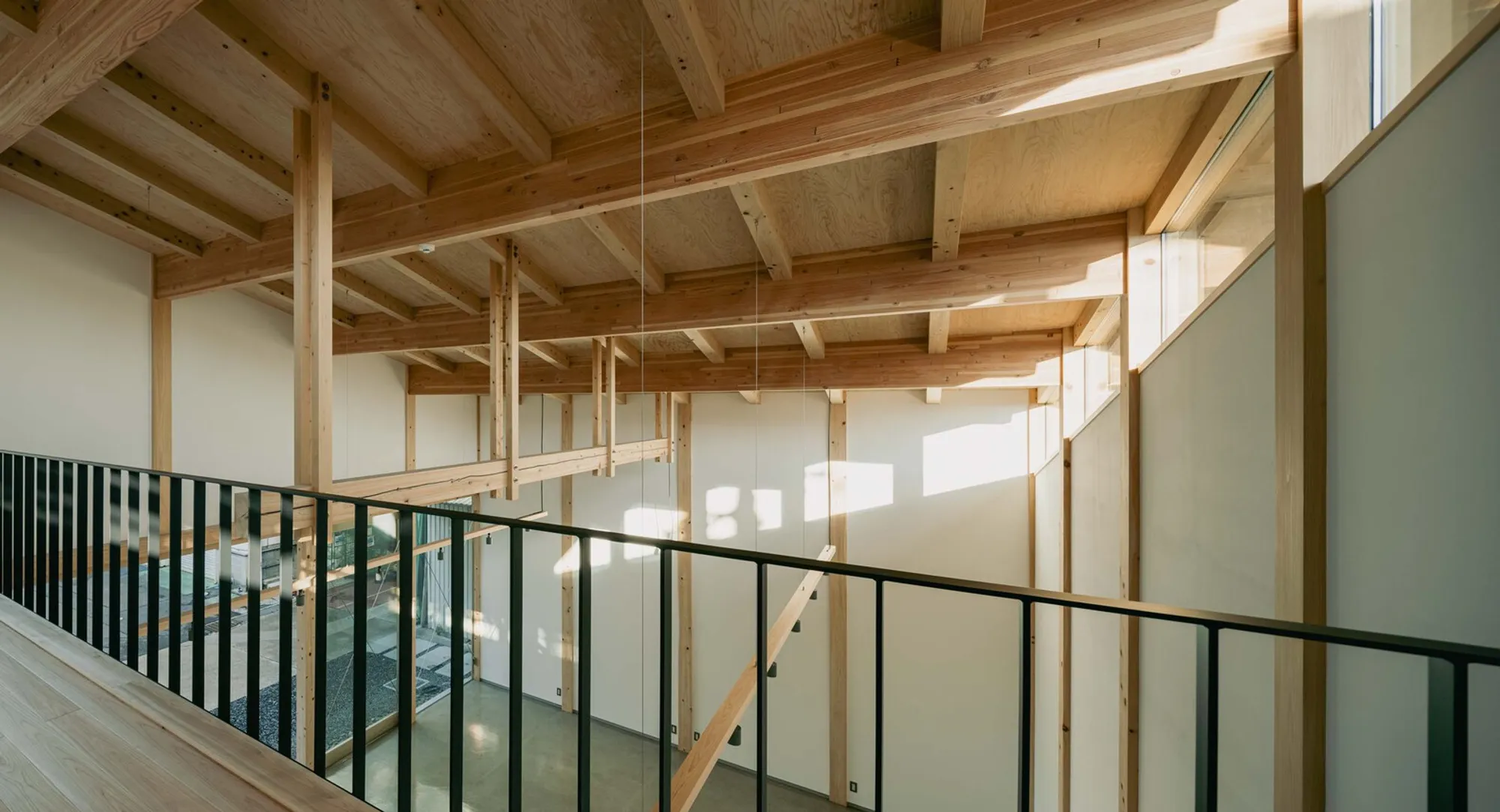
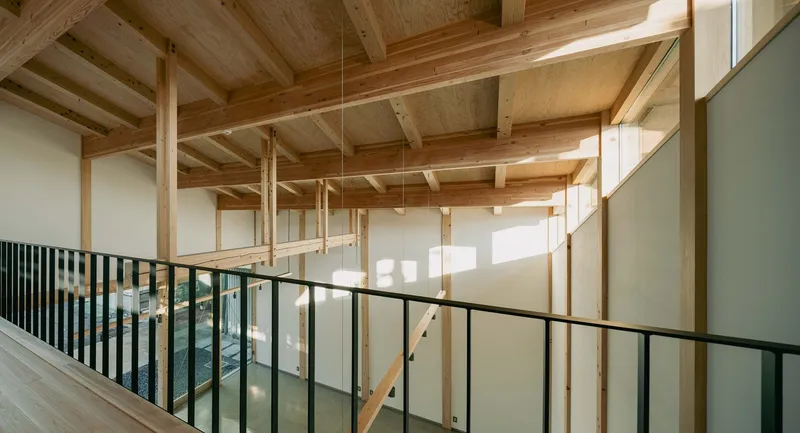
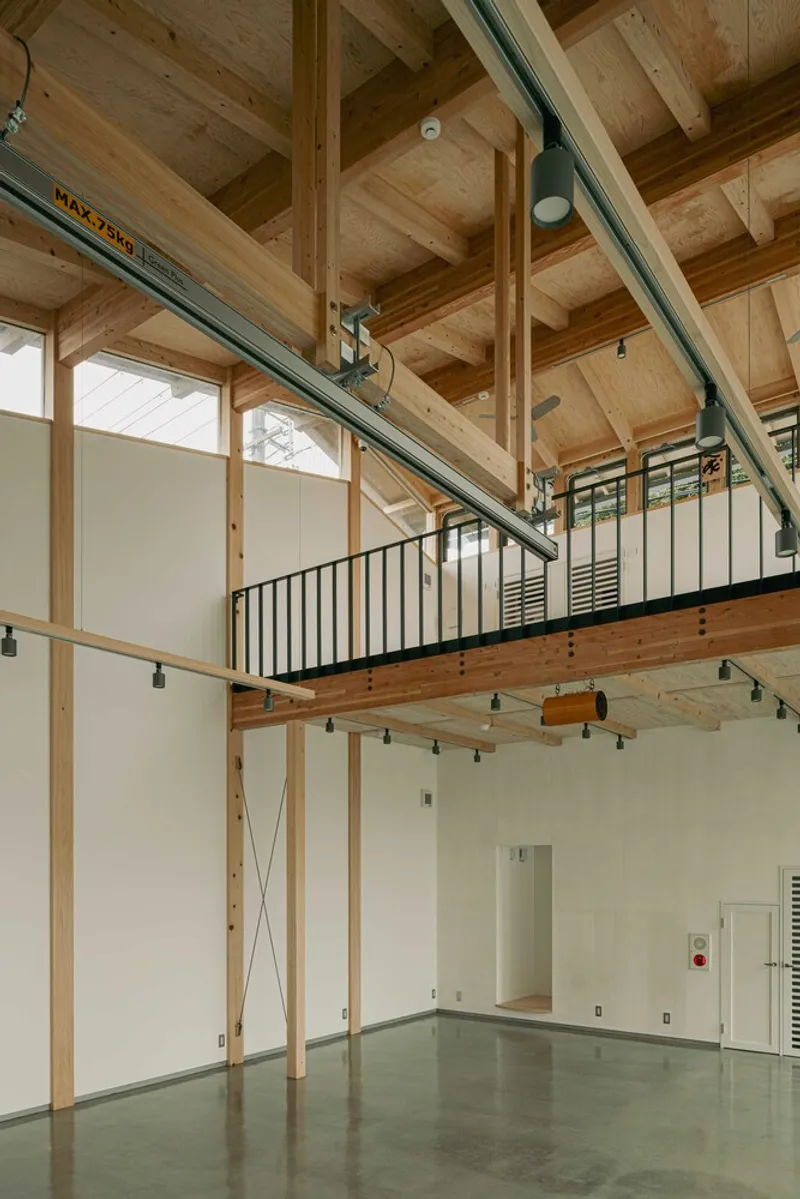
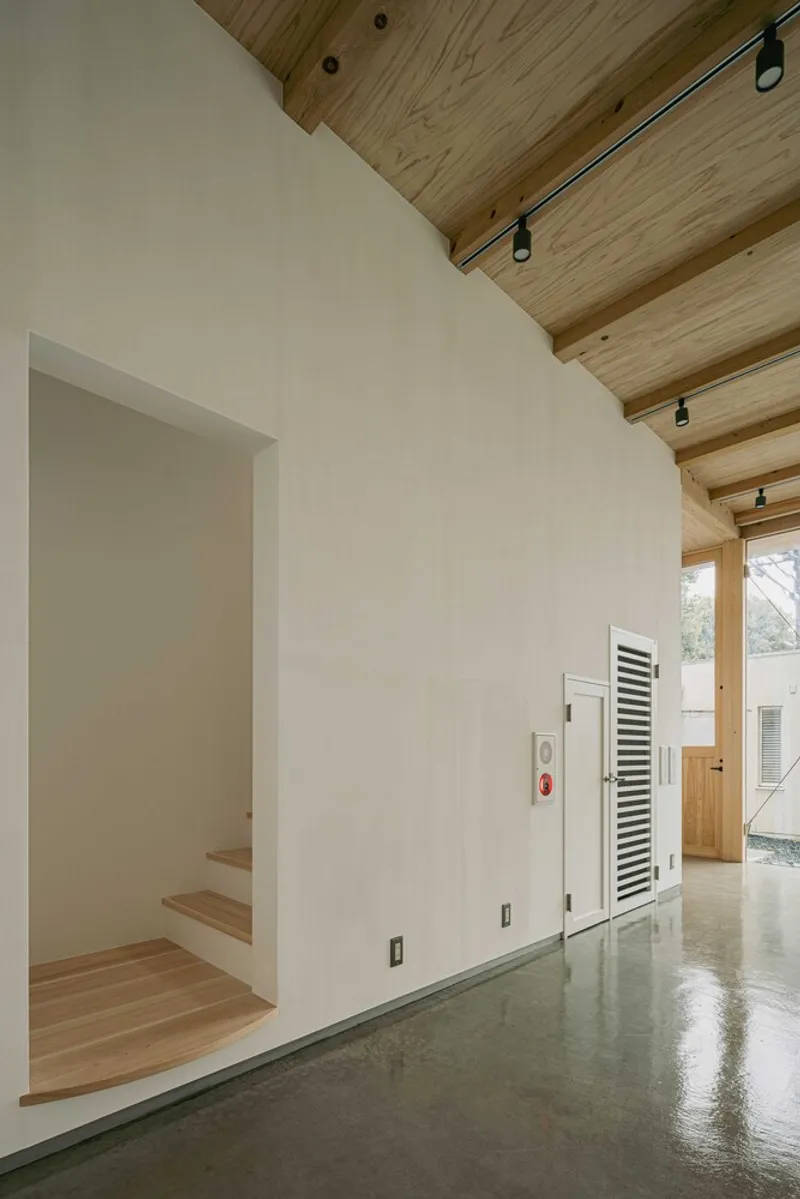
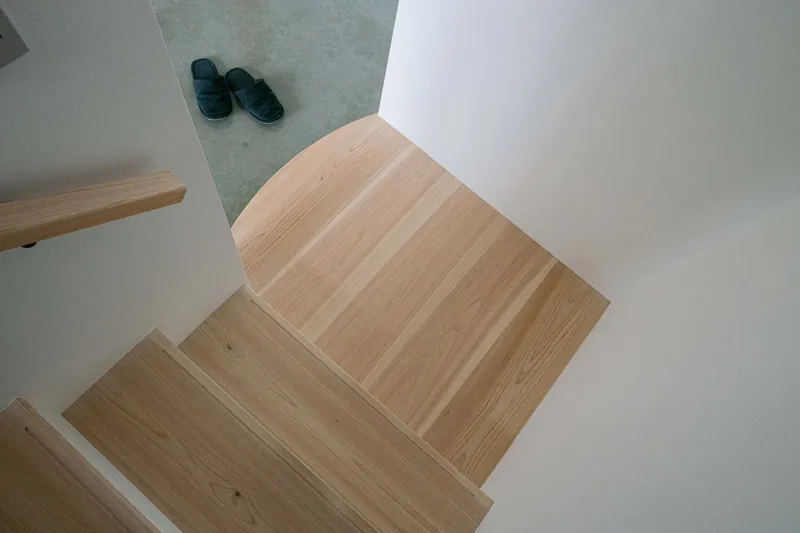
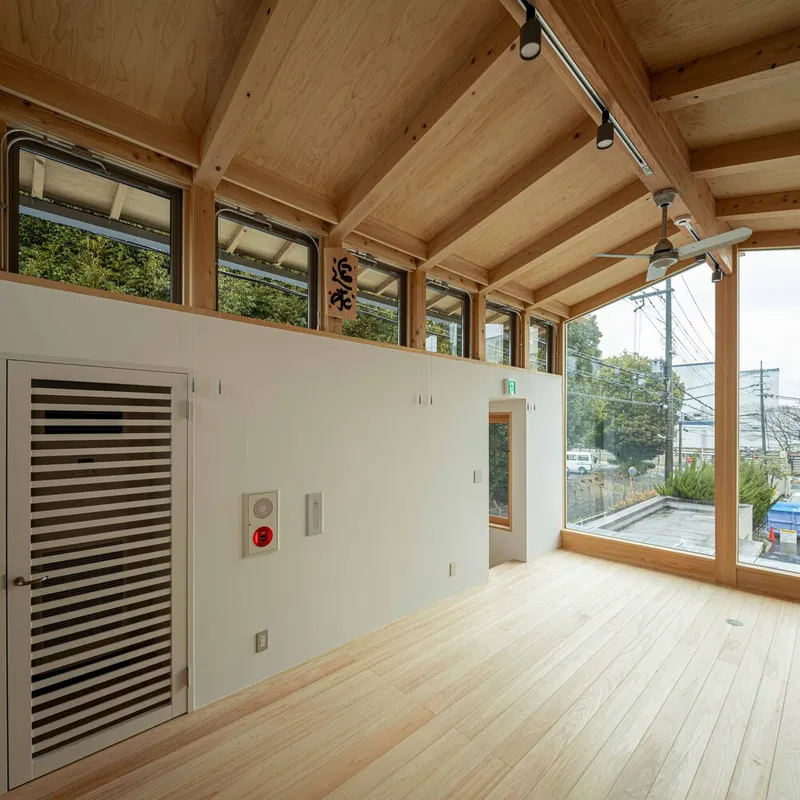
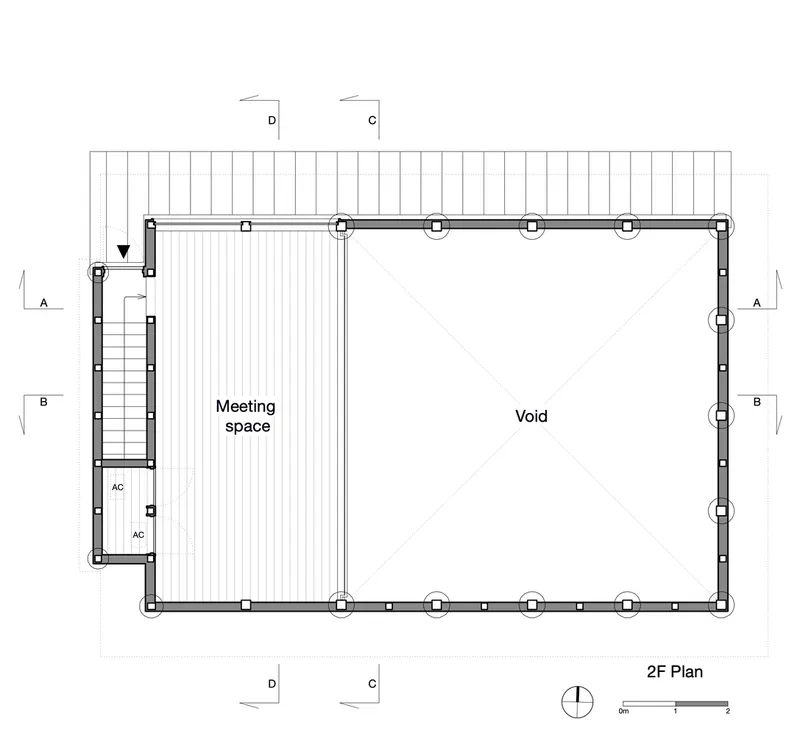
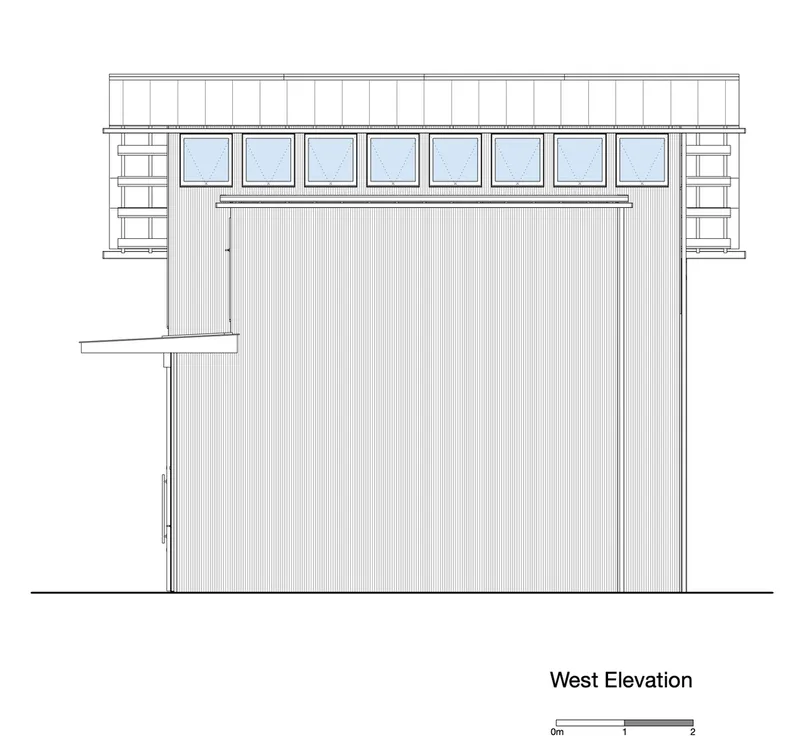
With limited land area, the architects introduced a second story to optimize spatial utility. The first floor serves as a fluid, multifunctional zone where daily work, display, and interaction occur without spatial constraint. Ascending to the second level—where visitors must remove their shoes—introduces a shift in atmosphere. The upper floor is finished with warm Japanese cypress flooring and arranged around a central atrium that filters light from above, creating a bright, serene meeting environment that contrasts with the activity below.

Honoring Craftsmanship Through Materiality
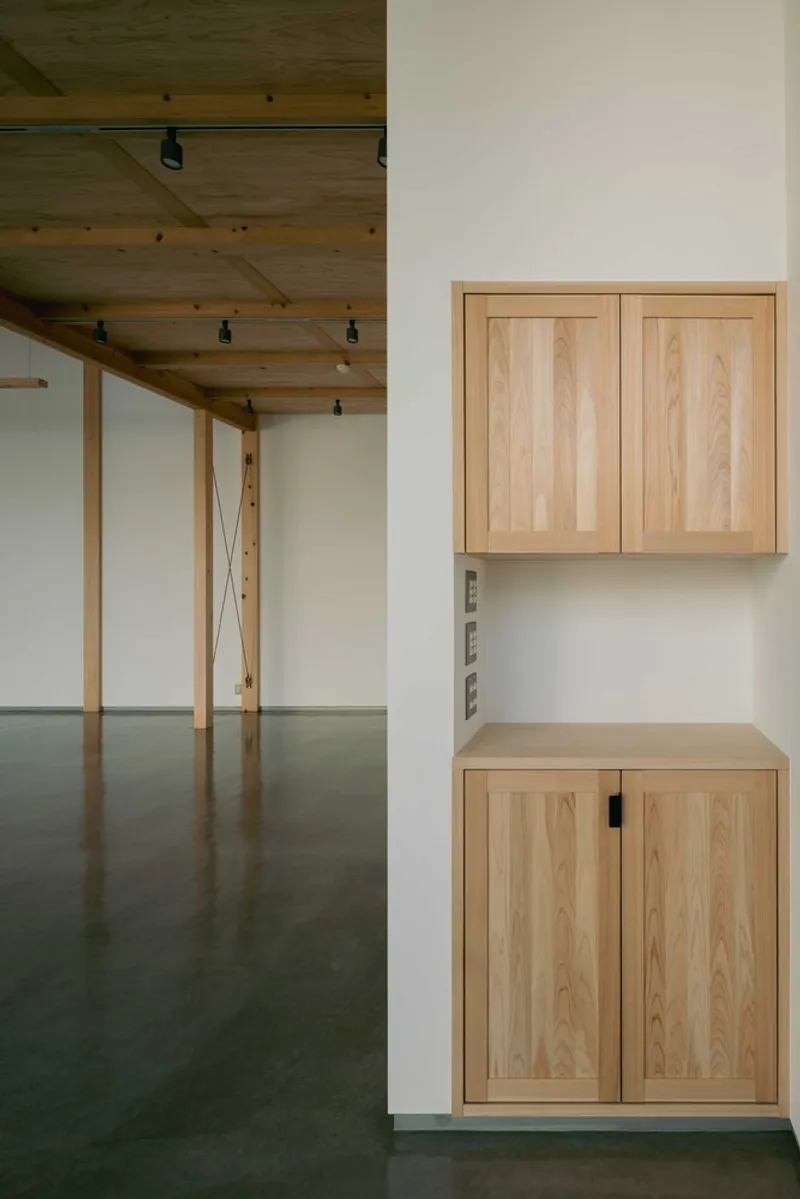
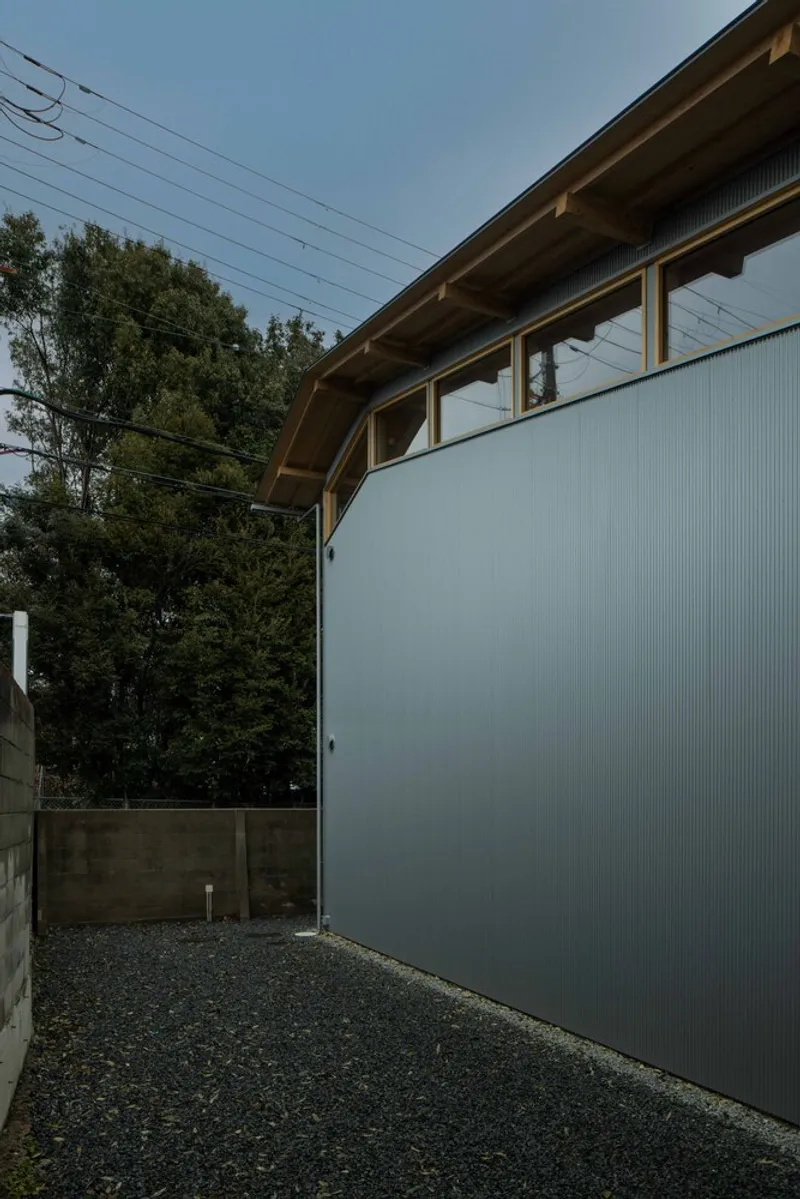
Material selection plays a central role in the architectural language. The structural framework is composed of evenly spaced 180mm square hinoki (Japanese cypress) columns, providing rhythm and strength to the design. Interior surfaces are finished with plaster, which diffuses light gently and adds a sense of calm that evolves with the changing daylight. These materials, used in their natural state, reflect an appreciation for texture, tradition, and tactile experience.
Aging with Grace: Sustainable and Timeless Design
A key principle behind the design is the philosophy of keinen-bika—the belief in beauty that emerges with age and use. This idea aligns with the SDGs by embracing long-lasting, natural materials and reducing environmental impact. As the gallery ages, it is expected to gain character, becoming a vessel of memory and a testament to the enduring relationship between architecture, environment, and human activity.
A Symbolic Intersection of Business and Architecture
The Gallery in Ishiyama is more than a display facility; it is a spatial manifestation of a brand's values, crafted through the language of wooden gallery architecture. With its modular spatial logic, careful use of light and materials, and transparency in both design and intent, it stands as a model for how architecture can meaningfully communicate identity while honoring tradition, sustainability, and the beauty of time.
All Photographs are works of Takeshi Chikaraishi




Popular Articles
Popular articles from the community


The Musturak Paradise: Senior Living Architecture for a Connected Future in Temara, Morocco
The Musturak Paradise reimagines senior living architecture in Temara via private homes, social spaces, culture, community, and shared care.

Hill & Cross Opera: Sculptural Opera House Architecture Shaped by Tallinn’s Landscape and Identity
Hill & Cross Opera reimagines opera house architecture in Tallinn through its sculptural hill, civic plaza, glass wave and a luminous cross.

The Ocean Hive: Sustainable Architecture for a Self-Sufficient Civilization at Sea
The Ocean Hive imagines sustainable architecture at sea, where modular habitats, algae, wave power and ocean waste sustain a growing colony.

Co-life: Sustainable Architecture for Age-Friendly Community Living
Co-life reimagines sustainable architecture for seniors through courtyards, rammed earth, shared gardens, and spaces designed for belonging.


Similar Reads
You might also enjoy these articles


Hodi-Mandai Geram
Project Function: Preservation and revitalization of the Intangible heritage and socio-spatial identity of the Hodi by Housing, Cultural Memory Center, Sacred Grove, landscape, local tourism economy


Olio Towers: A Mid-Rise for Performers That Fuses Housing, Rehearsal, and Stage
Located blocks from Houston's Theater District, this modular tower stacks living units around a central performance atrium.

Oasis: Modular Green Housing Carved into Dhaka's Urban Fabric
A shortlisted Plugin Housing entry reclaims unauthorized settlements in Dhaka with stepped concrete volumes, green roofs, and ventilation-driven design.

Black Hole: A Floating Megastructure for the Post-Physical Era
Emiliano Mazzarotto envisions a spherical, self-scaling arena where e-sports, digital hotels, and holographic stadiums replace traditional public space.


Explore Art Gallery Competitions
Discover active competitions in this discipline



Challenge to reimagine the Iron Throne


Photograph architecture without architects


Illustrate the lost glory of Angkor Wat - Render Challenge


Design challenge to reuse E-waste
Comments (0)
Please login or sign up to add comments
No comments yet. Be the first to comment!