

Grand Green Osaka: A Landmark Mixed-Use Urban Park Development Redefining Public Space in Japan
A visionary mixed-use urban park development blending nature, architecture, and sustainability in Osaka’s vibrant city core.


Rethinking the Urban Landscape Through Integration
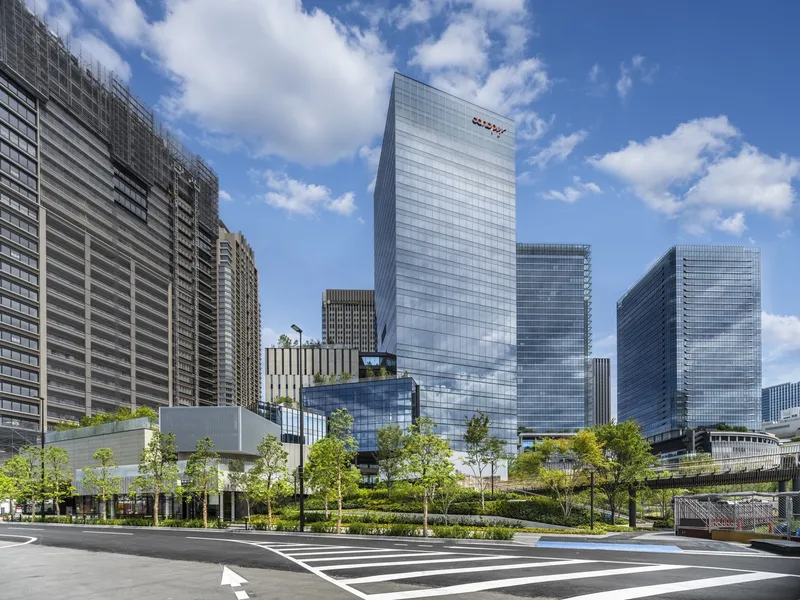
Grand Green Osaka stands as a monumental example of mixed-use urban park development, reshaping the heart of the Kansai region with its innovative integration of architecture, landscape, and infrastructure. Designed by GGN, Nikken Sekkei, Mitsubishi Jisho Design, Obayashi Corporation, Takenaka Corporation, and SANAA, the project transforms the former Osaka Station North Area Freight Yard into a vibrant, sustainable urban ecosystem. With over 550,000 square meters of built area and a central park spanning 4.5 hectares, the site embodies a vision for the city that prioritizes community, ecology, and multifunctionality.

A City Within a Park
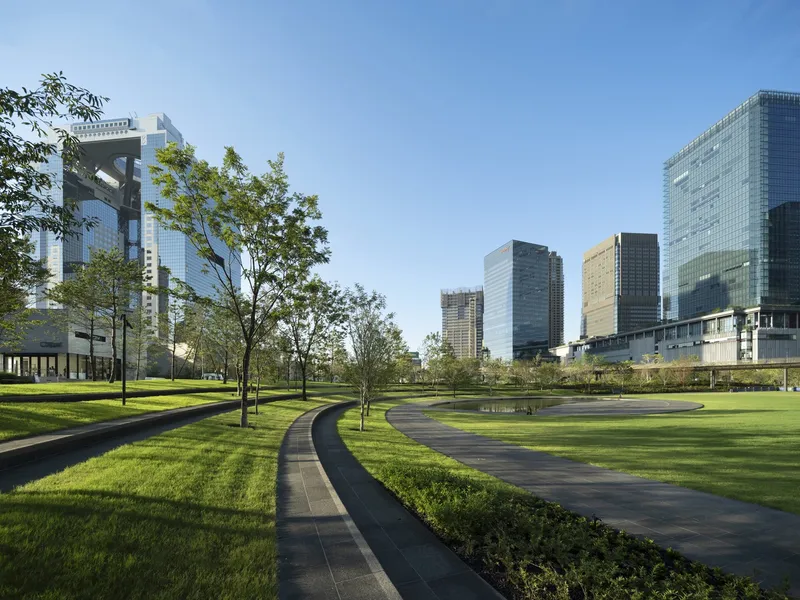
Umekita Phase 2 embraces a holistic design philosophy: instead of placing a park within the city, it builds a city within a park. Carefully planned embankments blur the boundaries between private land and public space, enabling seamless transitions between high-rise towers, low-rise pavilions, and expansive green areas. The result is a fluid, cohesive urban fabric that supports diverse activities and fosters spontaneous interactions.
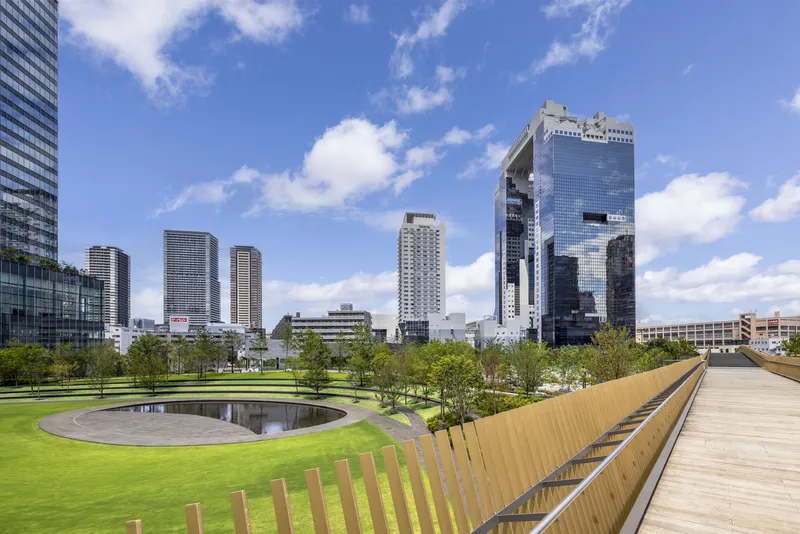
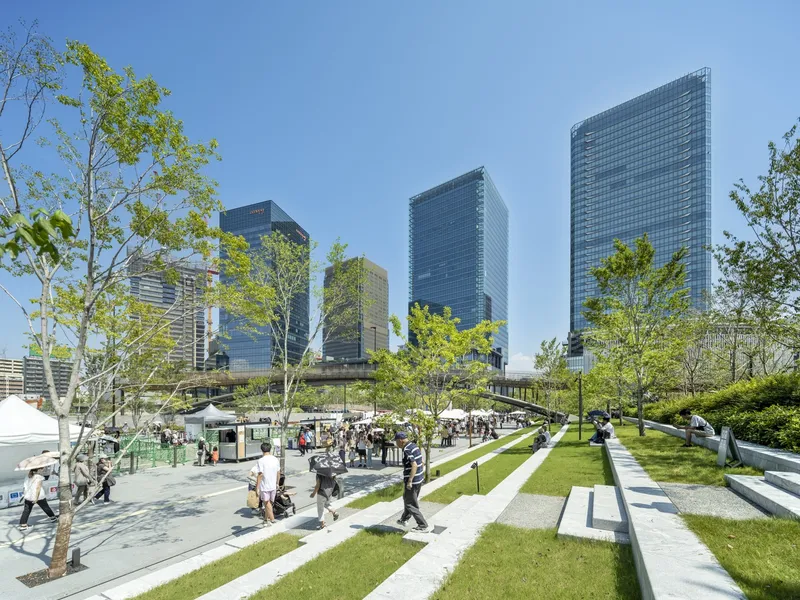
The entire site is anchored by three major nodes: the Great Lawn, the Step Plaza, and Umekita Grove. These spaces form a continuous spatial network that connects pedestrians to nature and to one another, encouraging collective engagement across multiple zones.

Urban Vitality in South Park
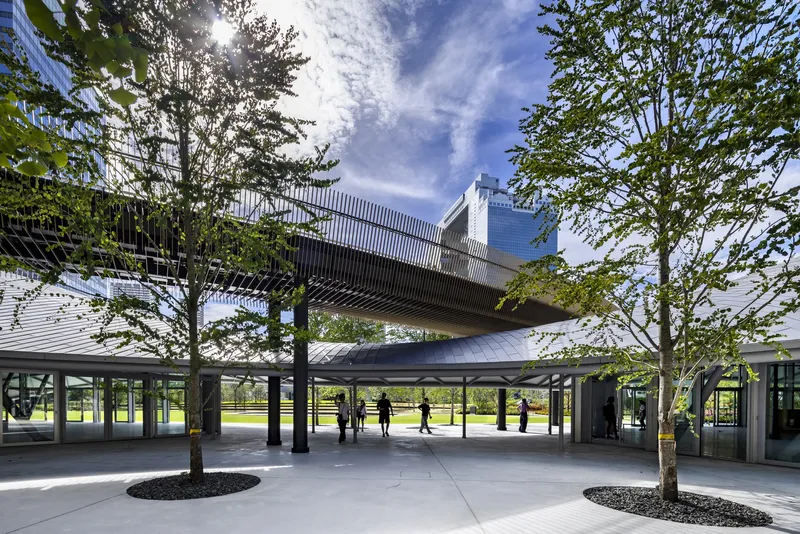
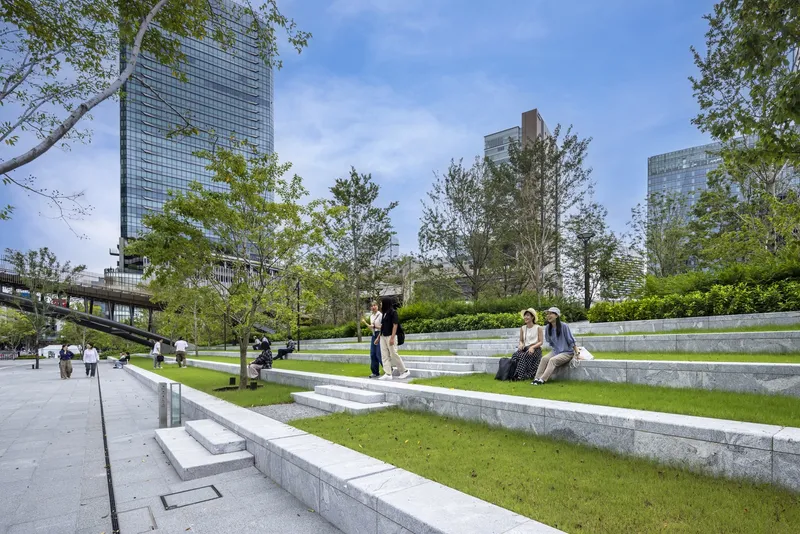
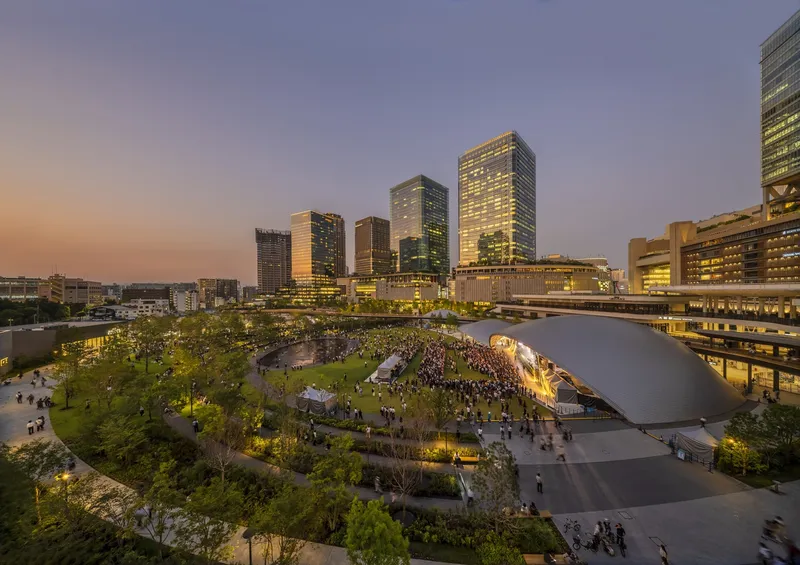
Facing JR Osaka Station, South Park serves as a vibrant urban oasis. Its stepped lawns, playful water features, and canopy-covered event spaces accommodate everything from casual lounging to large-scale cultural gatherings. Landscape design and topography are strategically choreographed to invite people of all ages and backgrounds into its dynamic environment. Here, architecture doesn't dominate—it facilitates interaction and amplifies the social vibrancy of the city.

Inspiration Path: An Aerial Promenade
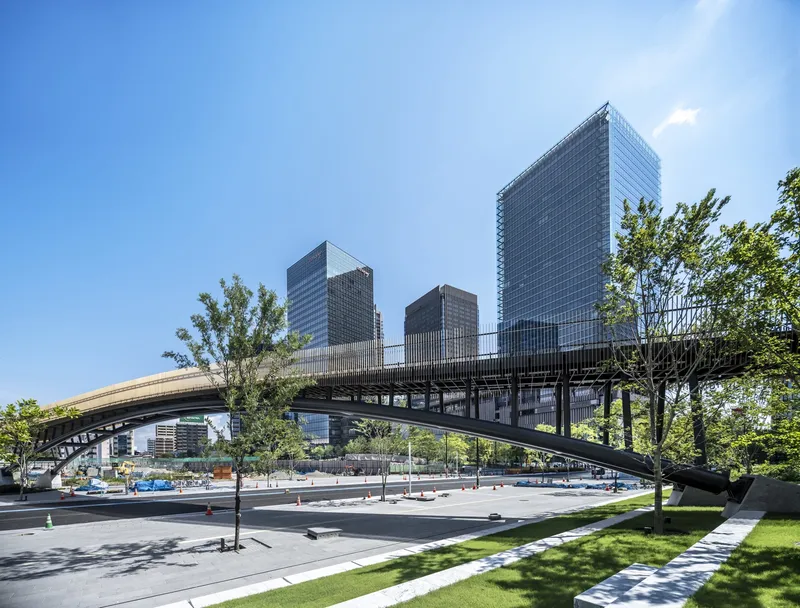
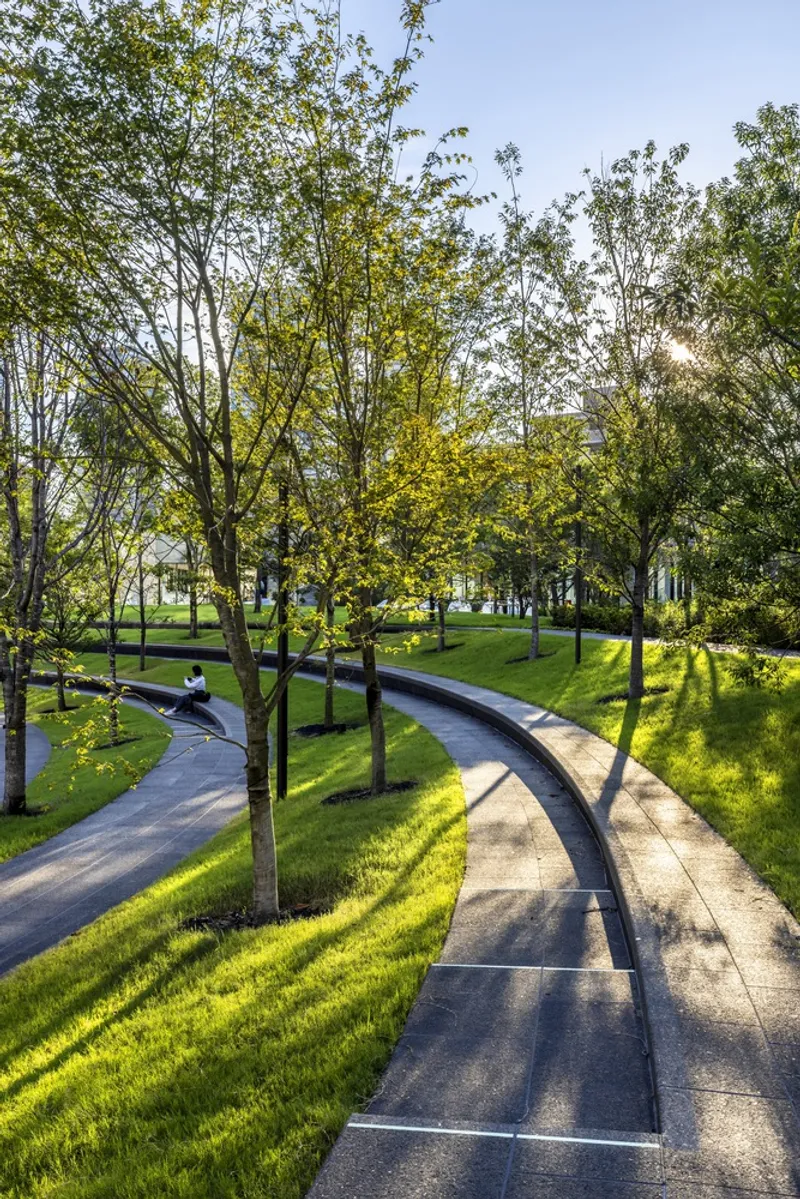
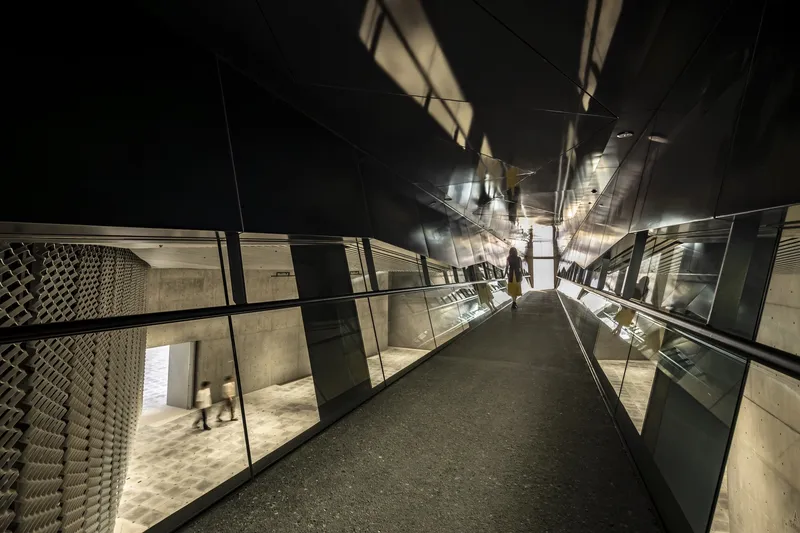
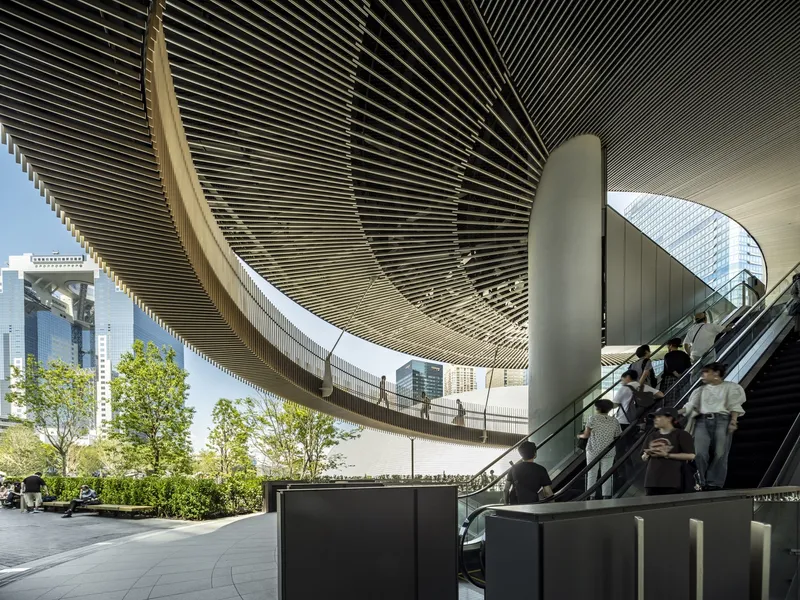
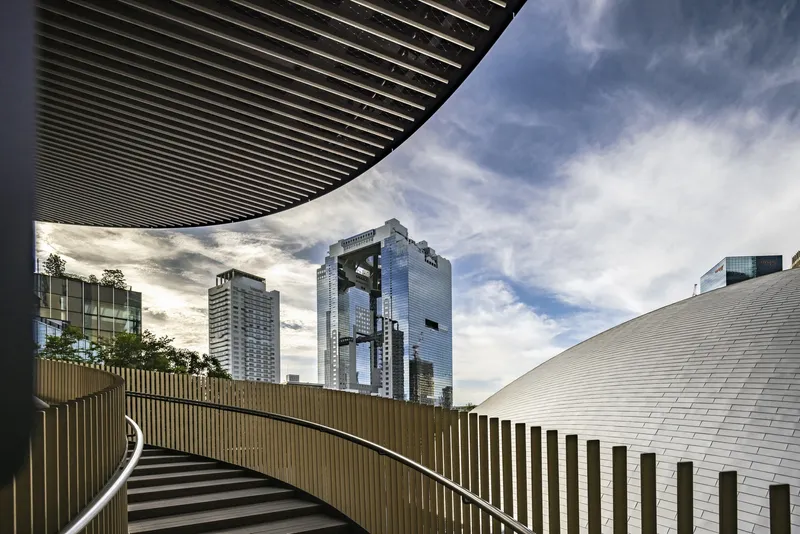
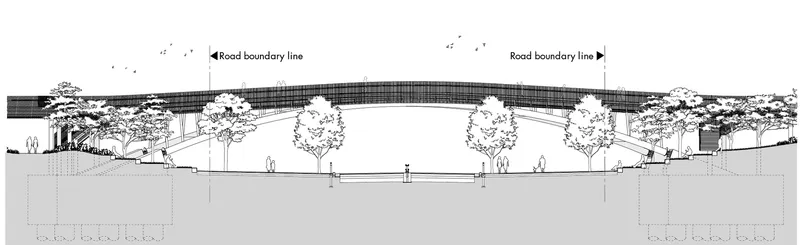
The 350-meter-long Inspiration Path winds above the park as a suspended promenade, linking north and south while offering elevated views of the development. Designed to integrate with the canopy and tree lines, the path blends architecture and nature in a sequential pedestrian experience. Gold-toned railings and architectural curves evoke a poetic rhythm of movement and light, creating a distinct architectural language that feels both grand and intimate.

The Seamless Energy of Step Plaza
The east-west axis road becomes an integrated part of the park through the Step Plaza. Stone benches and continuous paving dissolve the divide between infrastructure and nature. As visitors rest or move along the axis, they are enveloped in a landscape that reflects urban motion and ecological calm—one where streets, parks, and buildings form a unified space.

North Park: A Natural Extension of the City
Scheduled to open in 2027, North Park offers a more immersive ecological experience. With its layered stone walls, flowing waterfalls, and lush seasonal plantings, it evokes a modern Satoyama—a traditional Japanese landscape that merges rural life and natural systems. The cascading water features, reflective ponds, and biodiversity-driven plant palette provide relief from urban density while serving as a living environmental system.

Underground Innovation: A Museum Beneath the Park
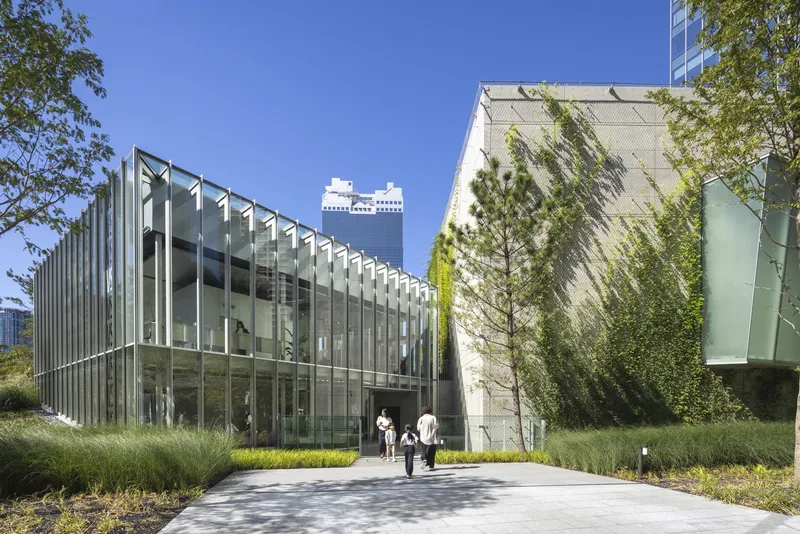
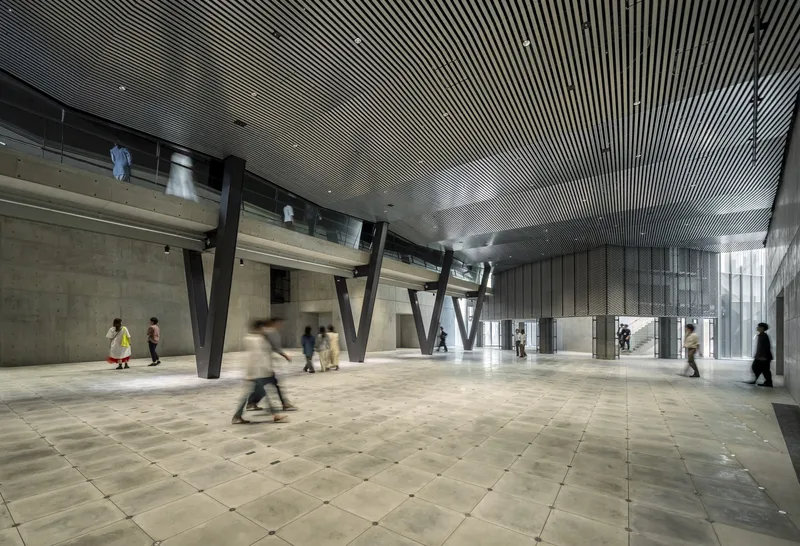
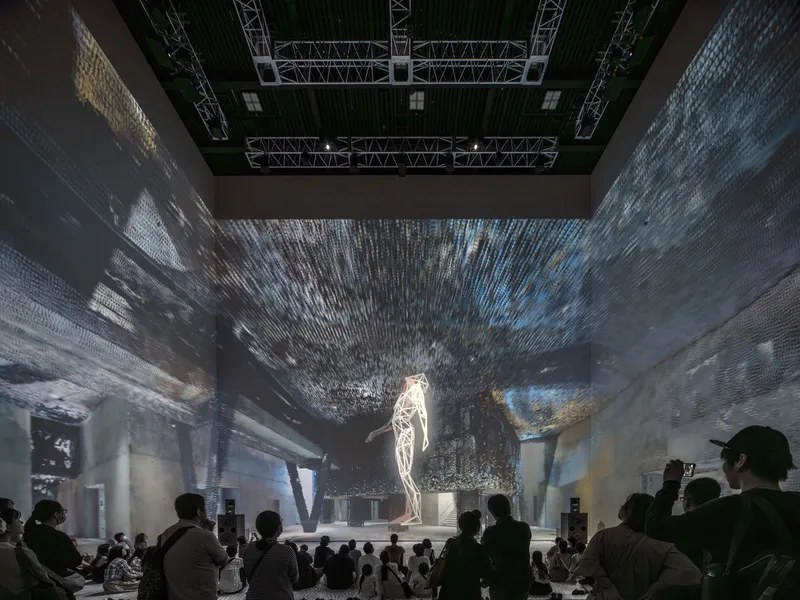
To preserve park space above ground, a 3,000-square-meter museum is embedded below the surface, with only two glass and concrete volumes visible. The sunken galleries receive natural light through design gaps and waterfalls above, creating a sensory-rich spatial dialogue between architecture, nature, and art. The structure exemplifies how subterranean architecture can be both environmentally responsible and experientially profound.
Spiraling Structures and Ecological Architecture
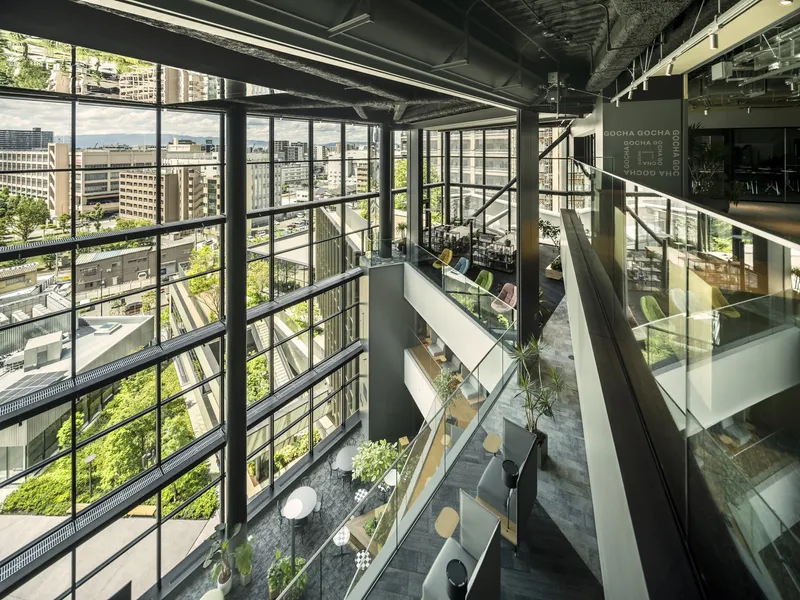
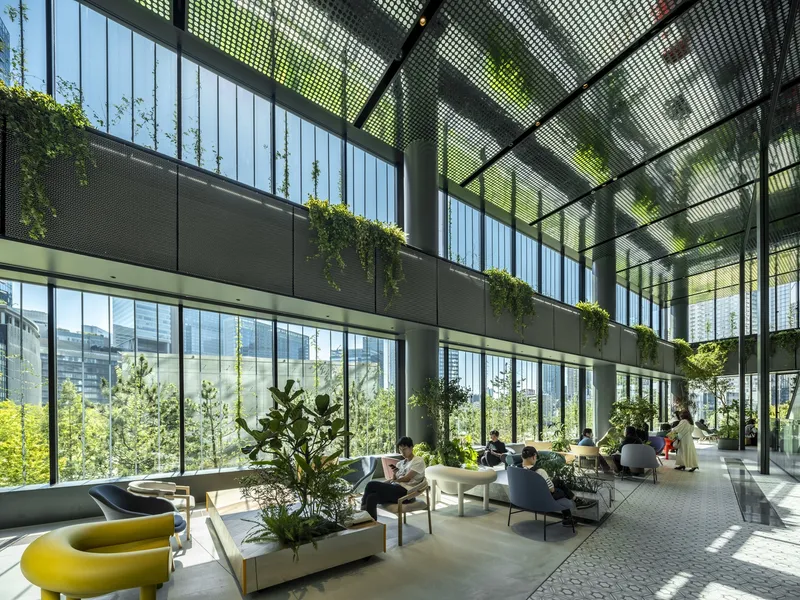
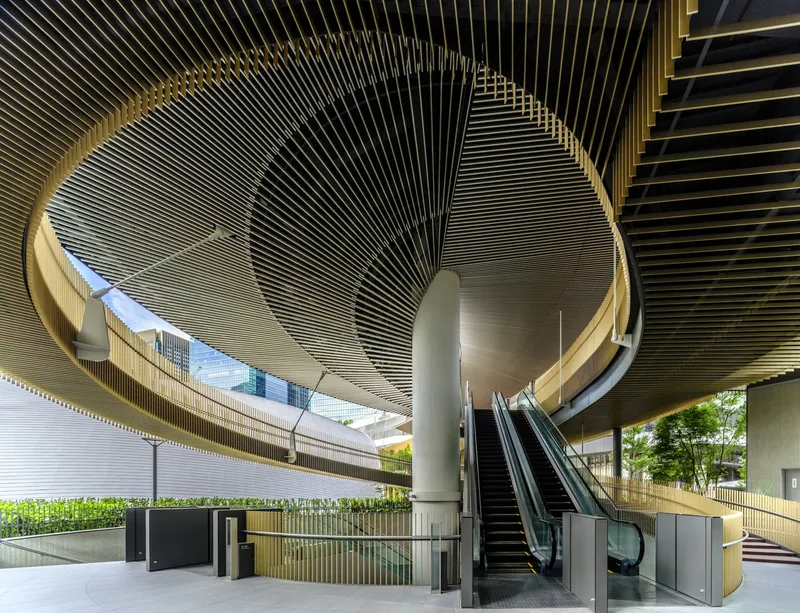
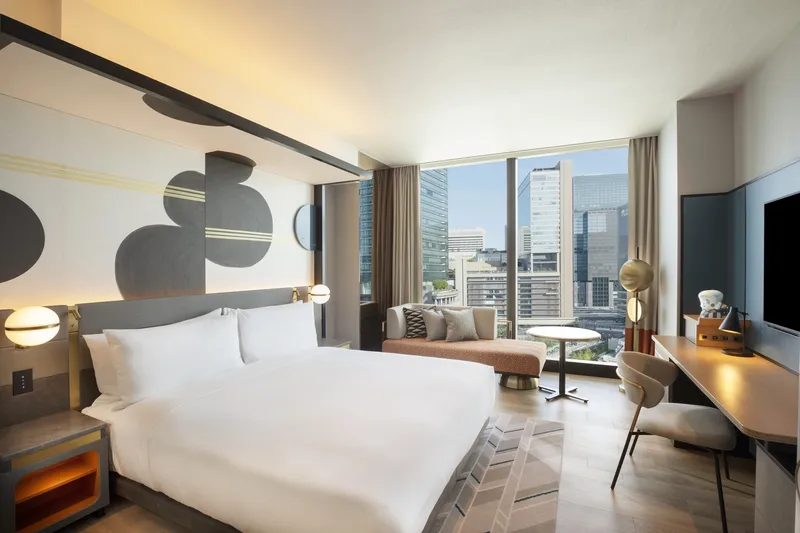
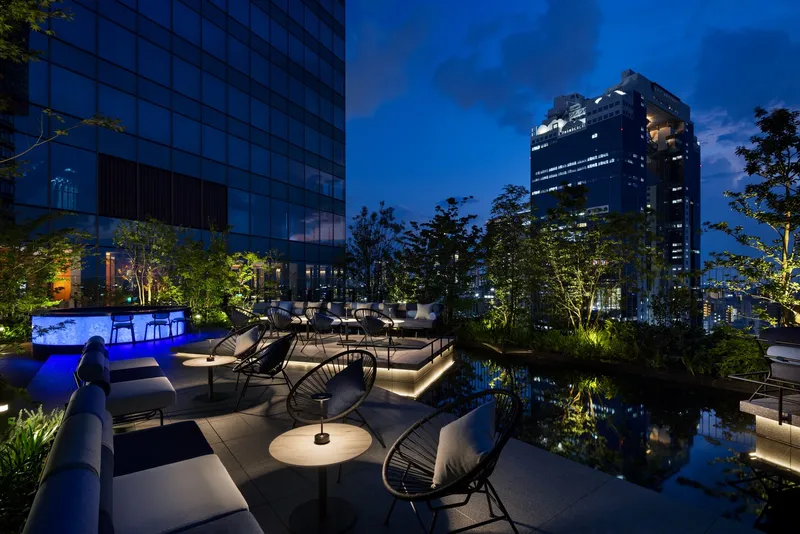
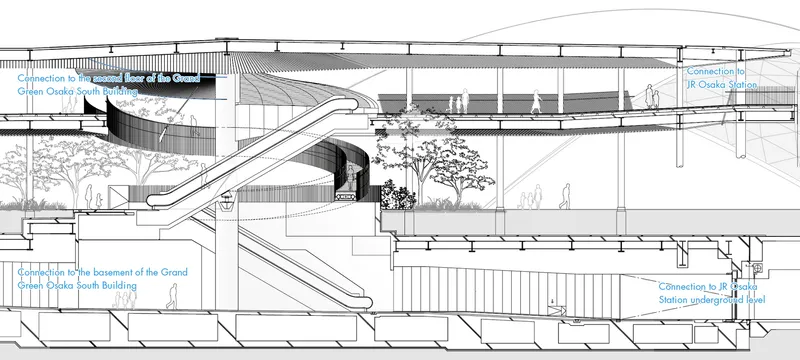
The Gate Lantern, with its dramatic spiral staircase and sloping roof, acts as a physical and symbolic entry to the southern edge of the park. It is not just a vertical connector but a sculptural landmark that enhances spatial layering. Similarly, the North Building blends hotel, office, and community spaces within terraced green volumes that dissolve the boundary between inside and out.


Sustainable Systems and Carbon Conscious Design
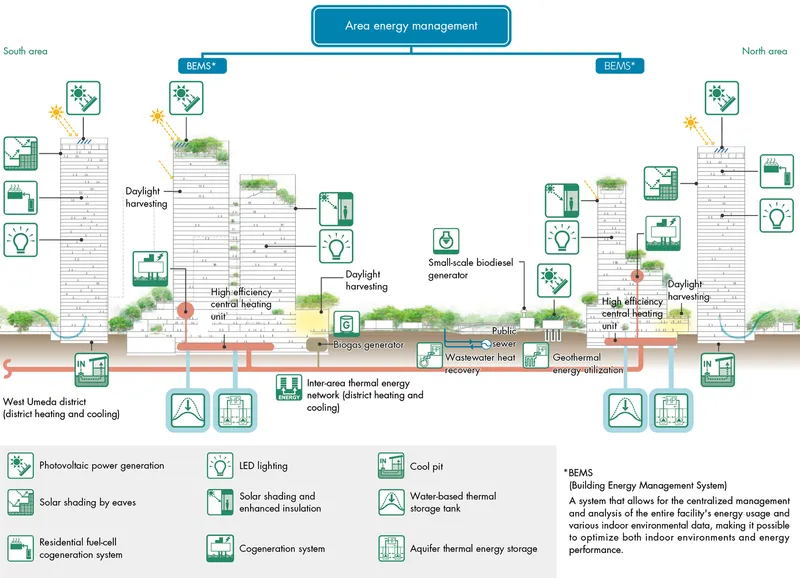
One of the most groundbreaking aspects of Grand Green Osaka’s mixed-use urban park development is its pioneering energy systems. Utilizing an aquifer thermal energy storage system, the site stores seasonal waste heat underground, repurposing it to regulate building temperature. Sewer heat, cogeneration, and district-wide heating and cooling further reduce carbon emissions. The project is estimated to cut CO2 output equivalent to the absorption of 9,700 hectares of forest, a rare feat for urban design.
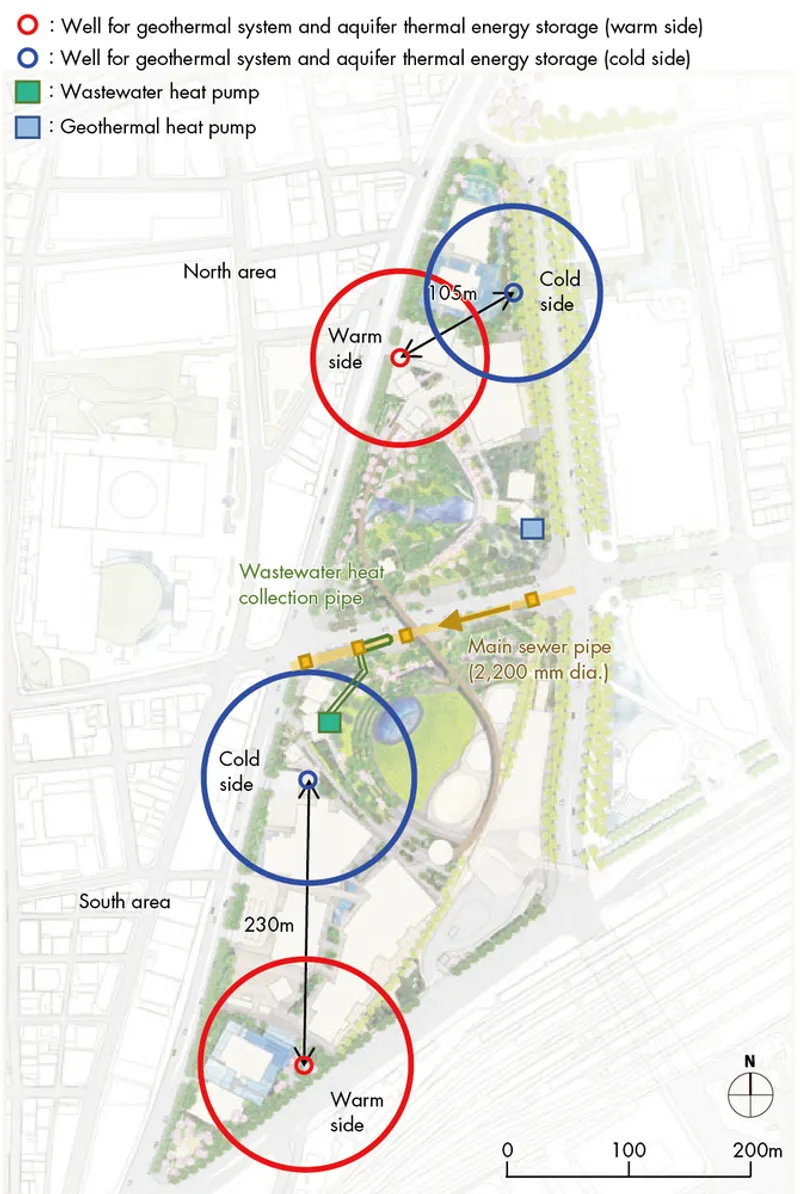

Recognized with LEED ND Gold certification and SITES Gold pre-certification, the development positions itself as Japan’s first large-scale mixed-use project with such advanced sustainability credentials. Its energy independence and resilience also prepare it for emergencies, setting a benchmark for future climate-conscious urban developments.

A Blueprint for Future Cities
Grand Green Osaka exemplifies how large-scale urban projects can foster livability, ecological resilience, and community. By dissolving the boundaries between architecture, parkland, infrastructure, and energy systems, the project articulates a new urban vision—one where people, nature, and buildings coexist in a dynamic, sustainable balance. This is not just a city with a park. It is a city as a park—a model of mixed-use urban park development that may well shape the next generation of global cities.
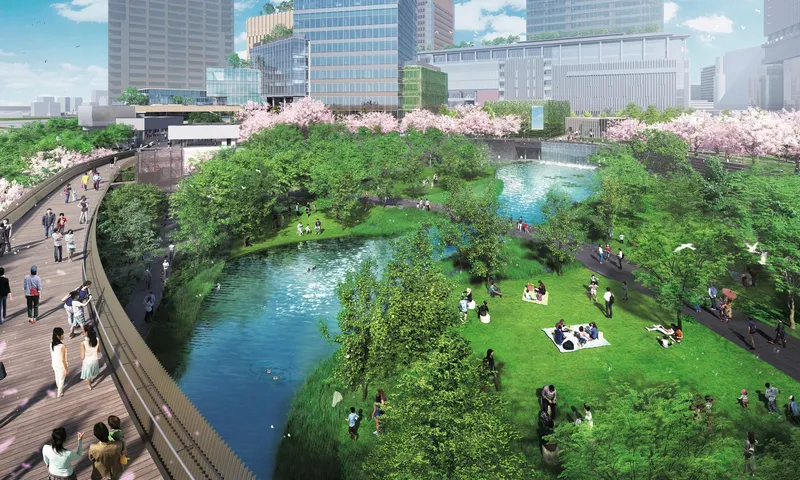
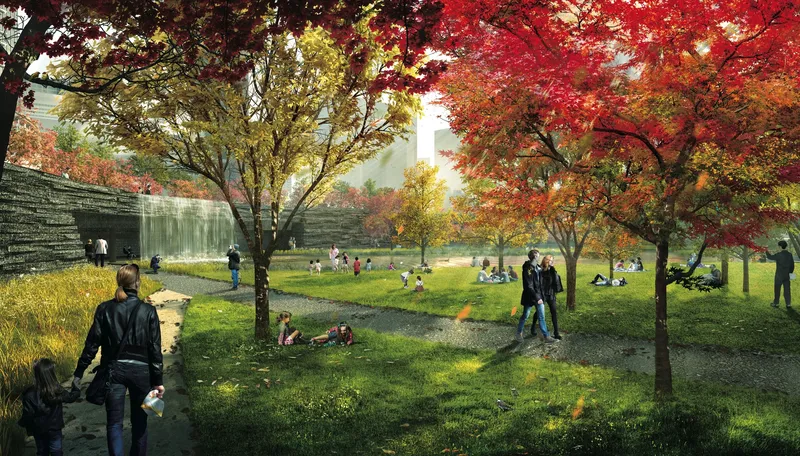
All Photographs are works of Akira Ito[aifoto], Nacása & Partners


Popular Articles
Popular articles from the community


David Macias Steps a Doorless Stone and Plaster House Down a Tropical Colombian Hillside
In the humid hills of Colombia, Threshold House replaces the front door with an open void and terraces its 850 m² down the slope instead of fighting it.

Architekt Andreas Gruber Scatters 23 Dark Timber Chalets Across a South Tyrolean Forest Edge
In Molini di Tures, Amonti Chalets breaks a resort into a hamlet of gabled timber houses, with parking, storage and services pushed into the slope.

Cube Design Draws an Ecological Corridor Between Two Shenzhen Hills with the Nankai Building
Beside Shenzhen's container docks, the Nankai Building pairs stacked balconies with a climbing green screen to connect two hillsides across its height.

U.GA Architects Wraps an Oval Rooftop Pool in Curved Board-Formed Concrete on Busan's Jeollidan-gil
In Busan's Jeonpo-dong, a 454 m² mixed-use block stacks a neighborhood facility, guest rooms and an oval rooftop pool inside spiraling concrete walls.

Similar Reads
You might also enjoy these articles

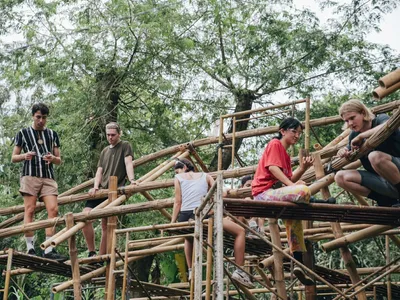
Bamboo Housing Challenge 2026: Design Affordable, Sustainable Homes Using Bamboo
An international design competition by Bamboo U and IBUKU inviting architects and designers to reimagine affordable housing using bamboo — with the winning design built full-scale in Bali.

Computational Design & Education: Beegraphy Design Awards Introduces 7th Category (Featuring Jiyun's Innovative Approach)
Dive into Beegraphy’s 7th Design Awards category, where computational design meets education to create immersive, interactive learning tools, inspired by Jiyun’s work.
From Parametric Lighting to Urban Furniture: Join the 2nd Workshop in Beegraphy’s Computational Design Series
Dive into Cutting-Edge Design Techniques and Practical Applications with Industry Experts

Last Call: Unleash Your Architectural Genius in SHAK's Kindergarten Design Competition
Urgent call for architects to join SHAK's kindergarten design competition before the looming deadline

Explore Urban Park Competitions
Discover active competitions in this discipline

Challenge to reimagine the Iron Throne

Photograph architecture without architects

Illustrate the lost glory of Angkor Wat - Render Challenge

Design challenge to reuse E-waste
Comments (0)
Please login or sign up to add comments
No comments yet. Be the first to comment!