

GRAPH Tokyo Head Office by G architects studio + Ryohei Tanaka — Minimalist Interior Design in a Historic Architectural Context
GRAPH Tokyo Head Office by G architects studio + Ryohei Tanaka features minimalist white interiors, honoring Fumihiko Maki’s architectural legacy.


Located in the prestigious Hill Side Terrace complex in Tokyo, the new GRAPH Tokyo Head Office marks a thoughtful relocation project for GRAPH Co. Ltd., a leading graphic design agency founded by designer and artist Issay Kitagawa. The architectural design was crafted by the collaborative efforts of G architects studio and Ryohei Tanaka, blending minimalism with respect for the surrounding cultural and architectural heritage.
Context and Architectural Significance
Hill Side Terrace, a mixed-use complex designed by the renowned Pritzker Prize laureate Fumihiko Maki, is home to private residences, retail spaces, and offices. The office occupies a unique position adjacent to a small Shinto shrine, perched near a natural mound surrounded by lush, preserved greenery. This serene setting creates a distinct atmosphere that deeply resonated with Mr. Kitagawa, who had attended a school designed by the same architect, Fumihiko Maki.
Previously, the office space had undergone multiple renovations, which diluted the original architectural vision and essence of Maki’s hallmark design. This project sought to restore that purity by stripping back excesses and honoring the building’s original character.
Design Concept: Minimalism and Respect for Originality
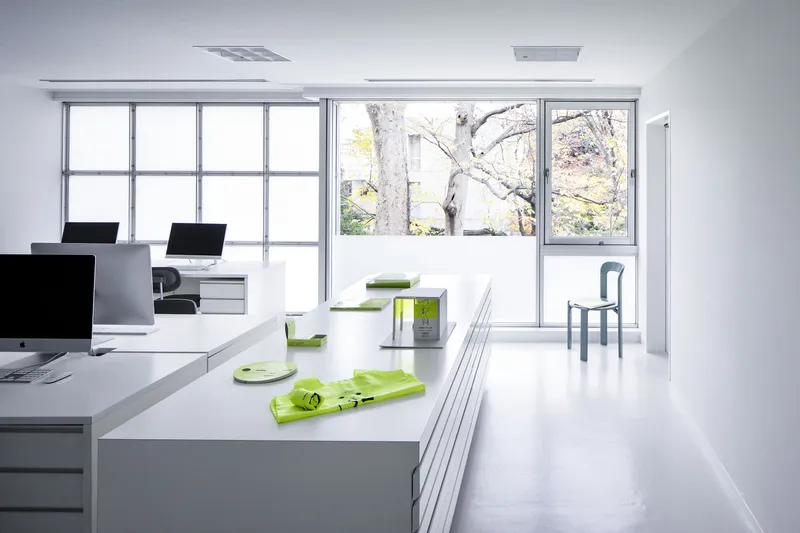
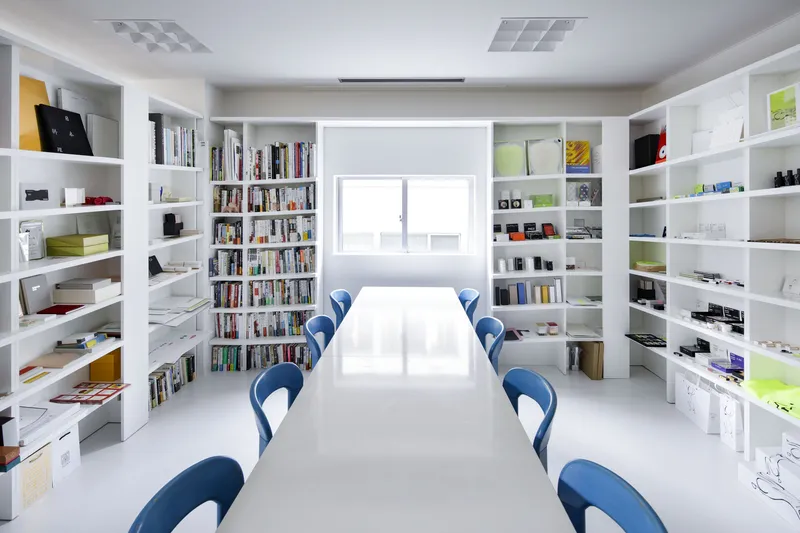
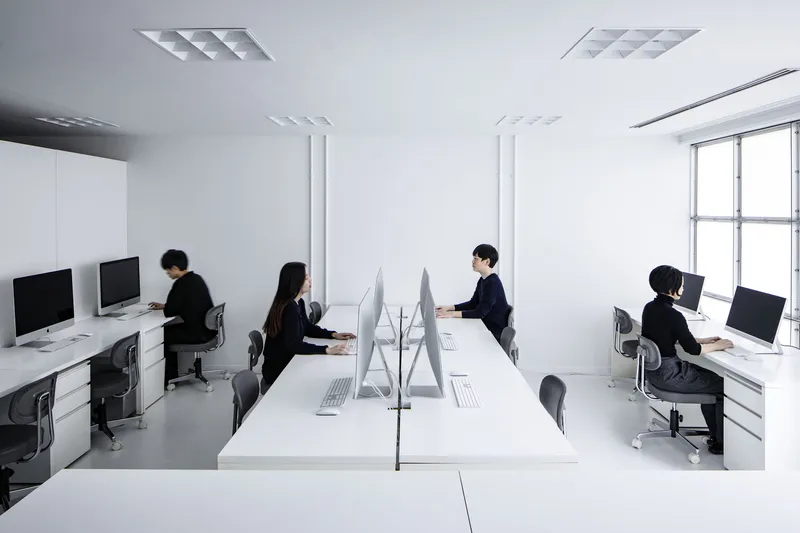
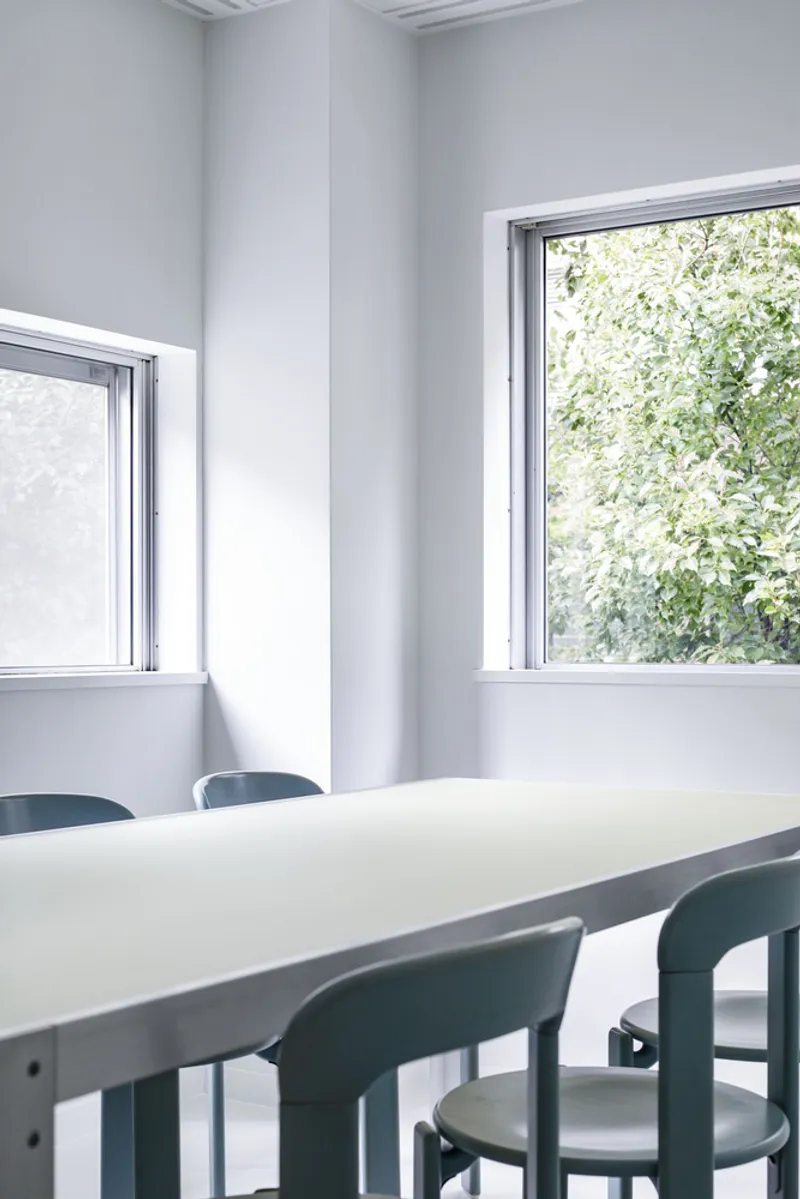
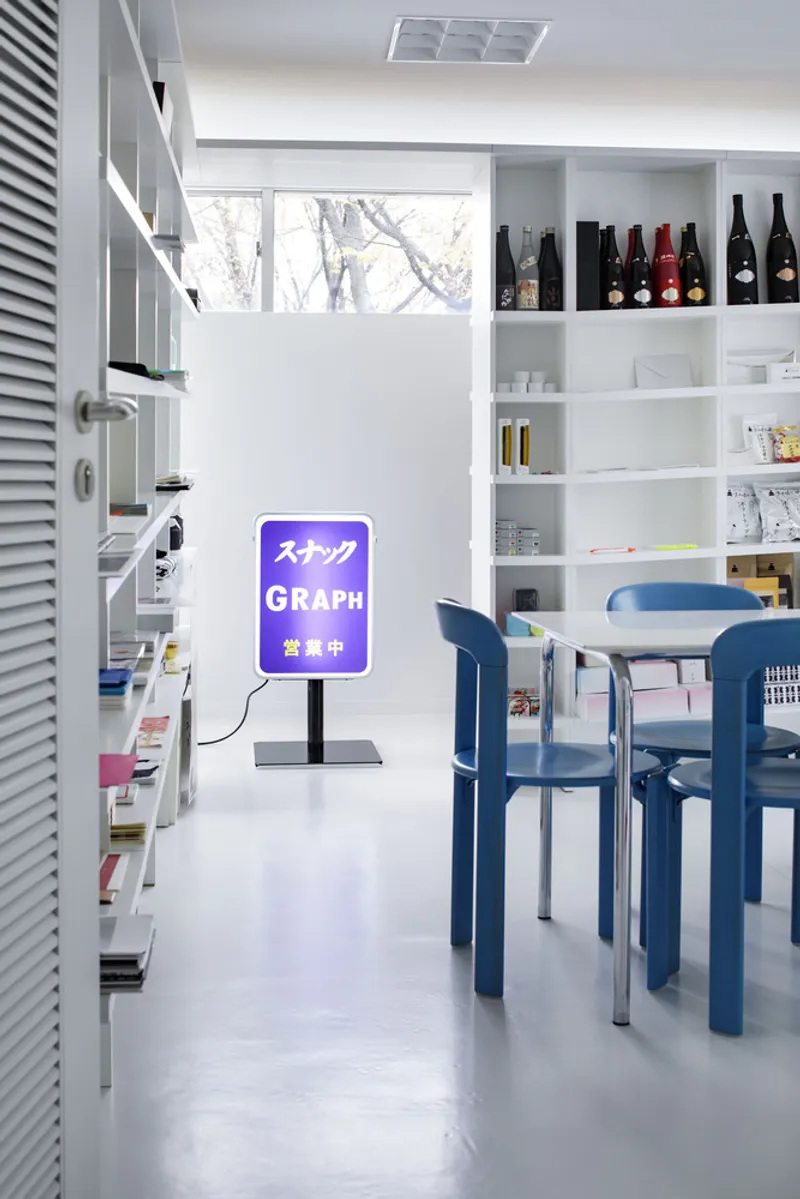
Given that GRAPH Co. Ltd. specializes in graphic design, the interior concept was deliberately kept simple and refined, emphasizing a clean, white palette throughout the entire 126 square meter office. This monochrome scheme not only enhances natural light but also creates a calm and focused environment ideal for creative work.
Furniture was carefully curated and installed to complement the architectural framework without overshadowing it. This restrained approach highlights the building's intrinsic qualities, architectural lines, and the interplay of natural light through the windows and facade. The result is a space that elevates the original design while providing a functional and inspiring workplace for the creative team.
Unique Features and Cultural Nuances
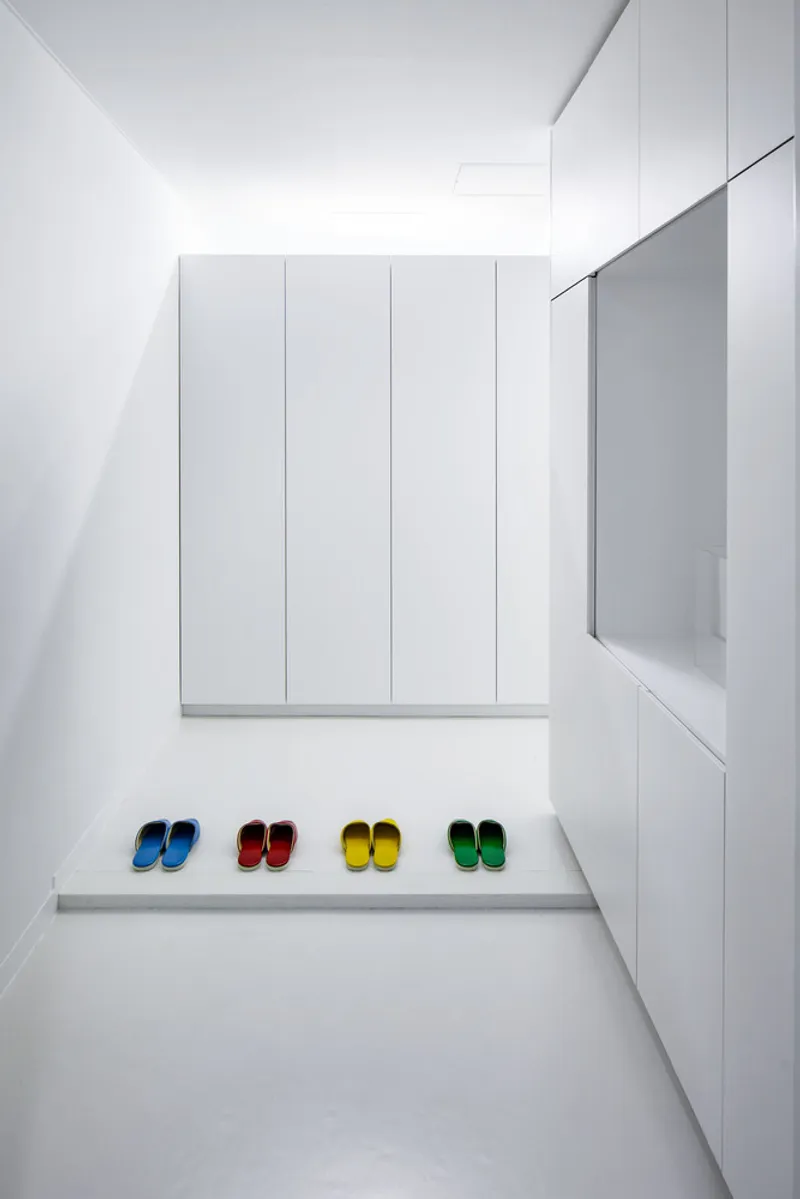
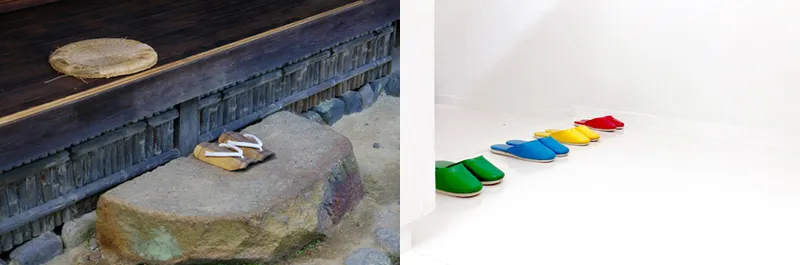
A notable feature of the office entrance is the display of four pairs of slippers, each in a different color, placed deliberately in the all-white entryway. This thoughtful gesture encourages visitors to follow the traditional Japanese custom of removing shoes before entering, reinforcing a cultural connection and creating a subtle boundary reminiscent of a "kekkai" — the sacred boundary zone found at Shinto shrines.
This nuanced detail adds a layer of cultural depth and invites visitors to experience a moment of transition as they enter the creative heart of GRAPH Co. Ltd.
Photography and Visual Highlights
The stunning photographs by Daisuke Shima capture the essence of this minimalist office design. Images highlight the clean lines of the shelving, tables, chairs, and the expansive windows that frame views of the surrounding greenery. The seamless integration of interior and exterior, simplicity and cultural symbolism, reflects the high level of architectural and design sensitivity invested in the project.
Keywords: GRAPH Tokyo Head Office, G architects studio, Ryohei Tanaka, minimalist office design, graphic design studio Tokyo, Hill Side Terrace, Fumihiko Maki architecture, Japanese office interior, architectural restoration, Shinto shrine influence, cultural office design, monochrome interior, creative workspace Tokyo, modern Japanese architecture, interior photography Tokyo, workspace minimalism, traditional Japanese customs.
All Photographs are works of Daisuke Shima


Popular Articles
Popular articles from the community


FCC Arquitectura Expands a Portuguese Granite House with a Board-Marked Concrete Wing
In Portugal, JV House pairs a cleaned-up whitewashed and granite dwelling with a timber-shuttered concrete extension, courtyards and a garden pool.


Singing Woman: An Opera House That Performs Before the Curtain Rises
Ovidiu Cristian Pavel's conceptual opera house translates Estonia's choral identity into a sculpted waterfront landmark facing the Baltic Sea.

The Amber Palace Opera: A Geological Fiction Surfaces on Tallinn's Baltic Waterfront
Pierre Brillard reimagines a Baltic legend as a public landscape, opera house, and waterfront promenade rooted in Tallinn's coastal identity.

ETEH Reworks the Shared Spaces of São Domingos School in Brazil Around Timber, Color and Hanging Plants
At São Domingos School in Brazil, 436 m² of hall, refectory and library are recast with timber joinery, a yellow and blue code and trailing greenery.

Similar Reads
You might also enjoy these articles


Hodi-Mandai Geram
Project Function: Preservation and revitalization of the Intangible heritage and socio-spatial identity of the Hodi by Housing, Cultural Memory Center, Sacred Grove, landscape, local tourism economy


Olio Towers: A Mid-Rise for Performers That Fuses Housing, Rehearsal, and Stage
Located blocks from Houston's Theater District, this modular tower stacks living units around a central performance atrium.

Oasis: Modular Green Housing Carved into Dhaka's Urban Fabric
A shortlisted Plugin Housing entry reclaims unauthorized settlements in Dhaka with stepped concrete volumes, green roofs, and ventilation-driven design.

Black Hole: A Floating Megastructure for the Post-Physical Era
Emiliano Mazzarotto envisions a spherical, self-scaling arena where e-sports, digital hotels, and holographic stadiums replace traditional public space.

Explore Aotu Architecture Office Competitions
Discover active competitions in this discipline

Challenge to reimagine the Iron Throne

Photograph architecture without architects

Illustrate the lost glory of Angkor Wat - Render Challenge

Design challenge to reuse E-waste
Comments (0)
Please login or sign up to add comments
No comments yet. Be the first to comment!