

Gyodong Community Center: Pioneering Innovative Community Center Design
This article explores the Gyodong Community Center, highlighting its innovative design that blends light structures with community-centric spaces in Chuncheon-si, South Korea.


In the bustling city of Chuncheon-si, South Korea, the Gyodong Community Center emerges as a paradigm of innovative community center design. Developed by the creative minds at studiothewon, this 1095 m² project, completed in 2022, redefines the concept of community spaces through architectural ingenuity and thoughtful integration with the urban landscape.
Architectural Vision and Design Approach
Harmonizing with the Urban Fabric
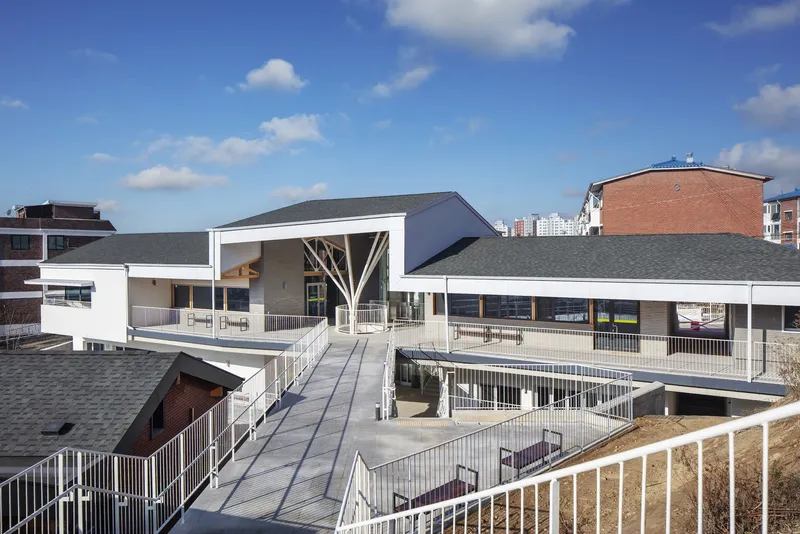
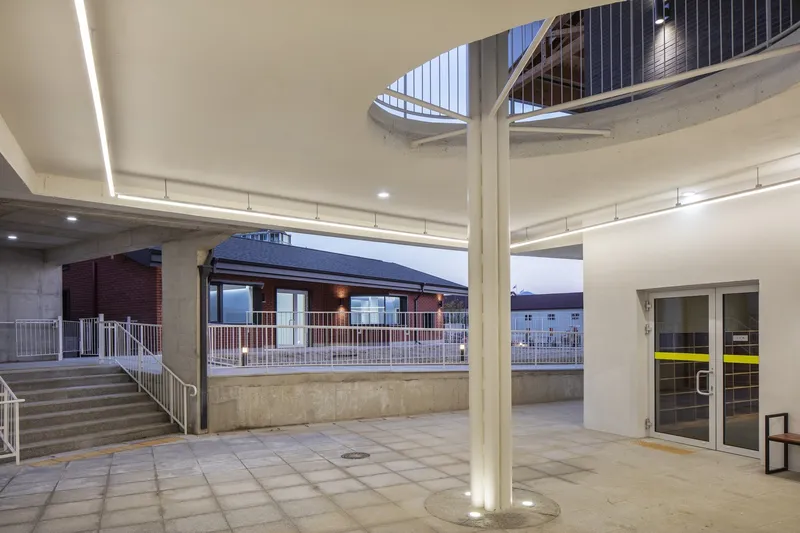
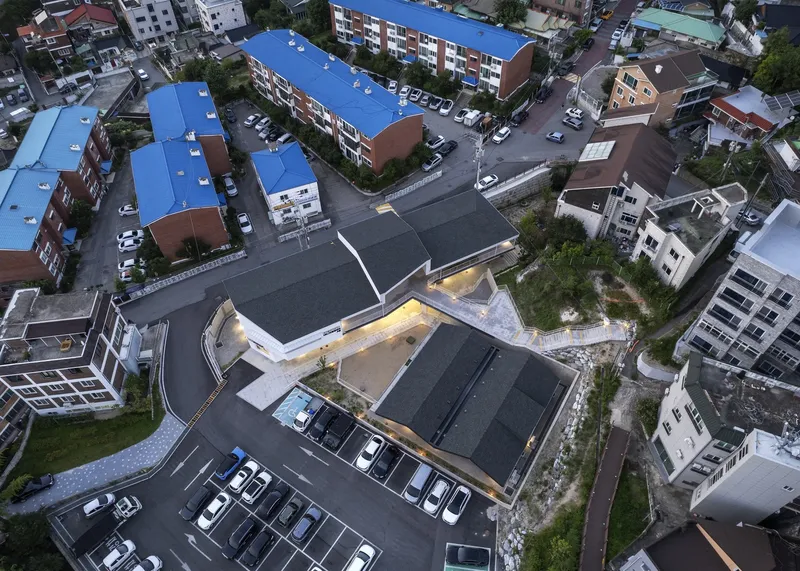
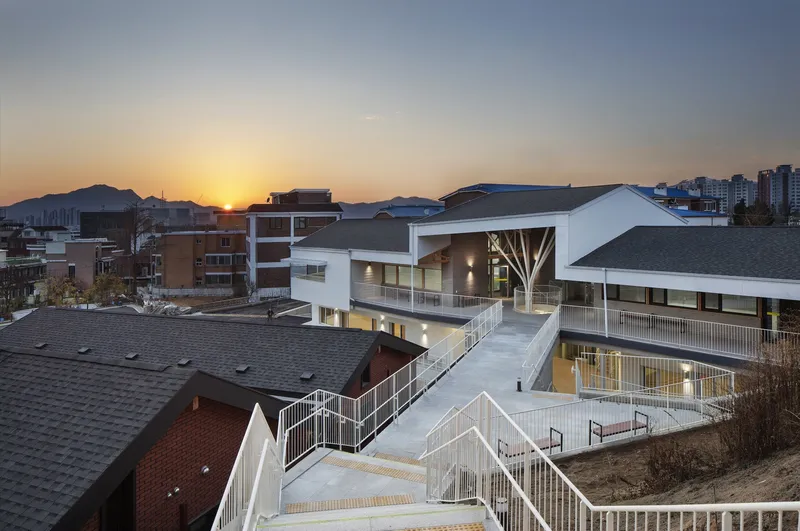
The Gyodong Community Center was conceived with the intent to blend seamlessly into the Bonguisan Mountain Hill Village, a unique urban environment characterized by a diverse mix of building styles and materials. The architects at studiothewon embarked on a design journey to reflect the tangible and intangible values of the village, opting for a construction strategy that emphasizes small-scale, accessible units over large, enclosed governmental structures.
Creating a Community-centric Layout
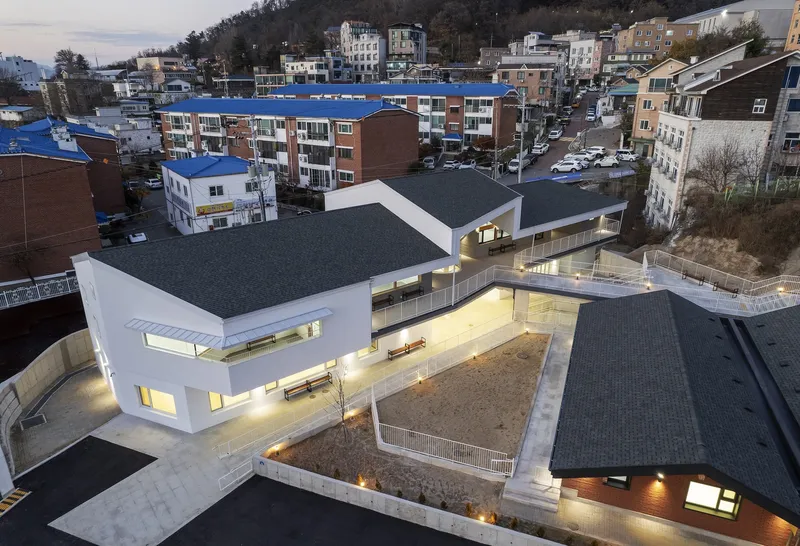
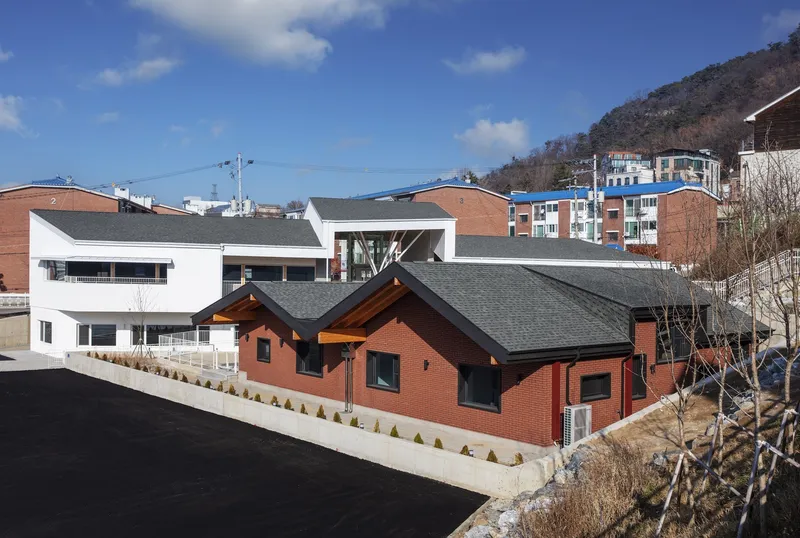
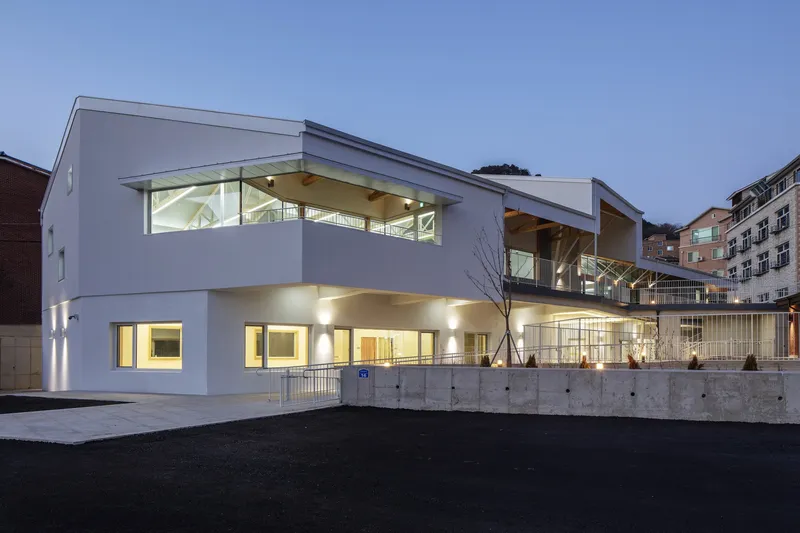
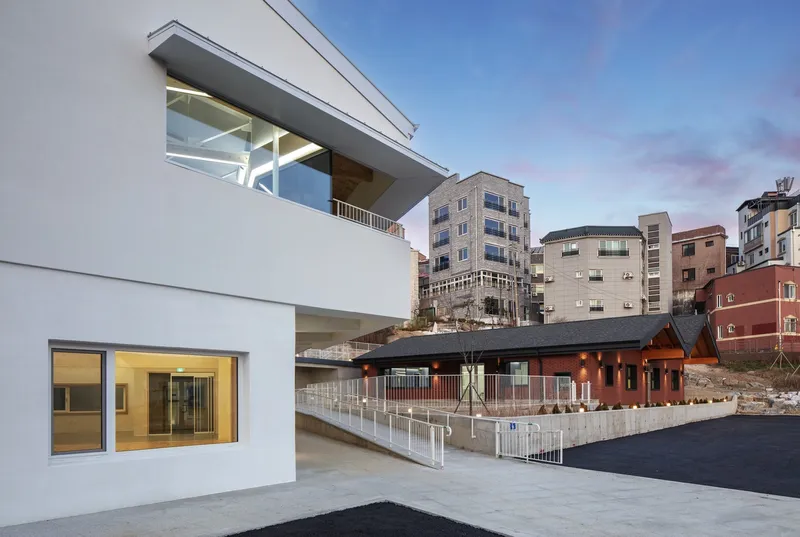
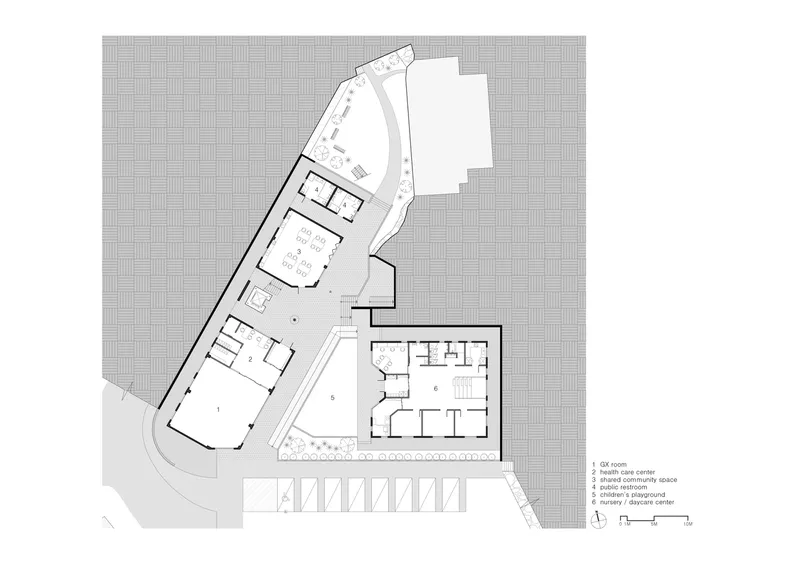
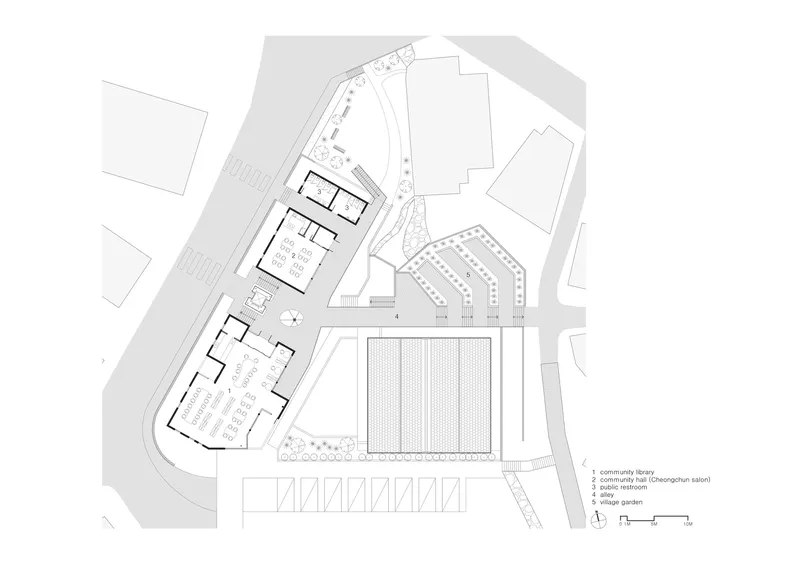
The center comprises two buildings, each dedicated to distinct programs, designed to foster a sense of belonging and continuity with the village. The incorporation of different shapes and materials for each building ensures that the community center does not stand out as a complex but rather integrates organically into the village's existing landscape.


Innovations in Structural Design
Light Wooden Structures and Light Steel Frames
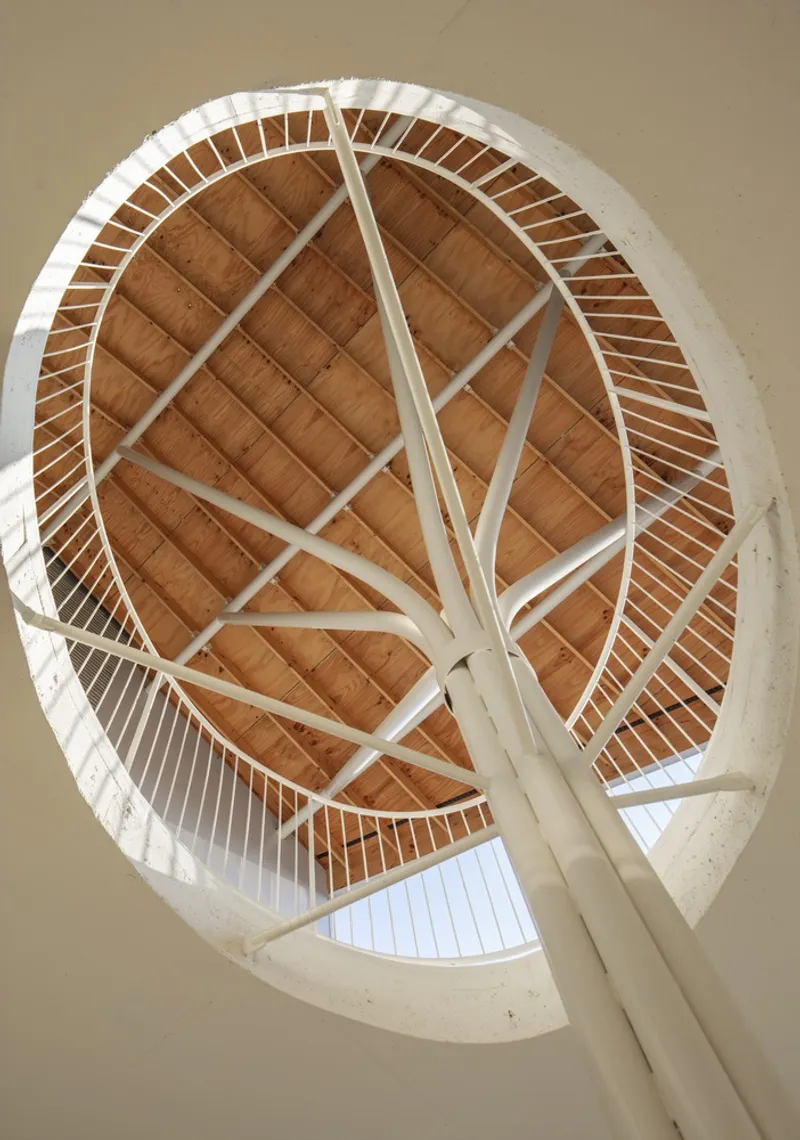
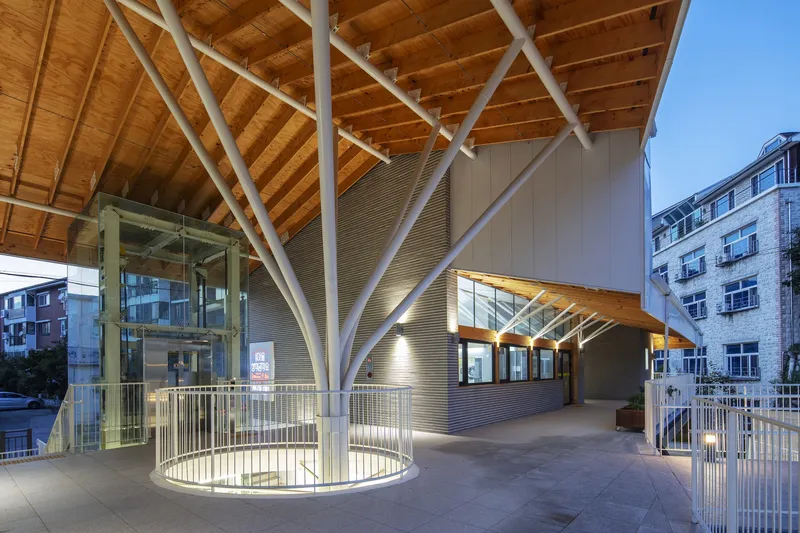
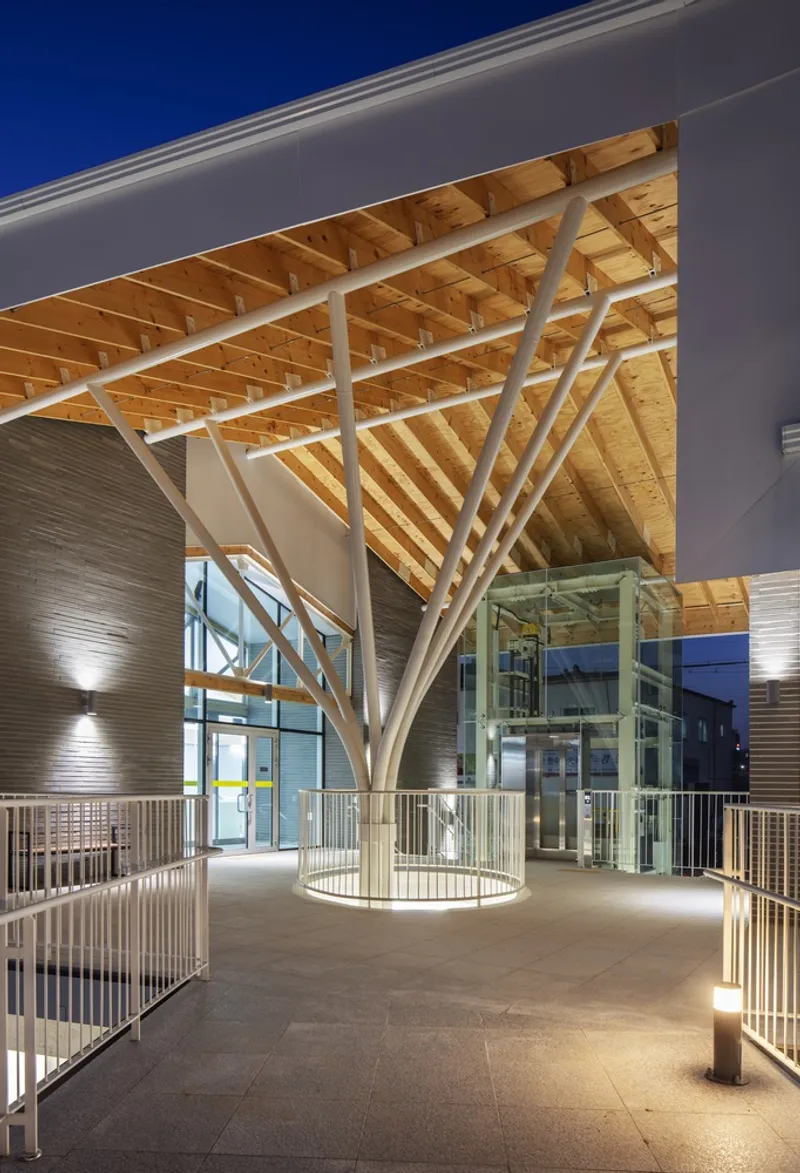
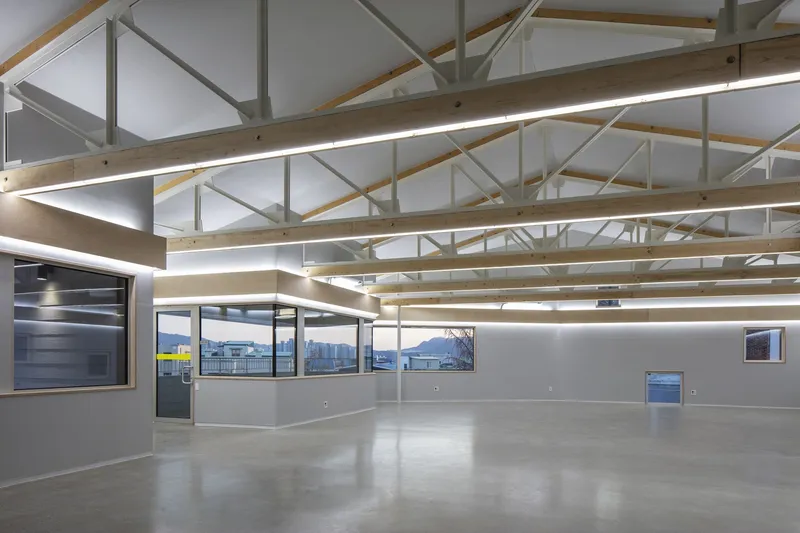
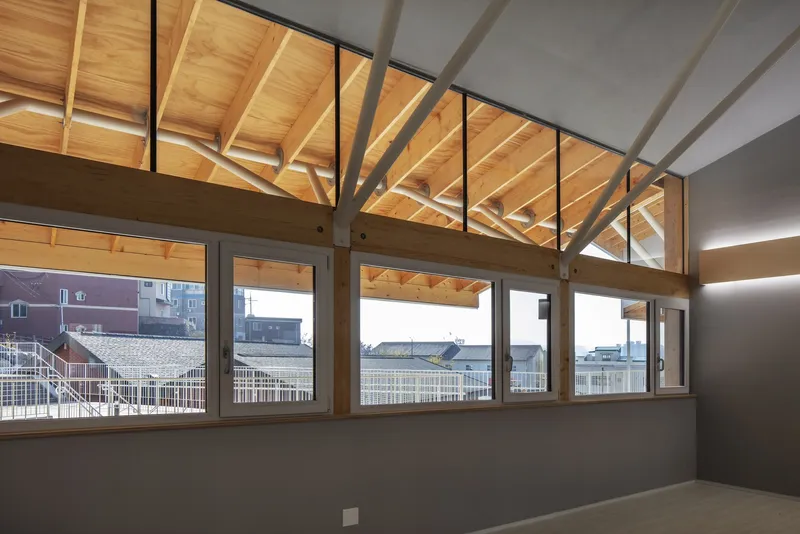
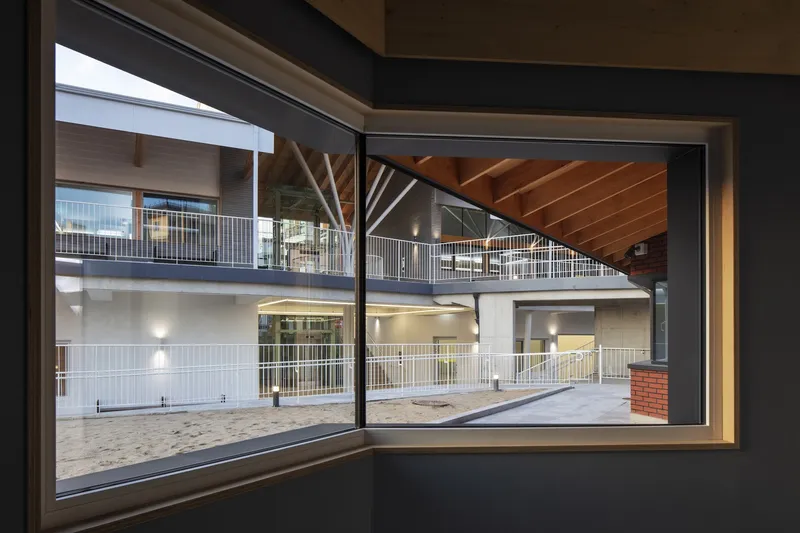
A pivotal aspect of the Gyodong Community Center's design is its reliance on light wooden structures complemented by light steel frames. This choice was driven by the desire to create non-intimidating, accessible spaces that resonate with the village's identity. The design team meticulously planned the integration of these materials to enhance the structural presence and ensure the flexibility of the community spaces.


Structural Variations for Community Engagement
The community center showcases innovative structural variations to accommodate diverse community activities. For instance, light gauge steel trusses were utilized in the book café to allow a free arrangement of furniture without internal pillars. Similarly, V-columns in the external eaves area and tree columns at the outdoor decks were strategically designed to support the structure while maximizing open, usable space for community gatherings.

Fostering Accessibility and Connection
The Role of Alleyways and Open Spaces
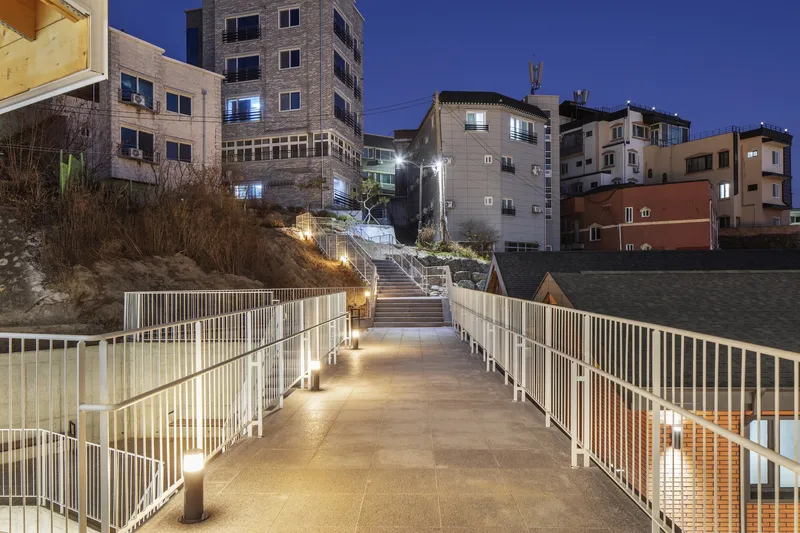
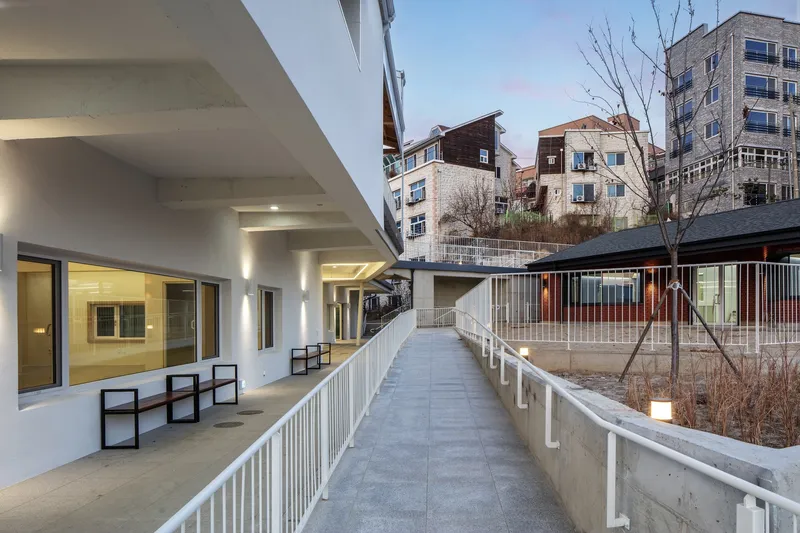
One of the main design intentions behind the Gyodong Community Center was to create an alleyway within the site that functions as a public thoroughfare, always open to residents. This approach ensures that the center remains an integral part of the village's daily life, fostering a sense of accessibility and openness.

Embracing a Heterogeneous Identity
The Gyodong Community Center's design consciously avoids establishing a clear spatial hierarchy, opting instead for multiple entrances and outdoor hallways. This decision reflects the architects' commitment to capturing the heterogeneous identity of the village, providing a flexible and inclusive space that encourages community interaction.
Redefining Community Center Architecture
The Gyodong Community Center by studiothewon stands as a testament to the potential of innovative community center design in enhancing urban environments. Through its thoughtful integration of light wooden and steel structures, the project not only addresses the physical needs of the community but also enriches the social fabric of the Bonguisan Mountain Hill Village. As a pioneering example of architectural innovation, the Gyodong Community Center sets a new benchmark for community-oriented design and urban renewal.

All the photographs are work of Park Wansoon


Popular Articles
Popular articles from the community


Hill & Cross Opera: Sculptural Opera House Architecture Shaped by Tallinn’s Landscape and Identity
Hill & Cross Opera reimagines opera house architecture in Tallinn through its sculptural hill, civic plaza, glass wave and a luminous cross.

Conexión: Biophilic Design Reimagines High-Rise Living in Hong Kong
Conexión reimagines high-rise living in Hong Kong through biophilic design, green facades, shared spaces, daylight, water and nature within.

Riyadh For All: Intergenerational Urban Design for Active Aging in Rabat
Riyadh For All reimagines urban design in Rabat with intergenerational co-living, adaptive courtyards, and Moroccan cultural exchange today.

The Earth Pod: 3D Printed Homes for Resilient Refugee Communities
The Earth Pod reimagines refugee housing through 3D printed homes made from clay, combining resilience, self-sufficiency, and rapid shelter.
Similar Reads
You might also enjoy these articles


Hodi-Mandai Geram
Project Function: Preservation and revitalization of the Intangible heritage and socio-spatial identity of the Hodi by Housing, Cultural Memory Center, Sacred Grove, landscape, local tourism economy


Olio Towers: A Mid-Rise for Performers That Fuses Housing, Rehearsal, and Stage
Located blocks from Houston's Theater District, this modular tower stacks living units around a central performance atrium.

Oasis: Modular Green Housing Carved into Dhaka's Urban Fabric
A shortlisted Plugin Housing entry reclaims unauthorized settlements in Dhaka with stepped concrete volumes, green roofs, and ventilation-driven design.

Black Hole: A Floating Megastructure for the Post-Physical Era
Emiliano Mazzarotto envisions a spherical, self-scaling arena where e-sports, digital hotels, and holographic stadiums replace traditional public space.

Explore Architecture Competitions
Discover active competitions in this discipline



Challenge to reimagine the Iron Throne


Photograph architecture without architects


Illustrate the lost glory of Angkor Wat - Render Challenge


Design challenge to reuse E-waste
Comments (0)
Please login or sign up to add comments
No comments yet. Be the first to comment!