
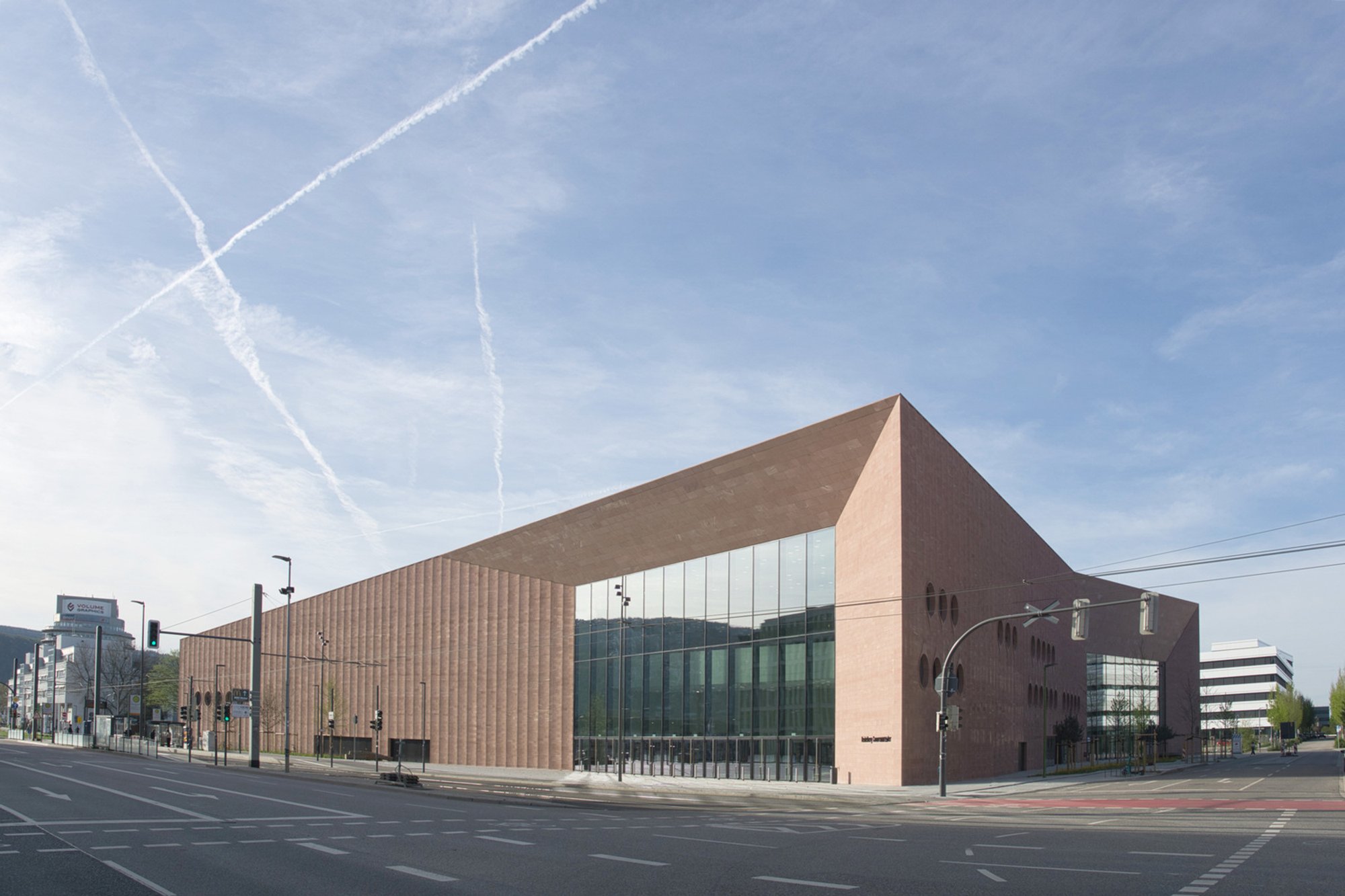
Heidelberg Congress Center: A Model of Sustainable Conference Center Architecture
This article explores the Heidelberg Congress Center, showcasing its sustainable architecture and integration with Heidelberg's urban and historical landscape.

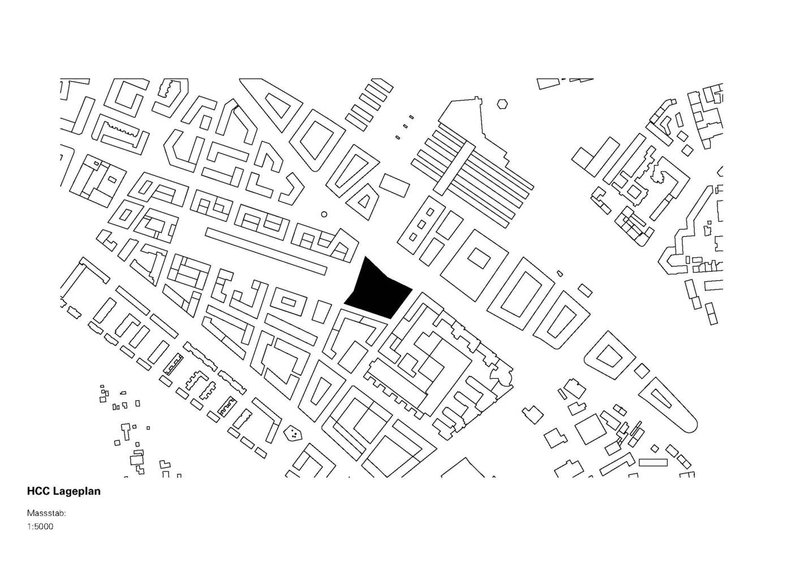
The Heidelberg Congress Center, crafted by the innovative minds at Degelo Architekten, is a pioneering example of sustainable conference center architecture located in the dynamic Bahnstadt area of Heidelberg, Germany.
Design Philosophy and Architectural Vision
Embracing Historical and Modern Elements
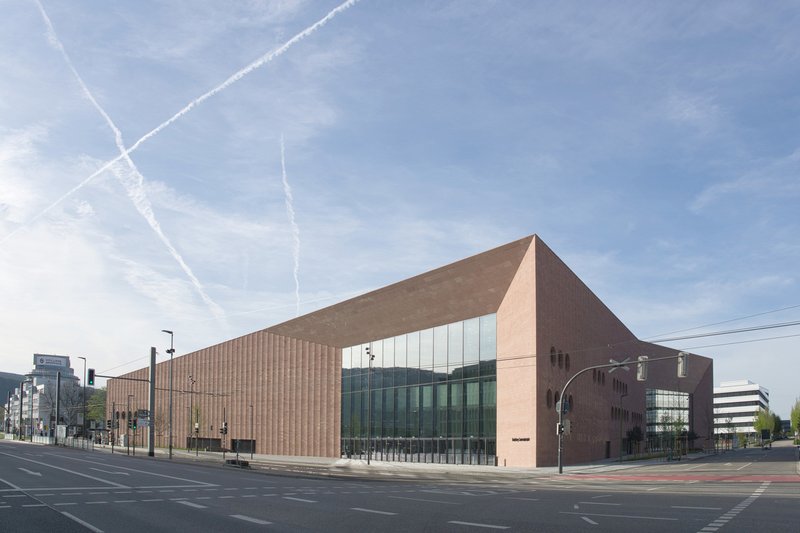
This modern structure, juxtaposed against the historic backdrop of Heidelberg, reflects both the city’s rich history and its contemporary spirit. The design integrates seamlessly into the urban fabric while maintaining a distinct identity as a public venue.
Sustainable Building Strategies
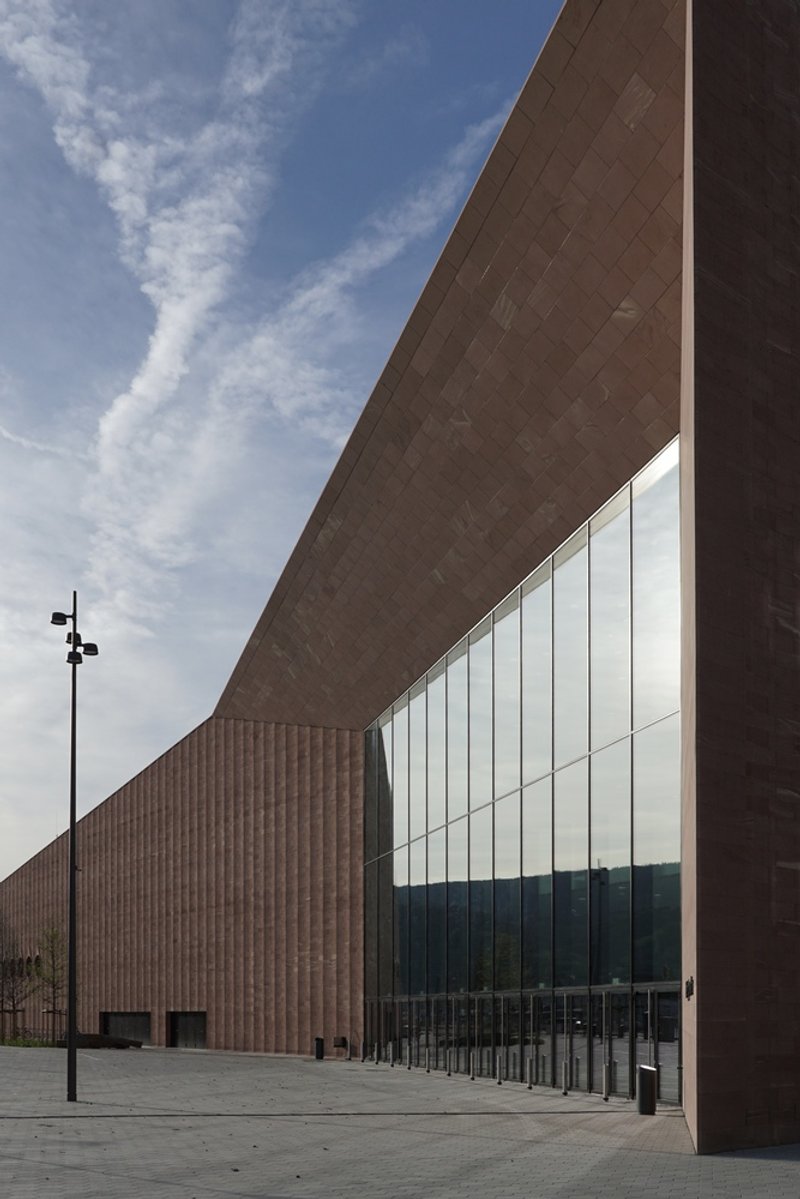
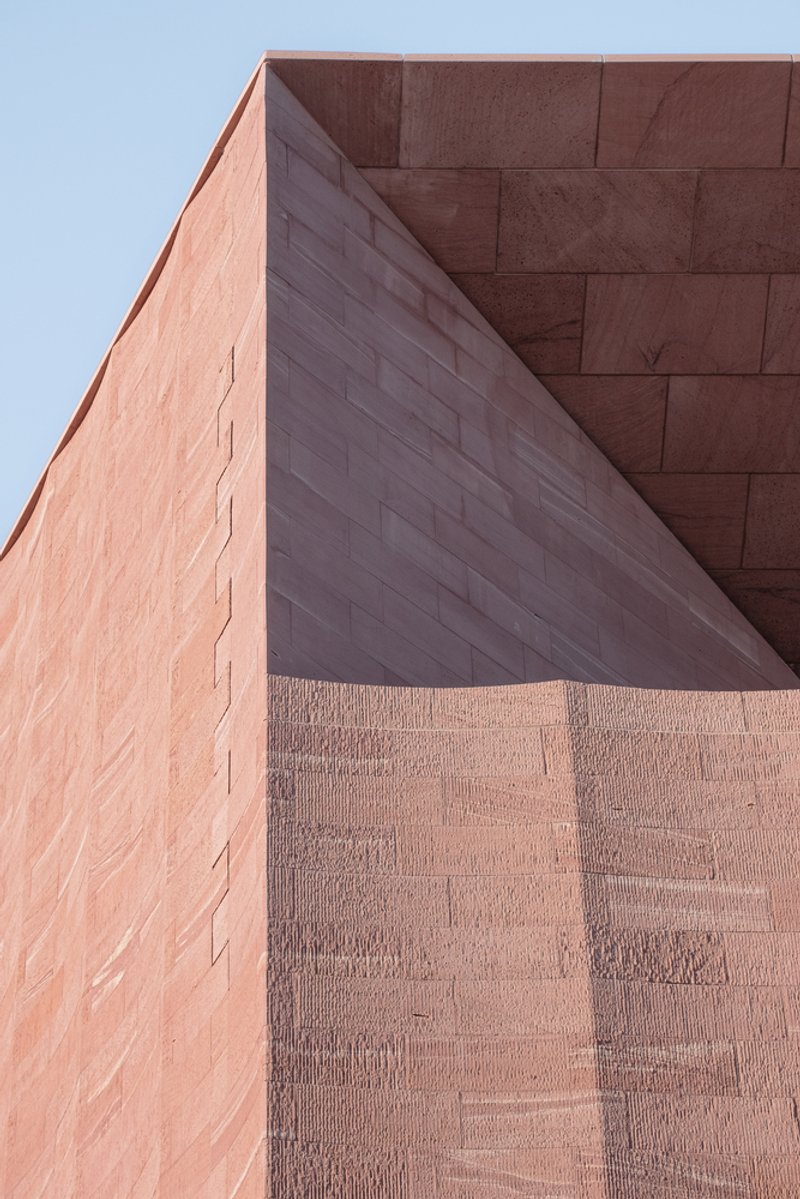
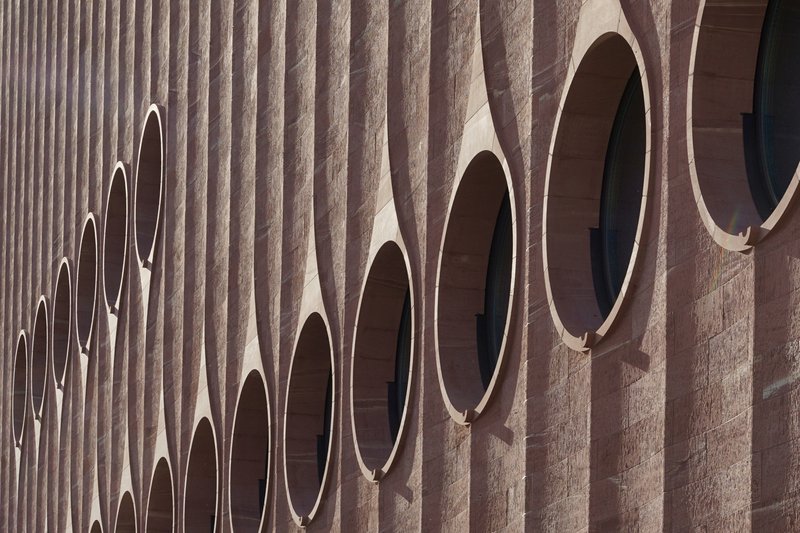
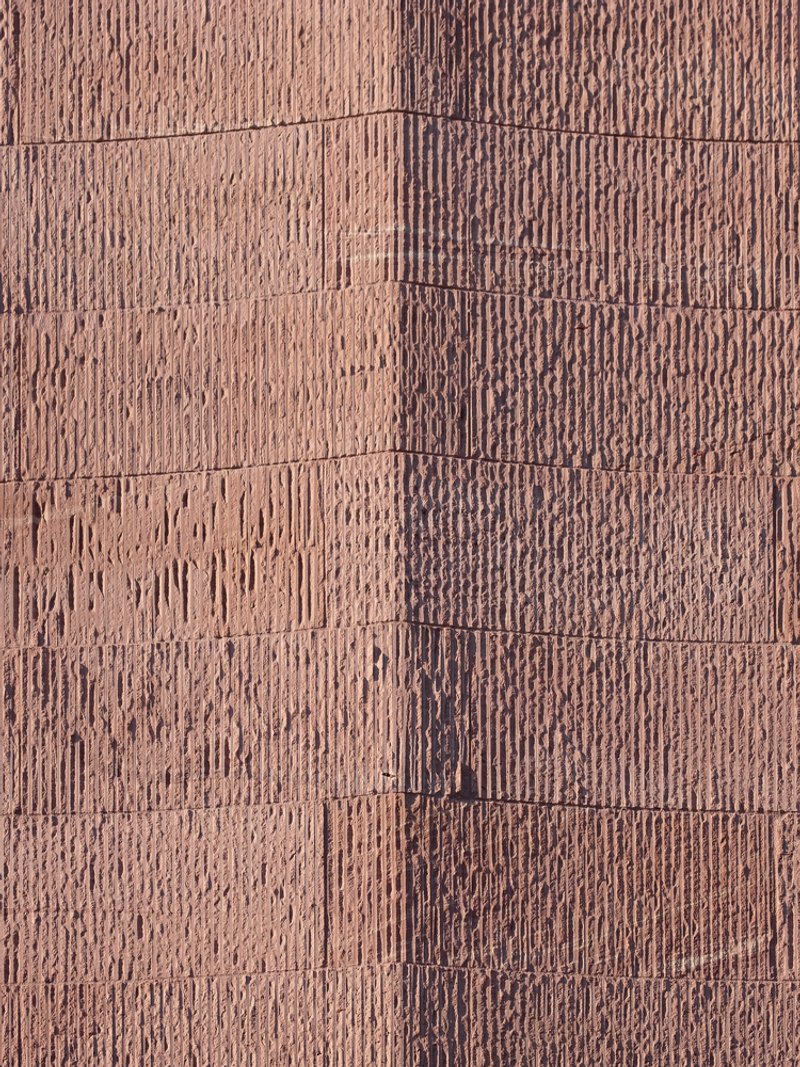
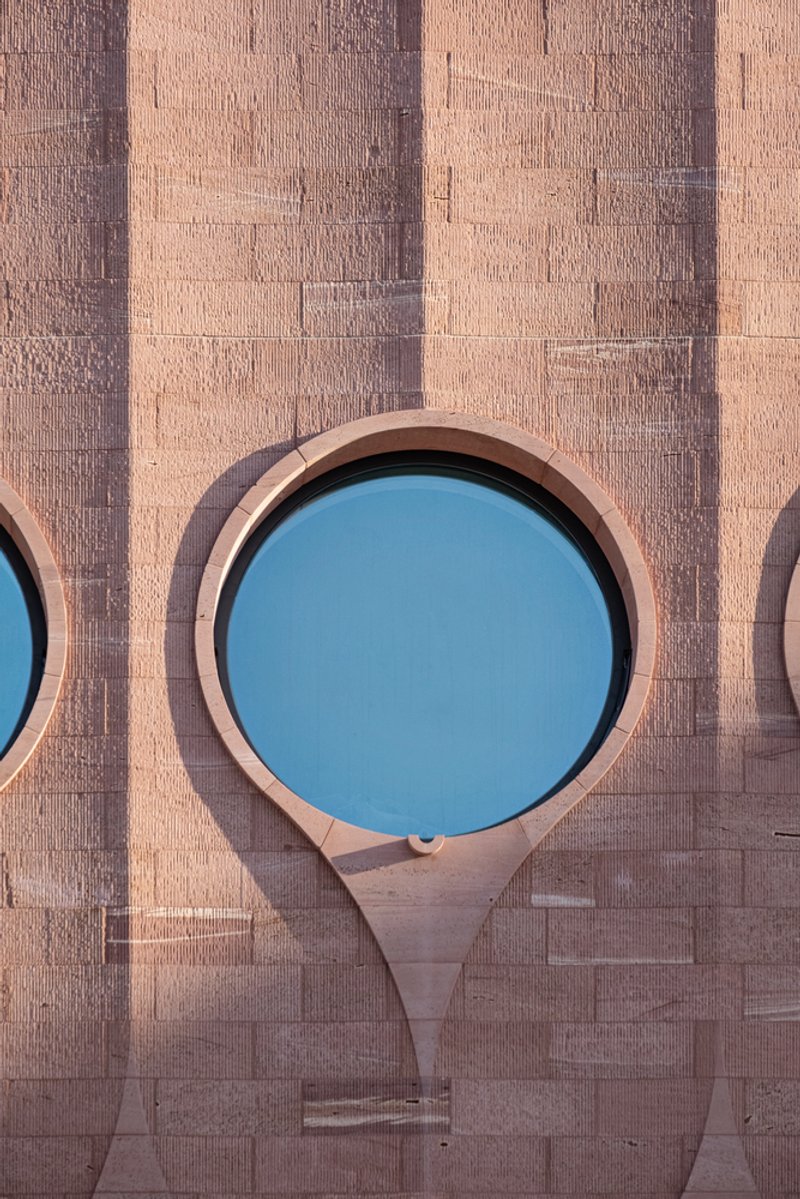
Degelo Architekten have incorporated numerous sustainable features into the Congress Center’s design, ensuring minimal environmental impact. The center’s facade, composed of locally sourced sandstone, not only pays homage to regional architecture but also contributes to the building's thermal mass, enhancing energy efficiency.
Core Architectural Features
Strategic Use of Natural Materials
The facade, reminiscent of a theater curtain, employs a traditional stonemason technique that involves charring to achieve a textured look. This method, combined with the strategic use of massive sandstone, provides significant thermal benefits and a connection to local architectural traditions.
Innovative Lighting and Spatial Dynamics
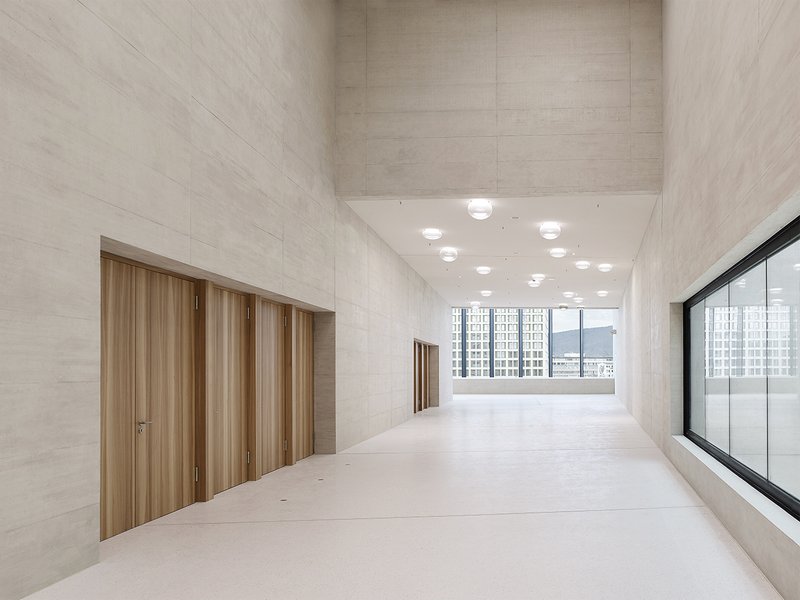
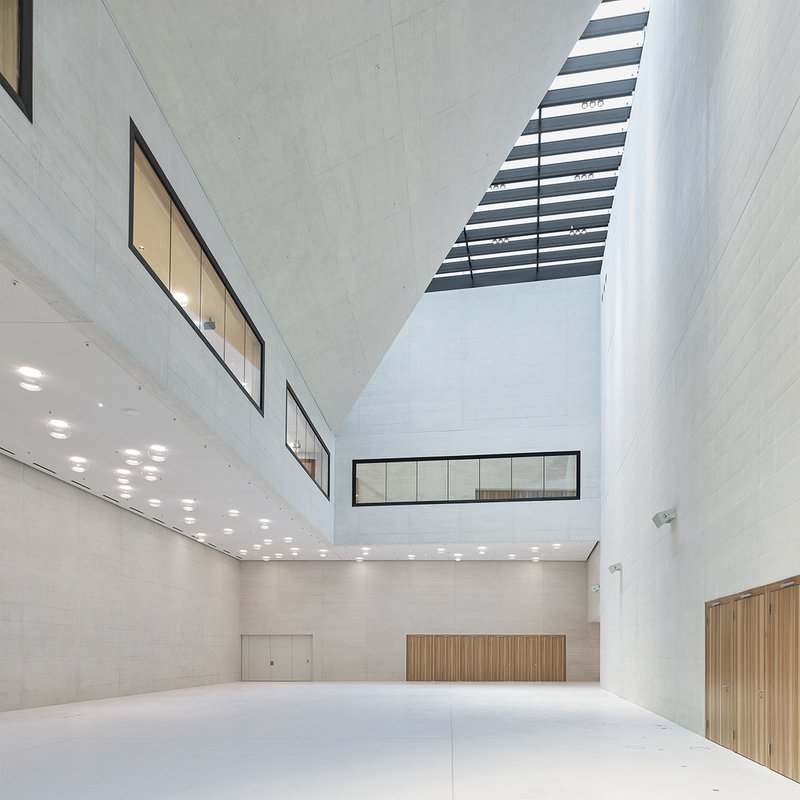
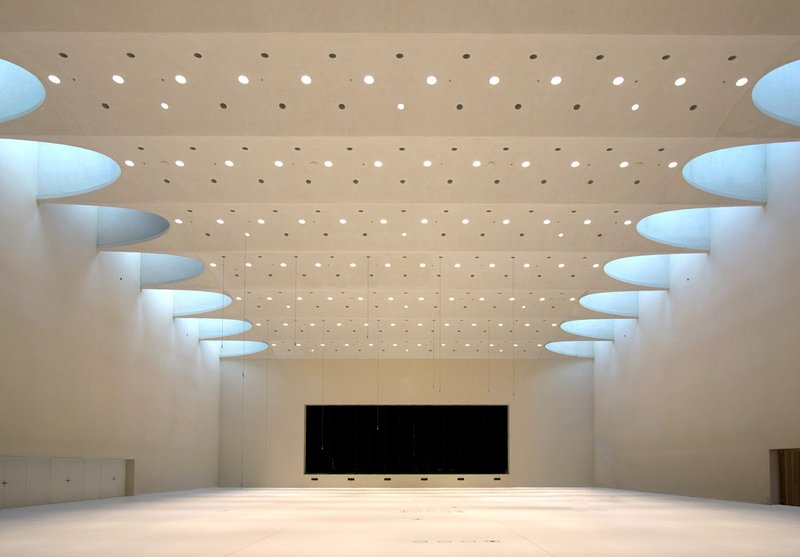
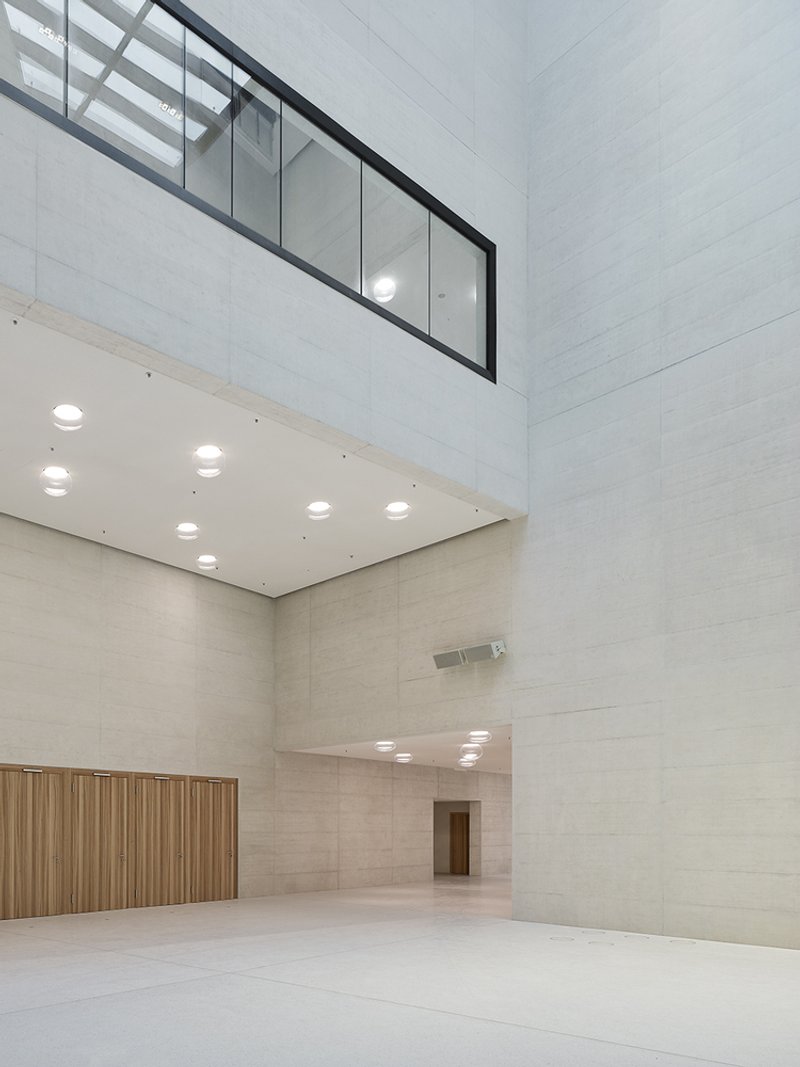
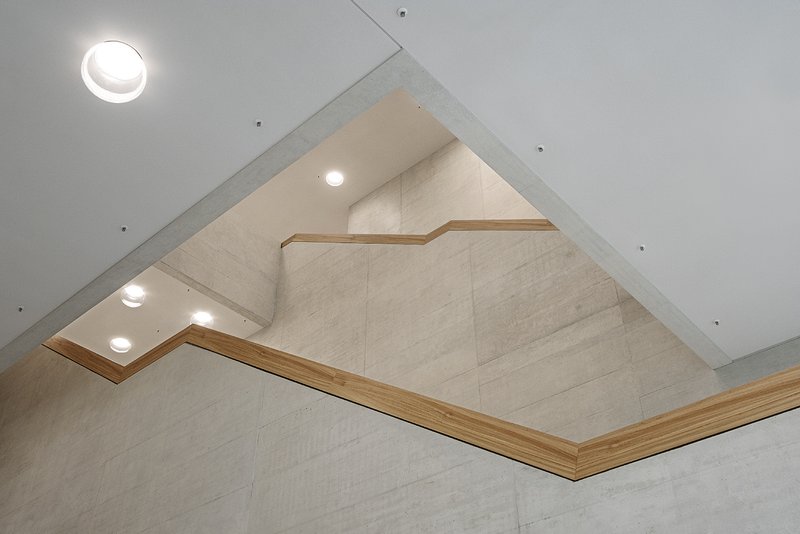
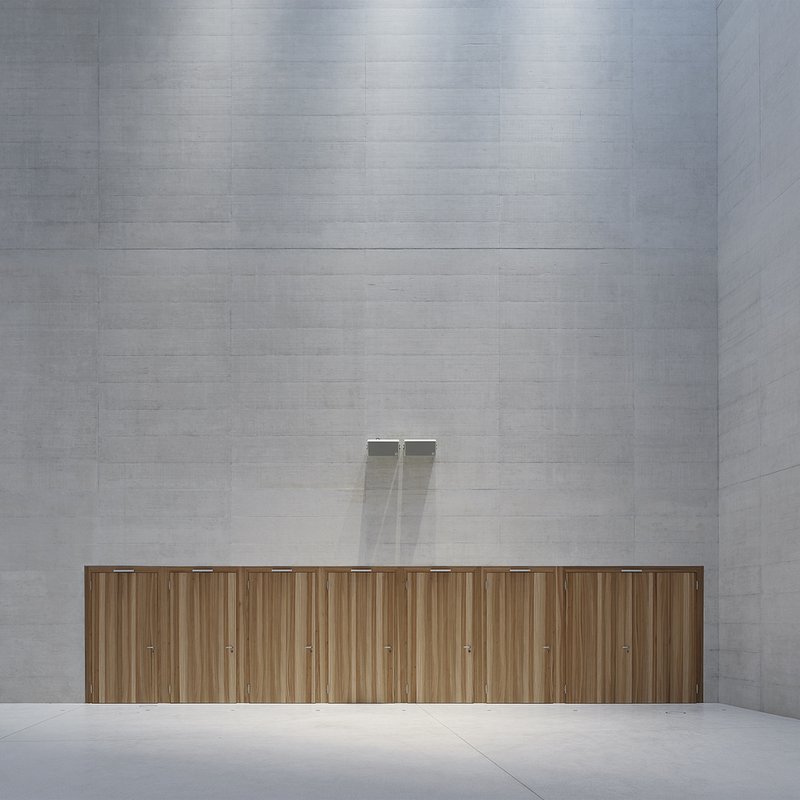
Internally, the Congress Center surprises visitors with expansive, light-filled spaces. The utilization of skylights and strategically placed windows allows natural light to permeate the building, reducing the need for artificial lighting and emphasizing the structure’s airy interior.
Functionality and Flexibility
Versatile Event Spaces
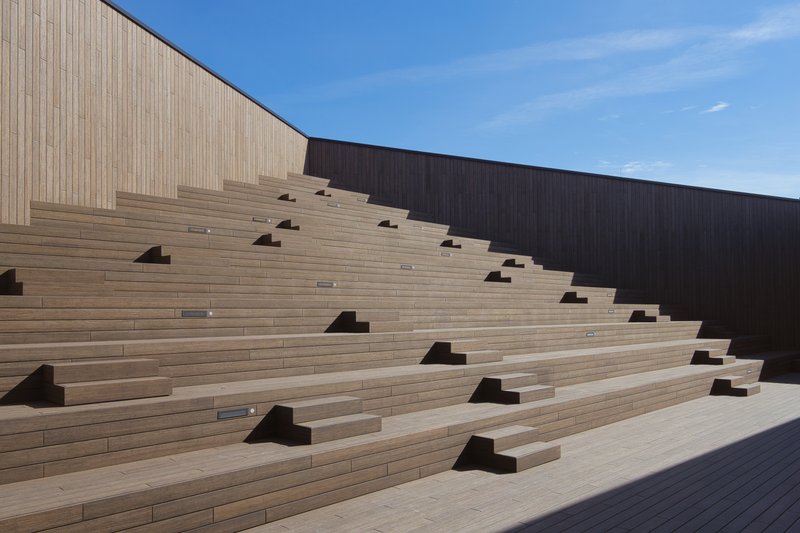
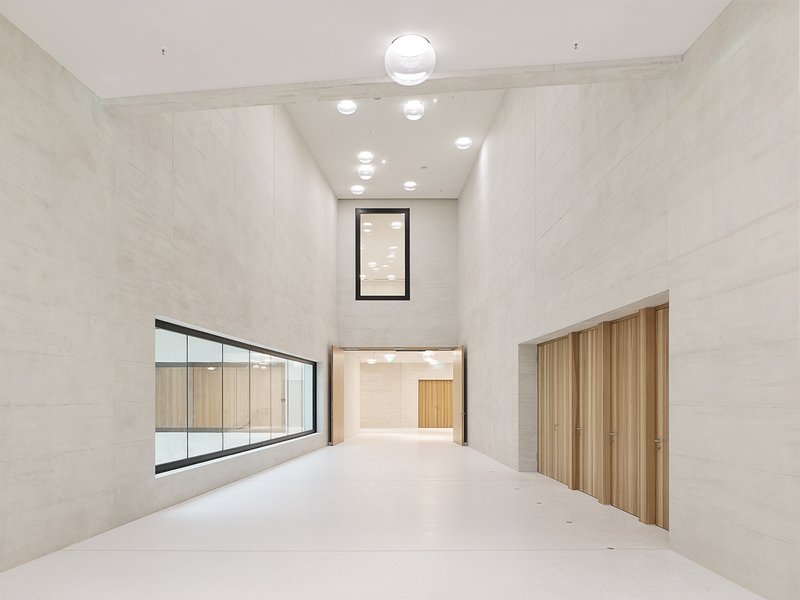
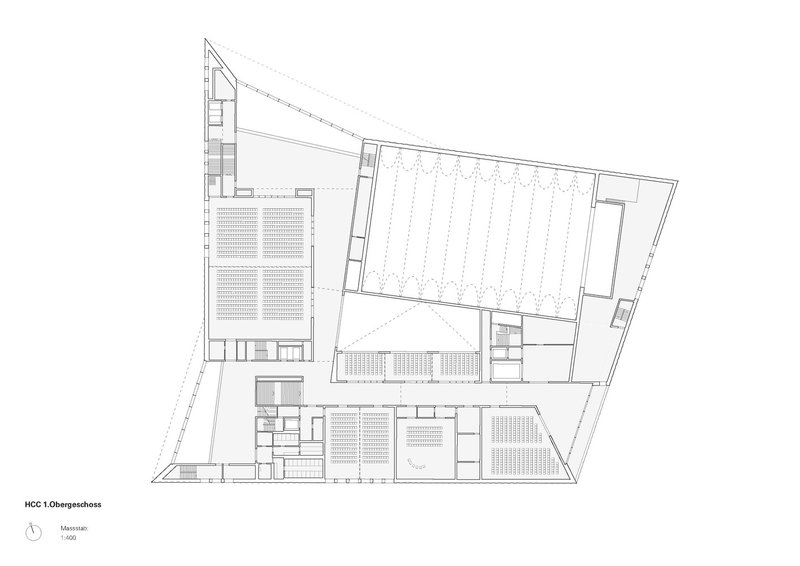
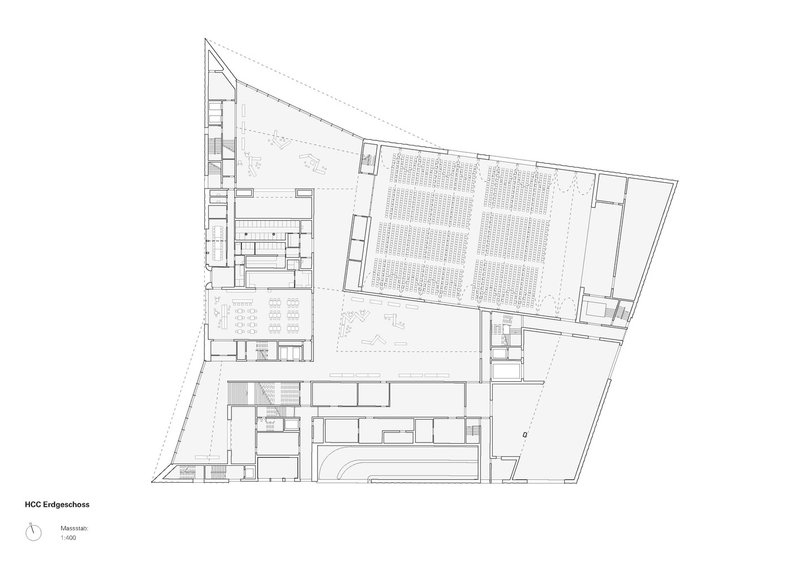
The Heidelberg Congress Center is designed to accommodate a wide range of events, from scientific congresses to cultural performances. Its flexible spaces, including two large halls and multiple conference venues, can be adapted for various functions, demonstrating the versatility crucial to modern conference center architecture.
Enhanced Visitor Experience
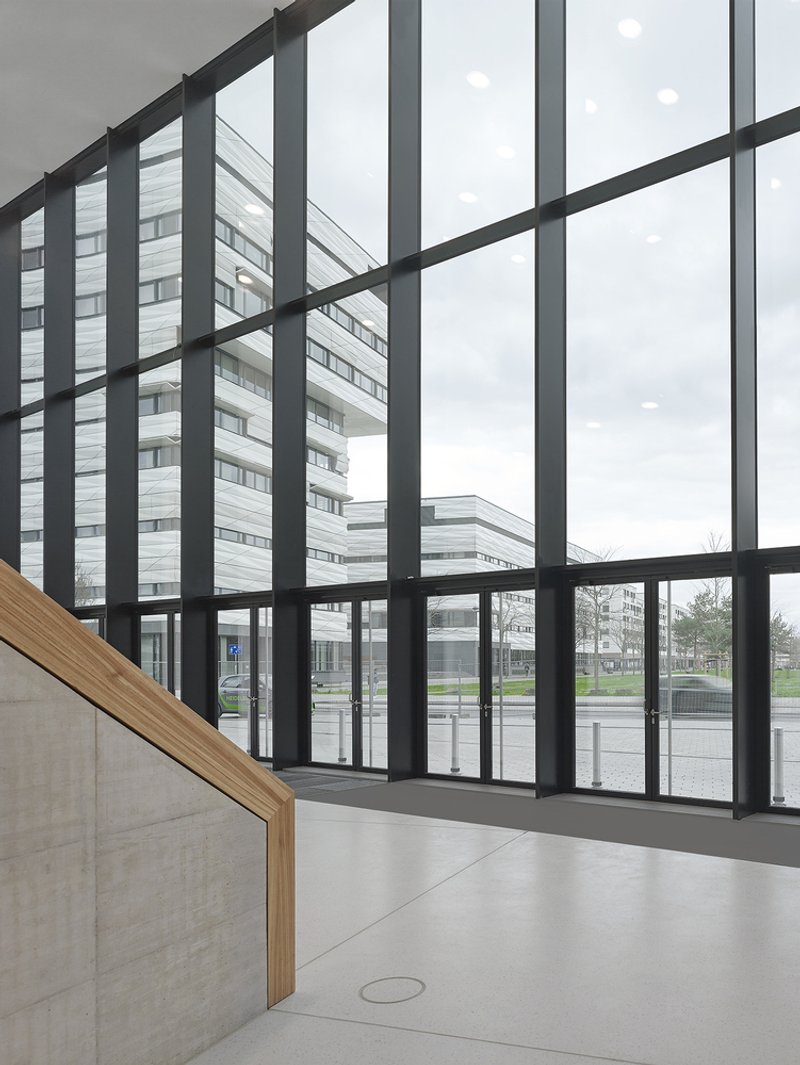
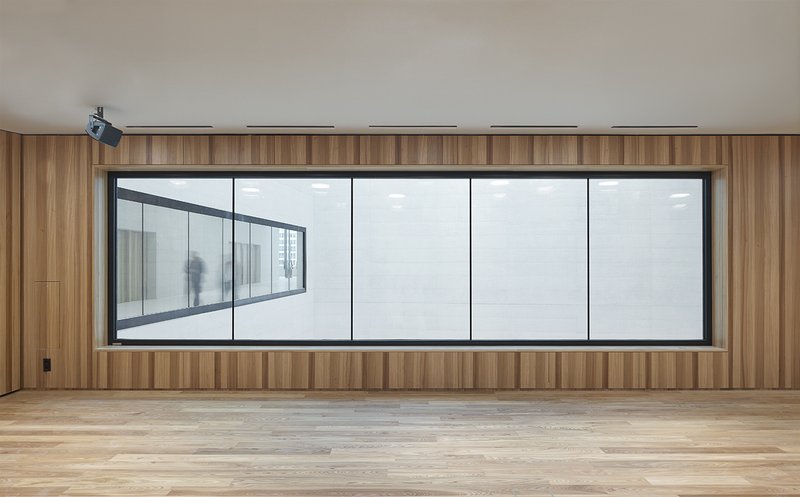
The building’s entrances are designed to be inviting, with glass facades that open up to public squares, integrating the center with community life. This approach not only enhances the aesthetic appeal but also serves as a physical and metaphorical bridge between the center and the city.
Sustainability and Energy Efficiency
Passive House Standards
Aiming for Passivhaus certification, the Congress Center's design focuses on minimizing energy demand through intelligent architectural solutions like night-time cooling and waste heat recovery systems. The compact structure and minimal circulation areas further optimize the building’s energy performance.
Redefining Conference Center Architecture
The Heidelberg Congress Center by Degelo Architekten stands as a beacon of sustainable conference center architecture. By merging functional design with environmental responsibility, the project sets new standards for future developments in the field of conference and cultural centers worldwide.
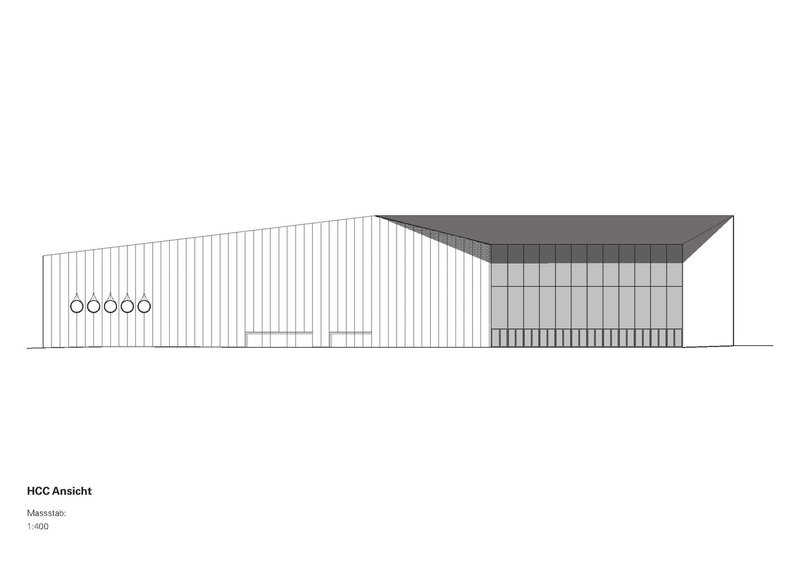
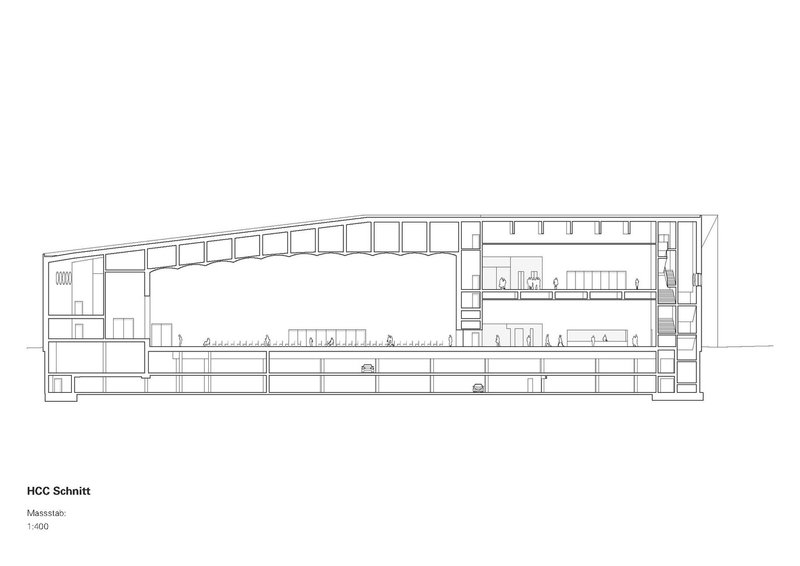
All photographs are work of Achim Birnbaum




Popular Articles
Popular articles from the community

Studio Gram Unfurls a Concrete Curve Through an Adelaide Queen Anne Villa
In Rose Park, a billowing concrete threshold stitches a century-old house to a sun-chasing pavilion organized around an existing pool.
BICA Arquitectos Buries a Coastal Home in a Man-Made Dune on Portugal's Tróia Peninsula
A 300-square-meter house of timber, sand mortar, and travertine dissolves into the dune landscape it helped regenerate on the Alentejo coast.
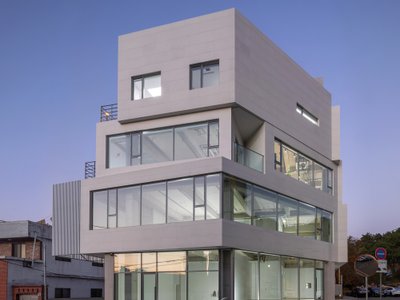
Architects Group RAUM Stacks Offset White Volumes into a Compact Office Tower in Busan
A 524-square-meter building on a tight corner lot in Haeundae plays with sunlight rights and shifting floor plates to create generous terraces.

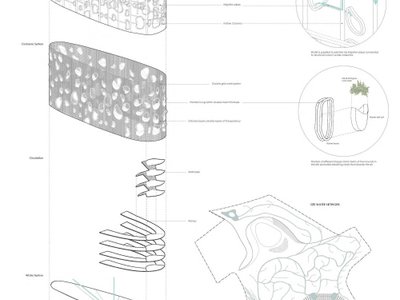
Biophilic Architecture and Regenerative Stadium Design: Biophilia Lagos by Rachel George
A regenerative stadium in Lagos transforms landfill into a living ecosystem through biophilic architecture, waste reuse, and environmental healing.


Similar Reads
You might also enjoy these articles

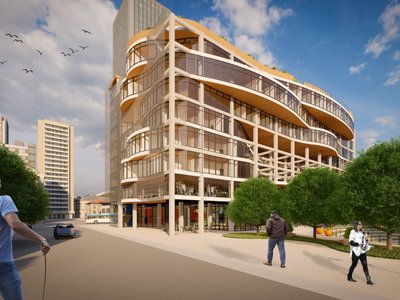
Olio Towers: A Mid-Rise for Performers That Fuses Housing, Rehearsal, and Stage
Located blocks from Houston's Theater District, this modular tower stacks living units around a central performance atrium.

Oasis: Modular Green Housing Carved into Dhaka's Urban Fabric
A shortlisted Plugin Housing entry reclaims unauthorized settlements in Dhaka with stepped concrete volumes, green roofs, and ventilation-driven design.

Black Hole: A Floating Megastructure for the Post-Physical Era
Emiliano Mazzarotto envisions a spherical, self-scaling arena where e-sports, digital hotels, and holographic stadiums replace traditional public space.
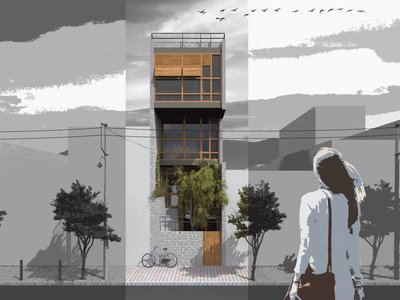
Compact & Sustainable Living in Piraeus: A Four-Level Family Home Built Around Light and Air
A narrow townhouse in one of Greece's densest port cities uses a central atrium and passive strategies to house three generations under one roof.

Explore Architecture Competitions
Discover active competitions in this discipline




The International Standard for Design Portfolios


The Global Benchmark for Architecture Dissertation Awards


The Global Benchmark for Graduation Excellence


Challenge to reimagine the Iron Throne
Comments (0)
Please login or sign up to add comments
No comments yet. Be the first to comment!