

Heritage Paradox: Reimagining Shaniwar Wada and Its Precinct in a Modernizing Pune
Reviving Heritage, Redefining Progress: Bridging the Past and Future of Shaniwar Wada


The Dilemma: Heritage Conservation vs. Urban Development
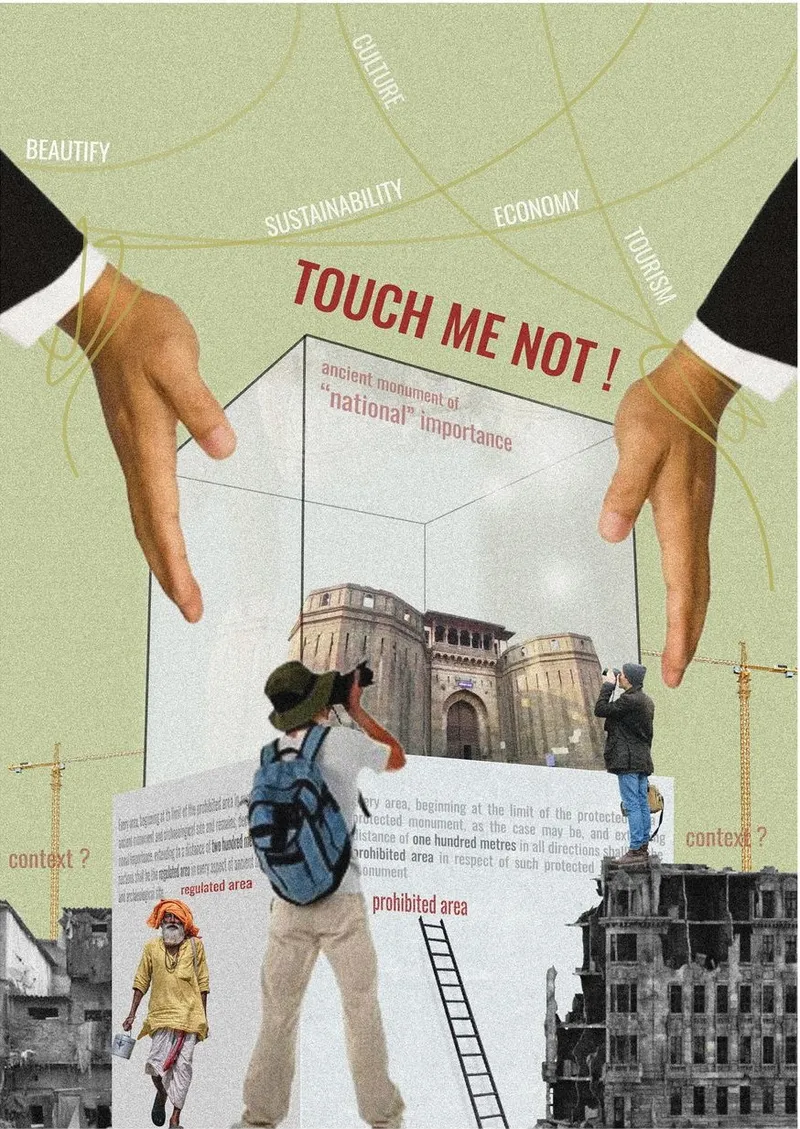
Heritage Paradox by Sharvil More, Special Mention entry of UnIATA '24, India’s heritage laws, particularly the AMASR Act, impose strict restrictions on development around monuments. Prohibited and regulated zones prevent meaningful interventions, often resulting in the isolation of heritage sites from their communities. In the case of Shaniwar Wada, these policies have:
Frozen Development: The rigid application of the AMASR Act enforces a 100-meter "prohibited area" and a further 200-meter "regulated zone" around the monument. While intended to protect heritage, these zones have turned the precinct into an inaccessible and underutilized space.
Neglected Infrastructure: Basic visitor amenities such as washrooms, parking, and public spaces are absent, leaving the monument disconnected from the city's vibrant urban life.
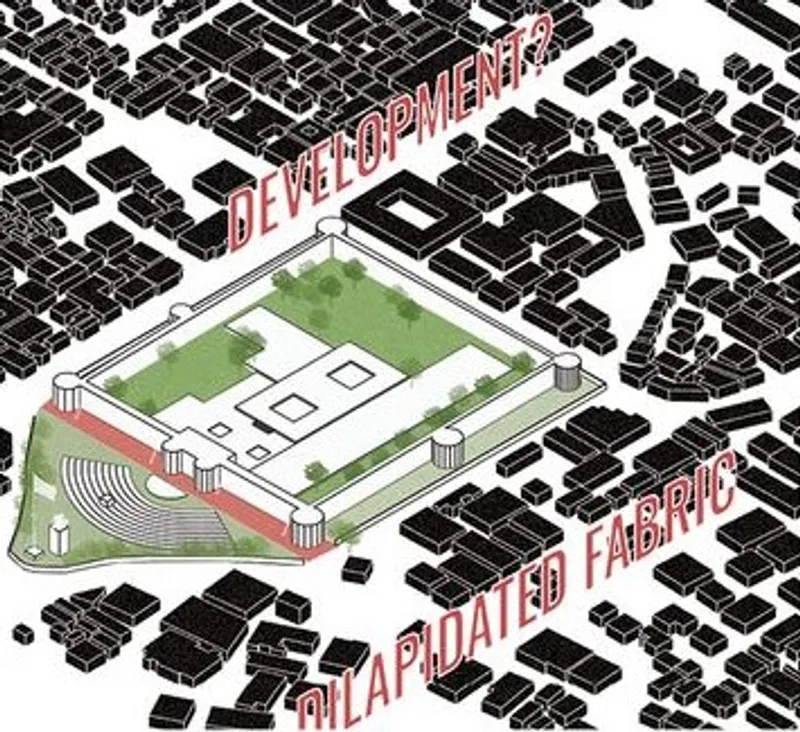
Dilapidated Surrounding Fabric: Structures around Shaniwar Wada, including historic wadas (traditional residences), have fallen into neglect, losing their identity and relevance.
This paradox leaves Shaniwar Wada static in time, devoid of the dynamism that once made it the epicenter of Pune’s growth.
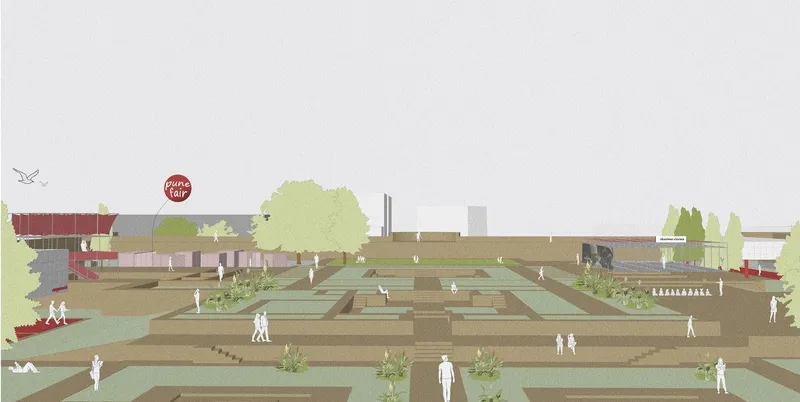
Proposed Solutions: Rethinking Heritage Management
Sharvil More’s dissertation proposes a multi-layered strategy to resolve the heritage paradox, encompassing architectural interventions, urban renewal, and flexible heritage policies. These strategies aim to transform Shaniwar Wada and its precinct into a thriving cultural and civic space while respecting its historical significance.
Rebranding the Monument
The study envisions Shaniwar Wada as a dynamic, adaptive space by introducing a three-stage intervention:
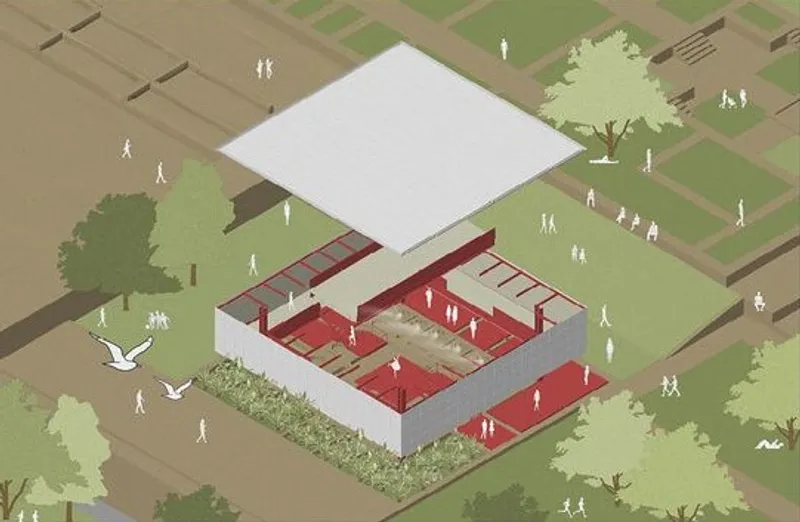
The "Shifting Monument": A contemporary, flexible pavilion is proposed in the triangular plaza at the front of Shaniwar Wada. This temporary structure is designed to host art exhibitions, performances, and public events, allowing the monument to engage with the community actively. Its modern design reflects today's architectural language, bridging the gap between the historic fort and contemporary urban needs.
Modular and Temporal Additions: Inspired by the concept of a "kinetic city," temporal structures within Shaniwar Wada can evolve over time. Modular installations allow the site to adapt to seasonal festivals, cultural events, and changing community needs, keeping the monument relevant and alive.
Activating Edges: The underutilized edges of the monument are reimagined to include public amenities like markets, parks, and heritage plazas. This approach not only enhances visitor infrastructure but also integrates the monument into the urban fabric, creating an engaging heritage trail.

Revitalizing the Heritage Fabric
One of the most compelling aspects of the thesis is the revitalization of neglected wadas within the heritage precinct. A standout proposal is the creation of Kalatirtha, an art and performance center. Designed to harmonize with the architectural language of traditional wadas, Kalatirtha serves as:
A Cultural Hub: Providing spaces for local artists to showcase their work and interact with the community.
A Platform for Social Exchange: Hosting performances, workshops, and celebrations that foster connections between locals and tourists.
A Symbol of Architectural Synergy: Merging modern design elements with traditional aesthetics, Kalatirtha ensures a seamless integration with the surrounding heritage.
By breathing new life into the dilapidated wadas, the project demonstrates how adaptive reuse can preserve historical architecture while making it relevant to contemporary needs.

Flexible Heritage Guidelines
A critical component of the thesis is the call for reforming heritage laws to address the unique challenges of each site. Key recommendations include:
Contextual Regulation: Moving away from a one-size-fits-all approach, the guidelines advocate for site-specific strategies that balance preservation with development.
Visual Harmony: New structures within the precinct should align with the scale and language of existing heritage buildings, ensuring visual coherence.
Mixed-Use Integration: Encouraging the inclusion of public services and amenities within the precinct to activate the area while maintaining its heritage value.
This flexible framework paves the way for innovative opportunities, allowing heritage sites like Shaniwar Wada to evolve alongside their cities.
The Vision: A Heritage Precinct for the Future
The dissertation’s vision extends beyond Shaniwar Wada to propose a comprehensive urban renewal strategy for Pune’s heritage precincts. By addressing the shortcomings of current policies and embracing modern design interventions, the study aims to:
Reconnect Communities: Restoring the role of heritage sites as centers of civic and cultural life.
Promote Sustainable Tourism: Creating visitor-friendly spaces that enhance the experience without compromising historical integrity.
Celebrate Dynamic Heritage: Recognizing that heritage is not static but an evolving narrative that must adapt to contemporary contexts.

Impact and Relevance
In a rapidly urbanizing India, balancing heritage preservation with the demands of modern development is a pressing challenge. The Heritage Paradox thesis highlights the need for a paradigm shift in conservation practices. By advocating for flexible policies, adaptive reuse, and community-centric design, the study offers a roadmap for revitalizing heritage precincts across the country.
Shaniwar Wada, once the symbol of Pune’s growth, can once again become a vibrant focal point—an enduring reminder that heritage, when reimagined thoughtfully, can coexist with progress.


Popular Articles
Popular articles from the community


Opera by the Sea Estonia: Three Shells Dissolving Architecture into Tallinn's Coastline
A winning opera house proposal replaces monumental form with interconnected shells that blur the boundary between building, park and Baltic Sea.

The Amber Palace Opera: A Geological Fiction Surfaces on Tallinn's Baltic Waterfront
Pierre Brillard reimagines a Baltic legend as a public landscape, opera house, and waterfront promenade rooted in Tallinn's coastal identity.
Tsunami Convergenics: Turning Catastrophic Ocean Forces into Underwater Housing Infrastructure
A speculative underwater settlement off the coast of Onagawa, Japan, treats tsunamis and typhoons as energy sources rather than threats.

Cloaked Colonization: A Mobile Underwater Habitat That Moves Like a Fish
Micah Abaya's shortlisted EHC Pacific entry reimagines ocean settlement as a dispersed network of self-sustaining architectural organisms.

Similar Reads
You might also enjoy these articles

Day and Night Park: A Time-Based Urban Newsstand in Beijing
A temporary urban newsstand in Beijing blending travel, light, and reading through poetic colors, compact form, and community-focused design.

Modernist Patio Renovation in El Masnou, Barcelona by Oliver Segura Arquitectura + Cebrià Arquitectura
Modernist patio renovation blending tradition and innovation with a movable pool, leveled floors, and Catalan materials in El Masnou.

Alto Residencial Coop: Cooperative Housing Development in Santiago de Compostela by Carbajo Barrios Arquitectos
A linear cooperative housing complex blending white volumes and perforated metal façades, enhancing community living, natural light, privacy, and urban integration.

Vil Genis School by BPA ARCHITECTURE – Massy, France
Vil Genis School in Massy, France, features sustainable design, south-facing classrooms, community integration, accessible spaces, and modern educational architecture.

Explore Architectural Heritage Competitions
Discover active competitions in this discipline

Challenge to reimagine the Iron Throne

Photograph architecture without architects

Illustrate the lost glory of Angkor Wat - Render Challenge

Design challenge to reuse E-waste
Comments (0)
Please login or sign up to add comments
No comments yet. Be the first to comment!