
Historic Hotel Transformation Berlin: Wilmina, A Serene Oasis Amidst The City's Heartbeat
This article showcases the transformation of Berlin's historic buildings into the luxurious Wilmina Hotel by Grüntuch Ernst Architects.

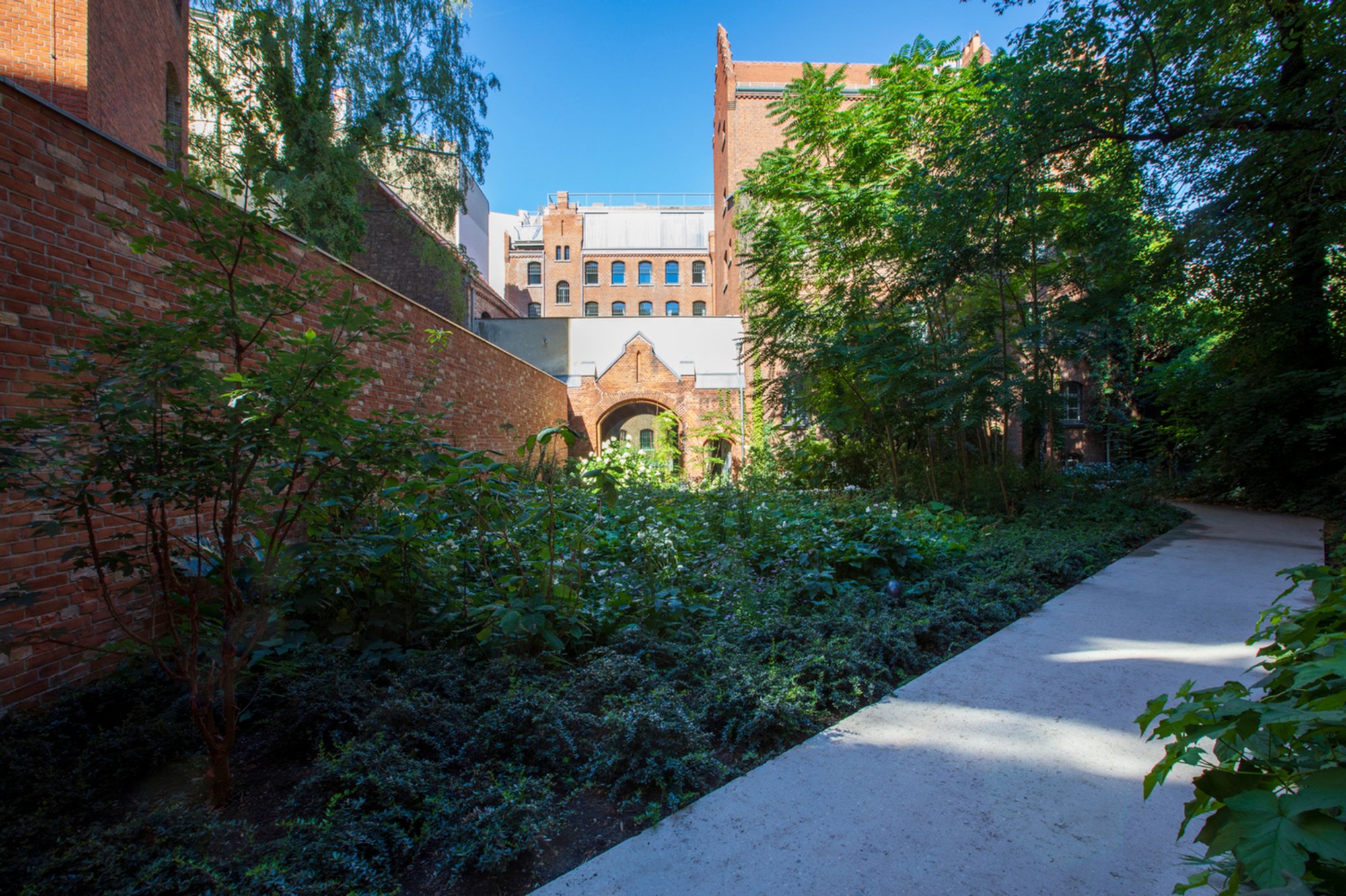
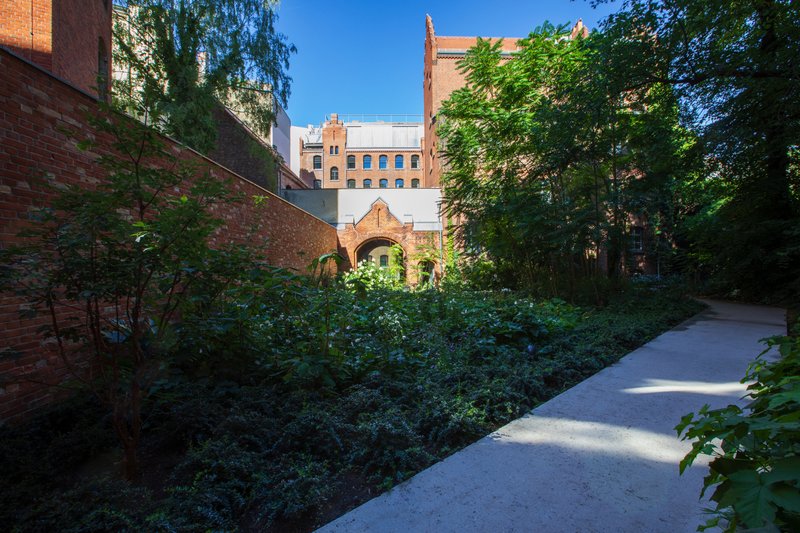
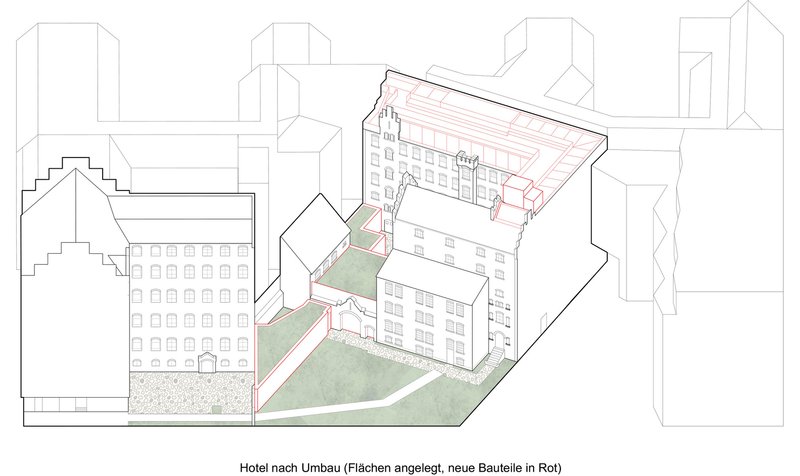
Nestled in Berlin's vibrant Charlottenburg district, the Wilmina Hotel emerges as a beacon of tranquility and luxurious living, following an exemplary historic hotel transformation in Berlin. This unique project, undertaken by the renowned Grüntuch Ernst Architects, breathes new life into a building rich in history, previously serving as a court building and women's prison. Today, Wilmina stands as a testament to Berlin's architectural innovation, blending historical reverence with modern luxury.
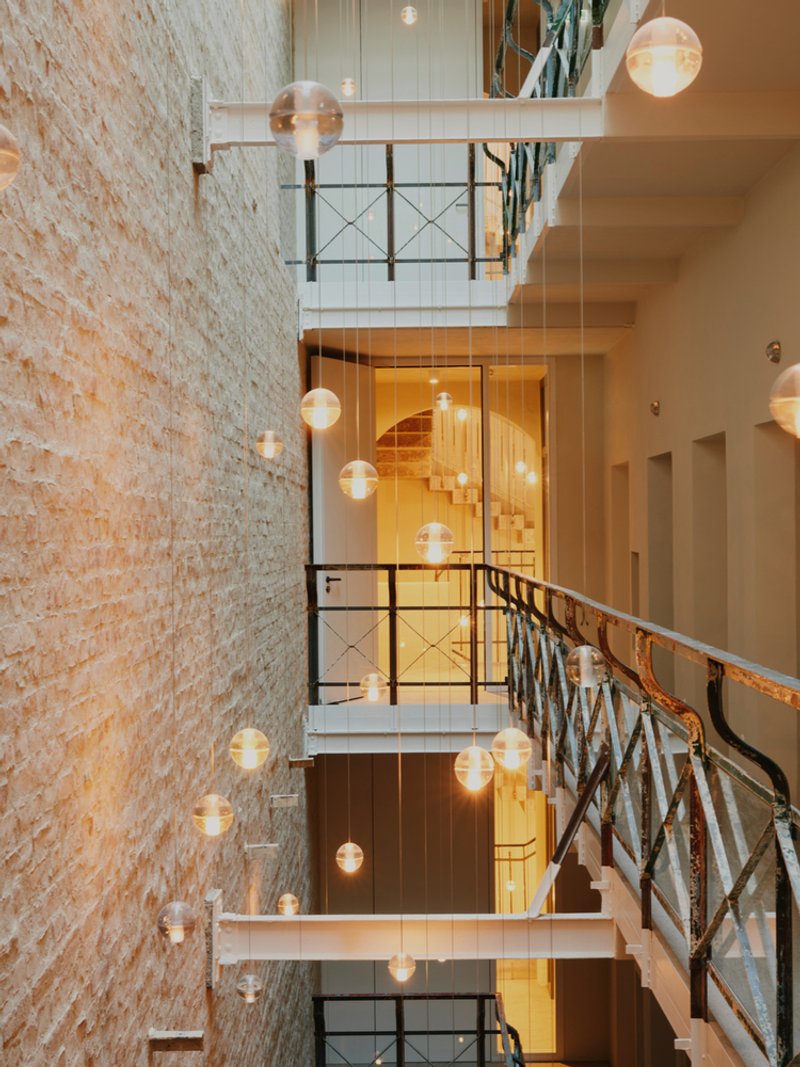
The Visionary Minds Behind The Transformation
At the helm of this ambitious project were Armand Grüntuch and Almut Grüntuch-Ernst, lead architects who envisioned a space that harmoniously combines the past with contemporary elegance. Their approach was not merely architectural but also a respectful nod to the site's history, ensuring that each space within Wilmina tells a story of transformation and rejuvenation.
Architectural Marvel in Berlin's Heart
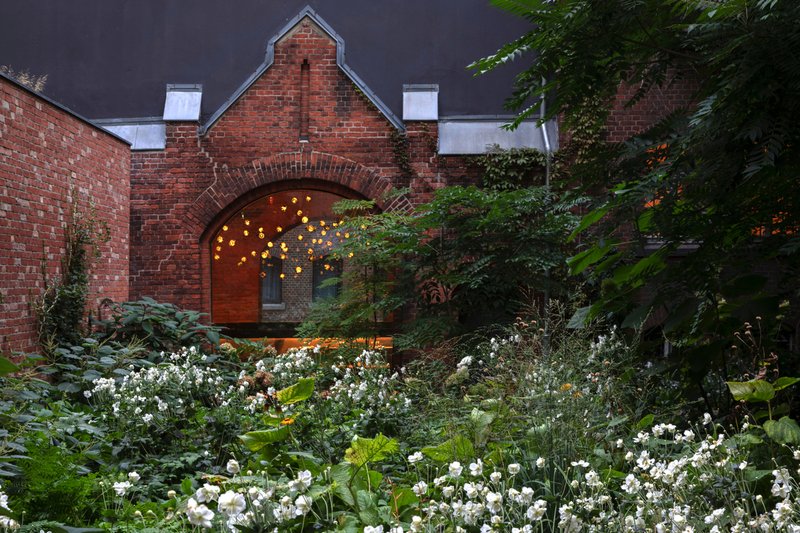
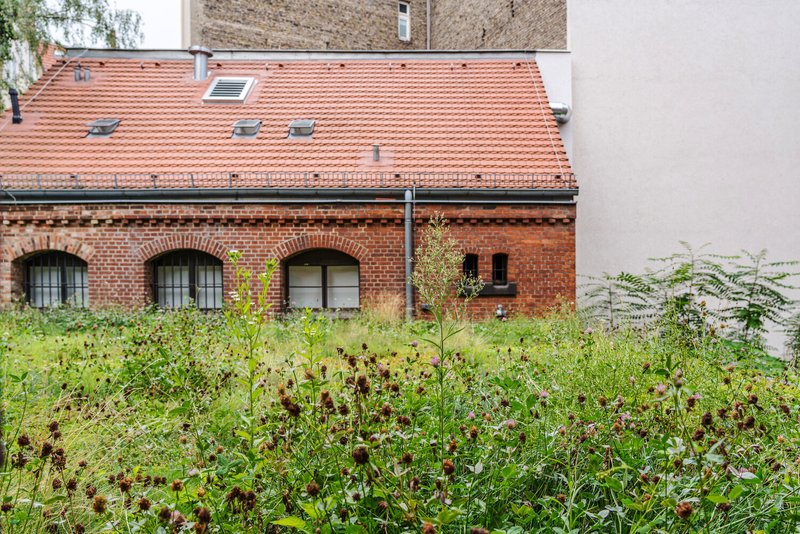
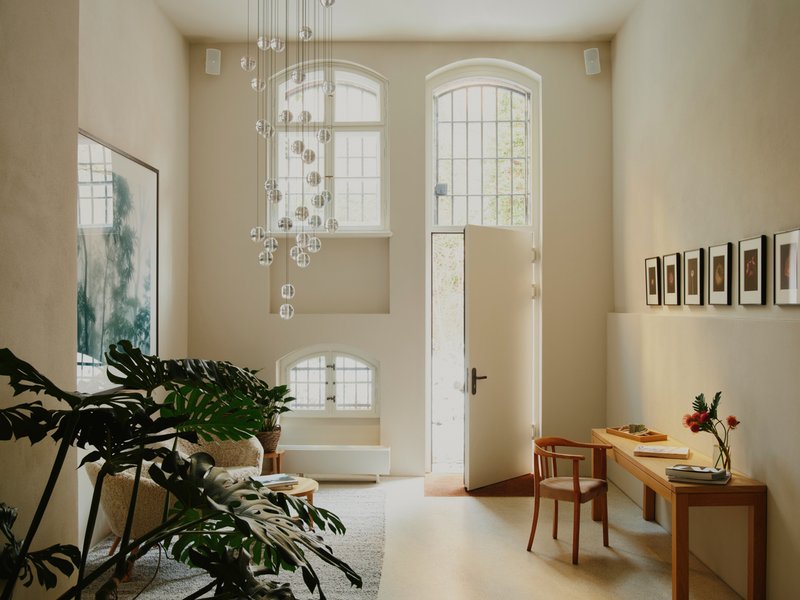
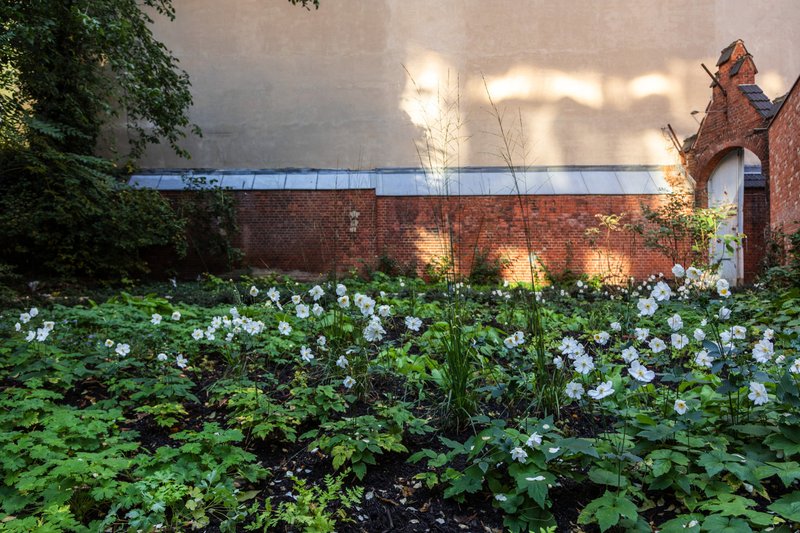
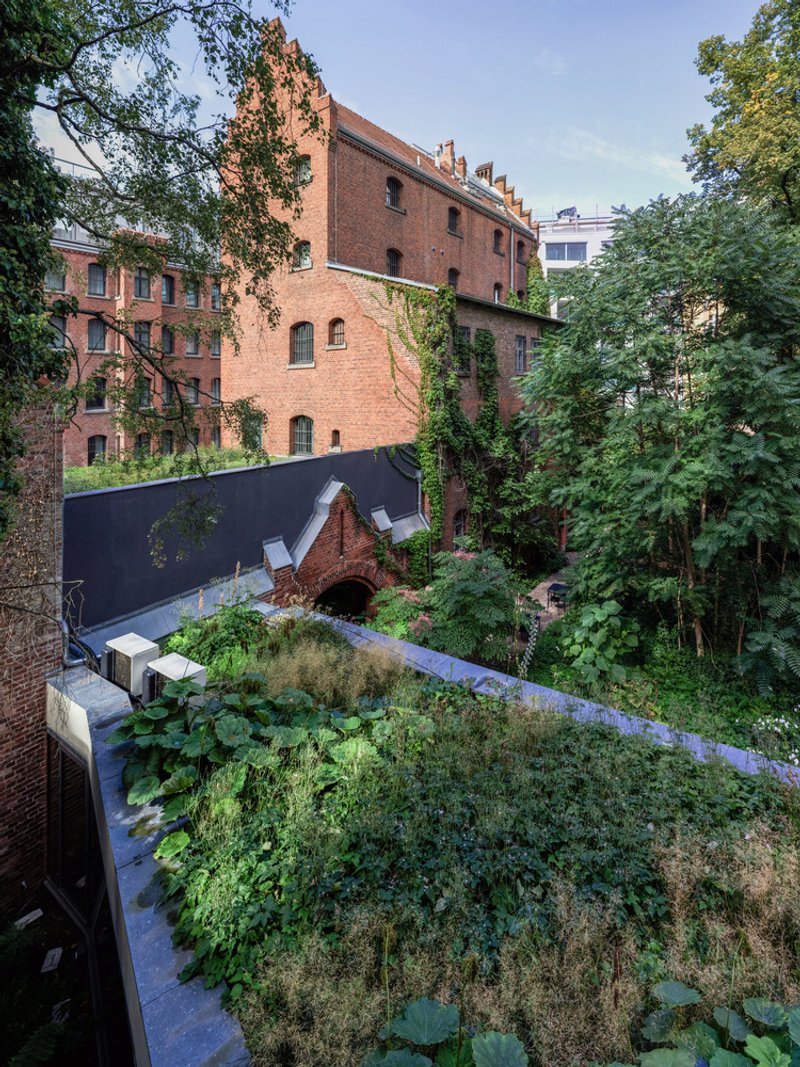
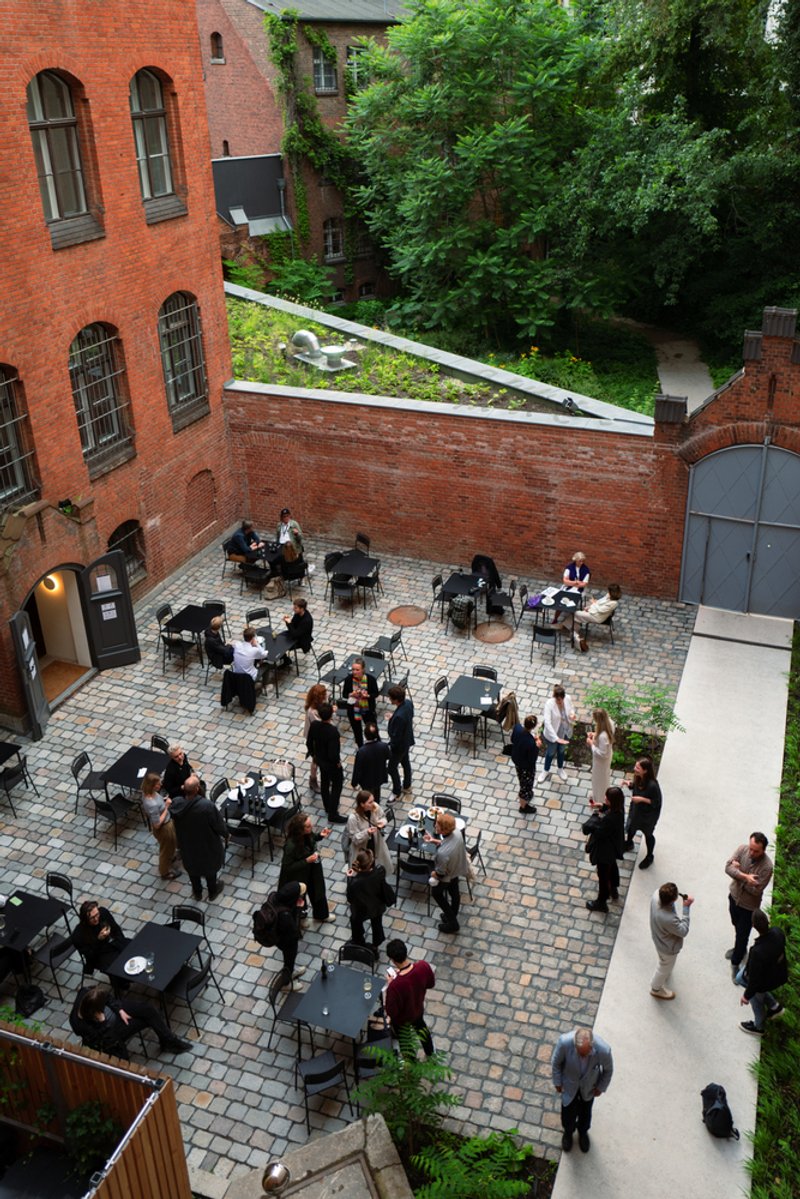
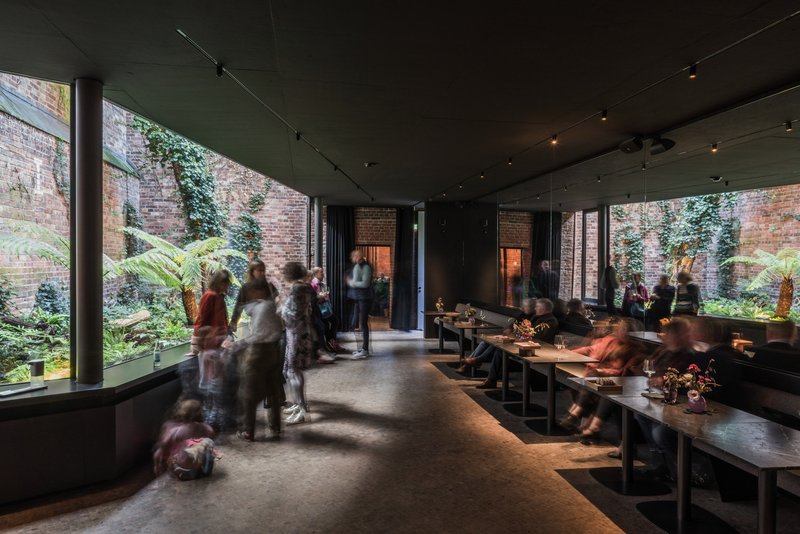
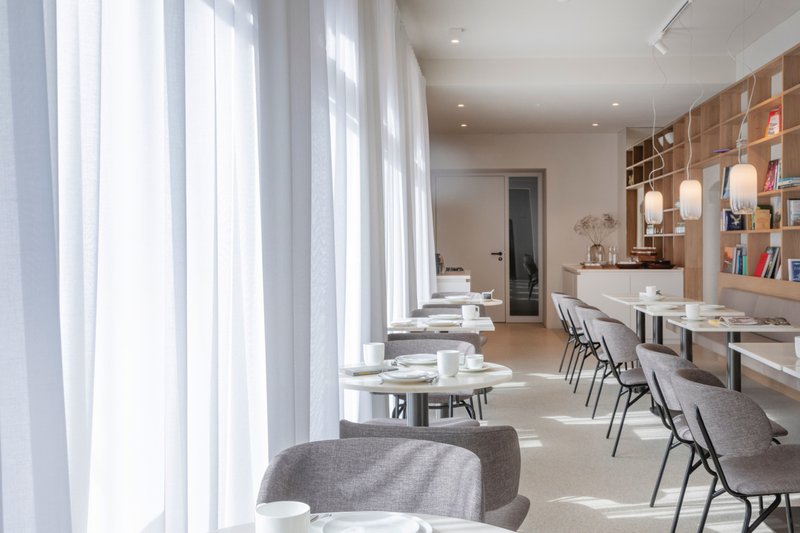
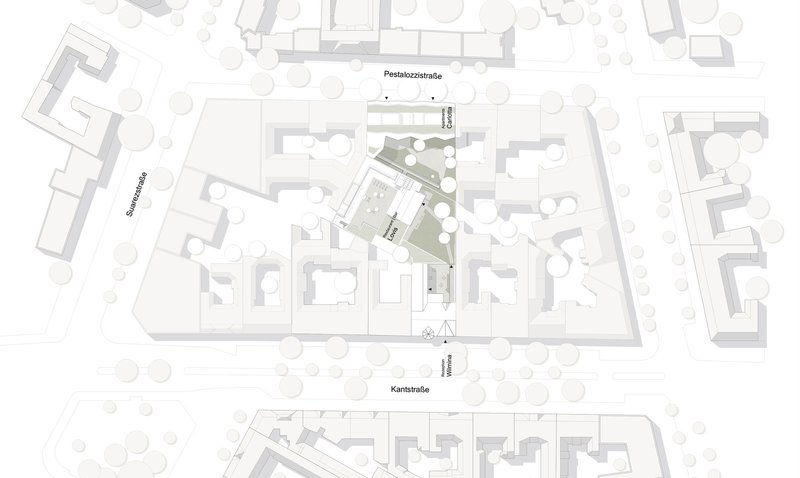
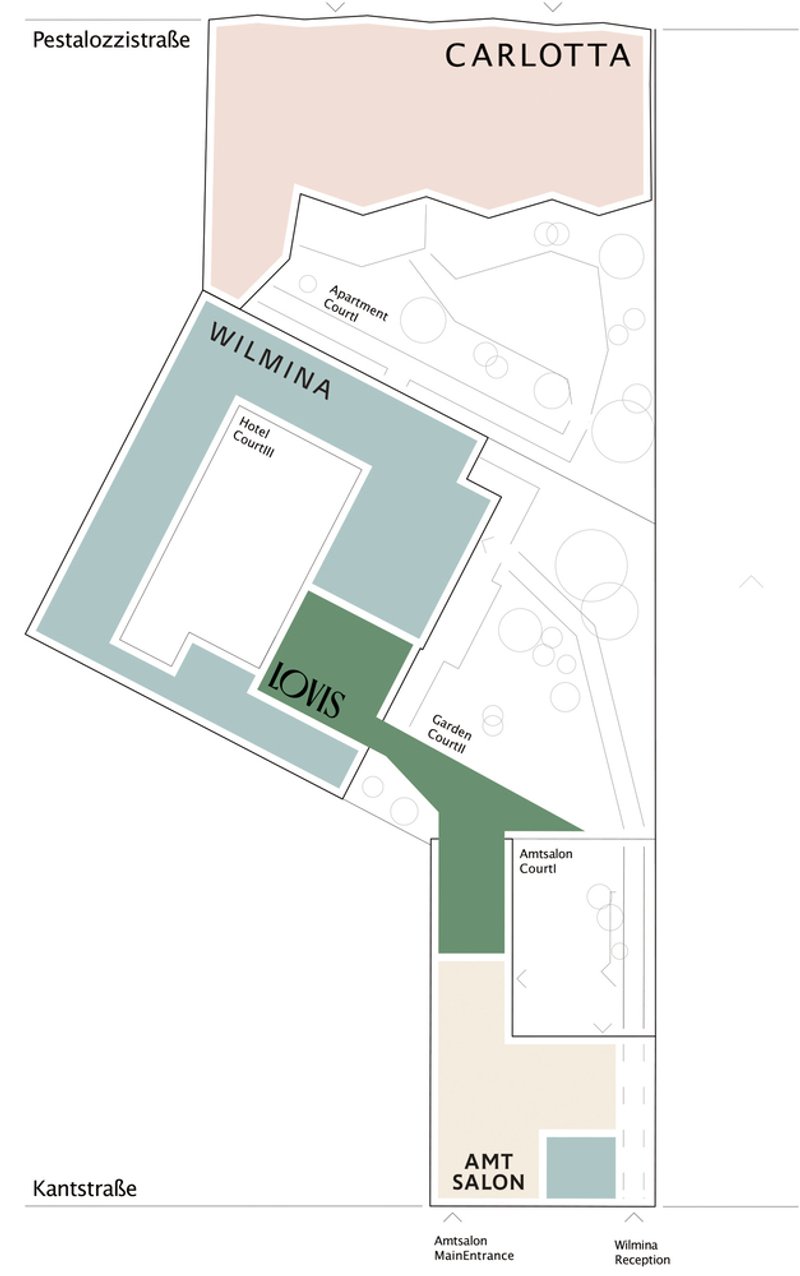
Spanning an area of 6,000 m², Wilmina is more than just a hotel. It's a family-run sanctuary offering guests 44 individually designed rooms and suites, each echoing Berlin's dynamic spirit while providing a peaceful retreat from the city's bustle. The inclusion of lush gardens, interconnected courtyards, a rooftop terrace, and amenities such as a library, fireplace lounge, bar, spa, pool, and gym underscores the architects' commitment to creating a holistic experience for every guest.
A Sensitive Dialogue with History
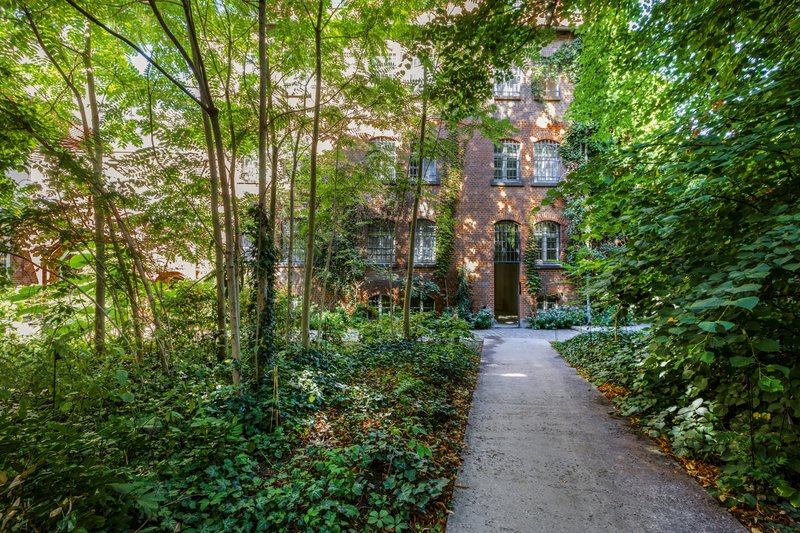
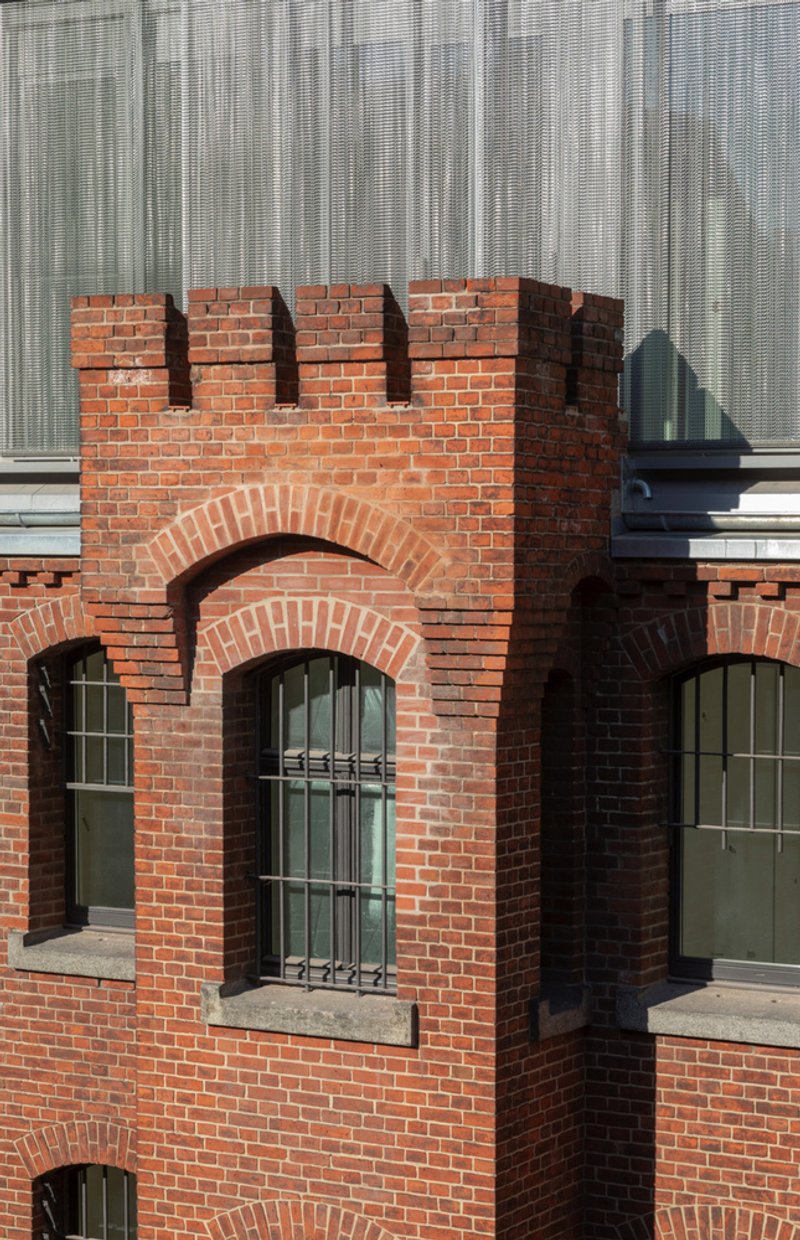
One of the project's highlights is its sensitive integration with the historical context. The transformation respects the original structures while introducing modern elements that complement the historical fabric. This balance is evident in the use of materials, the preservation of existing facades, and the addition of new, minimalist design elements that enhance the building's historical character.
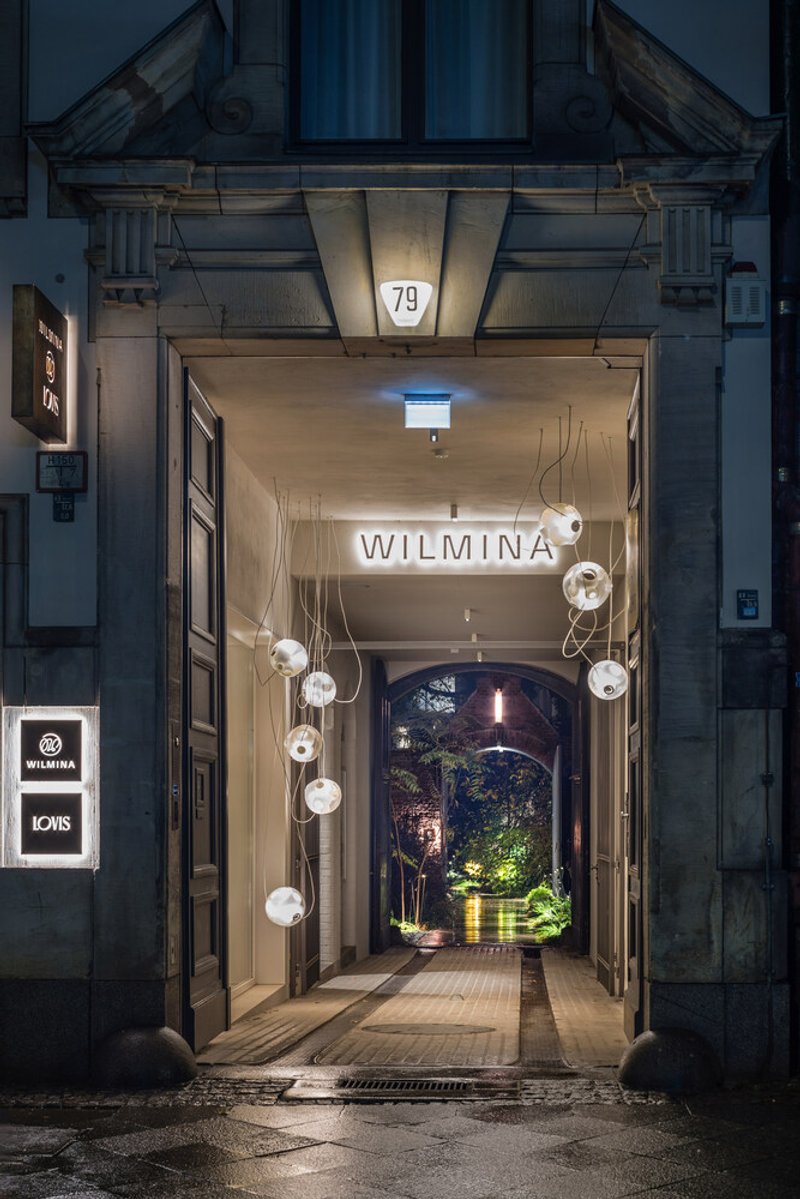
Interior Design: A Blend of Past and Present
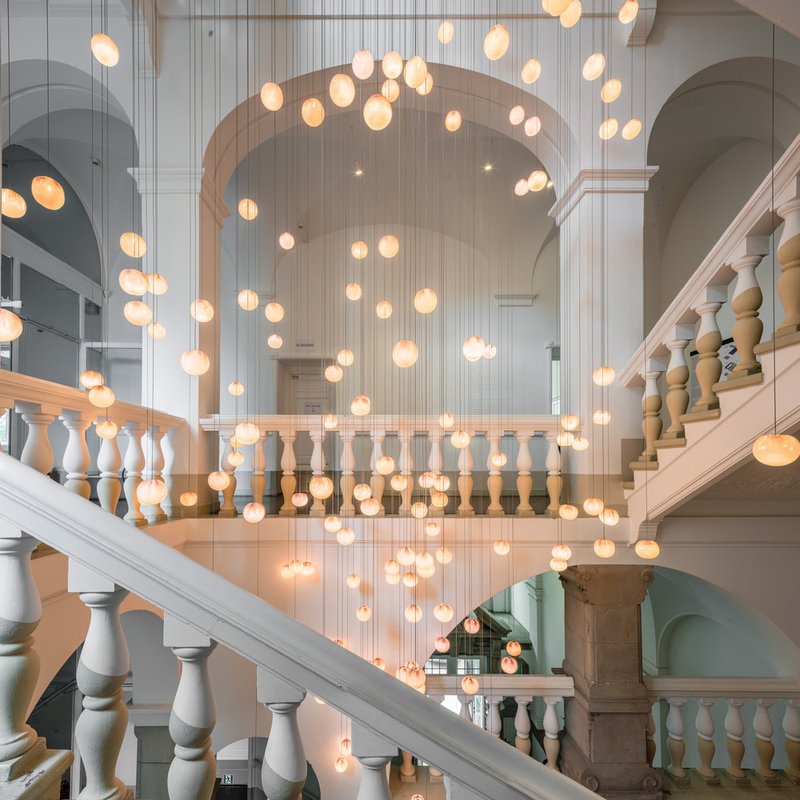
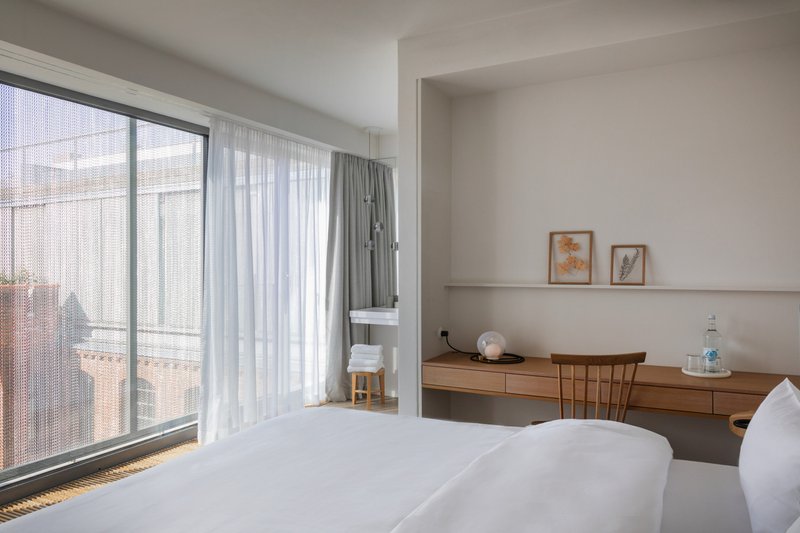
Inside, Wilmina is a showcase of luxury and comfort, where historical authenticity meets modern amenities. Each guest room, ranging from the cozy 11 m² spaces to the expansive 75 m² Garden Loft, is uniquely designed, ensuring no two rooms are alike. The use of light colors, soft textures, and high-quality materials creates an inviting atmosphere, providing guests with a serene haven.
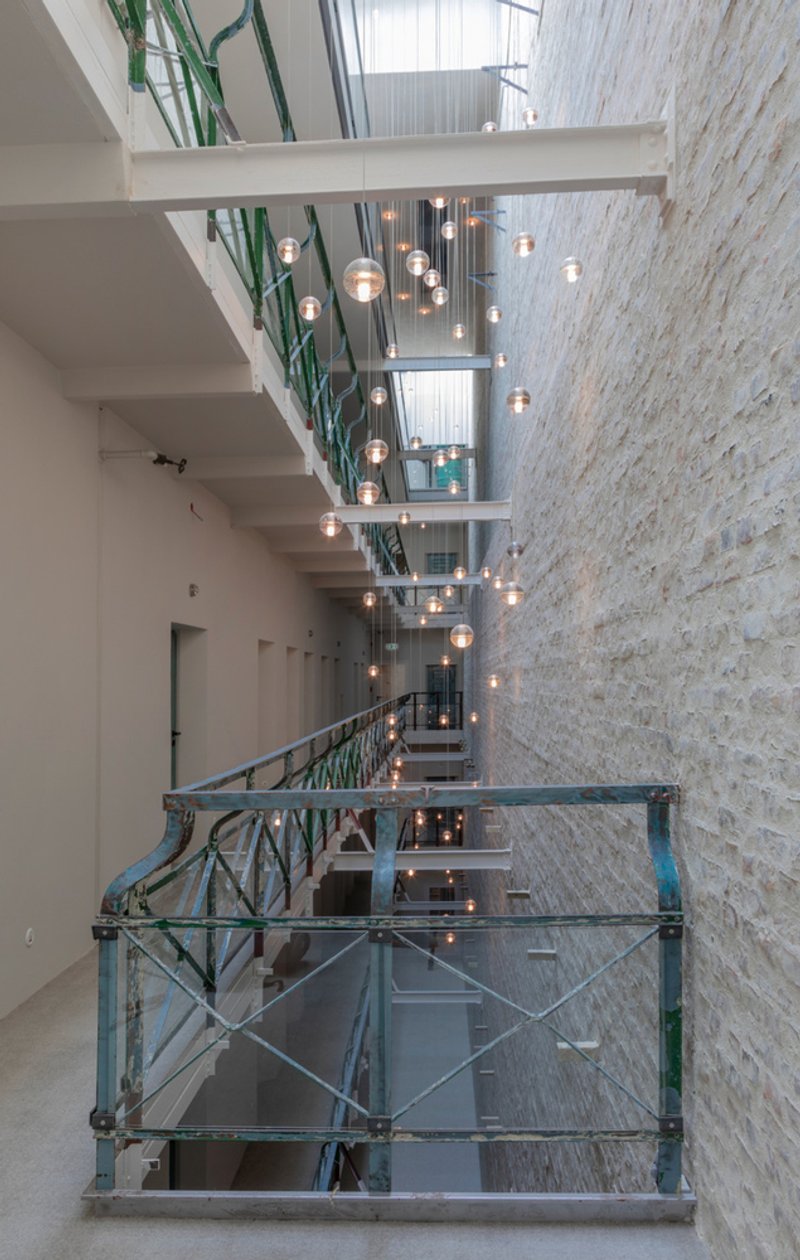
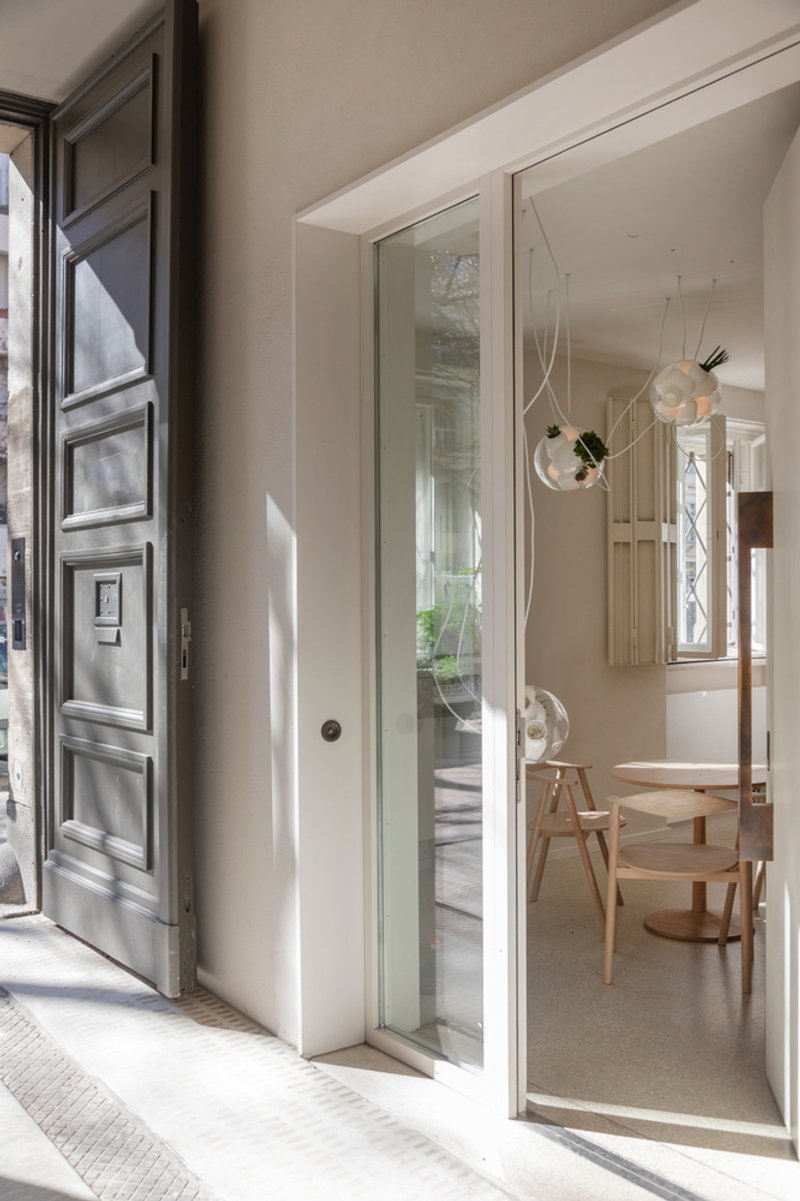
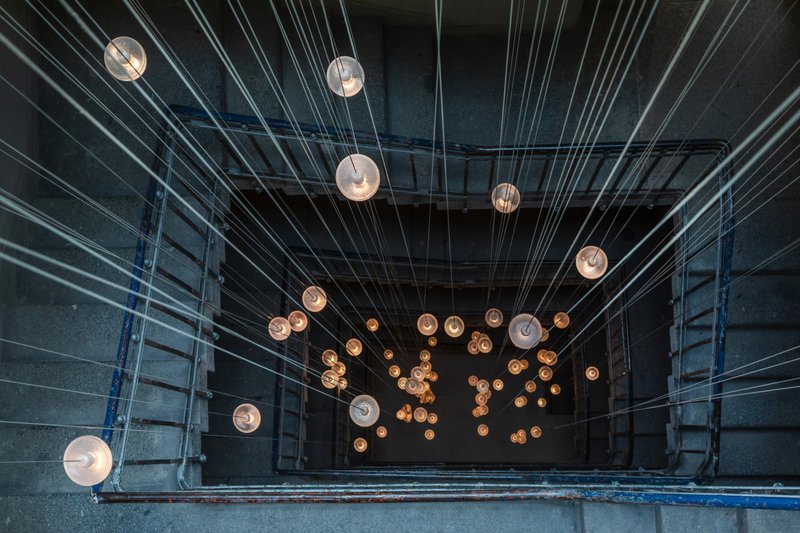
The Penthouse: A Modern Addition
The new penthouse floor stands out for its minimalist design, clean lines, and breathtaking views of the courtyards, gardens, and the surrounding Charlottenburg landscape. Floor-to-ceiling windows introduce an abundance of natural light, while a unique curtain made of fine metal chains adds a touch of elegance and privacy. This floor epitomizes the successful blend of historical elements with modern design principles.
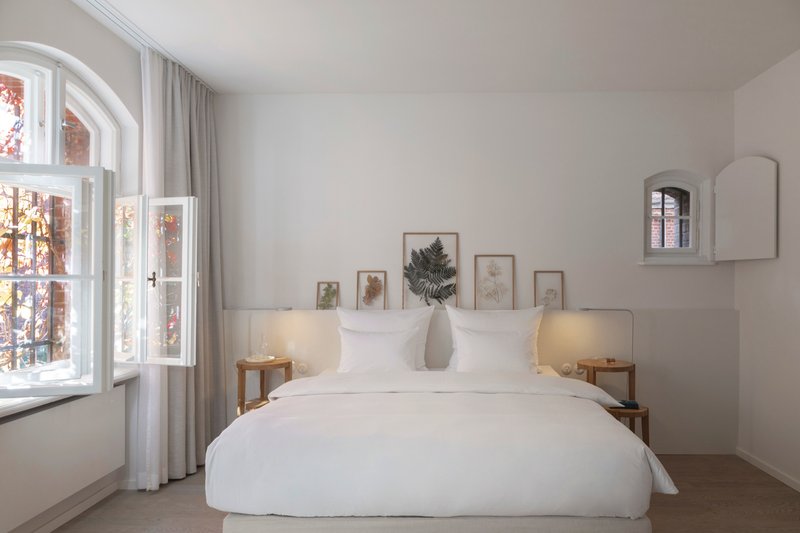
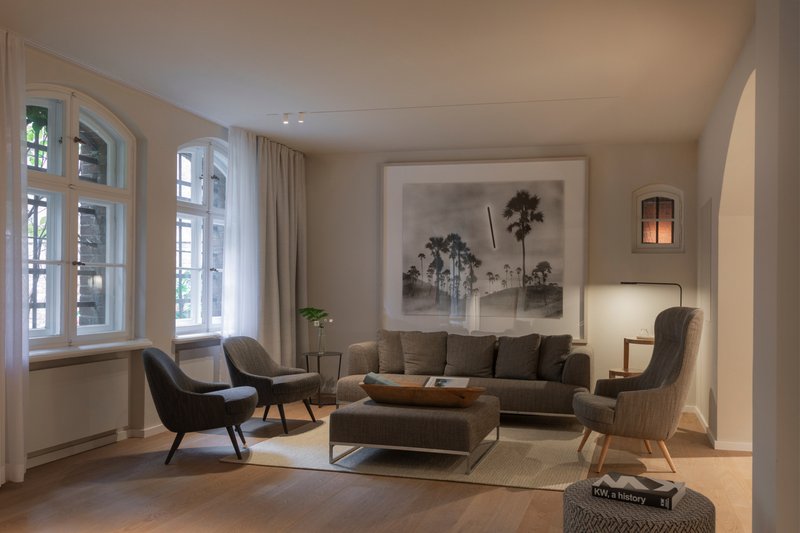
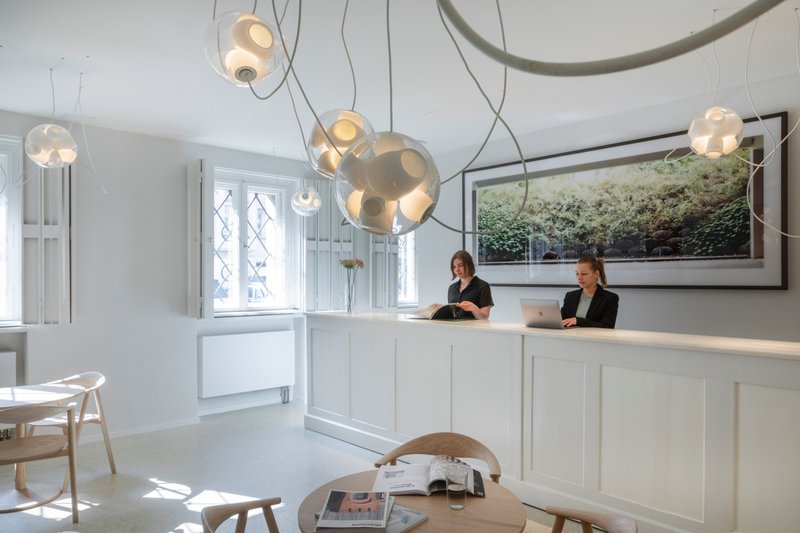
Wilmina represents a pinnacle of historic hotel transformation in Berlin, setting a benchmark for future projects in the city. It exemplifies how architectural vision and respect for history can coalesce into a space that offers guests a unique experience. For those seeking tranquility in the heart of Berlin, Wilmina is a must-visit destination, offering a peaceful retreat within a meticulously transformed historic ensemble.
All photographs are work of Markus Gröteke, Robert Rieger, Mario Hegewald, Patricia Parinejad




Popular Articles
Popular articles from the community

ure LLC Builds a Timber-Framed Suburban Office That Doubles as a Community Living Room in Hiroshima
KItoNOKO wraps sawtooth roofs and corrugated metal around an exposed timber frame to give a commercial district a new civic anchor.
Guangzhou's Twin Towers Interiors Move Like Water
DuShe Architectural Design shapes the lobbies of a massive Guangzhou transit hub with undulating ceilings and deep geological materiality.
MAKER architecten Rewire a 1972 Brutalist Dormitory on the VUB Campus as a Living Lab
A modular renovation strategy in Belgium breathes new life into Willy Van Der Meeren's modernist student housing without erasing its concrete bones.

CTA | Creative Architects Designs Triangular Floating Shelters for Vietnam's Flood-Ravaged Communities
A timber-louvered triangular shelter rises on concrete pontoons to keep Vietnamese families safe and together when floodwaters come.


Similar Reads
You might also enjoy these articles

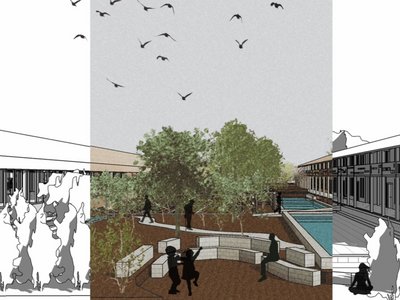
sprout - line | collective flourishing
A regenerative rural threshold where soil, skill, and solidarity converge.

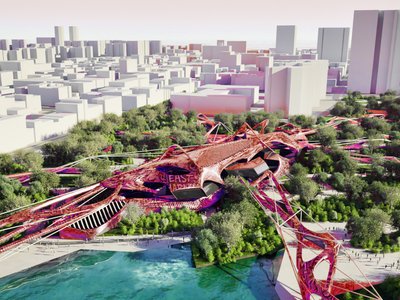

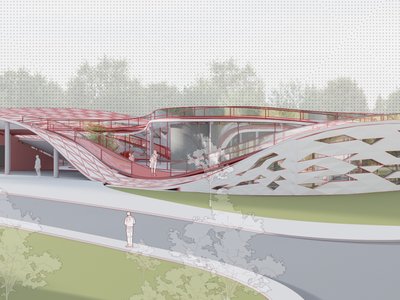
MOTION
This project explores well being through movement. A continuous loop guides users through shifting spatial conditions, connecting public and introspective spaces. By integrating the urban ground and elevating parts of the path, movement becomes a tool for mental clarity and spatial experience.

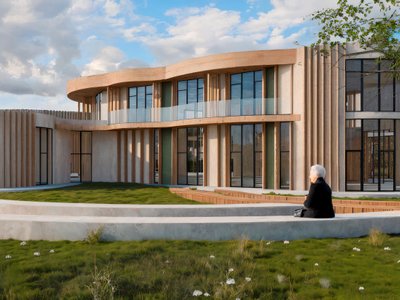
Home On A Leaf
The senior center project in Kielnarowa combines residential, recreational, educational, and cultural functions, promoting an active and sustainable lifestyle. The complex consists of several building
Explore Architecture Competitions
Discover active competitions in this discipline




The International Standard for Design Portfolios


The Global Benchmark for Architecture Dissertation Awards


The Global Benchmark for Graduation Excellence


Challenge to reimagine the Iron Throne
Comments (0)
Please login or sign up to add comments
No comments yet. Be the first to comment!