
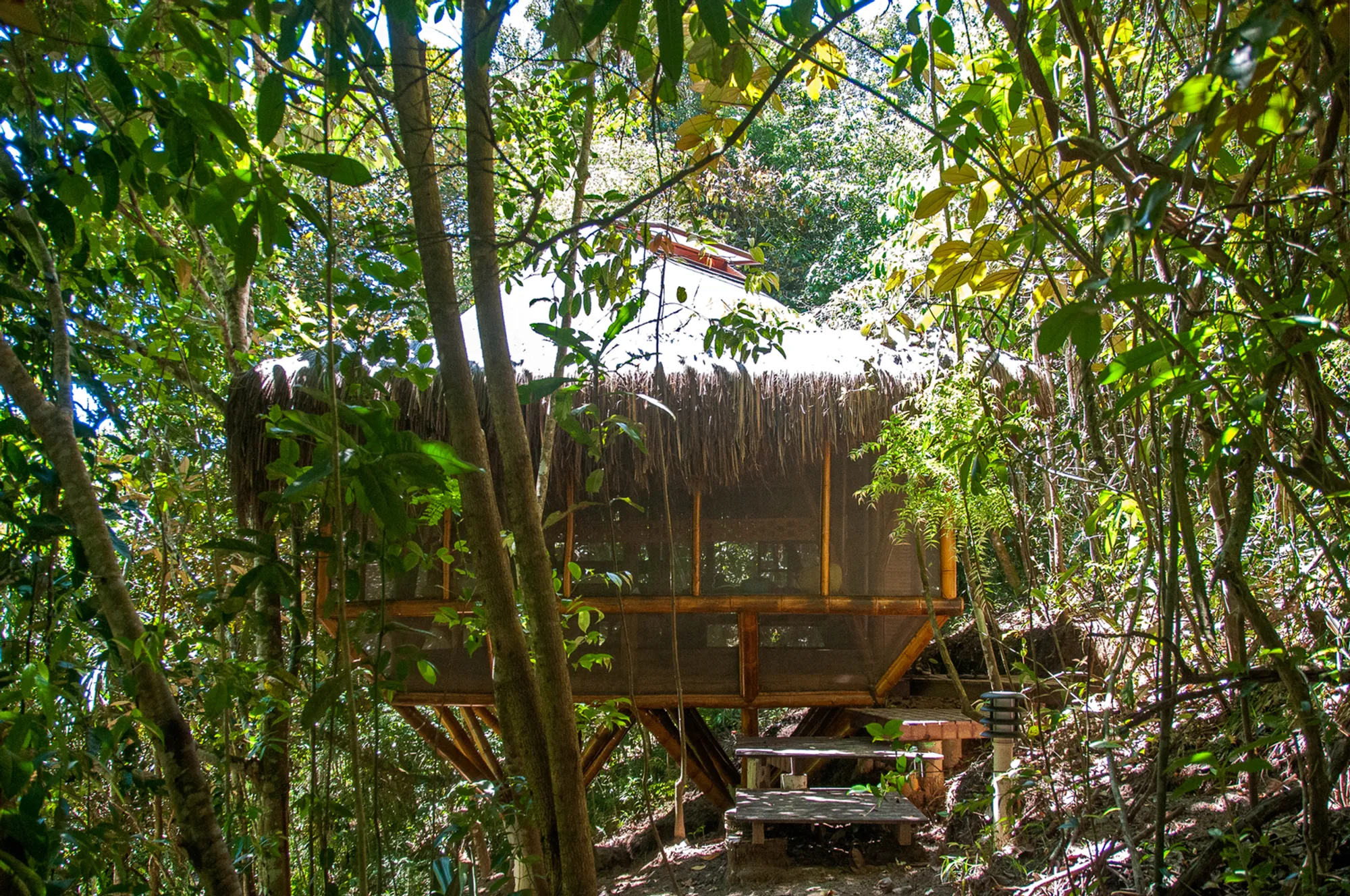
Hostel and Training Center in Morro de São Paulo by IR Arquitectura: Sustainable Design in Harmony with Nature
Hostel and Training Center in Morro de São Paulo integrates sustainable bamboo modules, low-impact design, and educational workshops within lush tropical surroundings.


Nestled in a lush valley carved by the hills of Morro de São Paulo, Brazil, the Hostel and Training Center by IR Arquitectura exemplifies an innovative approach to eco-conscious architecture. Positioned away from the island’s bustling tourist zones, the project embraces the natural jungle environment, creating a space that encourages both learning and immersive living experiences.
Integrating Architecture with the Natural Landscape
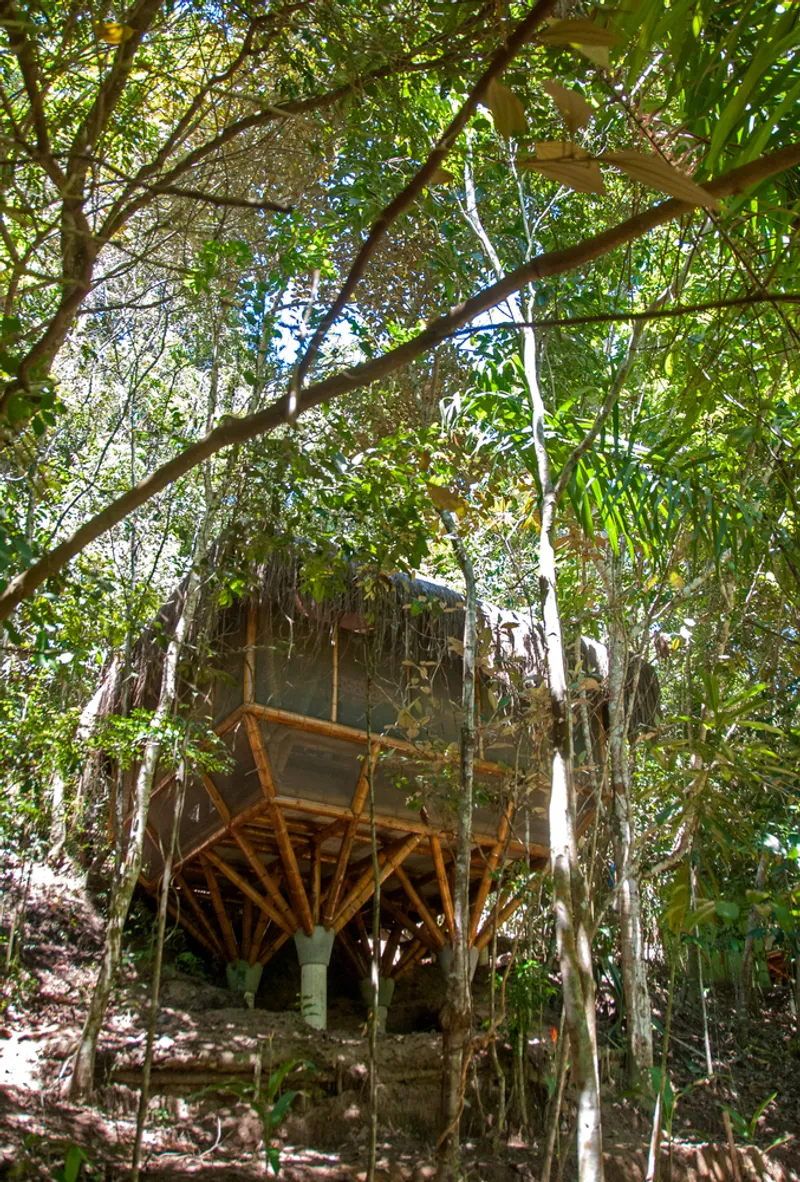
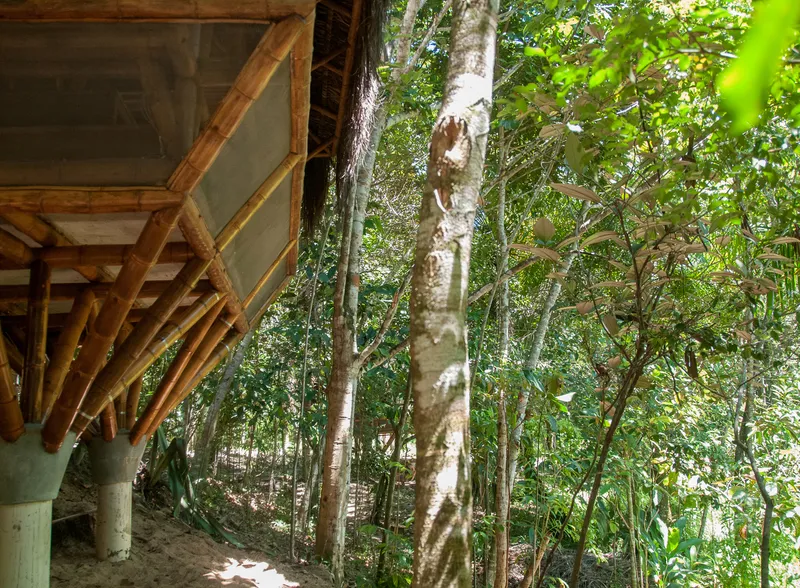
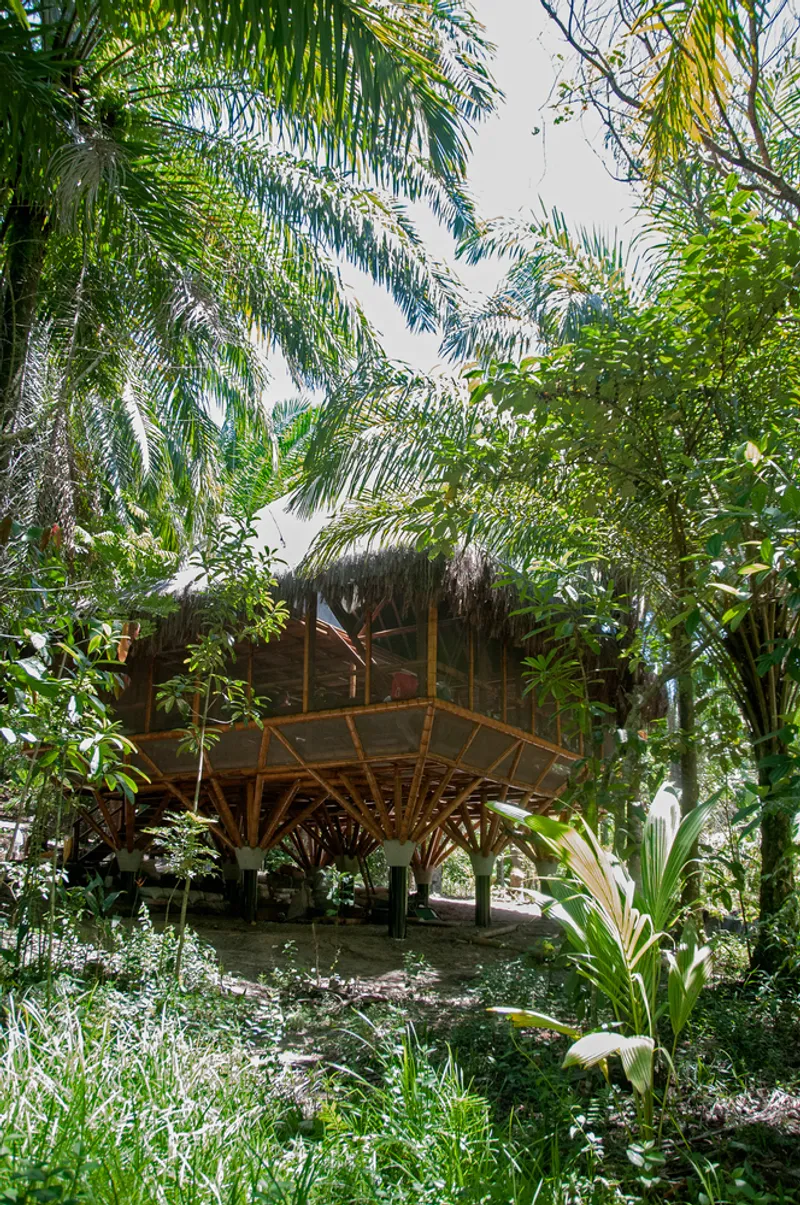
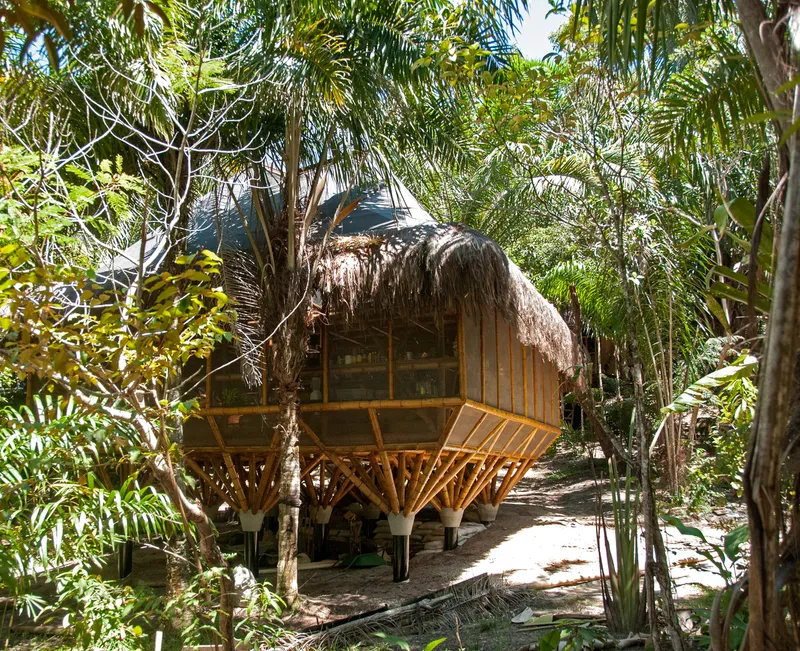
The unique topography of Morro de São Paulo presented an opportunity to rethink conventional hostel design. Rather than imposing rigid programmatic hierarchies, IR Arquitectura explored a low-impact framework, leveraging the site’s inherent features. The design minimizes environmental disruption, reflecting a philosophy that blends tourism, education, and sustainable living. The project emphasizes lightweight, adaptable structures, allowing visitors to experience the jungle without compromising ecological integrity.
Modular Design for Functional and Flexible Spaces
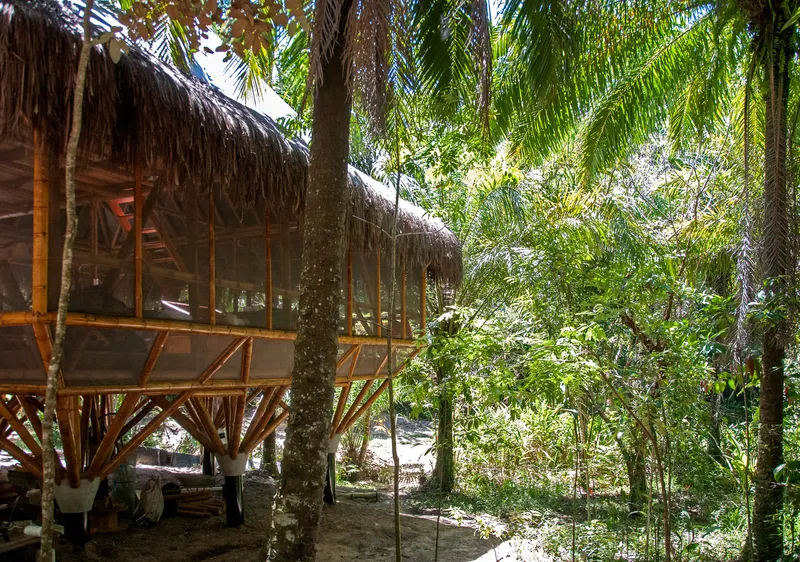
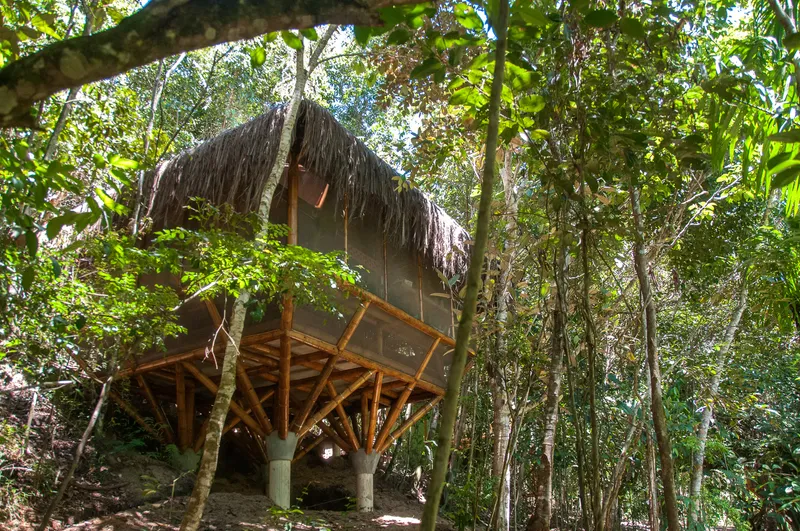
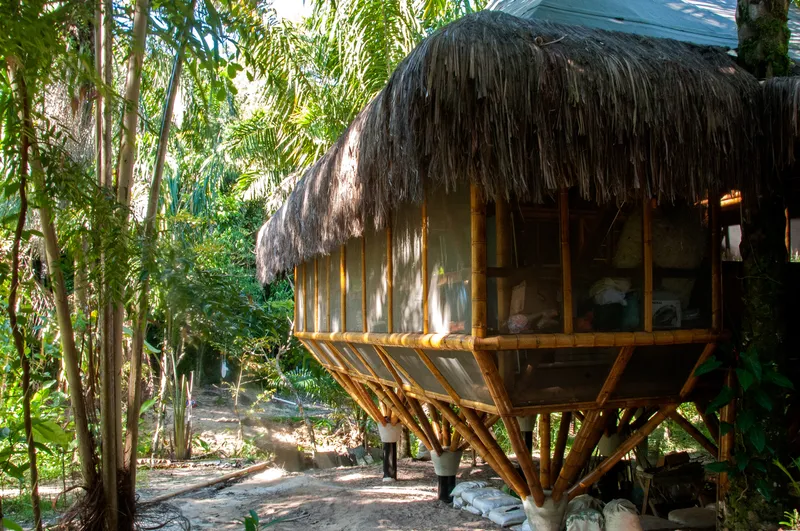
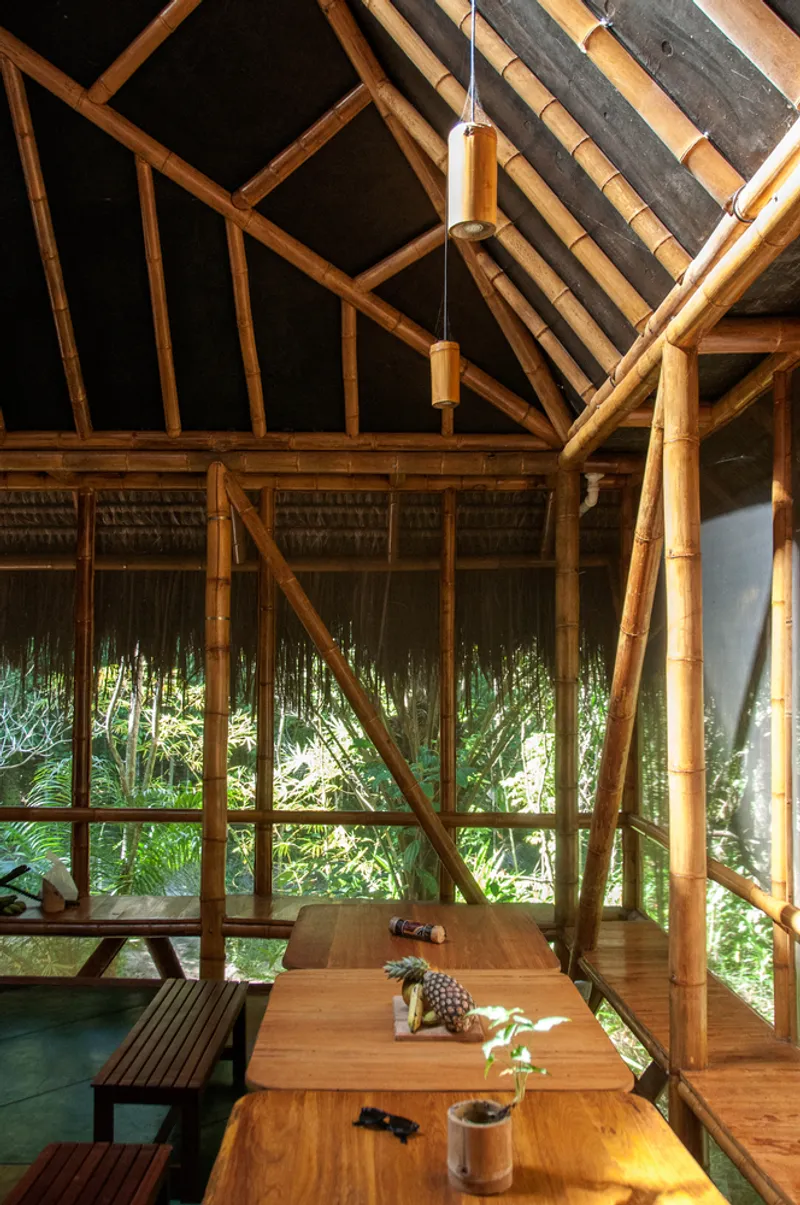
The architectural strategy is based on two modular typologies with uniform construction logic. Smaller modules, measuring 3.2 by 3.2 meters, accommodate private rooms, bathrooms, and essential services, while larger modules, 6.4 by 6.4 meters, serve communal areas such as dining, multipurpose rooms, and shared hostel spaces. This modular arrangement respects the natural gaps in the jungle, fostering a seamless connection between indoor and outdoor environments.
Sustainable Materials and Low-Impact Construction
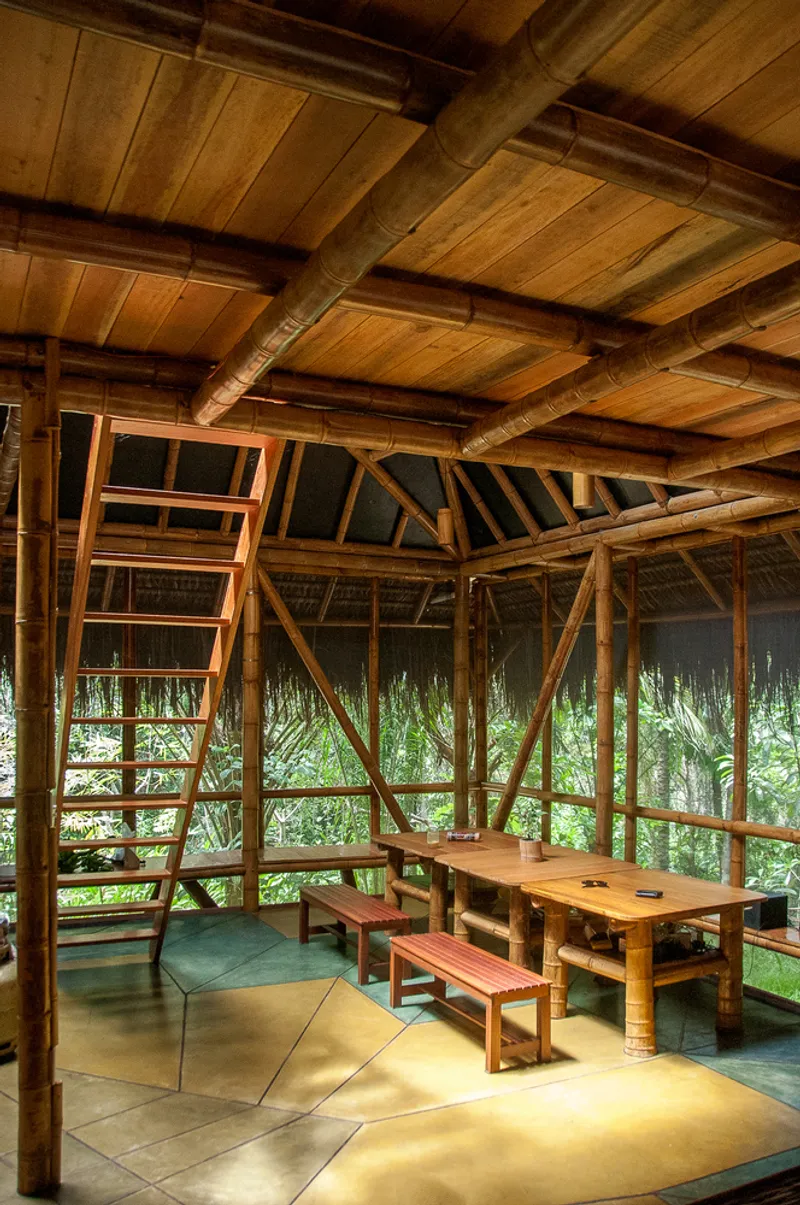
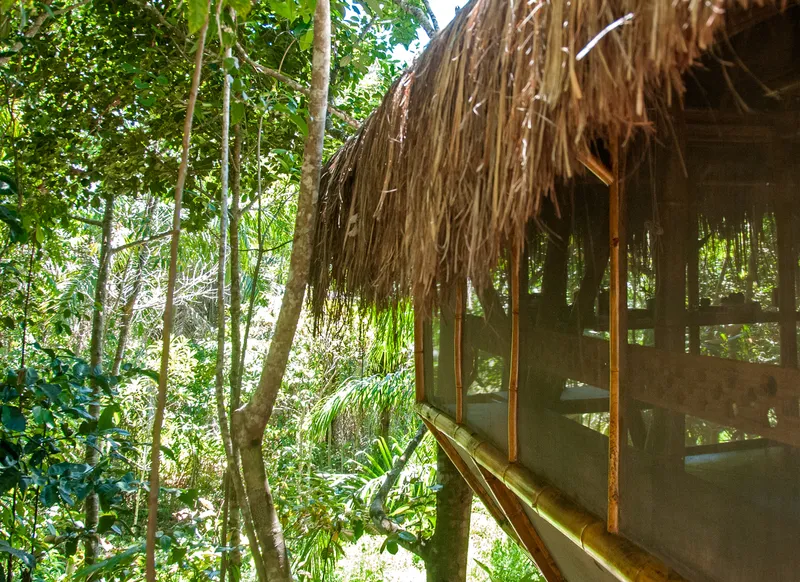
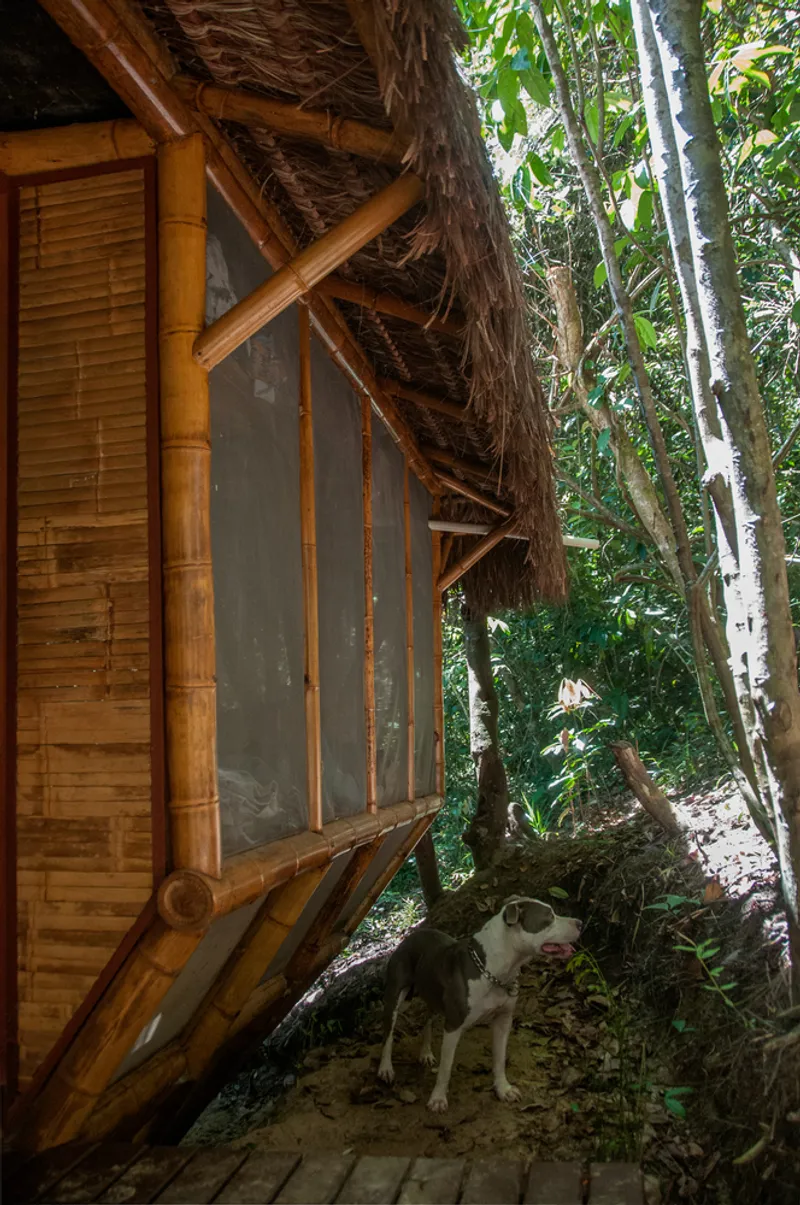
To achieve nearly zero carbon footprint, the project prioritizes locally sourced guadua bamboo, abundant in Latin America and rarely used on the island. This choice reduces transportation emissions while introducing a sustainable construction technique to the local workforce. Additionally, the design incorporates living roofs, solar thermal preheating, and simple energy management systems, promoting energy efficiency and ecological awareness.
Education and Community Empowerment
Beyond serving as a hostel, the project functions as a training center for sustainable practices. A staged execution plan engaged local specialists and residents in workshops on constructing biodigesters, implementing phytoremediation systems, and producing biofuel from cooking oils. Coupled with a closed-loop food production system, the project becomes a living laboratory for environmentally responsible and socially inclusive economic practices.
All photographs are works of Marcos Altgelt




Popular Articles
Popular articles from the community


Lunar Spiral: Space Architecture Shaped by the Mathematics of the Universe
Lunar Spiral reimagines space architecture through Fibonacci geometry, lunar regolith, levitating habitats, and self-sustaining Moon living.

The Musturak Paradise: Senior Living Architecture for a Connected Future in Temara, Morocco
The Musturak Paradise reimagines senior living architecture in Temara via private homes, social spaces, culture, community, and shared care.

Conexión: Biophilic Design Reimagines High-Rise Living in Hong Kong
Conexión reimagines high-rise living in Hong Kong through biophilic design, green facades, shared spaces, daylight, water and nature within.

Riyadh For All: Intergenerational Urban Design for Active Aging in Rabat
Riyadh For All reimagines urban design in Rabat with intergenerational co-living, adaptive courtyards, and Moroccan cultural exchange today.


Similar Reads
You might also enjoy these articles


Hodi-Mandai Geram
Project Function: Preservation and revitalization of the Intangible heritage and socio-spatial identity of the Hodi by Housing, Cultural Memory Center, Sacred Grove, landscape, local tourism economy


Olio Towers: A Mid-Rise for Performers That Fuses Housing, Rehearsal, and Stage
Located blocks from Houston's Theater District, this modular tower stacks living units around a central performance atrium.

Oasis: Modular Green Housing Carved into Dhaka's Urban Fabric
A shortlisted Plugin Housing entry reclaims unauthorized settlements in Dhaka with stepped concrete volumes, green roofs, and ventilation-driven design.

Black Hole: A Floating Megastructure for the Post-Physical Era
Emiliano Mazzarotto envisions a spherical, self-scaling arena where e-sports, digital hotels, and holographic stadiums replace traditional public space.


Explore Sustainable Design Competitions
Discover active competitions in this discipline



Challenge to reimagine the Iron Throne


Photograph architecture without architects


Illustrate the lost glory of Angkor Wat - Render Challenge


Design challenge to reuse E-waste
Comments (0)
Please login or sign up to add comments
No comments yet. Be the first to comment!