
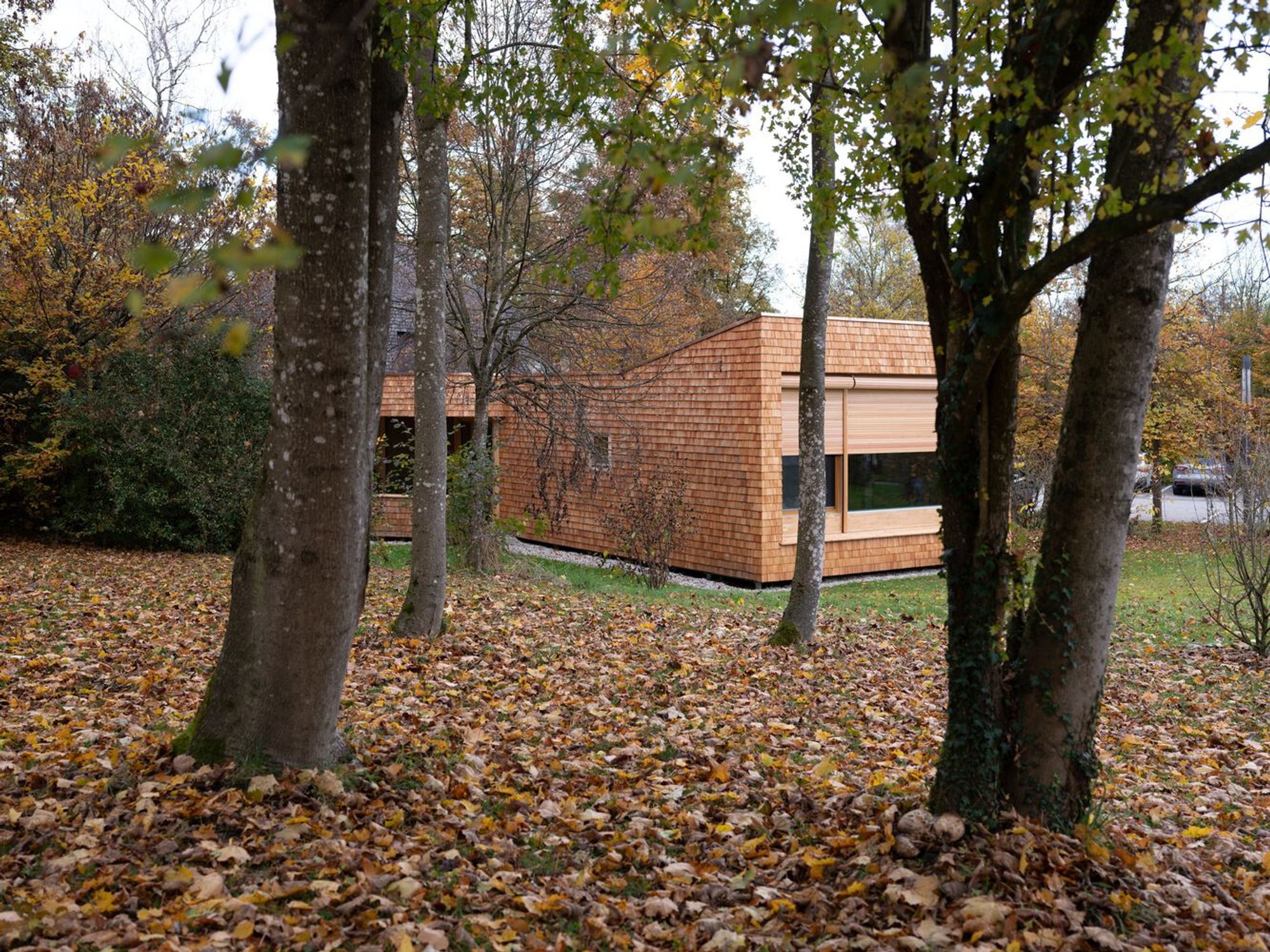
Hotel Suite: Extension of the Parkhotel, Bad Aibling, Germany
Prototype timber hotel suite nestled in forest park, offering immersive spatial luxury, sustainable construction, and iconic architecture enhancing guest experience.

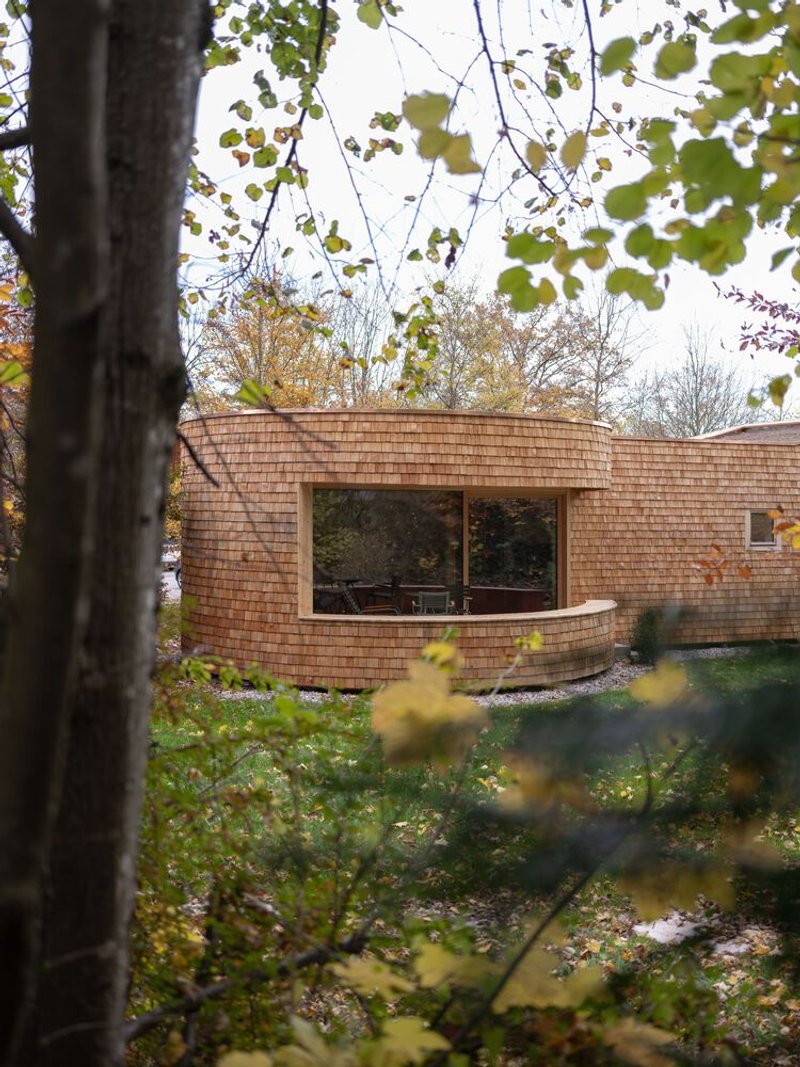
The Hotel Suite, Extension of the Parkhotel represents a thoughtful continuation of a long-term transformation strategy that began in 2005, when former barracks buildings were converted into a hotel complex. Designed by Ruumfabrigg and MMXVI, the project introduces a new generation of hotel suites that merge sustainable timber construction, architectural research, and immersive landscape experiences.
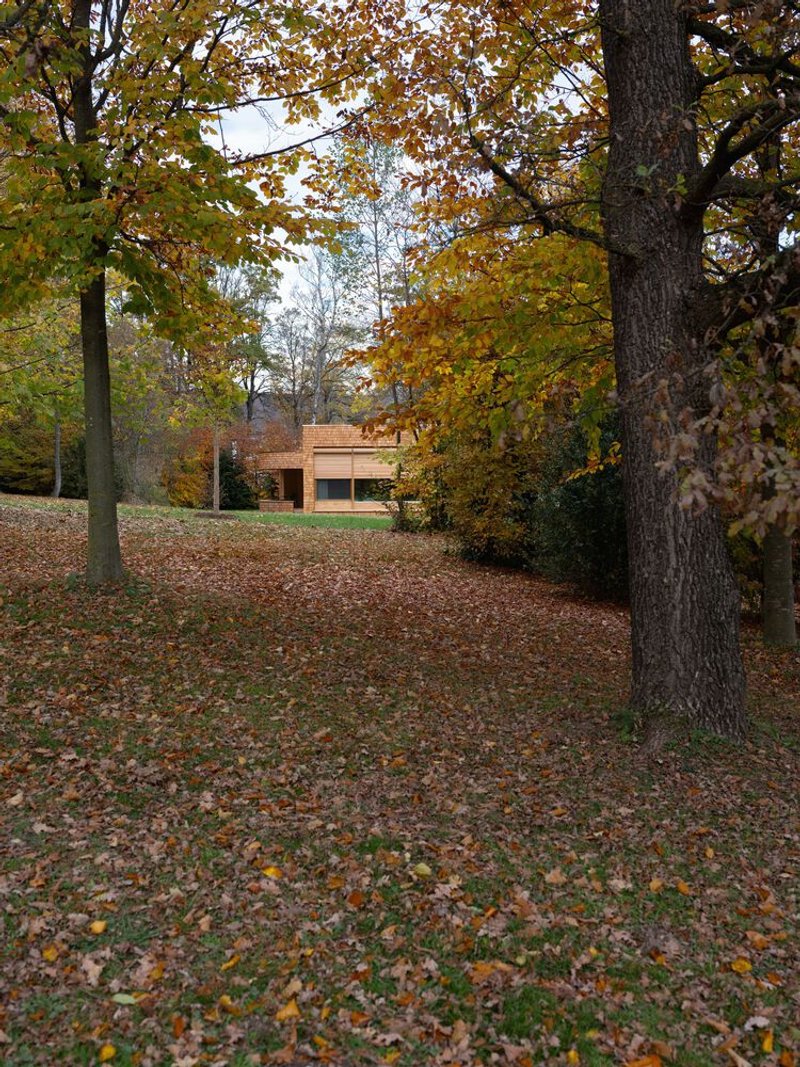
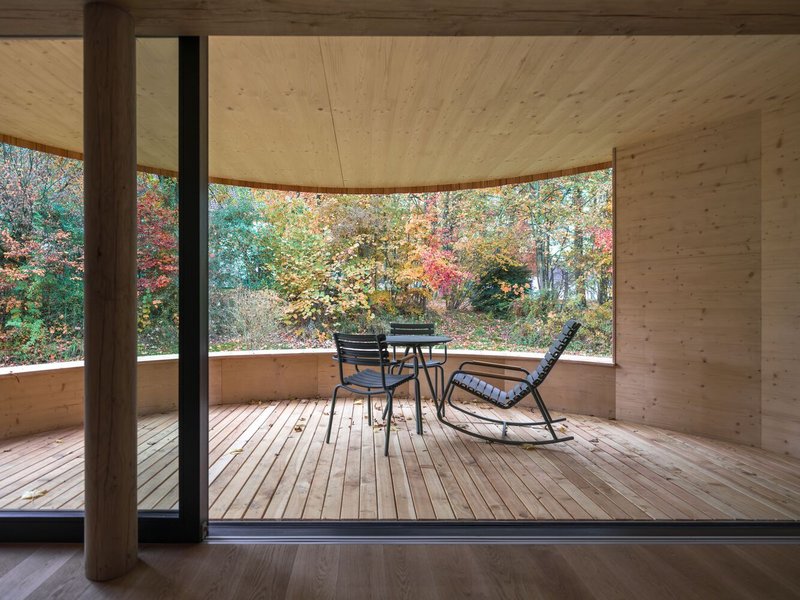
Planned as ten individual suites complementing the existing hotel’s approximately 100 guest rooms, the project reflects the client’s strong commitment to environmentally responsible building. This ambition has been continuously supported through collaborations with the Technical University of Munich, resulting in several experimental and research-driven buildings across the site. The new hotel suites were required to meet the same high standards of energy efficiency, material sustainability, and construction innovation.
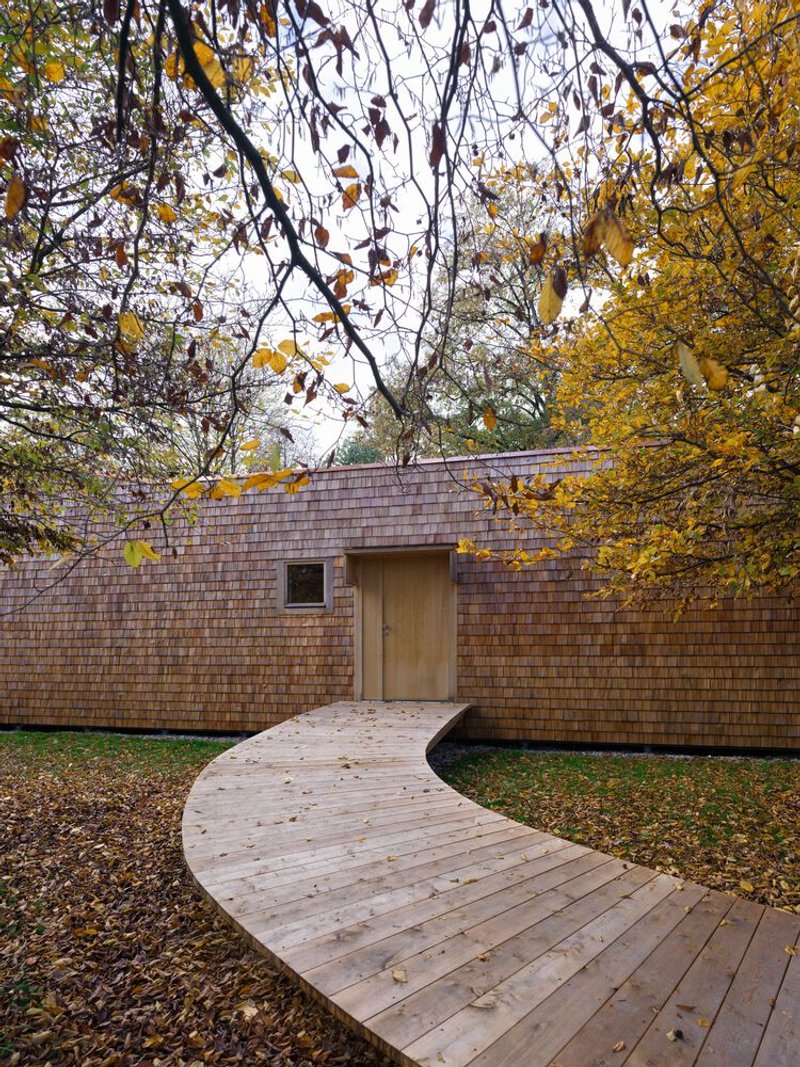
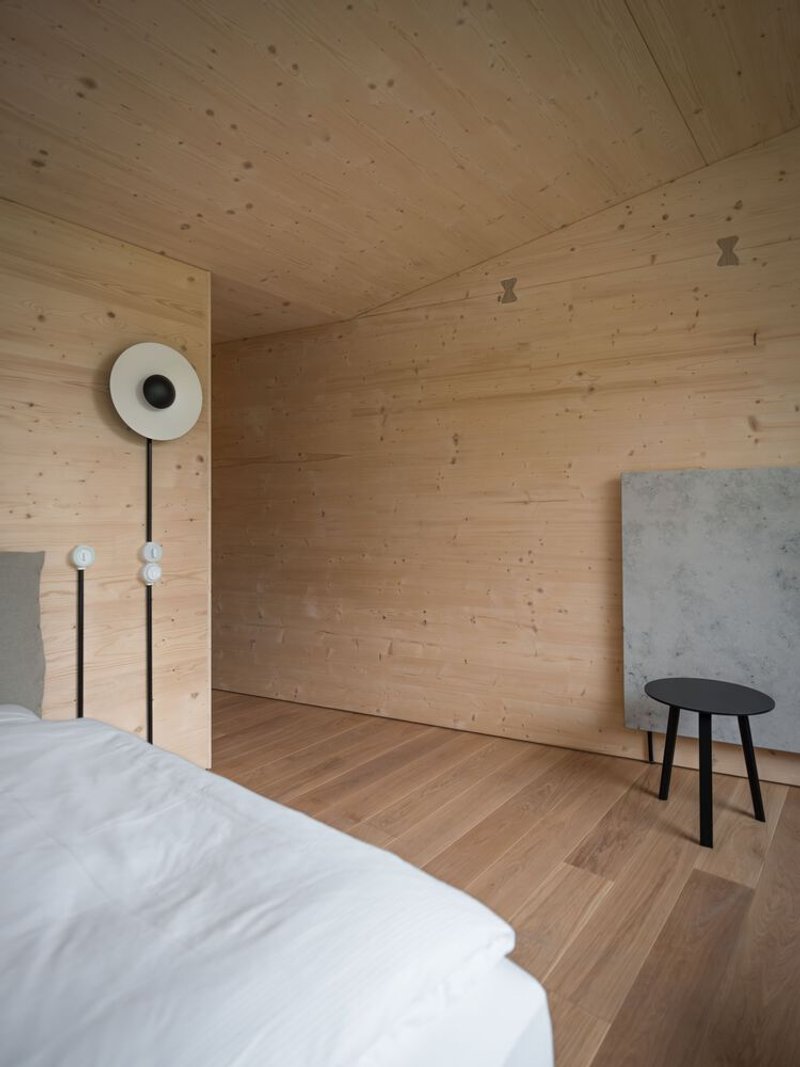
Wooden Architecture as a Spatial and Environmental Strategy
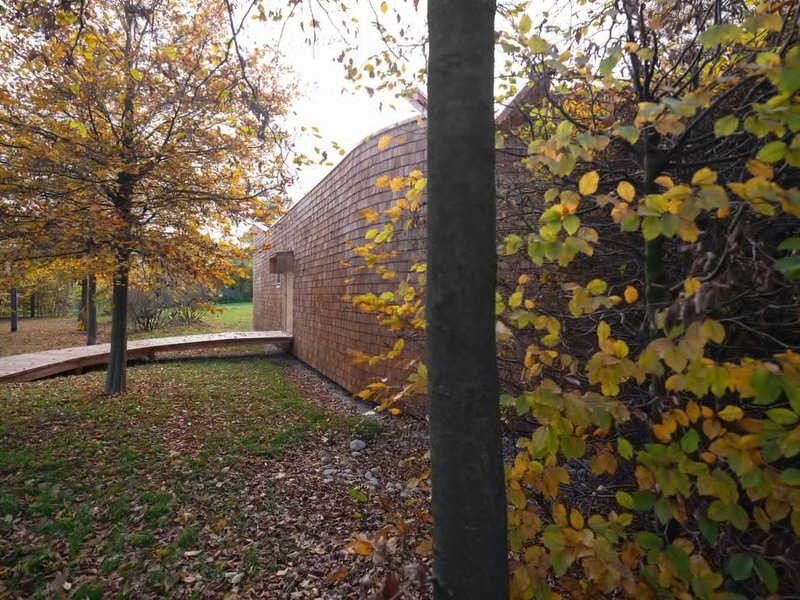
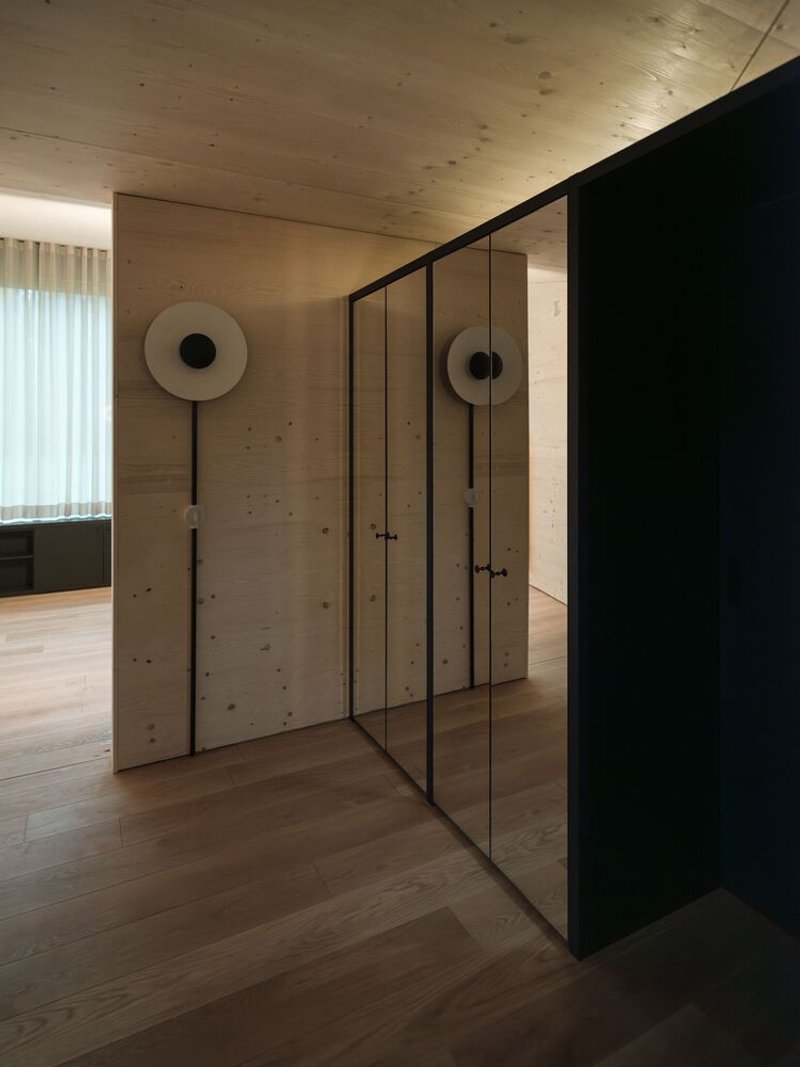
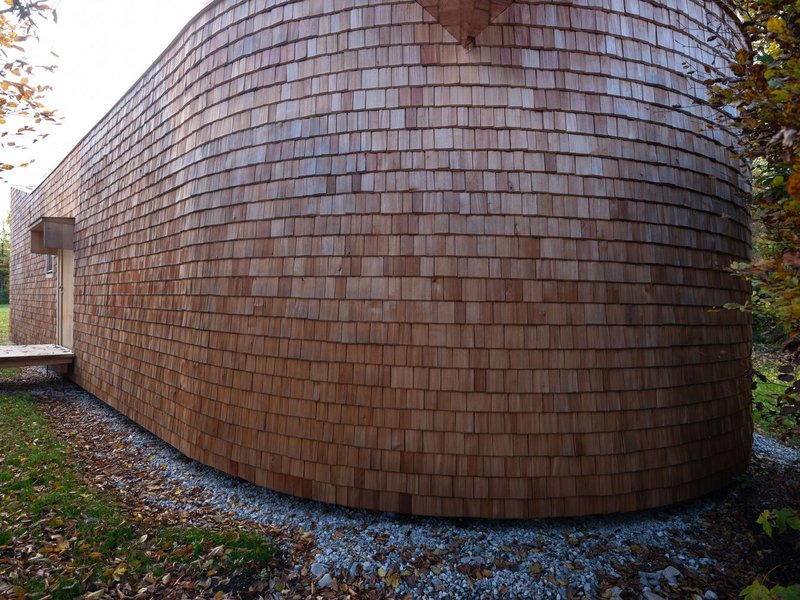
The original competition brief called for a primarily wooden structure, supplemented by glass only where necessary. In response, the architects developed a compact yet expressive architectural language that emphasizes solid timber construction, natural materials, and precise detailing. Wood becomes both the structural backbone and the defining interior surface, fostering a warm atmosphere while reducing the project’s carbon footprint.
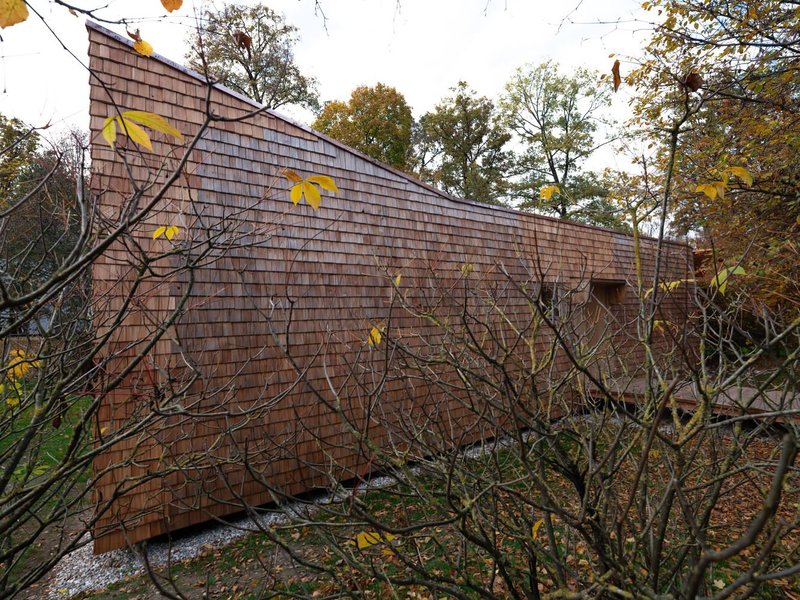
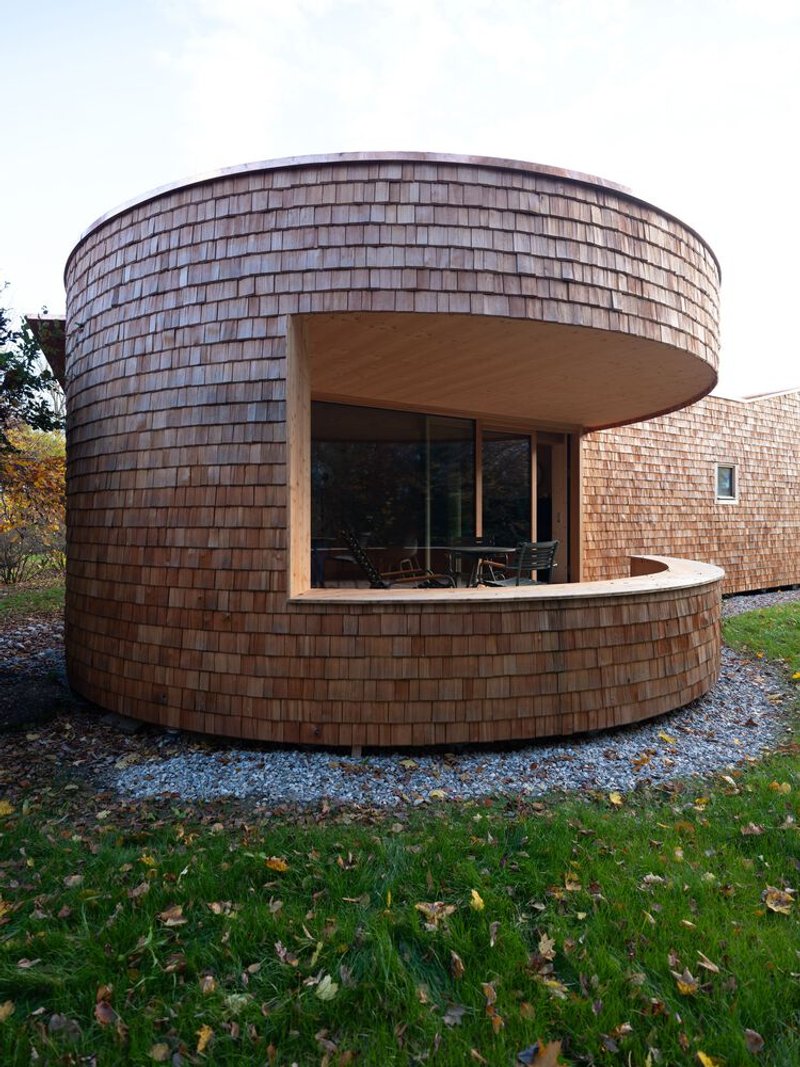
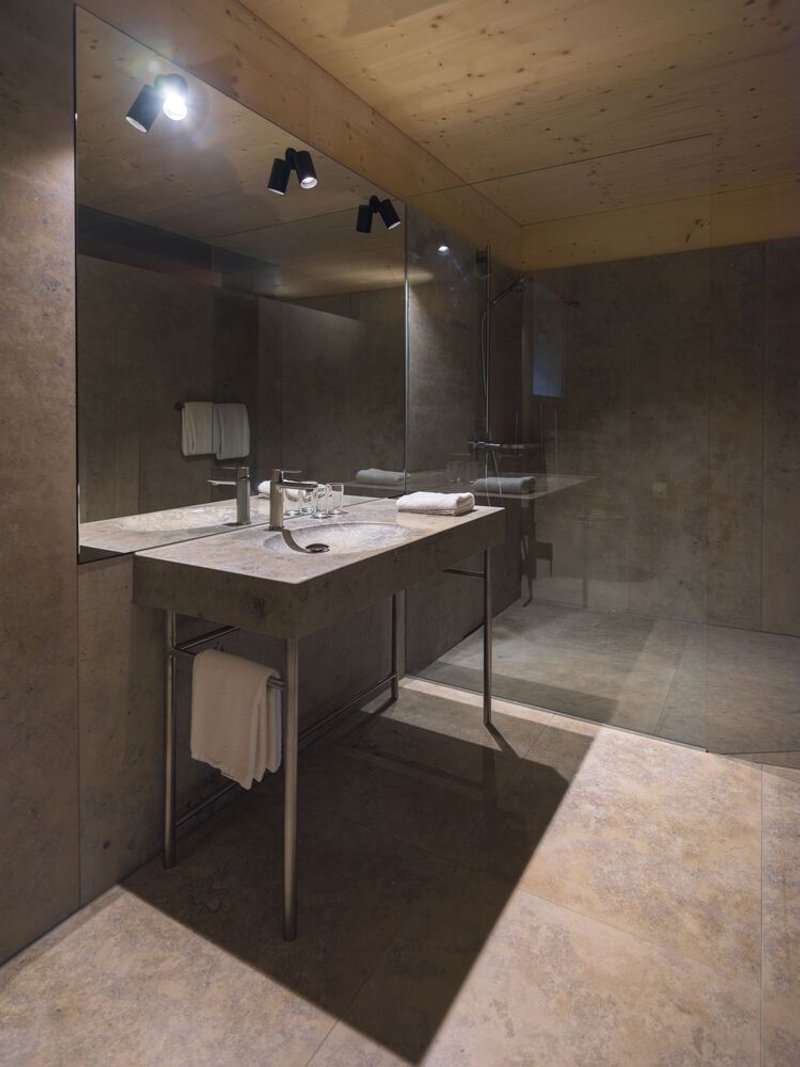
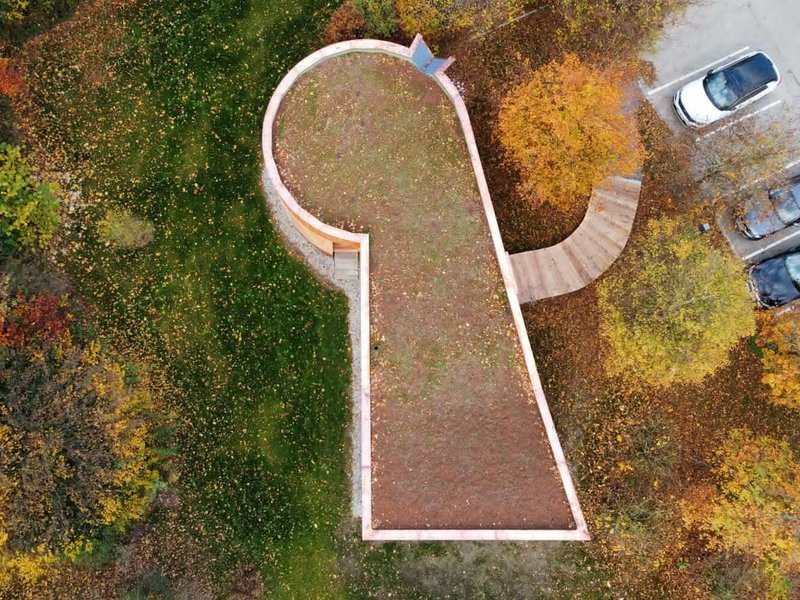
Each suite is positioned along a newly introduced footpath that opens up the hotel park to guests. This path not only improves accessibility but also establishes a sequence of iconic, freestanding volumes embedded within the forested landscape. The suites are conceived as architectural objects, distinct yet harmonious with their surroundings, offering guests a retreat immersed in nature.
Spatial Opulence in a Compact Hotel Suite
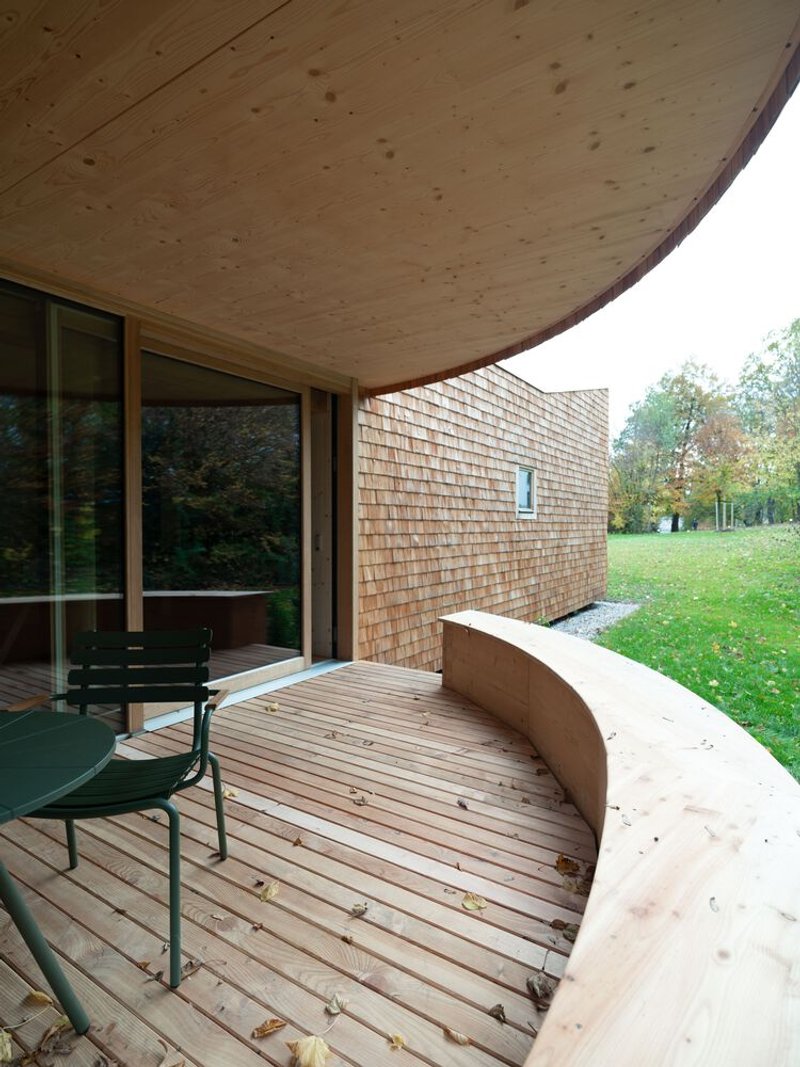
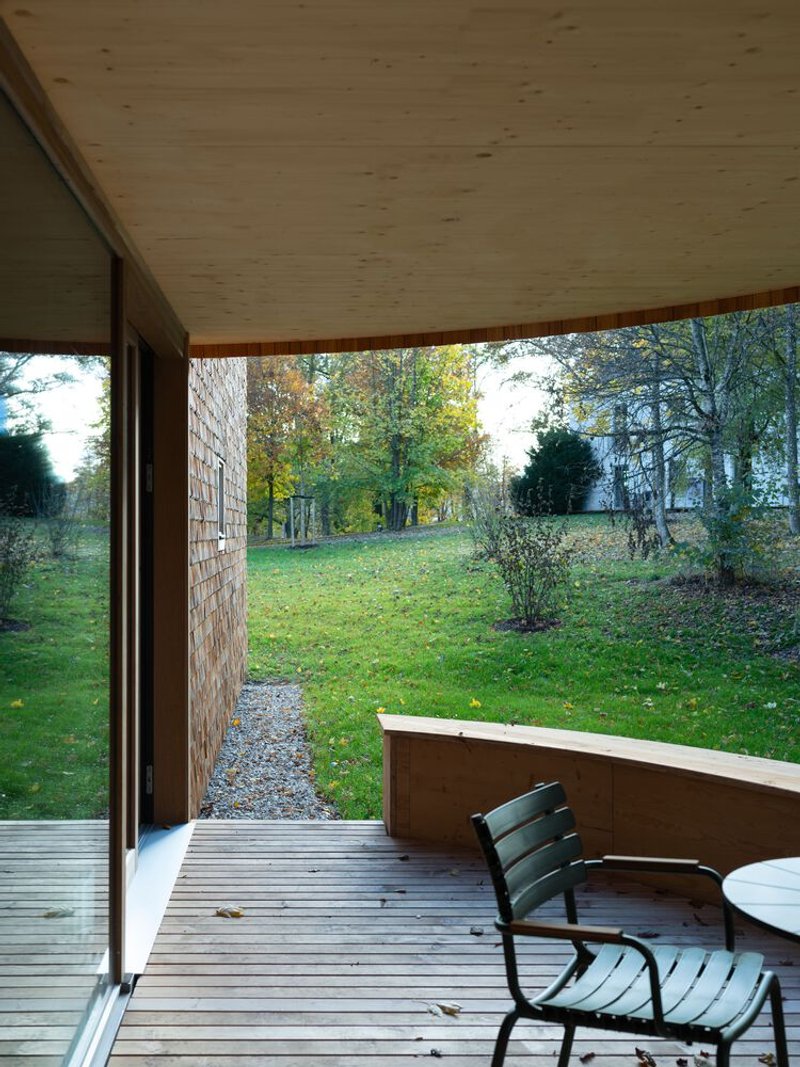
Despite their modest footprint of just 60 square meters, the hotel suites aim to deliver a sense of spatial generosity and experiential luxury. Carefully composed proportions, controlled daylight, and framed views toward the surrounding greenery create interiors that feel expansive and calm. The architecture itself becomes an attraction, encouraging guests to engage with space, materiality, and landscape as part of their stay.
In 2023, one suite was realized as a prototype, serving as both a functional hotel room and a testing ground for future construction phases. The remaining suites will be added gradually in the coming years, allowing insights from use, performance, and research to inform subsequent iterations.
Architecture as Experience, Prototype, and Future Model
More than a conventional hotel extension, the project positions hospitality architecture as a research-based and experience-driven discipline. By combining sustainable timber systems, experimental construction methods, and a strong connection to nature, the Hotel Suite, Extension of the Parkhotel establishes a model for future hotel developments that prioritize environmental responsibility without compromising architectural quality or guest comfort.
All photographs are works of
Oliver Dubuis




Popular Articles
Popular articles from the community

OMCM arquitectos Builds a Summer House in Paraguay from Quarry Waste Blocks and Three Sacred Trees
In the young hillside neighborhood of Altos, a 696-square-meter concrete volume hovers on six pillars around three preserved native Yvyraju trees.
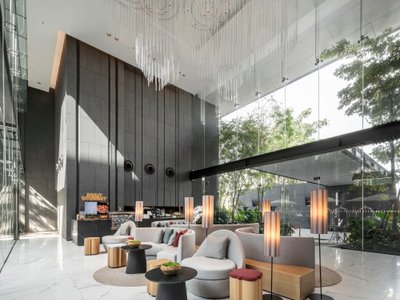
IDIN Architects Wraps a Hua Hin Hotel Around a Private Courtyard to Escape the City
Dusit D2 Hua Hin turns an urban infill site in Thailand's family vacation heartland into a self-contained resort through courtyard planning.
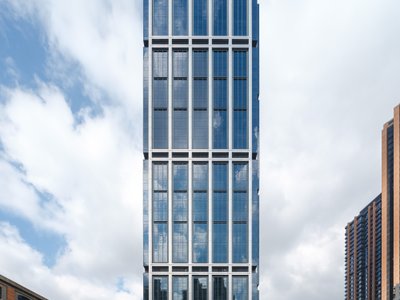
Foster + Partners Wraps a 200-Meter Shanghai Tower in Stainless Steel and Industrial Memory
The Suhe Centre Office Tower anchors a regenerated waterfront district in Shanghai with an all-steel structure that nods to local warehouse heritage.
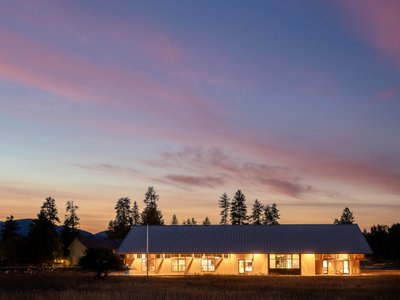
Johnston Architects Reimagines the Methow Valley Hay Barn as a Small-Town Library in Winthrop
A 7,300-square-foot timber library channels the region's agrarian vernacular to serve a rural Washington community of 400 year-round residents.

Similar Reads
You might also enjoy these articles

Bamboo Housing Challenge 2026: Design Affordable, Sustainable Homes Using Bamboo
An international design competition by Bamboo U and IBUKU inviting architects and designers to reimagine affordable housing using bamboo — with the winning design built full-scale in Bali.

Computational Design & Education: Beegraphy Design Awards Introduces 7th Category (Featuring Jiyun's Innovative Approach)
Dive into Beegraphy’s 7th Design Awards category, where computational design meets education to create immersive, interactive learning tools, inspired by Jiyun’s work.

From Parametric Lighting to Urban Furniture: Join the 2nd Workshop in Beegraphy’s Computational Design Series
Dive into Cutting-Edge Design Techniques and Practical Applications with Industry Experts

Introducing Sphere by UNI: Pioneering a New Era in AEC Industry
Unlocking Global Potential with BIM and Agile Management

Explore Architecture Competitions
Discover active competitions in this discipline




The International Standard for Design Portfolios


The Global Benchmark for Architecture Dissertation Awards


The Global Benchmark for Graduation Excellence


Challenge to reimagine the Iron Throne
Comments (0)
Please login or sign up to add comments
No comments yet. Be the first to comment!