
House for Two by Tenhachi: Small Urban House Design Balancing Intimacy and Openness in Tokyo
A compact Tokyo home balancing vertical living, greenery, and personal history through a refined small urban house design.


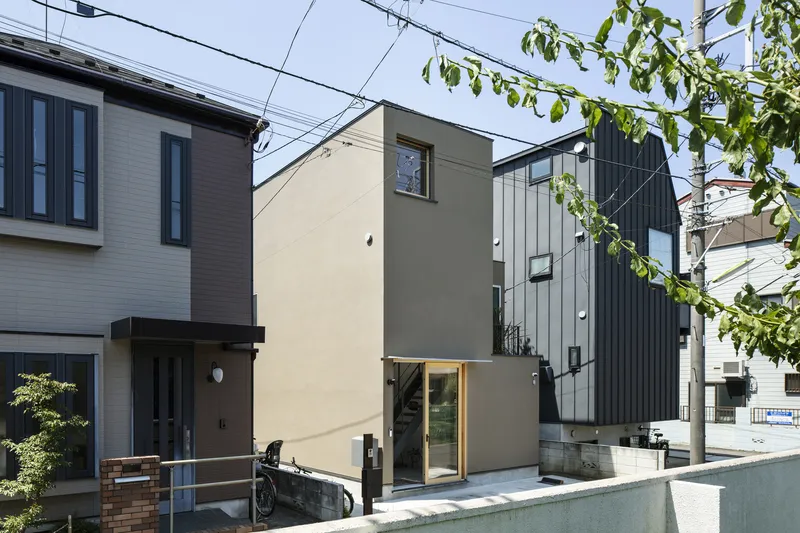
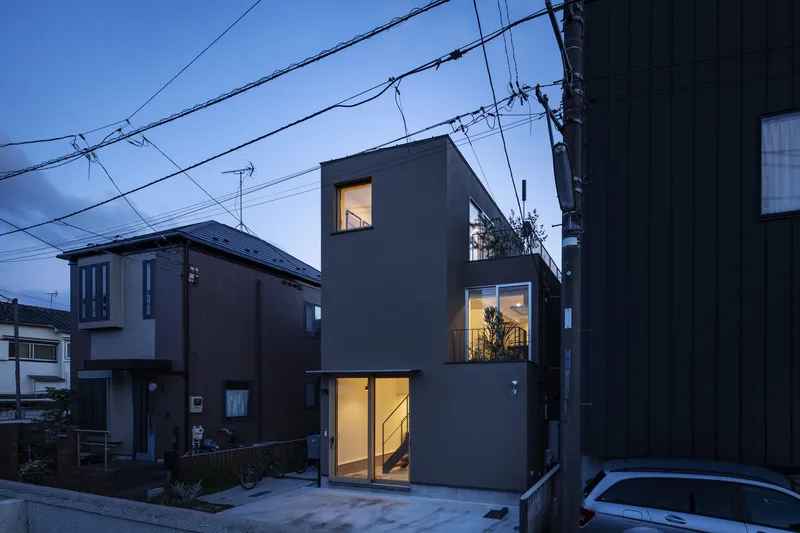
House for Two, designed by Tenhachi Architect & Interior Design, is a refined and poetic example of small urban house design that responds gracefully to the spatial constraints of Tokyo’s dense cityscape. Built on a compact 27m² plot and surrounded on three sides by neighboring buildings, the home was created for a couple who sought both privacy and a serene connection to the outdoors—within the heart of the metropolis.
A Vertical Home Embracing the City and the Sky
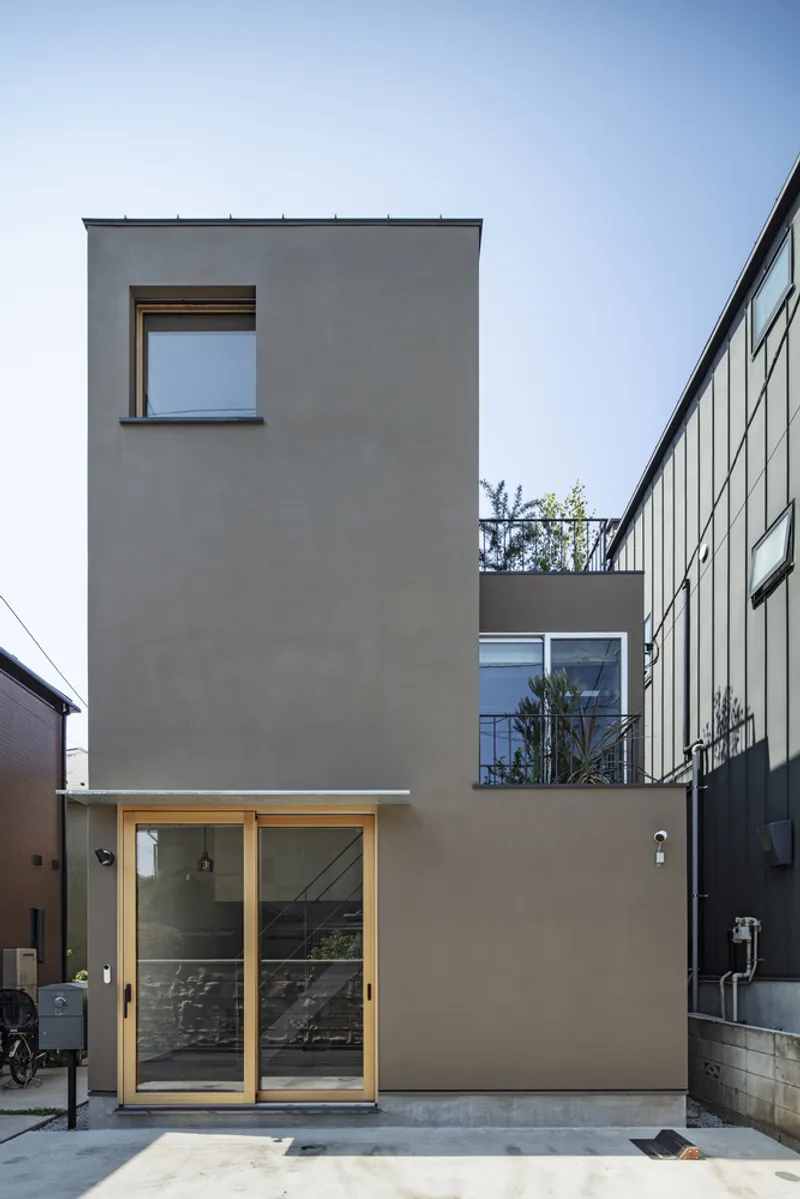
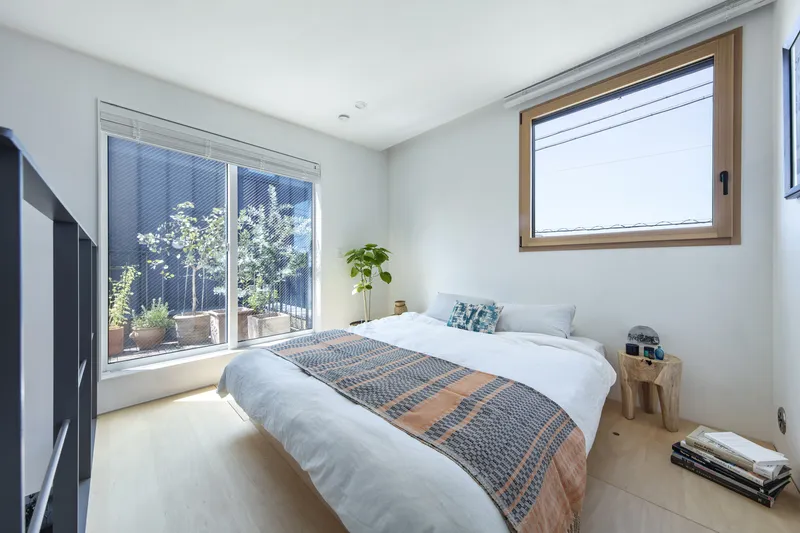
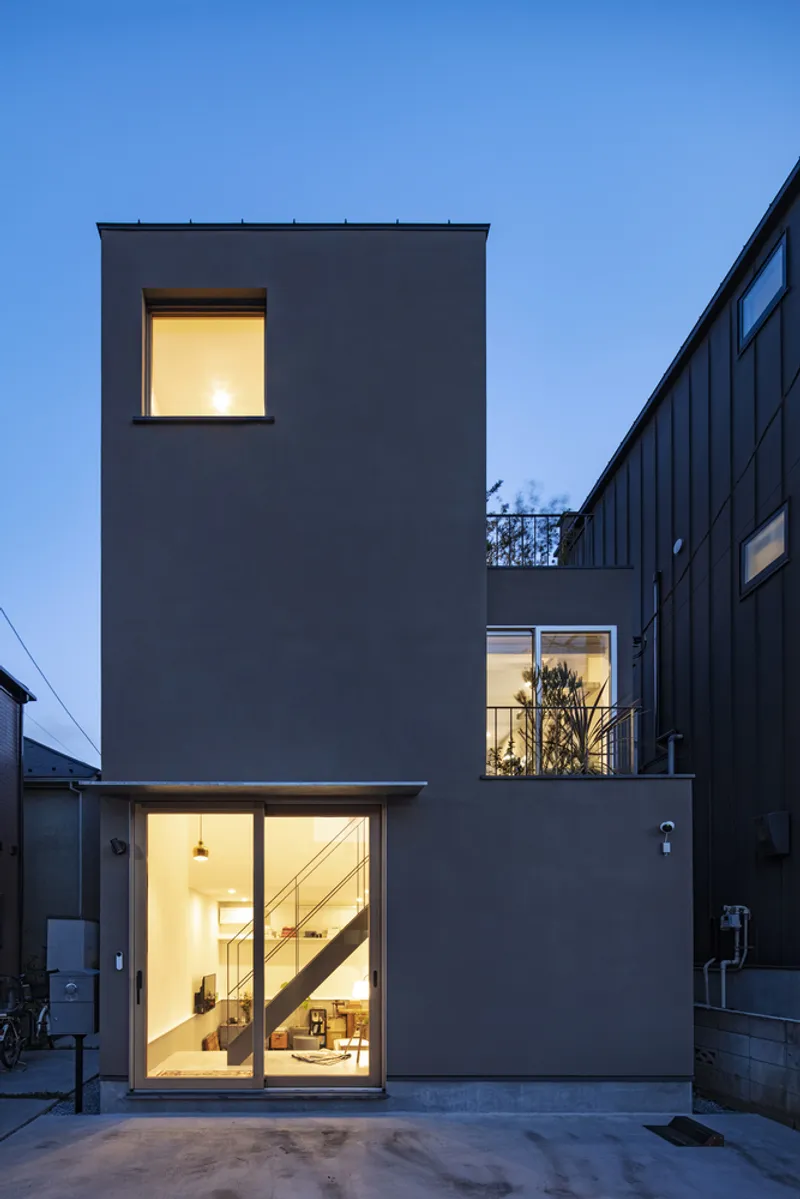
This home demonstrates how verticality can enrich small urban living. Due to north-side setback regulations, the structure naturally tapers as it rises, forming terraced volumes that host green balconies on the second and third floors. These planted terraces serve as buffers between interior and exterior, while also softening the building’s impact on the neighborhood. The L-shaped façade, rendered in earthy tones, offers a modest yet distinct presence, introducing a soothing gesture of greenery into Tokyo’s compact residential fabric.
Spatial Fluidity in a Minimal Footprint
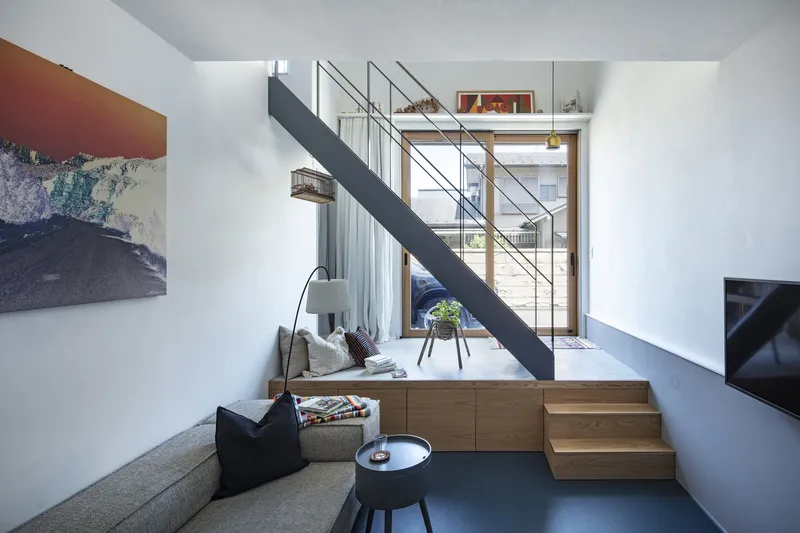
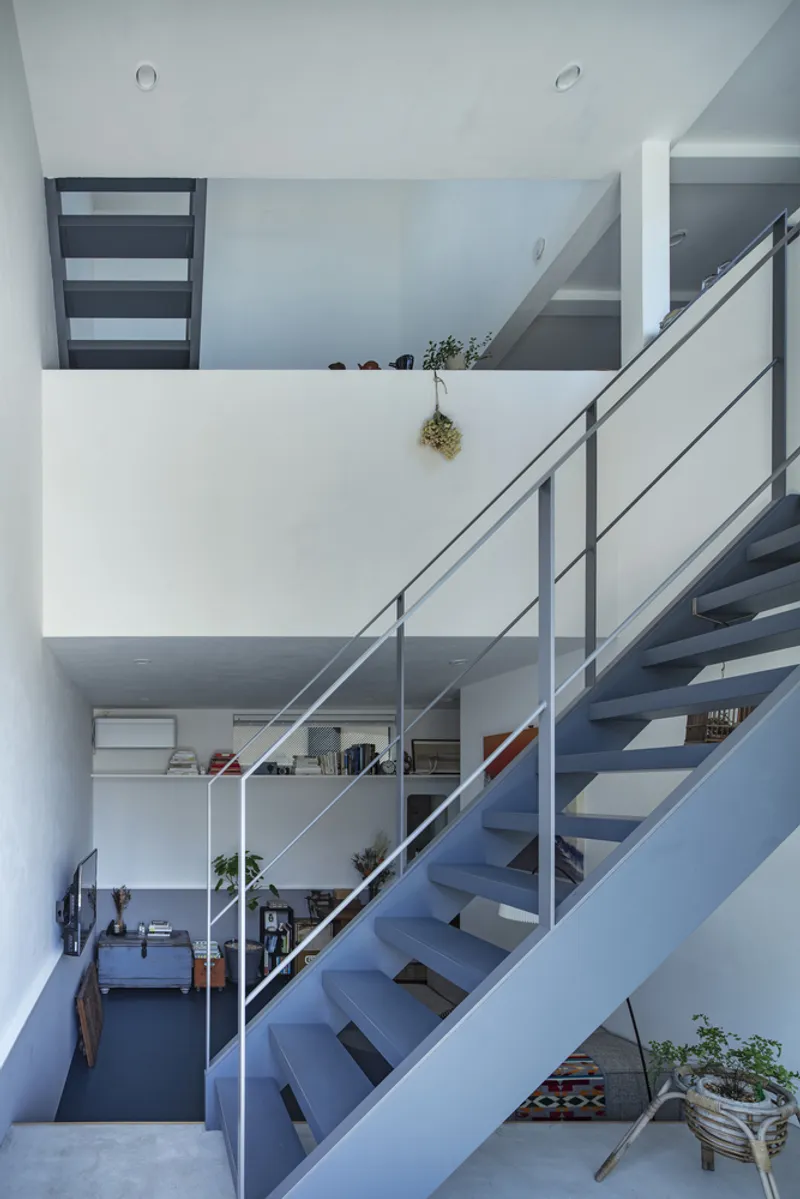
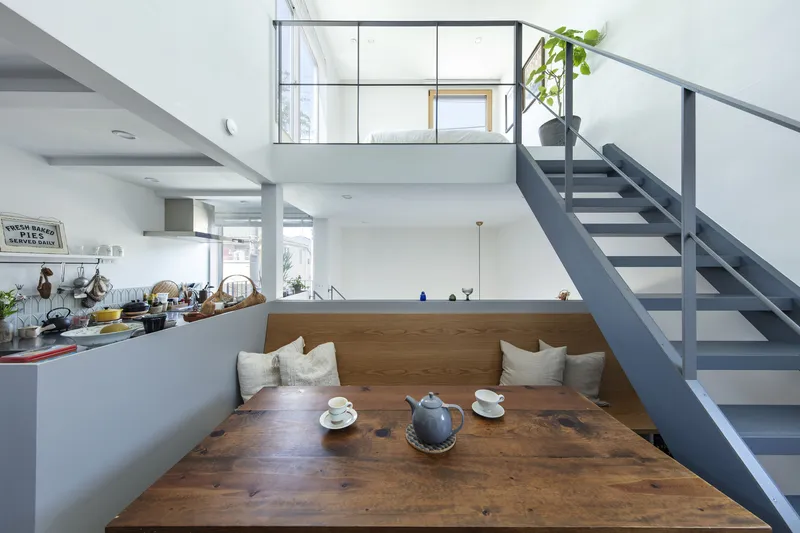
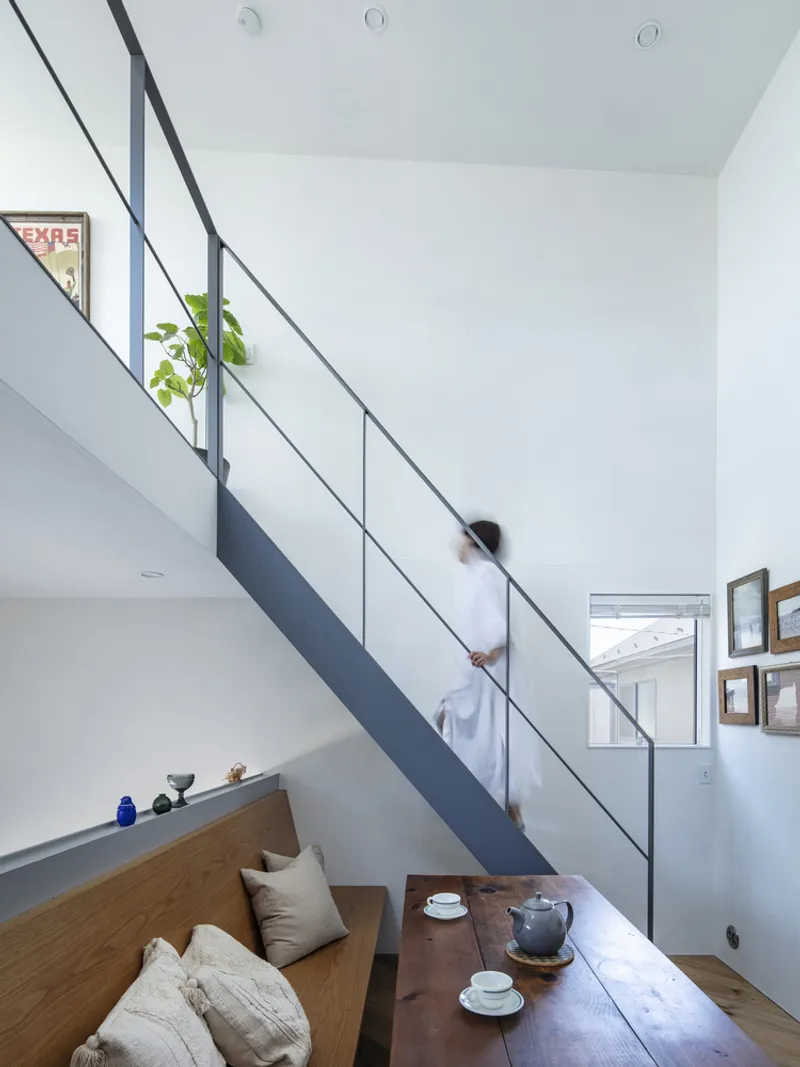
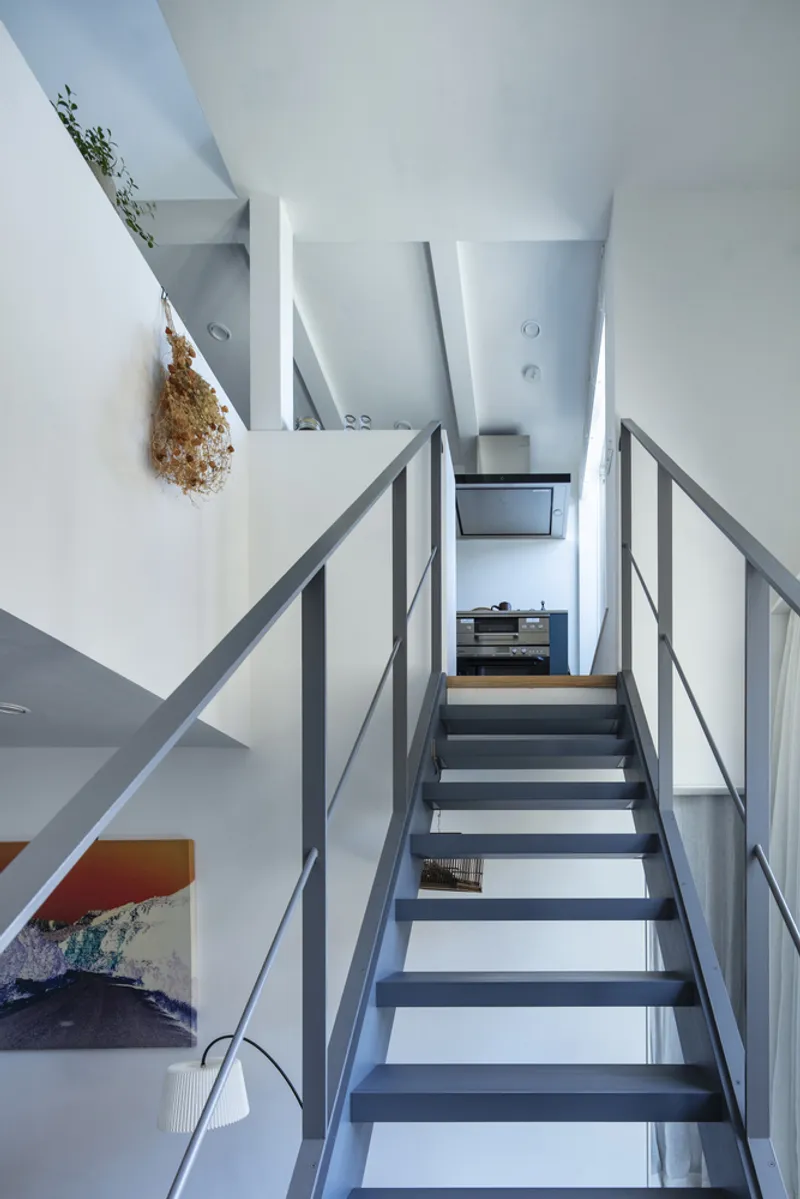
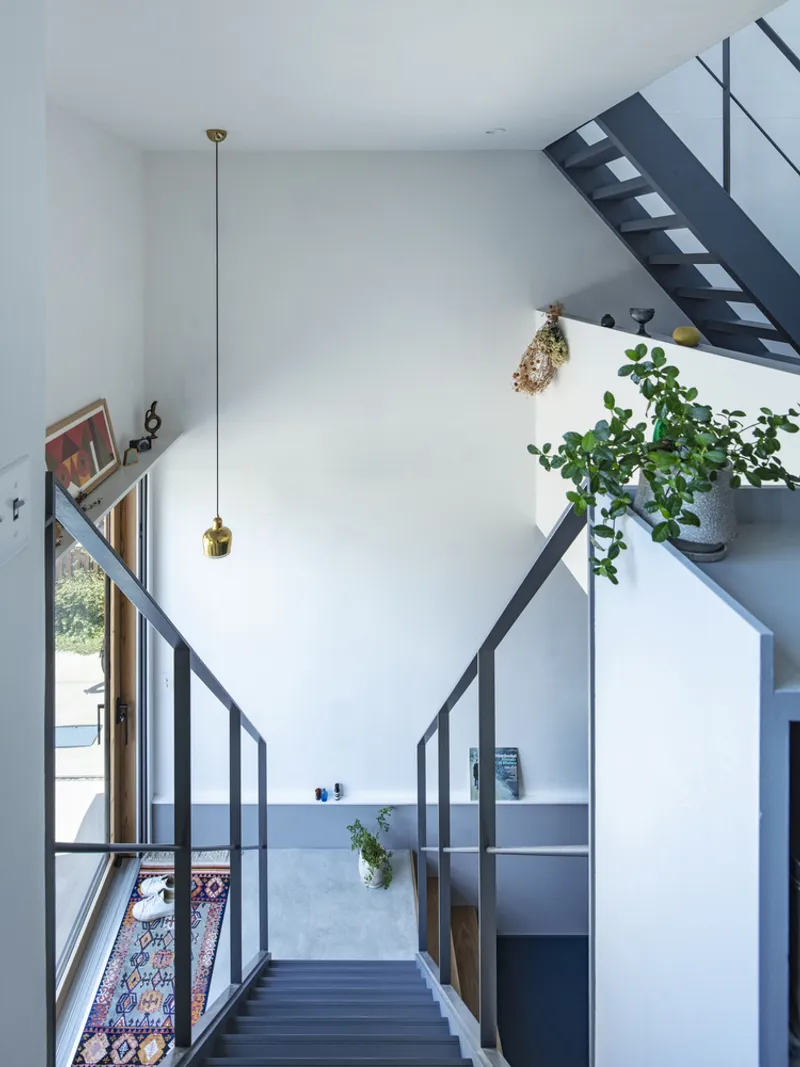
The design maximizes spatial perception through continuous vertical relationships. From the recessed ground-floor entrance to the uppermost level, natural light and airflow are drawn deep into the house. A large wooden-framed sliding door welcomes guests into a sunken vestibule 40 cm below street level. This subtle dip creates a psychological threshold of retreat and calm, offering privacy while preserving visual openness and skyward views. The vertical stairwell acts as a central spine, threading daylight throughout each level and inviting the elements indoors.
Private Zones with Subtle Connectivity
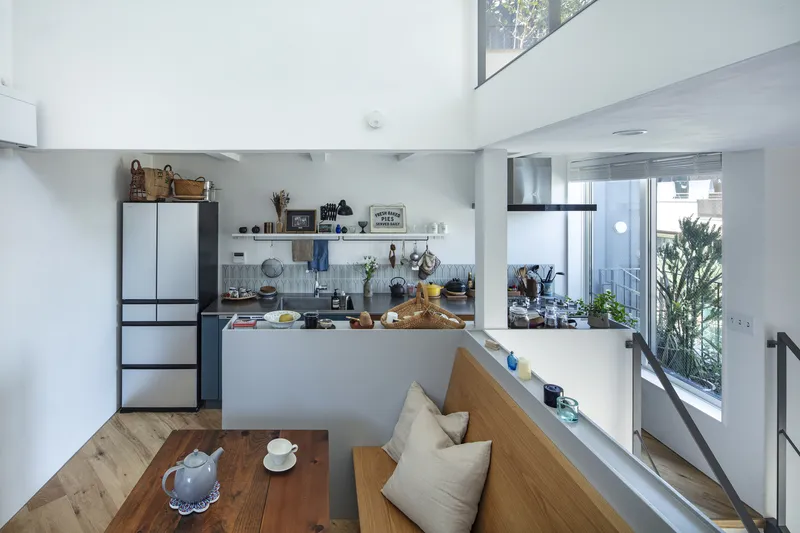
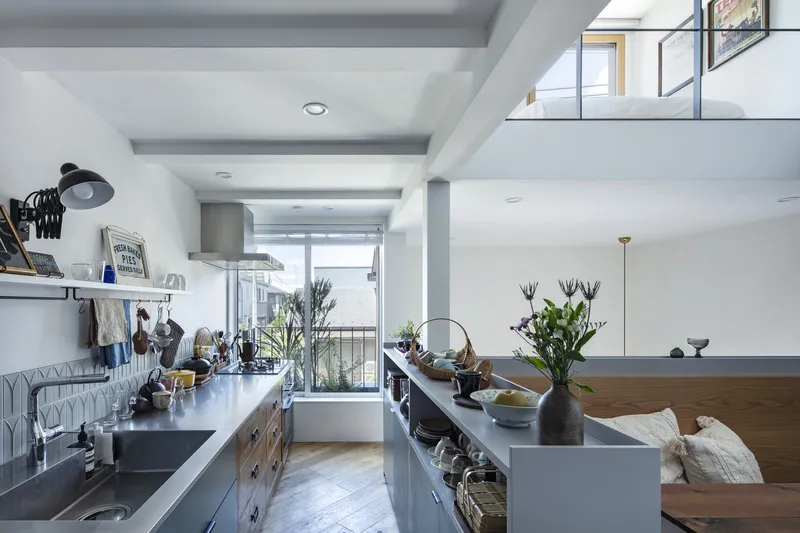
Though small, the house accommodates private zones for each partner while retaining a sense of unity. Strategically staggered spaces allow for soft visual and acoustic separation, balancing the need for solitude and intimacy. The design avoids enclosed partitions in favor of layered openness—doors, openings, and glimpses that offer a rhythmic sense of space without division.
Thoughtful Materials and Environmental Comfort
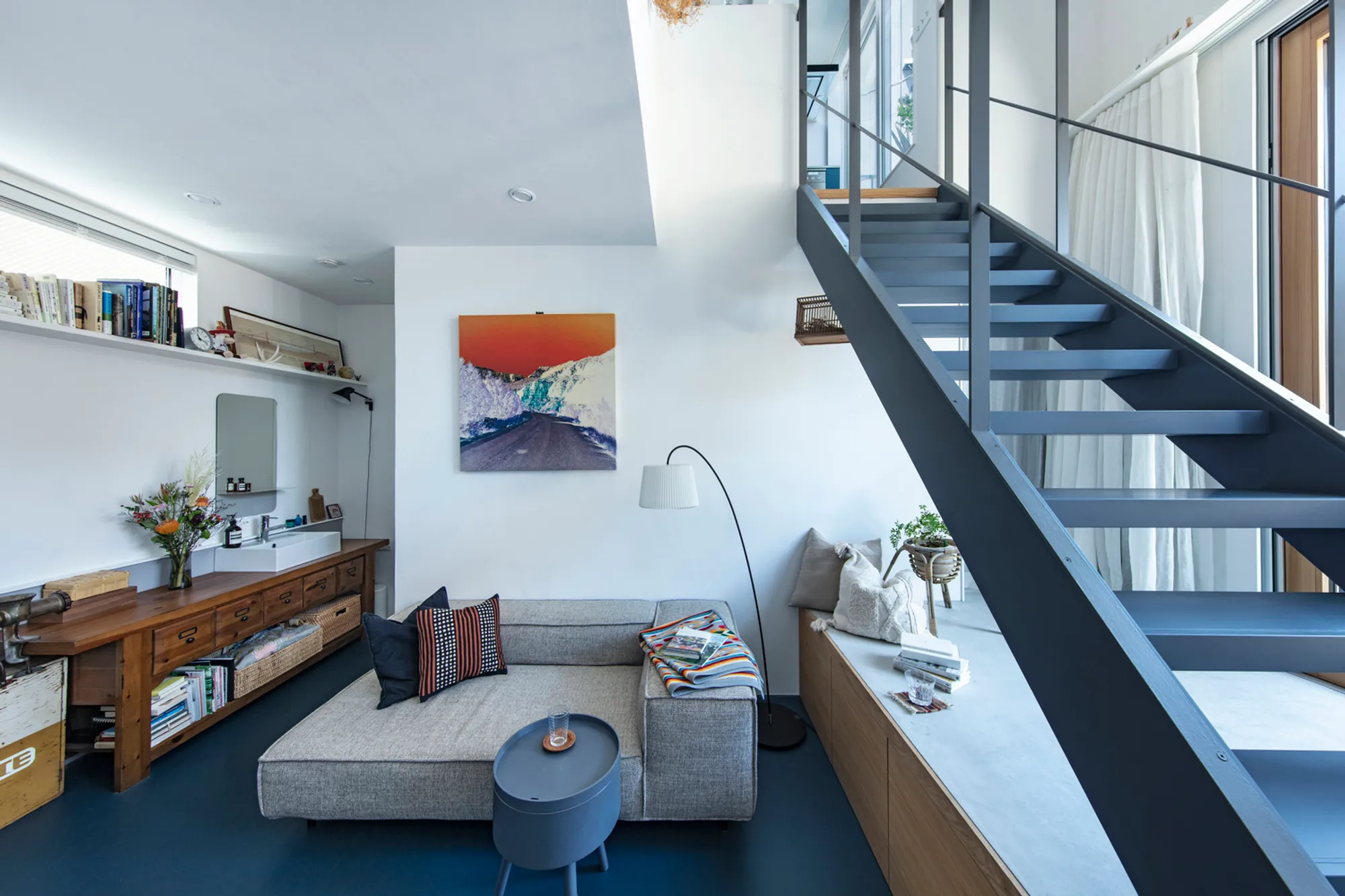
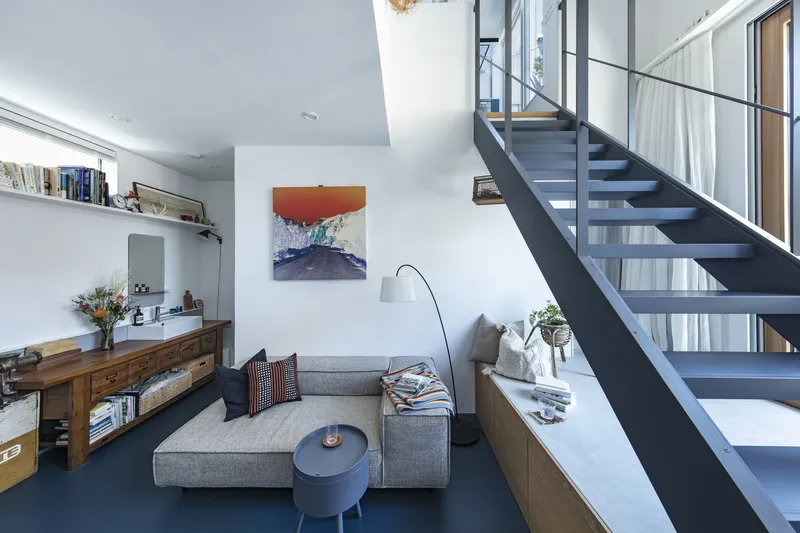
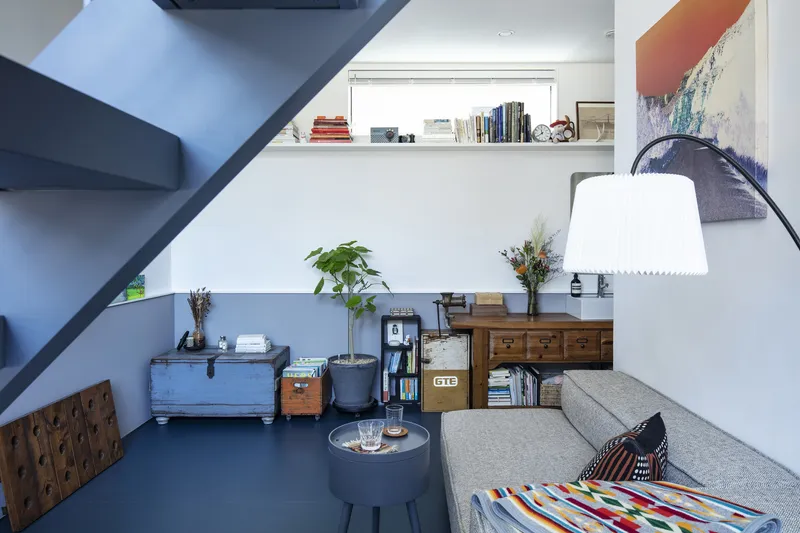
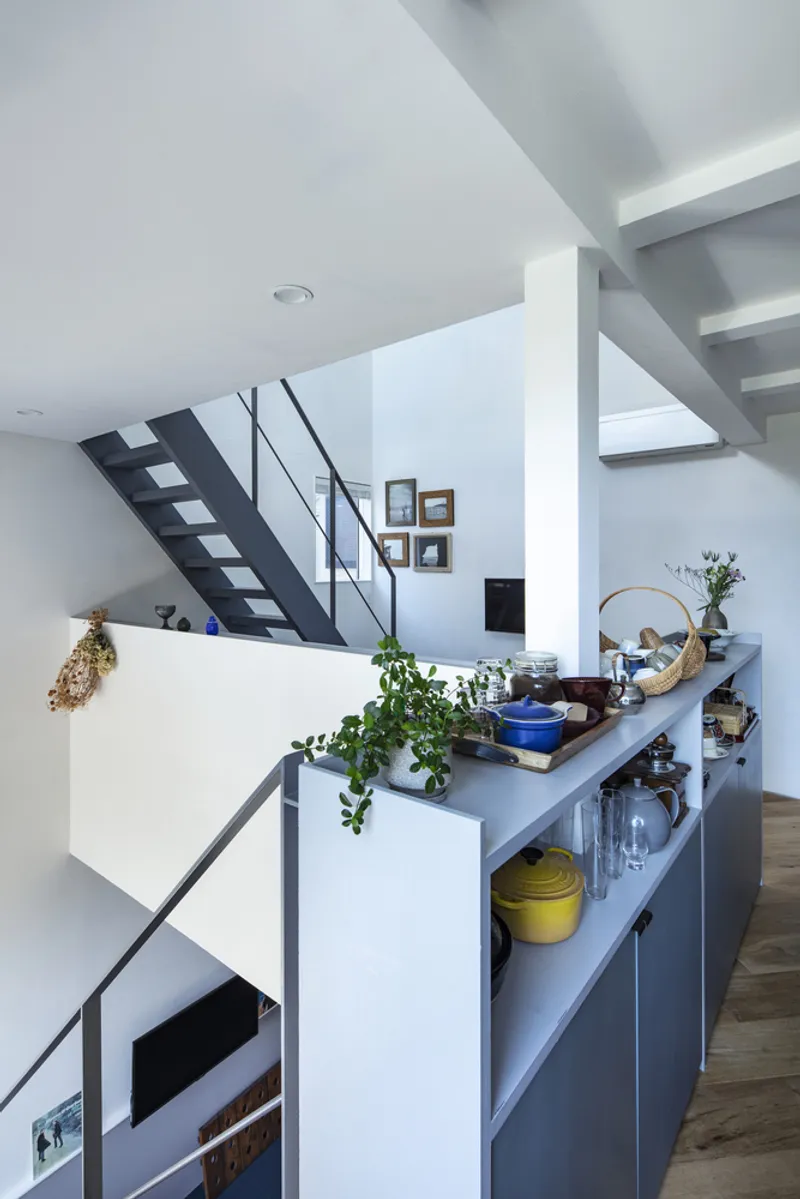
Natural materials form the tactile and atmospheric foundation of the home. Lime plaster finishes on the walls and ceilings offer natural humidity regulation, ideal for Tokyo’s climate. Linoleum flooring in the living areas was selected for its resilience and ease of maintenance. The predominantly white palette is punctuated by the couple’s chosen theme color, navy gray, which subtly accents stair risers, built-in joinery, and flooring. This minimalist palette amplifies daylight while reinforcing continuity across spaces.
A Narrative of Personal Memory and Vintage Elements
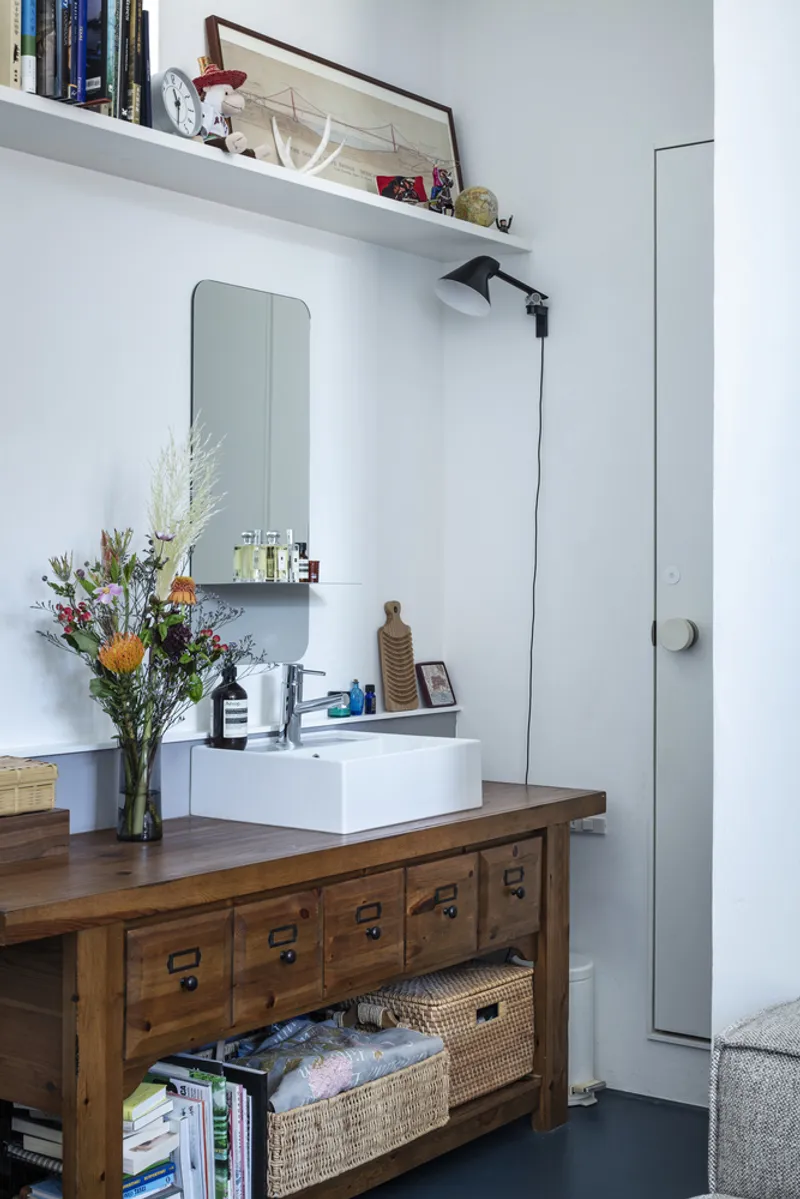
Infused with the couple’s personal history, House for Two integrates vintage furniture and sentimental objects from their time living in the United States. A shelving unit now functions as part of the kitchen counter, while a console table has been adapted into a wash basin vanity. These reused pieces lend texture and authenticity, anchoring the home's minimalist backdrop with soulful warmth. Artworks, books, and keepsakes are displayed throughout, naturally blending into the spatial rhythm of daily life.
A Living Space That Evolves Over Time
This small urban house design is not just a response to site constraints—it’s a long-term framework for growth, memory, and seasonal change. The carefully planted terraces evolve with the years, while the vintage materials gain patina and meaning. It is a home that celebrates time, simplicity, and the quiet joy of living with intention in the city.
All Photographs are works of Kenta Hasegawa



Popular Articles
Popular articles from the community


Co-life: Sustainable Architecture for Age-Friendly Community Living
Co-life reimagines sustainable architecture for seniors through courtyards, rammed earth, shared gardens, and spaces designed for belonging.

The Ocean Hive: Sustainable Architecture for a Self-Sufficient Civilization at Sea
The Ocean Hive imagines sustainable architecture at sea, where modular habitats, algae, wave power and ocean waste sustain a growing colony.

Lunar Spiral: Space Architecture Shaped by the Mathematics of the Universe
Lunar Spiral reimagines space architecture through Fibonacci geometry, lunar regolith, levitating habitats, and self-sustaining Moon living.

Hill & Cross Opera: Sculptural Opera House Architecture Shaped by Tallinn’s Landscape and Identity
Hill & Cross Opera reimagines opera house architecture in Tallinn through its sculptural hill, civic plaza, glass wave and a luminous cross.


Similar Reads
You might also enjoy these articles

FAMM Arquitectura Organizes Ten Villas Around Courtyards and Jungle in Nosara, Costa Rica
El Molino pairs two elongated volumes with deep overhangs and timber louvers to build a compact coastal community five minutes from the beach.
Oscar Niemeyer's Ibirapuera Park Pavilions Define São Paulo's Cultural Identity in Concrete and Curve
A constellation of modernist volumes set within São Paulo's most important urban park, conceived for the city's 400th anniversary in 1954.
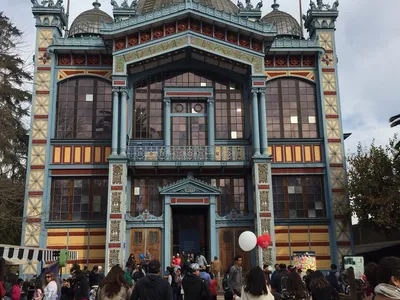
How Henri Picq's 1889 Paris Pavilion Traveled 11,000 Kilometers to Become Santiago's Artequín Museum
A prefabricated iron and glass pavilion built for the Paris Universal Exposition found a second life as a children's art museum in Chile.
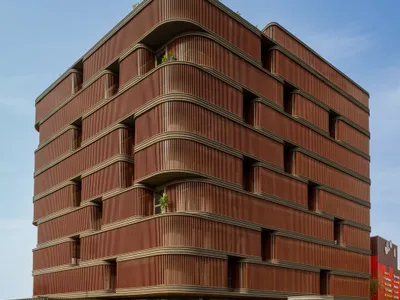
Sanjay Puri Architects Wraps a Jaipur Office Tower in Capsule-Shaped Green Buffers
A nine-level climate-responsive workplace near Jaipur Airport uses stacked planter terraces and aluminium screens to fight 40°C heat.


Explore Tiny House Competitions
Discover active competitions in this discipline



Challenge to reimagine the Iron Throne


Photograph architecture without architects


Illustrate the lost glory of Angkor Wat - Render Challenge


Design challenge to reuse E-waste
Comments (0)
Please login or sign up to add comments
No comments yet. Be the first to comment!