
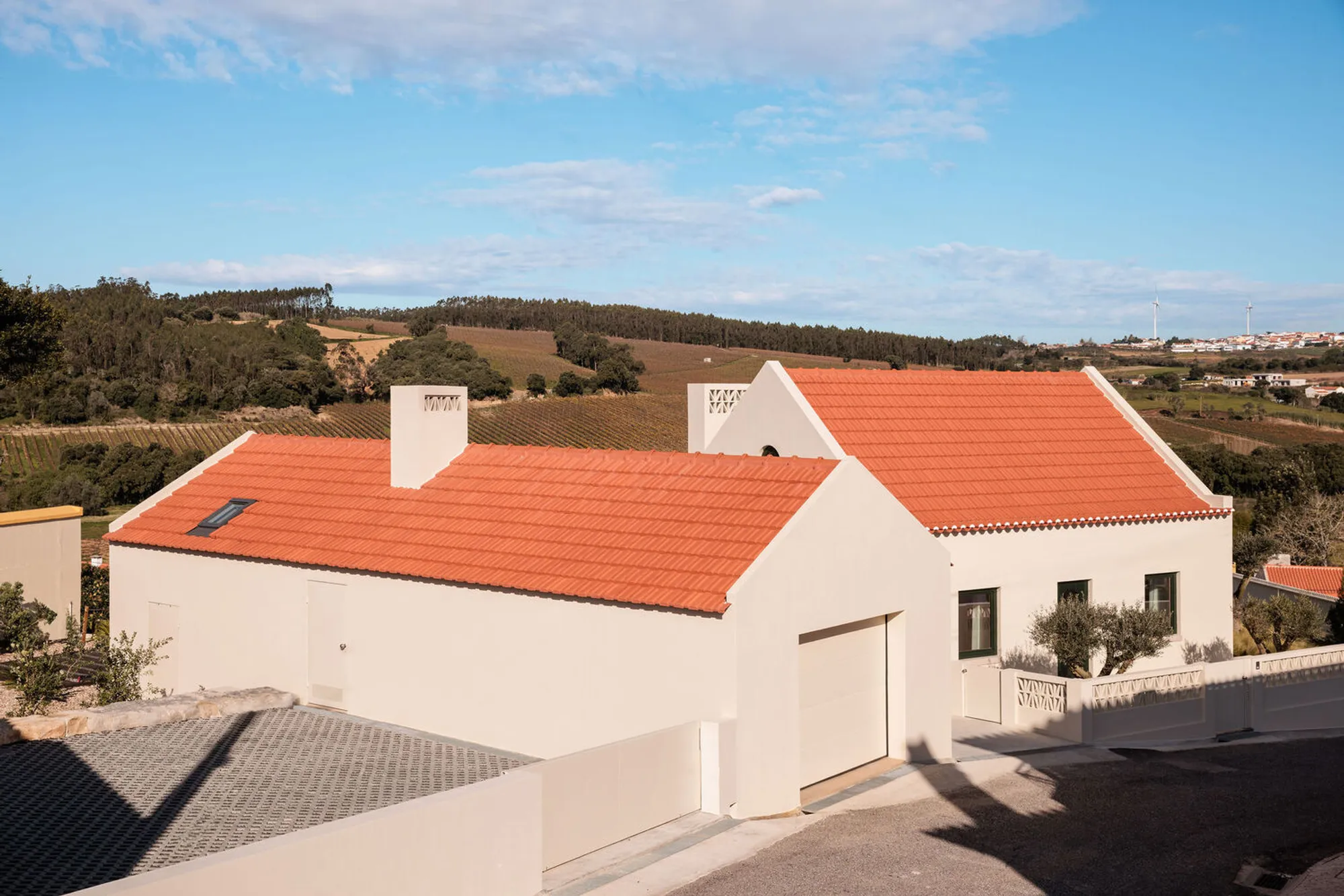
House in Toxofal: A Masterful Traditional House Renovation by Manuel Tojal Architects
This article explores the traditional house renovation of a 19th-century Portuguese home, blending heritage preservation with contemporary spatial design.


Reviving a 19th-Century Home in the Portuguese Countryside
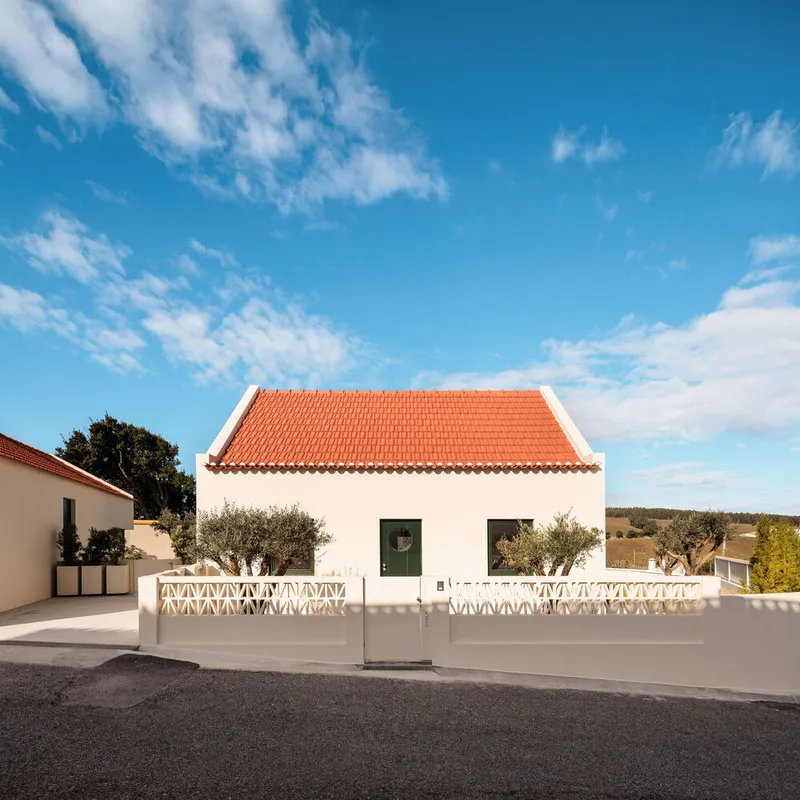
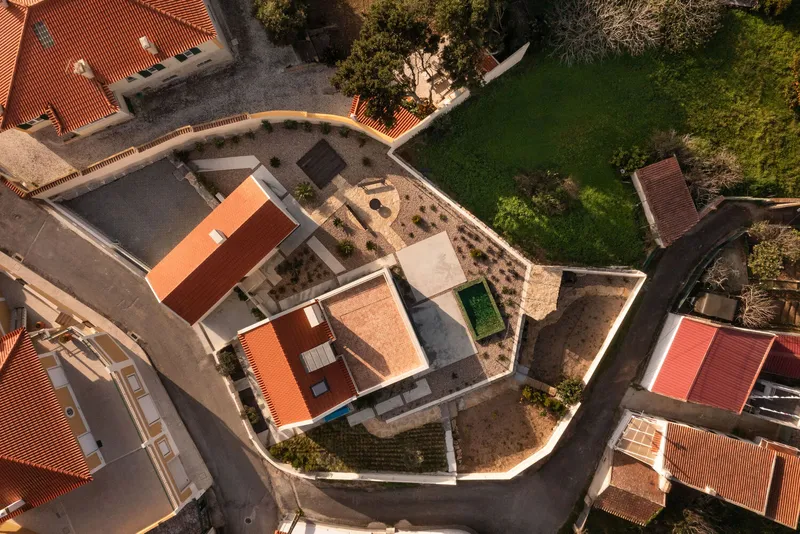
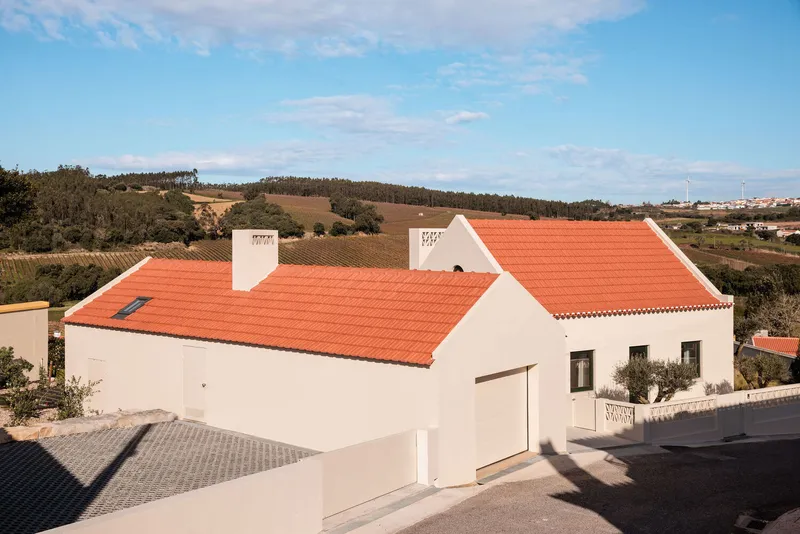
Nestled in the quiet village of Toxofal, Portugal, the House in Toxofal by Manuel Tojal Architects exemplifies the elegance of traditional house renovation infused with contemporary comfort. Originally a 19th-century rural home abandoned for over three decades, the project delicately balances the preservation of historical character with the practical needs of modern living. Completed in 2024 and spanning 2,799 square feet, the renovation honors the home’s past while crafting new spatial narratives and architectural dialogue.
Preserving Heritage While Embracing the Present
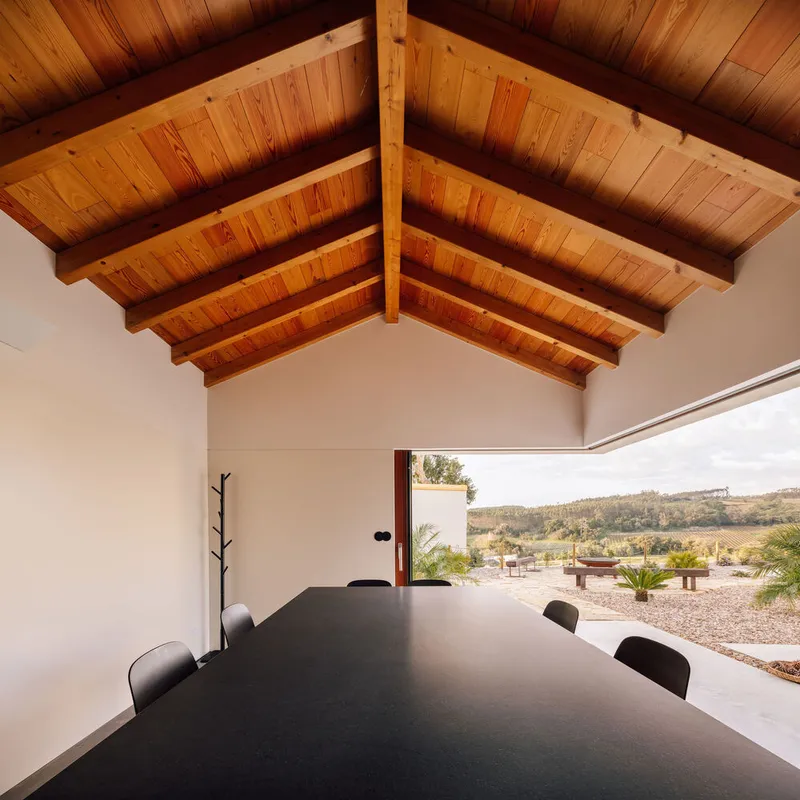
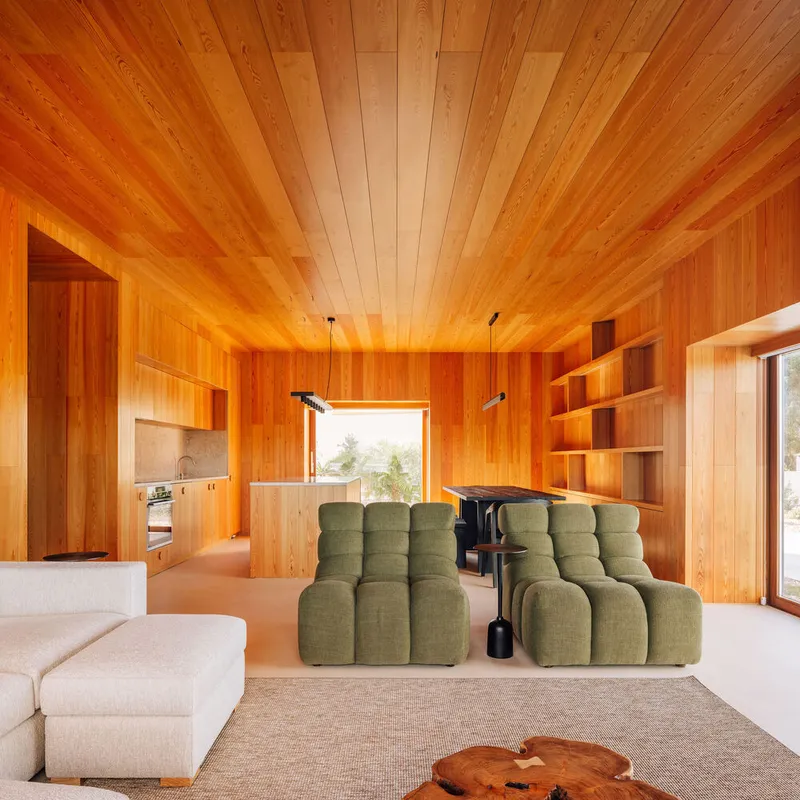
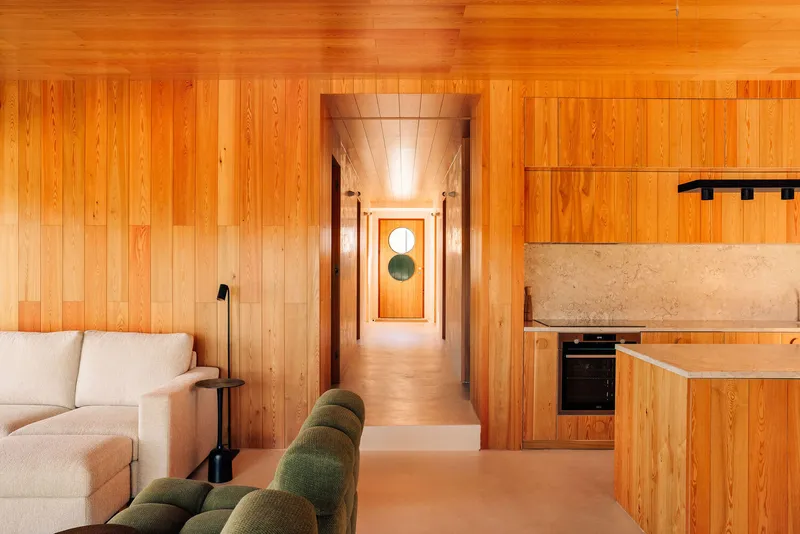
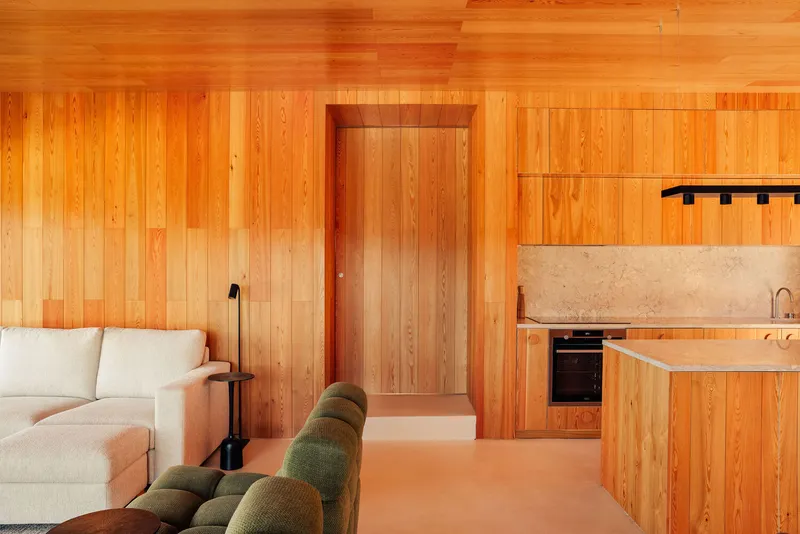
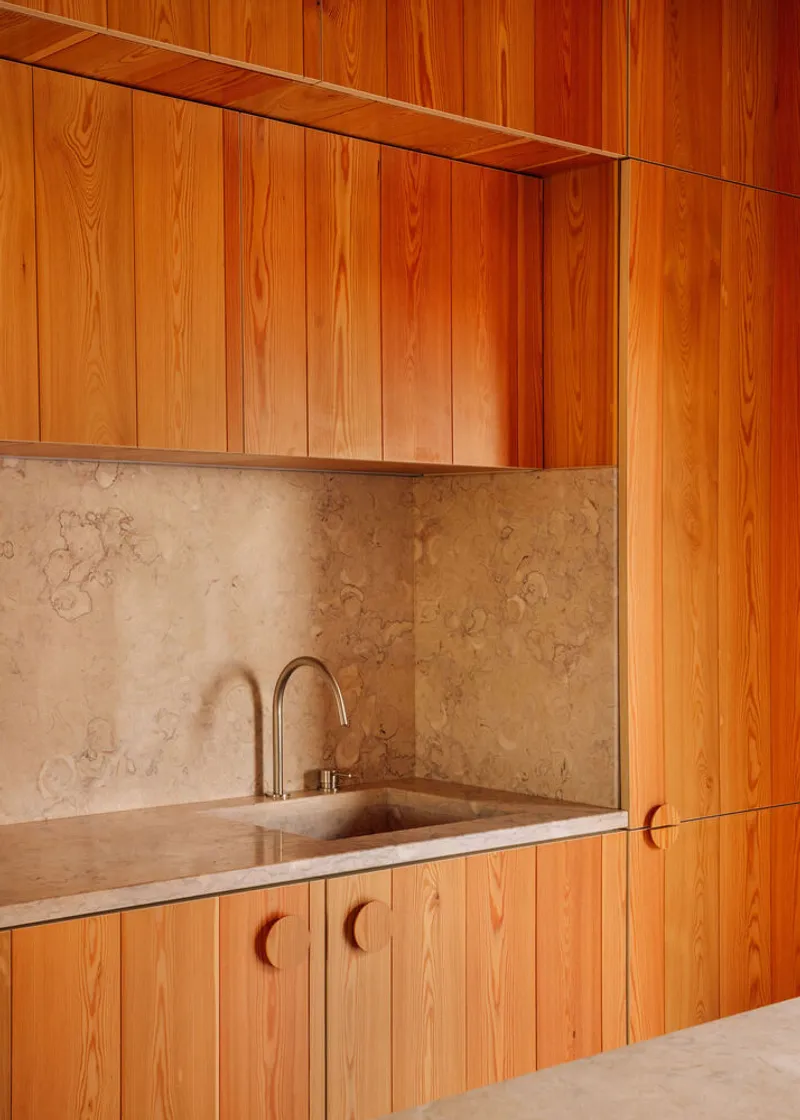
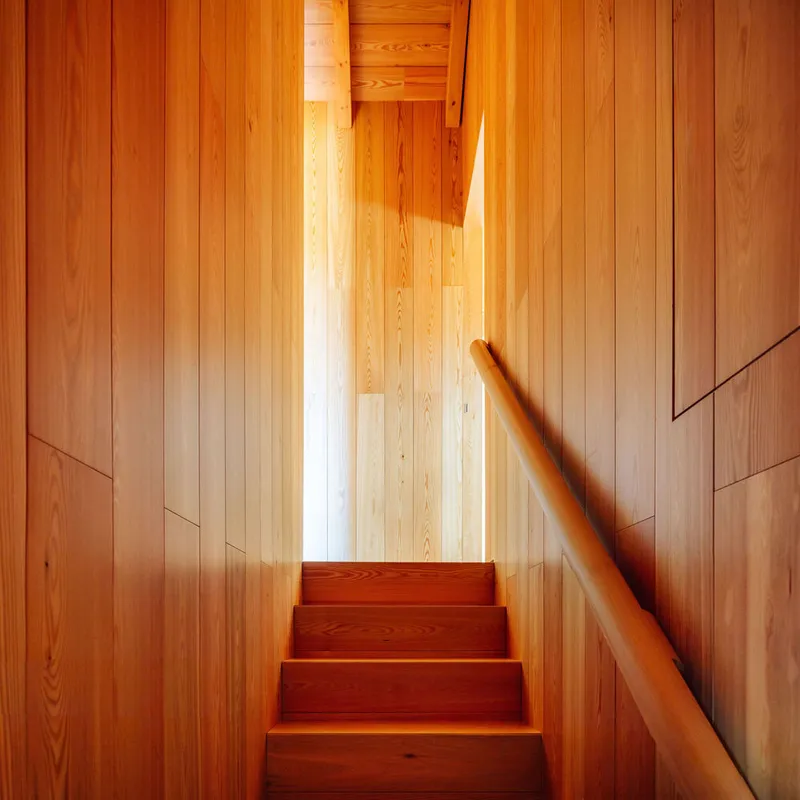
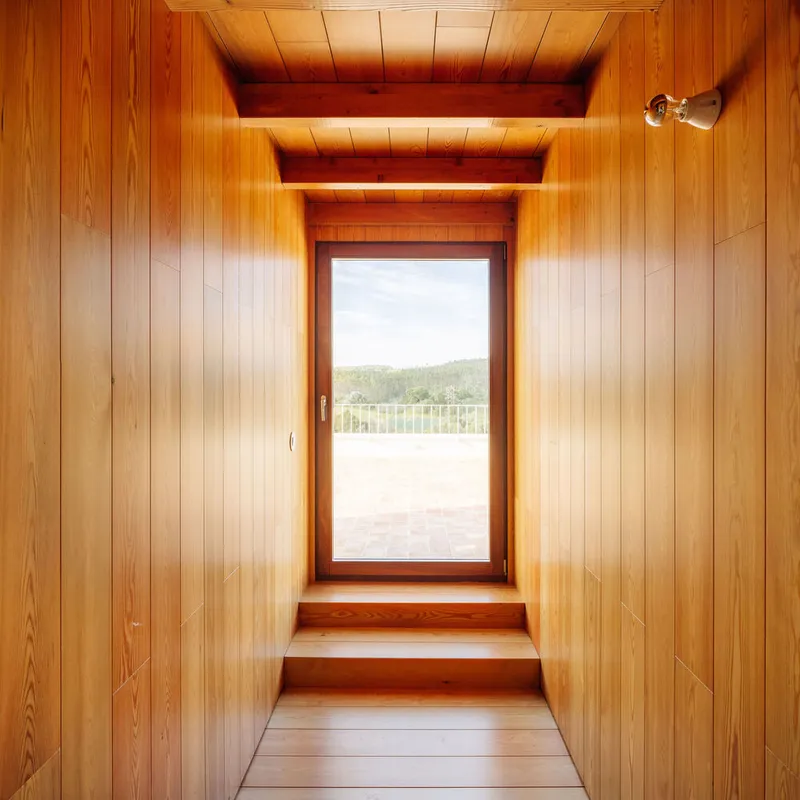
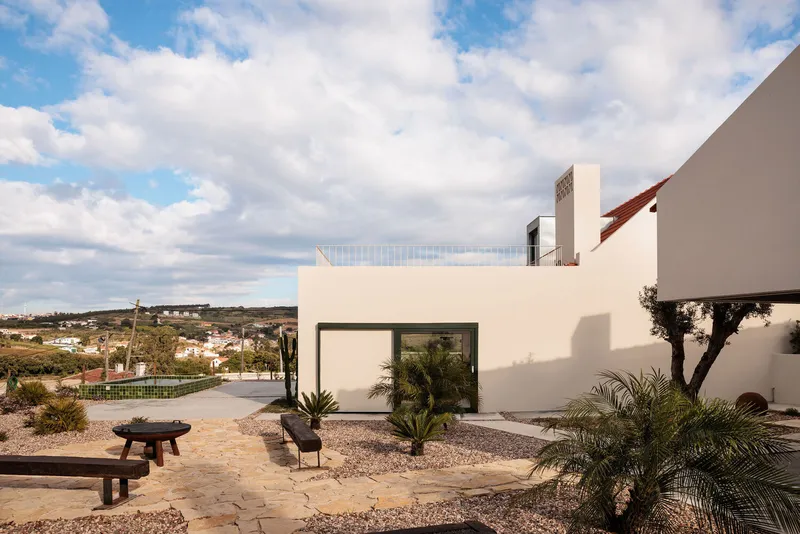
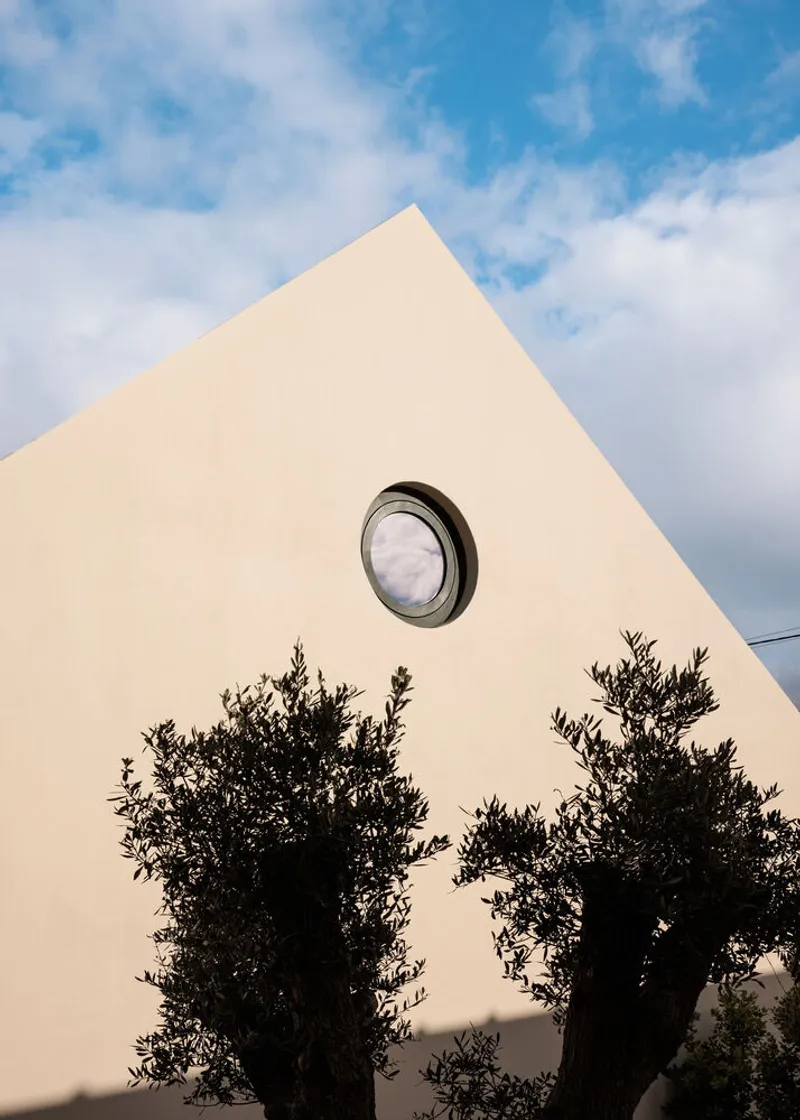
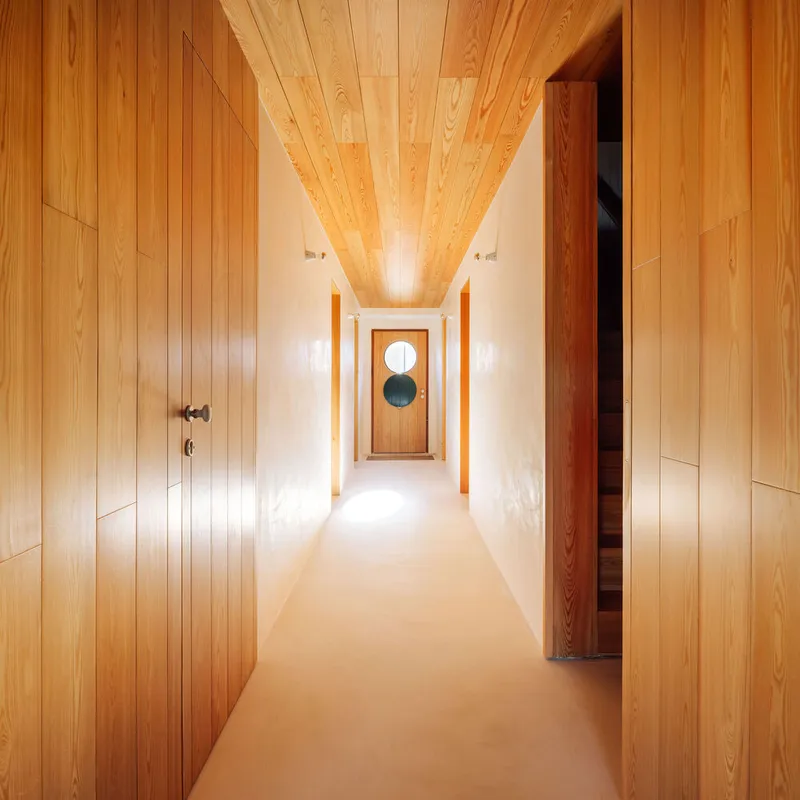
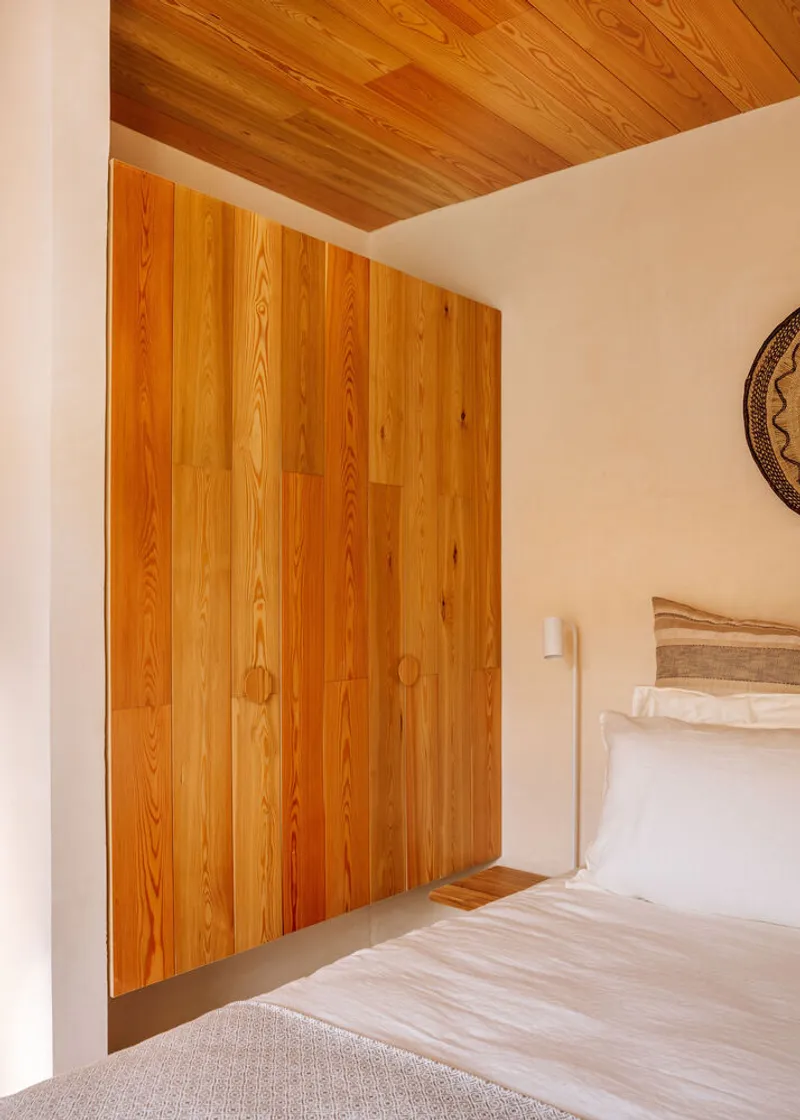
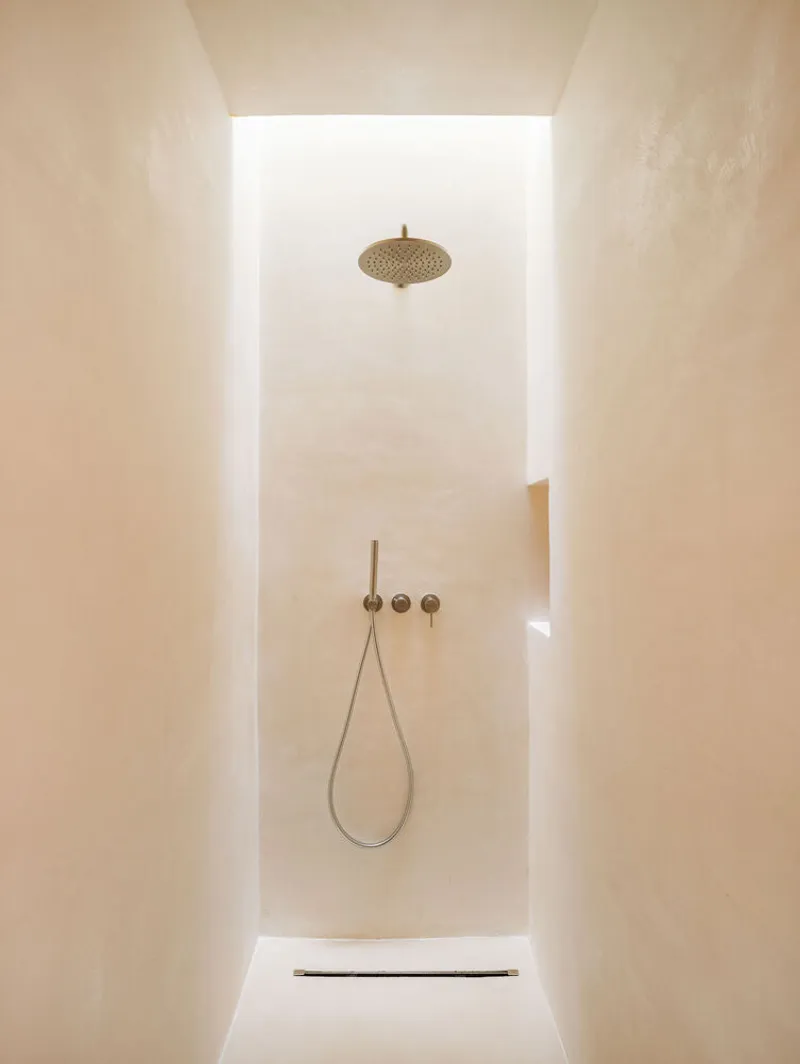
The design approach centers on maintaining the house’s original structure and textures, including its stone masonry façades and interior walls. These were preserved and complemented with timber cladding in newly extended areas, creating a visual and material contrast that respectfully highlights different periods of the building’s evolution. Venetian plaster now coats the traditional walls, enhancing their tactile richness while establishing a refined backdrop for the home's serene interior.
Transformation of Domestic Functions
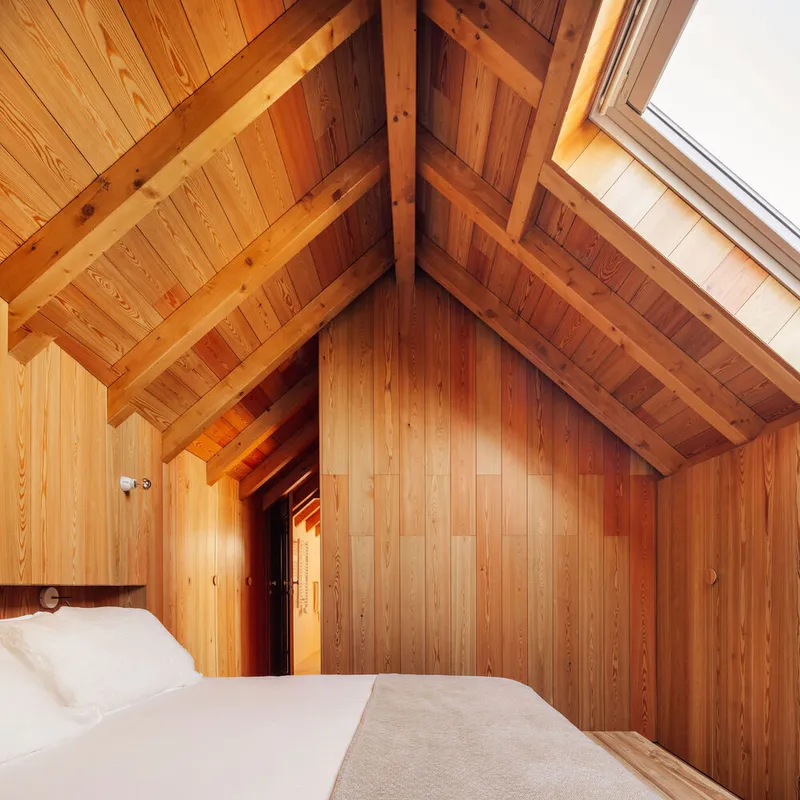
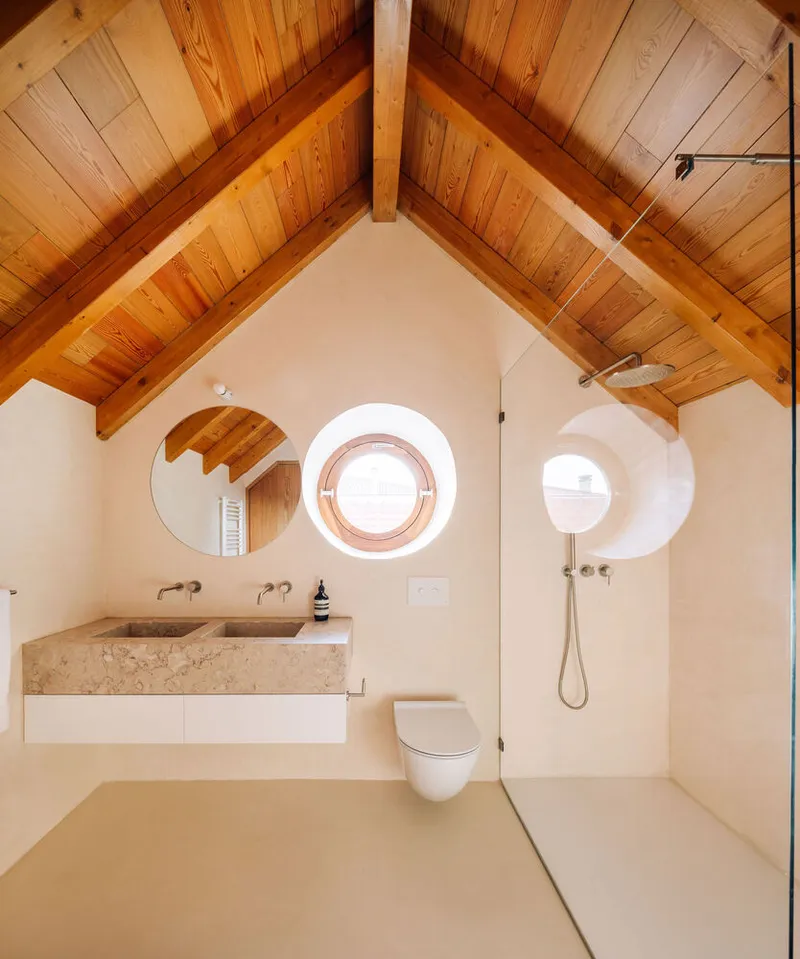
The reimagining of interior functions was key to the renovation. The original ground floor, once fragmented and utilitarian, now serves as the bedroom area. A former attic previously used for storage has been transformed into a private suite, complete with direct access to a terrace that frames panoramic views of the nearby beach. The old kitchen has been thoughtfully adapted into a luminous bathroom, where the preserved chimney now acts as a zenithal light shaft, inviting daylight deep into the core of the house.
From Wine Cellar to Living Space
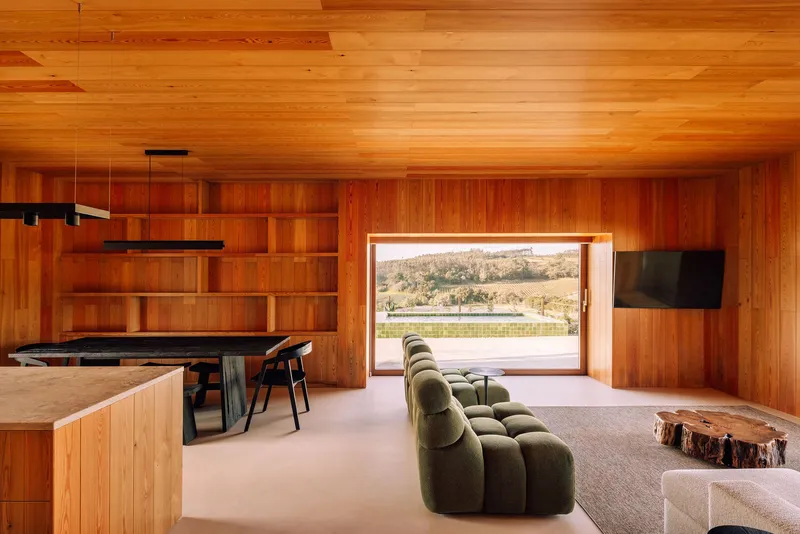
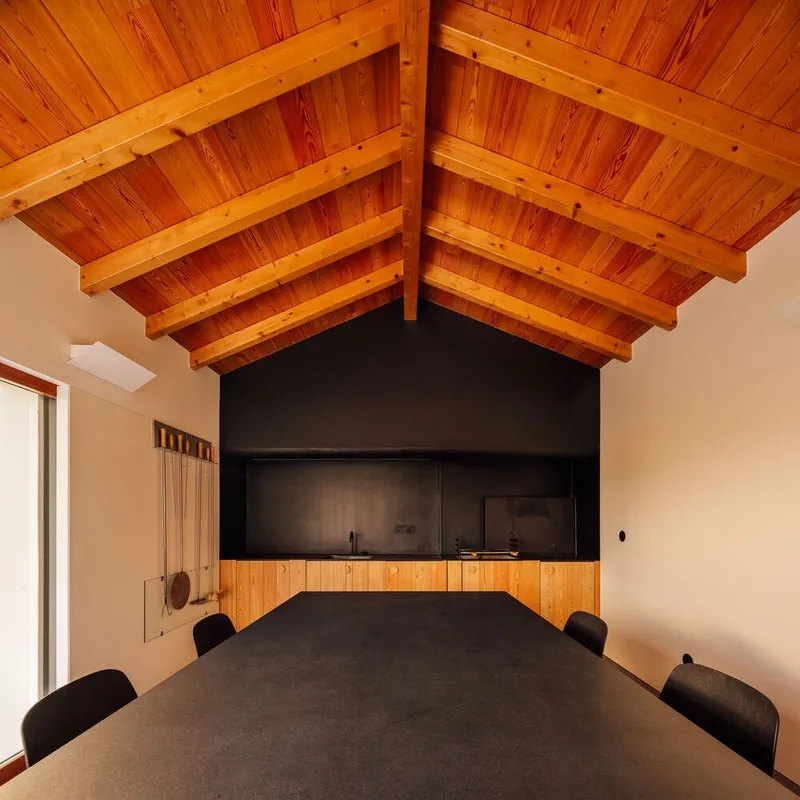
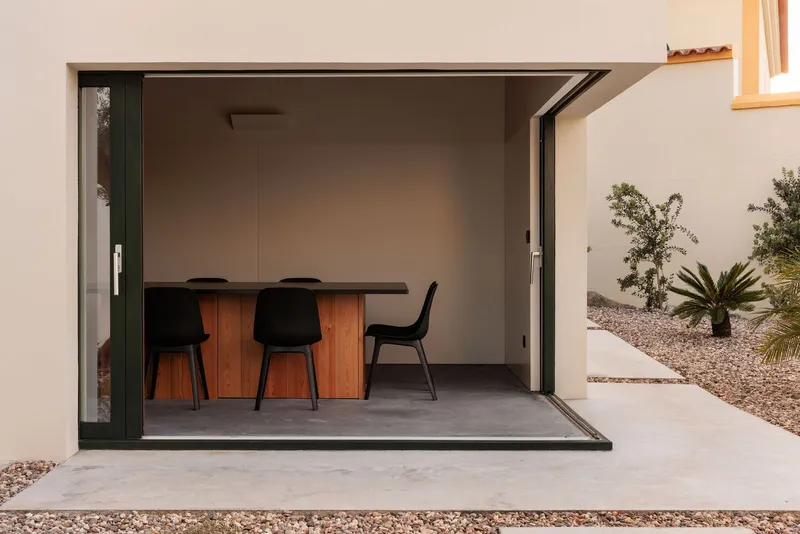
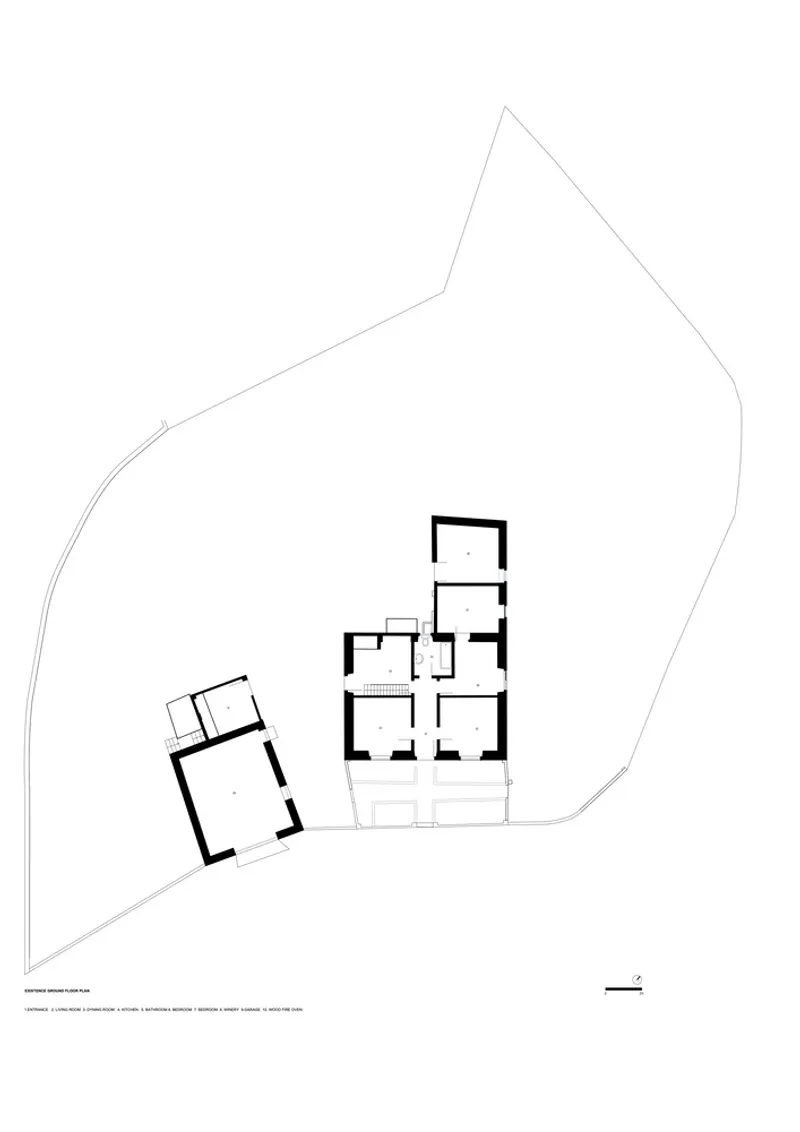
A significant spatial intervention involved the conversion of an old, semi-enclosed wine cellar into a new social area. This gesture allowed for an expanded living room that opens to the garden, maintaining the intimacy of the existing structure while fostering a connection with the landscape. The project’s architectural language is rooted in subtle transformations that elevate everyday experiences without overshadowing the home’s heritage.
Harmonizing Indoors and Outdoors
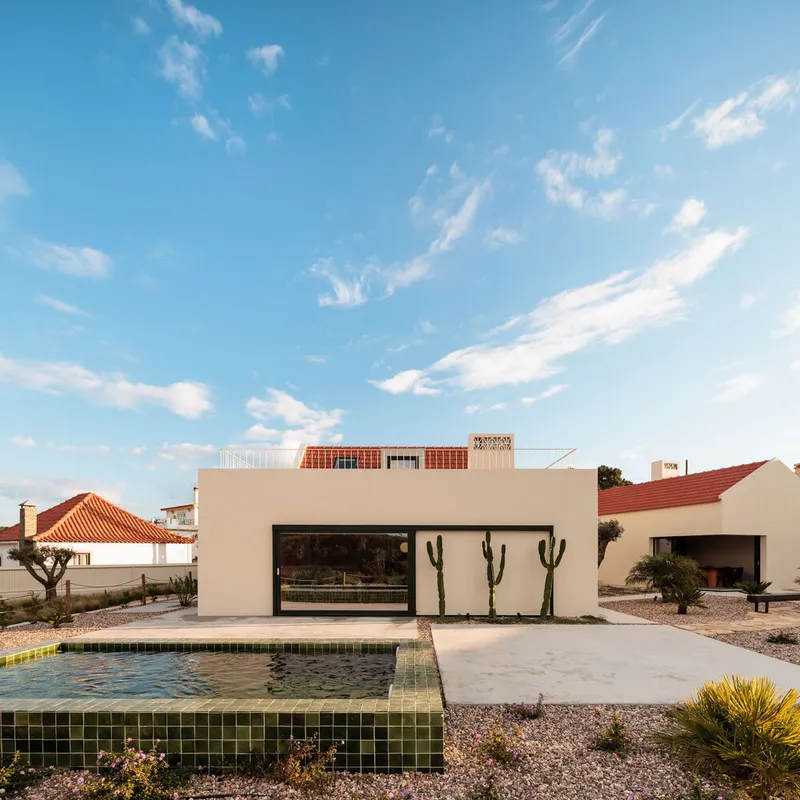
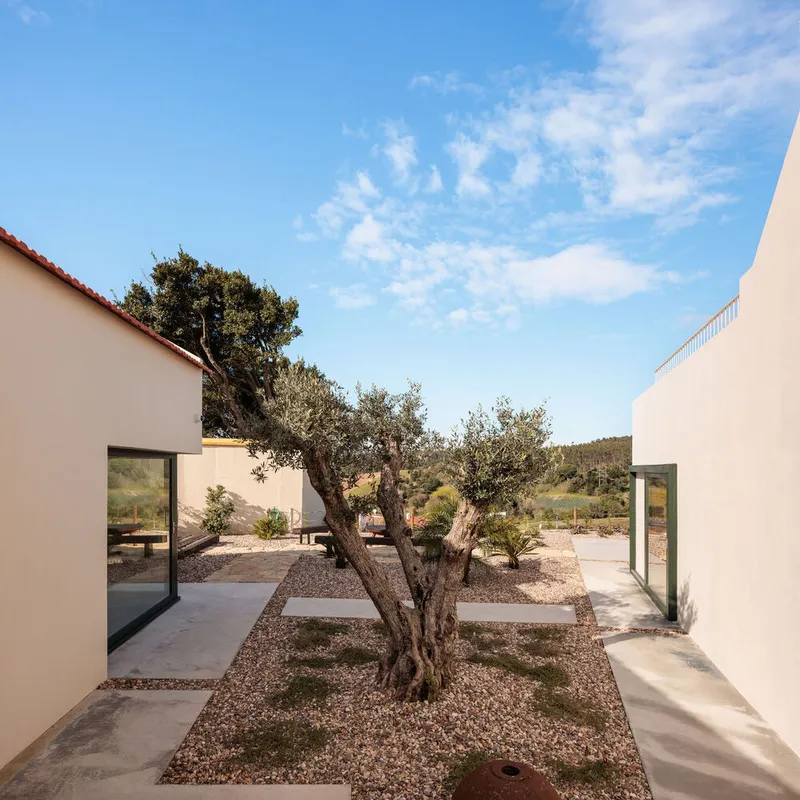
The renovation introduced larger openings to improve the dialogue between interior and exterior environments. These openings create a balance between light, views, and privacy, enhancing the overall sense of spatial fluidity. The previously enclosed bread oven space has been opened to the garden, creating an outdoor living area with a minimalist pool and concrete slabs that articulate circulation and function in the exterior realm.
A Sensitive Approach to Traditional House Renovation
This project is a testament to the power of sensitive design in traditional house renovation. Rather than erasing the past, Manuel Tojal Architects embraced it, allowing old and new elements to coexist and enrich one another. Each intervention respects the building’s material memory while reprogramming its use for contemporary life.
A Renewed Rural Architecture for the Future
The House in Toxofal stands as a poetic example of rural rehabilitation. It reflects a broader movement in architecture that values sustainability through reuse, local materials, and spatial continuity. With its thoughtful layering of old and new, this renovation project offers a timeless lesson in how to breathe life into forgotten spaces without compromising their identity.
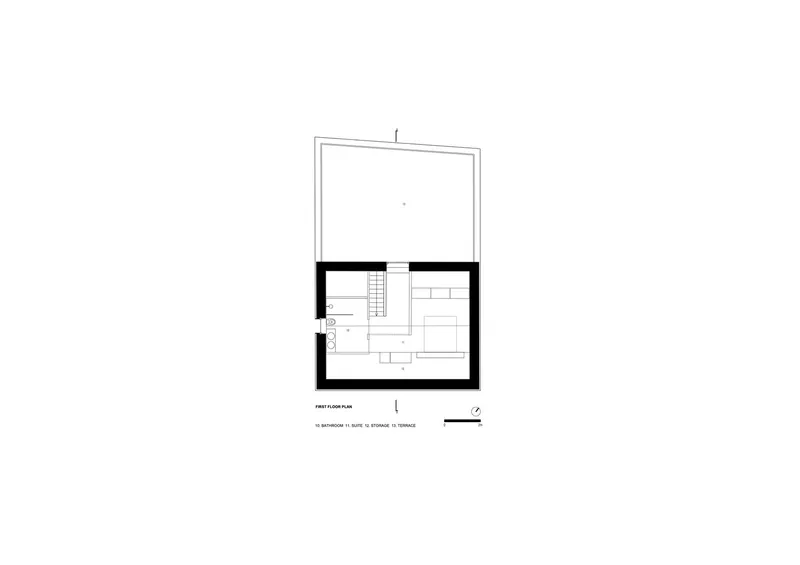
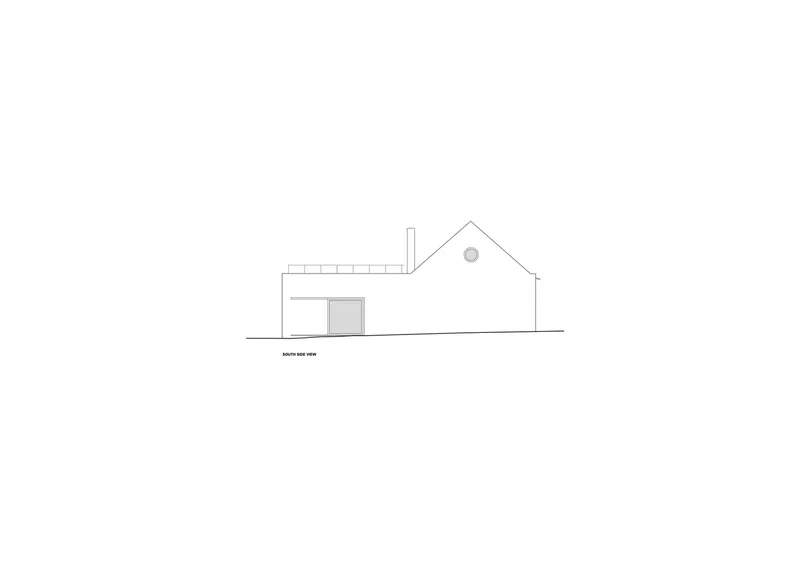
All Photographs are works of Francisco Nogueira




Popular Articles
Popular articles from the community

EW PARK: Sustainable Architecture Reimagines the Future of Urban Parking
EW PARK reimagines city parking as a modular wooden tower combining automation, solar energy, electric mobility, and adaptable urban design.

Co-life: Sustainable Architecture for Age-Friendly Community Living
Co-life reimagines sustainable architecture for seniors through courtyards, rammed earth, shared gardens, and spaces designed for belonging.

The Ocean Hive: Sustainable Architecture for a Self-Sufficient Civilization at Sea
The Ocean Hive imagines sustainable architecture at sea, where modular habitats, algae, wave power and ocean waste sustain a growing colony.

Hill & Cross Opera: Sculptural Opera House Architecture Shaped by Tallinn’s Landscape and Identity
Hill & Cross Opera reimagines opera house architecture in Tallinn through its sculptural hill, civic plaza, glass wave and a luminous cross.

Similar Reads
You might also enjoy these articles


Hodi-Mandai Geram
Project Function: Preservation and revitalization of the Intangible heritage and socio-spatial identity of the Hodi by Housing, Cultural Memory Center, Sacred Grove, landscape, local tourism economy


Olio Towers: A Mid-Rise for Performers That Fuses Housing, Rehearsal, and Stage
Located blocks from Houston's Theater District, this modular tower stacks living units around a central performance atrium.

Oasis: Modular Green Housing Carved into Dhaka's Urban Fabric
A shortlisted Plugin Housing entry reclaims unauthorized settlements in Dhaka with stepped concrete volumes, green roofs, and ventilation-driven design.

Black Hole: A Floating Megastructure for the Post-Physical Era
Emiliano Mazzarotto envisions a spherical, self-scaling arena where e-sports, digital hotels, and holographic stadiums replace traditional public space.


Explore Architecture Competitions
Discover active competitions in this discipline



Challenge to reimagine the Iron Throne


Photograph architecture without architects


Illustrate the lost glory of Angkor Wat - Render Challenge


Design challenge to reuse E-waste
Comments (0)
Please login or sign up to add comments
No comments yet. Be the first to comment!