
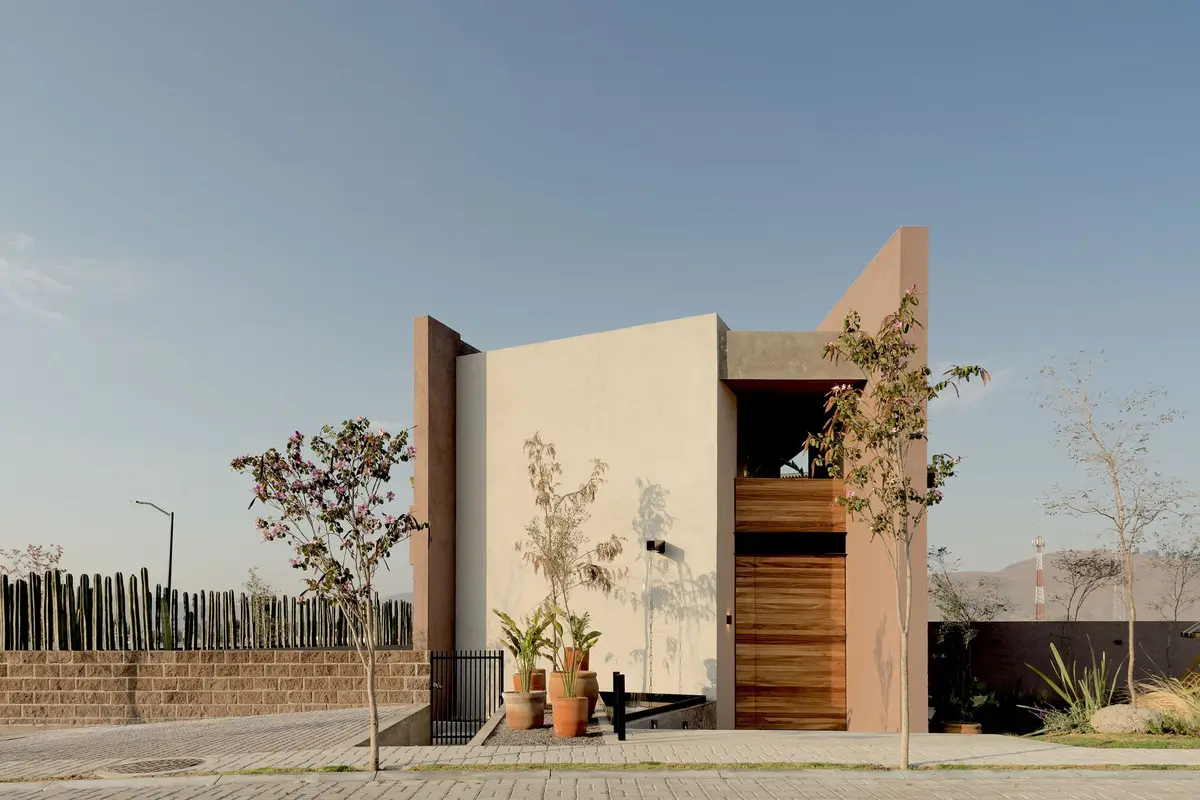
Hull Mexico Park Clubhouse by MXTAD, Tlaxcalancingo, Mexico
A warm, modern clubhouse blending geometry, landscape, and community spaces, creating a central hub for social interaction and relaxation in Mexico.


Hull Mexico Park Clubhouse, designed by MXTAD in collaboration with tulugar.mx, is conceived as both the social heart and architectural identity of a growing residential complex in Tlaxcalancingo, Puebla. More than a shared amenity, the 233 m² building acts as a prototype: setting the tone for future developments within the community while fostering interaction, leisure, and collective living.
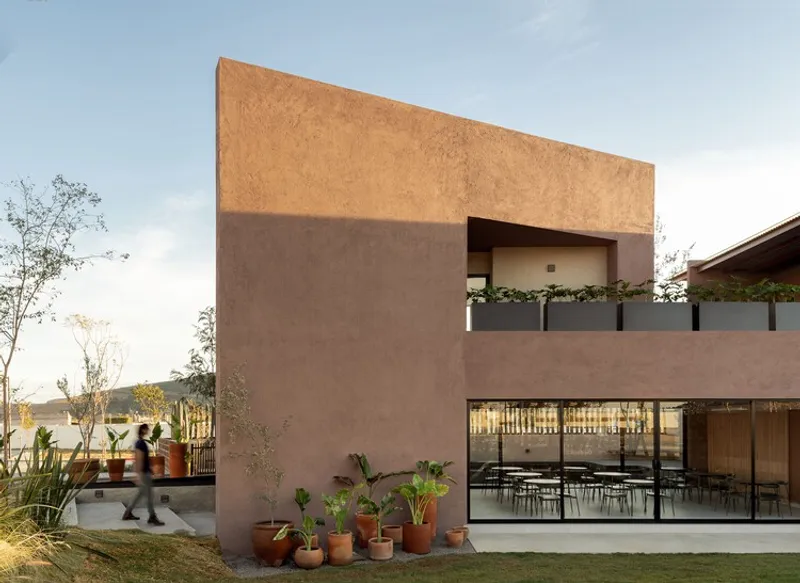
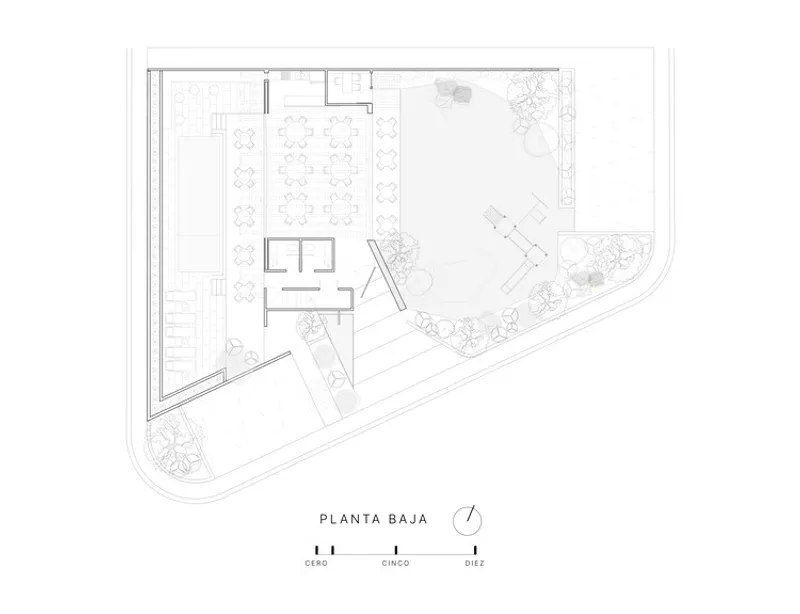
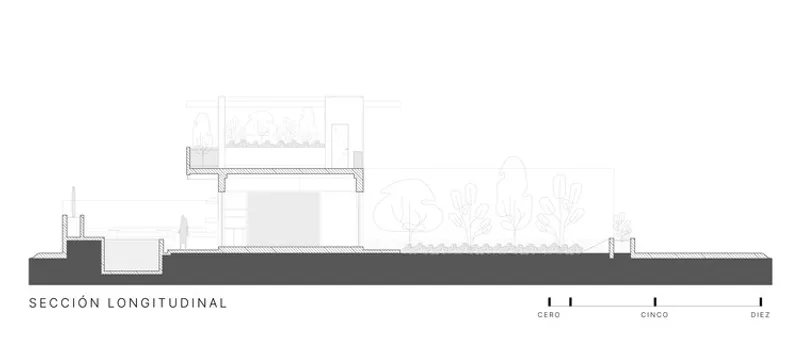
Strategically positioned near the entrance of the cluster, the clubhouse serves as a visual landmark and point of orientation. Its placement responds carefully to the natural topography, using level differences to balance openness with privacy. Rather than imposing itself, the building integrates with the terrain, subtly shaping the landscape to create protected and intimate spaces.
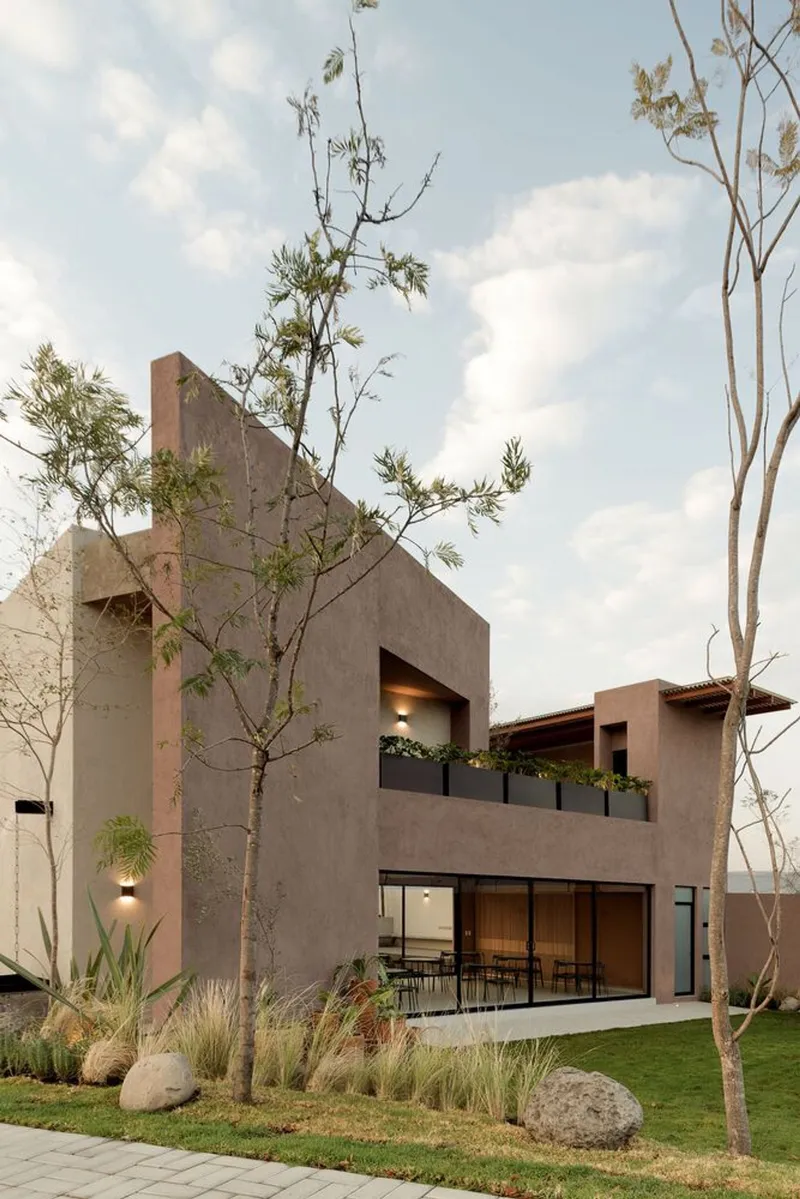
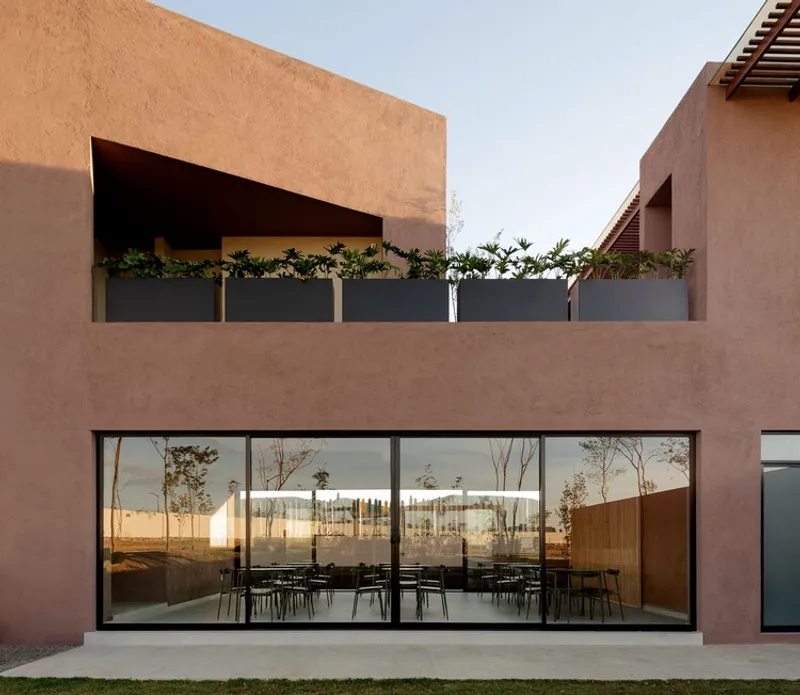
The program is organized across two levels, each responding to different degrees of public and private use. The ground floor, partially sunken below street level, houses the most active and social functions, including a garden, children’s play area, common room, and pool terrace. This level establishes a direct relationship with the outdoors, encouraging informal gatherings and daily interaction among residents.
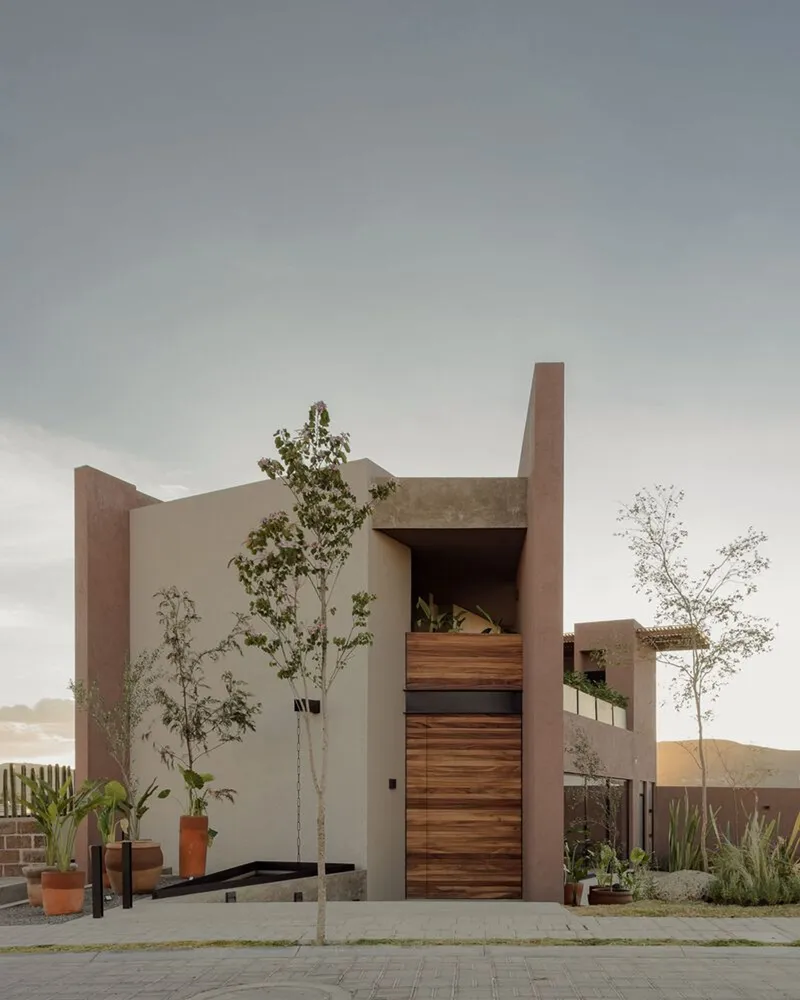
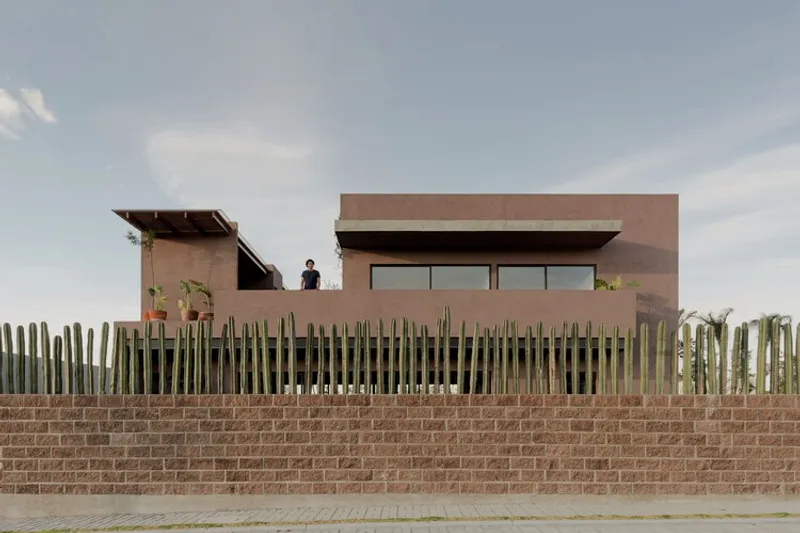
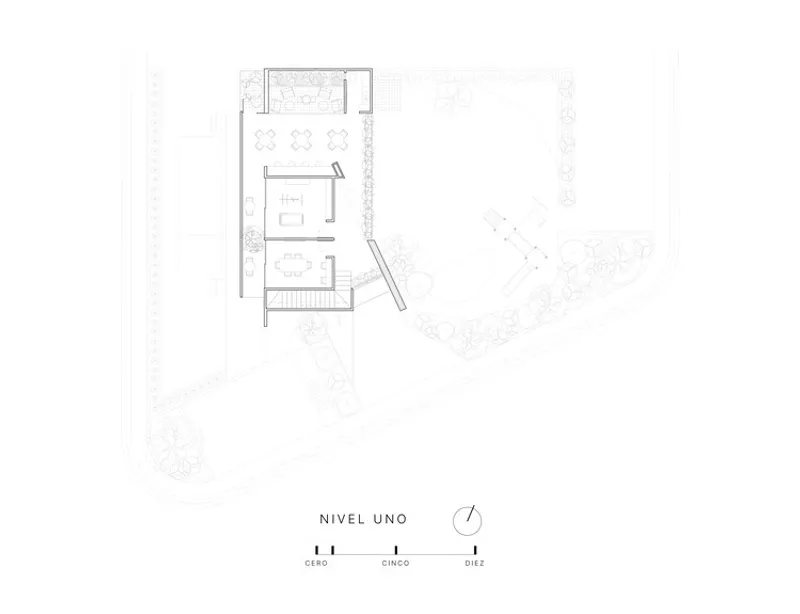
In contrast, the upper level is more शांत and introspective, accommodating a small gym, coworking space, and a contemplative terrace. From here, views are carefully framed, offering moments of pause and reflection while maintaining a connection to the surrounding environment. This vertical zoning allows the building to accommodate diverse activities without compromising spatial clarity.
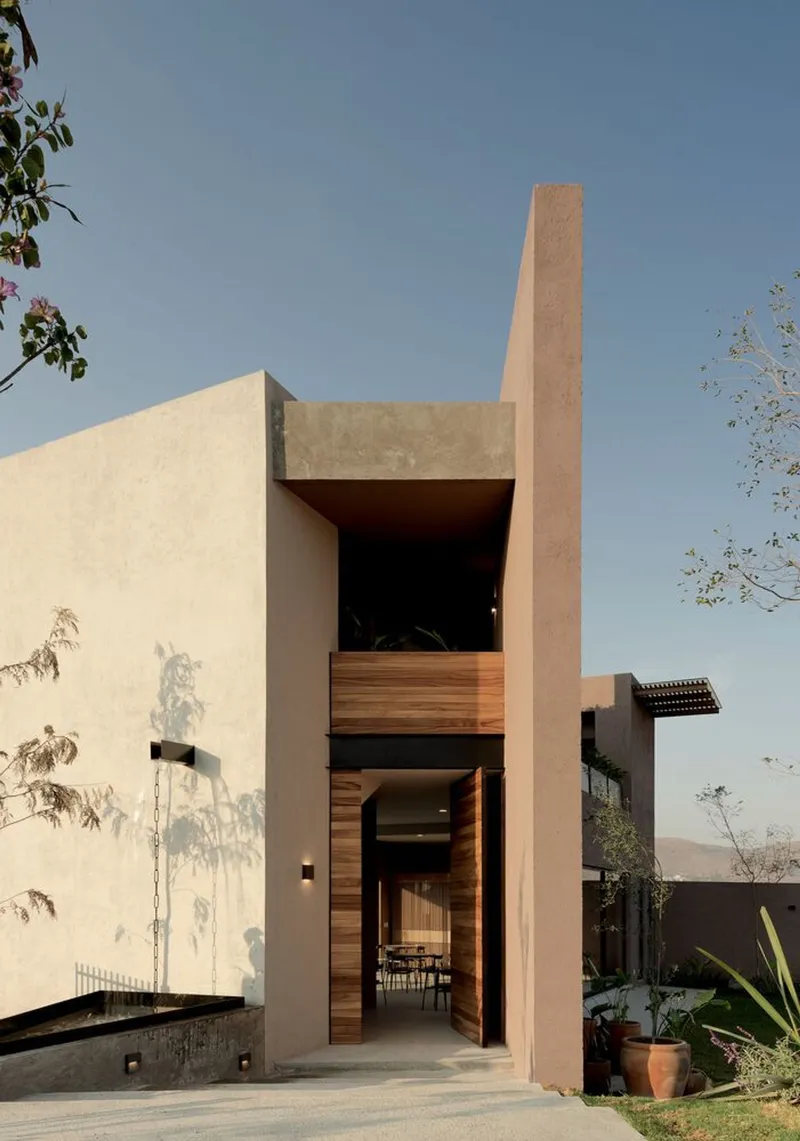
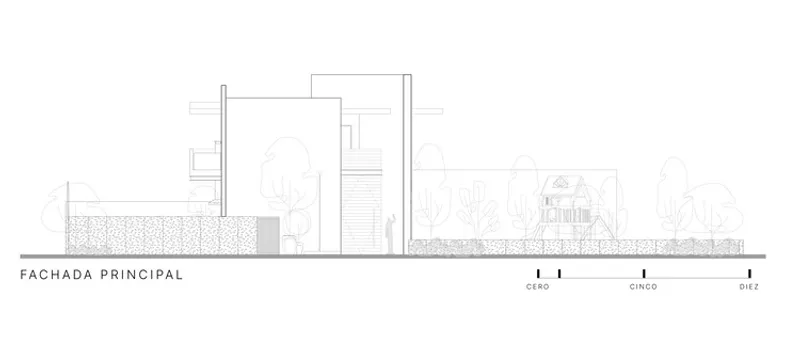
Architecturally, the project draws inspiration from 19th-century Mexican modernist traditions. The composition is based on the interplay of simple geometric planes that intersect to create a dynamic relationship between solid and void. This strategy enhances visual continuity between interior and exterior, allowing spaces to flow seamlessly into one another.
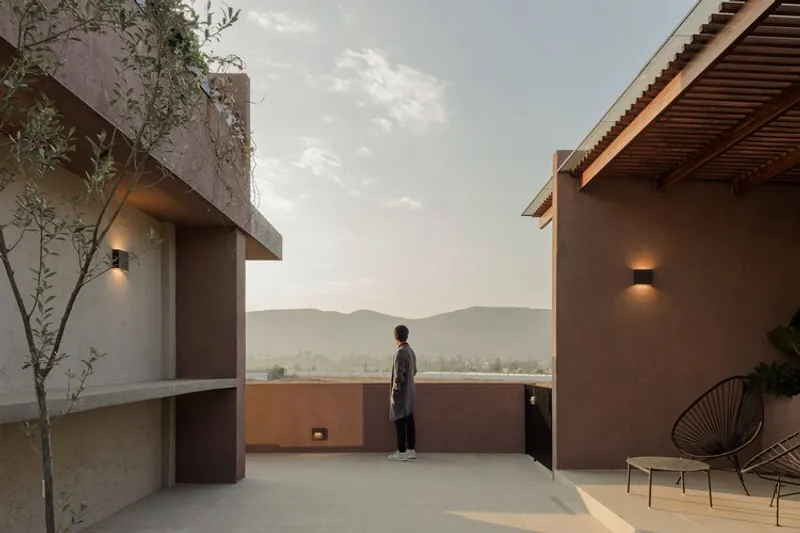
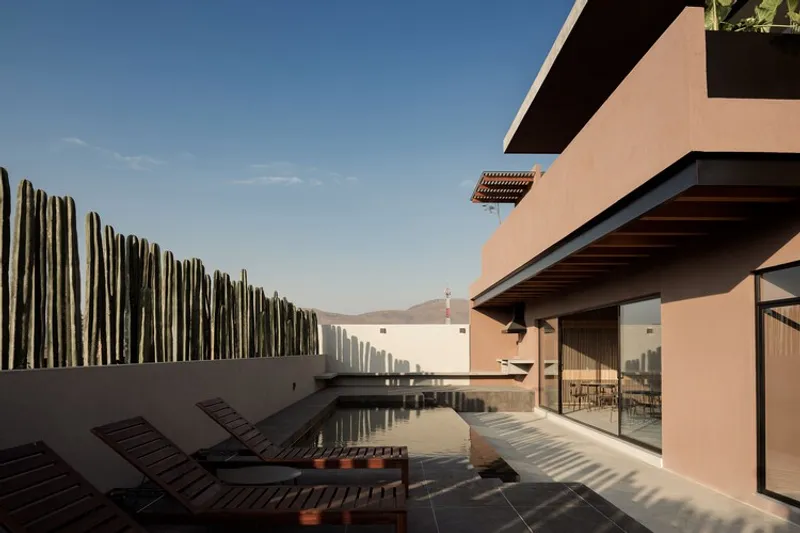
Materiality reinforces this sense of cohesion and identity. Warm-toned rustic plasters dominate the façade, complemented by natural stone and light wood. Together, these materials create a tactile and inviting atmosphere, evoking both tradition and contemporary simplicity. The restrained palette allows light and shadow to play across surfaces, enriching the building’s spatial experience.
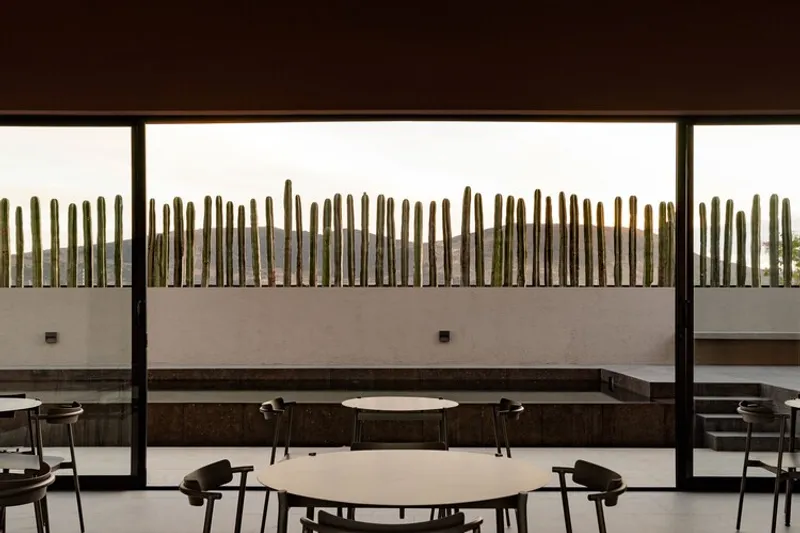
Landscape design plays a crucial role in shaping the overall environment. Native vegetation, including endemic cacti and diverse plant species, is integrated throughout the site, softening the architecture and connecting it to its regional context. Over time, this vegetation is intended to grow and envelop the building, enhancing its relationship with nature.
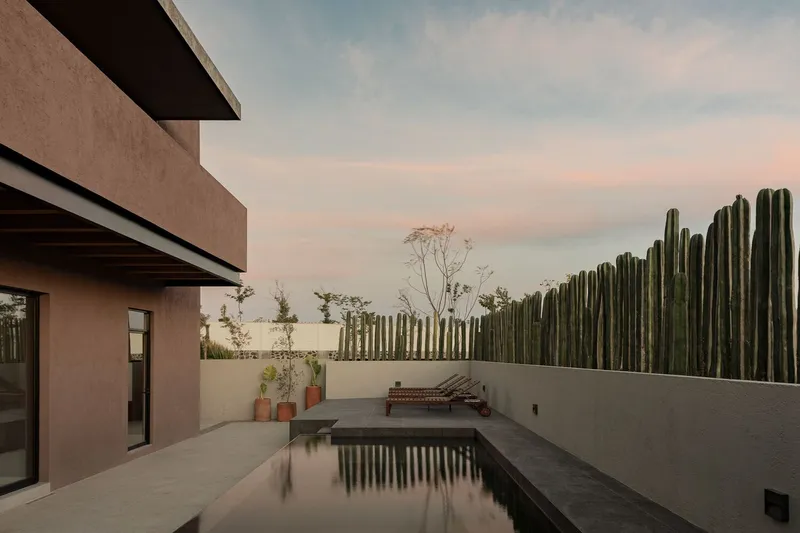
The pool terrace emerges as the central social space where architecture, water, and landscape converge. Here, residents gather, relax, and engage with one another, making it the most vibrant and memorable part of the project.
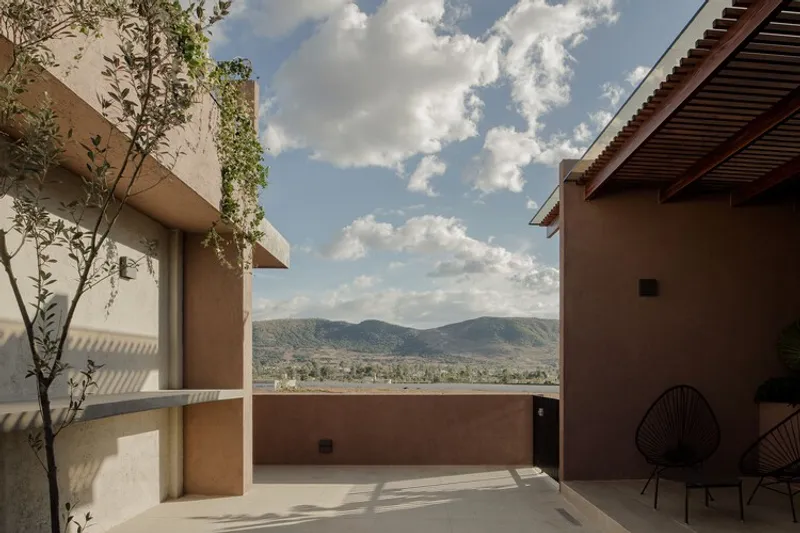
Ultimately, Hull Mexico Park Clubhouse is more than a functional facility, it is a community anchor. By combining thoughtful spatial organization, contextual materiality, and a strong architectural identity, MXTAD creates a space that encourages connection, enhances everyday life, and defines the character of its surroundings.
All the Photographs are works of Amy Bello


Popular Articles
Popular articles from the community


The Musturak Paradise: Senior Living Architecture for a Connected Future in Temara, Morocco
The Musturak Paradise reimagines senior living architecture in Temara via private homes, social spaces, culture, community, and shared care.

Co-Life: Senior Housing Design That Reconnects Older Adults With the City
Co-Life reimagines senior housing design through healing gardens, shared streets, workshops, and a sustainable community across generations.

Little Red Riding Hood: Architectural Design as a Journey Through Fear, Light, and Storytelling
Little Red Riding Hood reimagines the fairy tale through architectural design shaped by fear, light, scale, memory, uncertainty, and choice.

Co-life: Sustainable Architecture for Age-Friendly Community Living
Co-life reimagines sustainable architecture for seniors through courtyards, rammed earth, shared gardens, and spaces designed for belonging.

Similar Reads
You might also enjoy these articles

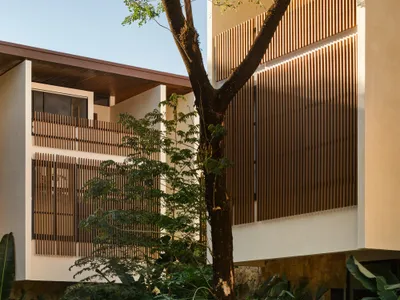
FAMM Arquitectura Organizes Ten Villas Around Courtyards and Jungle in Nosara, Costa Rica
El Molino pairs two elongated volumes with deep overhangs and timber louvers to build a compact coastal community five minutes from the beach.
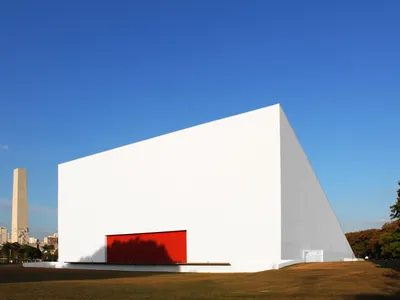
Oscar Niemeyer's Ibirapuera Park Pavilions Define São Paulo's Cultural Identity in Concrete and Curve
A constellation of modernist volumes set within São Paulo's most important urban park, conceived for the city's 400th anniversary in 1954.
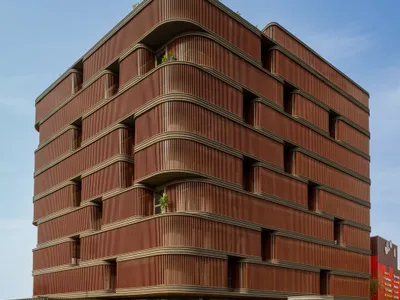
Sanjay Puri Architects Wraps a Jaipur Office Tower in Capsule-Shaped Green Buffers
A nine-level climate-responsive workplace near Jaipur Airport uses stacked planter terraces and aluminium screens to fight 40°C heat.
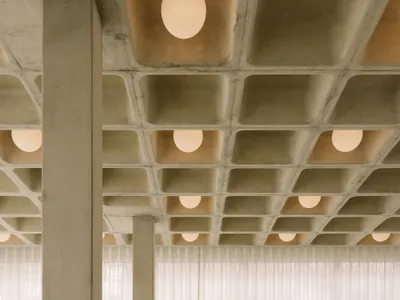
RHO Converts a Berlin Spree-Side Industrial Courtyard into Enkime's 1,000 m² Agency Headquarters
A social media agency's new home in Charlottenburg trades glossy branding for concrete waffle ceilings, glazed tile, and sheer curtains.

Explore Architecture Competitions
Discover active competitions in this discipline

Challenge to reimagine the Iron Throne

Photograph architecture without architects

Illustrate the lost glory of Angkor Wat - Render Challenge

Design challenge to reuse E-waste
Comments (0)
Please login or sign up to add comments
No comments yet. Be the first to comment!