

In Green: A Model of Sustainable Architectural Design for Education
In Green: Redefining education with sustainable architecture—where nature, creativity, and experiential learning come together seamlessly.


Ayatori: Inspiring Creativity and Collaboration
Ayatori, a traditional Japanese game played with strings, encourages creativity and social interaction. It forms the conceptual backbone of the "In Green" project by Zeynep Yenigun, a shortlisted entry in the Experiential Design category, which transforms education into an imaginative, hands-on experience.
Concept: Merging Waldorf Education and Nature
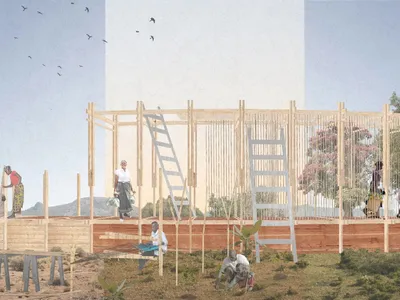
The "In Green" project redefines sustainable architectural design for education. Rooted in Waldorf educational philosophy, it fosters experiential learning by integrating creative spaces into a lush forest environment. This innovative design encourages children to engage with nature while enhancing their manual skills, creativity, and teamwork.
Site and User Profile
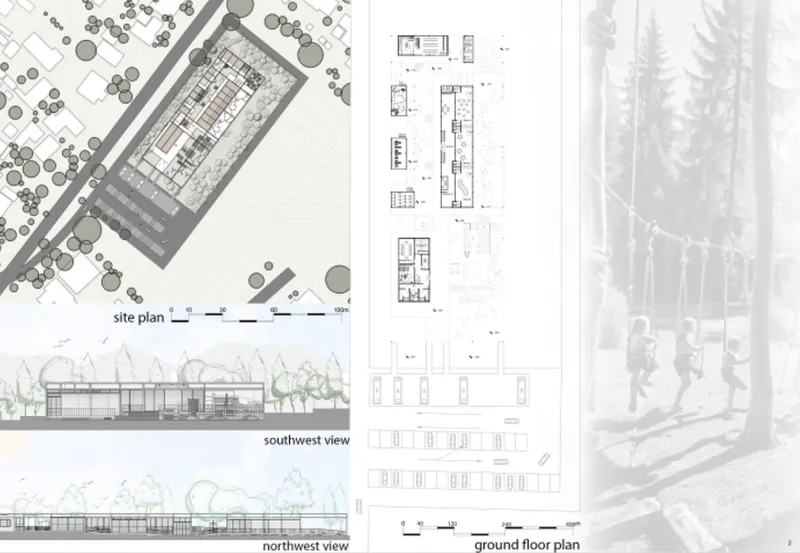
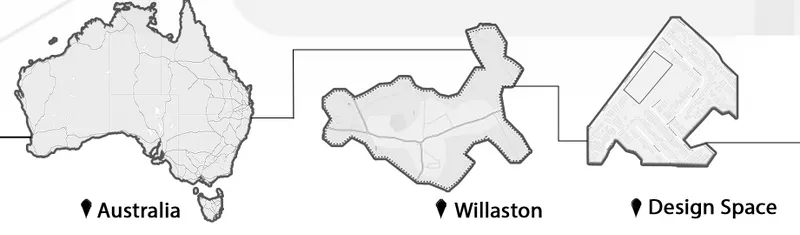
Located in a verdant forest in Australia, the project caters to a diverse age group of children (6–11 years), with classrooms and facilities designed for seamless interaction. The flexible class structures accommodate mixed-age groups, creating a holistic learning environment.
Design Highlights
- Terrain Integration: The architecture adapts to the natural terrain, with structures and flooring aligned to the site's elevation.
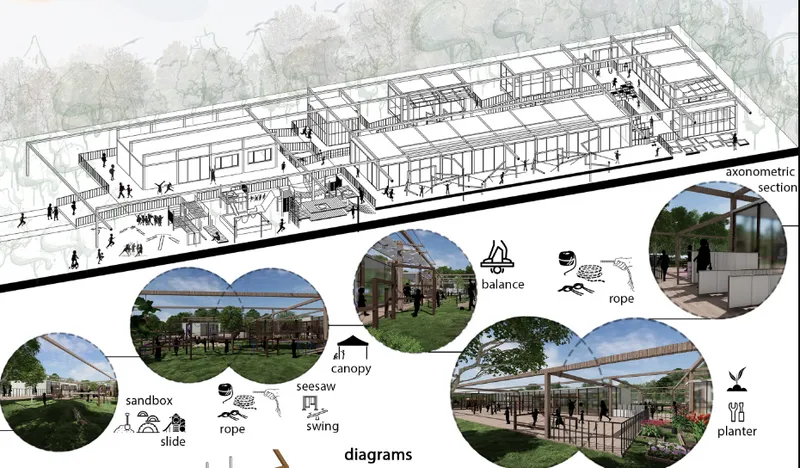
- Green Play Spaces: Play areas encourage imaginative use of ropes, fabrics, and wooden structures, blending creativity with sustainability.
- Functional Zones: The site includes classrooms, administrative units, music and art spaces, a kitchen, and a gardening workshop.
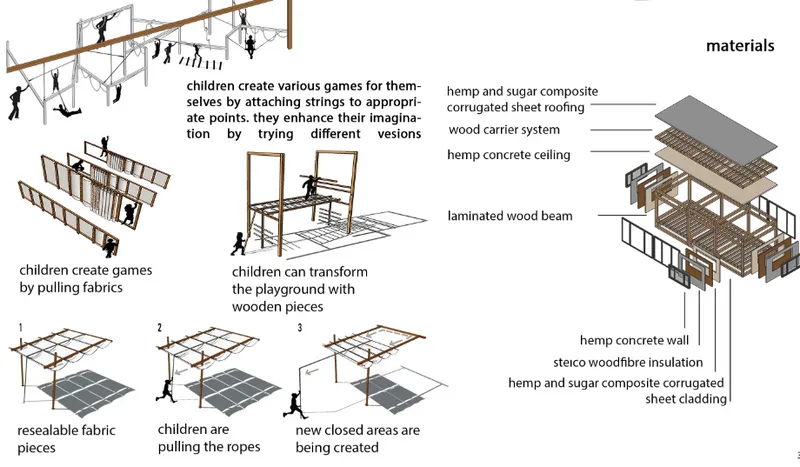
- Eco-Friendly Materials: Built with hemp concrete, laminated wood beams, and sugar-composite roofing, the design emphasizes environmental consciousness.
Experiential Learning in Action
This educational facility immerses children in an environment that bridges architectural design and ecological awareness. Features like resealable fabric play zones and transformable wooden structures allow children to innovate and connect with their surroundings.

The Future of Educational Spaces
"In Green" is a testament to how sustainable architectural design for education can inspire creativity, learning, and a deep connection to nature. By merging eco-friendly materials with innovative play areas, this project sets a benchmark for future educational spaces.




Popular Articles
Popular articles from the community

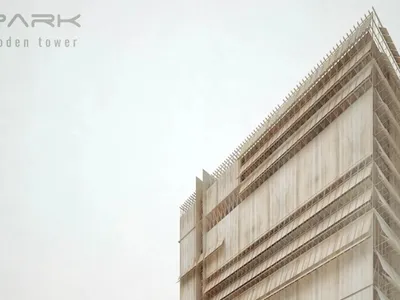
EW PARK: Sustainable Architecture Reimagines the Future of Urban Parking
EW PARK reimagines city parking as a modular wooden tower combining automation, solar energy, electric mobility, and adaptable urban design.

Co-life: Sustainable Architecture for Age-Friendly Community Living
Co-life reimagines sustainable architecture for seniors through courtyards, rammed earth, shared gardens, and spaces designed for belonging.

The Ocean Hive: Sustainable Architecture for a Self-Sufficient Civilization at Sea
The Ocean Hive imagines sustainable architecture at sea, where modular habitats, algae, wave power and ocean waste sustain a growing colony.

Co-Life: Senior Housing Design That Reconnects Older Adults With the City
Co-Life reimagines senior housing design through healing gardens, shared streets, workshops, and a sustainable community across generations.

Similar Reads
You might also enjoy these articles

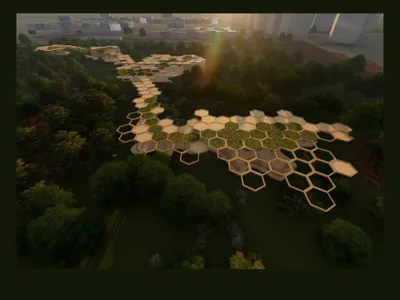
Eco Chapel: A Green Architecture Pavilion Designed in Symbiosis with the Forest
Eco Chapel uses green architecture to weave prayer, learning and reuse into a forest pavilion shaped by modular hexagonal canopies for life.
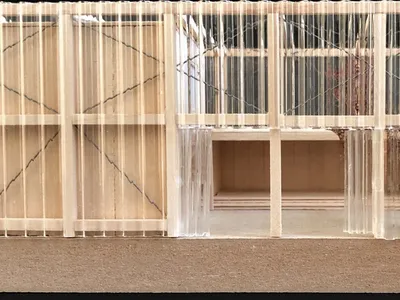
Kaffeebühnen: Coffee Shop Architecture Designed as a Civic Stage Between Vienna’s City and Park
Kaffeebühnen turns coffee shop architecture into a civic stage, linking Vienna’s park edge, urban life, warm timber yards, and coffee craft.
Healing Façade: Sustainable Architecture for Reforestation, Community, and Sacred Ecology in Ethiopia
Healing Façade reimagines sustainable architecture as a living wall that restores soil, catches water and renews Ethiopia's forest churches.


Urban Forest: A Vertical Ecosystem for 5,000 Workers in Singapore's Changi Business Park
Radially stacked pods and layered green decks turn a 7-acre plot into 47 acres of ecological workspace projected for 2040.





Comments (0)
Please login or sign up to add comments
No comments yet. Be the first to comment!