
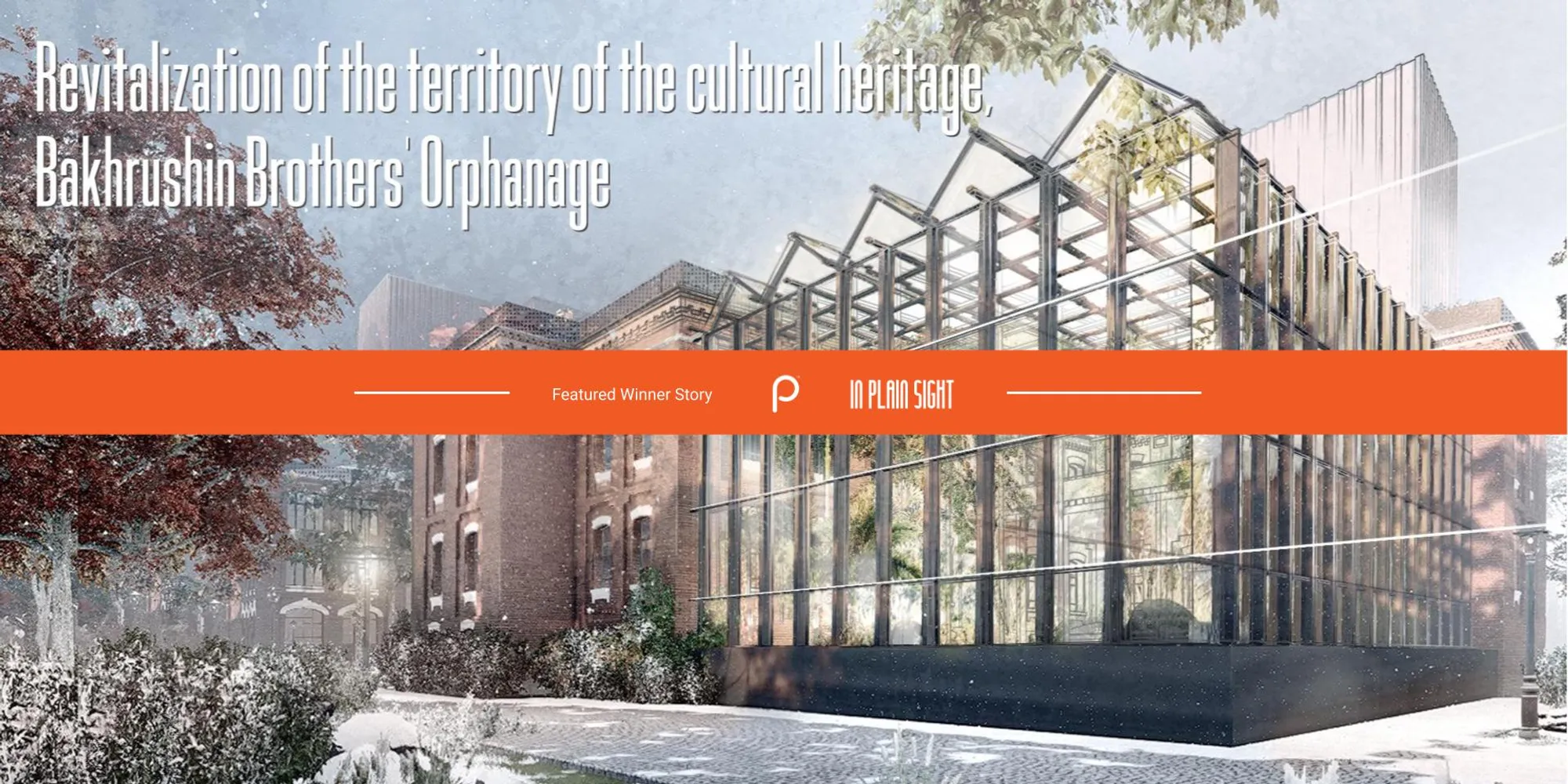
Designing to rejuvenate Urban Voids
In Plain Sight - Result Story


Overview
When systems of infrastructure providing a single-use converge with each other, they produce residual spaces; spaces that are entirely forgotten or spaces whose intended purpose of use has been abandoned and replaced by an assortment of informal activities, thus disrupting the urban fabric, creating an Urban Void.
One such example is when one elevated passageway (roads/highways/bridges) passes over another one, creating a space that is longitudinal and barrier-free, sandwiched between an underpass and an overpass.
When infrastructure is primarily a service that enables human circulation and interaction, can the revival of these unused, underused, or misused spaces only encourage this more?
Do these spaces present an opportunity for a design intervention?
Can a system of infrastructure typically assumed single-use, become multifunctional, allowing different spatial experiences to be created?
Would the addition of programs (services and social) lead to the development of a spatial identity that is reflective of its community?
Can the juxtaposition of various formal and informal programs mean that the space that was once inaccessible, is now accessible to all the members of the community?
Can design help transform these spaces to facilitate and redefine exchanges (service/social), allowing these voids to become seamless within the broader urban fabric?
Brief
Can these spaces be reimagined to become the heart of the community, facilitating creative patterns of use, drawing from the physical, cultural, and social identities that define a place, thus being able to reflect the community’s identity and channel its evolution?
Design Challenge asked to rejuvenate the urban void in question, creating a space that maximized its shared value and re-establishes the context.
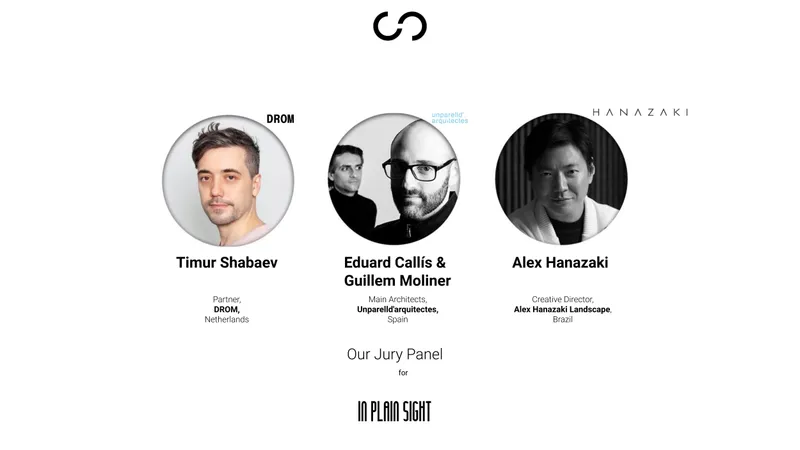
The jury for the competition consisted of esteemed designers, professionals, and academicians from around the world. The Lead Jurors for the competitions were as follows:
Timur Shabaev, Partner, DROM, Netherlands
Eduard Callís & Guillem Moliner, Main Architects, Unparelld'arquitectes, Spain
Alex Hanazaki, Creative Director, Alex Hanazaki Landscape, Brazil
 Some of the Best of competition projects are as follows:
Winning Project: Revitalization of the Bakhrushins` heritage
By: Anna Bogodaeva, Olesia Chentemirova & Ivan Korshakov
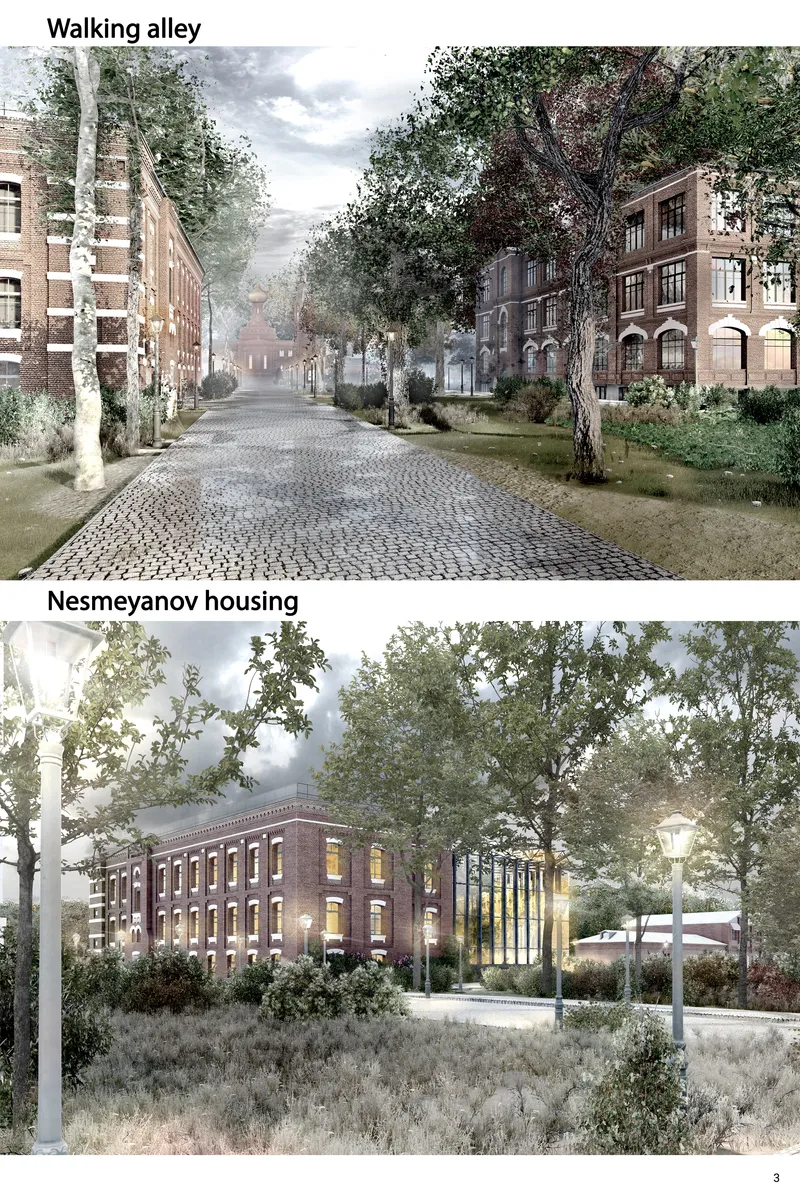
Description: Creation of a family quarter on the territory of the orphanage named after Peter, Alexander, and Vasily Bakhrushin (XIX century, SVAO, Alekseevsky district, 1st Rizhsky lane, 2).
-----------------
People’s Choice: The faces of the Soviet avant-garde
By: Aleksei Timonov, Alexander Demidov, Дмитрий Марачев & Nikolai Sivakov
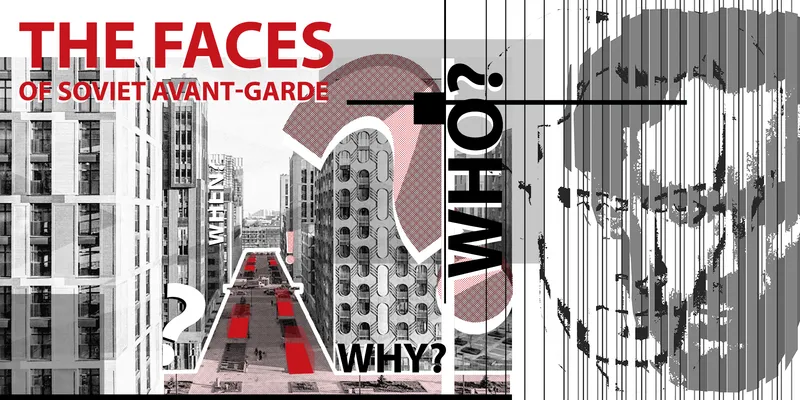
Description: The creation of the art object "Leonidov-the face of the Soviet avant-garde" as part of the open-air museum is aimed at filling the urban environment with meaning, educating and attracting various groups of citizens to learn about the history of their country, as well as creating an additional point of attraction for the district.
-----------------
Editor’s Choice: Garden
By: Mawadah Khalid, Evan Fernandes & Evan Fernandes
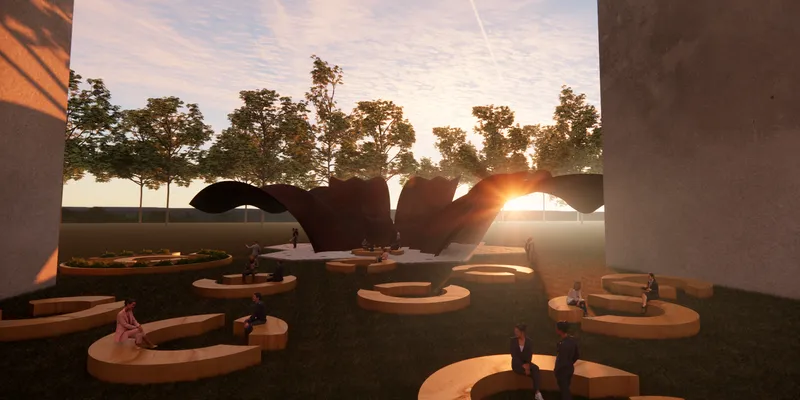
Description: Leaside Bridge is a site where multiple suicides are either attempted or successful each year. Thus we wanted to not only prevent this but to find ways in which we can use our project to aid mental health.
Discover the design brief here: https://uni.xyz/competitions/in-plain-sight/info/about
Discover the full results here: https://uni.xyz/competitions/in-plain-sight/entries
Follow us on social media: Facebook | Instagram | LinkedIn | Twitter | Youtube
Discover other design competitions to participate here: https://uni.xyz/competitions



Popular Articles
Popular articles from the community


The Ocean Hive: Sustainable Architecture for a Self-Sufficient Civilization at Sea
The Ocean Hive imagines sustainable architecture at sea, where modular habitats, algae, wave power and ocean waste sustain a growing colony.

The Earth Pod: 3D Printed Homes for Resilient Refugee Communities
The Earth Pod reimagines refugee housing through 3D printed homes made from clay, combining resilience, self-sufficiency, and rapid shelter.

Conexión: Biophilic Design Reimagines High-Rise Living in Hong Kong
Conexión reimagines high-rise living in Hong Kong through biophilic design, green facades, shared spaces, daylight, water and nature within.

Play: Fragments of Their World
Familiar architecture becomes modular playground design, creating safe spaces where displaced children can learn, connect, imagine and play.

Similar Reads
You might also enjoy these articles

Lunar Spiral: Space Architecture Shaped by the Mathematics of the Universe
Lunar Spiral reimagines space architecture through Fibonacci geometry, lunar regolith, levitating habitats, and self-sustaining Moon living.
The Main Dream: Modular Architecture for Play, Learning, and Community
A modular playground turns recycled plastic into adaptable spaces where refugee children can play, build, learn, and reconnect.
Play: Fragments of Their World
Familiar architecture becomes modular playground design, creating safe spaces where displaced children can learn, connect, imagine and play.

Wadi Rum Observatory: Desert Architecture Designed for the Night Sky
Wadi Rum Observatory turns desert architecture into a quiet instrument for astronomy, hiding research spaces under Jordan's starlit terrain.

Comments (0)
Please login or sign up to add comments
No comments yet. Be the first to comment!