
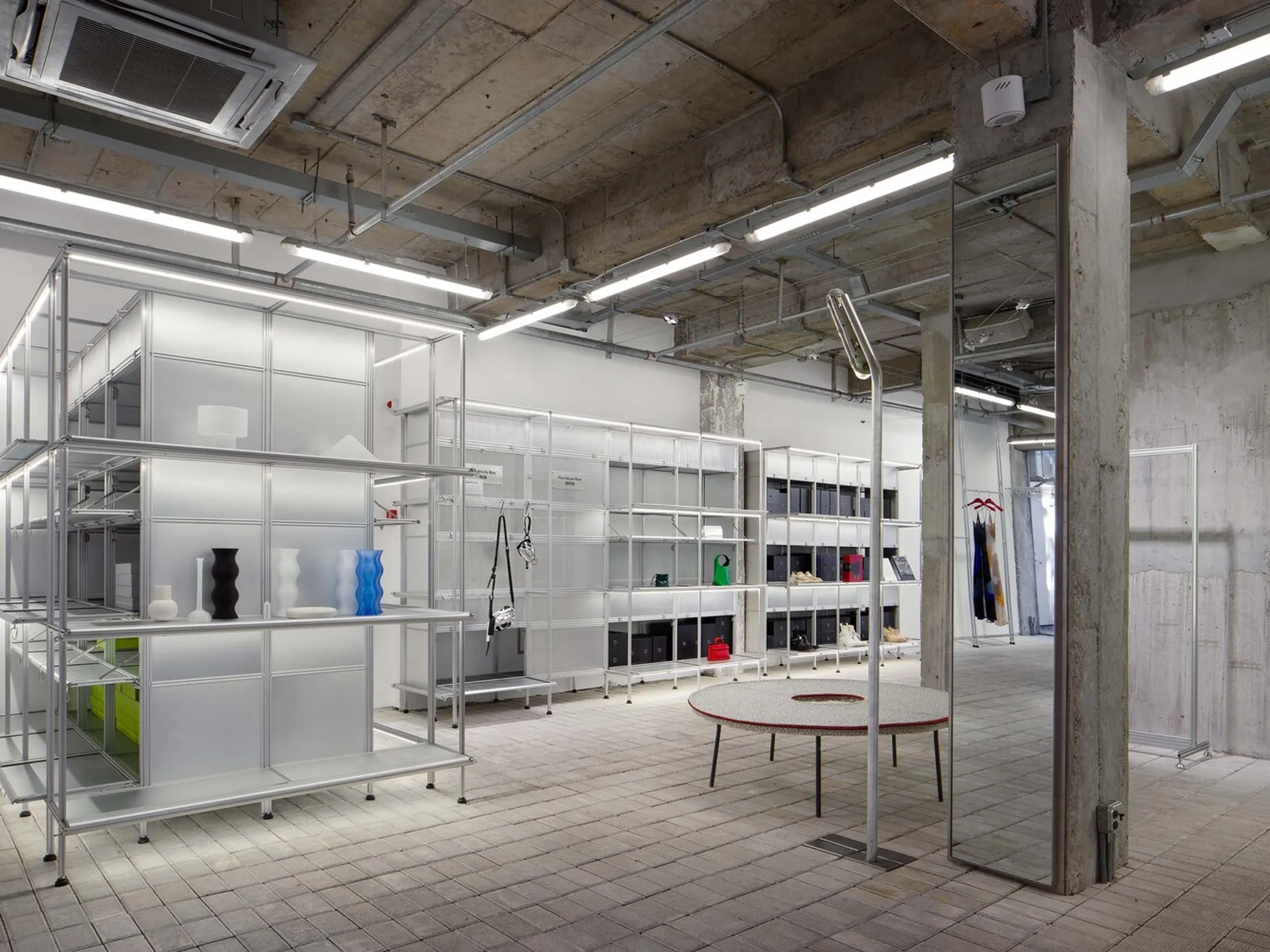
In the PARK Anfu Rd Store by CASE PAVILION
A modular retail renovation in Shanghai by CASE PAVILION optimizing space, storage, and display through functionalist design and urban material expression.


Redefining Retail Space through Functionalist Design in Shanghai
Located along the vibrant Anfu Road in Shanghai, In the PARK by CASE PAVILION reimagines the relationship between retail functionality and architectural clarity. Completed in 2021, this 160-square-meter multi-brand boutique represents a meticulous renovation that merges industrial rationality, modular systems, and urban texture into a cohesive retail experience.
Context and Design Challenge
When CASE PAVILION was invited to redesign In the PARK, the boutique had already operated for three and a half years. Over time, its brand identity had matured, yet spatial limitations began to affect functionality. The architects were tasked with improving spatial efficiency, storage, and display flexibility—all within a short construction period and minimal intervention.
The challenge resembled an urban condition: a compact plot facing the pressures of growth, diversity, and limited space. Storage areas and merchandising displays overlapped, while different brands competed for visibility. The goal was clear—maximize spatial productivity while maintaining aesthetic coherence.
Analytical Approach and Functional Strategy
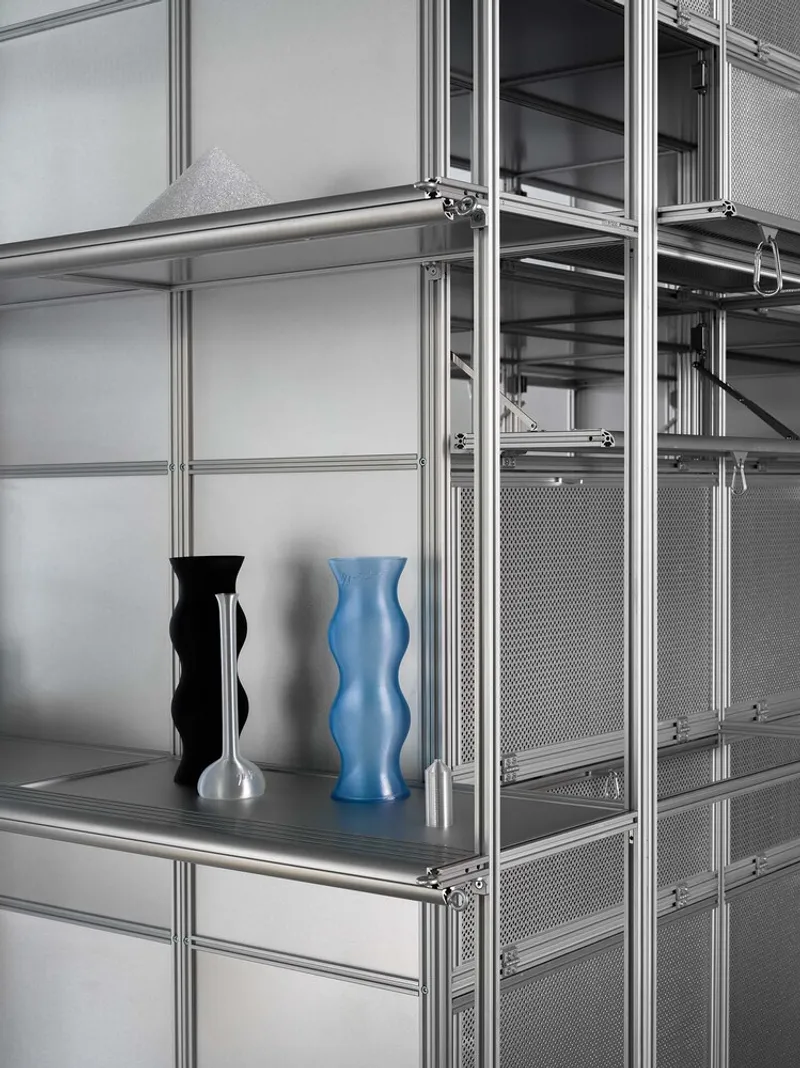
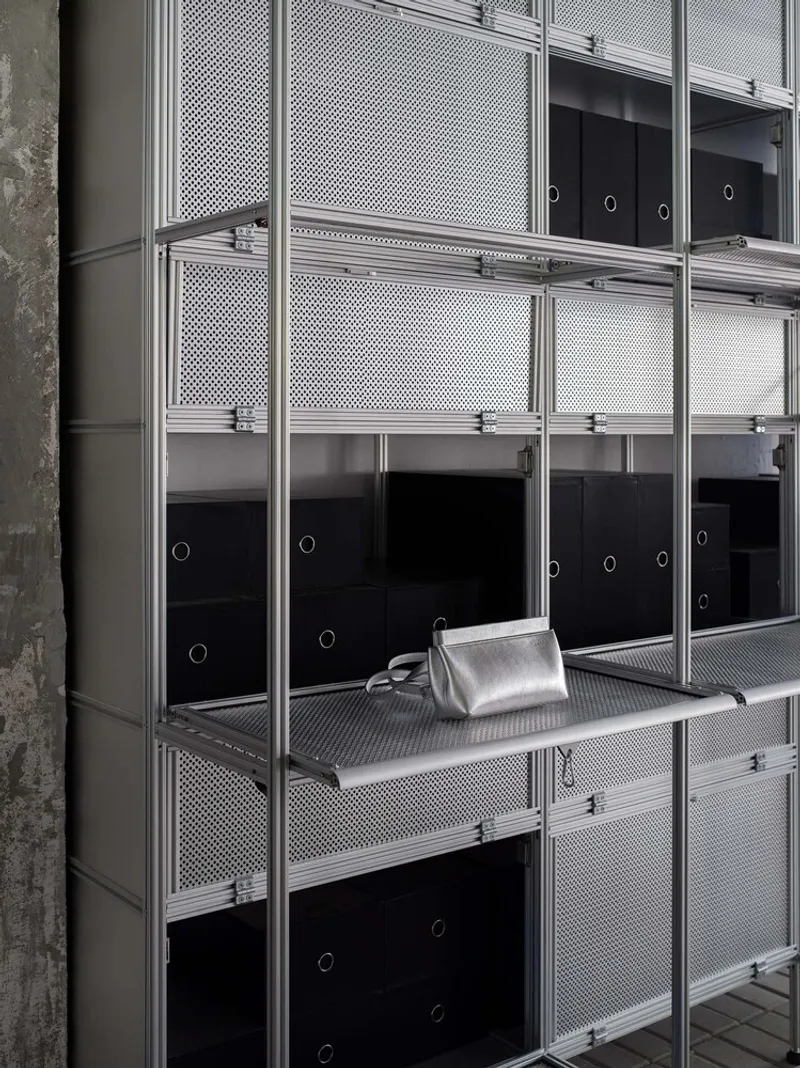
The project began with a thorough inventory analysis of the boutique’s SKU, packaging, and storage patterns. By consolidating and measuring existing materials, the architects designed high-density modular display systems that doubled as storage.
Inspired by Le Corbusier’s Unité d’Habitation and socialist mass housing models, CASE PAVILION developed a lightweight, flexible aluminum structure reminiscent of prefabricated panel blocks. These modules provide ample light, ventilation, and organization while allowing versatile display configurations. The double-layer storage panels can be flipped to create visual depth, light gaps, and varied presentation modes—embodying efficiency and adaptability.
Industrial Rationality Meets Retail Elegance
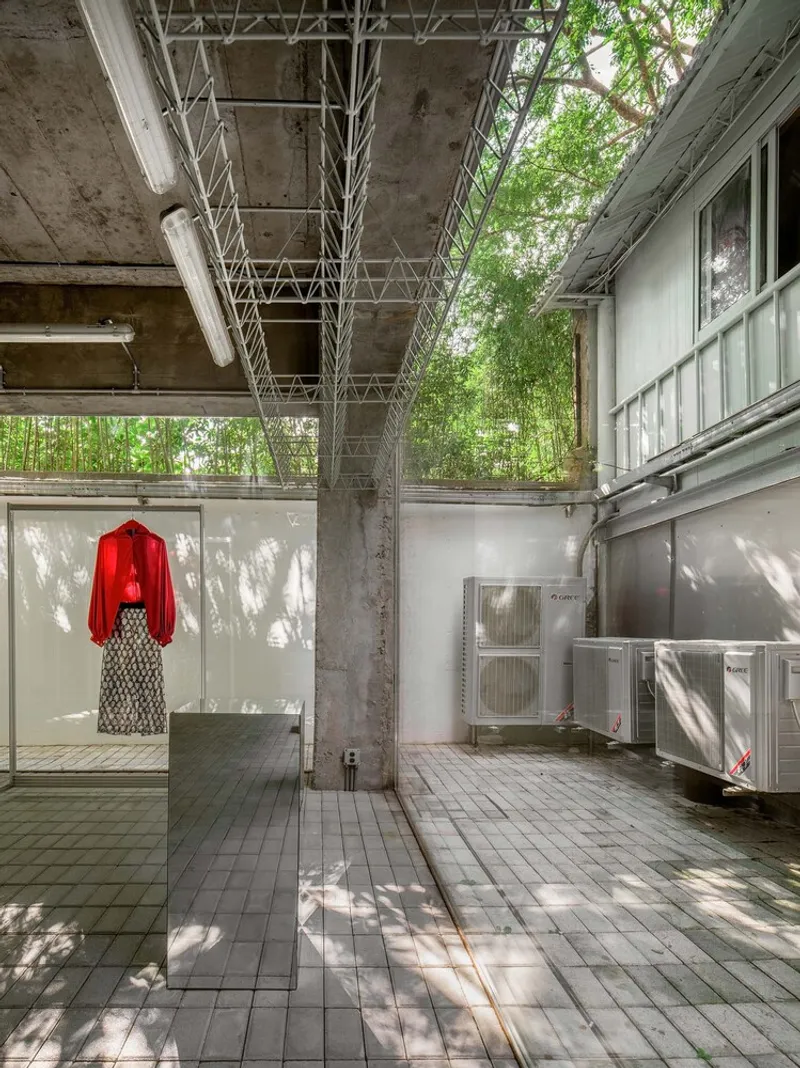
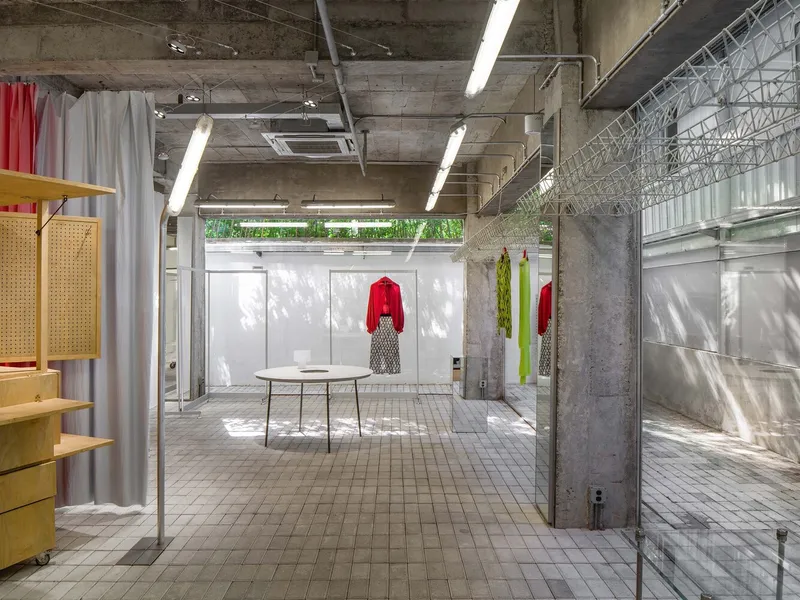
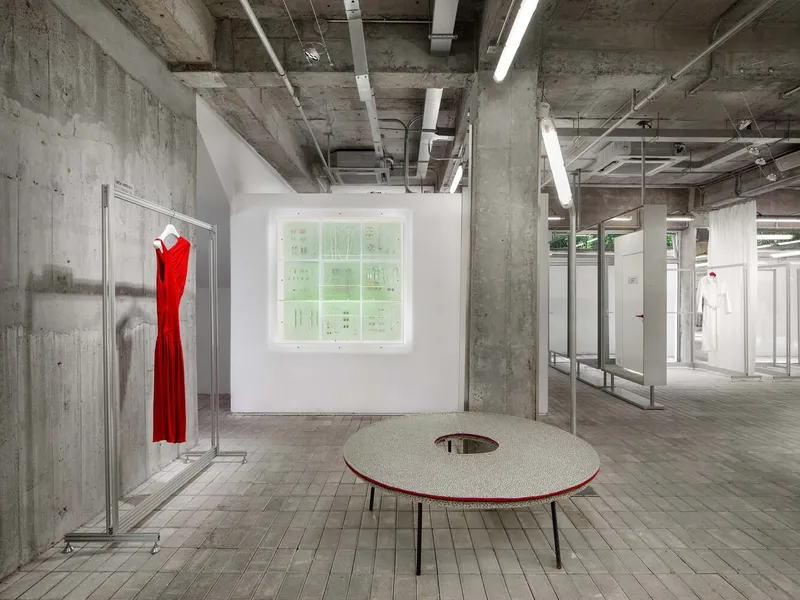
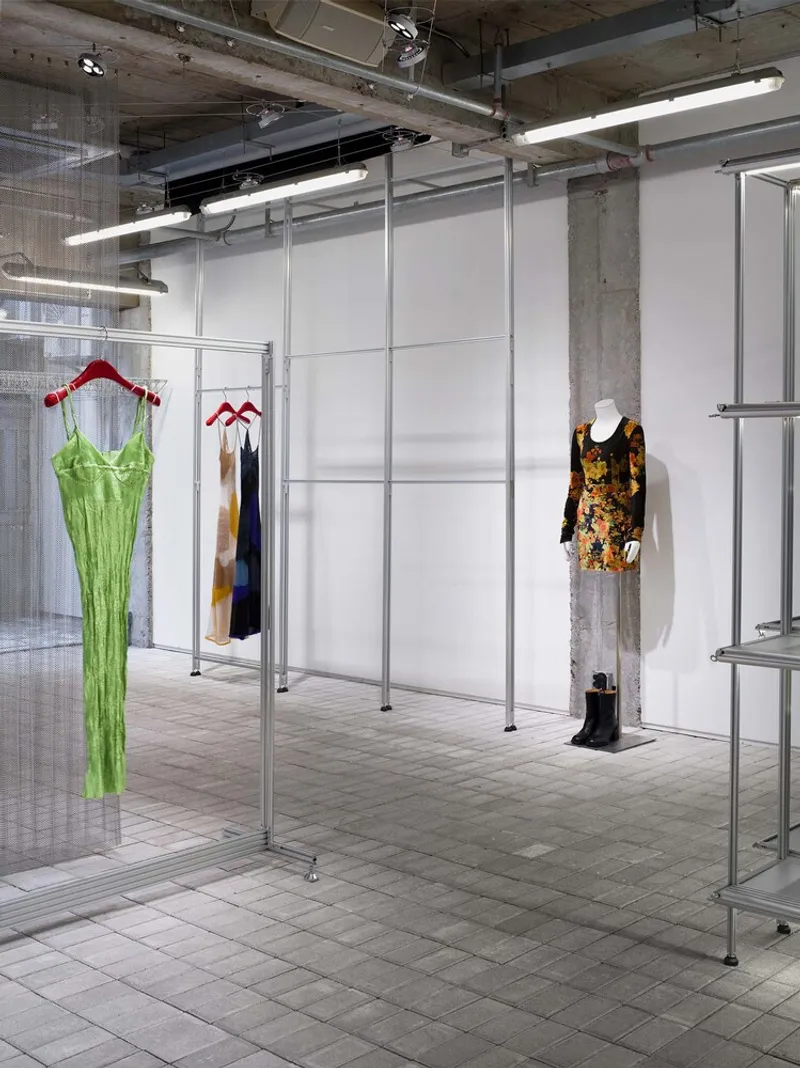
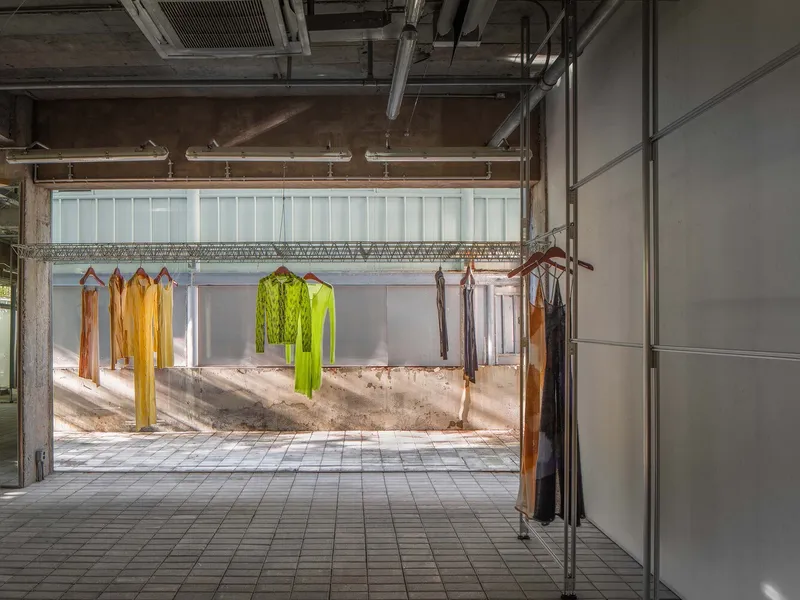
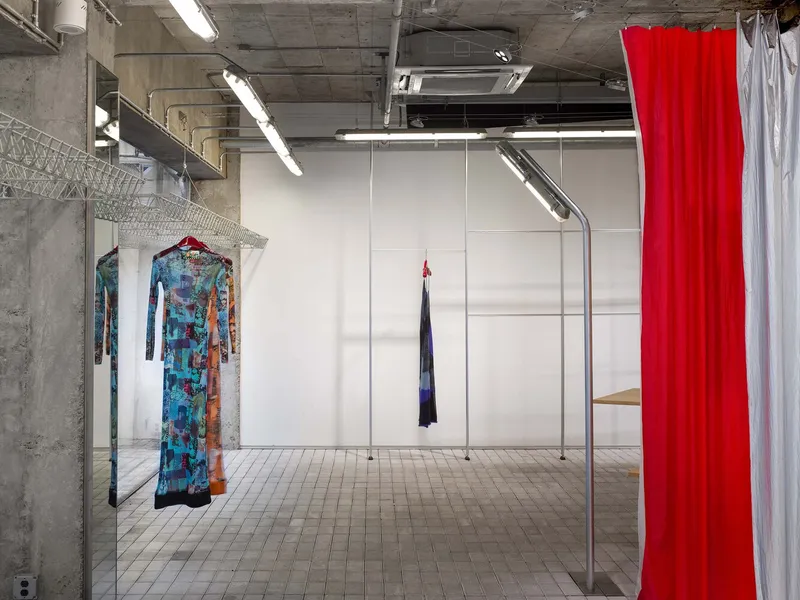
CASE PAVILION adopted a functionalist design philosophy, merging the logic of civil engineering with the sensitivity of retail interiors. The main display element—a space truss rack—spans the central area and supports hanging garments while maintaining openness and transparency. The truss system is structurally efficient, eliminating freestanding racks and visually integrating the backyard and glass façade into the retail environment.
This approach not only enhances spatial continuity but also allows clothing to be viewed from multiple angles and depths, providing an immersive shopping experience.
Materiality and Urban Texture
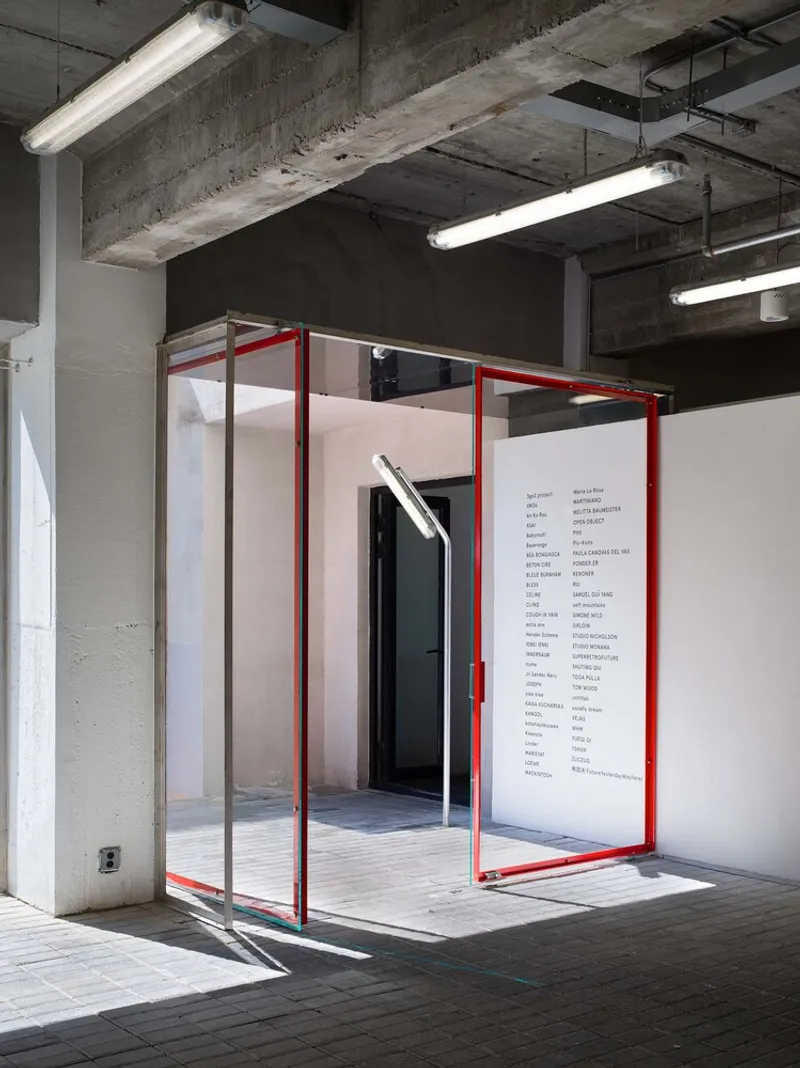
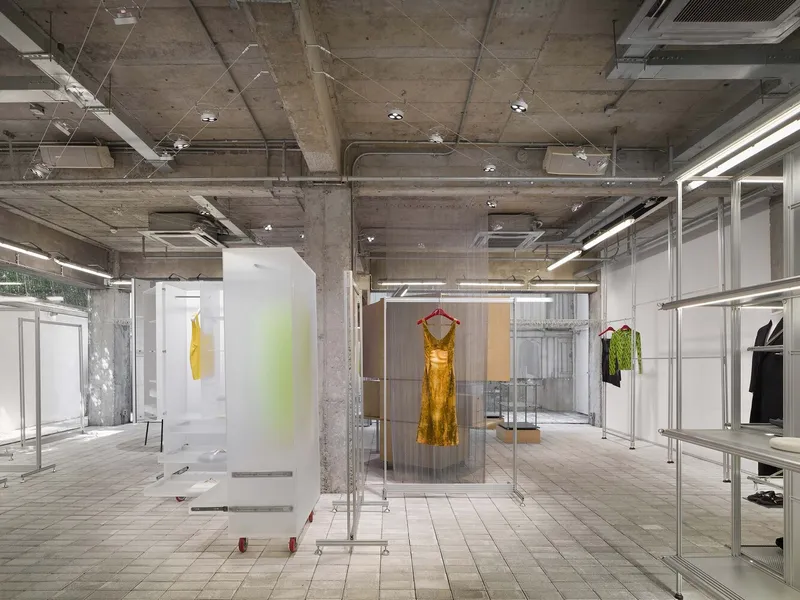
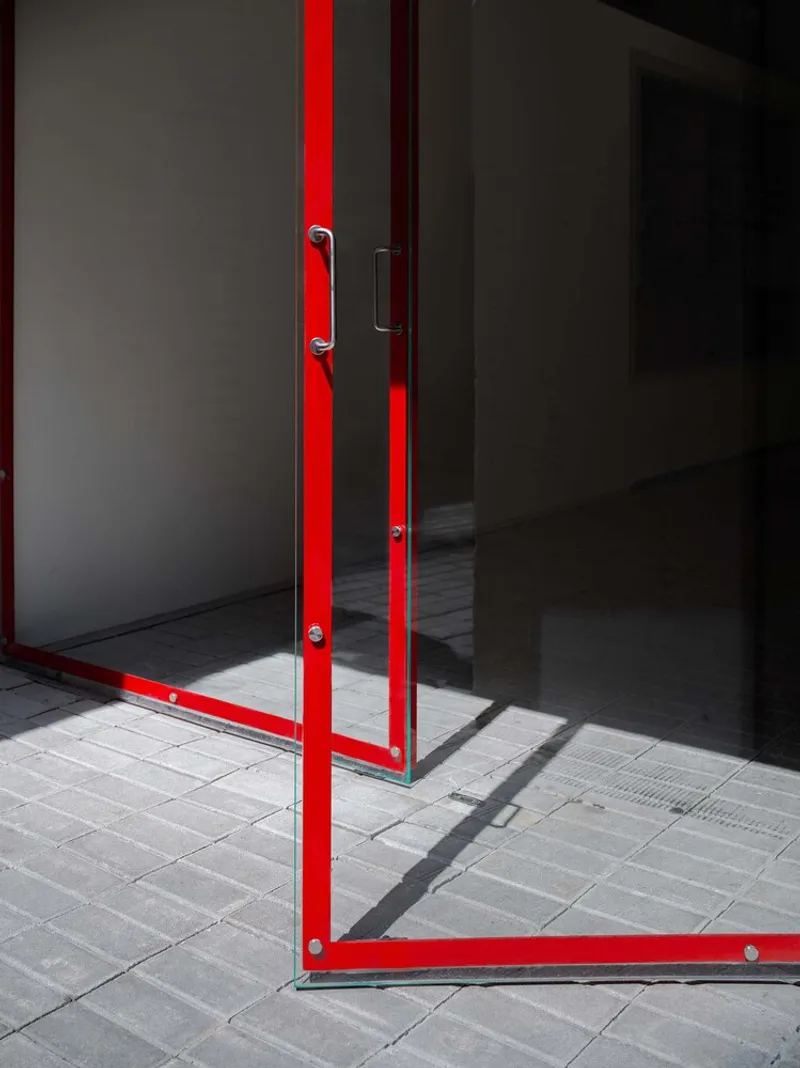
The design draws inspiration from urban Shanghai’s visual and material language. Elements like hidden-frame glass doors, industrial tri-proof lighting, and metal inlays in cement flooring recall the textures of parking lots, gymnasiums, and public streets. These details evoke a subtle sense of nostalgia—transforming everyday infrastructure into poetic architectural gestures.
As the renovation concluded, the architects chose to reveal the existing backyard rather than conceal it. Rusted steel bike sheds, exposed air-conditioning units, and moss-covered ground surfaces became integral parts of the store’s identity—a raw reflection of urban authenticity.
A Microcosm of Urban Life
In the PARK encapsulates the spirit of urban coexistence, where function and emotion, rawness and refinement, intersect seamlessly. CASE PAVILION’s design celebrates the micro-public essence of city life—creating a space where commercial purpose meets architectural introspection.
No matter how rapidly Shanghai evolves, In the PARK remains a quiet stage for observing and constructing everyday beauty within the urban fabric.
All Photographs are works of Di Zhu




Popular Articles
Popular articles from the community


The Musturak Paradise: Senior Living Architecture for a Connected Future in Temara, Morocco
The Musturak Paradise reimagines senior living architecture in Temara via private homes, social spaces, culture, community, and shared care.
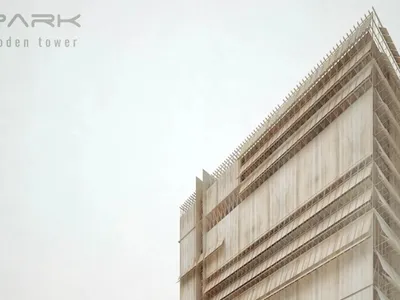
EW PARK: Sustainable Architecture Reimagines the Future of Urban Parking
EW PARK reimagines city parking as a modular wooden tower combining automation, solar energy, electric mobility, and adaptable urban design.

Conexión: Biophilic Design Reimagines High-Rise Living in Hong Kong
Conexión reimagines high-rise living in Hong Kong through biophilic design, green facades, shared spaces, daylight, water and nature within.

Co-Life: Senior Housing Design That Reconnects Older Adults With the City
Co-Life reimagines senior housing design through healing gardens, shared streets, workshops, and a sustainable community across generations.
Similar Reads
You might also enjoy these articles


Hodi-Mandai Geram
Project Function: Preservation and revitalization of the Intangible heritage and socio-spatial identity of the Hodi by Housing, Cultural Memory Center, Sacred Grove, landscape, local tourism economy


Olio Towers: A Mid-Rise for Performers That Fuses Housing, Rehearsal, and Stage
Located blocks from Houston's Theater District, this modular tower stacks living units around a central performance atrium.

Oasis: Modular Green Housing Carved into Dhaka's Urban Fabric
A shortlisted Plugin Housing entry reclaims unauthorized settlements in Dhaka with stepped concrete volumes, green roofs, and ventilation-driven design.

Black Hole: A Floating Megastructure for the Post-Physical Era
Emiliano Mazzarotto envisions a spherical, self-scaling arena where e-sports, digital hotels, and holographic stadiums replace traditional public space.

Explore Interior Design Competitions
Discover active competitions in this discipline


Challenge to design luxury tourism on rails


Challenge to reimagine the Iron Throne


Photograph architecture without architects


VR headsets Storefront design competition
Comments (0)
Please login or sign up to add comments
No comments yet. Be the first to comment!