
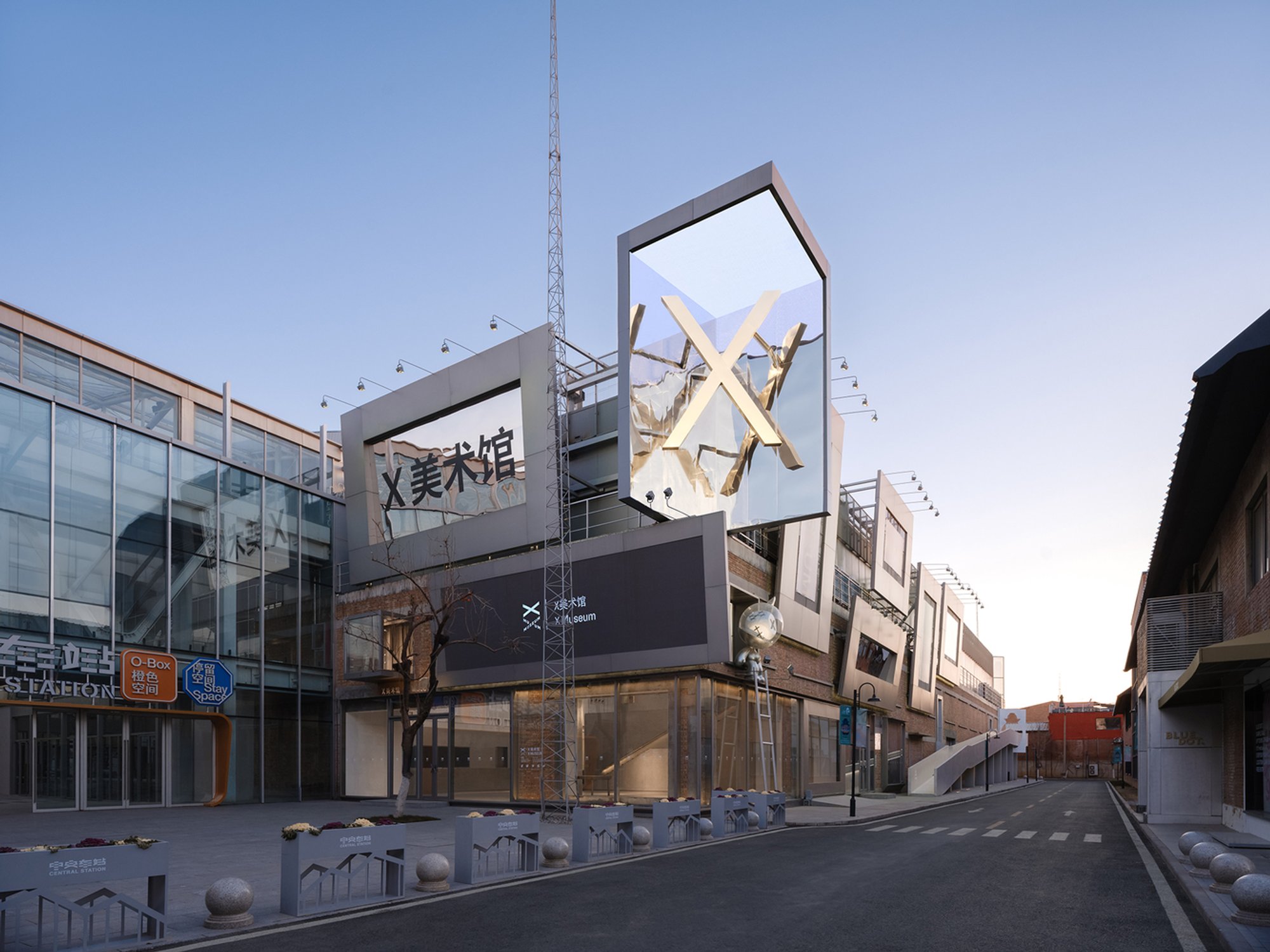
Industrial Building Renovation for Modern Museums: A Case Study of X Museum by Studio NOR
An exploration of X Museum's transformation from a historic warehouse into a contemporary museum through innovative industrial building renovation.

The X Museum, designed by Studio NOR, stands as a fascinating example of transforming industrial architecture into modern, multi-functional museum spaces. Located in the creative hub of Langyuan Station, Beijing, the museum redefines the concept of traditional art spaces by blending art exhibitions with lifestyle and social media trends. This innovative approach makes X Museum a pivotal case study in the evolution of industrial building renovation.
Embracing Contemporary Culture
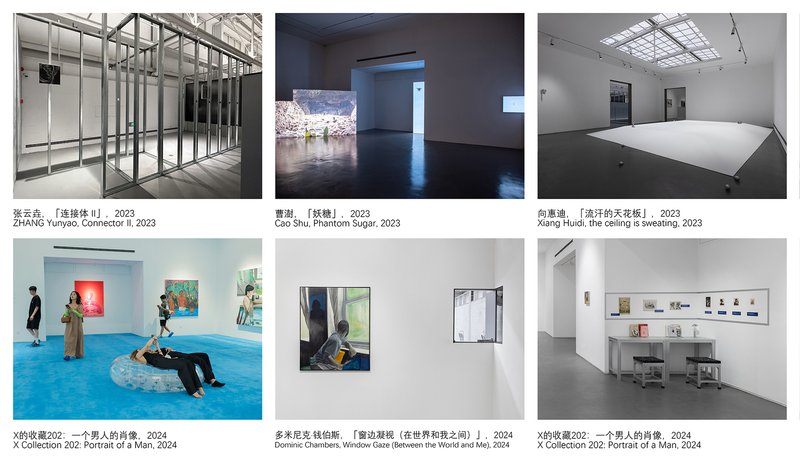
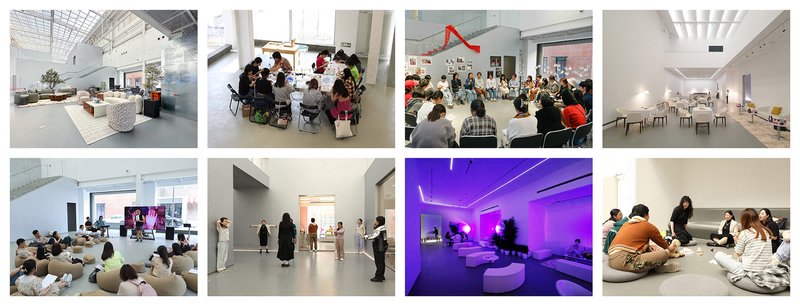
Founded by two young collectors born in the 1990s, X Museum bridges art and multiculturalism. The museum's design reflects the changing role of museums from static, one-way educational hubs to dynamic, interactive spaces that resonate with the public. By selecting an "Internet celebrity campus" as its site, the museum integrates seamlessly into daily life while appealing to a social-media-savvy audience.
Renovating a Historic Warehouse
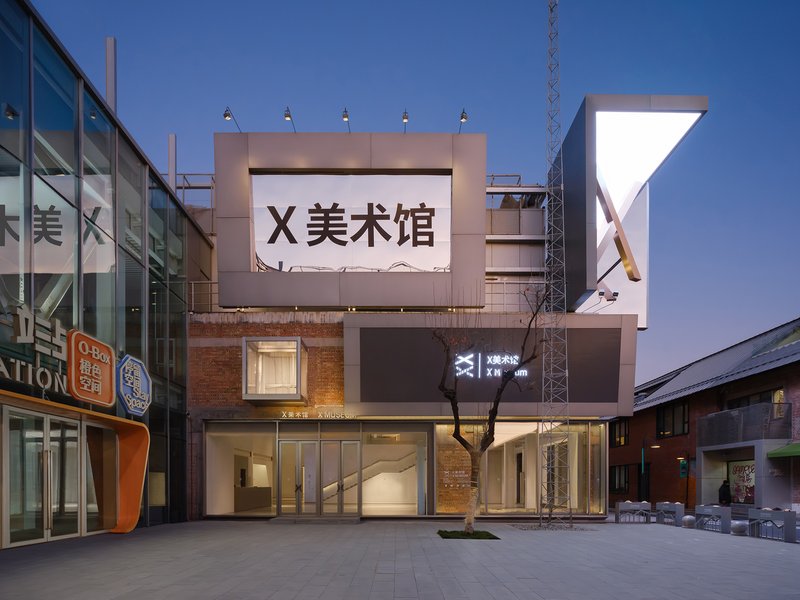
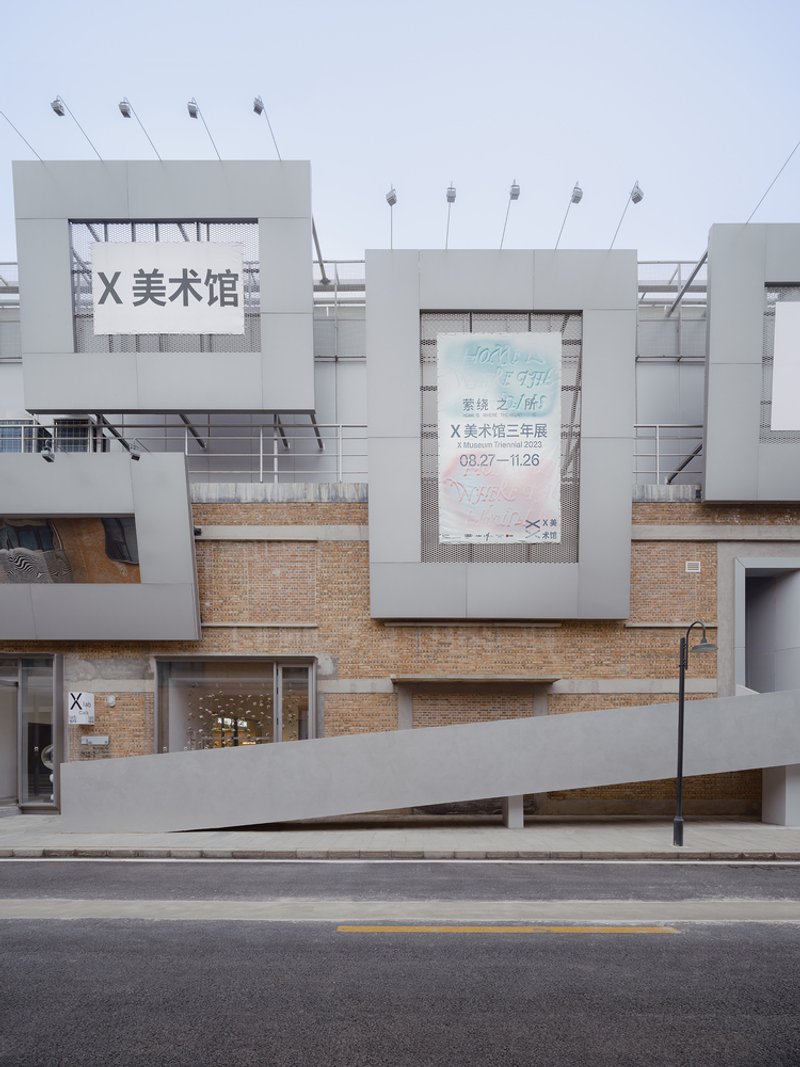
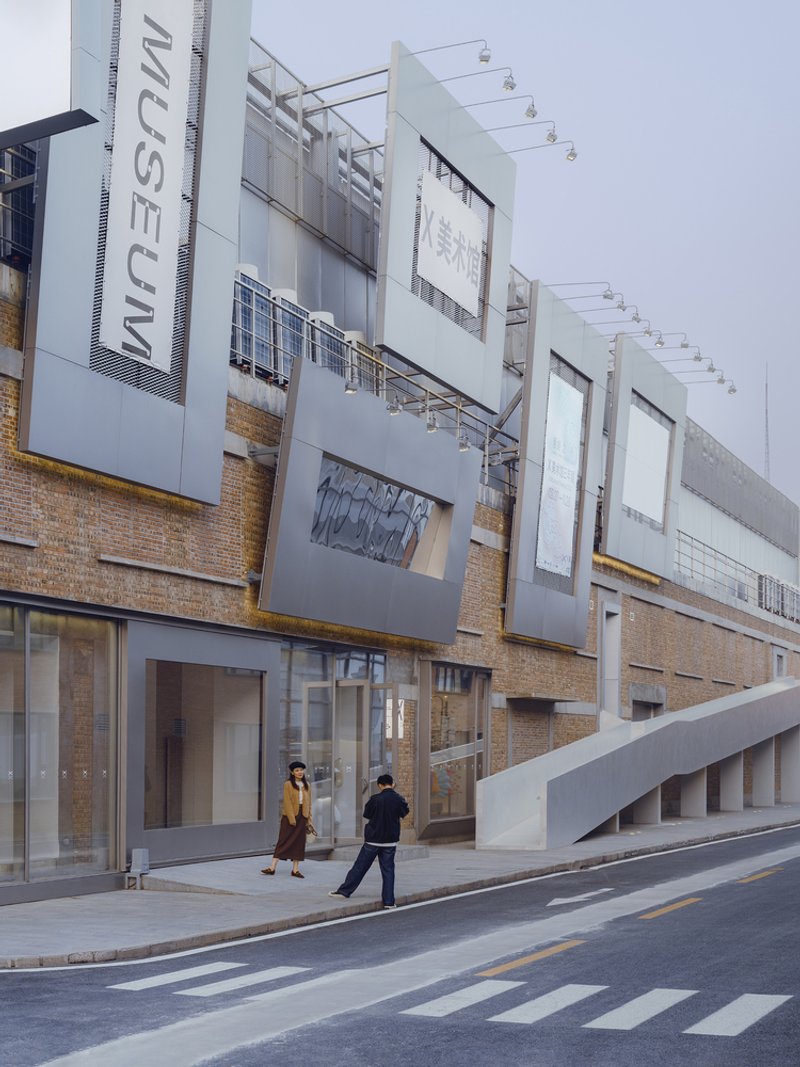
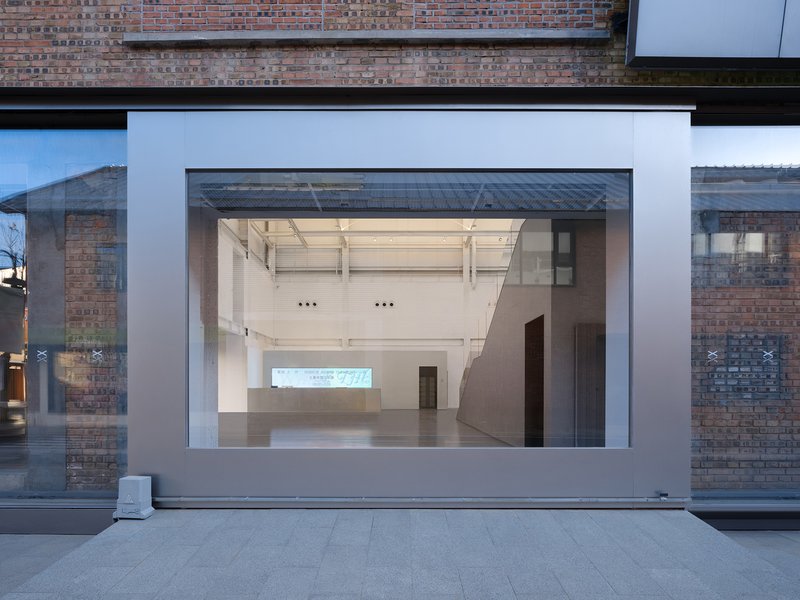
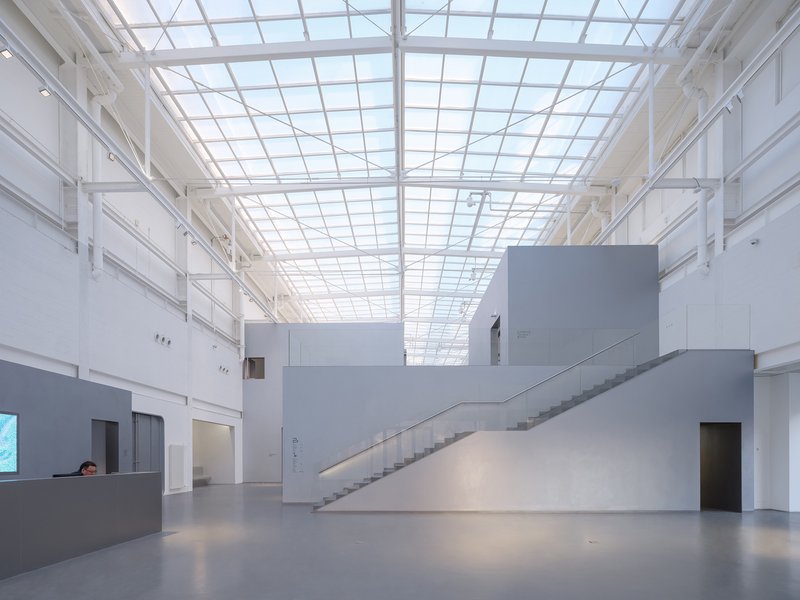
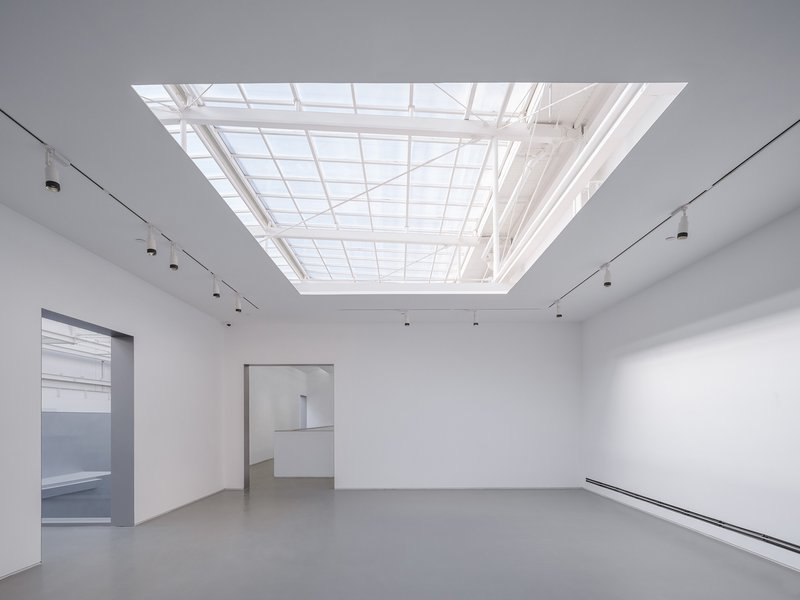
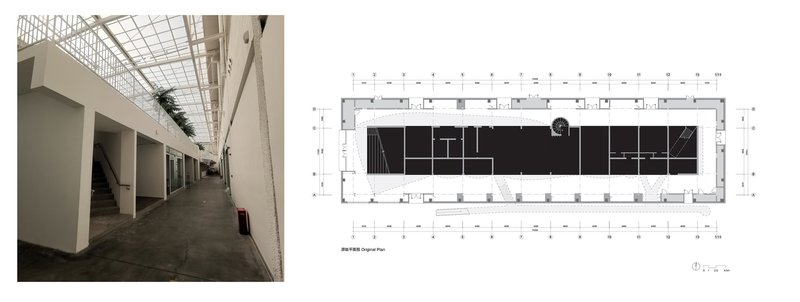
The site of X Museum, originally a red-brick warehouse from the 1960s, has undergone significant transformations over decades. Once used for storing strategic supplies, the building retained only its exterior facade after an extensive renovation in 2018. The remaining structure, including a new steel truss skylight roof, served as the foundation for the architects' vision.
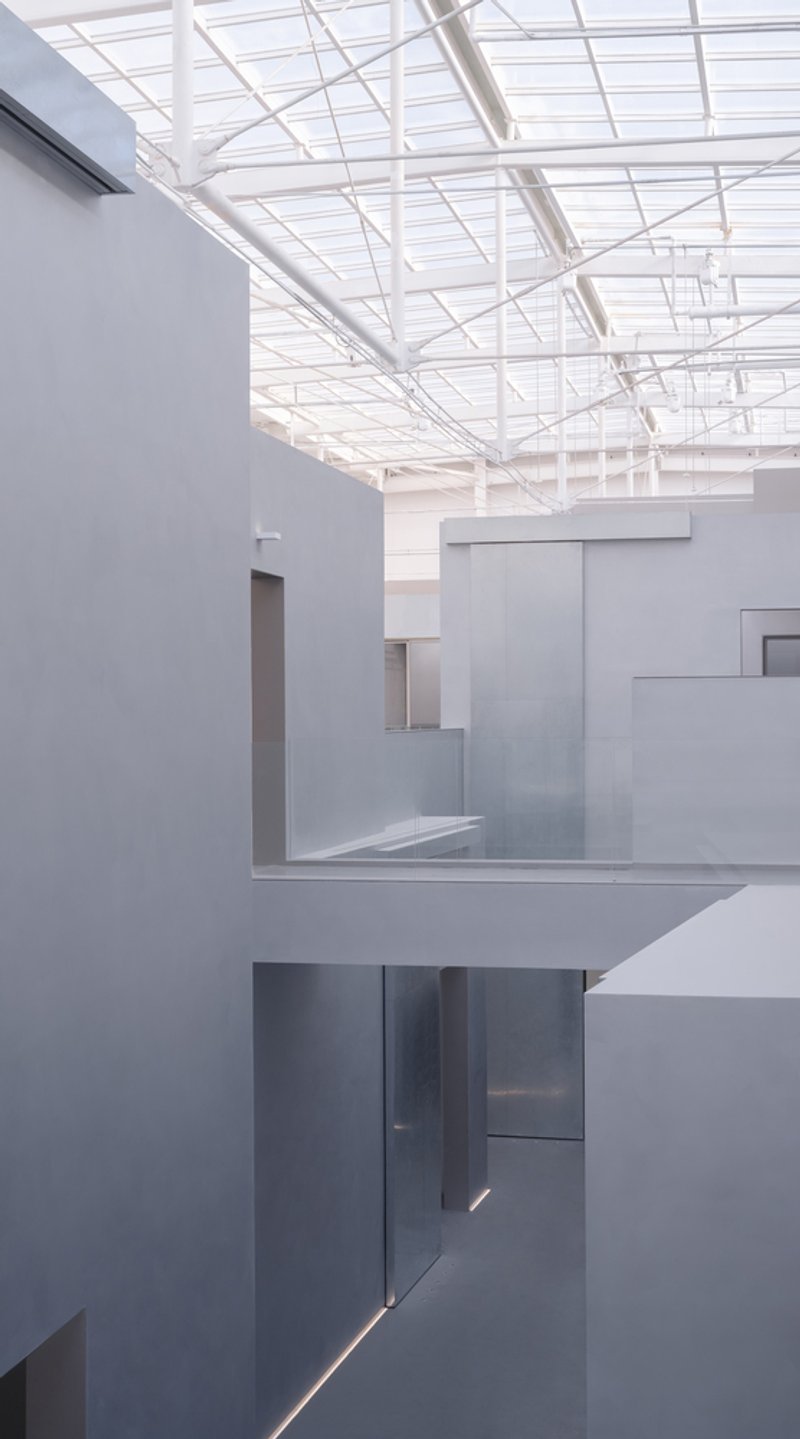
Studio NOR chose a sustainable approach, retaining and incorporating previous renovation elements. This decision not only reduced construction waste but also preserved the historical essence of the building, creating a harmonious blend of past and present.
The "Valley" Concept in Spatial Design
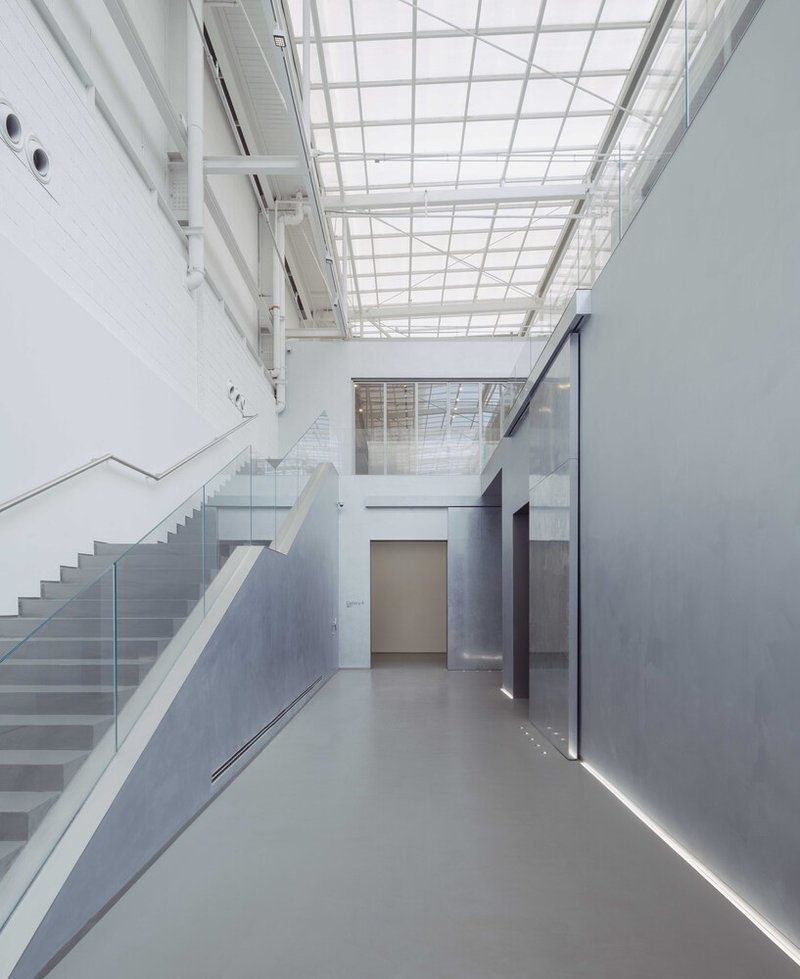
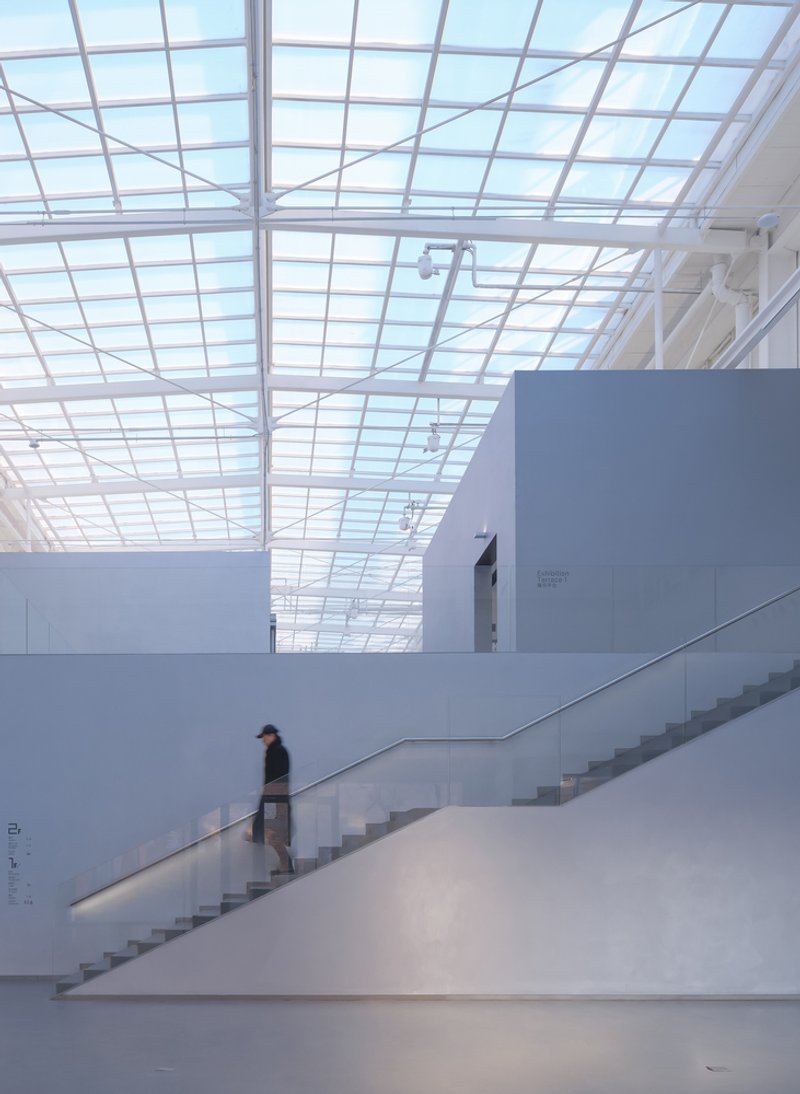
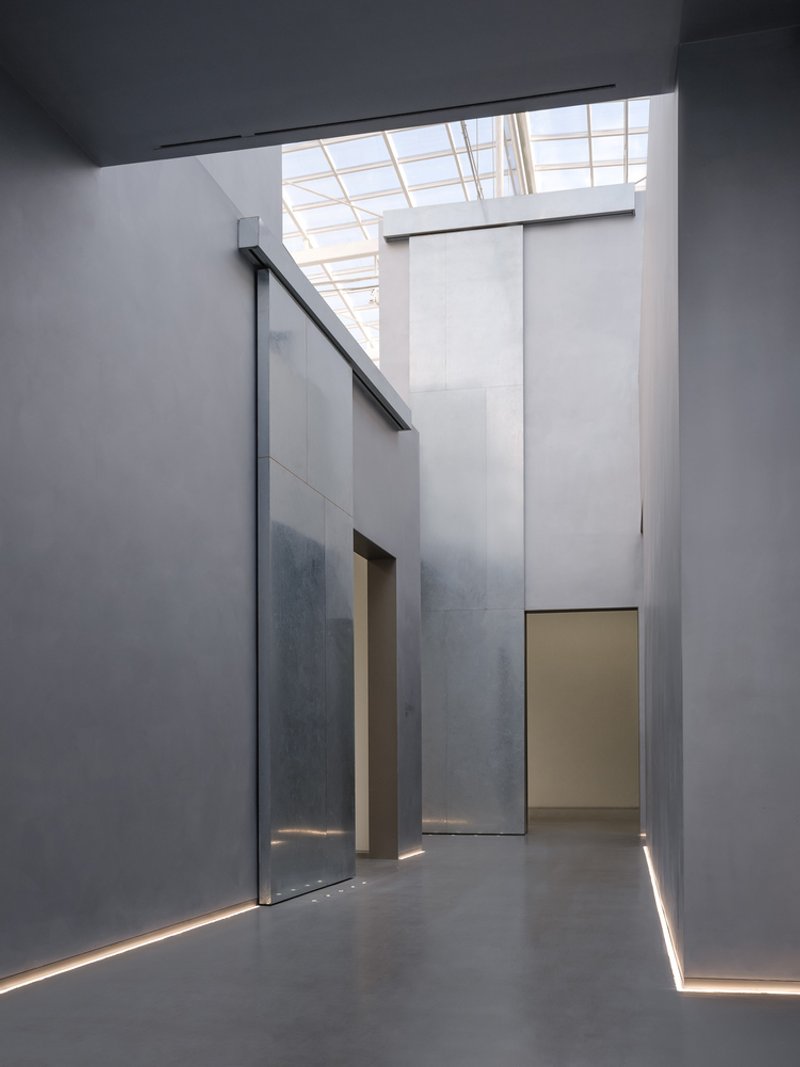
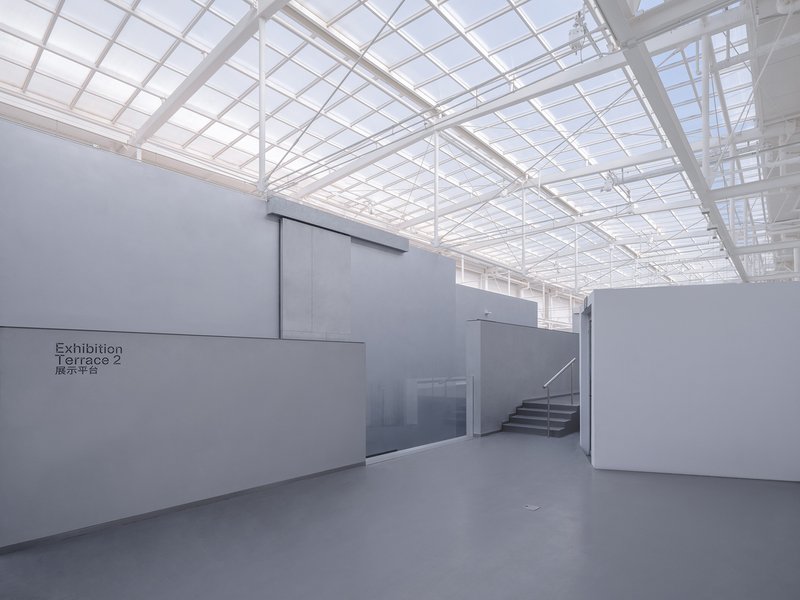
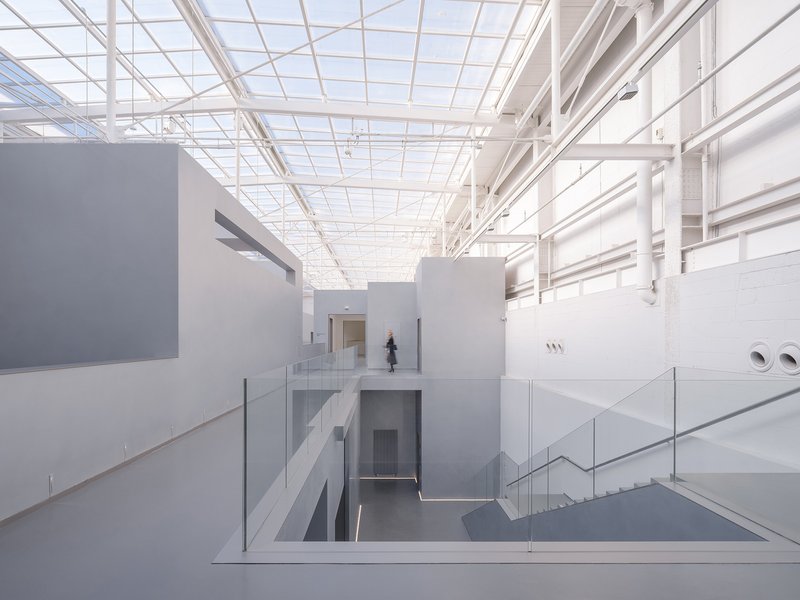
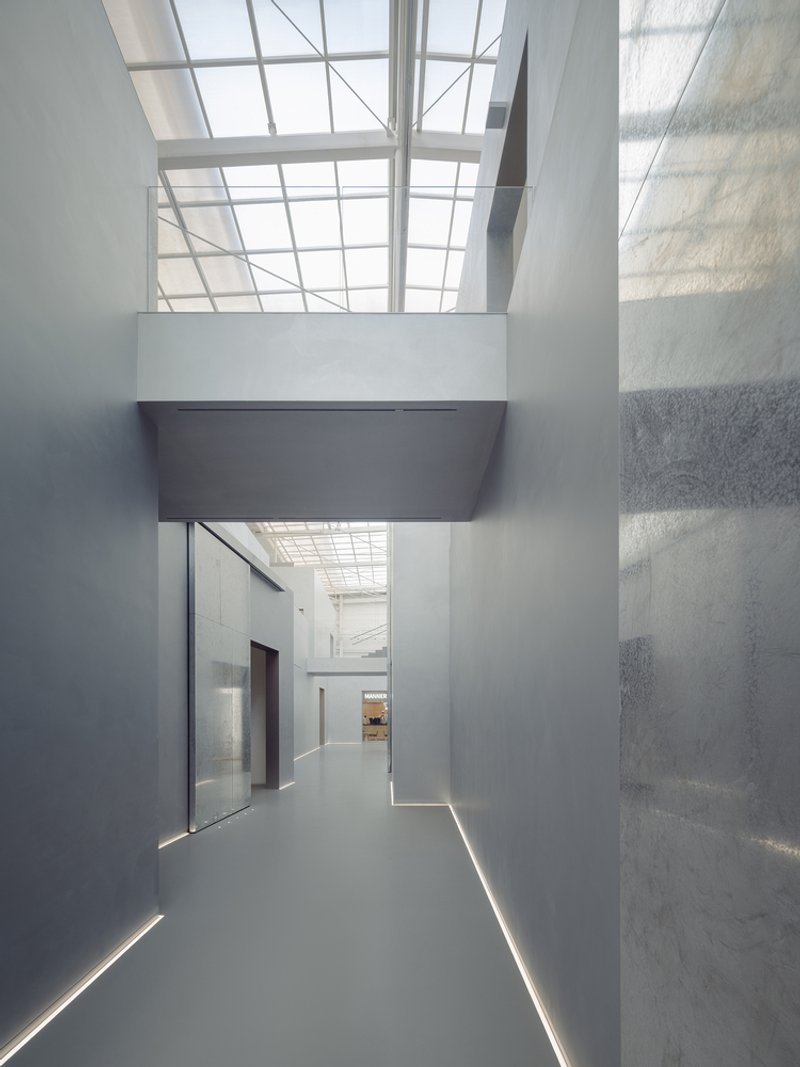
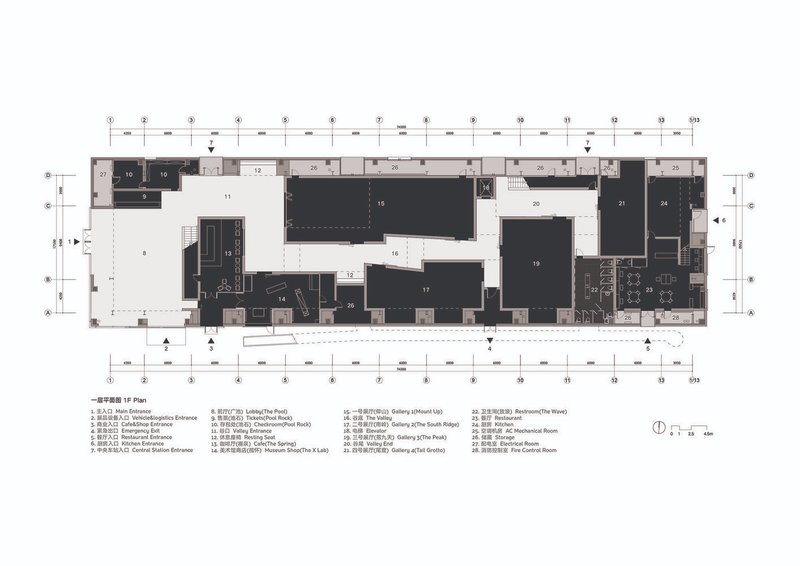
The architectural design of X Museum is inspired by the metaphor of a "valley." The linear layout and skylight roof naturally guided the creation of a central, narrow, light-filled space that serves as the main circulation and exhibition path. To achieve this, the existing concrete platform was dismantled, exposing the impressive 13-meter-high ceilings and maximizing the natural light.
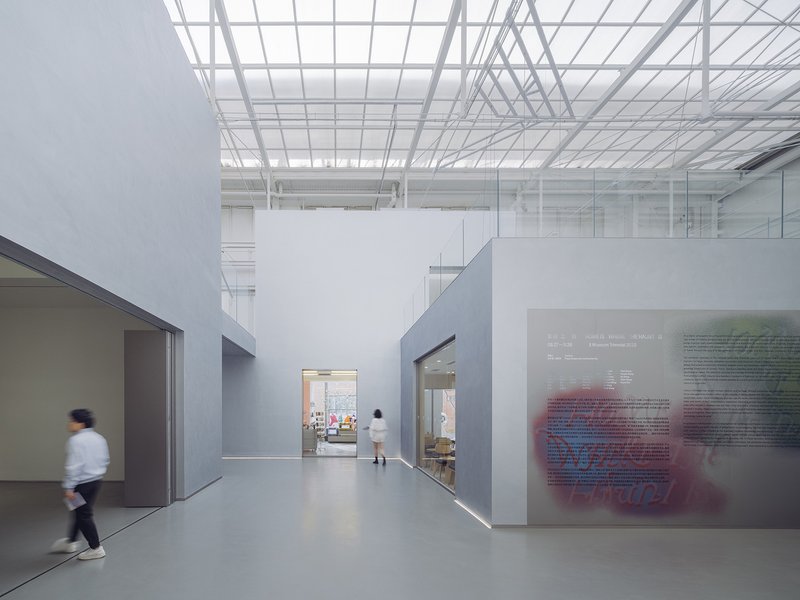
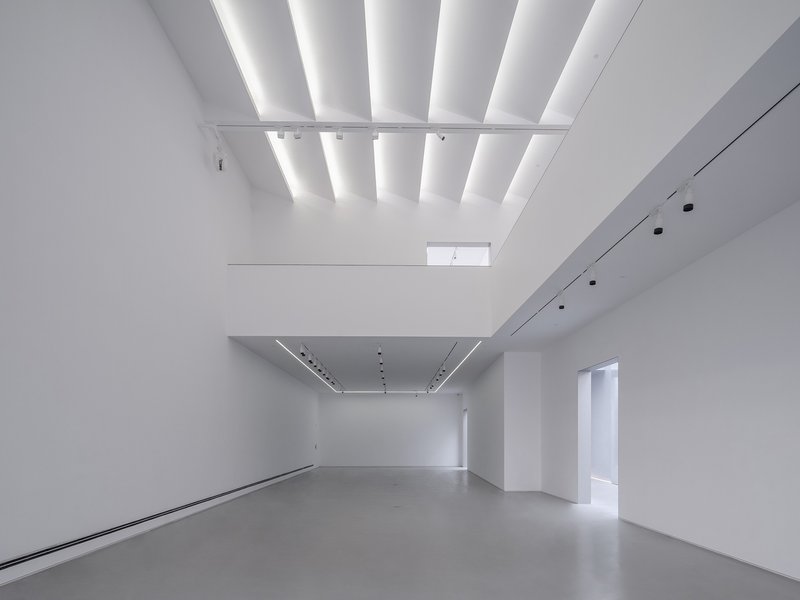
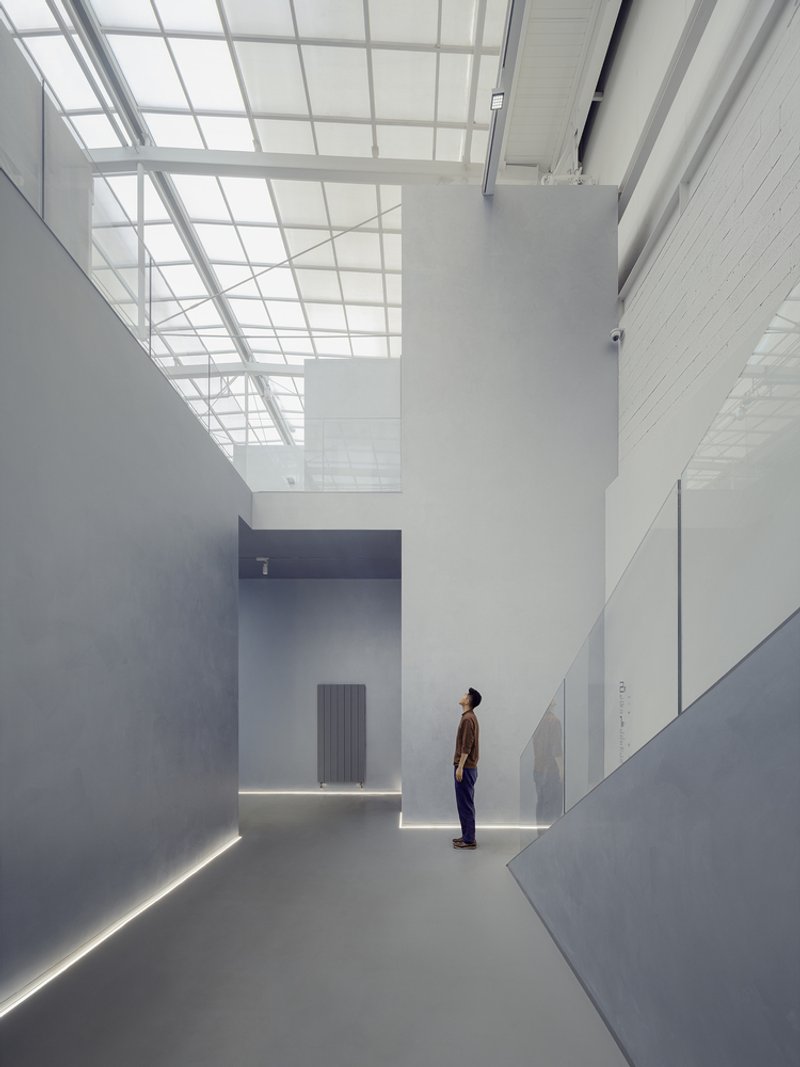
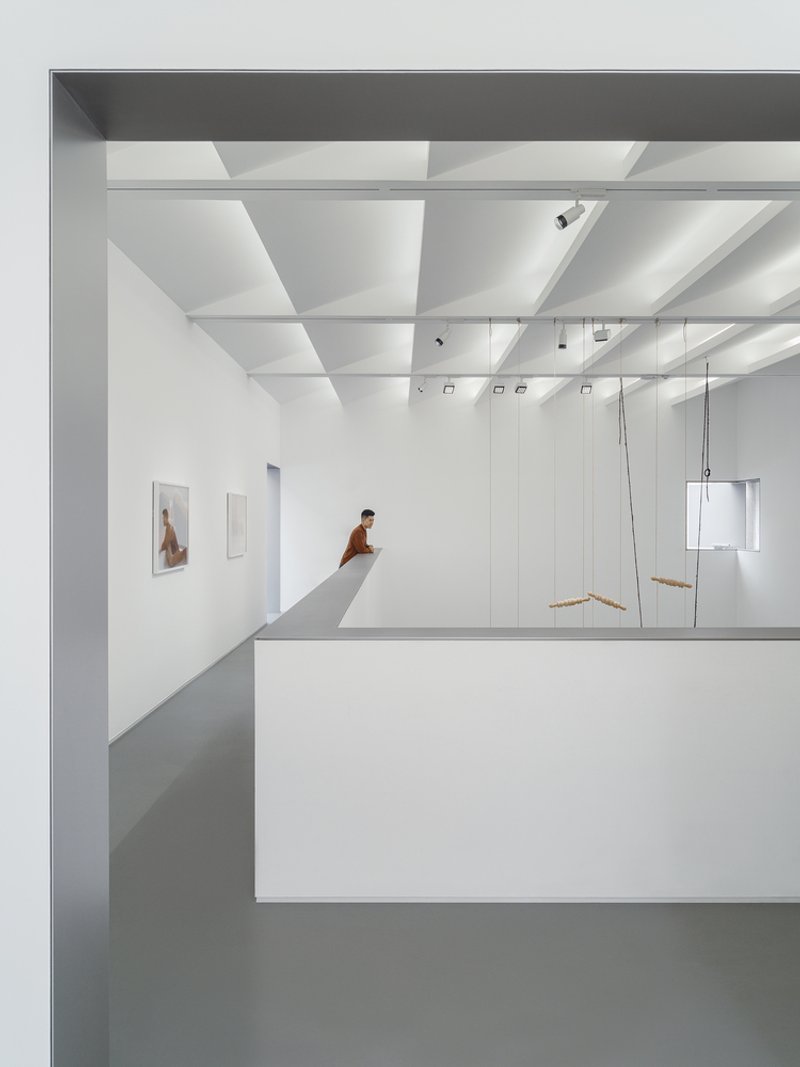
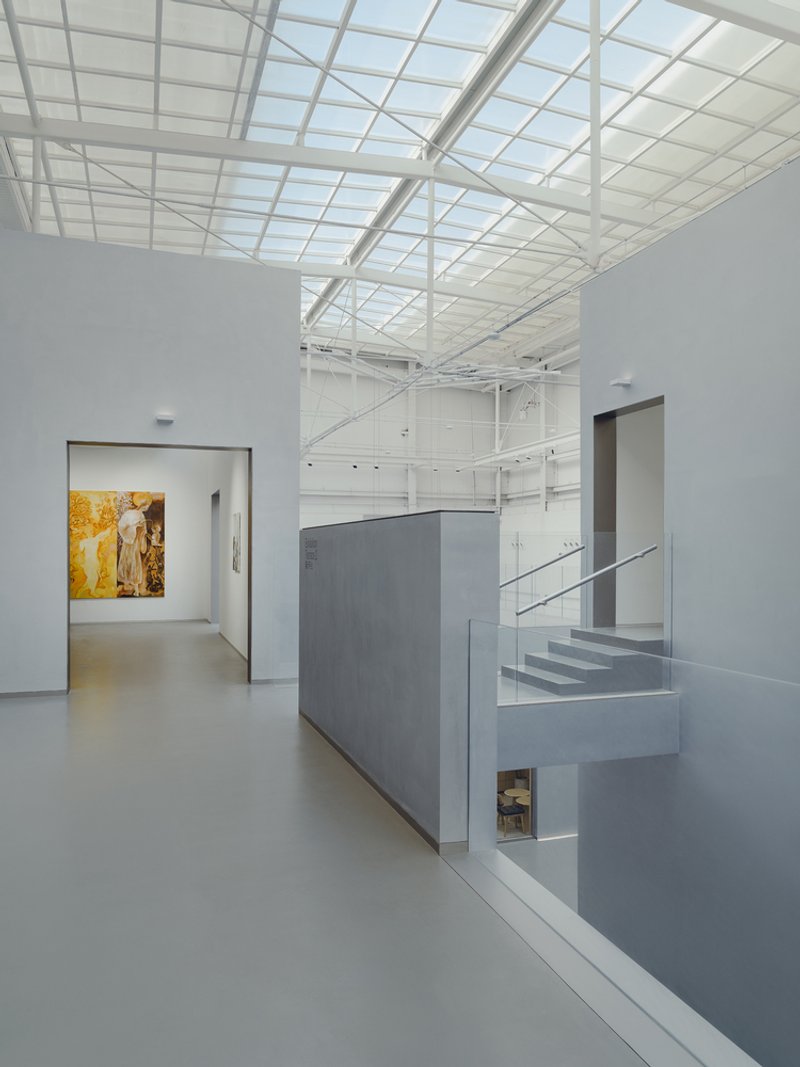
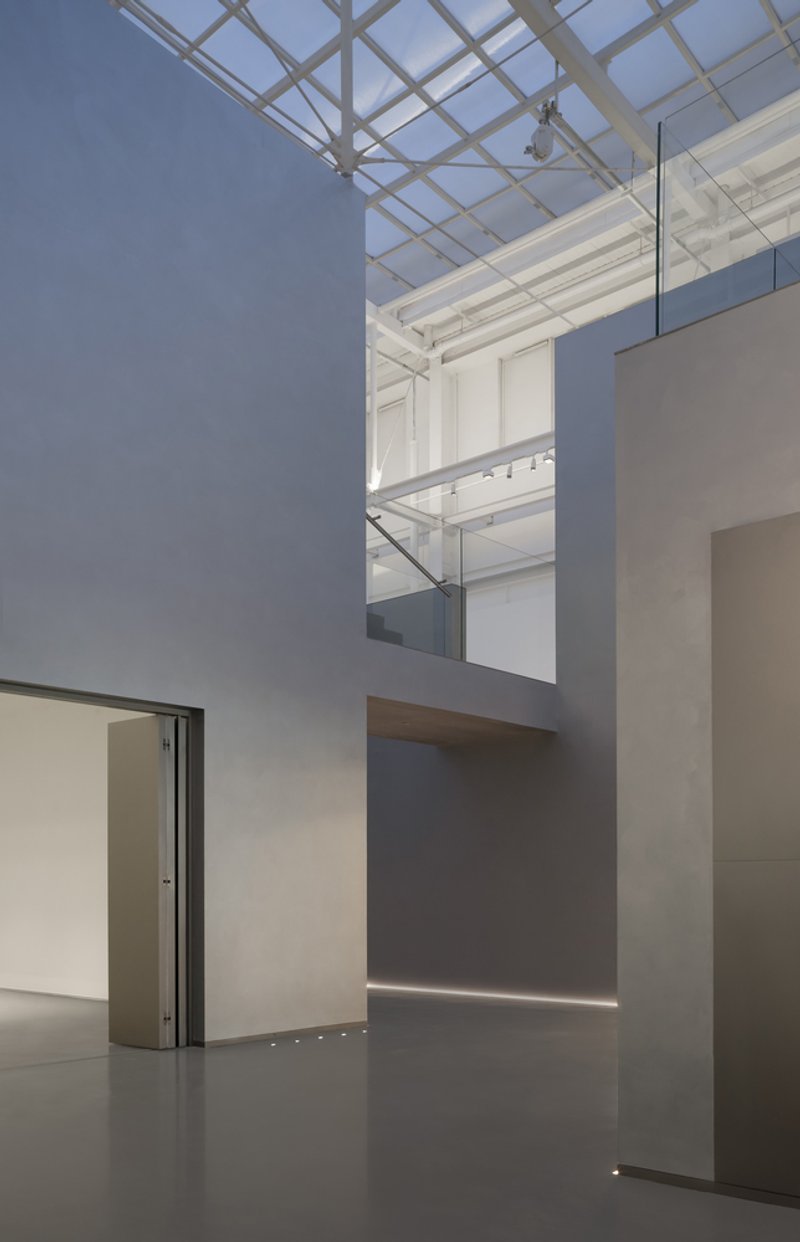
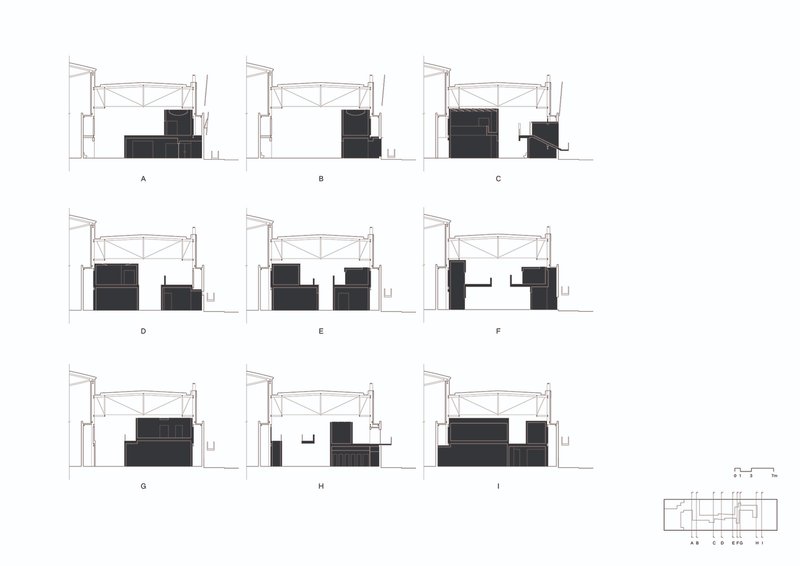
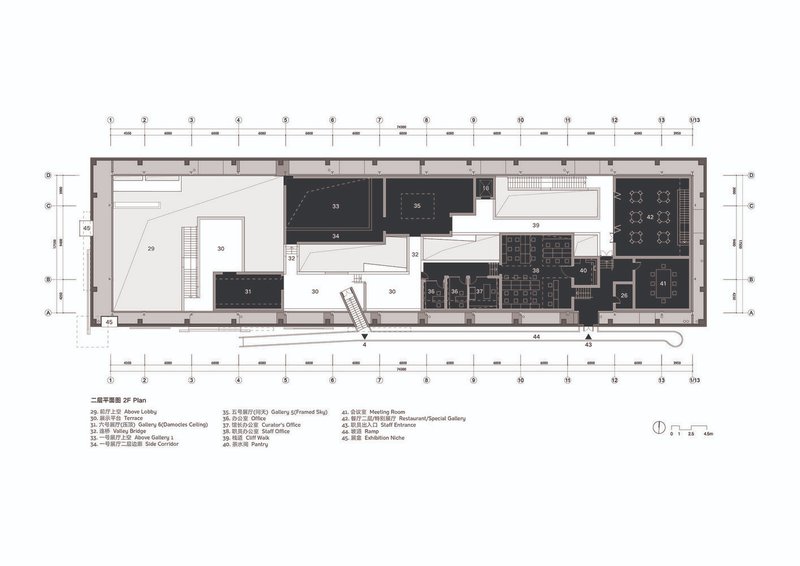
On either side of the "Valley," programmed volumes resembling "mountain rocks" were arranged. These interconnected spaces, inspired by geological formations, house galleries, offices, and public areas. This fluid design blurs boundaries, creating an immersive spatial experience that mimics outdoor environments.
Merging Form and Function
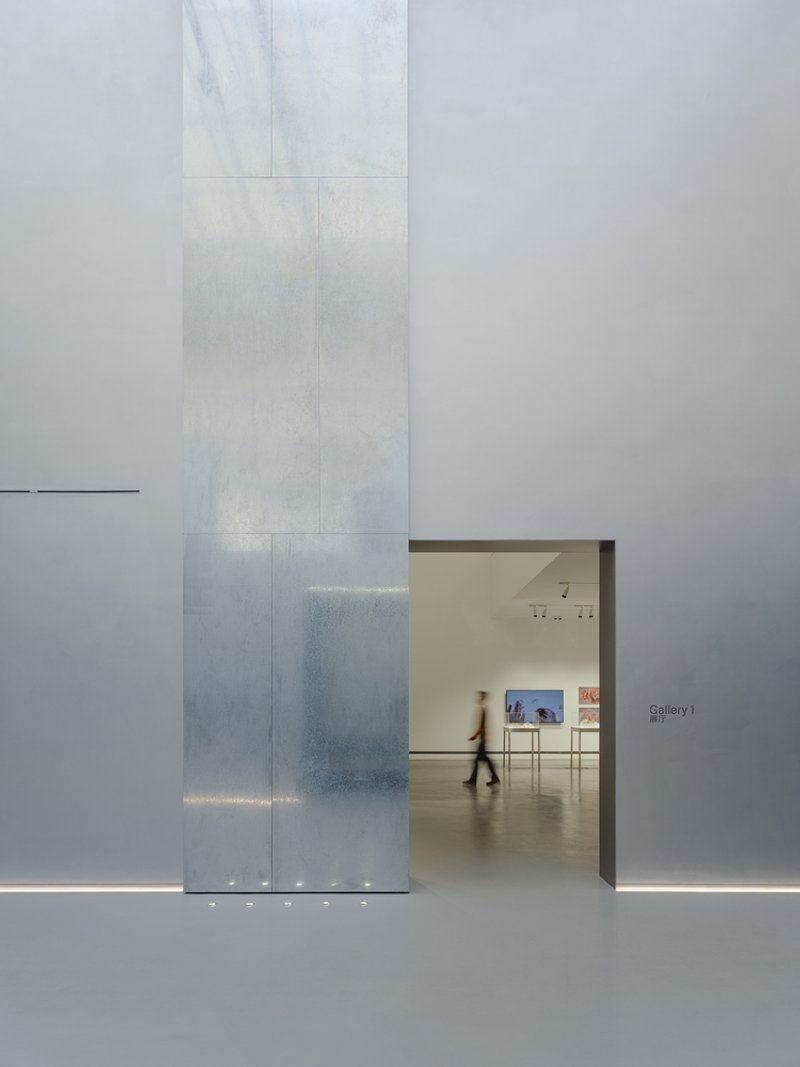
Originally, the interior spaces were designed as independent boxes, reminiscent of warehouse cargo. However, as the design evolved, these volumes merged into interconnected "mountain rocks," forming a unified yet dynamic spatial arrangement. Subtly tilted walls and homogenous materials hint at the original segmentation, ensuring a cohesive aesthetic while allowing flexibility in space usage.
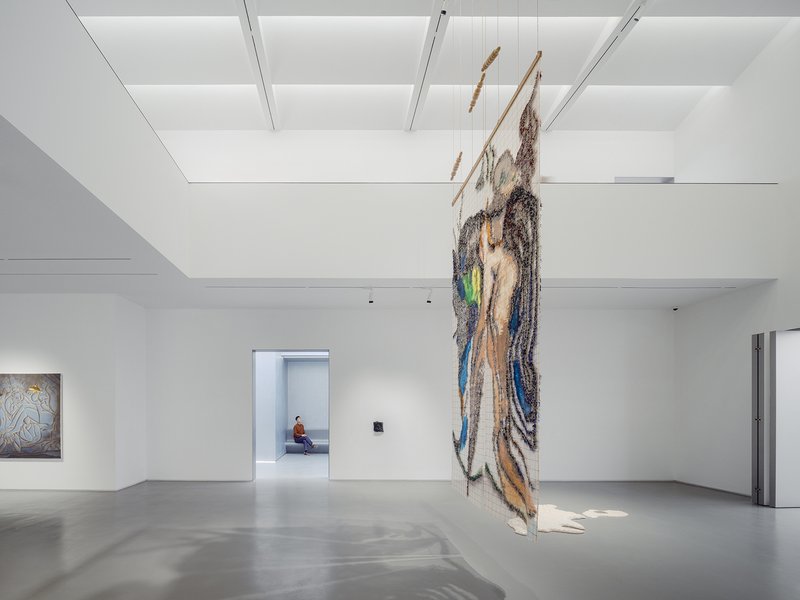
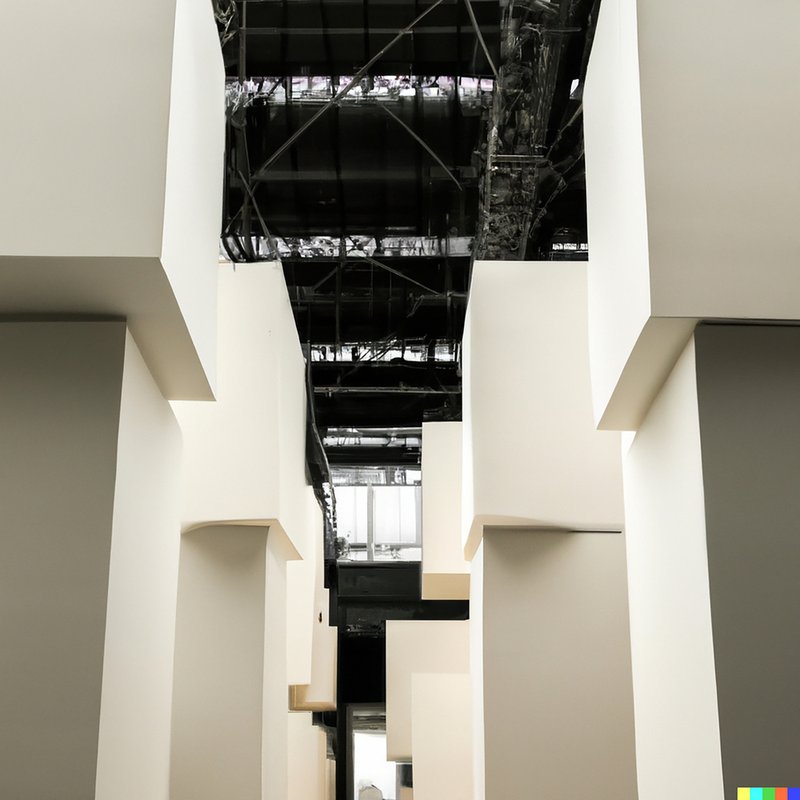
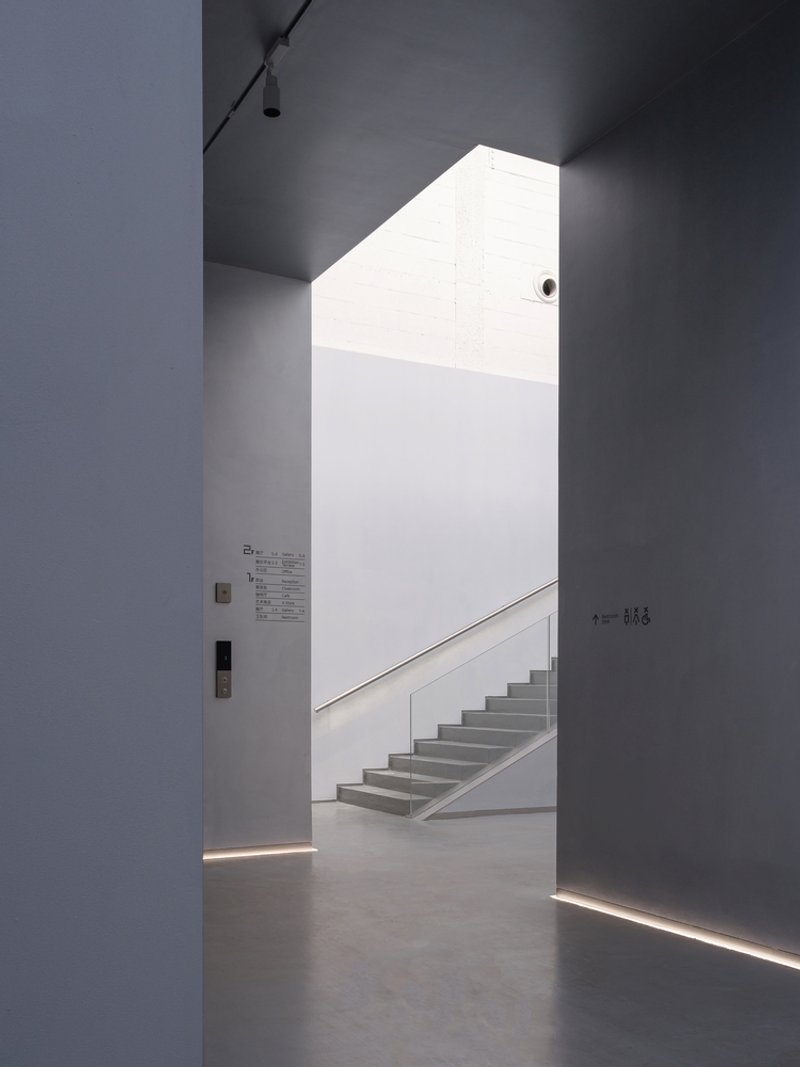
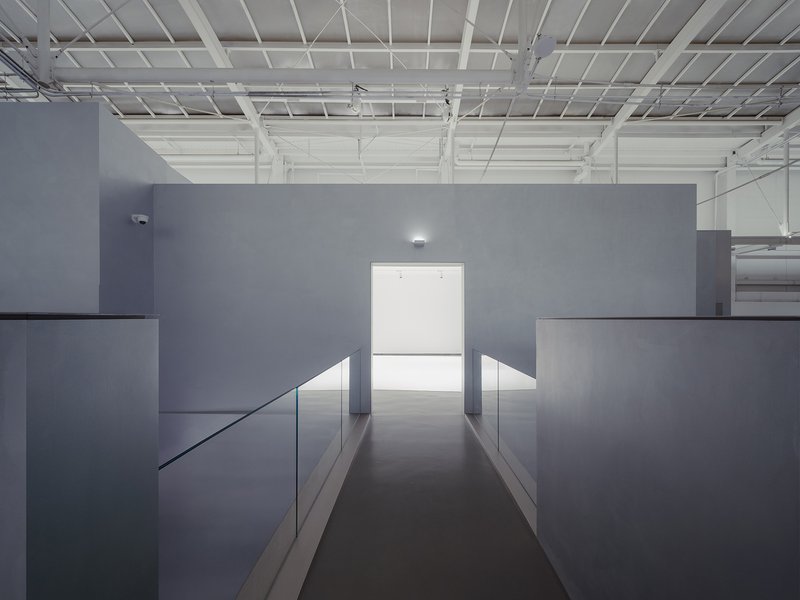
The spatial layering creates a unique narrative within the museum. Visitors traverse through the "Valley" via stairs, bridges, and apertures, experiencing the juxtaposition of open and enclosed spaces. The lobby, designed as a metaphorical "lake," transitions into the "Valley," while elements like sliding steel doors evoke imagery of waterfalls.
A "Noisy" Facade to Stand Out
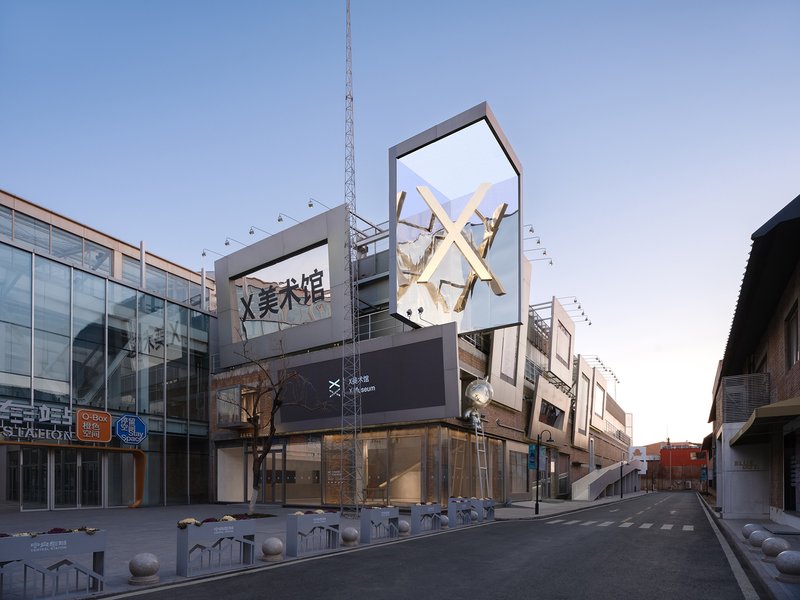
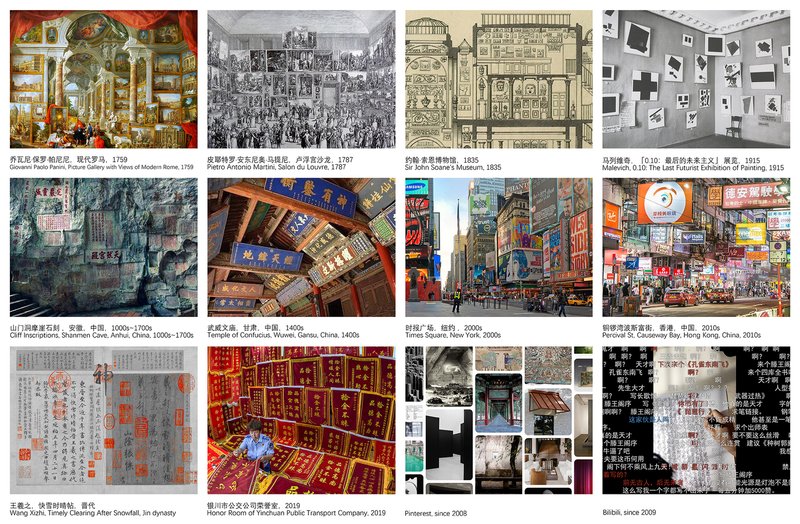
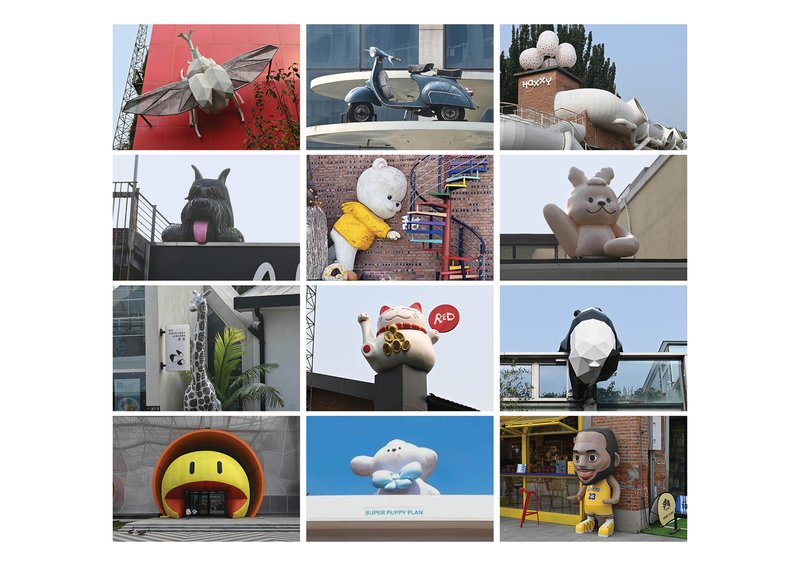
In response to the vibrant and visually competitive surroundings of Langyuan Station, the museum features a bold, "noisy" facade. Inspired by the "Salon Hang" display style, the facade showcases layers of overlapping design elements. This approach draws parallels with traditional Chinese cliff inscriptions, temple plaques, and modern street billboards. The result is a striking and interactive exterior that captivates visitors and amplifies the museum's presence.
A Sustainable and Visionary Design
The renovation of X Museum exemplifies sustainable design by repurposing existing structures and materials. Studio NOR’s thoughtful approach respects the site’s history while adapting it to contemporary needs. The integration of art, lifestyle, and social media within an industrial framework underscores the museum's role as a cultural beacon for the new generation.
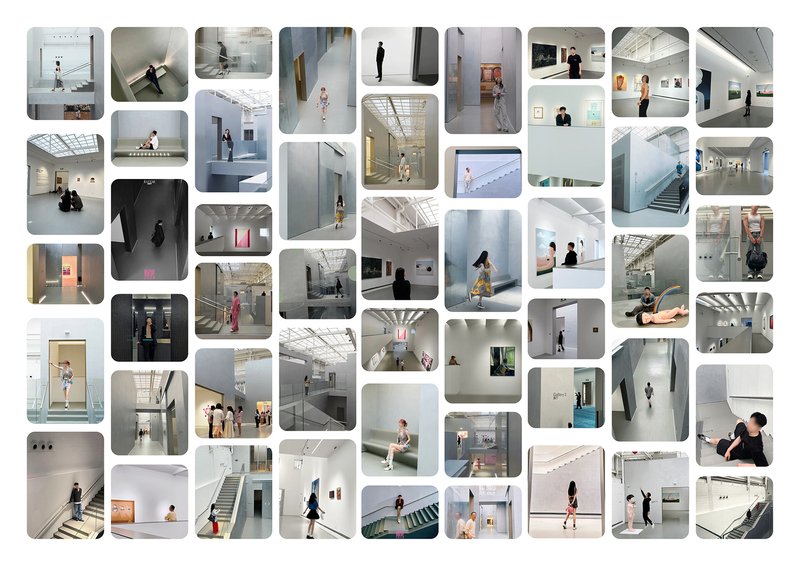
X Museum is a testament to the potential of industrial building renovation in creating modern cultural landmarks. By combining historical preservation, innovative spatial design, and contemporary cultural trends, Studio NOR has set a benchmark for transforming industrial spaces into vibrant, multi-functional environments. This project not only redefines the museum experience but also demonstrates the evolving relationship between architecture, art, and society.
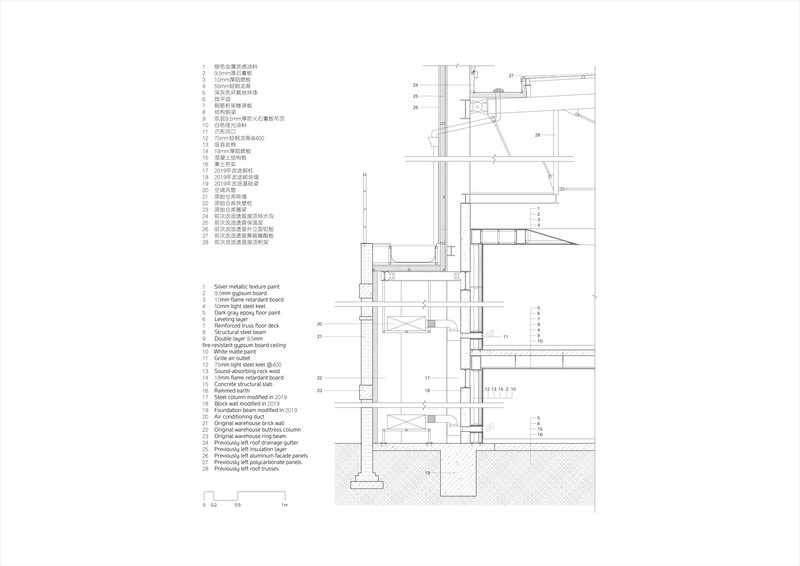
All Photographs are work of Songkai Liu, Tianzhou Yang




Popular Articles
Popular articles from the community

Inside a Timeless Mumbai Residence by Aether Studio
Aether Studio's 2,250 sq ft apartment in Malad, Mumbai uses marble, brass, boucle, and disciplined restraint to build a quiet retreat from the city.
Kerry Kounnapis Packs 800 Daily Coffees into a 43-Square-Metre Melbourne Laneway Bar
Palace Coffee channels Pellegrini's and European standing bars through oxide-red steel and spotted gum timber in a Ridgway Place sliver.

The Faith: Modular Architecture for Play, Learning, and Hope in Kutupalong Refugee Camp
A modular playground architecture project in Bangladesh where play, learning, safety, and hope rebuild childhood inside a refugee camp anew.
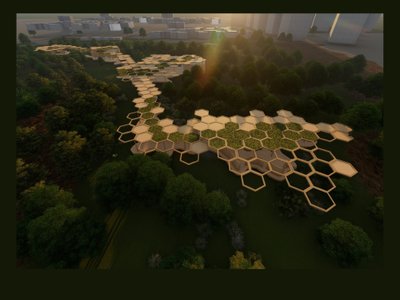
Eco Chapel: A Green Architecture Pavilion Designed in Symbiosis with the Forest
Eco Chapel uses green architecture to weave prayer, learning and reuse into a forest pavilion shaped by modular hexagonal canopies for life.

Similar Reads
You might also enjoy these articles

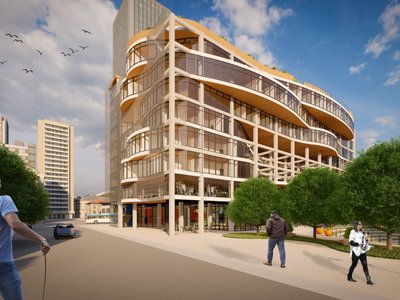
Olio Towers: A Mid-Rise for Performers That Fuses Housing, Rehearsal, and Stage
Located blocks from Houston's Theater District, this modular tower stacks living units around a central performance atrium.
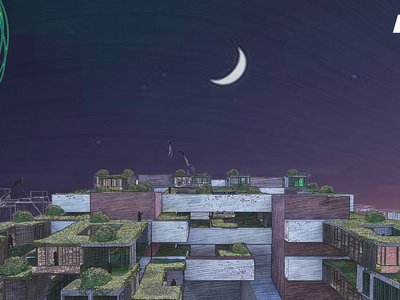
Oasis: Modular Green Housing Carved into Dhaka's Urban Fabric
A shortlisted Plugin Housing entry reclaims unauthorized settlements in Dhaka with stepped concrete volumes, green roofs, and ventilation-driven design.

Black Hole: A Floating Megastructure for the Post-Physical Era
Emiliano Mazzarotto envisions a spherical, self-scaling arena where e-sports, digital hotels, and holographic stadiums replace traditional public space.
Compact & Sustainable Living in Piraeus: A Four-Level Family Home Built Around Light and Air
A narrow townhouse in one of Greece's densest port cities uses a central atrium and passive strategies to house three generations under one roof.

Explore Architecture Competitions
Discover active competitions in this discipline




The International Standard for Design Portfolios


The Global Benchmark for Architecture Dissertation Awards


The Global Benchmark for Graduation Excellence


Challenge to reimagine the Iron Throne
Comments (0)
Please login or sign up to add comments
No comments yet. Be the first to comment!