

Innovations in Cultural Art Center Design: The Zhejiang Lishui Guyanhuaxiang Art Center
Explore the Zhejiang Lishui Guyanhuaxiang Art Center, a model of cultural art center design blending modernity with traditional community life.


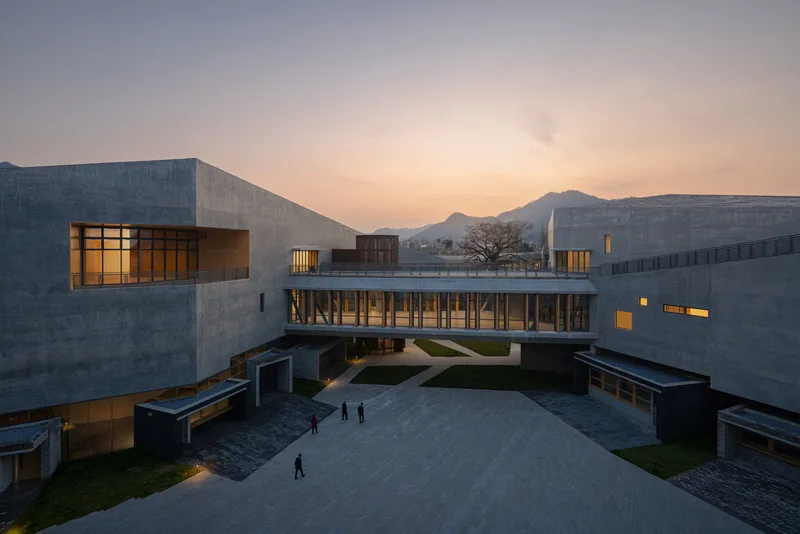
The Zhejiang Lishui Guyanhuaxiang Art Center, designed by line+ studio, is a pioneering example of cultural art center design that seamlessly integrates the traditional with the contemporary. Nestled in the historic town of Lishui, China, this center has become a focal point for cultural tourism, art education, and community life.
Architectural Concept and Design Strategy
Blending Tradition with Modernity
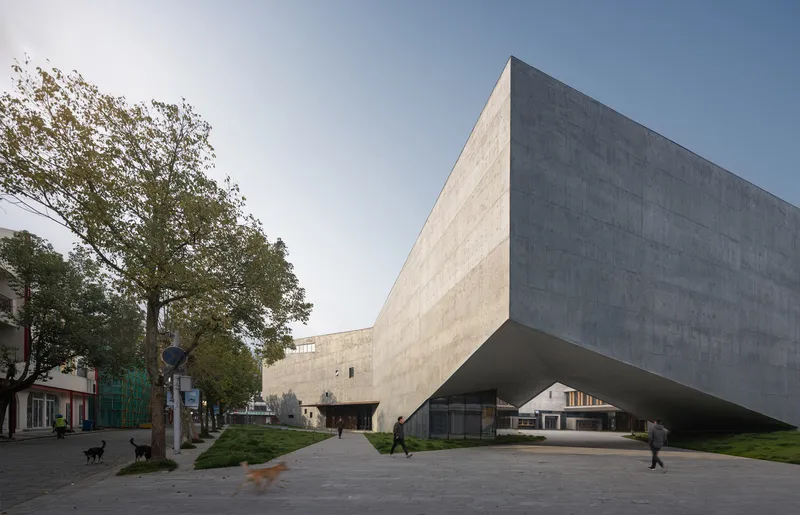
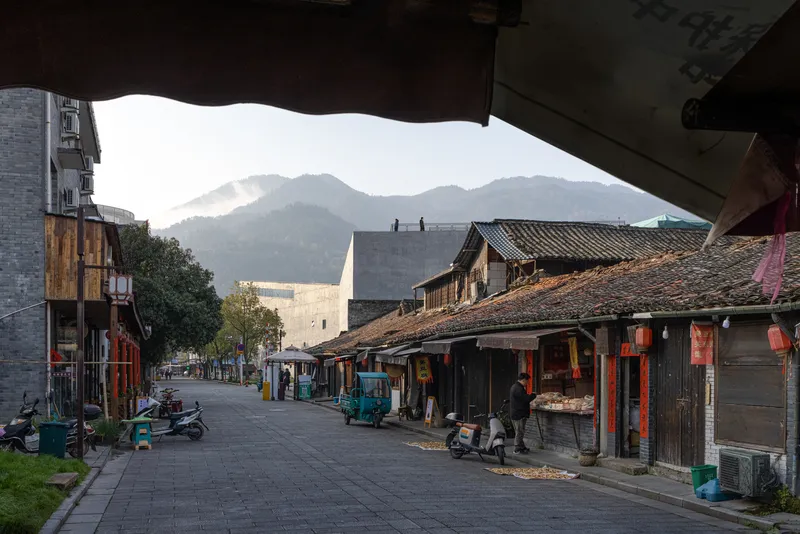
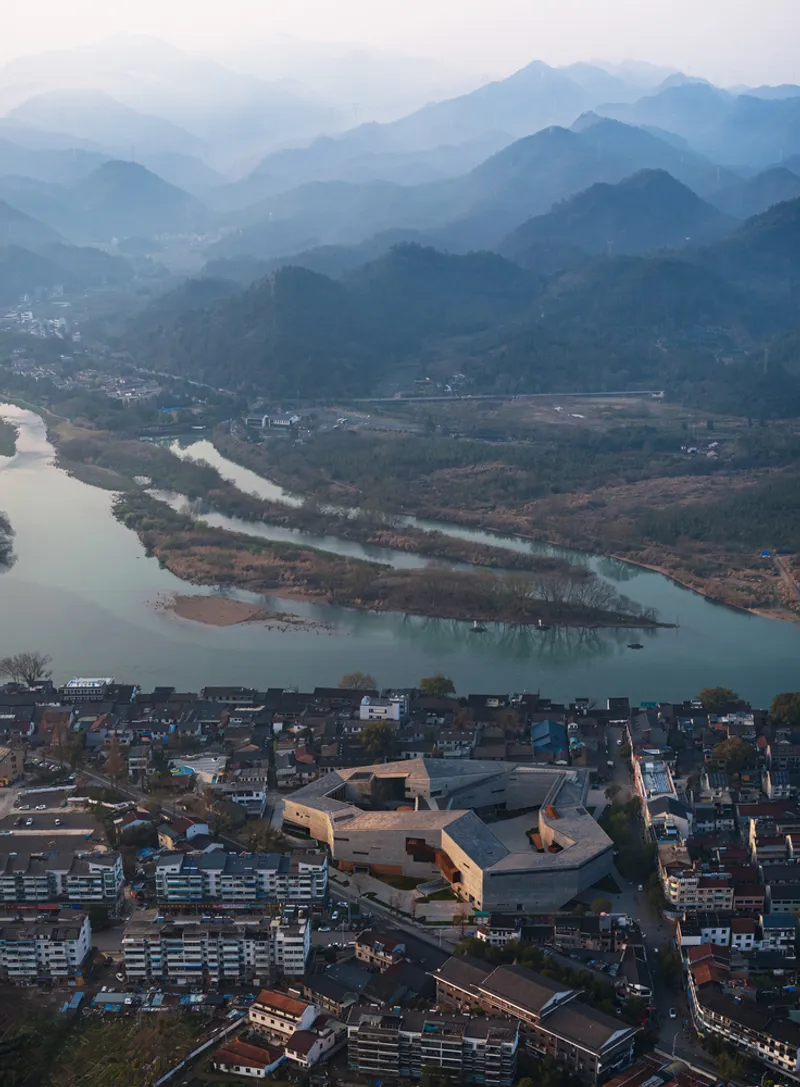
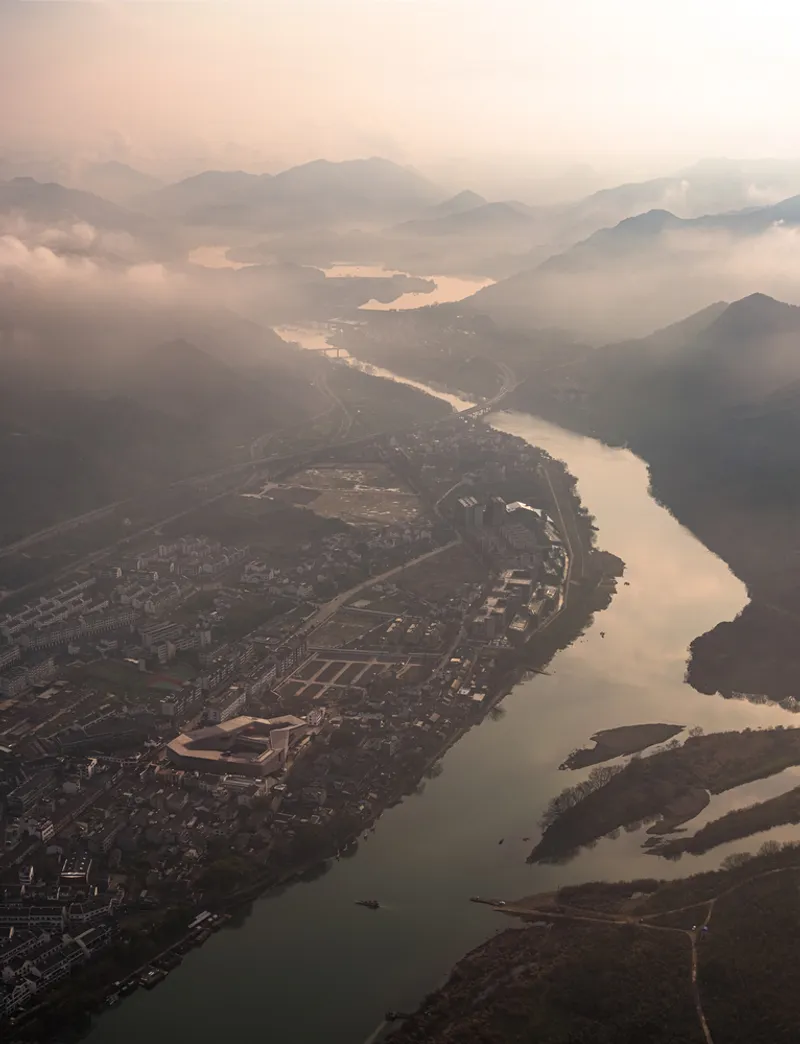
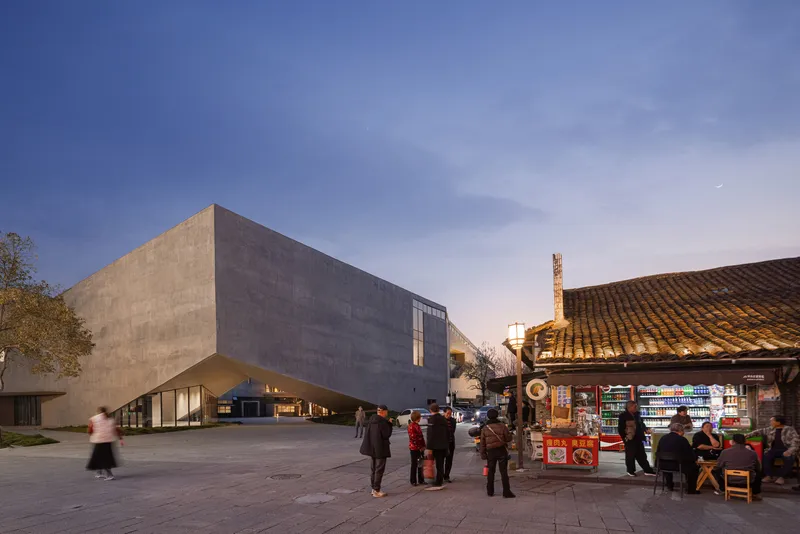
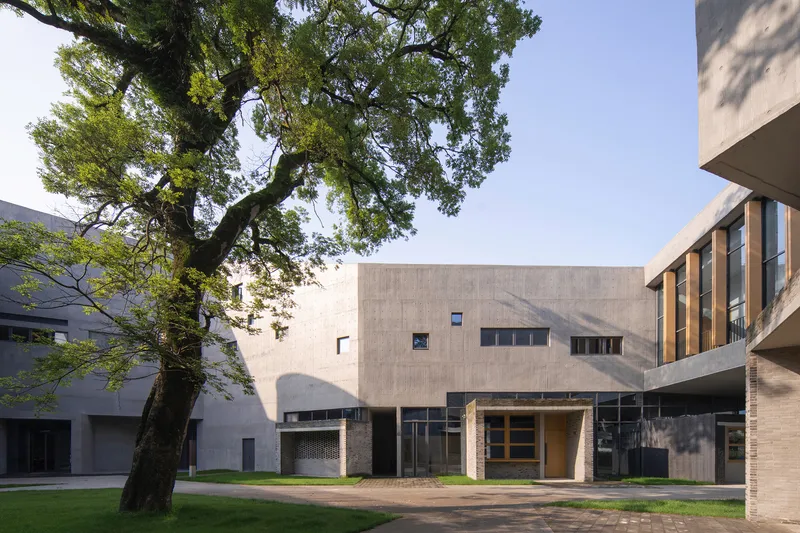
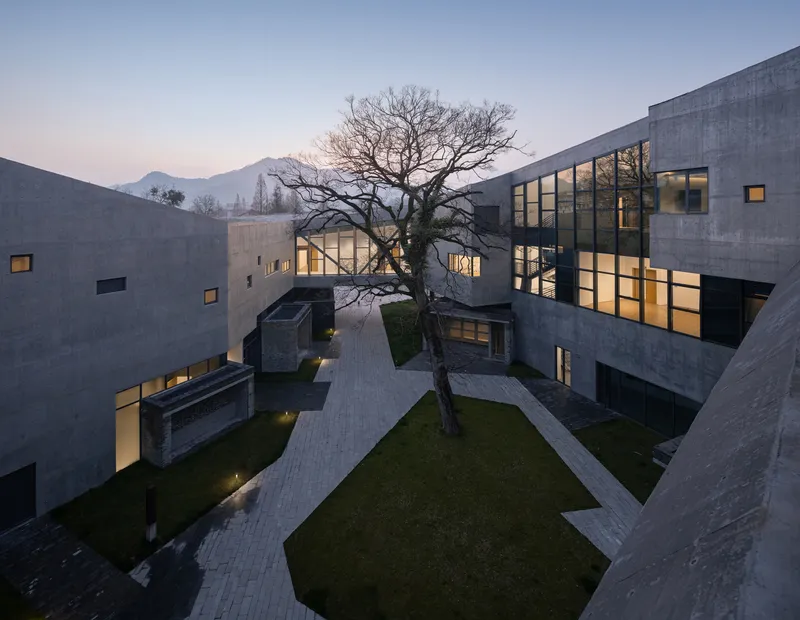
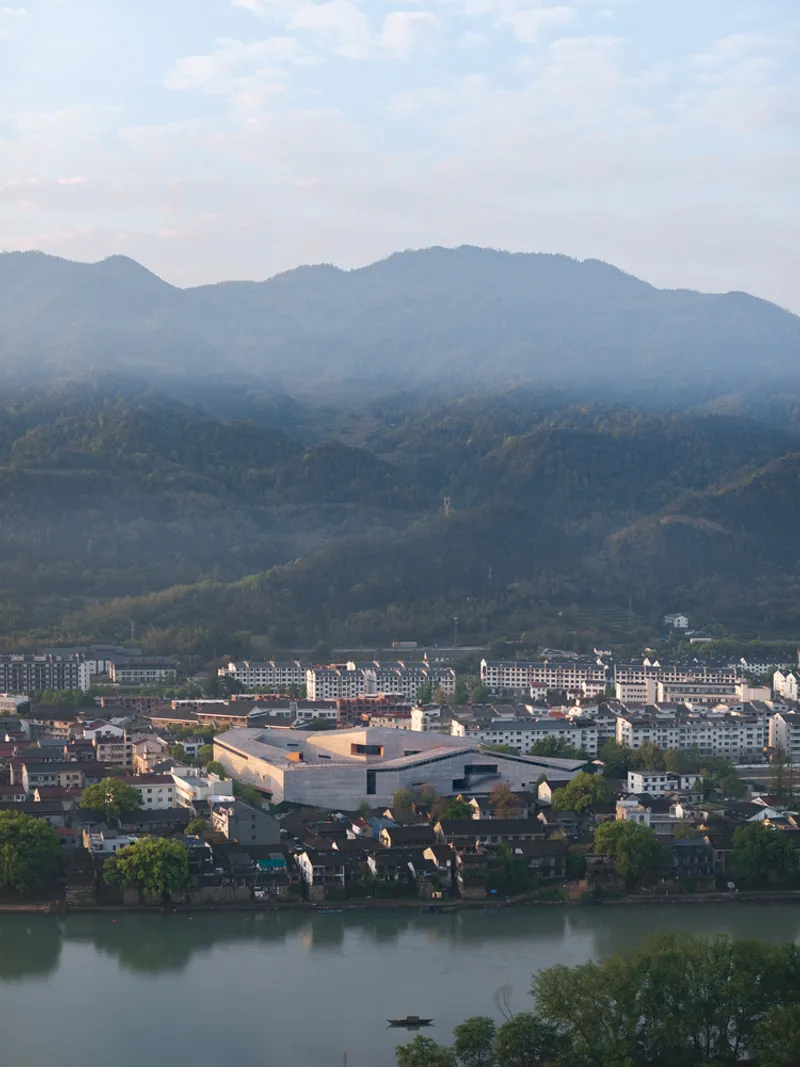
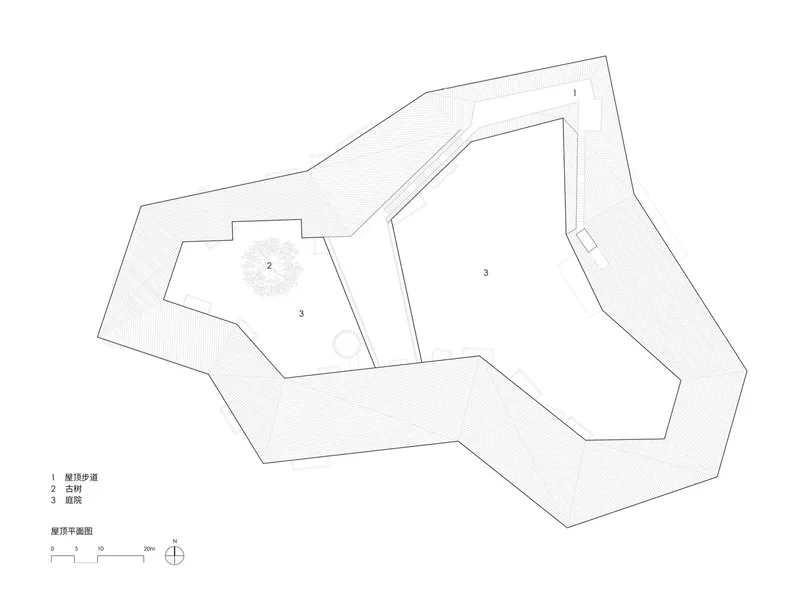
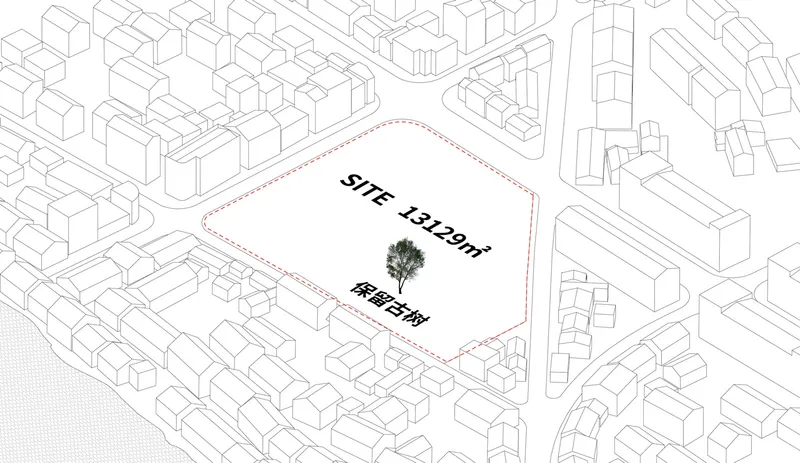
The art center is strategically positioned in a densely populated old residential area of Lishui, close to the heritage site of the Tongji Canal and the birthplace of the Lishui Barbizon School of Painting. The design philosophy aimed to create a space that is both a backdrop and a foreground to daily life and artistic expression. This dual role necessitates a careful juxtaposition of the building's public institutional nature with the vibrant daily activities of its residents.
Addressing the Dual Scales of Design
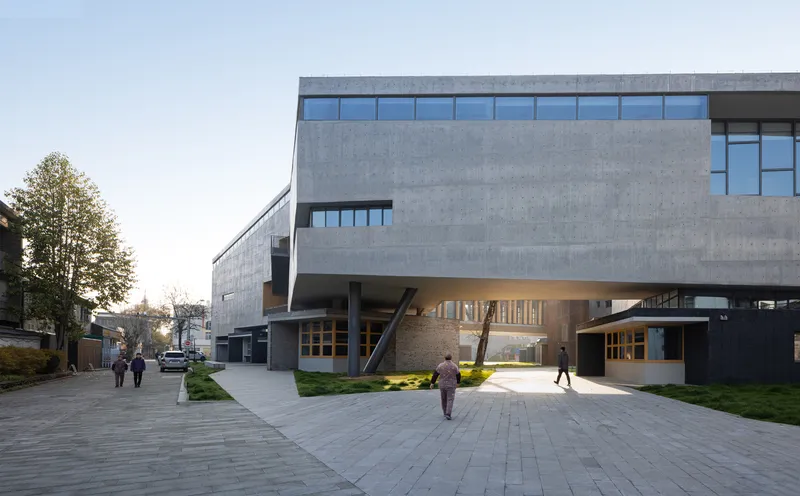
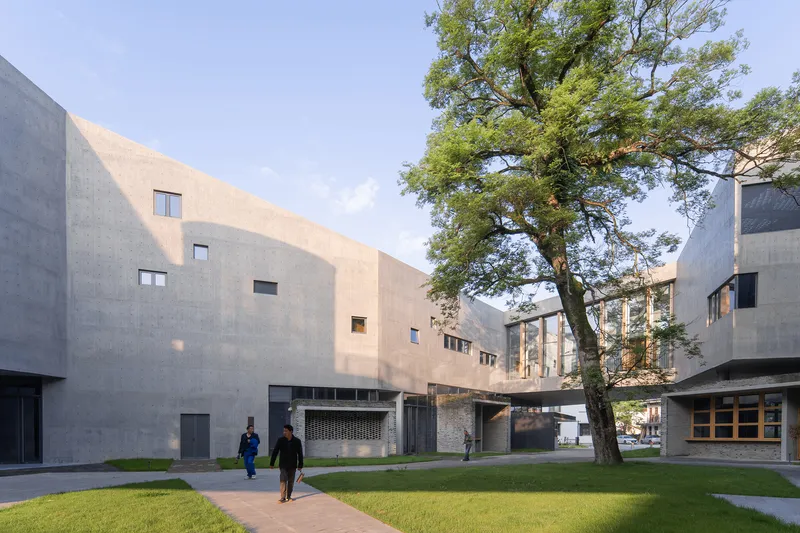
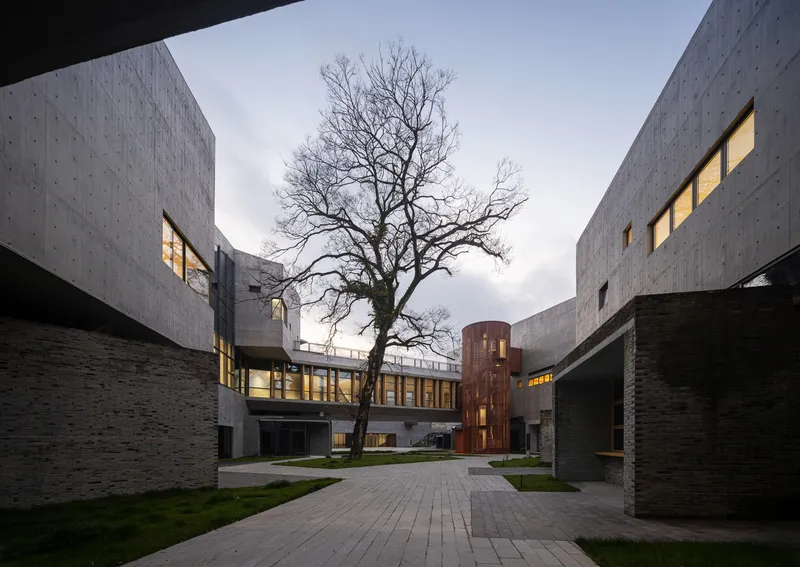
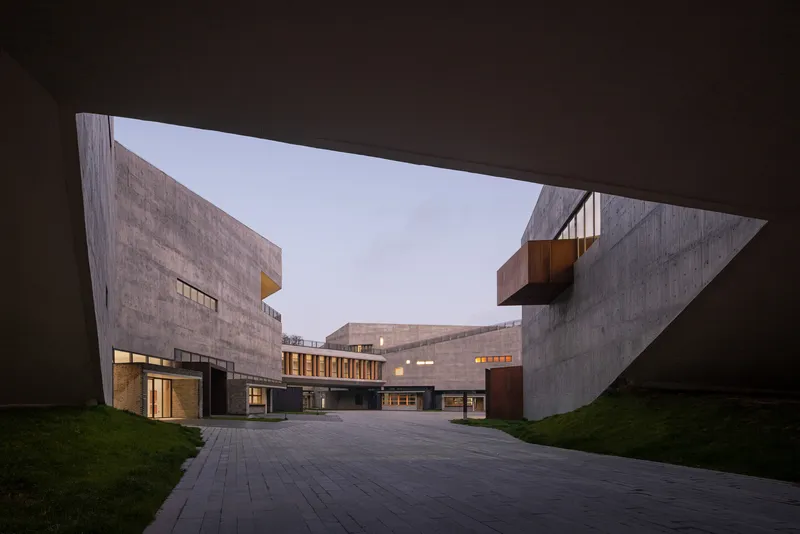
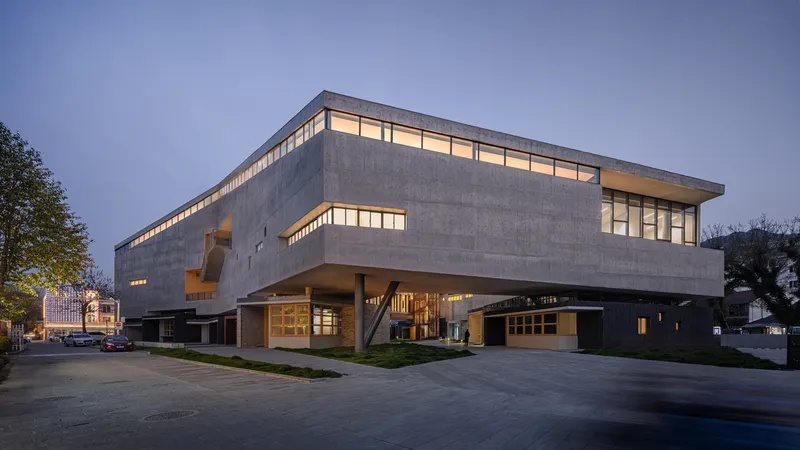
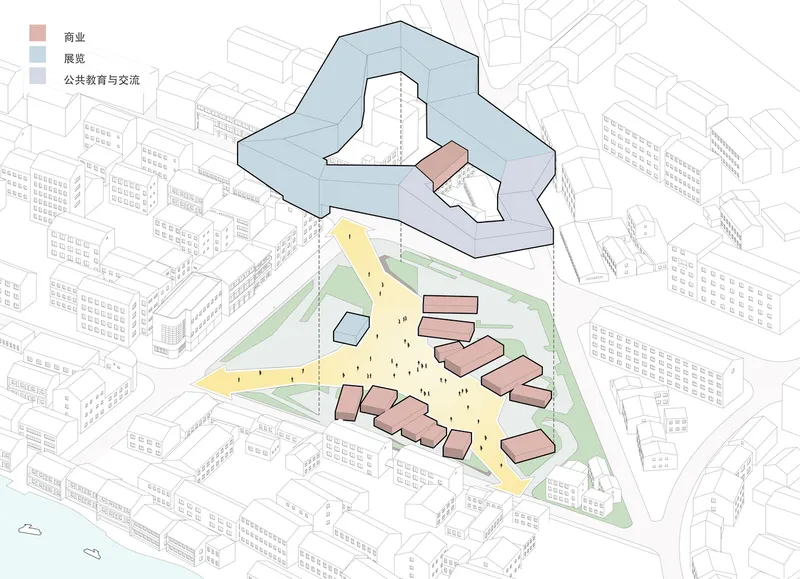
The architecture of the Guyanhuaxiang Art Center addresses the challenge of fitting a large-scale cultural facility into a historic urban fabric. The design resolves these contradictions by employing two scales: the "superscale" of the art exhibition functions and the "everydayness" scale of the neighborhood. This approach allows the center to serve as a new landmark while maintaining harmony with the surrounding landscape and community.
Functional Layout and Community Integration
Multifunctional Public Spaces
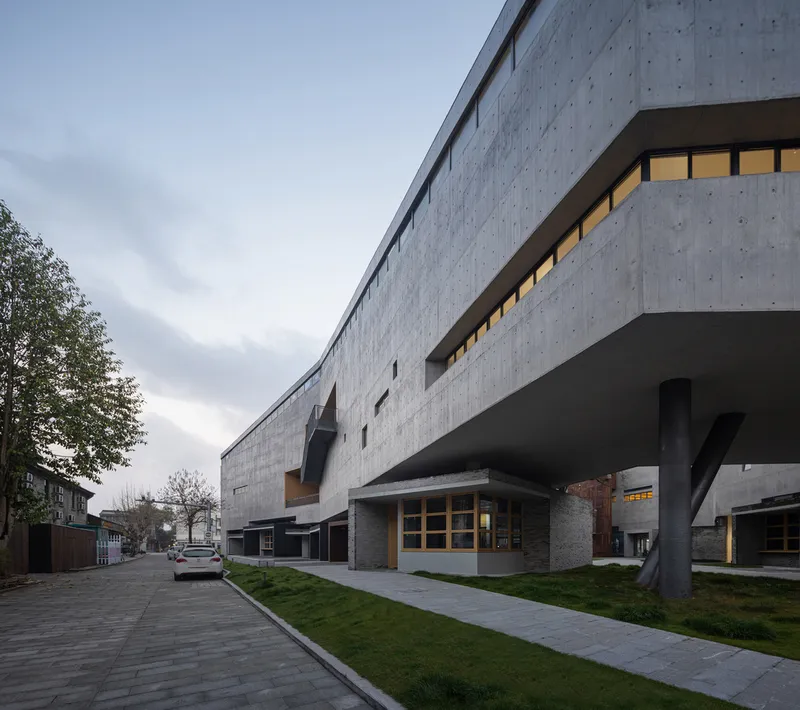
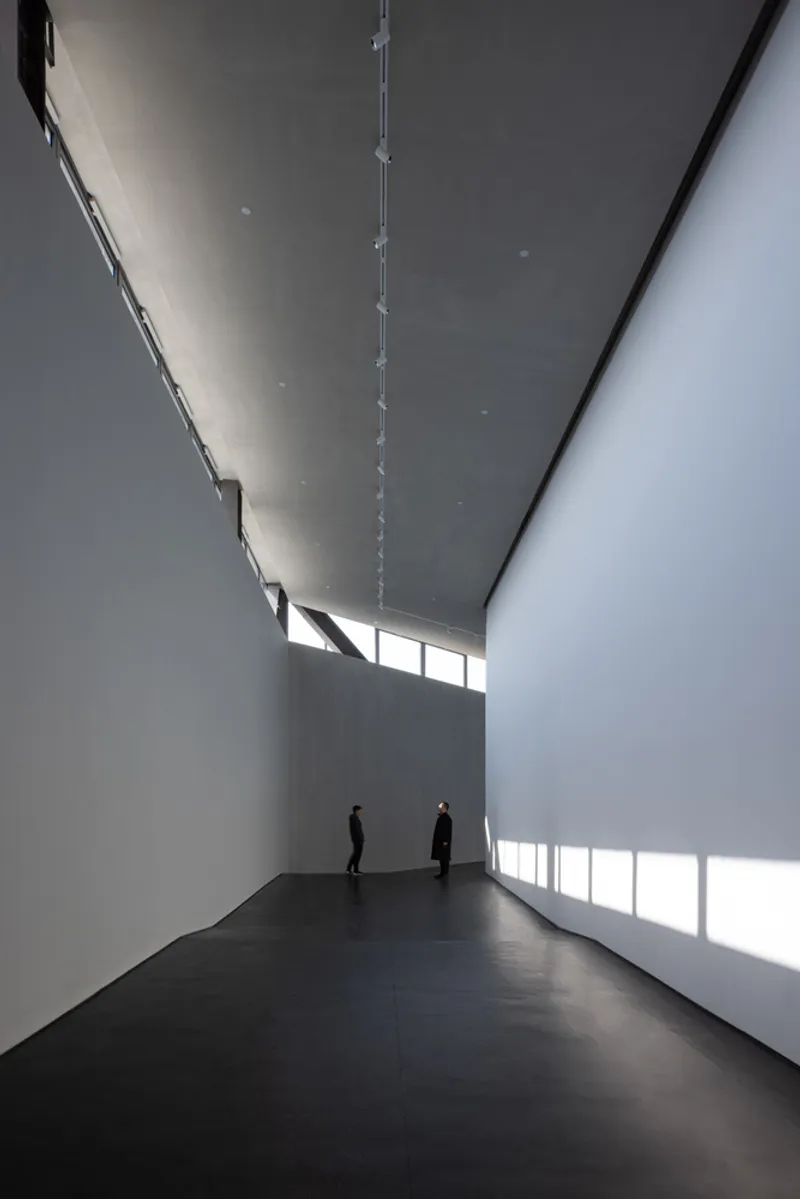
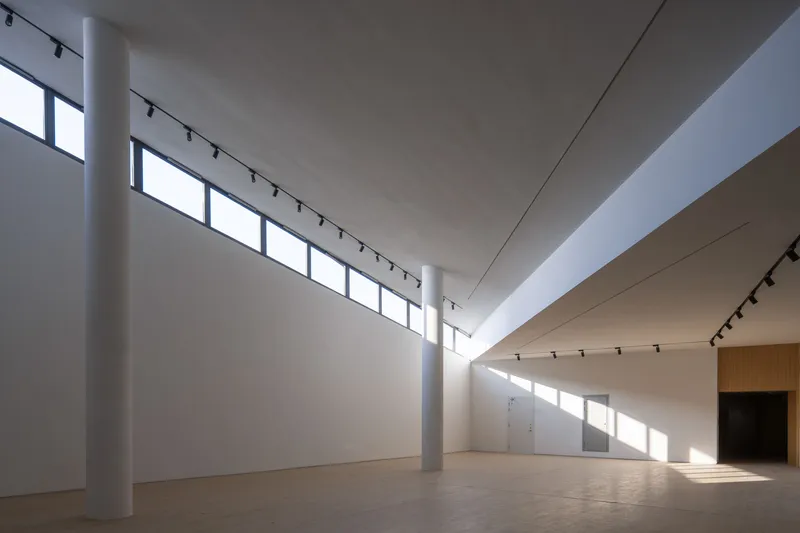
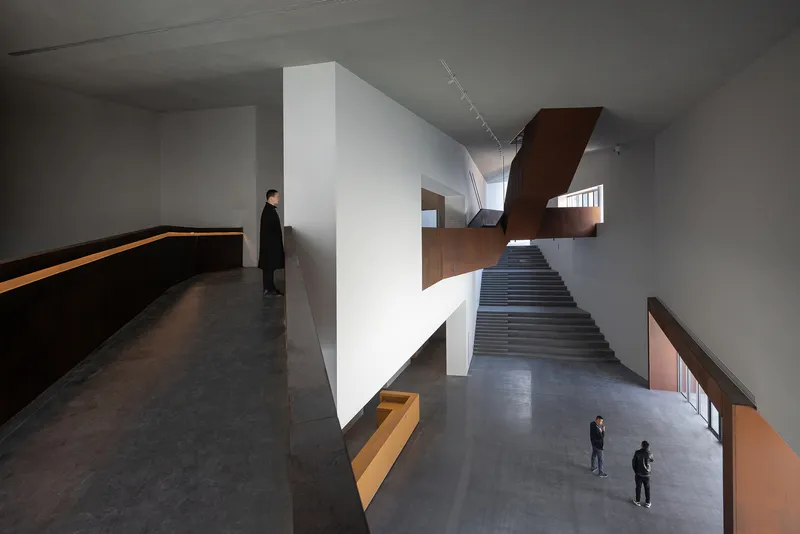
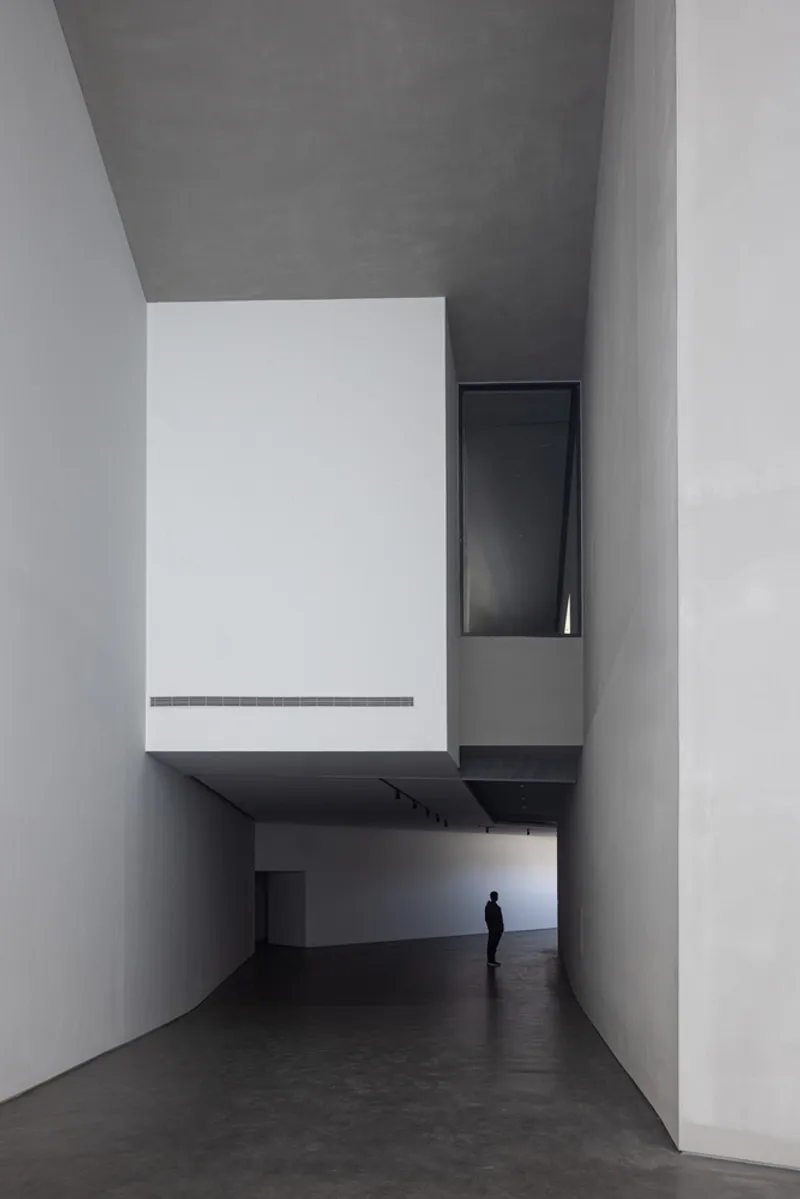
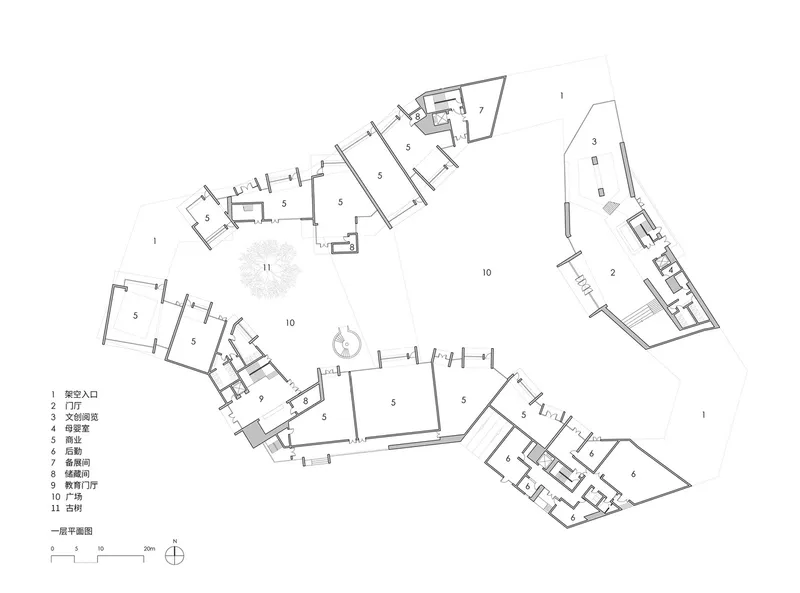
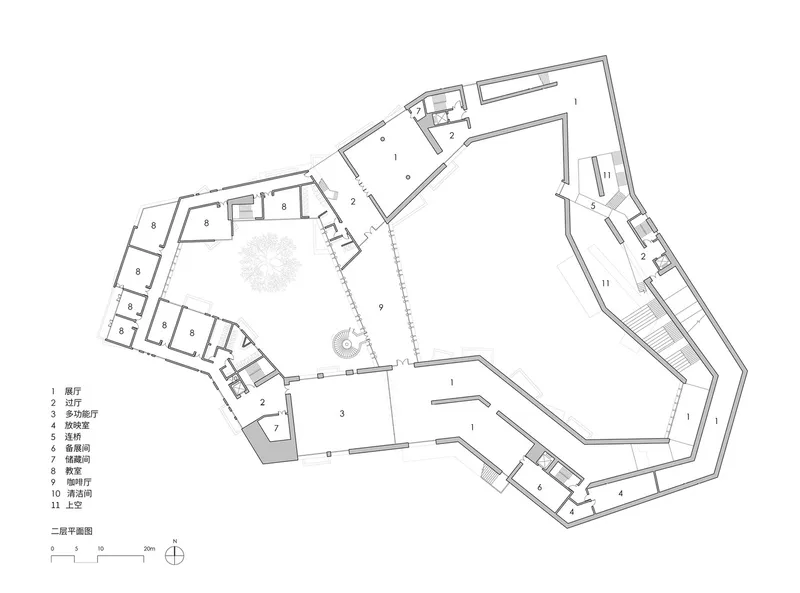
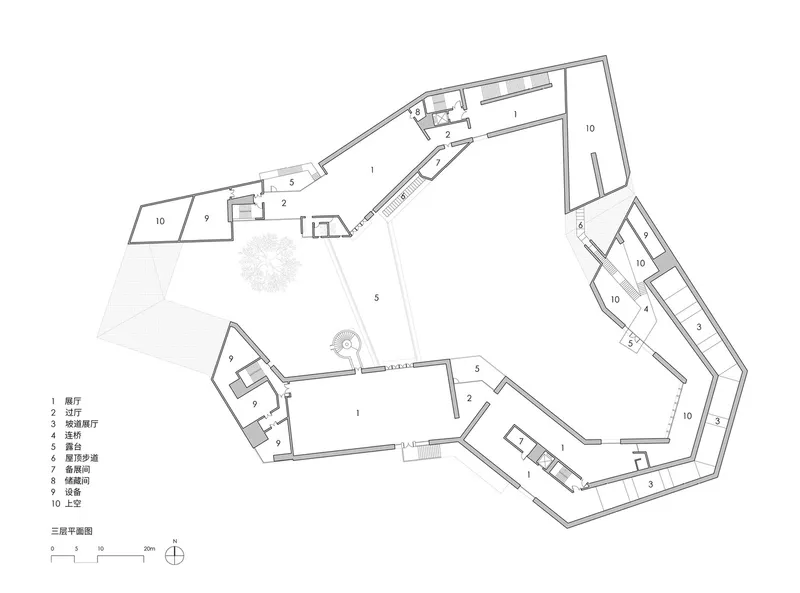
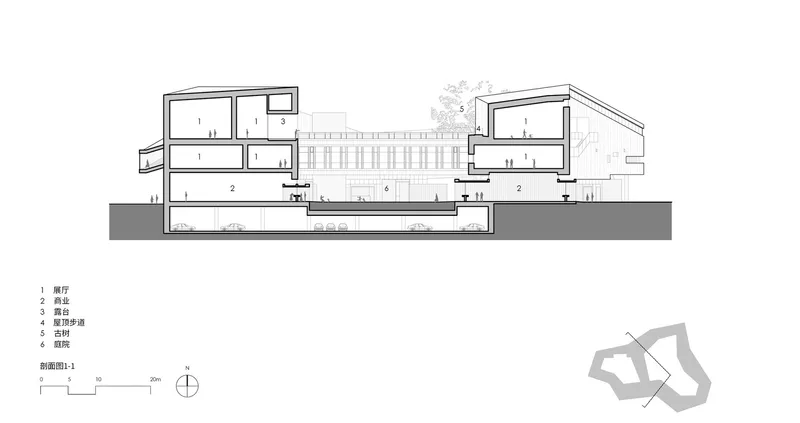
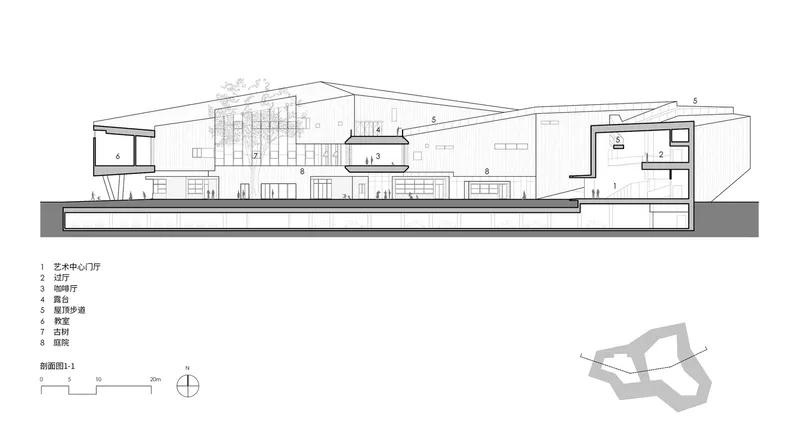
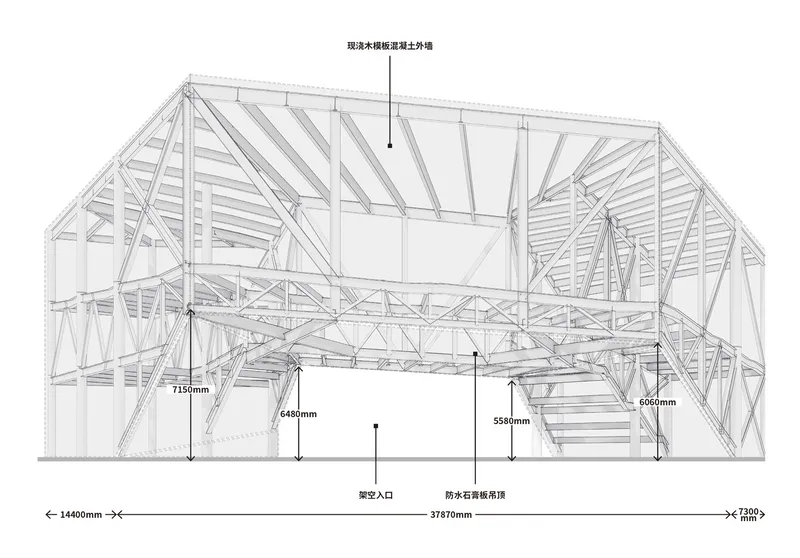
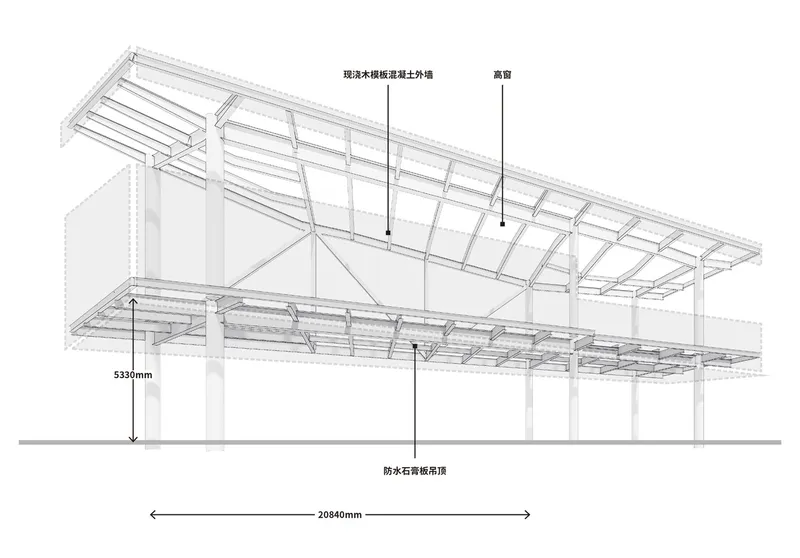
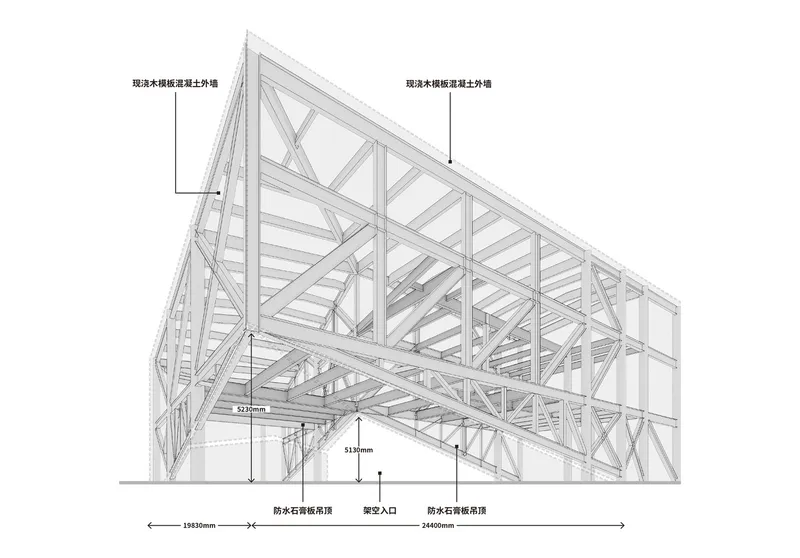
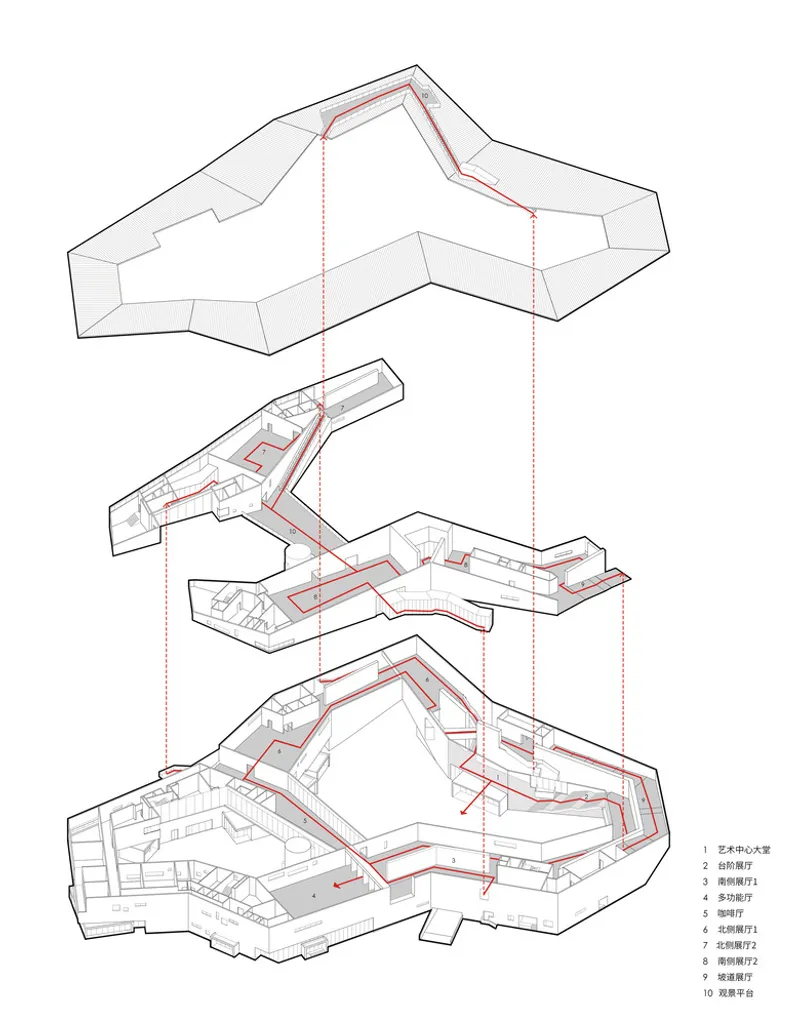
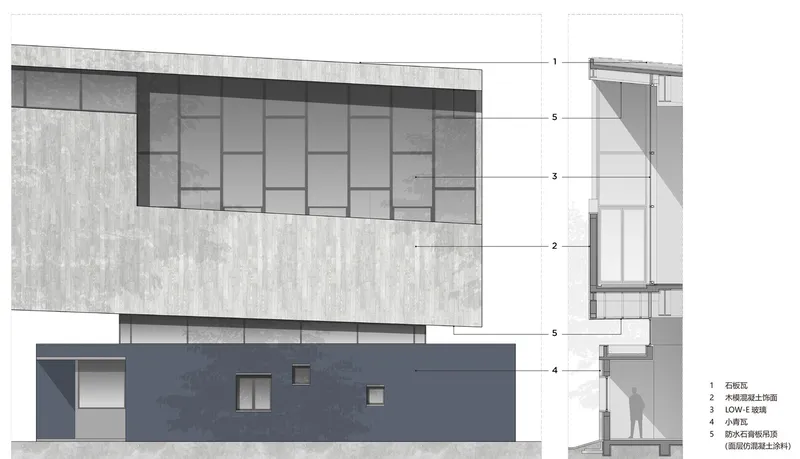
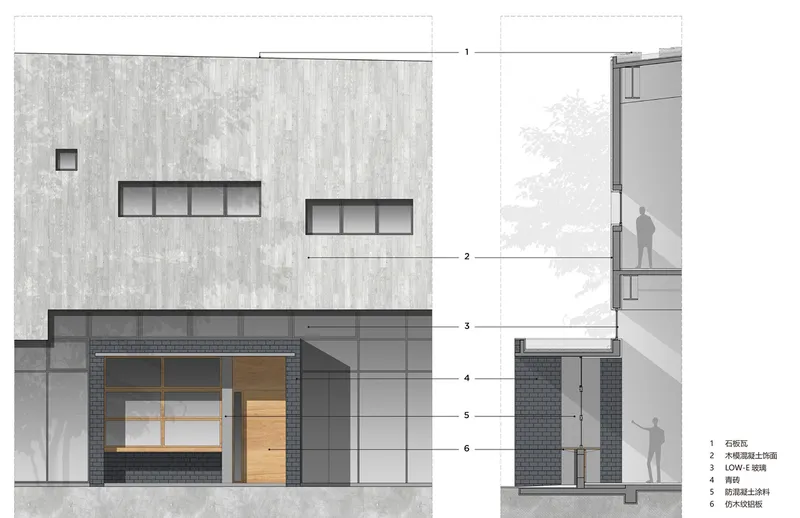
The art center's layout is designed to encourage a high degree of public interaction with both art and the daily life of the town. The ground level accommodates retail and leisure functions in small box spaces that conform to the daily scale of the neighborhood, promoting frequent community engagement. Above, the art exhibition spaces feature a super-normal large-scale structure, providing a dramatic, continuous form that stands out against the local topography.
Sustainable Operations and Community Focus
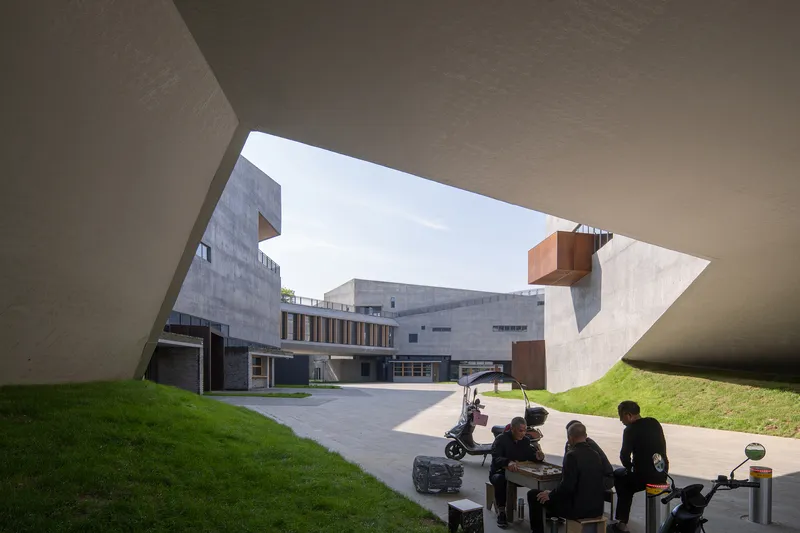
From the outset, the project was envisioned as a sustainable operation, integrating art curation with commercial, cultural, entertainment, and educational activities. This integration ensures the art center remains a vital part of the community, capable of supporting a diverse range of functions and events that enrich town life.
Innovative Design Elements
Juxtaposition and Integration
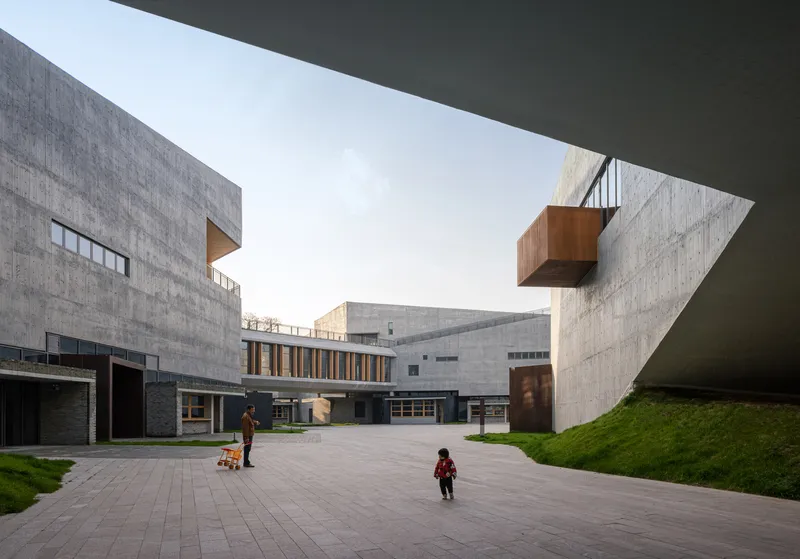
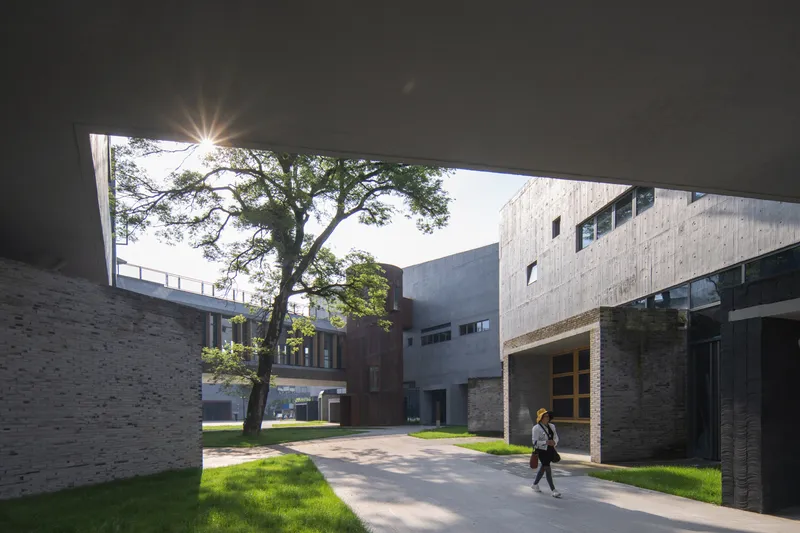
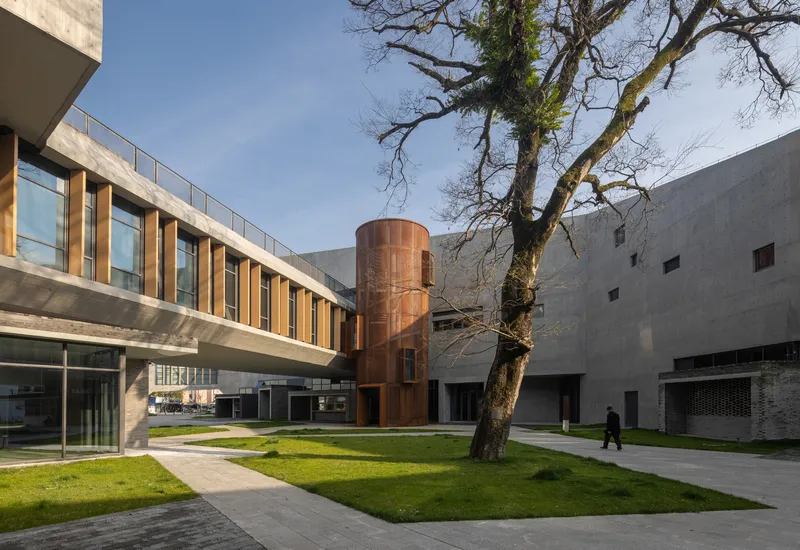
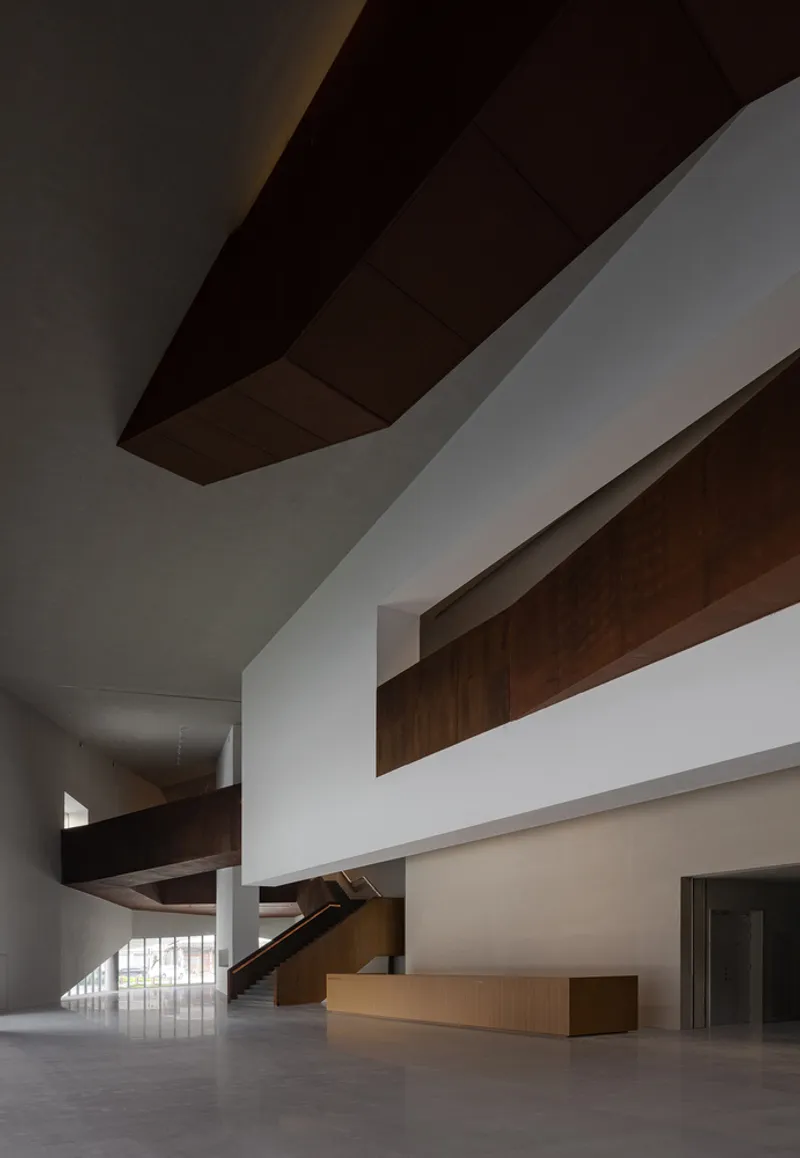
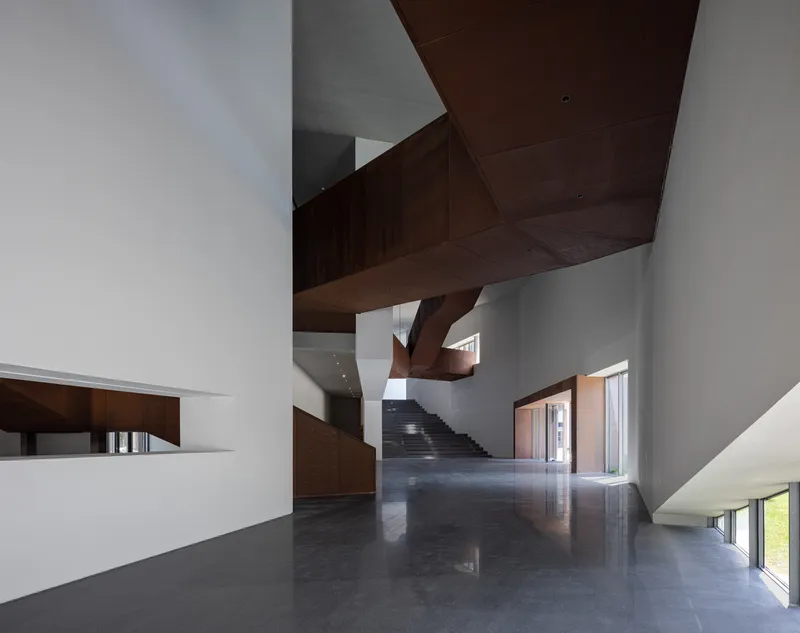
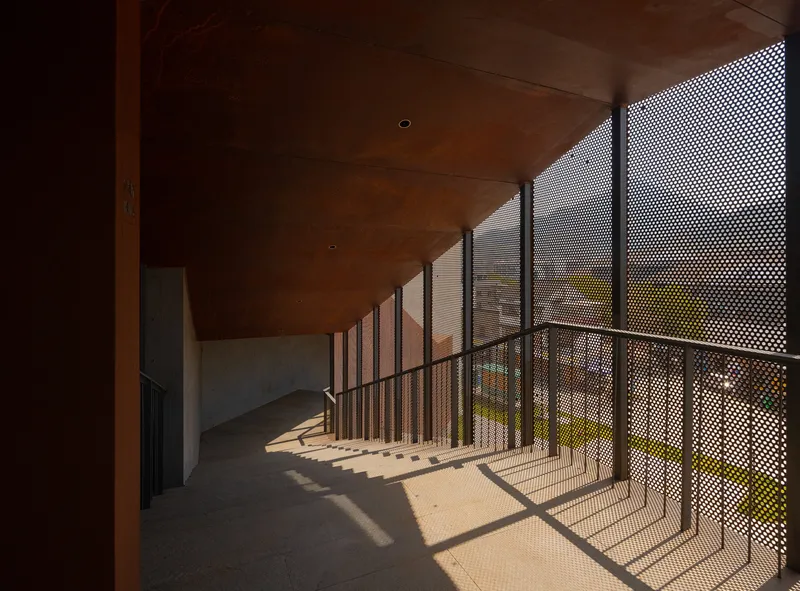
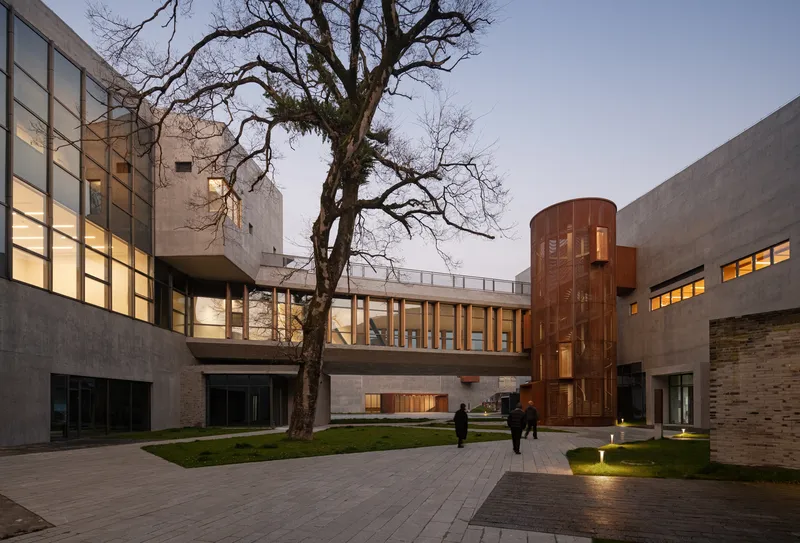
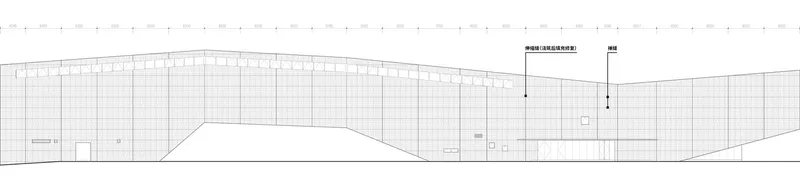
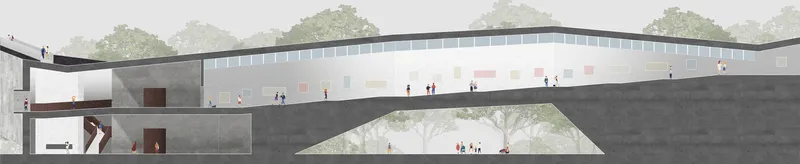
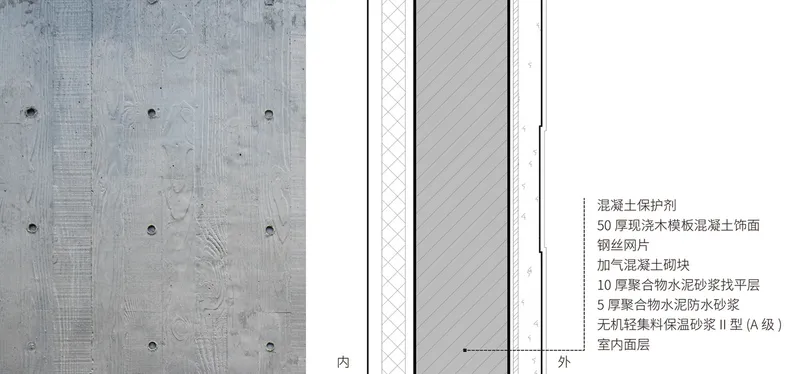
The design of the Guyanhuaxiang Art Center is marked by a sophisticated interplay of volume and material expression. Spatial and temporal dimensions overlap to create a dynamic environment where abstract contemporary art and the rhythms of daily life enhance each other. This integration is evident in the use of materials and the strategic layout of interior spaces that open up to the town, inviting interaction and engagement.
Iconic Structural Elements
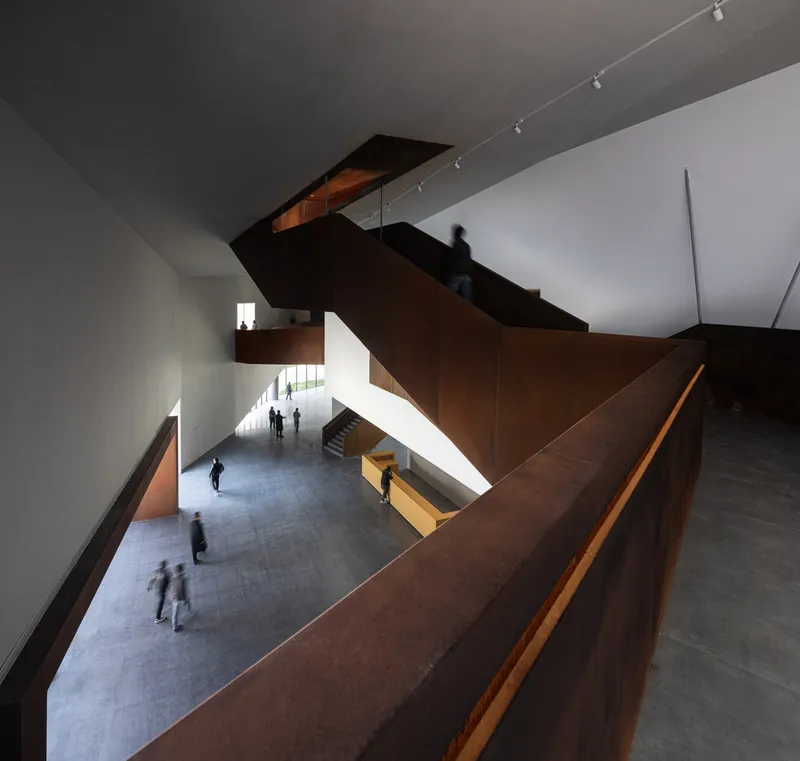
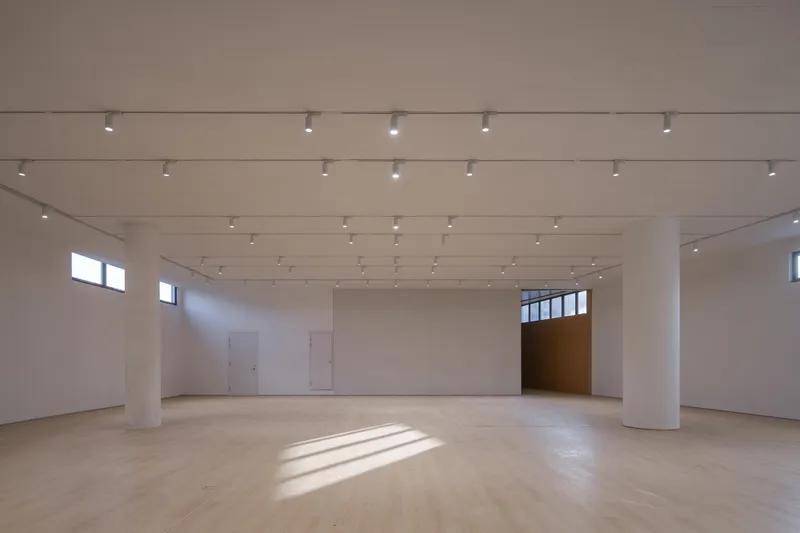
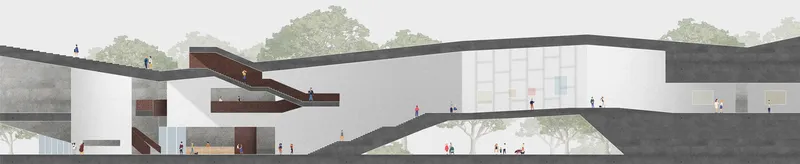
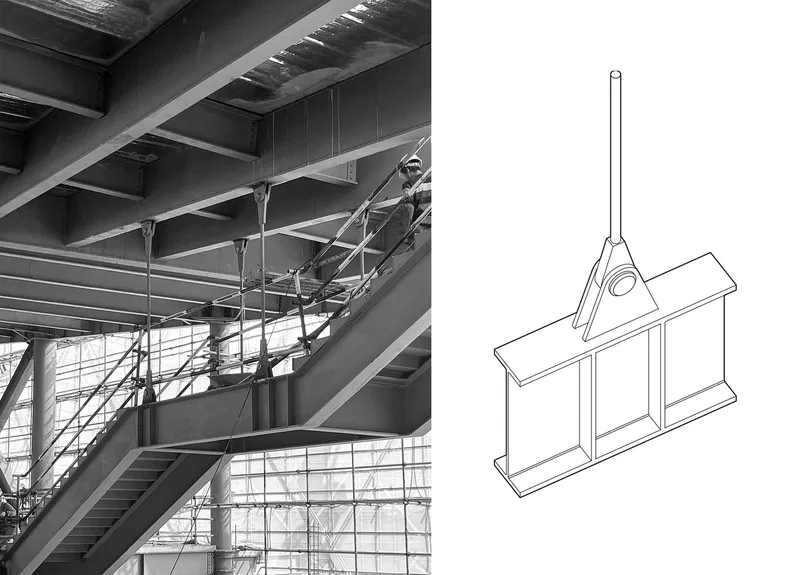
A notable feature of the center is its red metal rusted staircase that acts as both a functional element and a visual connector between the various levels of the building. This staircase, along with the irregular suspended forms of the exhibition spaces, not only breaks the mold of the traditional enclosed "white box" gallery but also enhances the spatial experience, blending the interior with the exterior.
A Model for Future Cultural Art Centers
The Zhejiang Lishui Guyanhuaxiang Art Center by line+ studio represents a forward-thinking approach to cultural art center design. By harmonizing large-scale art functions with the intimate scale of local daily life, the center not only serves as a hub for artistic expression but also as a vibrant community space. This project sets a new benchmark for integrating cultural facilities into their local contexts, ensuring they contribute to the vitality and sustainability of their communities.
All photographs are work of Shengliang Su, DONG Image



Popular Articles
Popular articles from the community


EW PARK: Sustainable Architecture Reimagines the Future of Urban Parking
EW PARK reimagines city parking as a modular wooden tower combining automation, solar energy, electric mobility, and adaptable urban design.

Hill & Cross Opera: Sculptural Opera House Architecture Shaped by Tallinn’s Landscape and Identity
Hill & Cross Opera reimagines opera house architecture in Tallinn through its sculptural hill, civic plaza, glass wave and a luminous cross.

Co-life: Sustainable Architecture for Age-Friendly Community Living
Co-life reimagines sustainable architecture for seniors through courtyards, rammed earth, shared gardens, and spaces designed for belonging.

The Musturak Paradise: Senior Living Architecture for a Connected Future in Temara, Morocco
The Musturak Paradise reimagines senior living architecture in Temara via private homes, social spaces, culture, community, and shared care.

Similar Reads
You might also enjoy these articles


Hodi-Mandai Geram
Project Function: Preservation and revitalization of the Intangible heritage and socio-spatial identity of the Hodi by Housing, Cultural Memory Center, Sacred Grove, landscape, local tourism economy


Olio Towers: A Mid-Rise for Performers That Fuses Housing, Rehearsal, and Stage
Located blocks from Houston's Theater District, this modular tower stacks living units around a central performance atrium.

Oasis: Modular Green Housing Carved into Dhaka's Urban Fabric
A shortlisted Plugin Housing entry reclaims unauthorized settlements in Dhaka with stepped concrete volumes, green roofs, and ventilation-driven design.

Black Hole: A Floating Megastructure for the Post-Physical Era
Emiliano Mazzarotto envisions a spherical, self-scaling arena where e-sports, digital hotels, and holographic stadiums replace traditional public space.

Explore Culture & Art Centre Competitions
Discover active competitions in this discipline



Challenge to reimagine the Iron Throne


Photograph architecture without architects


Illustrate the lost glory of Angkor Wat - Render Challenge


Design challenge to reuse E-waste
Comments (0)
Please login or sign up to add comments
No comments yet. Be the first to comment!