

Inouï Collective Housing by A6A: A Vision of Modular Collective Housing and Urban Transition
A6A's Inouï Collective Housing redefines modular collective housing through adaptable design, ecological transition, and urban integration in Bordeaux.


Redefining Urban Living Through Modular Collective Housing
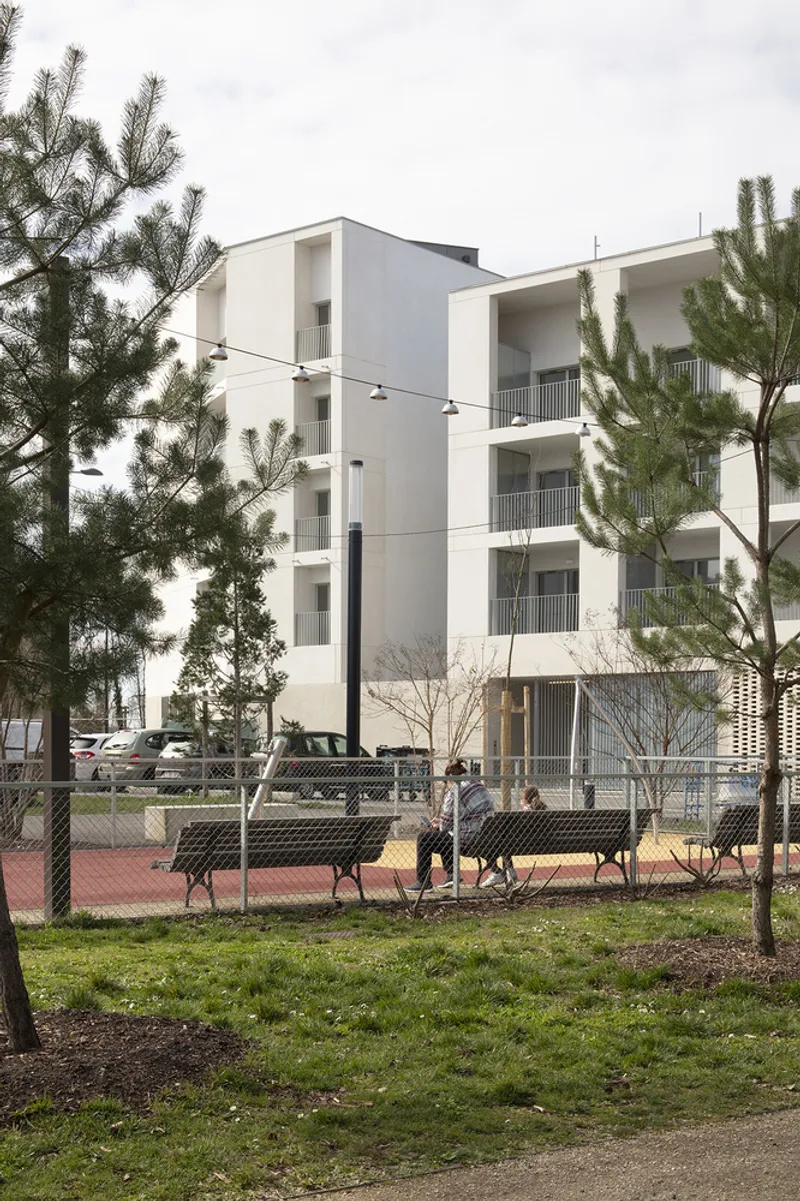
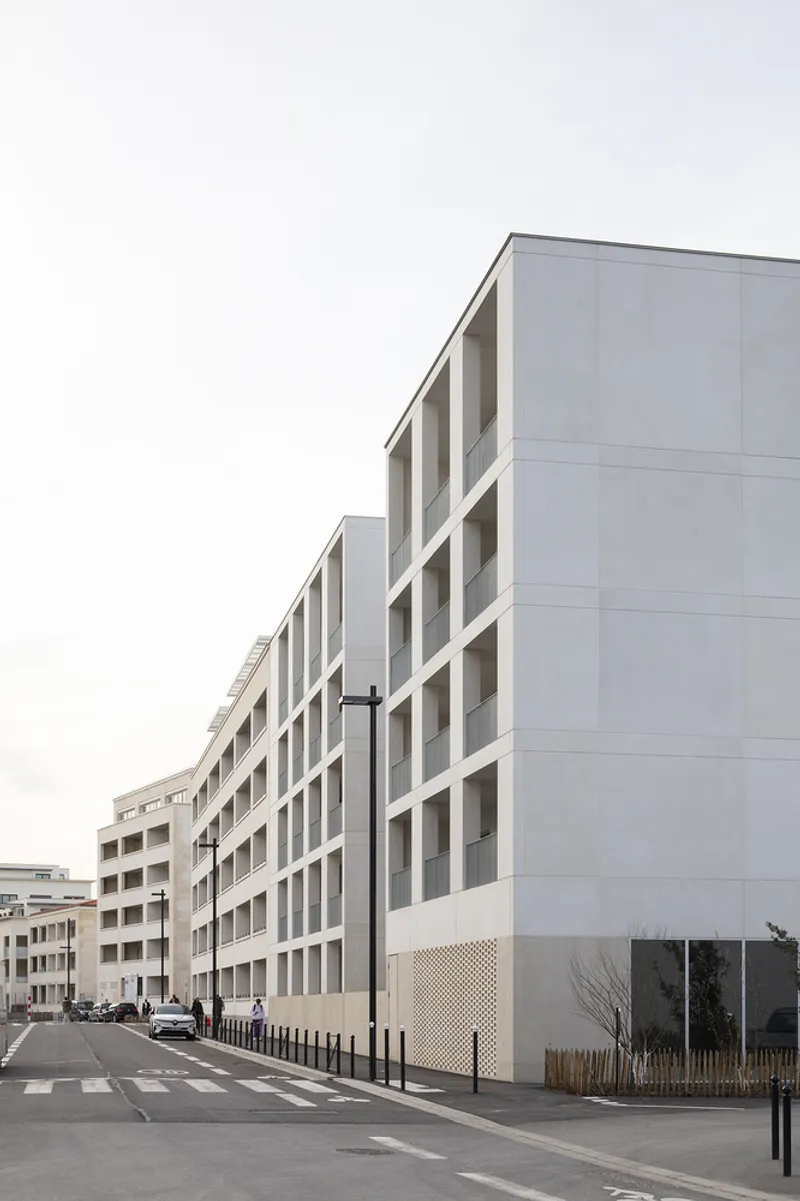
Located on the right bank of the Garonne River, the Inouï Collective Housing project by French architecture firm A6A stands as a contemporary model of modular collective housing. Seamlessly situated between two distinct districts—the commercial streets of Bastide and the emerging public spaces of Deschamps—this residential development serves as both a physical and symbolic link in Bordeaux’s evolving urban fabric.


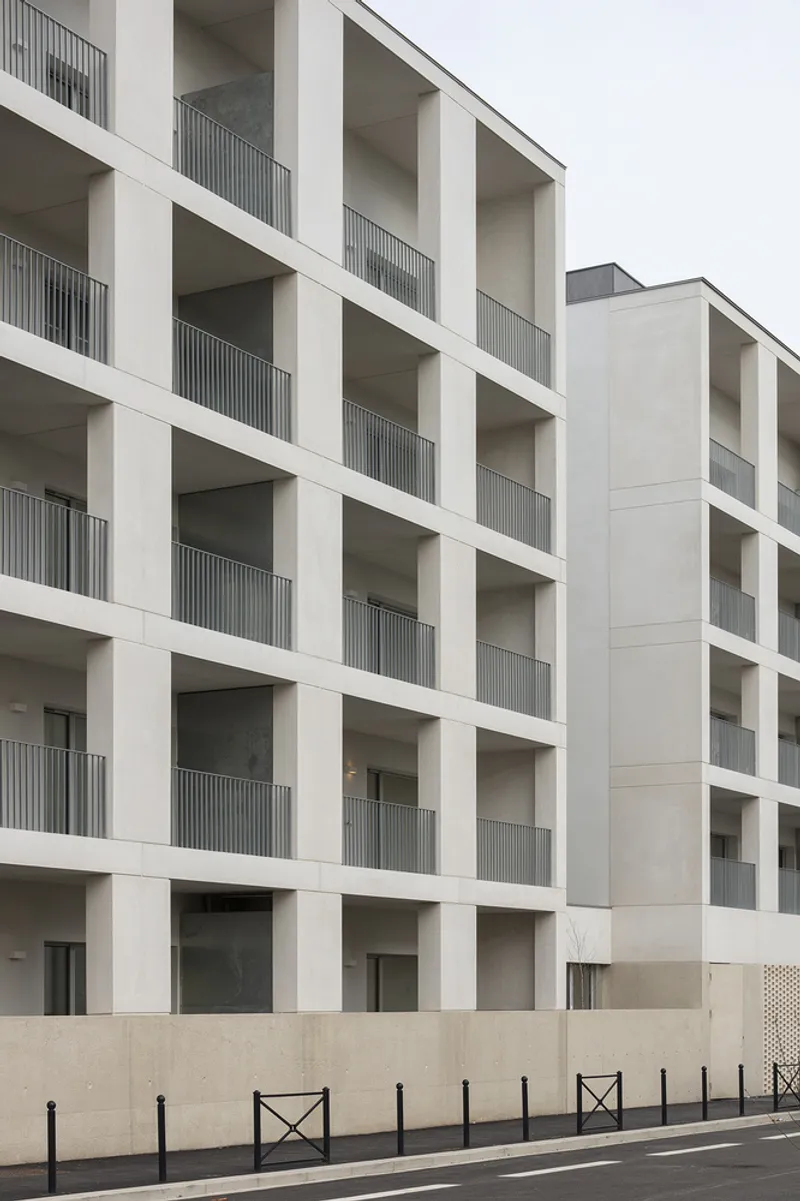
Designed as an architectural bridge, the project embodies dual themes of couture and transition. “Couture” in the sense of stitching together neighborhoods and “transition” in terms of ecological and formal evolution, Inouï Collective Housing aims to create a continuity between past typologies and future lifestyles.


An Urban Connector: Linking Districts and Identities
The positioning of the project plays a key role in its concept. The Bastide quarter, defined by its historical shops and low-rise buildings, contrasts with the new urban operations of Deschamps, characterized by expansive public plazas and innovative housing. The Inouï development is intentionally placed at the intersection of these two identities, offering a built response that negotiates between the scale and spirit of both districts.
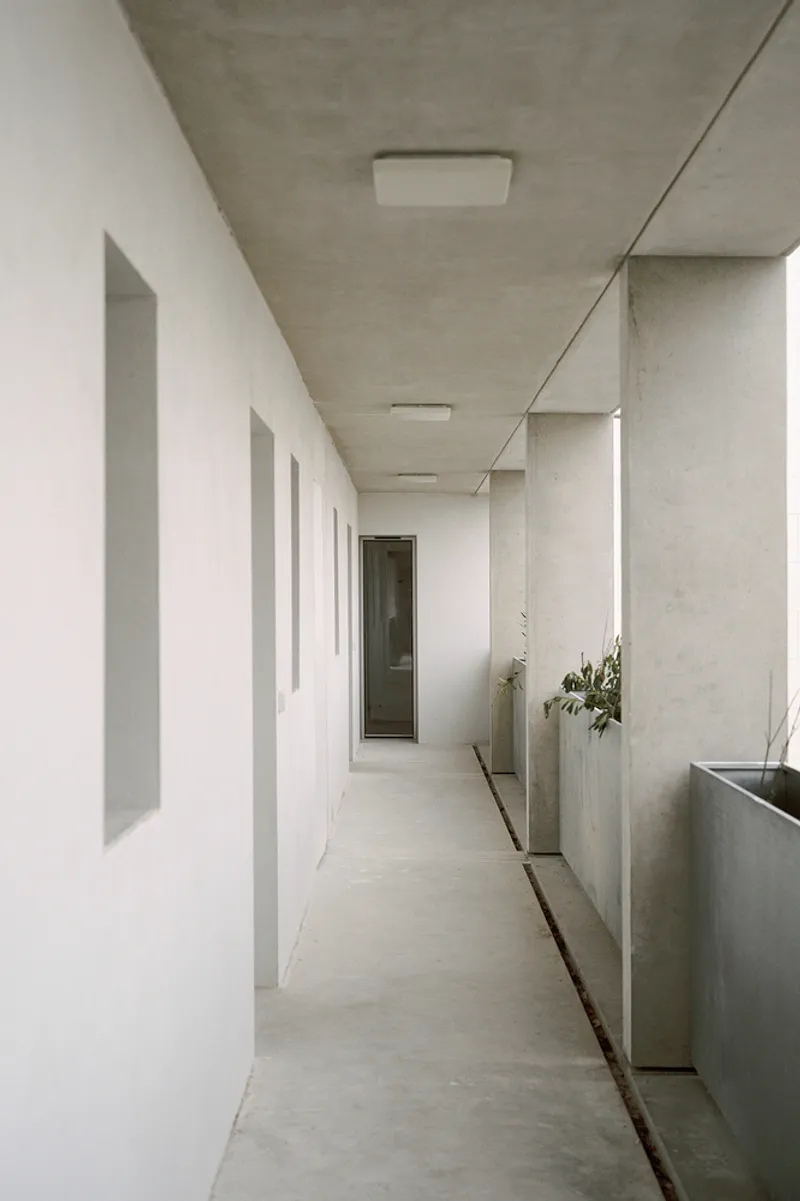
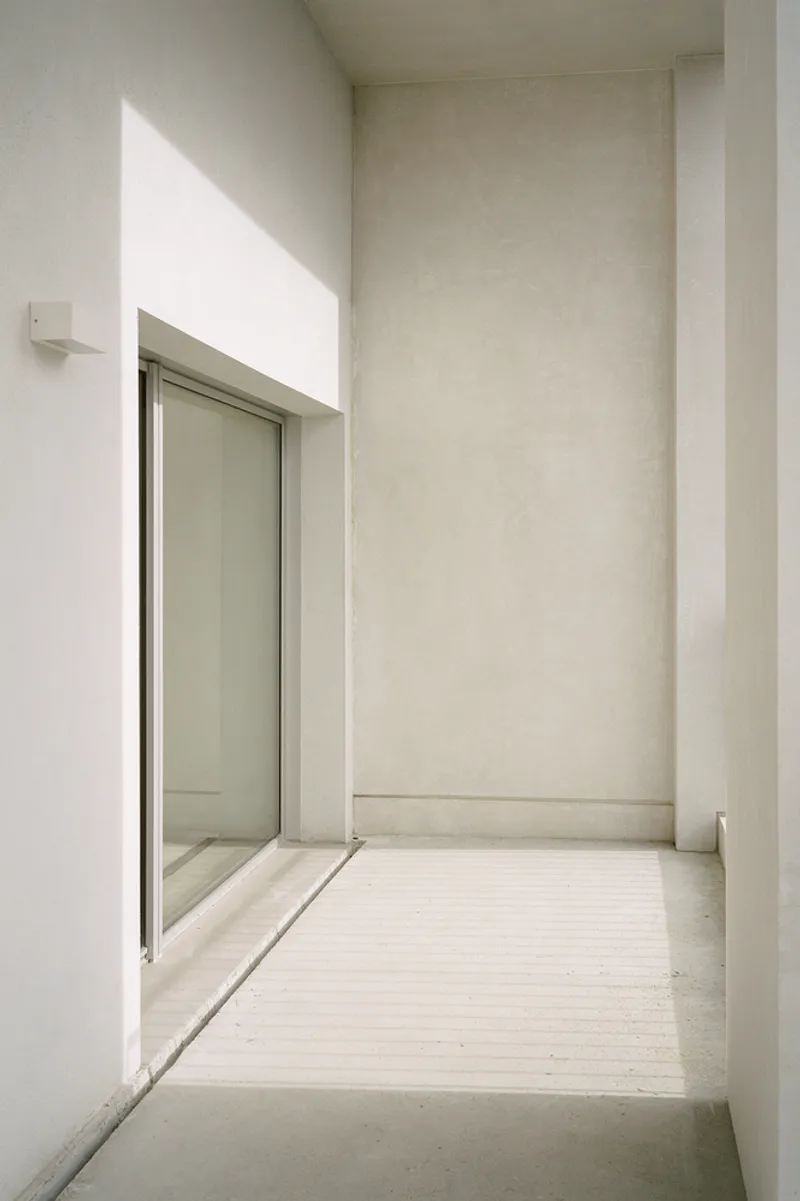
Through its architectural language and spatial organization, the building establishes a harmonious dialogue between tradition and modernity. The design references the stone city through its use of limestone concrete, reinforcing a sense of place while updating material practices for a contemporary audience.

Modular Collective Housing Designed for Flexibility and Customization
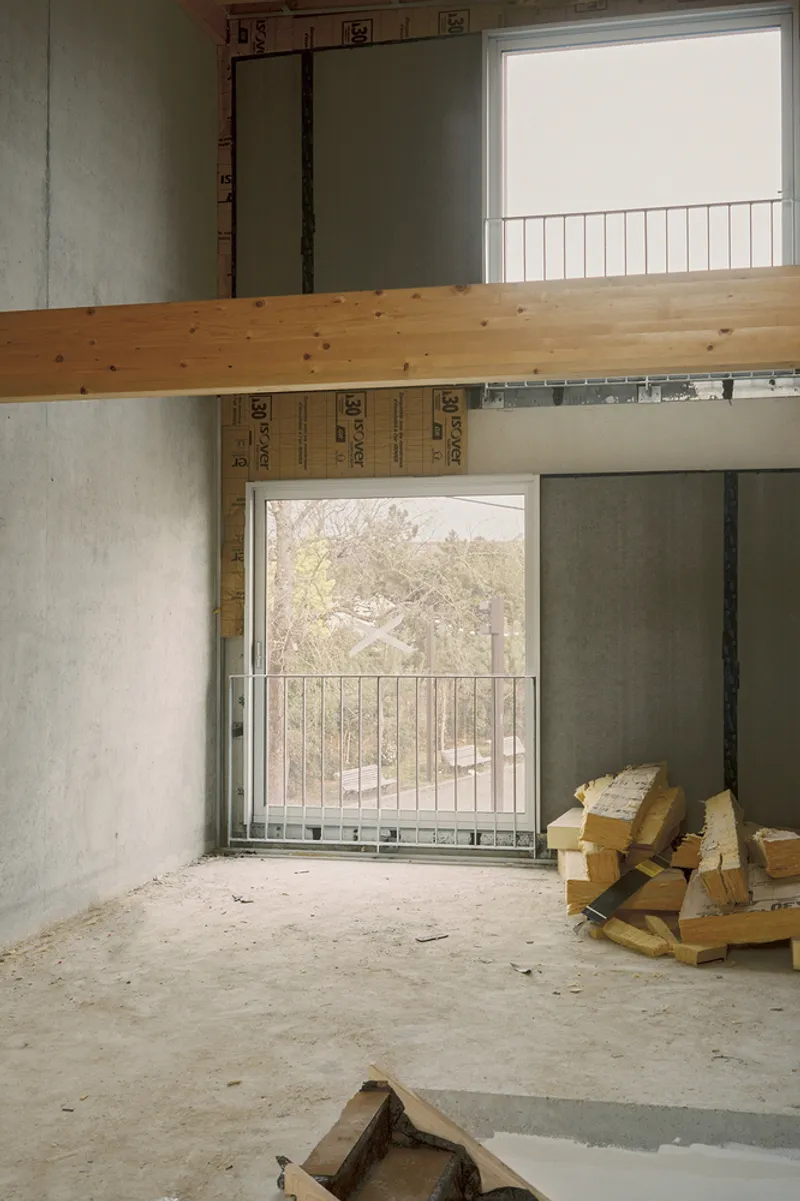
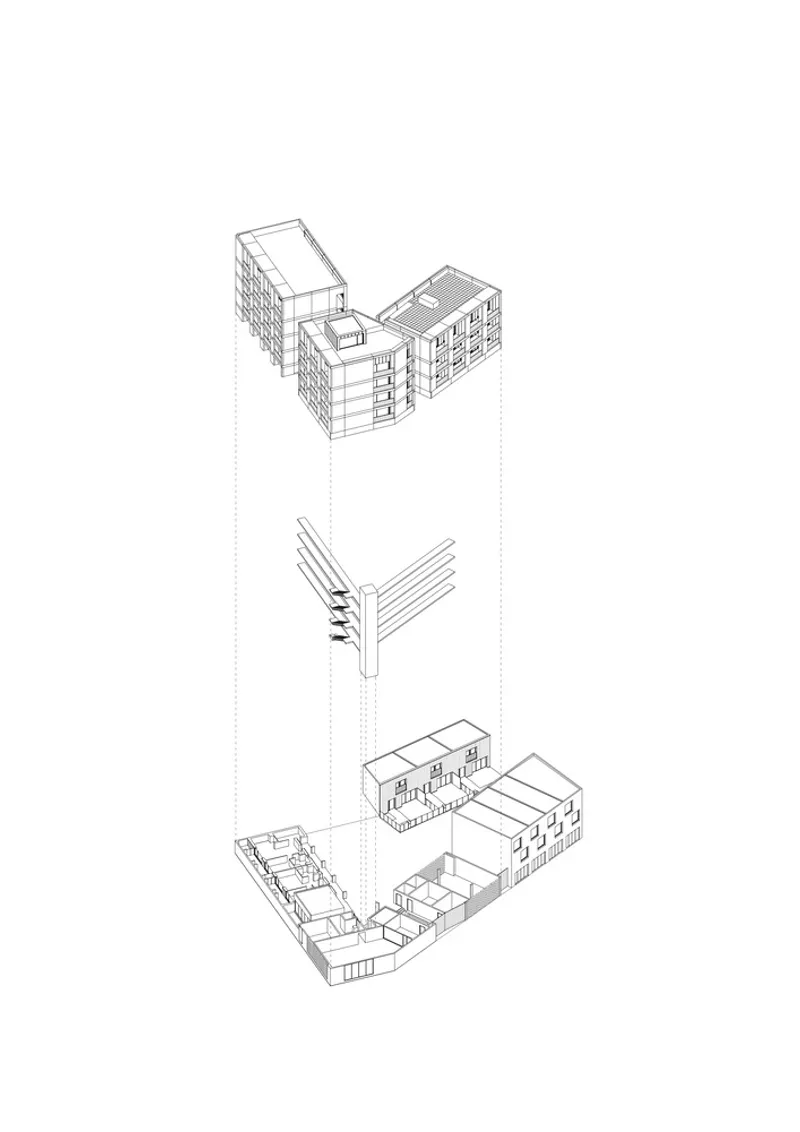
At the core of the Inouï project is a flexible and modular housing concept that responds to changing lifestyles and the evolving needs of its residents. Each apartment is conceived not as a fixed unit, but as a frame—an adaptable space that can be customized to reflect the diverse ways people live, socialize, and seek privacy.
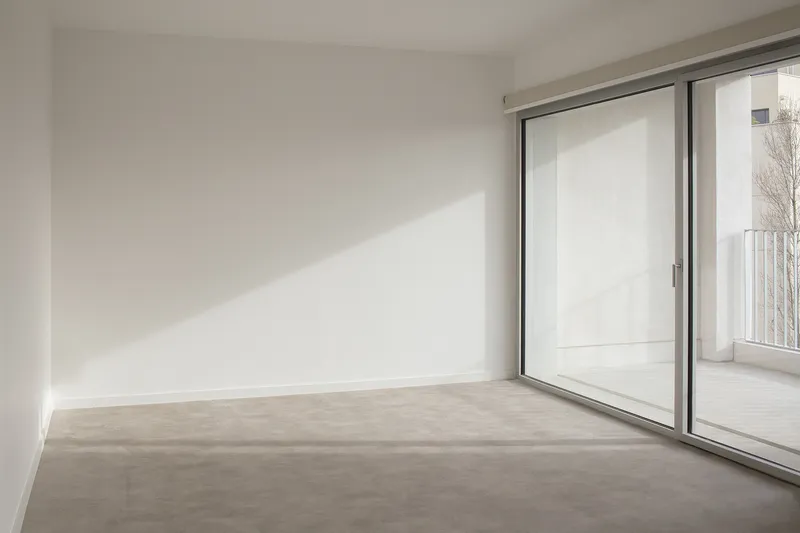
Rather than enforcing a uniform mode of habitation, the architecture celebrates plurality. Residents are encouraged to define how they occupy their homes, blurring the boundaries between private retreat and communal interaction. The structure accommodates different family models, life stages, and working patterns, creating a vibrant and inclusive housing ecosystem.
Materiality and Formal Simplicity
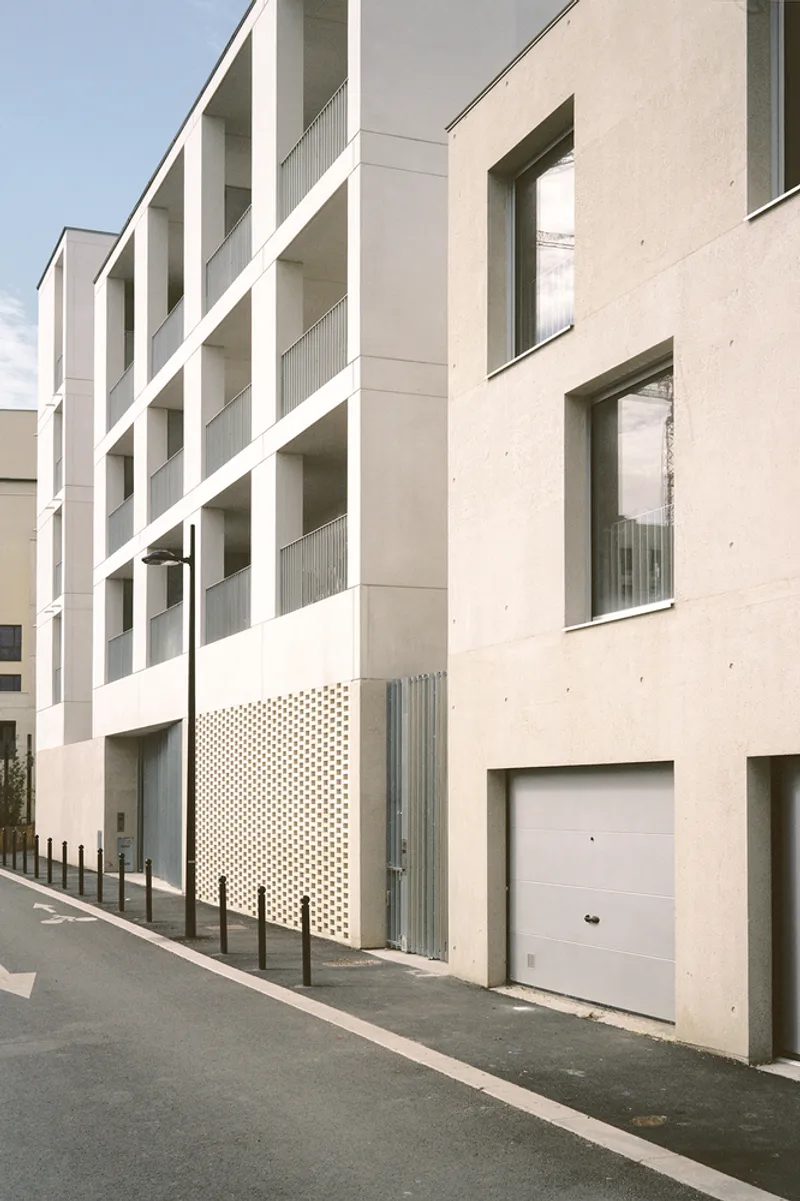
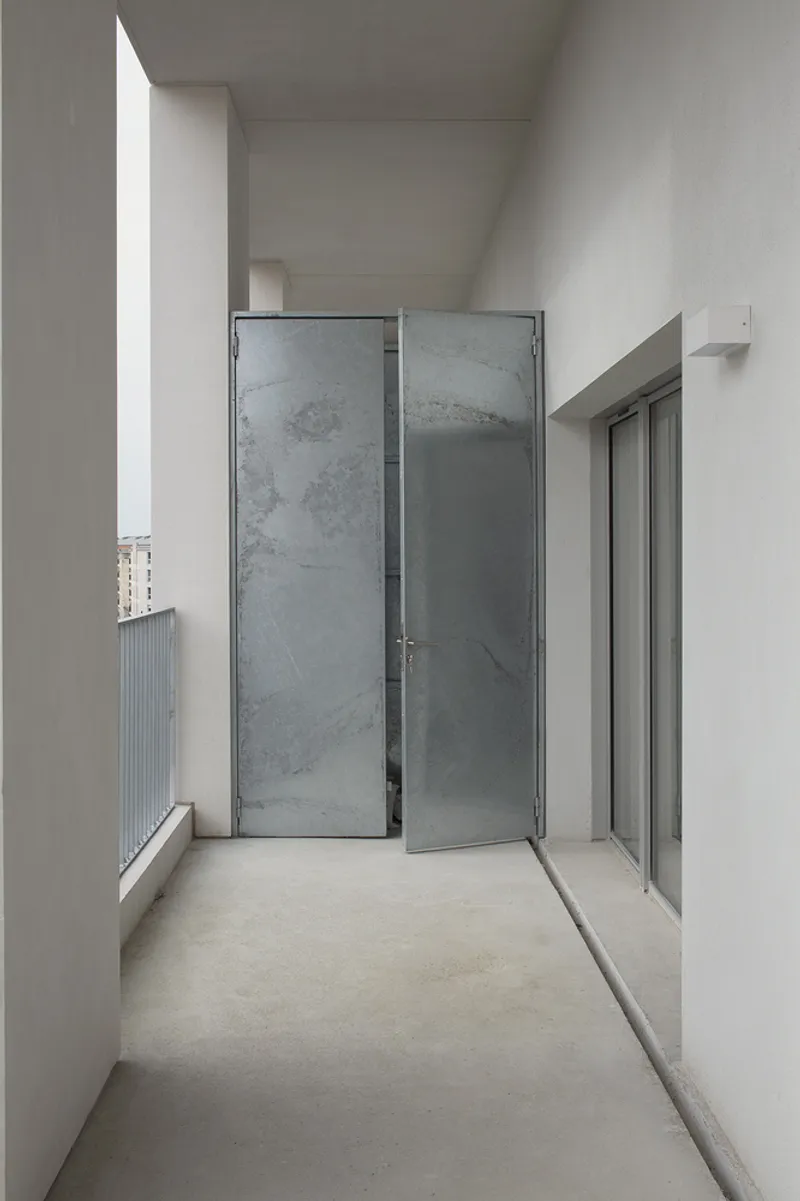
The project utilizes limestone concrete—a material choice that reinforces its connection to the surrounding stone cityscape. The use of this tactile and durable material offers both aesthetic coherence and structural clarity. The building’s expression remains sober and refined, allowing the form to support the evolving program within.

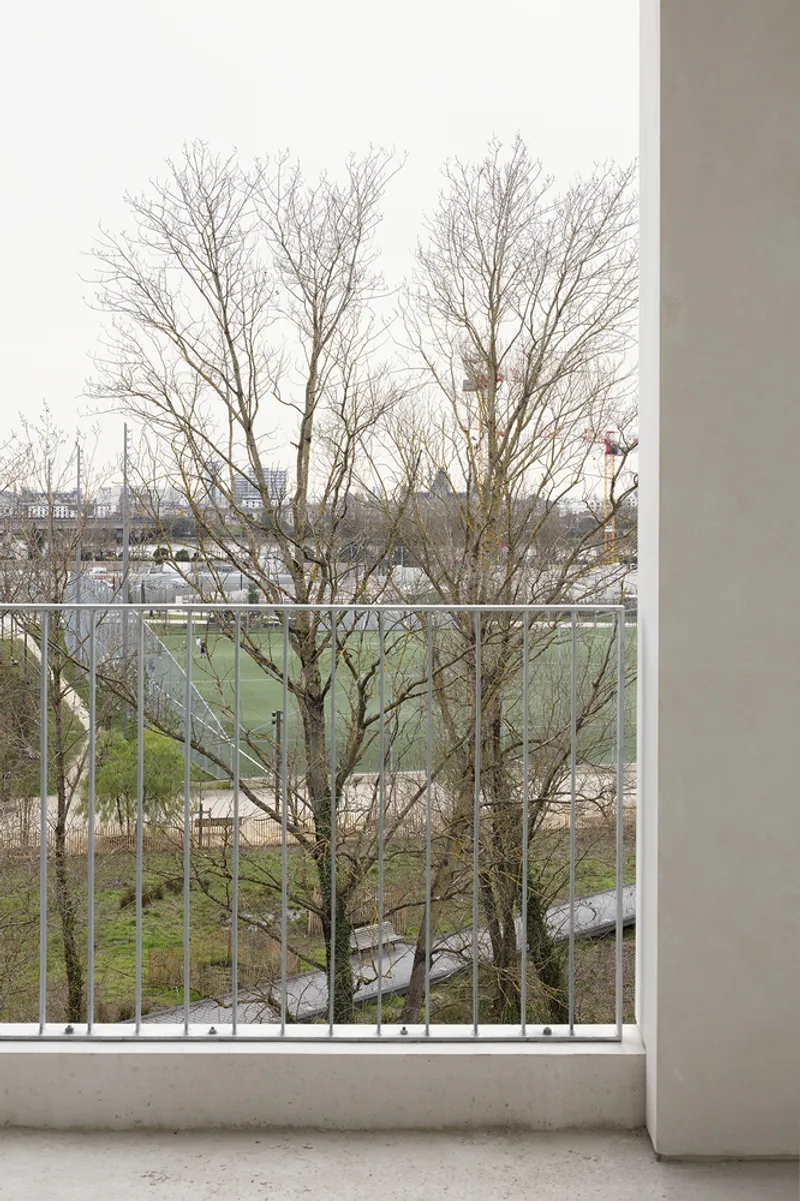
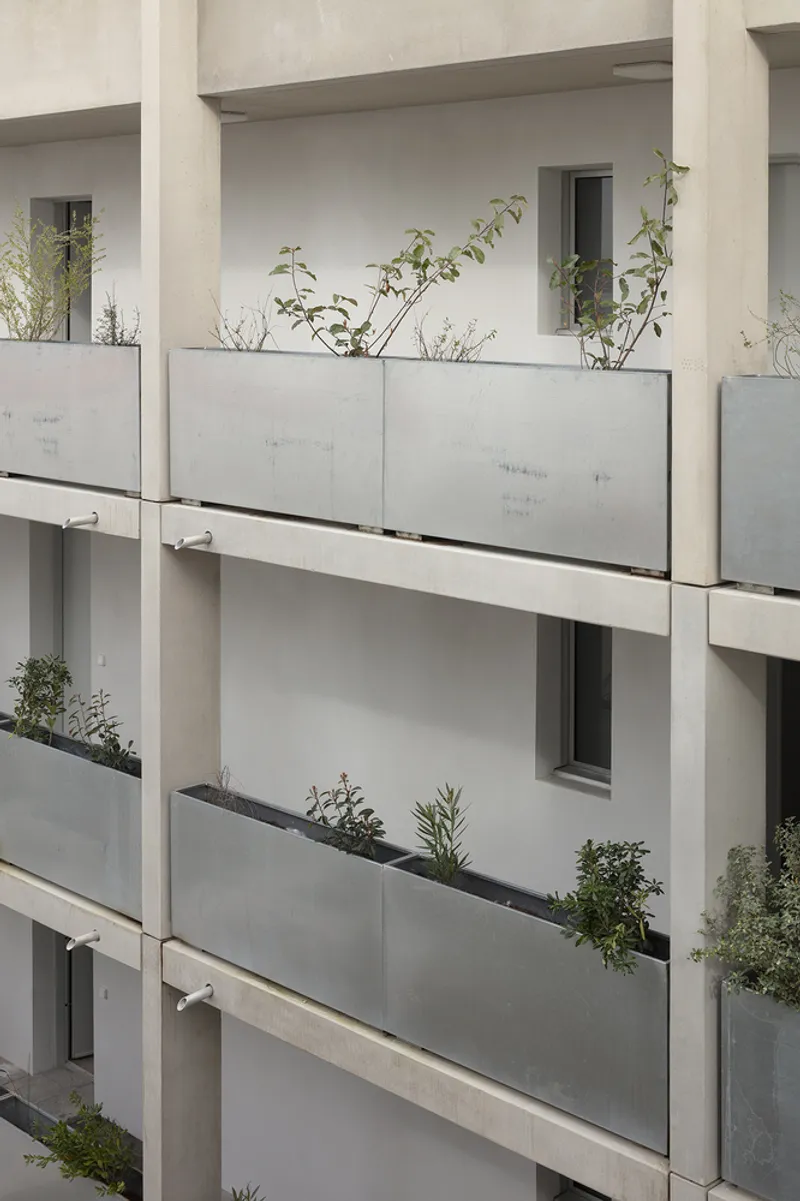
With clean balconies, concrete handrails, and open transitional spaces, the architecture articulates an understated modernism that is both resilient and adaptable. It is a building that does not shout, but instead supports the rhythms of everyday life with quiet strength.
A Model for Sustainable Urban Development
The Inouï Collective Housing project is not only about architectural expression but also about how housing can serve as an engine for sustainable urban development. By promoting modularity and long-term adaptability, the project reduces the need for extensive future renovations. Its ecological footprint is minimized through material efficiency and design foresight.
This emphasis on flexibility and customization speaks to a future in which housing must be responsive—not just to climate and economy, but to the lived experience of its inhabitants.

Reimagining Collective Living in the City
A6A’s design demonstrates that modular collective housing can be both practical and poetic. The Inouï project is a contemporary reinterpretation of the city block—a place where individuality is respected, and community is nurtured. It suggests that good architecture is not just about buildings, but about fostering life between them.

By acknowledging historical layers while opening pathways to the future, the project sets a benchmark for inclusive and forward-thinking residential design. It is a subtle yet powerful answer to the question: How can we live together, better?
All the photographs are works of Agnes Clotis


Popular Articles
Popular articles from the community


LT2A and OPEN Architectes Thread a Brick and Glass High School Through a Wooded Belgian Campus
In Braine-l'Alleud, a 3,000 m² wing for Collège Cardinal Mercier pairs pale brick with a glazed colonnade, deferring to a small chapel and a dense wood.

David Ortega Stacks a Two-Story Mexico City Penthouse Around a Steel Stair and a Pergola-Shaded Roof Terrace
In Colonia Roma, a 300 m² penthouse uses oak joinery, a planted steel stair and a slatted roof pergola to make a new-build apartment feel like a house.

Juan García Correa, John González and Claudia Rueda Sink a Circular Amphitheater into a Manizales Engineering Building
On the La Nubia campus in Manizales, Colombia, the S1 Building folds labs and offices into a hillside of ramped lawns that double as a campus route.

Architekt Andreas Gruber Scatters 23 Dark Timber Chalets Across a South Tyrolean Forest Edge
In Molini di Tures, Amonti Chalets breaks a resort into a hamlet of gabled timber houses, with parking, storage and services pushed into the slope.

Similar Reads
You might also enjoy these articles

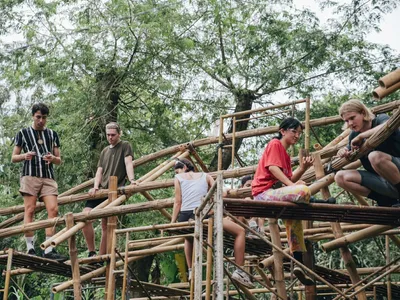
Bamboo Housing Challenge 2026: Design Affordable, Sustainable Homes Using Bamboo
An international design competition by Bamboo U and IBUKU inviting architects and designers to reimagine affordable housing using bamboo — with the winning design built full-scale in Bali.
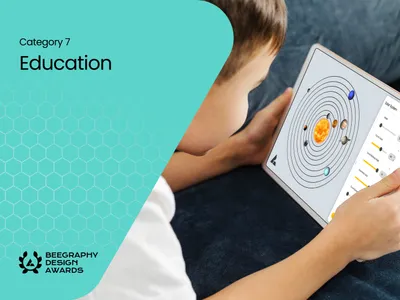
Computational Design & Education: Beegraphy Design Awards Introduces 7th Category (Featuring Jiyun's Innovative Approach)
Dive into Beegraphy’s 7th Design Awards category, where computational design meets education to create immersive, interactive learning tools, inspired by Jiyun’s work.
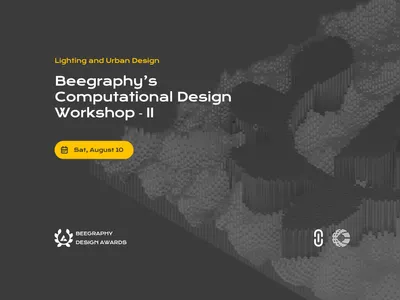
From Parametric Lighting to Urban Furniture: Join the 2nd Workshop in Beegraphy’s Computational Design Series
Dive into Cutting-Edge Design Techniques and Practical Applications with Industry Experts

Last Call: Unleash Your Architectural Genius in SHAK's Kindergarten Design Competition
Urgent call for architects to join SHAK's kindergarten design competition before the looming deadline

Explore Architecture Competitions
Discover active competitions in this discipline

Challenge to reimagine the Iron Throne

Photograph architecture without architects

Illustrate the lost glory of Angkor Wat - Render Challenge

Design challenge to reuse E-waste
Comments (0)
Please login or sign up to add comments
No comments yet. Be the first to comment!