
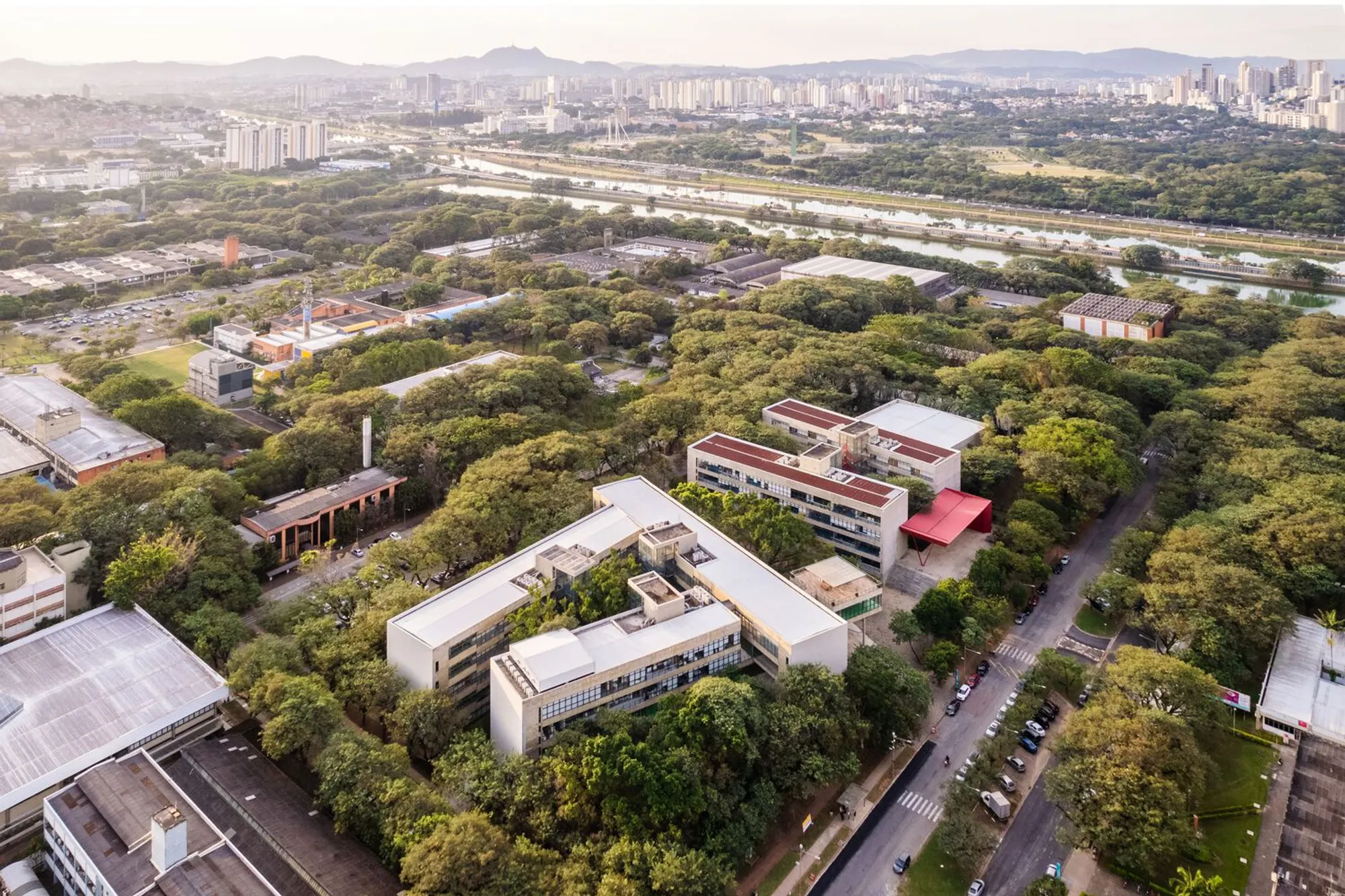
InovaUSP: Research and Innovation Center at University of São Paulo by Onze Arquitetura
InovaUSP, a sustainable research center at USP by Onze Arquitetura, combines modular design, flexible spaces, and green elements to foster innovation.


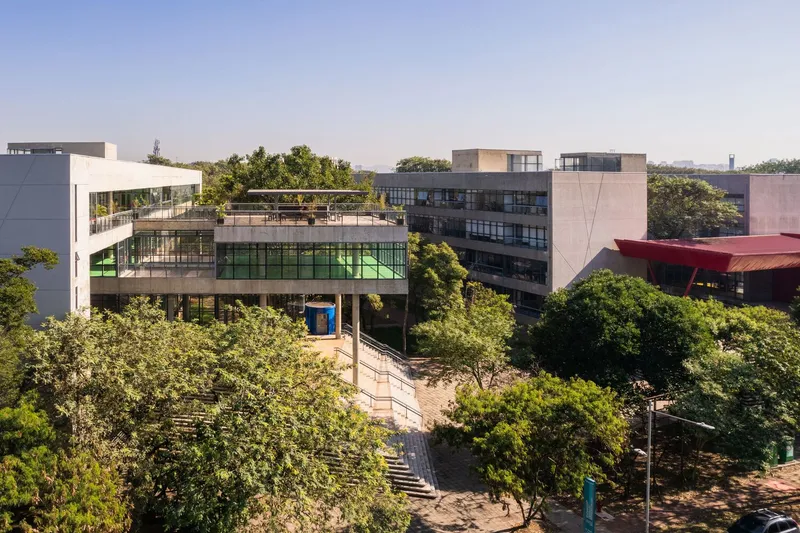
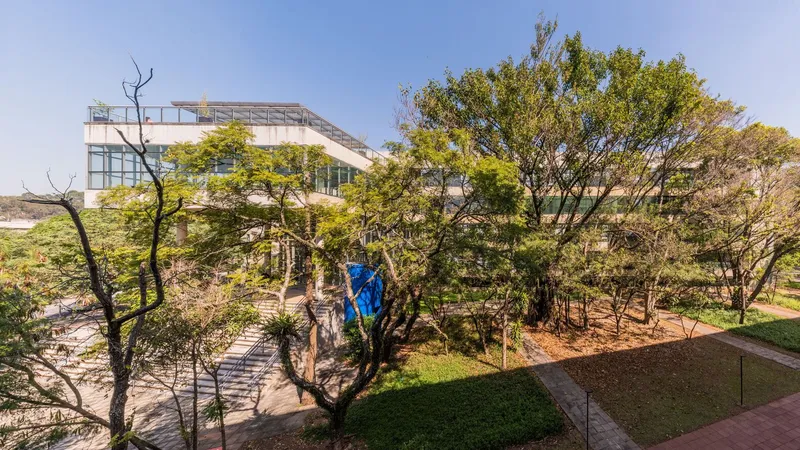
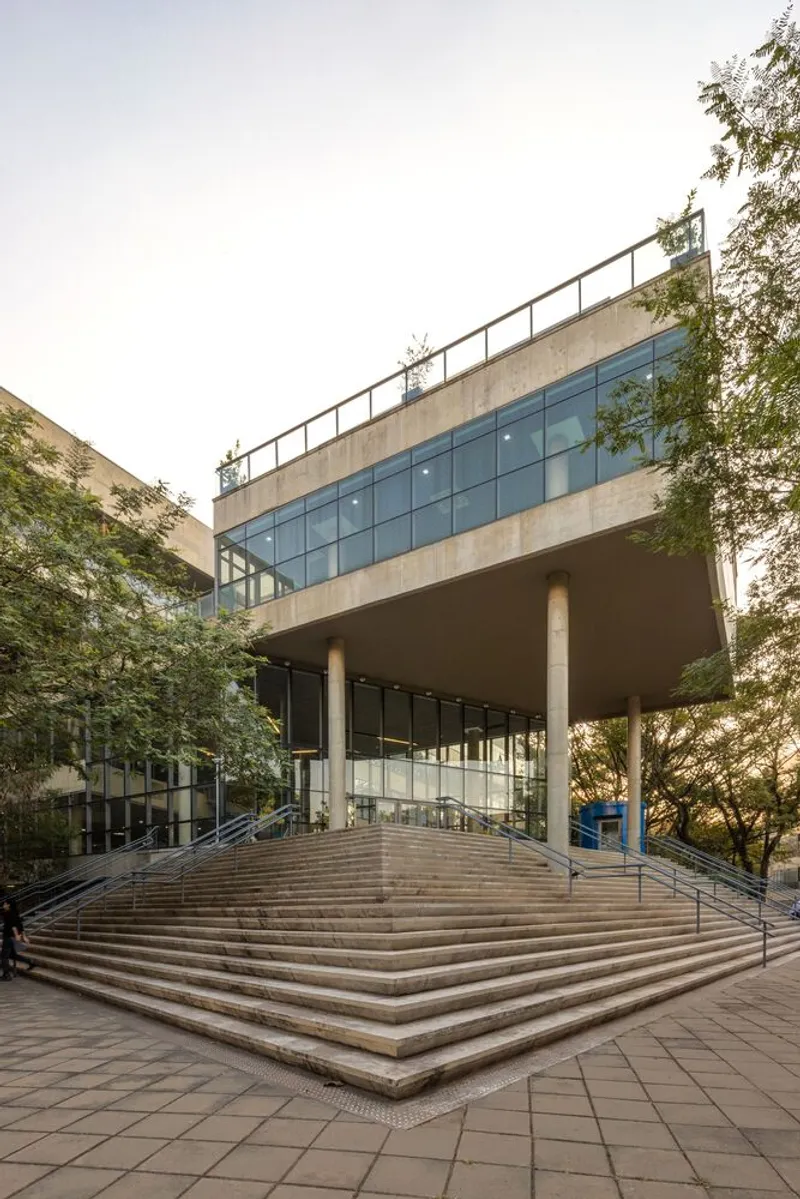
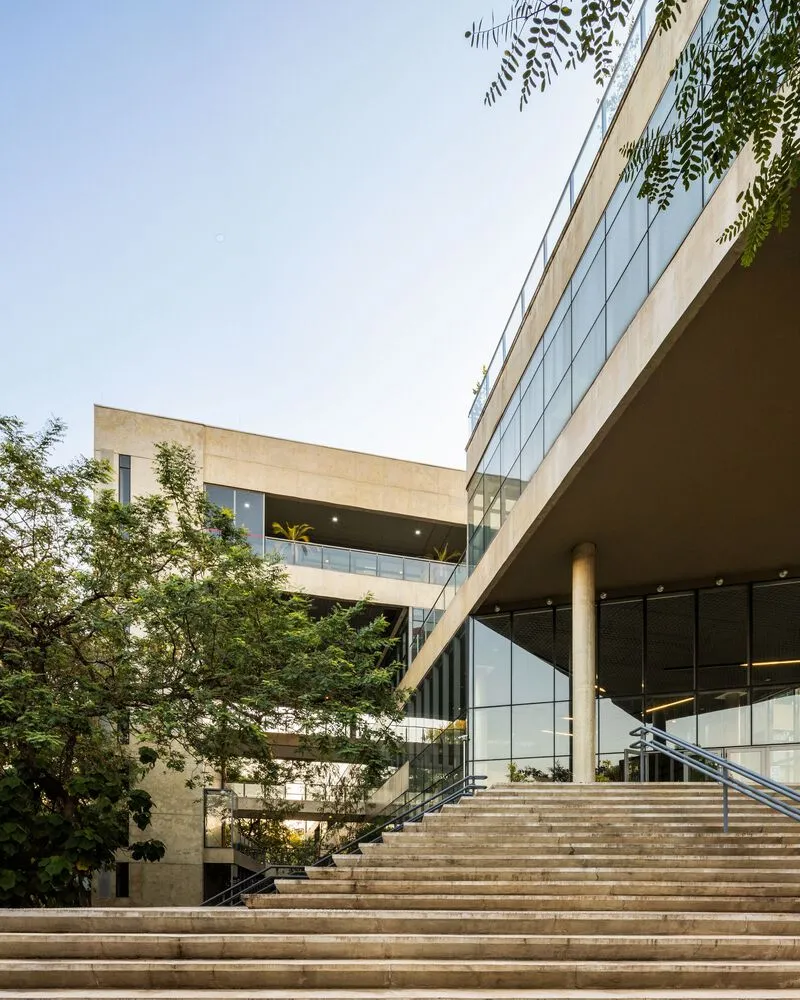
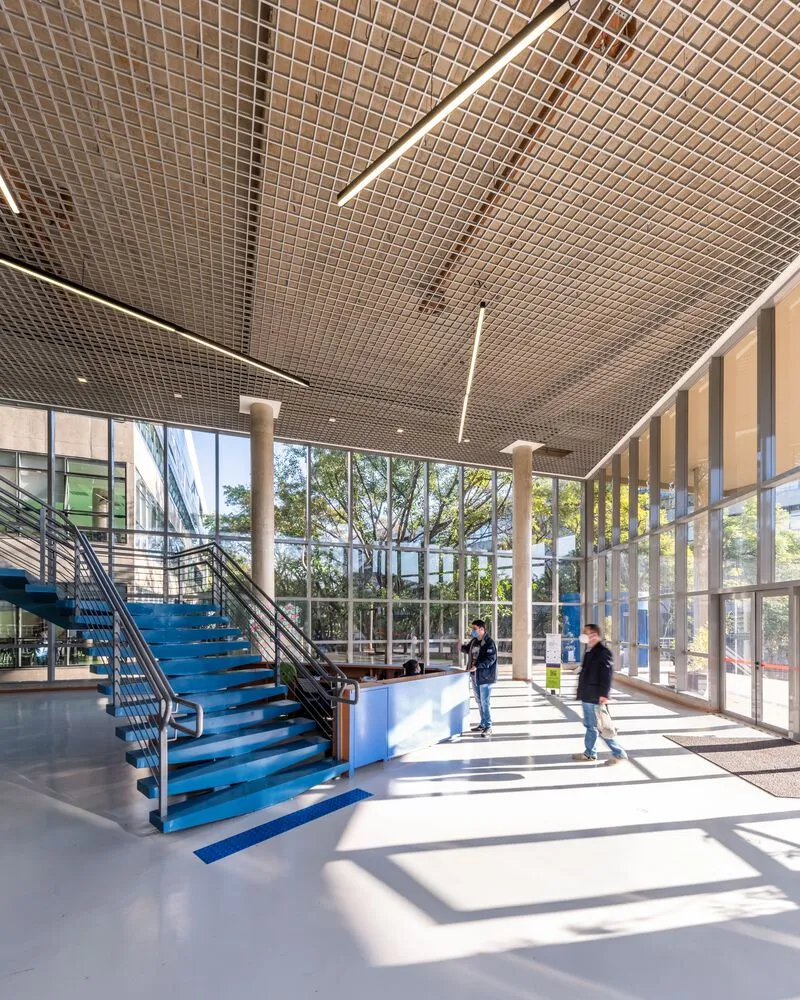
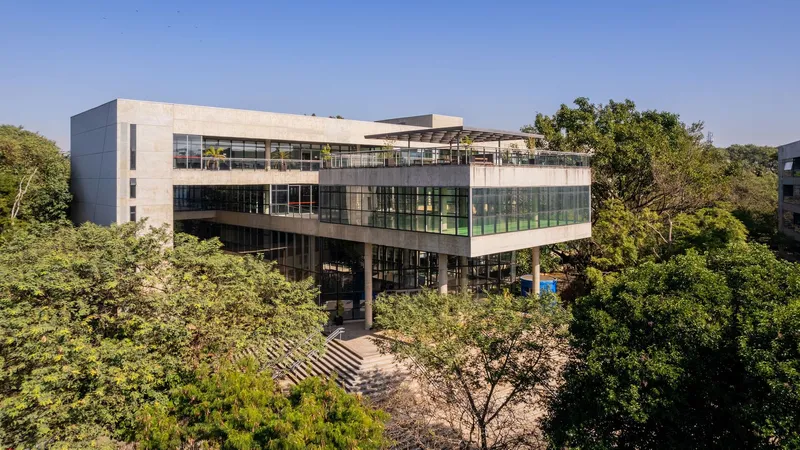
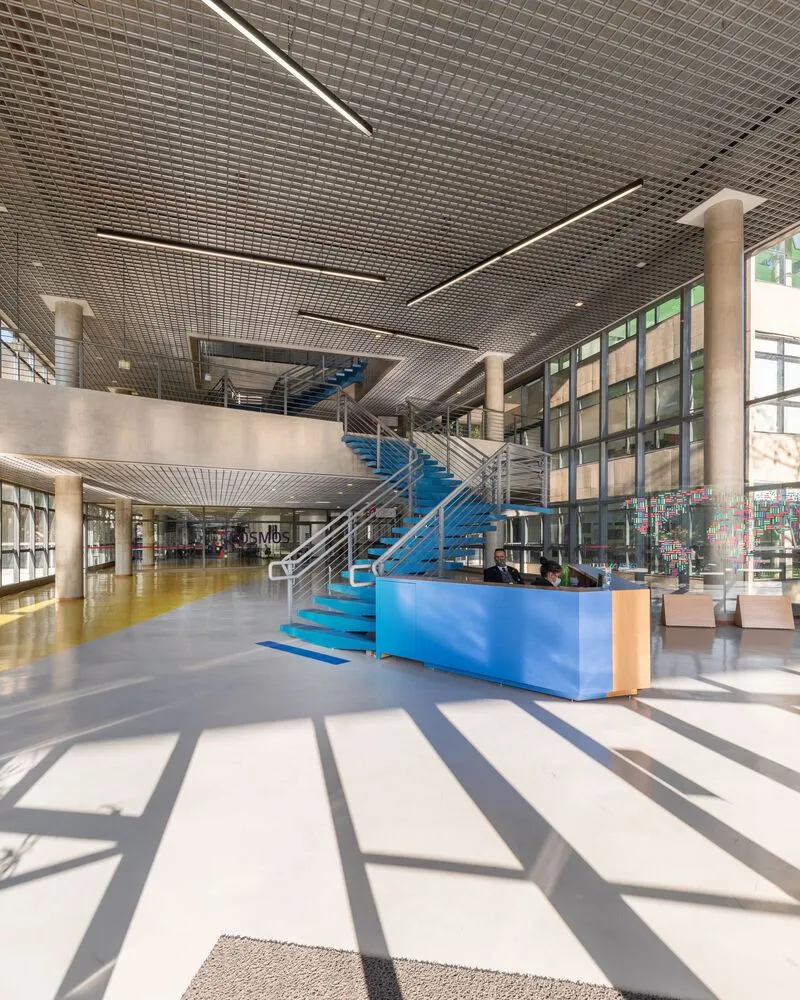
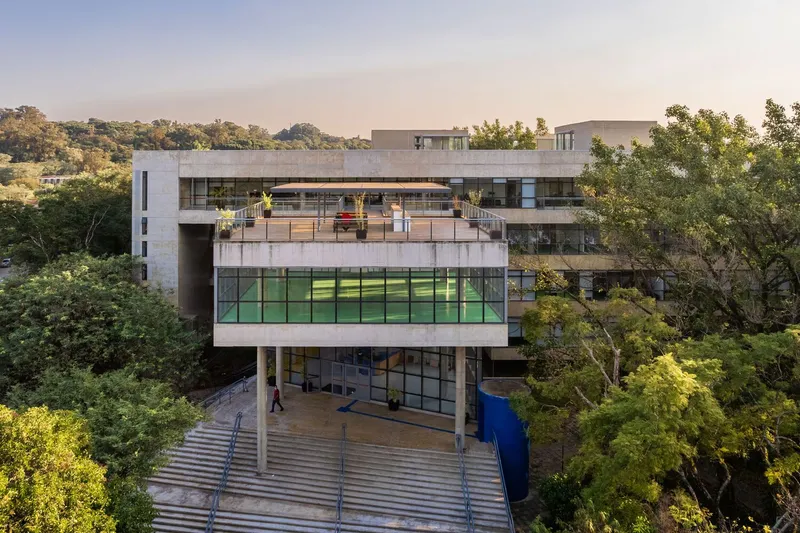
A central sculptural staircase, situated at the intersection of two major blocks, serves as the main access and gathering area, blending vertical circulation with social functionality. The building’s flexibility is enabled by a structural system allowing varied layouts, with ground floors designated for parking and upper floors for diverse research entities. The blocks feature non-aligned balconies, enhancing the façades’ dynamic appearance.
Introduction to InovaUSP Architecture
InovaUSP, a Research and Innovation Center at the University of São Paulo (USP) in Butantã, Brazil, is a landmark of innovative educational architecture designed by Onze Arquitetura. Completed in 2017, this 16,300-square-meter complex exemplifies modern design principles, sustainability, and flexible interior spaces tailored to support interdisciplinary research. Its modular design and integration with nature make it a distinctive architectural achievement on the USP campus.
Architectural Design: A Modular and Flexible Approach
Concept and Layout
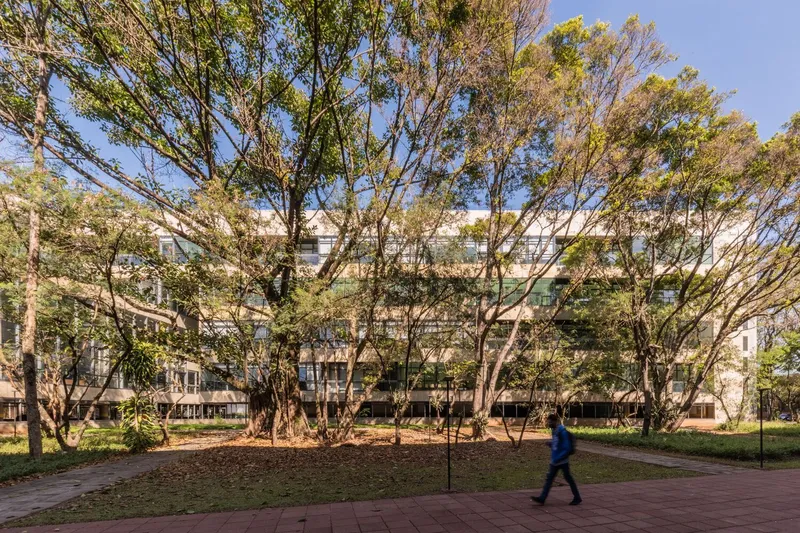
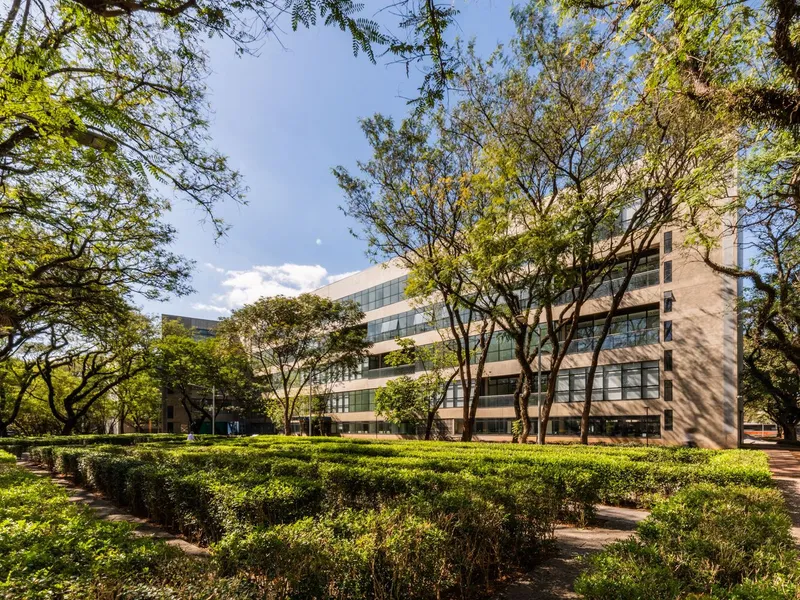
InovaUSP’s architectural design expands upon the concepts introduced in the nearby CDI-USP complex. The structure is based on a standard block layout, where three major blocks connect in a unique configuration that harmonizes with the site’s natural elements. The blocks, arranged to preserve existing trees, create a distinct volumetry that enhances both sustainability and aesthetics.
Central Staircase as a Focal Point
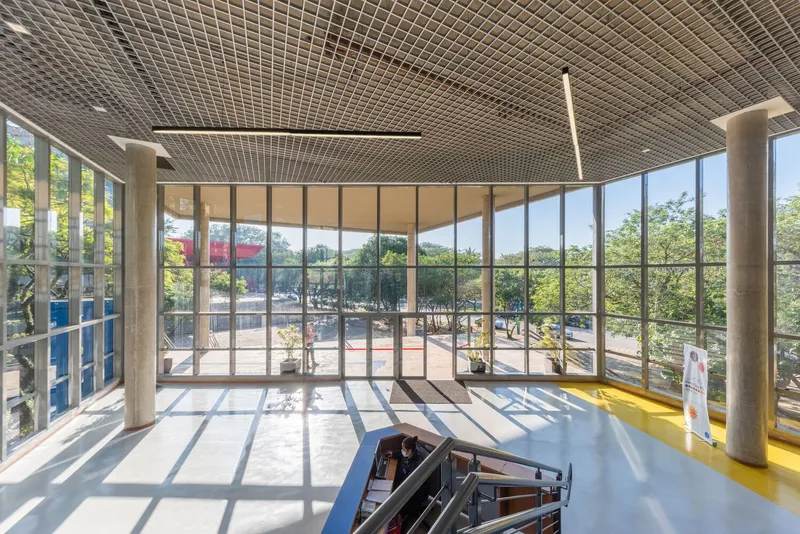
At the intersection of the two largest blocks (90m x 15m), a sculptural staircase provides primary access to the complex. More than just a staircase, this architectural feature serves as a gathering place, supported by circular pillars and enclosed in glass. This design fosters both functionality and interaction, offering leisure and meeting spaces for students, researchers, and faculty.
Interior Flexibility and Modular Spaces
Flexible Interior Configuration
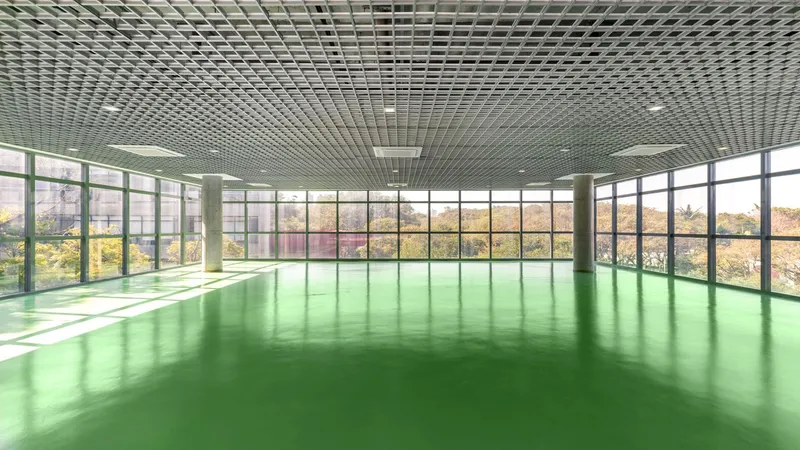
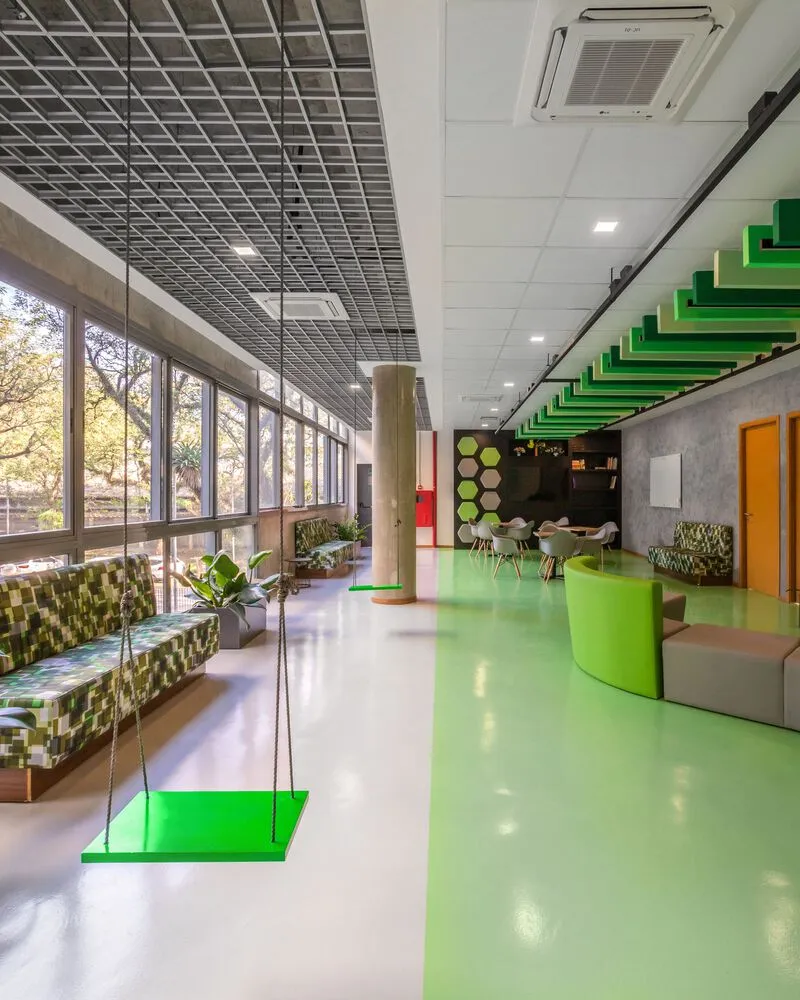
The interior layout prioritizes flexibility, allowing spaces to adapt to various functions. Each block contains a centralized hydraulic core that simplifies structural support, while the 1.25m x 1.25m grid modulation accommodates large spans of 7.5m in the transverse direction and 11.25m longitudinally. This design allows for multiple configurations and easy reorganization to suit changing research and educational needs.
Parking and Functional Upper Floors
The ground floor of each block is dedicated to parking, while the upper four floors house different entities, all designed with adaptable room layouts. This flexible design caters to USP’s various interdisciplinary research programs, ensuring the space can evolve with future demands.
Sustainable and Environmentally Friendly Design
Large Glass Façades for Natural Light and Ventilation
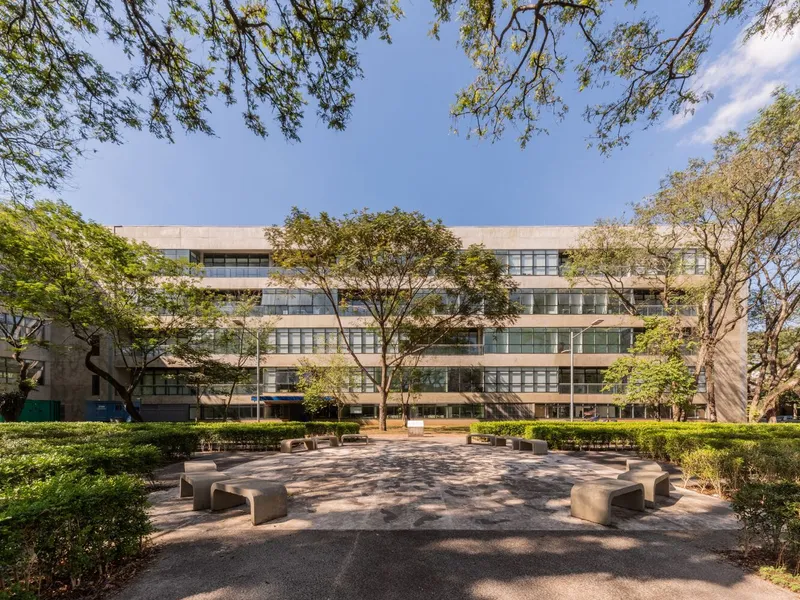
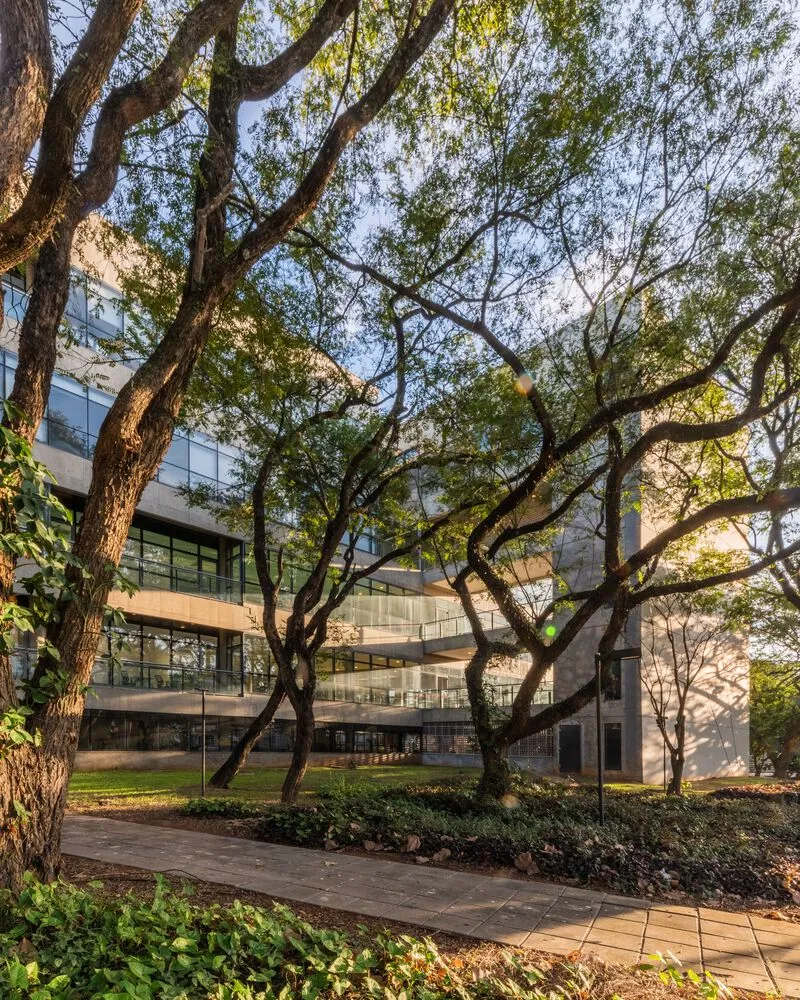
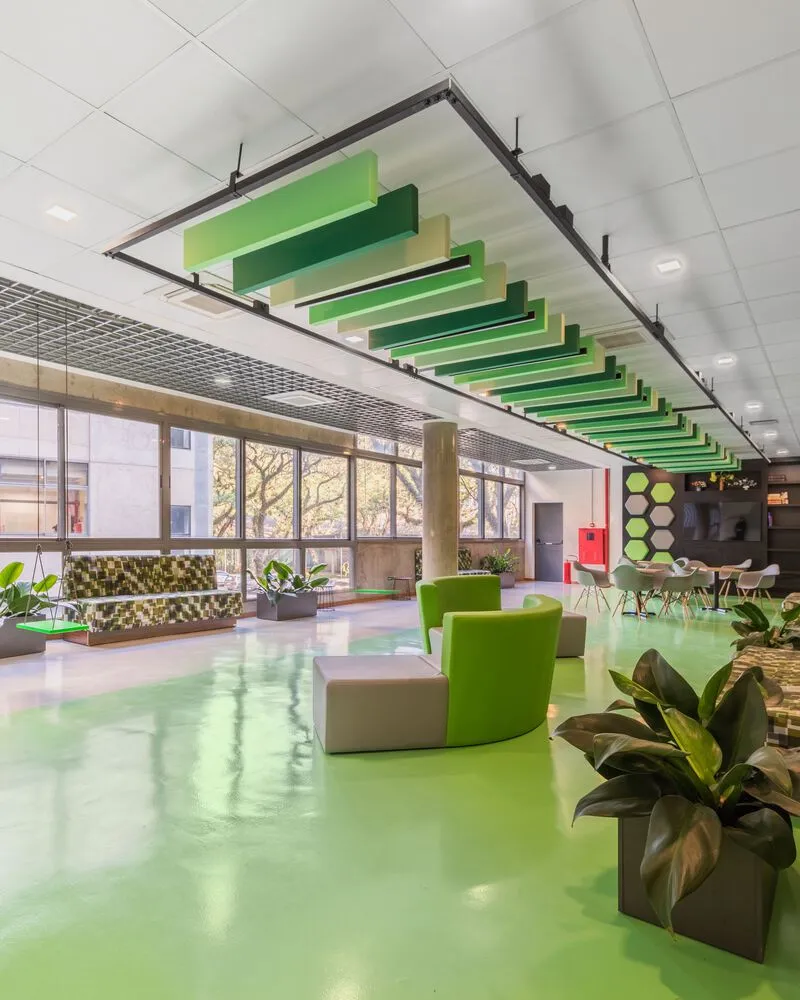
Each block is enveloped in large glass panels, which offer expansive views of surrounding greenery and enable natural cross-ventilation. This choice in materiality enhances energy efficiency by reducing reliance on artificial lighting and ventilation, aligning with USP’s commitment to sustainable practices.
Non-Aligned Balconies and Unique Façade Dynamics
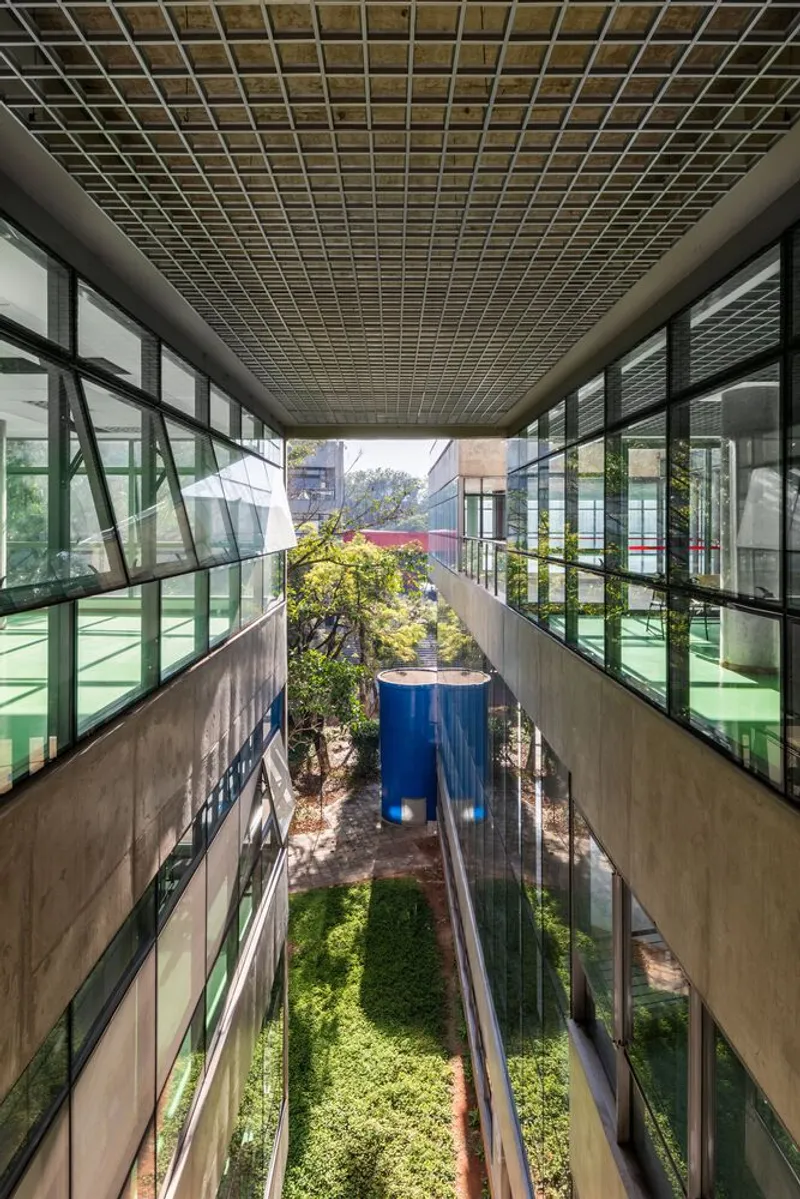
The non-aligned placement of balconies along the façades adds architectural dynamism to InovaUSP. This innovative design allows for shade variation, reducing heat gain while adding visual interest to the building’s exterior.
Green Spaces and Community Areas
Central Decompression Space and Pergola
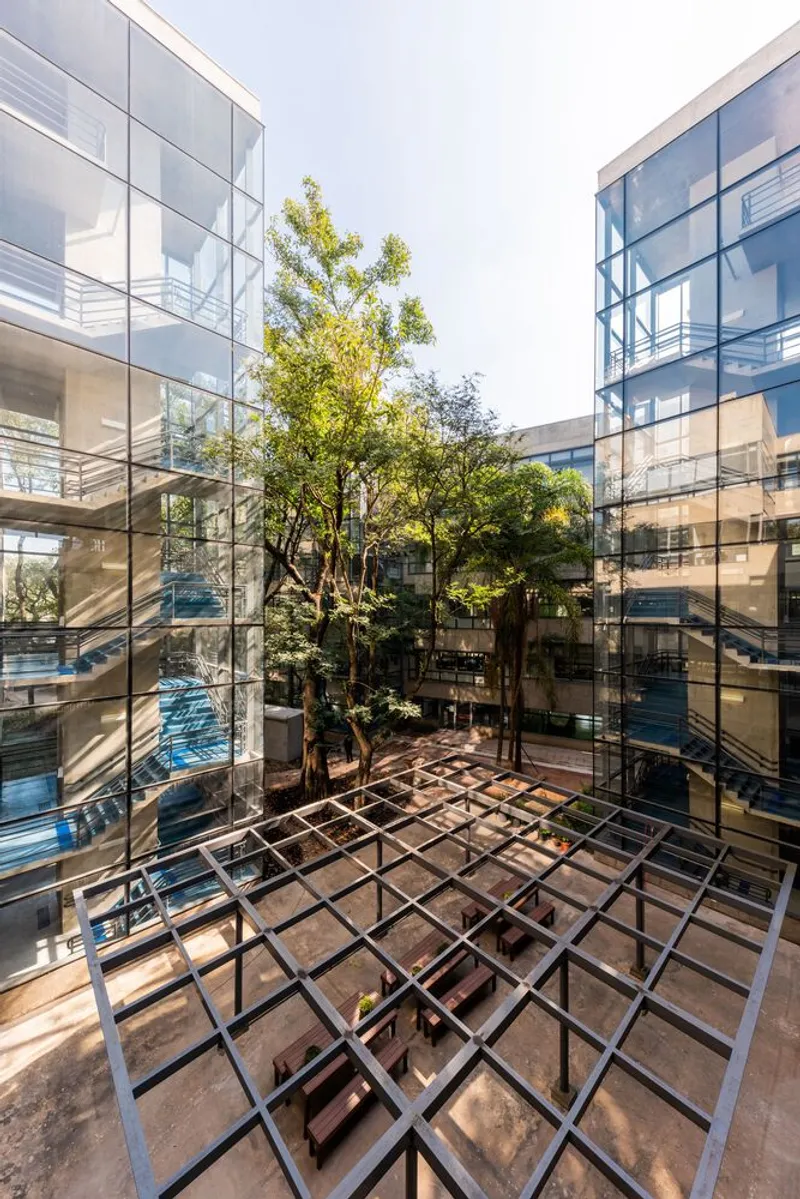
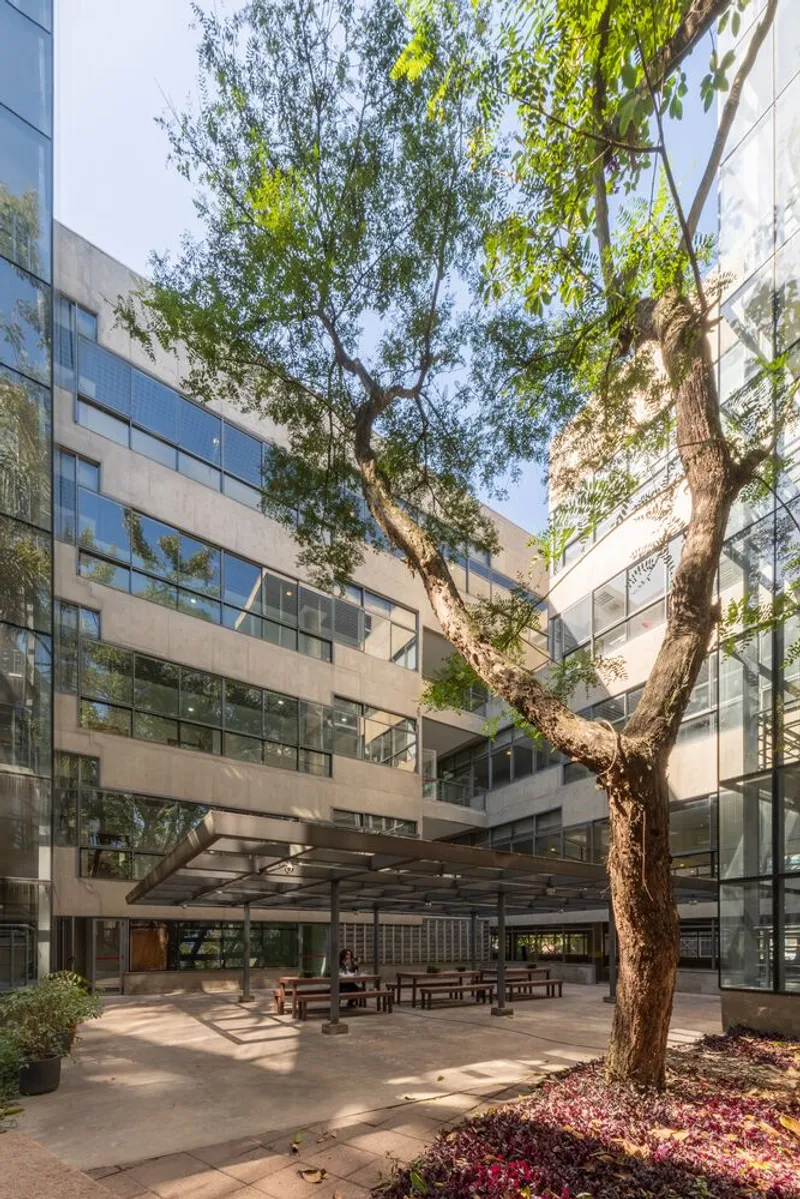
The convergence of the three blocks creates a central decompression space adorned with existing vegetation and an open pergola. This area offers a green, communal gathering space for relaxation and socialization, emphasizing a connection to nature.
Communal Spaces Above the Floating Block
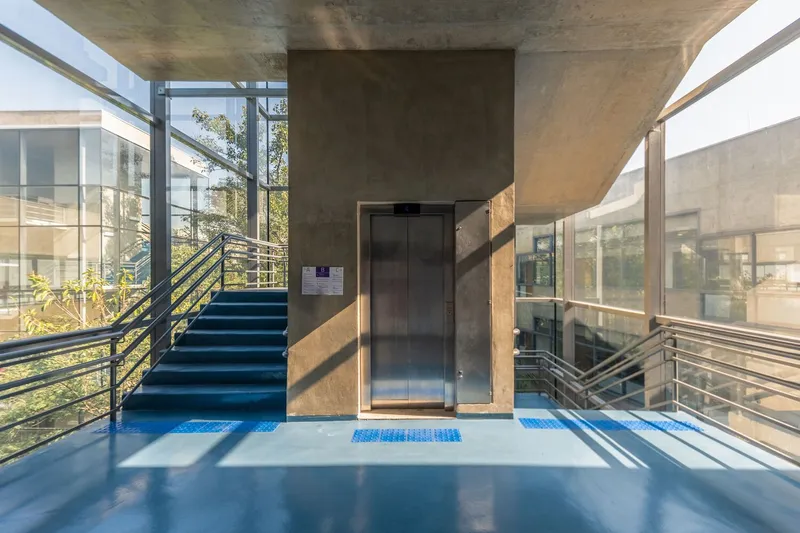
A secondary pergola situated above the entrance’s floating block provides additional shared space, mirroring the logic of the main decompression area. These outdoor areas foster social interaction and align with the principles of sustainable and community-centered design.
InovaUSP's Role in Innovation and Research at USP
Facilities and Research Focus
InovaUSP hosts a range of interdisciplinary research facilities, including laboratories focused on artificial intelligence (AI), synthetic biology, digital solutions, and innovation in interdisciplinary studies. The center serves as a hub for groundbreaking research and collaboration, offering adaptable spaces for the university’s evolving academic pursuits.
Integration with CDI-USP Complex
InovaUSP and CDI-USP occupy approximately 25,000 m², requiring urban-scale planning and integration. Both centers are connected by carefully designed public spaces that encourage social engagement among USP’s academic community.
InovaUSP represents a pioneering approach in educational and sustainable architecture at the University of São Paulo. Its innovative design, flexible spaces, and environmentally friendly features create an ideal environment for research and innovation. By combining modular architecture with green elements and adaptive interiors, Onze Arquitetura has crafted a space that is both functional and inspiring, establishing InovaUSP as a vital part of USP’s commitment to fostering interdisciplinary research and academic excellence.
All photographs are work of Guilheme Pucci




Popular Articles
Popular articles from the community


Co-Life: Senior Housing Design That Reconnects Older Adults With the City
Co-Life reimagines senior housing design through healing gardens, shared streets, workshops, and a sustainable community across generations.

The Earth Pod: 3D Printed Homes for Resilient Refugee Communities
The Earth Pod reimagines refugee housing through 3D printed homes made from clay, combining resilience, self-sufficiency, and rapid shelter.

Riyadh For All: Intergenerational Urban Design for Active Aging in Rabat
Riyadh For All reimagines urban design in Rabat with intergenerational co-living, adaptive courtyards, and Moroccan cultural exchange today.

Co-life: Sustainable Architecture for Age-Friendly Community Living
Co-life reimagines sustainable architecture for seniors through courtyards, rammed earth, shared gardens, and spaces designed for belonging.


Similar Reads
You might also enjoy these articles


Hodi-Mandai Geram
Project Function: Preservation and revitalization of the Intangible heritage and socio-spatial identity of the Hodi by Housing, Cultural Memory Center, Sacred Grove, landscape, local tourism economy


Olio Towers: A Mid-Rise for Performers That Fuses Housing, Rehearsal, and Stage
Located blocks from Houston's Theater District, this modular tower stacks living units around a central performance atrium.

Oasis: Modular Green Housing Carved into Dhaka's Urban Fabric
A shortlisted Plugin Housing entry reclaims unauthorized settlements in Dhaka with stepped concrete volumes, green roofs, and ventilation-driven design.

Black Hole: A Floating Megastructure for the Post-Physical Era
Emiliano Mazzarotto envisions a spherical, self-scaling arena where e-sports, digital hotels, and holographic stadiums replace traditional public space.
Explore Urban Planning Competitions
Discover active competitions in this discipline



Challenge to reimagine the Iron Throne


Photograph architecture without architects


Illustrate the lost glory of Angkor Wat - Render Challenge


Design challenge to reuse E-waste
Comments (0)
Please login or sign up to add comments
No comments yet. Be the first to comment!