

Intertwine Bridge, designed by MASS Lab to connect Reykjavík and Kópavogur in Iceland
MASS Lab's design for new transport options such as buses, cyclists and pedestrians bridge connects two major cities in Iceland
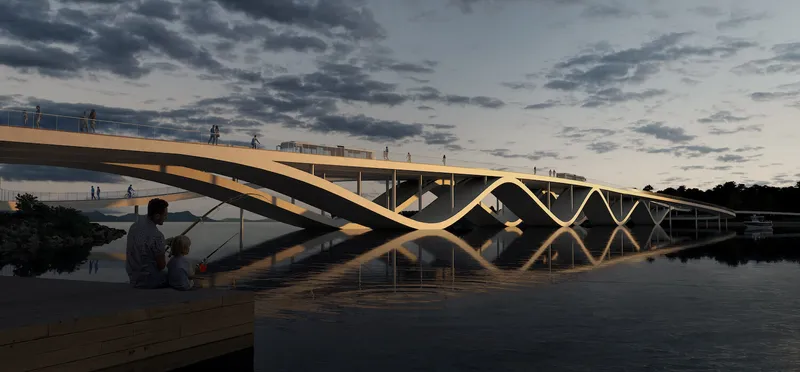
The new pedestrian and bicycle bridge planned for Reykjavík and Kópavogur in Iceland is part of a broader effort to improve recreational, ecological, and tourist activities in the area. The bridge, which will be anchored on both sides, will support environmentally friendly transportation options such as buses, cyclists, and pedestrians.
The design of the bridge builds upon the existing paths on either side of the shore and introduces a new topography for public use. The intertwining of the paths' soft curves is tailored to the needs of buses, cyclists, and pedestrians, and is anchored on both sides creating a connection between the two cities.
The designers of the bridge have also paid special attention to the flora of the area surrounding the bridge, with the addition of local trees such as conifers, poplars, larches, and ash berries. In addition, the design incorporates elements of the waterfront, such as watersports and cultural spots, to improve the community feeling of the area.
The design of the new pedestrian and bicycle bridge in Reykjavík and Kópavogur, Iceland incorporates a range of features to improve performance and reduce maintenance costs. The structure of the bridge consists of concrete arches that provide space for boat traffic and water activities, and a composite steel-concrete deck reinforces the arches to reduce maintenance needs. The design also minimizes the use of support devices and expansion joints, which typically require the most maintenance.
The bridge is anchored on both sides and rests on a pair of sinusoidal concrete arches that connect monolithically to socket piles. With the bedrock at about 14-15m, the flexibility of the arches and piles allows for total continuity between the components, improving performance and reducing overall maintenance costs.
As a safety feature, web net railings stretch the length of the bridge to encourage pedestrians to enjoy the uninterrupted views of the waves and beachfront. Subtle lighting is used throughout the bridge to provide safe lighting for buses and ensure adequate separation from the railings.
References (1)

Popular Articles
Popular articles from the community

Opera by the Sea Estonia: Three Shells Dissolving Architecture into Tallinn's Coastline
A winning opera house proposal replaces monumental form with interconnected shells that blur the boundary between building, park and Baltic Sea.

Singing Woman: An Opera House That Performs Before the Curtain Rises
Ovidiu Cristian Pavel's conceptual opera house translates Estonia's choral identity into a sculpted waterfront landmark facing the Baltic Sea.
Extended Shell: Retrofitting Kolkata's Balconies as Living Urban Thresholds
A modular retrofit system recovers the social and environmental intelligence of Kolkata's historic verandas for contemporary Park Street residents.
Tsunami Convergenics: Turning Catastrophic Ocean Forces into Underwater Housing Infrastructure
A speculative underwater settlement off the coast of Onagawa, Japan, treats tsunamis and typhoons as energy sources rather than threats.

Similar Reads
You might also enjoy these articles
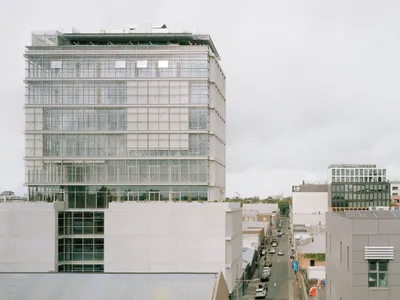
116 Rokeby Building, Collingwood
Sustainable Collingwood office building featuring double-skin façade, natural ventilation, rooftop amenities, and carbon-neutral design focused on wellbeing and longevity.
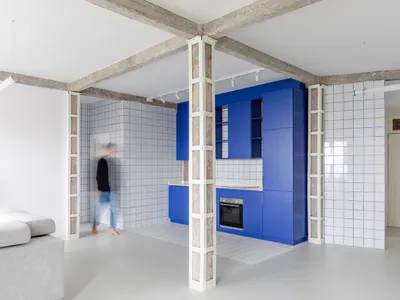
Contemporary Apartment Renovation in Spain: RV House by BIAN Opens Up to the Sea
A minimalist 1930s apartment in Santander is transformed into a flexible, sea-facing home through contemporary Spanish renovation.
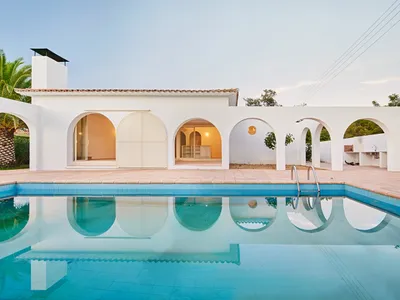
3 Marías House: A Contemporary Mediterranean Courtyard Retreat by Bajet Giramé + Burckhardt
Mediterranean courtyard home blending traditional architecture with modern design, terracotta flooring, flexible interiors, sustainable climate strategies, and garden integration.
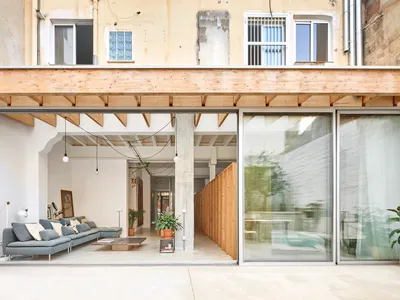
NZ10 Apartment by auba studio: Adaptive Reuse in Palma de Mallorca
Adaptive reuse apartment transforms bakery into light-filled home with patios, privacy layers, and wood interiors enhancing urban living experience.

Explore Cycling Bridge Competitions
Discover active competitions in this discipline


Challenge to reimagine the Iron Throne

Photograph architecture without architects

Illustrate the lost glory of Angkor Wat - Render Challenge

Design challenge to reuse E-waste
Comments (0)
Please login or sign up to add comments
No comments yet. Be the first to comment!