

Introduction to Modular School Building Design: A Case Study in Lindweiler
This article explores the modular timber construction of Cologne-Lindweiler primary school, designed by Sehw Architektur, emphasizing sustainability and functionality.


Modular construction is revolutionizing the design and build of educational facilities around the world. One notable example of this innovative approach is the extension of the Cologne-Lindweiler primary school in Essen, Germany, designed by Sehw Architektur. This project showcases how modular building designs can be integrated seamlessly into existing educational structures, enhancing both functionality and aesthetic appeal.v

Project Details and Architectural Insights
Architectural Firm and Construction Details
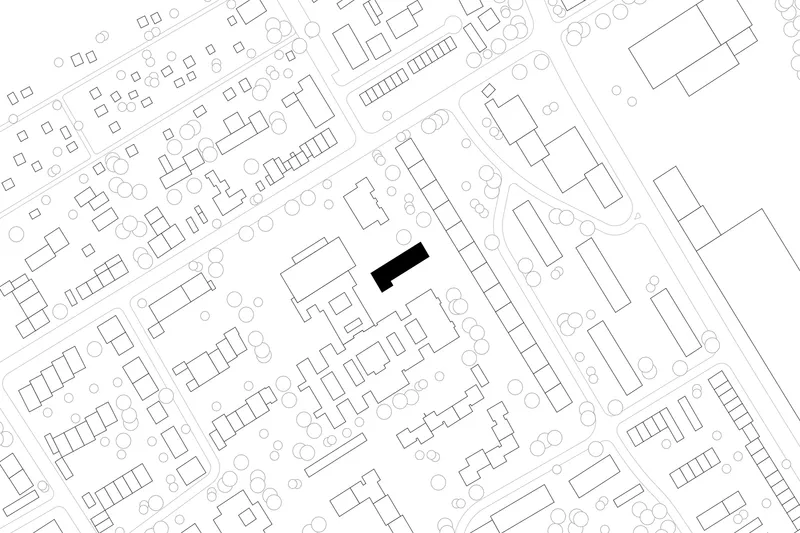
Designed by the esteemed Sehw Architektur, the extension project was completed in 2022, covering an area of 985 square meters. The construction took just nine months, a testament to the efficiency of modular building techniques. The architects employed a modular timber construction method, which not only sped up the construction process but also emphasized sustainability and environmental friendliness.

Design Aesthetics and Functional Features
The two-story structure is characterized by its light-colored facing brick façade and elongated wood-aluminum window elements. These features align with the calm and clear geometry of the existing school building, demonstrating how modular designs can complement traditional architecture. The façade's clear horizontal lines and ribbon windows enhance the lightness of the structure and facilitate a balance of transparency and opacity, optimizing daylight use and energy efficiency.


Interior Design and Spatial Configuration
Innovative Use of Space
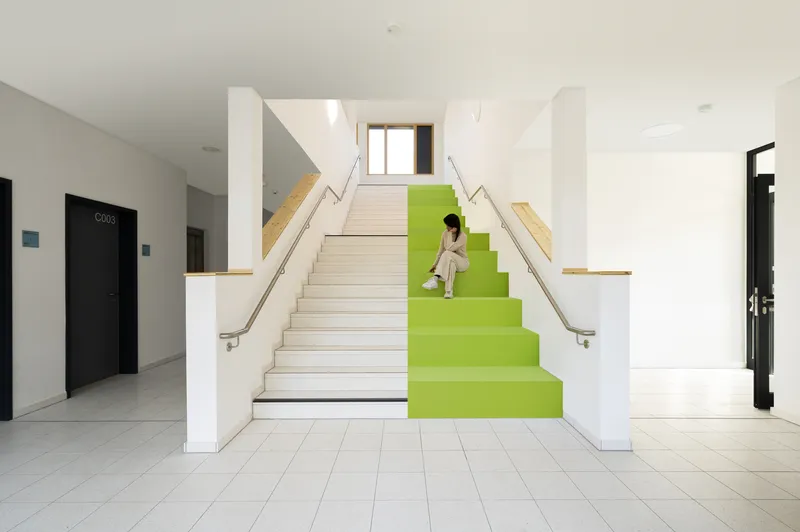
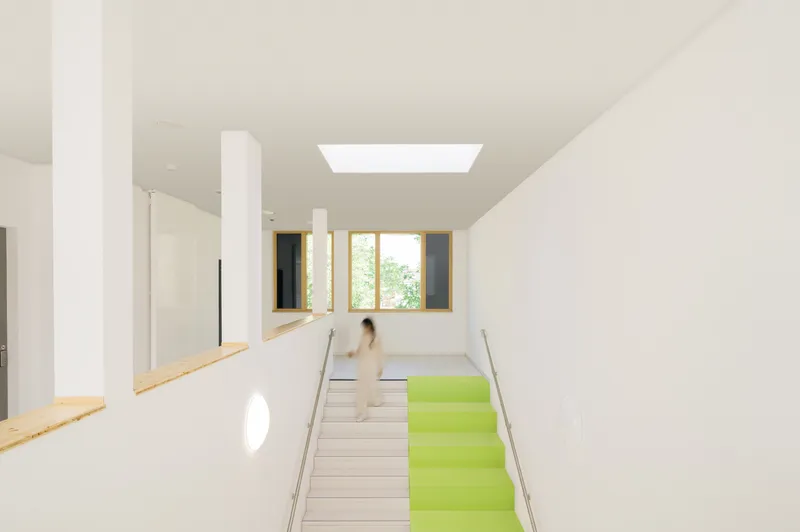
Upon entering the glazed foyer, visitors are greeted by an open, two-story school hall which doubles as a prestigious forum for school events. The hall features a spacious staircase with dual functions; it serves as both a vertical circulation space and an educational area, with green seating steps adding a vibrant touch to the environment.

Functional and Aesthetic Considerations
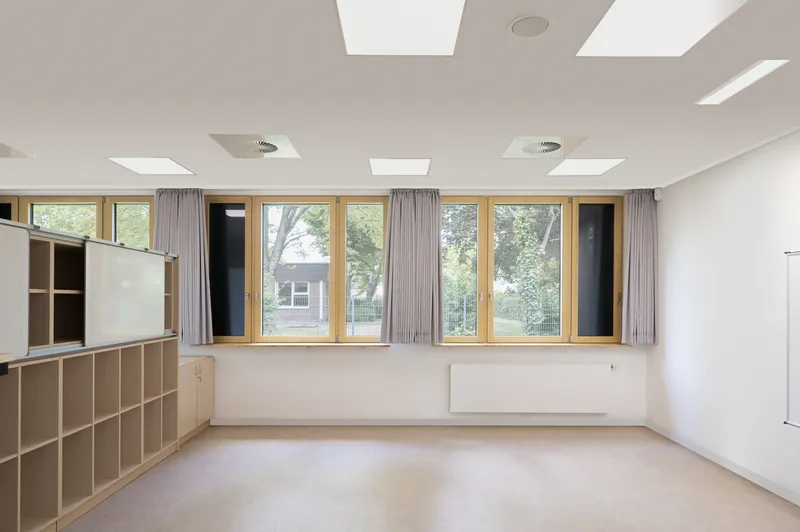
The design strategically avoids long, monotonous corridors by incorporating widened recesses near differentiation rooms. These areas are enhanced with daylight and seating niches in the same fresh green color as the main staircase, creating pleasant communication areas and informal learning spaces outside the classrooms.

Modular School Building Design as a Future Standard
The "Learning in Lindweiler" project by Sehw Architektur exemplifies the potential of modular school building design to serve as a third pedagogue, supporting the educational process through thoughtful architectural solutions. With its emphasis on sustainable construction, efficient use of space, and aesthetic harmony, this project stands as a beacon for future developments in school architecture.
By embracing modular construction, educational institutions can achieve faster build times, reduced costs, and greater flexibility in design while providing inspiring and functional learning environments for future generations.

All photographs are work of Helin Bereket


Popular Articles
Popular articles from the community


Cloaked Colonization: A Mobile Underwater Habitat That Moves Like a Fish
Micah Abaya's shortlisted EHC Pacific entry reimagines ocean settlement as a dispersed network of self-sustaining architectural organisms.

Extended Shell: Retrofitting Kolkata's Balconies as Living Urban Thresholds
A modular retrofit system recovers the social and environmental intelligence of Kolkata's historic verandas for contemporary Park Street residents.

Opera on the Sea: Driftwood Logic Shapes a Timber Opera House on Estonia's Coast
Trevor Orgill's opera house translates the entangled drift of floating timber into a civic building where wood, water, and music converge.

The Amber Palace Opera: A Geological Fiction Surfaces on Tallinn's Baltic Waterfront
Pierre Brillard reimagines a Baltic legend as a public landscape, opera house, and waterfront promenade rooted in Tallinn's coastal identity.

Similar Reads
You might also enjoy these articles


FAMM Arquitectura Organizes Ten Villas Around Courtyards and Jungle in Nosara, Costa Rica
El Molino pairs two elongated volumes with deep overhangs and timber louvers to build a compact coastal community five minutes from the beach.

Oscar Niemeyer's Ibirapuera Park Pavilions Define São Paulo's Cultural Identity in Concrete and Curve
A constellation of modernist volumes set within São Paulo's most important urban park, conceived for the city's 400th anniversary in 1954.

Sanjay Puri Architects Wraps a Jaipur Office Tower in Capsule-Shaped Green Buffers
A nine-level climate-responsive workplace near Jaipur Airport uses stacked planter terraces and aluminium screens to fight 40°C heat.
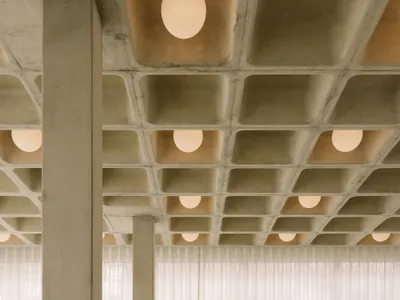
RHO Converts a Berlin Spree-Side Industrial Courtyard into Enkime's 1,000 m² Agency Headquarters
A social media agency's new home in Charlottenburg trades glossy branding for concrete waffle ceilings, glazed tile, and sheer curtains.

Explore Modular Building Competitions
Discover active competitions in this discipline

Challenge to design public laboratory

Challenge to reimagine the Iron Throne

Photograph architecture without architects

Illustrate the lost glory of Angkor Wat - Render Challenge
Comments (0)
Please login or sign up to add comments
No comments yet. Be the first to comment!