

Introduction to Sustainable Urban Architecture: The Highnote Residential Tower by Studioninedots
Explore the Highnote Residential Tower in Almere, a model of sustainable urban architecture integrating community spaces and green living.


Sustainable urban architecture is a growing trend in city development, focusing on creating spaces that are environmentally friendly, socially inclusive, and economically viable. A prime example of this innovative architectural approach is the Highnote Residential Tower located in Almere, The Netherlands. Designed by Studioninedots and captured through the lens of photographer Sebastian van Damme, this structure is a beacon of modern urban living and sustainability.
The Vision Behind Highnote Residential Tower
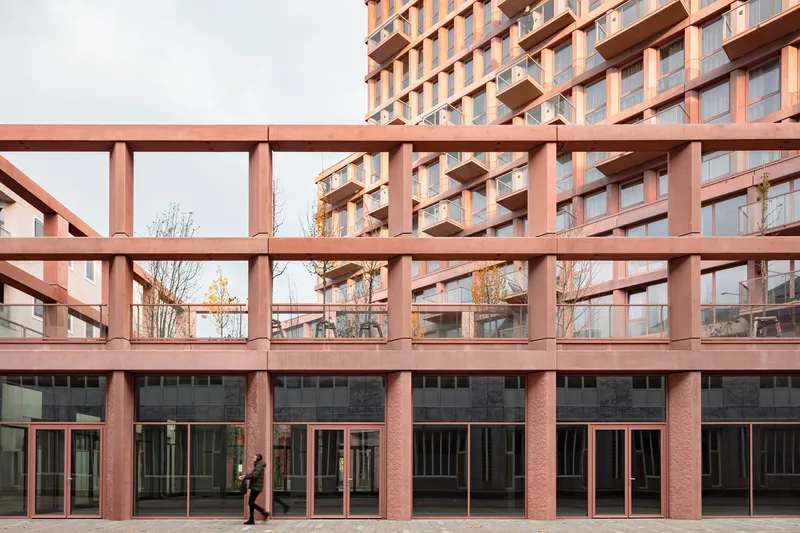
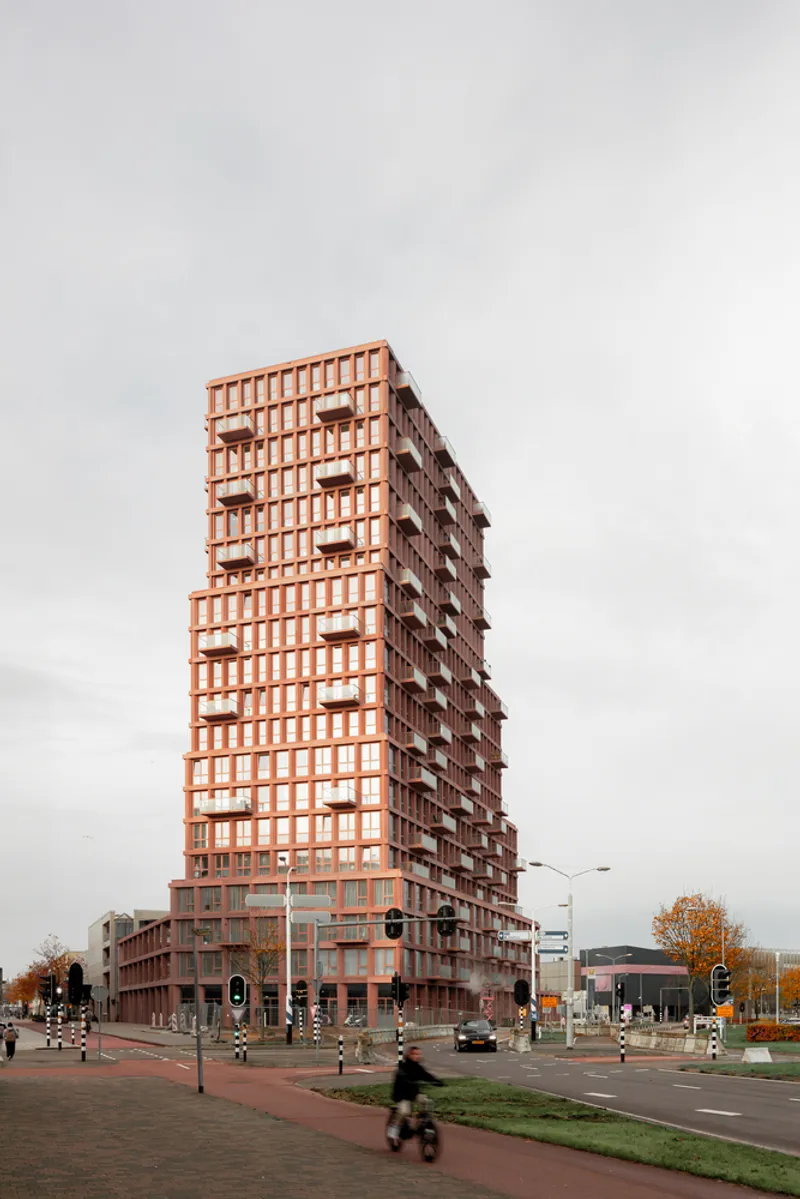
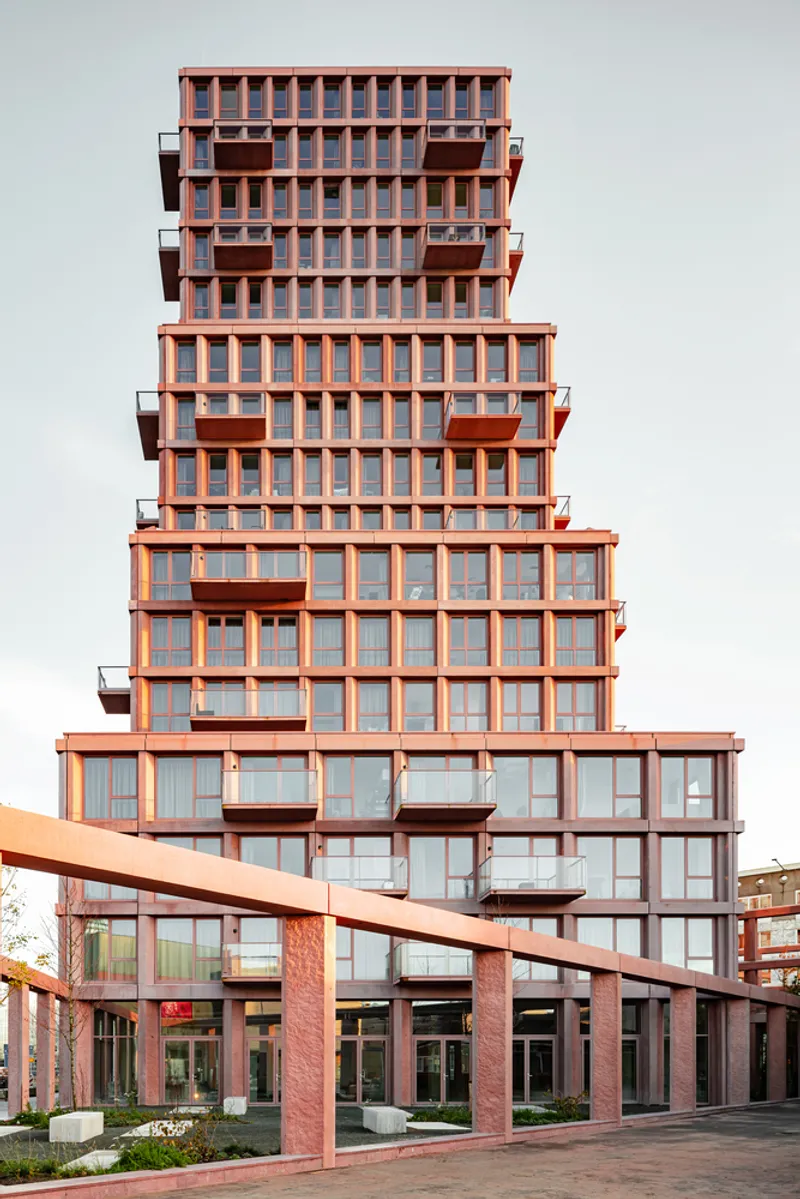
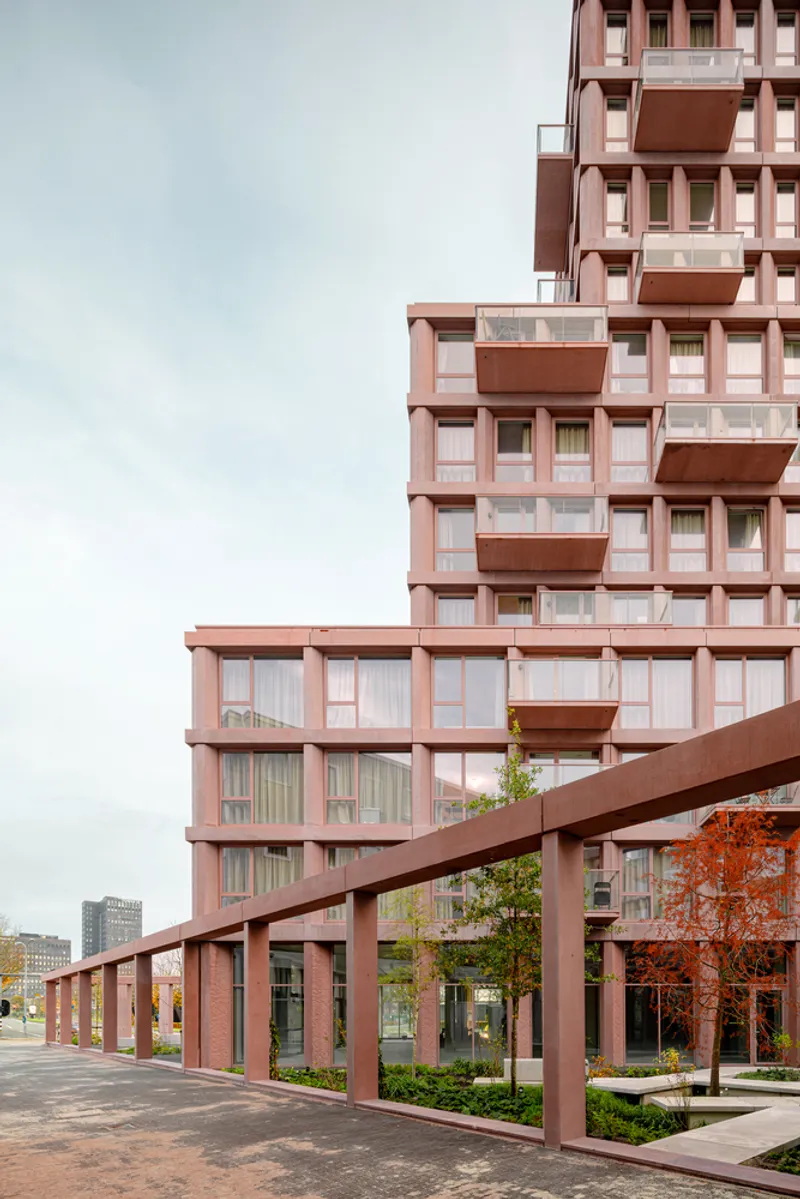
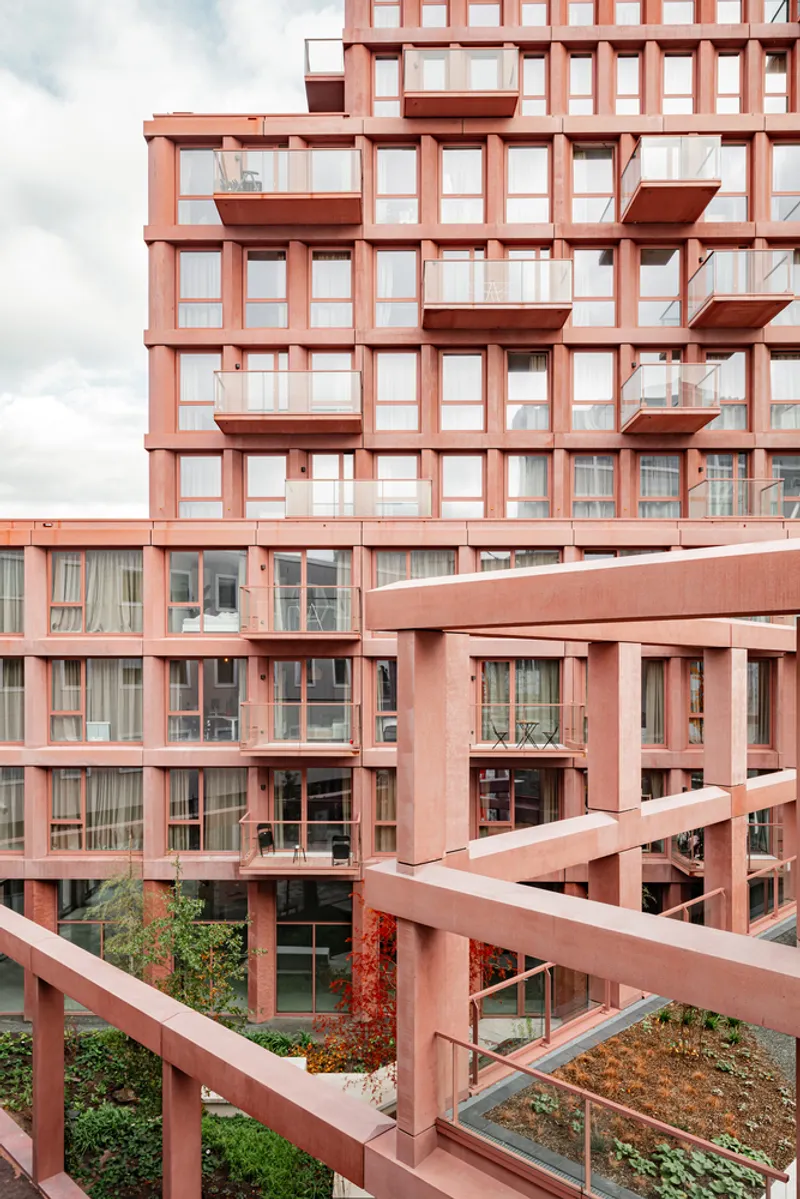
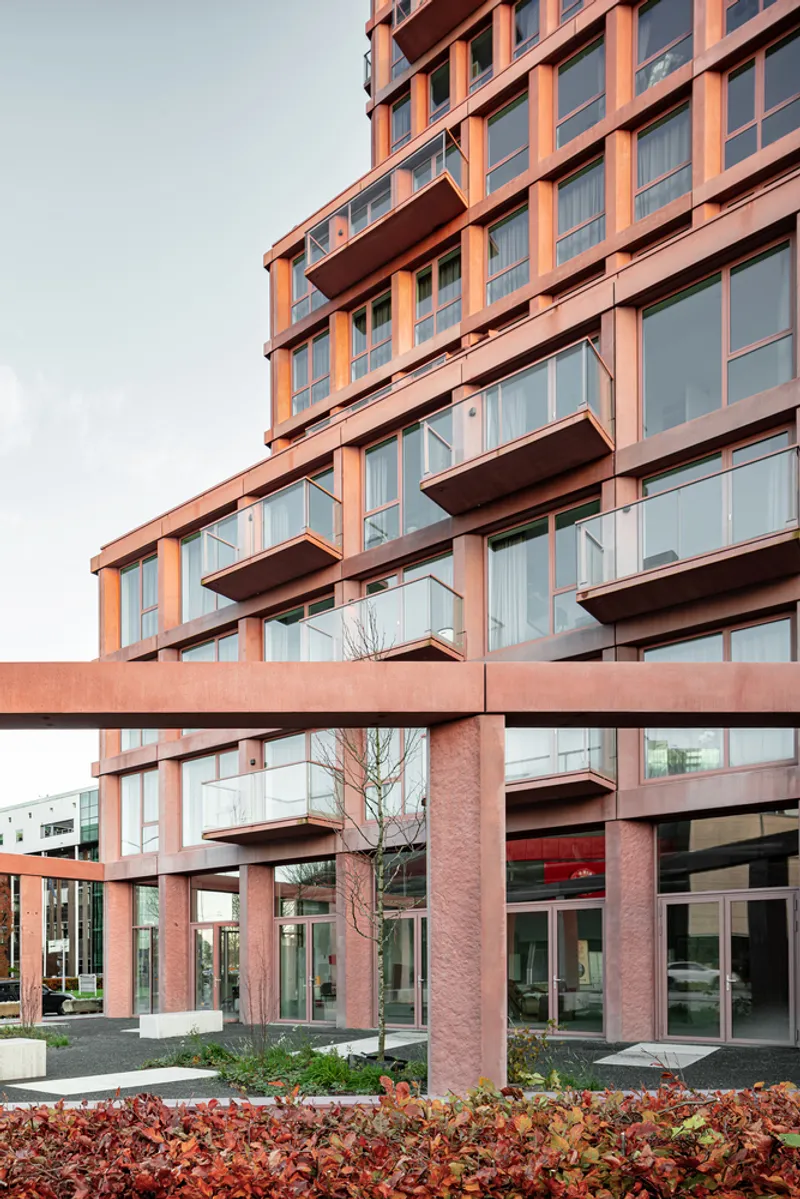
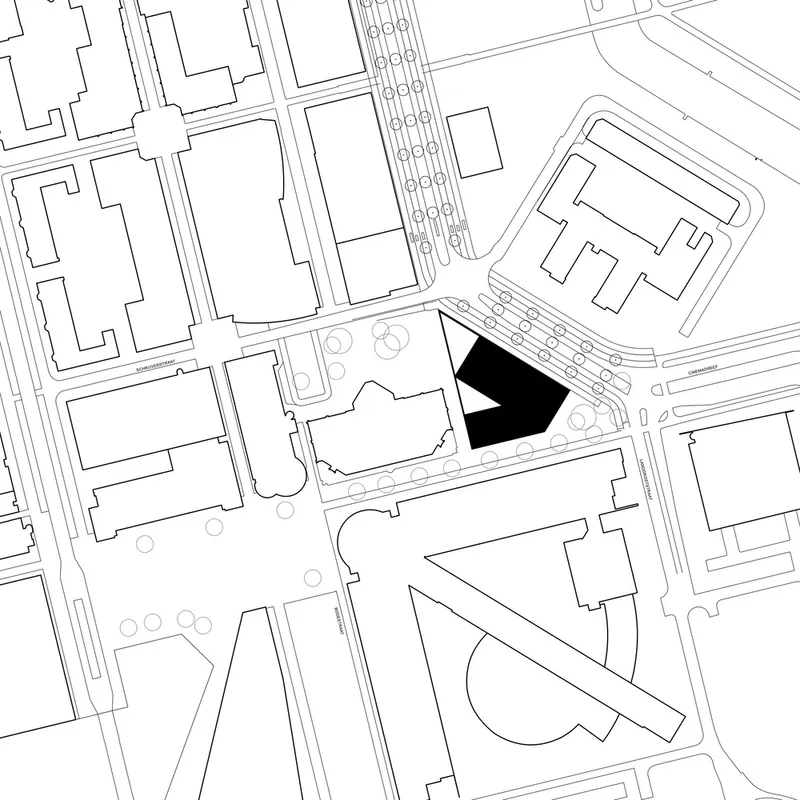
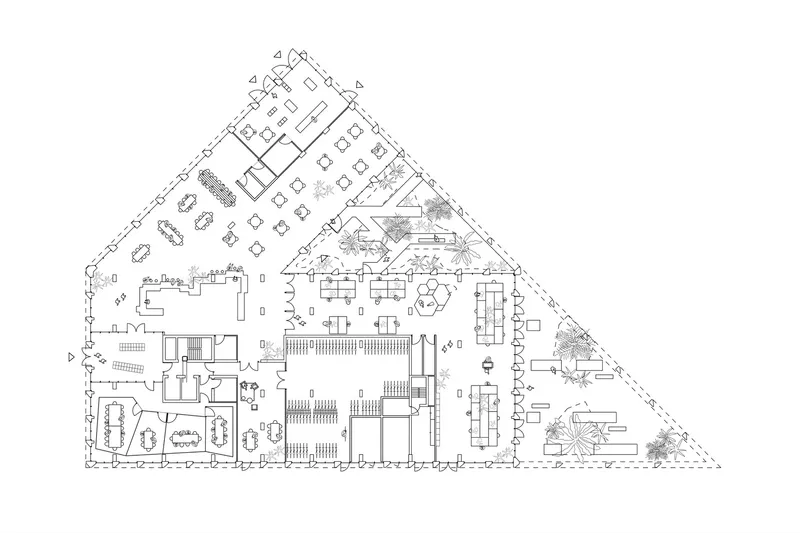
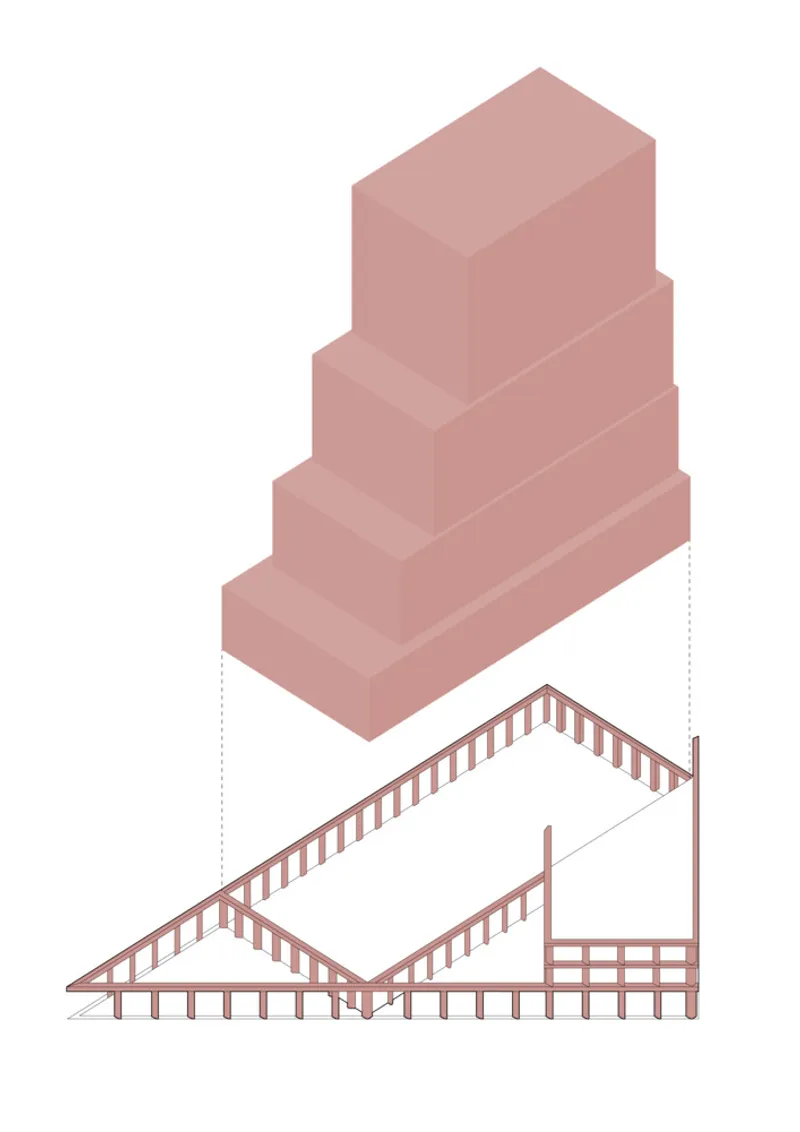
In 2023, the city of Almere welcomed the Highnote Residential Tower, a project designed with the aim of providing starter homes while enhancing the urban landscape. The tower features a distinctive triangular plinth, which houses various "urban rooms" – multifunctional spaces that blend indoor and outdoor environments, promoting fluid social interactions and community activities.
Design and Features
The Urban Rooms Concept
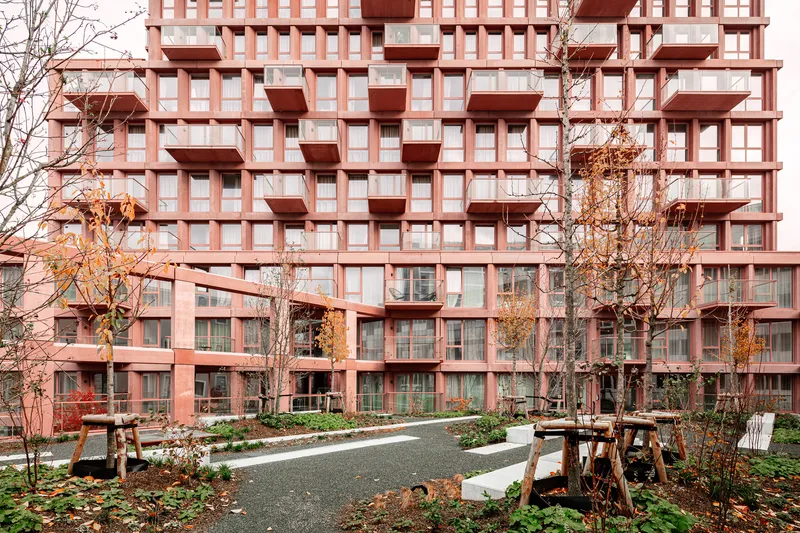
At the heart of Highnote’s design philosophy are the urban rooms. These areas are designed to seamlessly transition from the bustling city environment to the tranquil private residences above. Each space within the urban rooms is intended to spark creativity and versatility, allowing for a personalized interpretation and utilization of the area.
Exterior Design
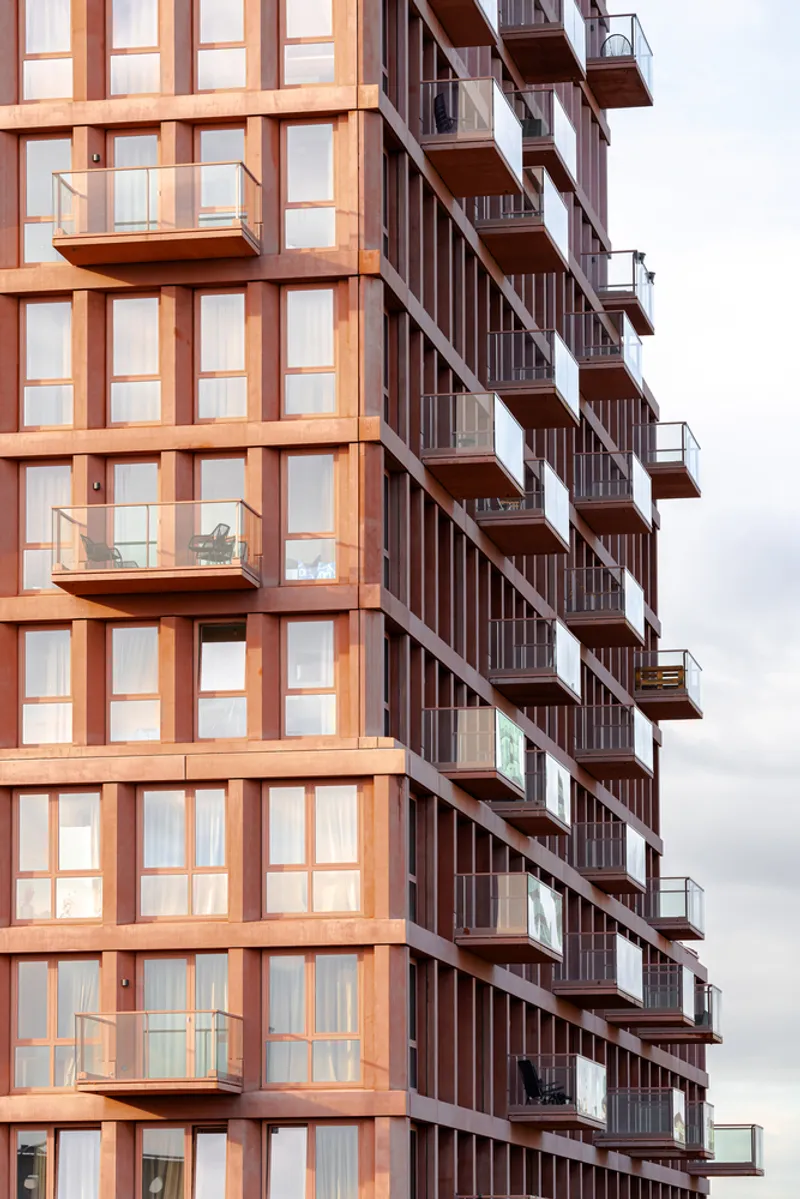
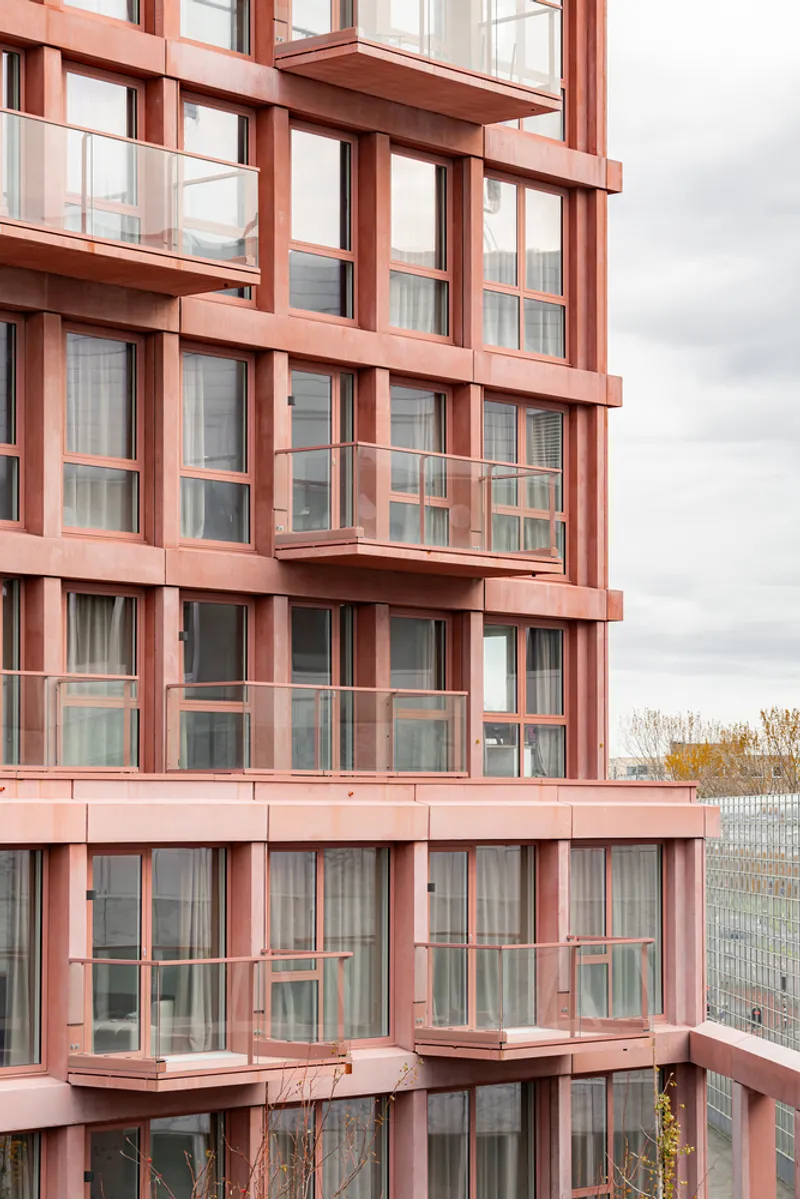
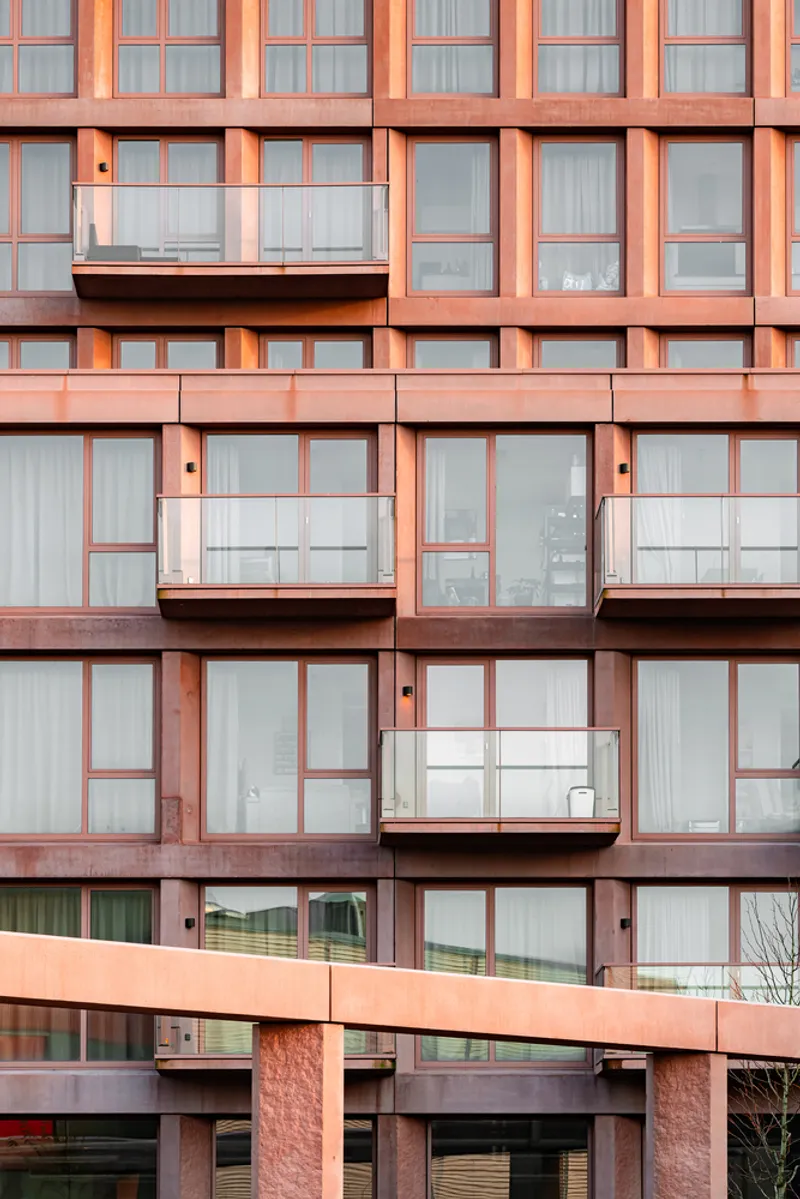
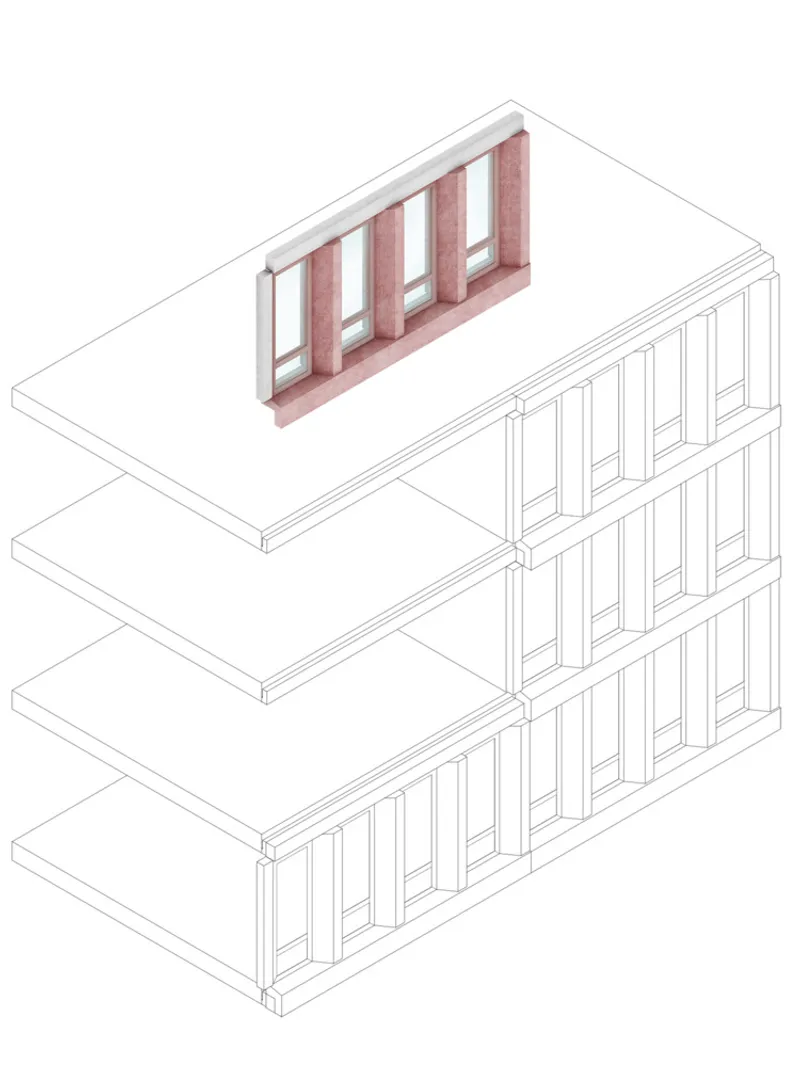
The tower’s exterior is a testament to sustainable design principles. It is characterized by a monochromatic, soft red concrete facade that shifts in color with the changing daylight, harmonizing with Almere’s cityscape. The facade’s robust concrete columns with deep, angled recesses not only add to the aesthetic appeal but also play a functional role in enhancing the building’s energy efficiency by moderating sunlight penetration and optimizing thermal comfort.
Interior Layout
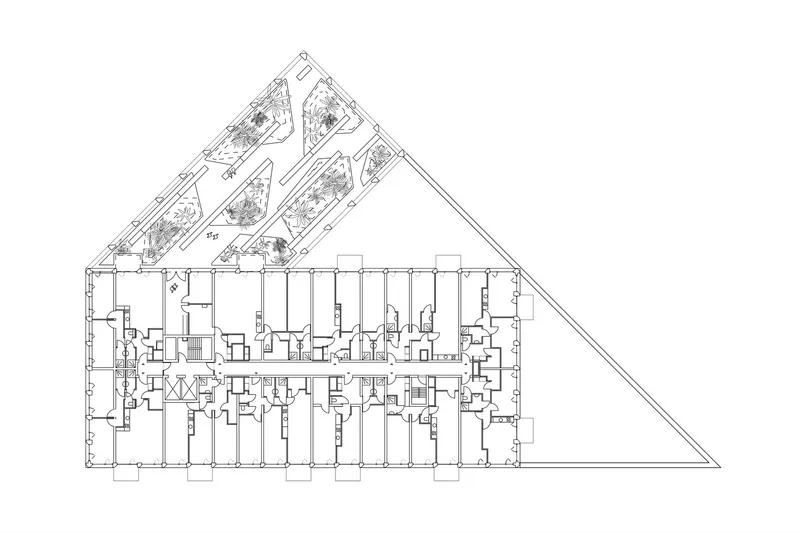
Internally, Highnote features 157 homes, including 67 'friends’ apartments designed for shared living. These spaces are crafted to foster a sense of community among residents while supporting sustainable living practices such as energy efficiency and waste reduction.
Sustainable Elements and Community Impact
Green Spaces
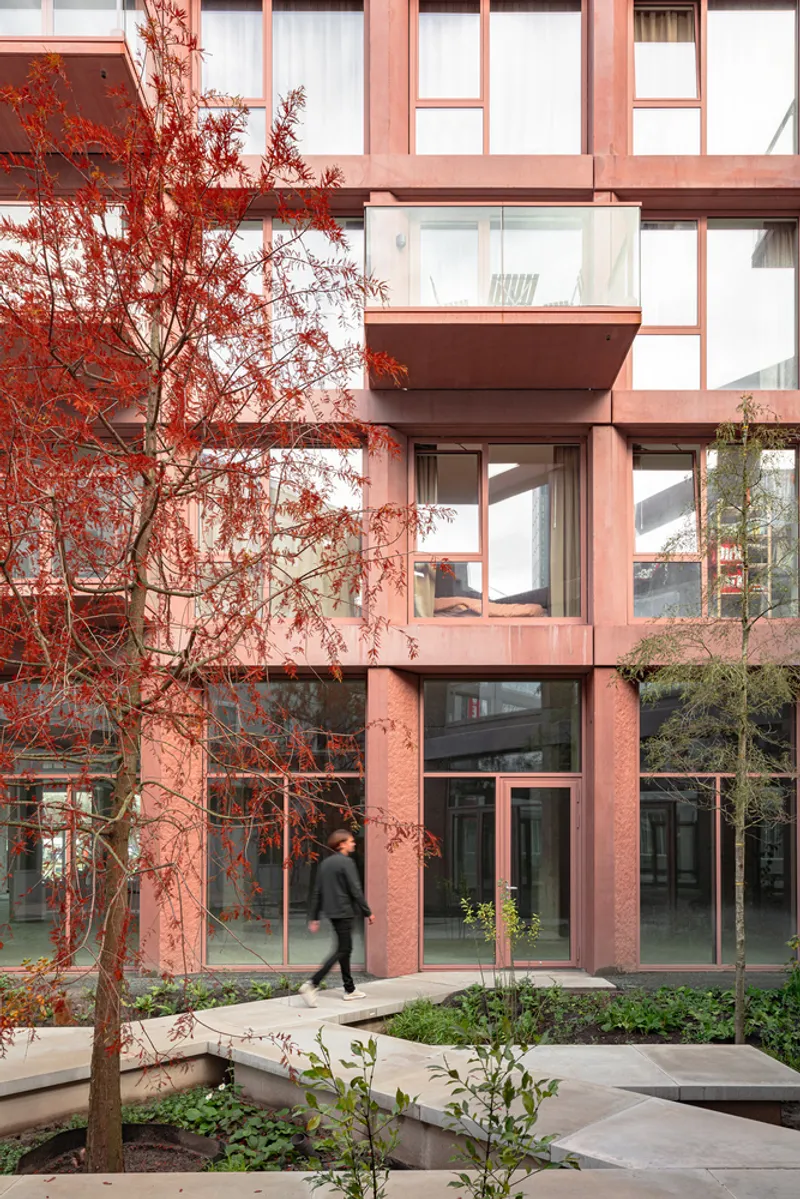
Integral to the Highnote Residential Tower’s design are its green spaces, including the Dak, a rooftop garden that provides residents with a private green retreat in the urban setting. This space is ideal for community gatherings, fitness activities, or simply enjoying a quiet moment away from the city buzz.
Cultural and Commercial Facilities
At the tower's base, the design includes cultural areas with workspaces and upcoming additions of a café and restaurant. This blend of residential, cultural, and commercial facilities encourages a dynamic community life while promoting sustainable urban living practices.
The Future of Urban Development
The Highnote Residential Tower by Studioninedots is a pioneering example of sustainable urban architecture. It not only provides essential housing solutions for young and starting city dwellers in Almere but also integrates seamlessly with the city’s objectives of creating a green, walkable urban core. Projects like Highnote are essential as cities worldwide transition towards more sustainable, inclusive, and resilient urban environments.
This approach not only enhances the quality of urban life but also ensures that architecture plays a crucial role in the ecological stewardship of our urban futures.
All photographs are work of Sebastian van Damme


Popular Articles
Popular articles from the community


Tsunami Convergenics: Turning Catastrophic Ocean Forces into Underwater Housing Infrastructure
A speculative underwater settlement off the coast of Onagawa, Japan, treats tsunamis and typhoons as energy sources rather than threats.
Temporary Home for Dogs: A Reversed Zoo Rethinks Animal Shelter Architecture
In Bucharest, a sinuous corridor and freed landscape flip the logic of containment, designing a shelter that works to make itself unnecessary.

Extended Shell: Retrofitting Kolkata's Balconies as Living Urban Thresholds
A modular retrofit system recovers the social and environmental intelligence of Kolkata's historic verandas for contemporary Park Street residents.
Faces of the Soviet Avant-Garde: Turning Moscow's Street Names into an Open-Air Museum
A network of sculptural installations across a Moscow residential district transforms forgotten architect names into spatial encounters with cultural memor

Similar Reads
You might also enjoy these articles


FAMM Arquitectura Organizes Ten Villas Around Courtyards and Jungle in Nosara, Costa Rica
El Molino pairs two elongated volumes with deep overhangs and timber louvers to build a compact coastal community five minutes from the beach.

Oscar Niemeyer's Ibirapuera Park Pavilions Define São Paulo's Cultural Identity in Concrete and Curve
A constellation of modernist volumes set within São Paulo's most important urban park, conceived for the city's 400th anniversary in 1954.

Sanjay Puri Architects Wraps a Jaipur Office Tower in Capsule-Shaped Green Buffers
A nine-level climate-responsive workplace near Jaipur Airport uses stacked planter terraces and aluminium screens to fight 40°C heat.
RHO Converts a Berlin Spree-Side Industrial Courtyard into Enkime's 1,000 m² Agency Headquarters
A social media agency's new home in Charlottenburg trades glossy branding for concrete waffle ceilings, glazed tile, and sheer curtains.

Explore Residential Building Competitions
Discover active competitions in this discipline

Challenge to design mud housing for contemporary communities

Challenge to reimagine the Iron Throne

Photograph architecture without architects

Illustrate the lost glory of Angkor Wat - Render Challenge
Comments (0)
Please login or sign up to add comments
No comments yet. Be the first to comment!