
Introduction to the Renovation of The Gallery of the Kings
The renovation of The Gallery of the Kings at Museo Egizio blends historical context with modern design to enhance visitor experience.


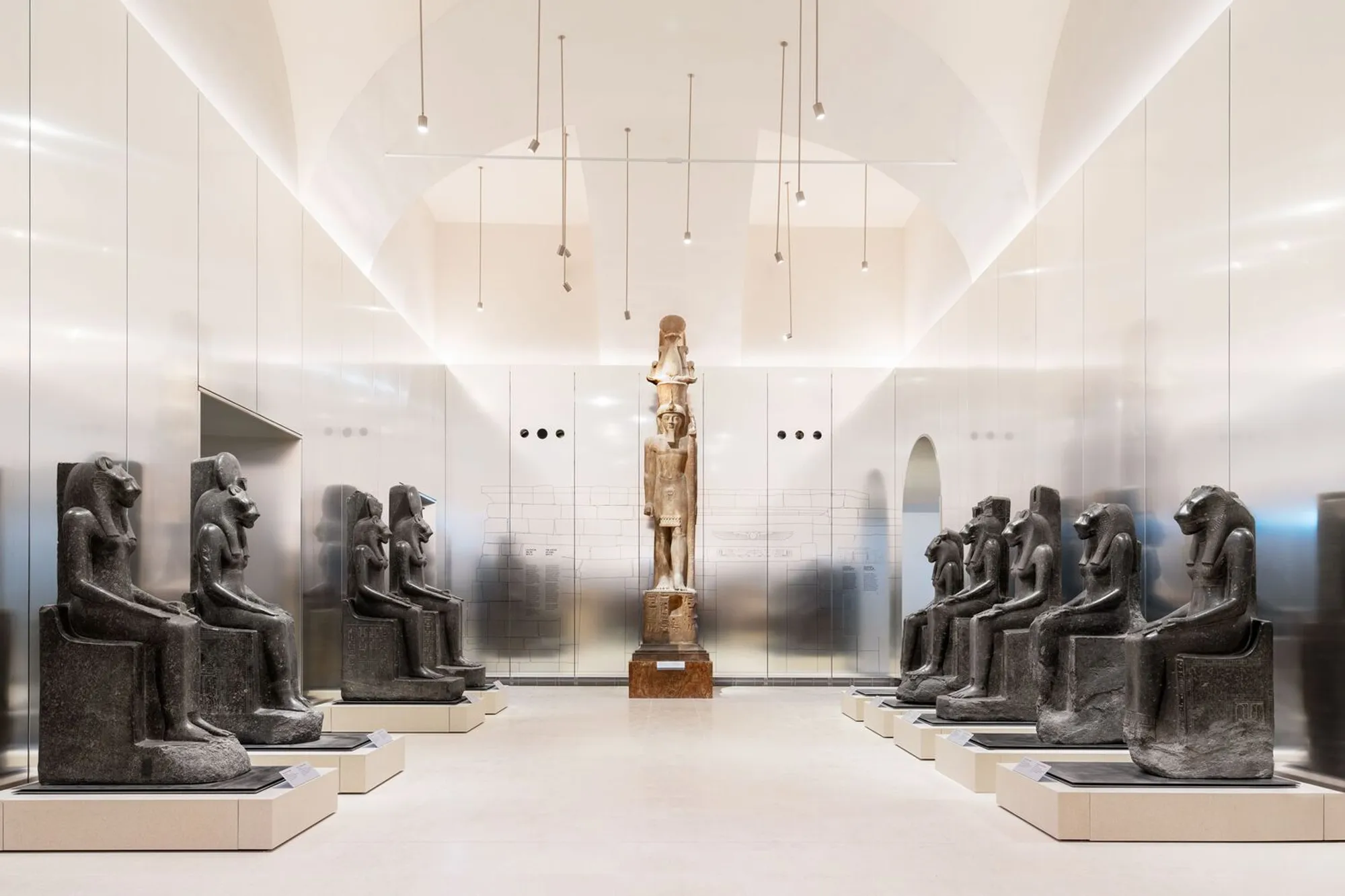
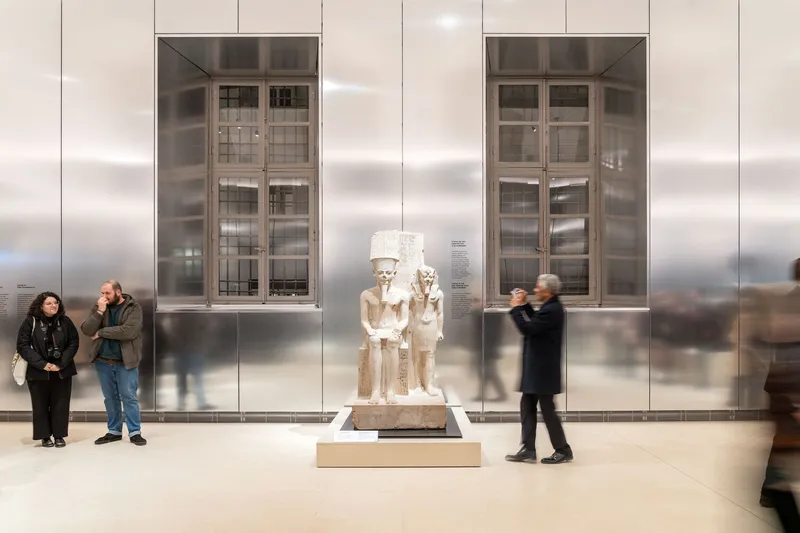
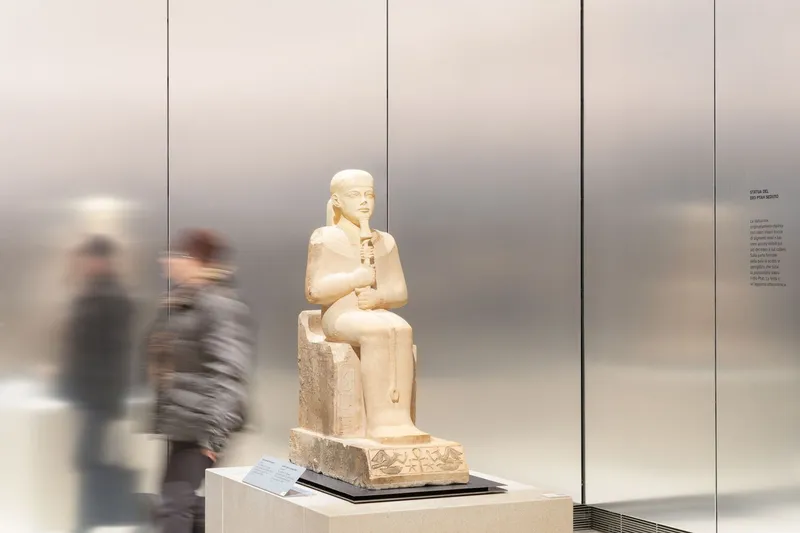
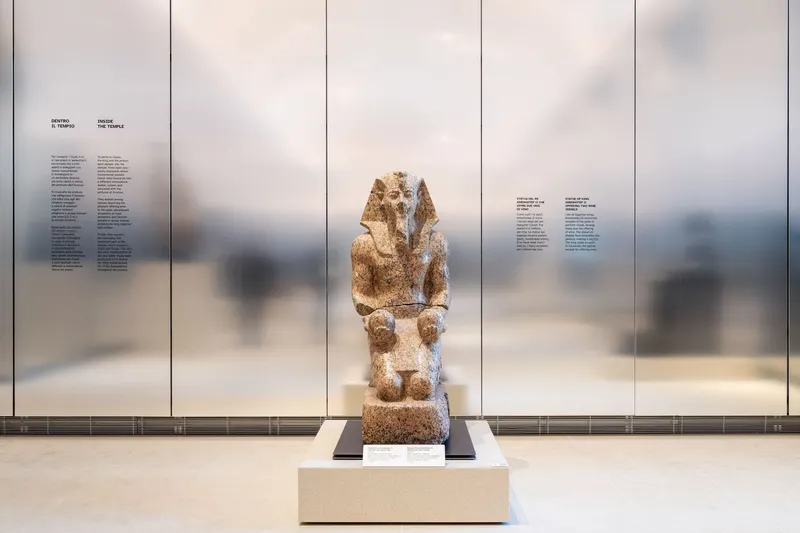
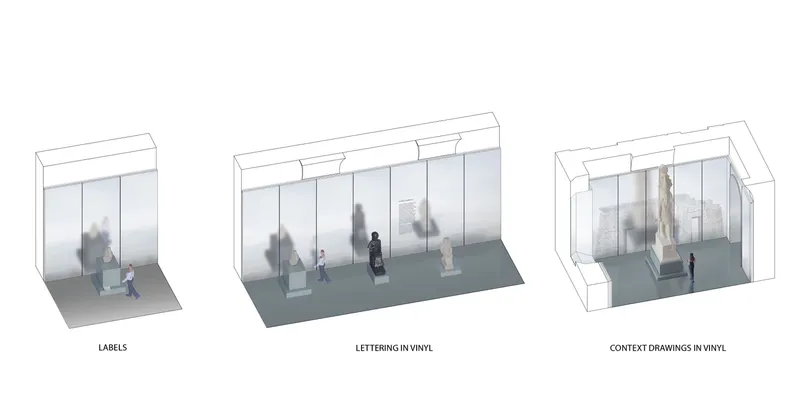
The Gallery of the Kings, housed in the Museo Egizio of Turin, is one of the museum's most iconic exhibits, showcasing monumental statues from ancient Egypt. For its 2024 renovation, OMA and Andrea Tabocchini Architecture aimed to redefine the visitor experience by creating an immersive and historically contextualized environment. The renovation not only updates the gallery for contemporary audiences but also reconnects these statues to their original architectural context in Thebes, now Luxor.
Enhancing the Visitor Experience Through Light and Space
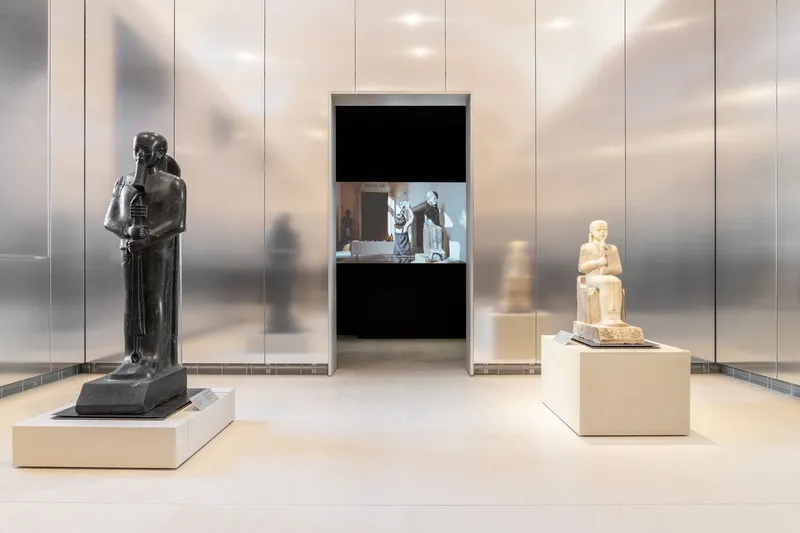
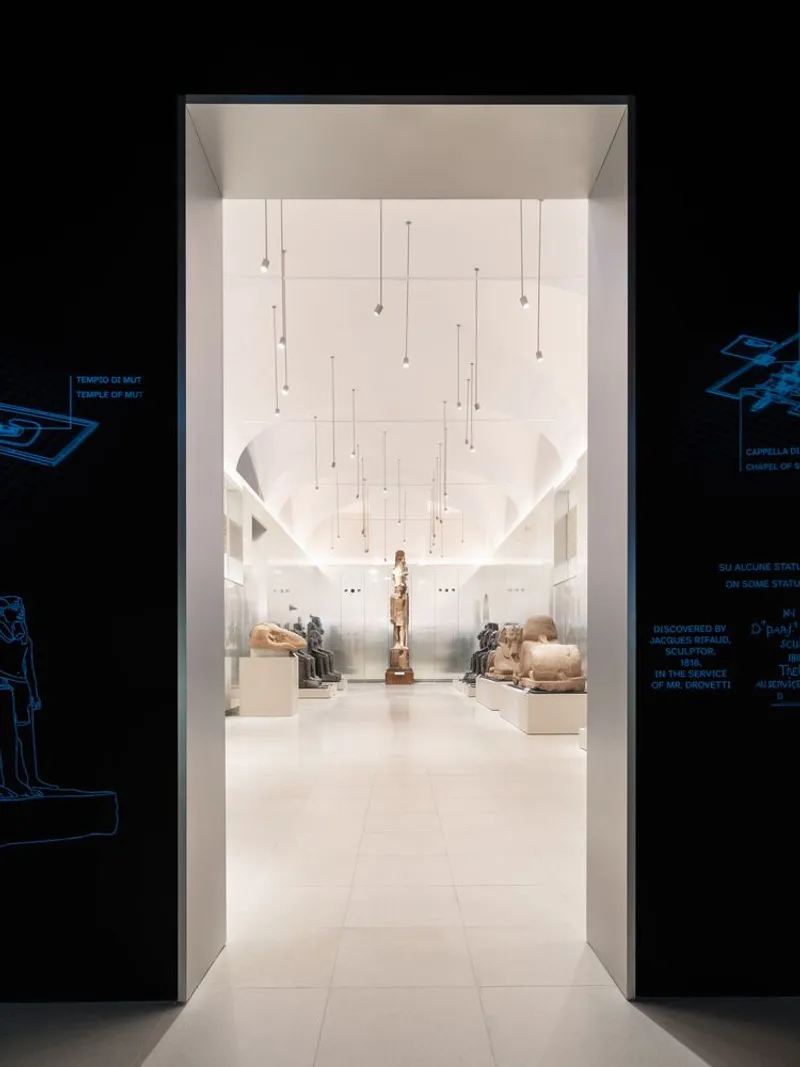
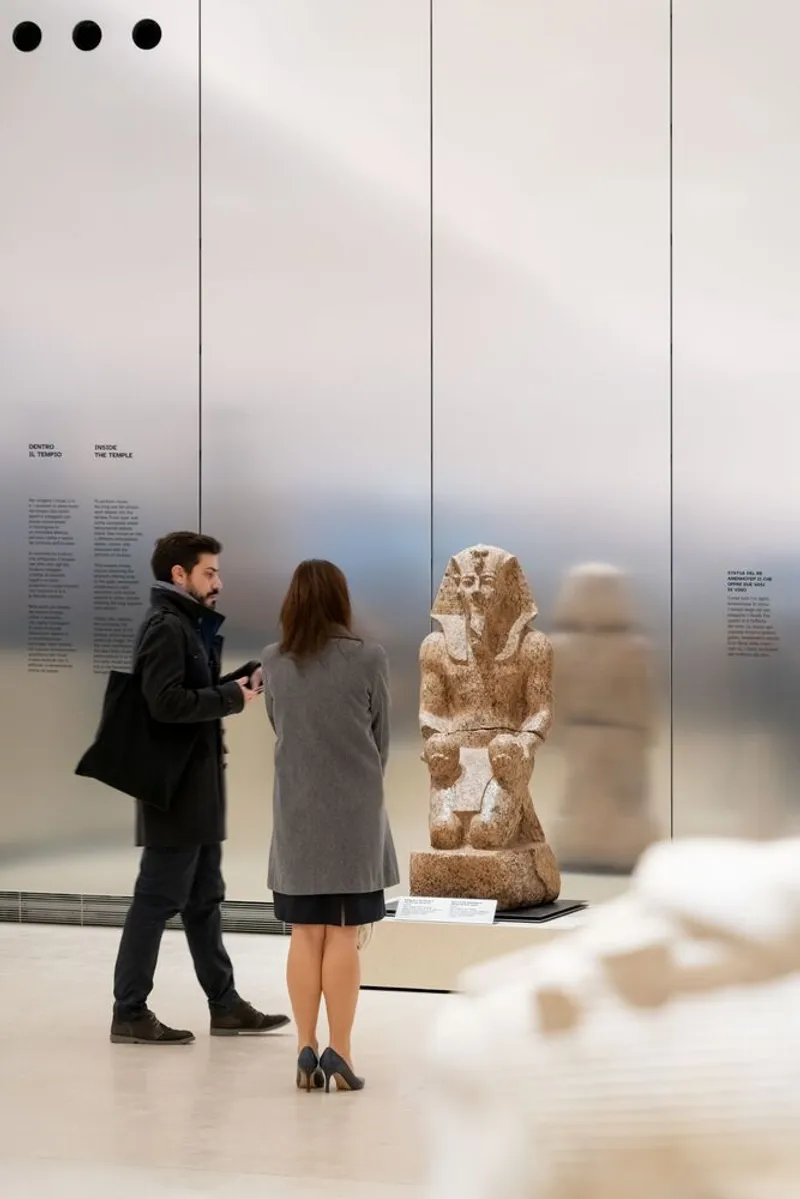
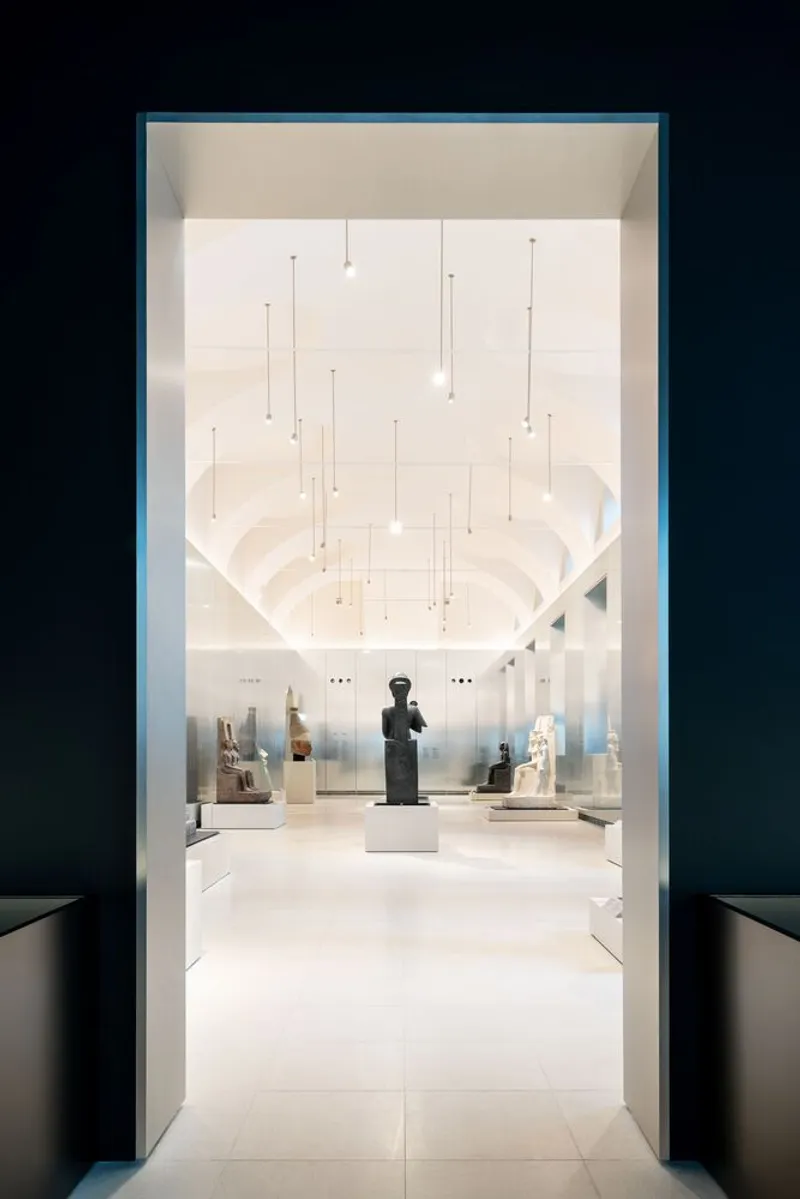
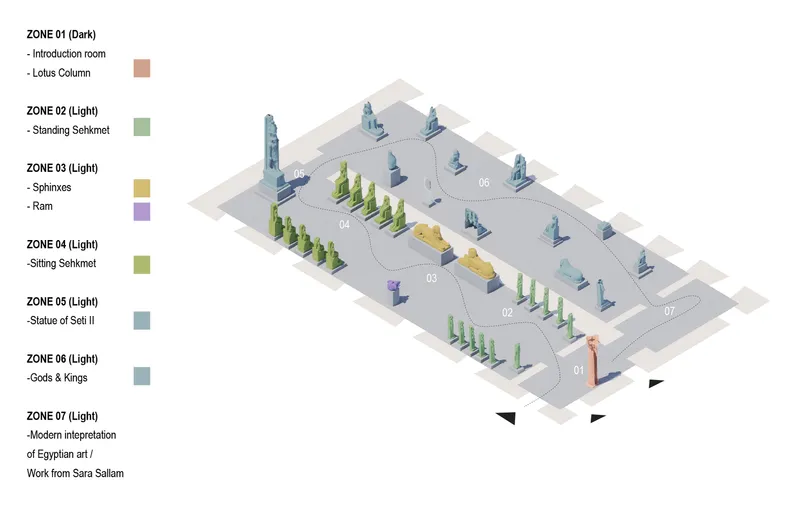
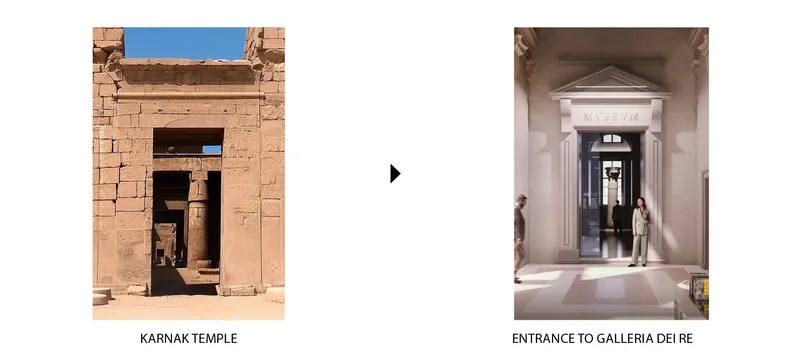
A central theme in the design is the interplay between light and darkness. Historically, the transition from darkness to light in ancient Egyptian culture symbolized creation and was often associated with kings and gods. Visitors enter the gallery through a dimly lit hallway, where digital projections narrate the history of Karnak, the statues' original location. This sets the tone for an immersive experience, where the statues' ancient context is brought to life through modern design.
A Revival of Historic Architecture
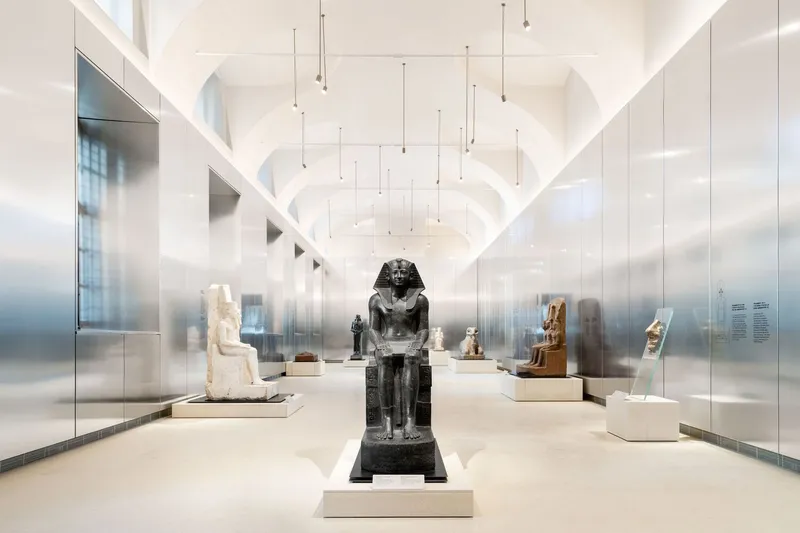
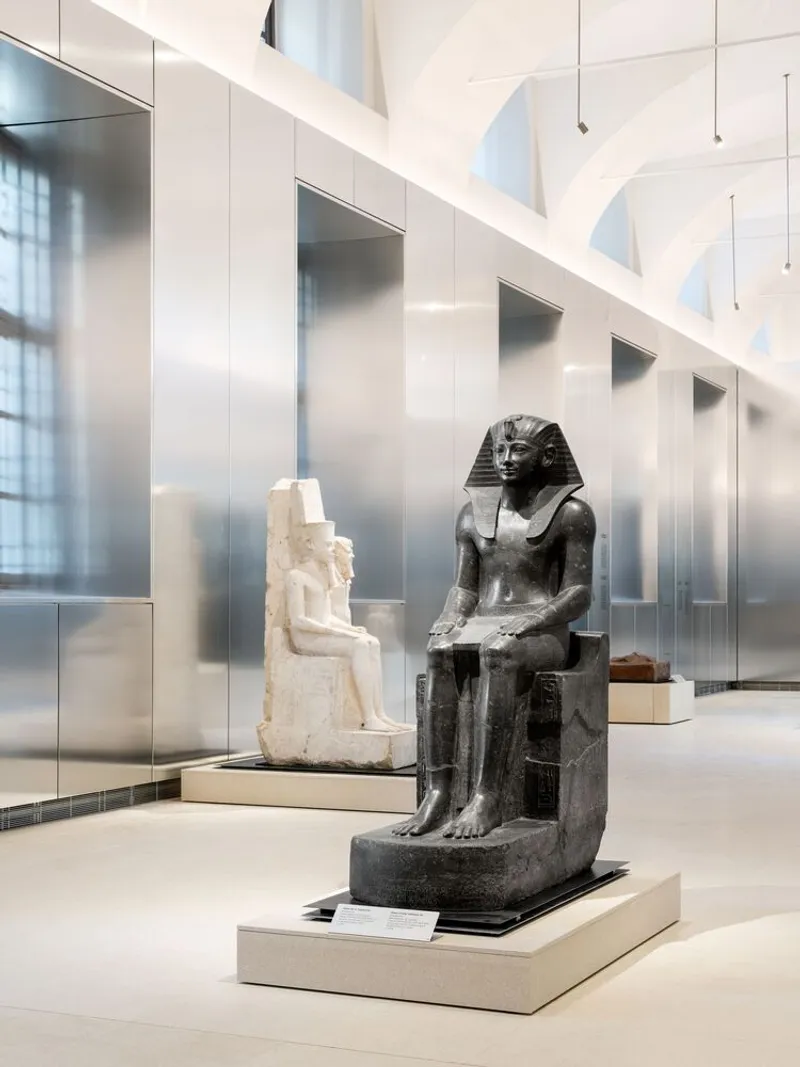
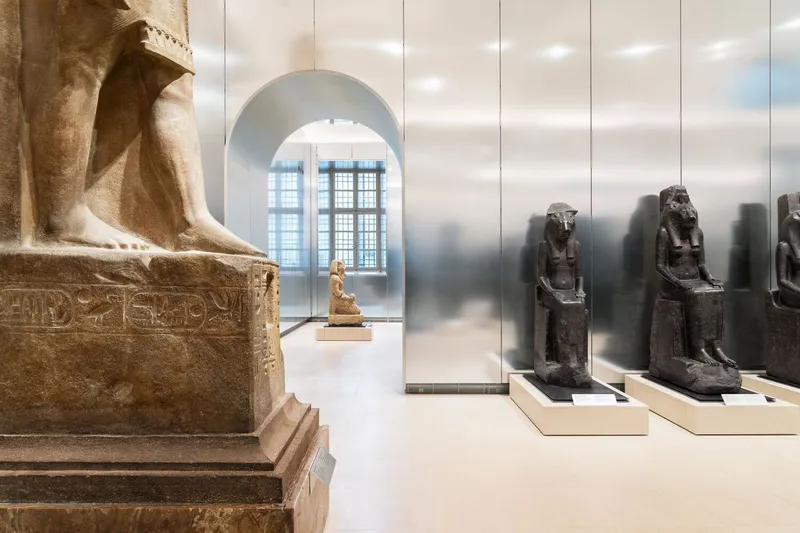
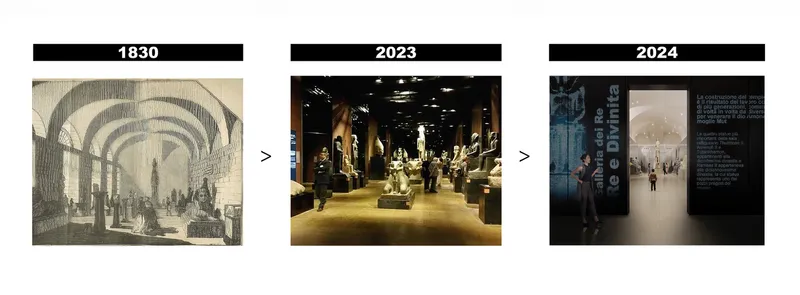
The renovation exposes the original 17th-century architecture of the gallery, which had previously been hidden. The vaults and high windows of the space are now fully visible, allowing natural light to flood the room, similar to the original setting of the statues at Karnak. This architectural revelation contrasts with the previous "black box" design of set designer Dante Ferretti, which had dominated the space since 2006. The new design emphasizes the grandeur of both the statues and the architecture, subtly integrating historical and contemporary elements.
Organizing the Monumental Statues Within a Sacred Context
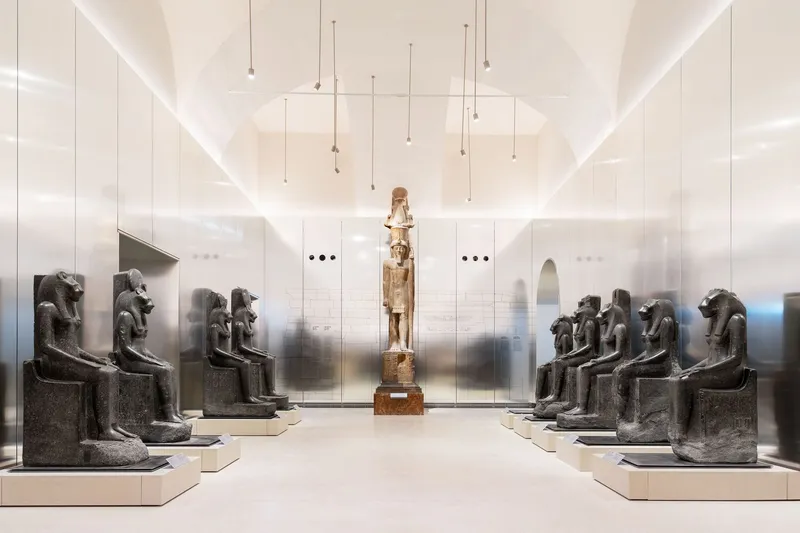
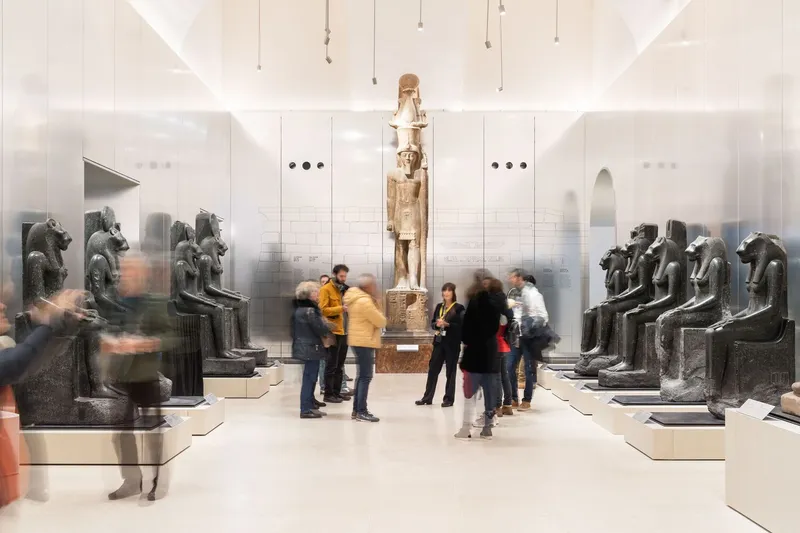
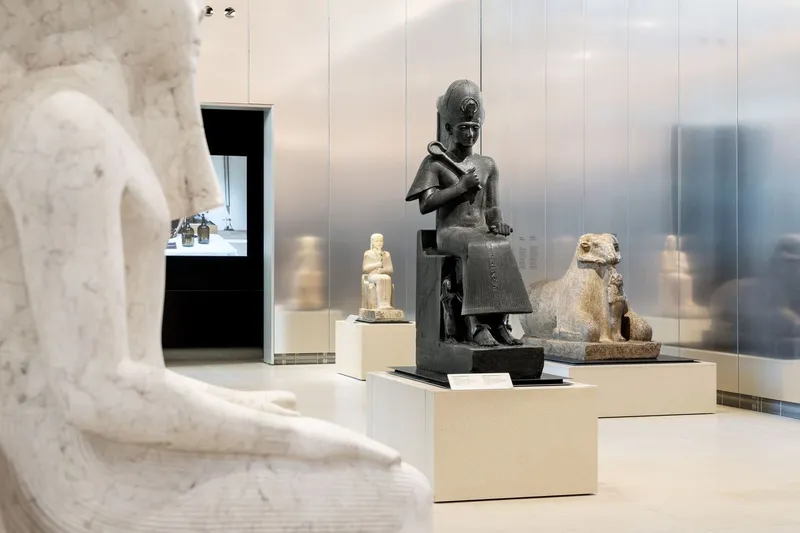
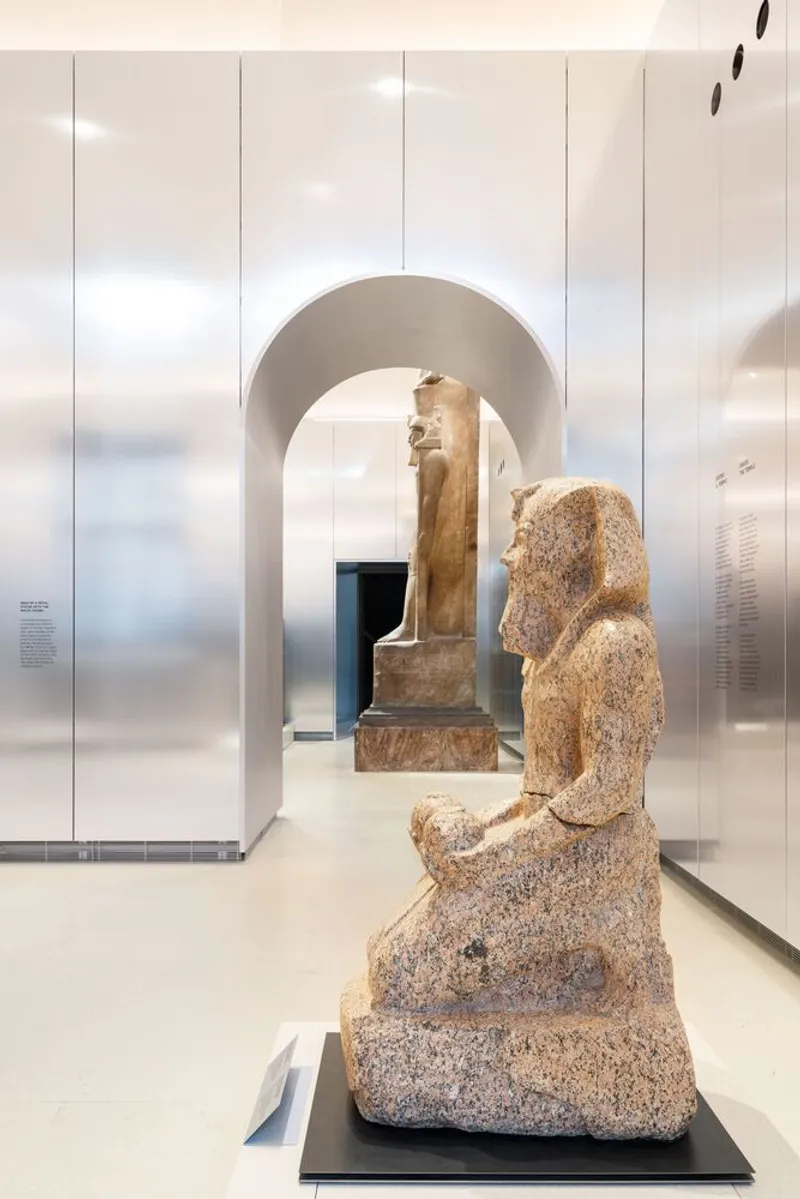
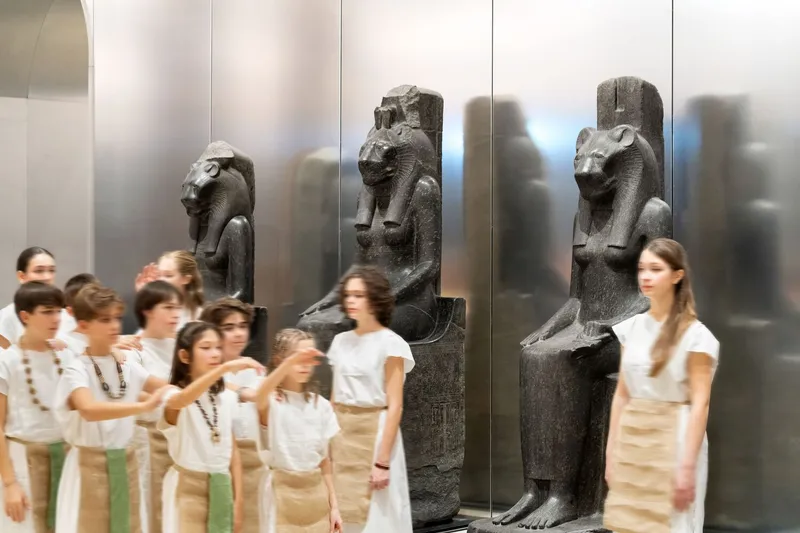
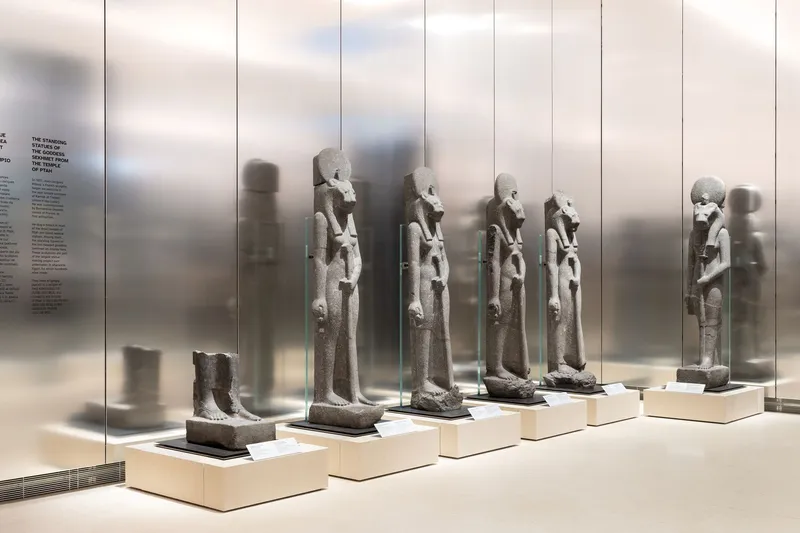
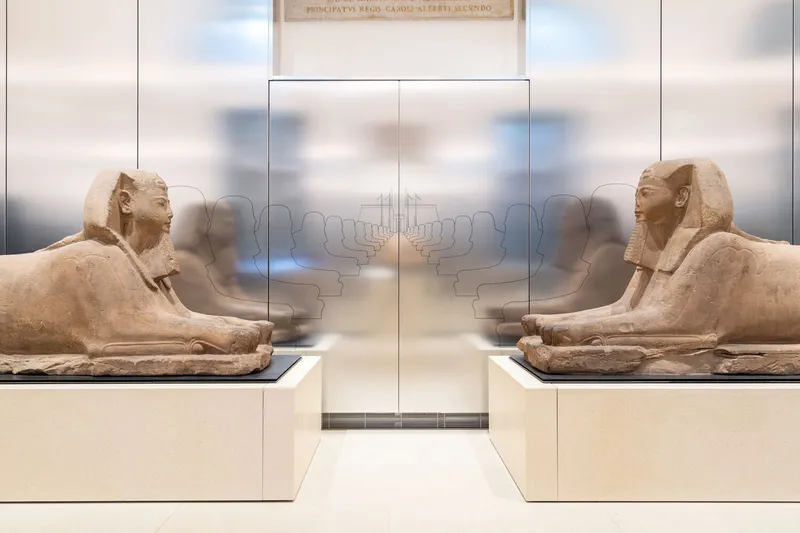
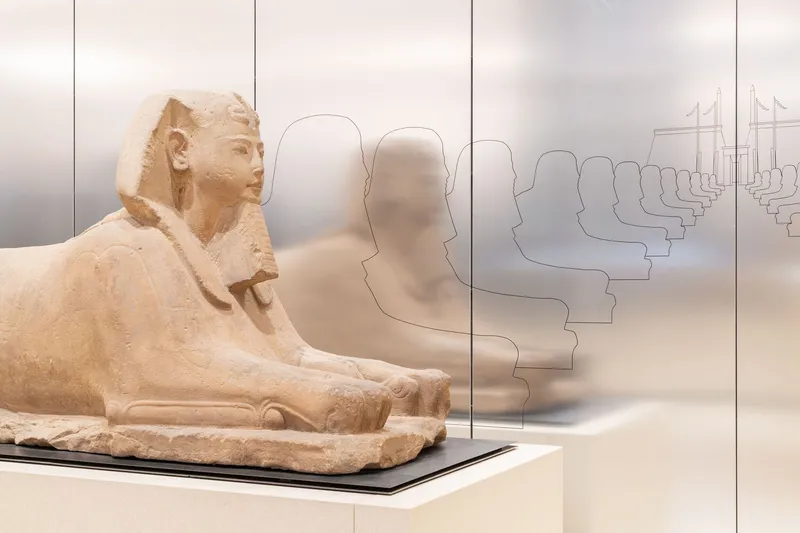
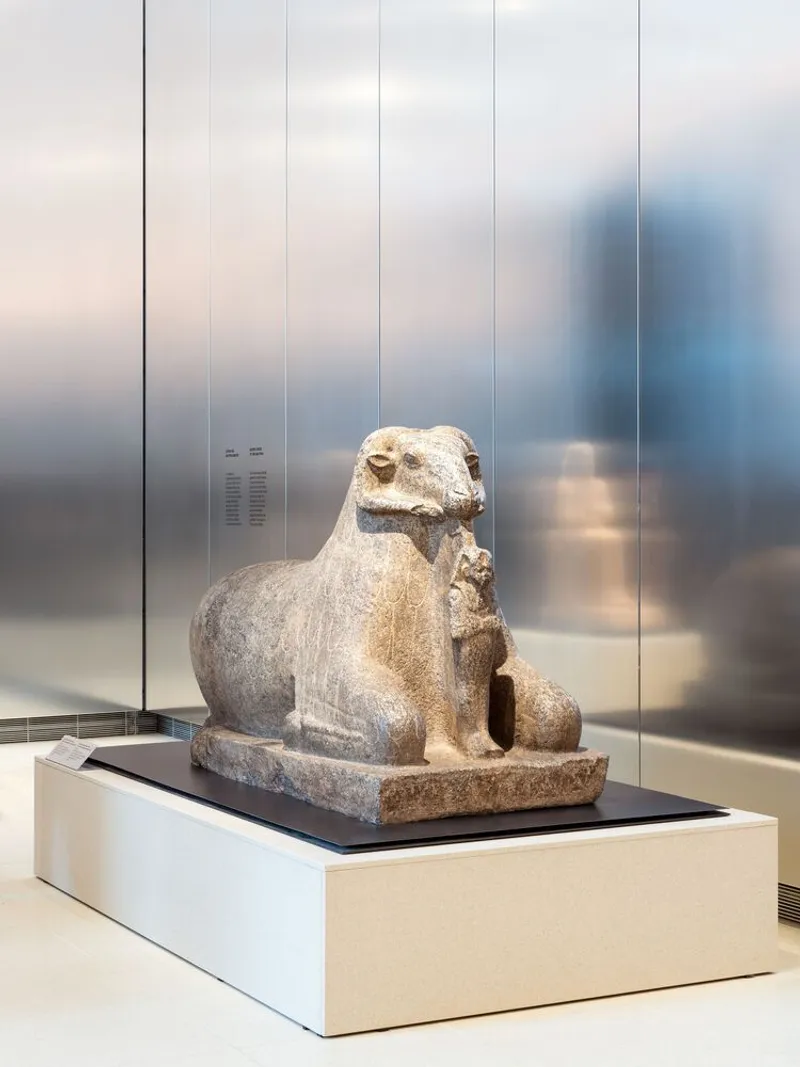
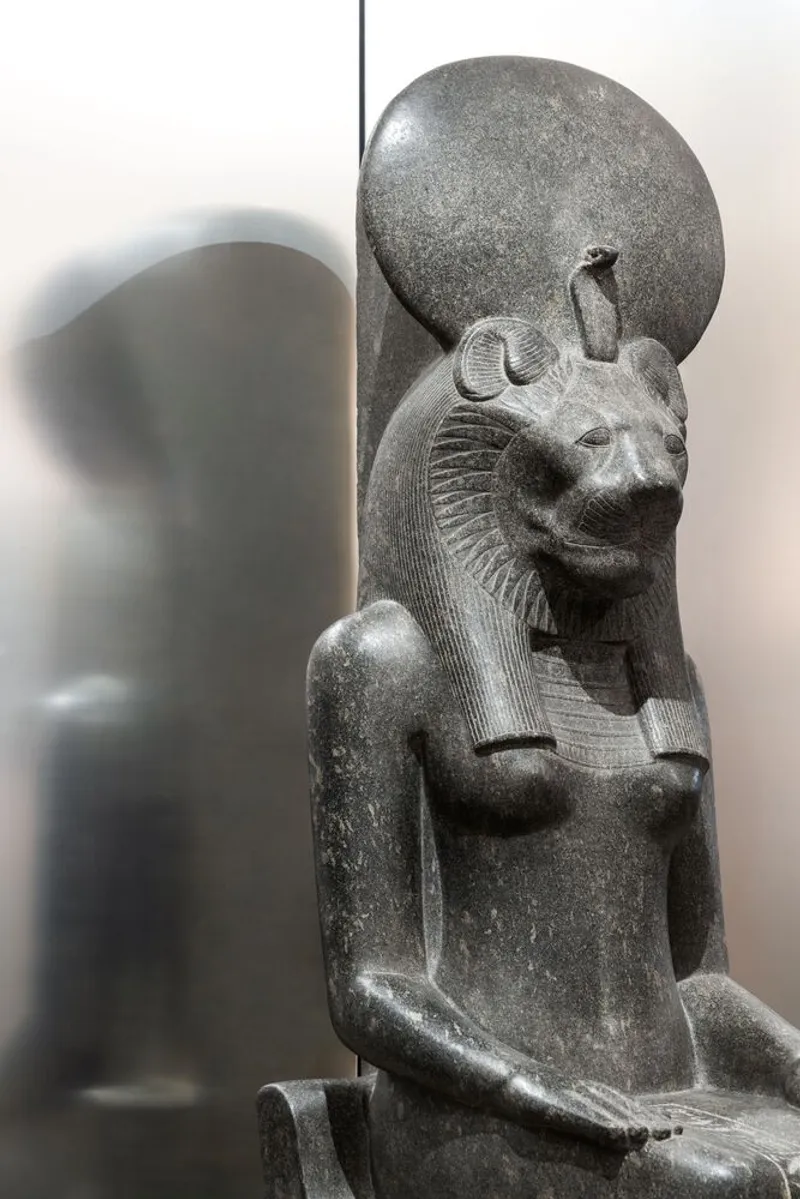
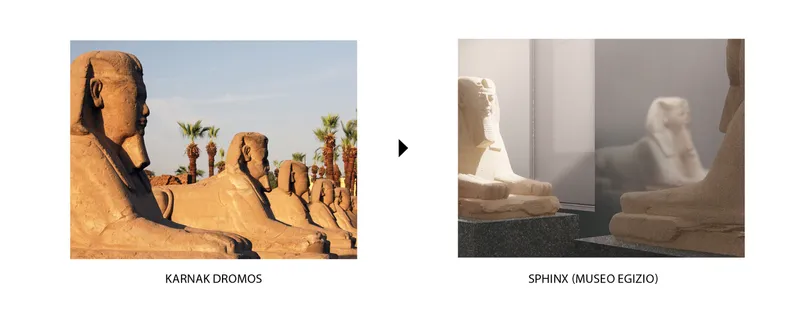
The monumental statues are now arranged to evoke the structure of an ancient Egyptian temple. The first hall presents two sphinxes at the center, flanked by statues of the goddess Sekhmet. This arrangement is meant to mimic the outer areas of the temple, such as processional avenues. Visitors are then led into a second hall, where statues of kings and gods are arranged chronologically, drawing parallels with the inner temple spaces. The display culminates with the renowned statue of King Ramesses II.
An Architectural Integration with the Urban Fabric
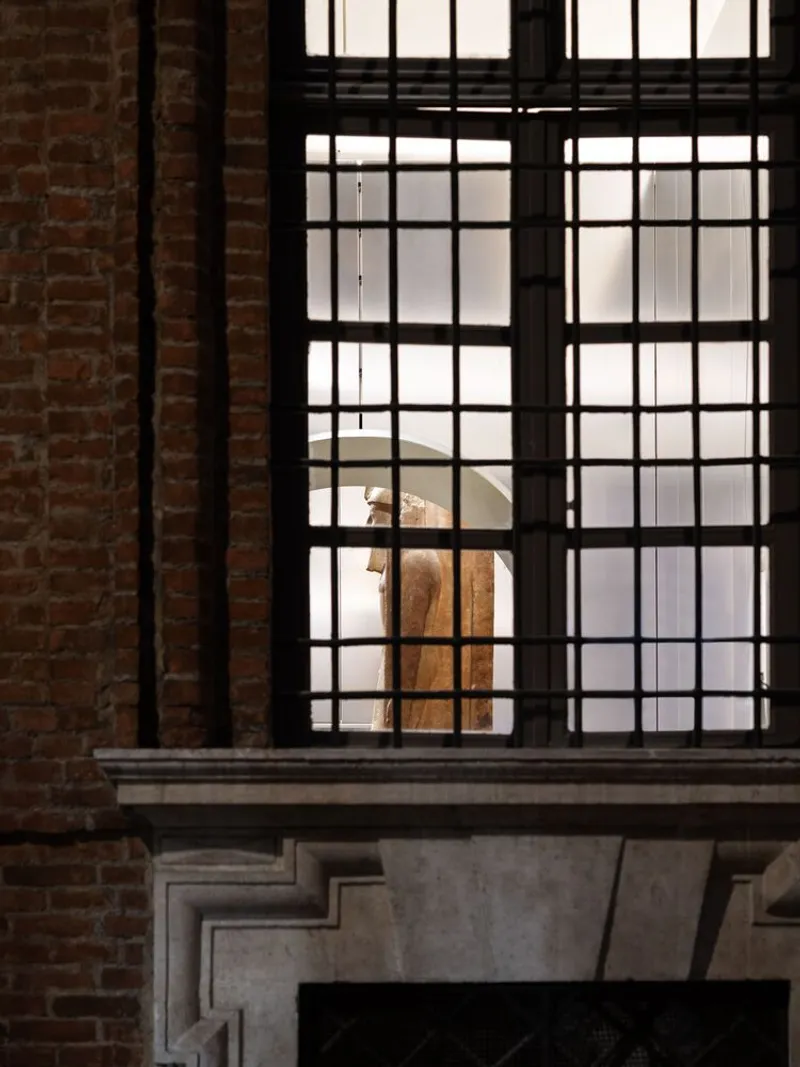
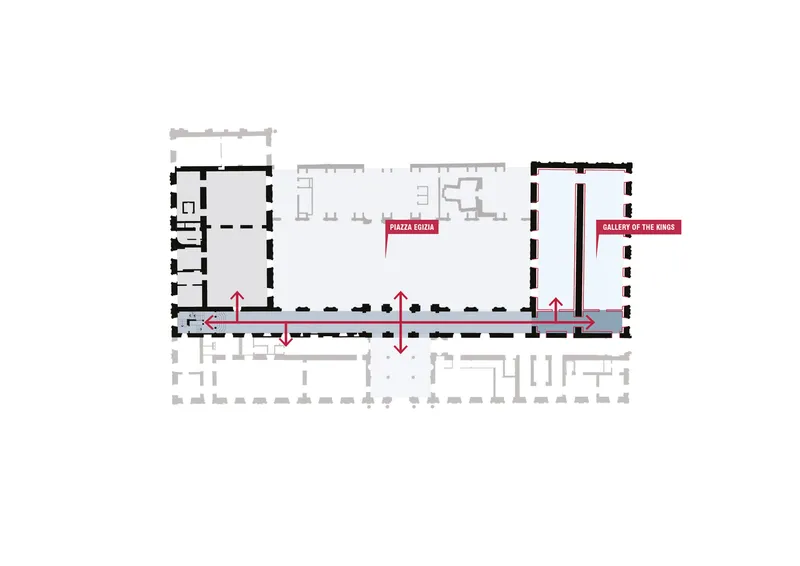
The Gallery of the Kings renovation extends beyond the gallery itself, influencing the museum's relationship with the surrounding urban environment. The gallery's newly uncovered windows provide a visual connection between the ancient statues and the public, offering glimpses of the museum’s treasures from Piazza Egizia and Via Principe Amedeo. The museum now serves as a central civic space in Turin, inviting visitors to experience a fusion of public and cultural history.
Revitalizing the Past for Future Generations
The renovation of The Gallery of the Kings in Museo Egizio represents a thoughtful integration of modern design and historical context. By emphasizing the natural light and architectural grandeur of the original space, the new design ensures that visitors not only appreciate the monumental statues but also gain a deeper understanding of their cultural and historical significance. This project serves as a model for museum architecture, where the past is reimagined for future generations.
All Photographs are work of Marco Cappelletti



Popular Articles
Popular articles from the community


The Musturak Paradise: Senior Living Architecture for a Connected Future in Temara, Morocco
The Musturak Paradise reimagines senior living architecture in Temara via private homes, social spaces, culture, community, and shared care.

The Ocean Hive: Sustainable Architecture for a Self-Sufficient Civilization at Sea
The Ocean Hive imagines sustainable architecture at sea, where modular habitats, algae, wave power and ocean waste sustain a growing colony.

Play: Fragments of Their World
Familiar architecture becomes modular playground design, creating safe spaces where displaced children can learn, connect, imagine and play.

Riyadh For All: Intergenerational Urban Design for Active Aging in Rabat
Riyadh For All reimagines urban design in Rabat with intergenerational co-living, adaptive courtyards, and Moroccan cultural exchange today.


Similar Reads
You might also enjoy these articles


Hodi-Mandai Geram
Project Function: Preservation and revitalization of the Intangible heritage and socio-spatial identity of the Hodi by Housing, Cultural Memory Center, Sacred Grove, landscape, local tourism economy


Olio Towers: A Mid-Rise for Performers That Fuses Housing, Rehearsal, and Stage
Located blocks from Houston's Theater District, this modular tower stacks living units around a central performance atrium.

Oasis: Modular Green Housing Carved into Dhaka's Urban Fabric
A shortlisted Plugin Housing entry reclaims unauthorized settlements in Dhaka with stepped concrete volumes, green roofs, and ventilation-driven design.

Black Hole: A Floating Megastructure for the Post-Physical Era
Emiliano Mazzarotto envisions a spherical, self-scaling arena where e-sports, digital hotels, and holographic stadiums replace traditional public space.


Explore Architecture Competitions
Discover active competitions in this discipline



Challenge to reimagine the Iron Throne


Photograph architecture without architects


Illustrate the lost glory of Angkor Wat - Render Challenge


Design challenge to reuse E-waste
Comments (0)
Please login or sign up to add comments
No comments yet. Be the first to comment!