

IPHE Host Innovation Incubator & Hotel Architecture: A Model of Flexibility and Innovation for Modern Workspaces
This article discusses IPHE Host Innovation Incubator & Hotel, a flexible, innovative workspace supporting start-ups in Paris-Saclay.


An Incubator and Hotel for the Innovation Era
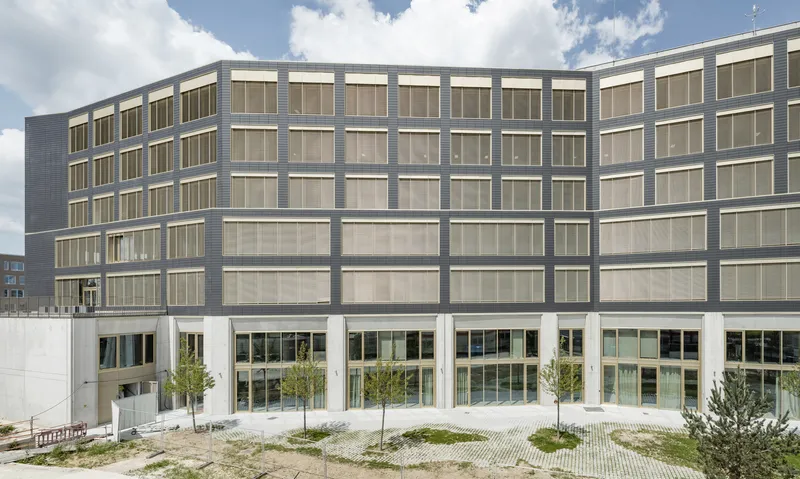
The IPHE Host Innovation Incubator & Hotel in Saclay, France, designed by Ignacio Prego Architectures, represents a bold approach to architectural flexibility, embodying the evolving landscape of workspaces. This multi-purpose building, completed in 2021, supports start-ups at various development stages, providing an adaptable structure that can shift as the needs of its users change. With modern, modular design, this building houses incubation, office spaces, and a business hotel to support entrepreneurs and innovators in the Paris-Saclay ecosystem.
Architectural Vision: Flexibility as the Foundation for Innovation
Embracing an "Undetermined Architecture"
The IPHE Host Innovation Incubator & Hotel reflects the belief that architecture should be flexible and future-oriented. Instead of predicting the future of work, Ignacio Prego Architectures designed a building that could adapt over time. This “undetermined architecture” means the building can be reconfigured and repurposed as the demands of its occupants evolve, from office spaces to business hotel rooms.
Key Design Elements: Creating a Flexible and Unified Space
Modular Floor Plans and Open Spaces
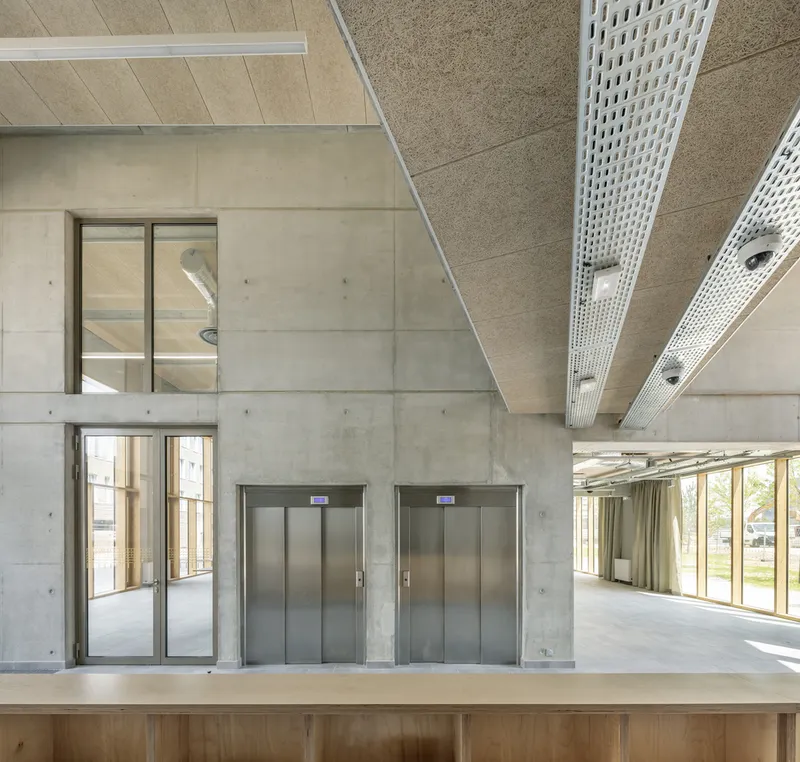
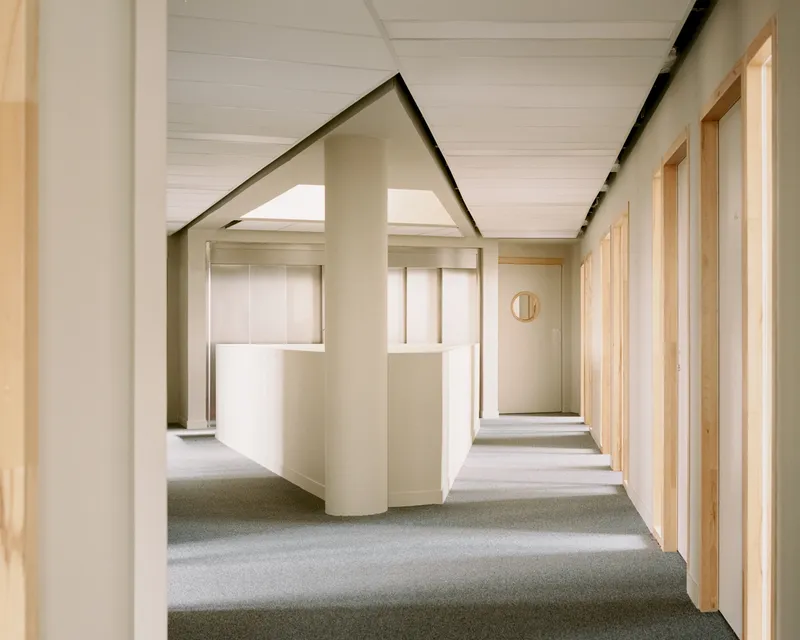
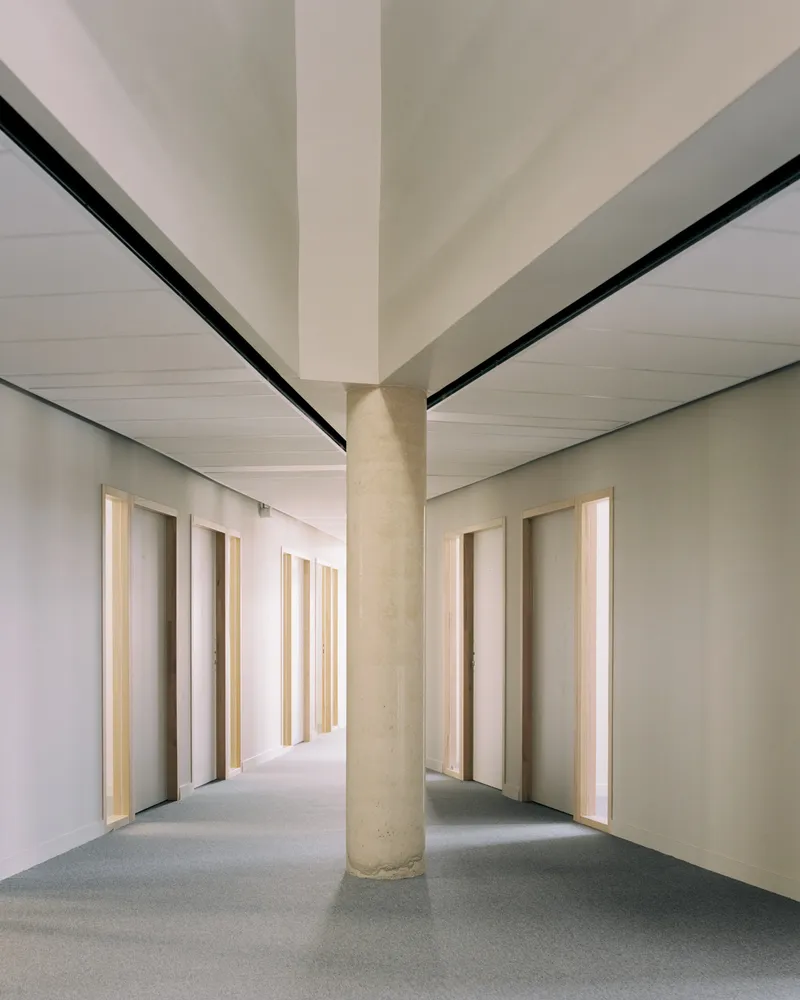
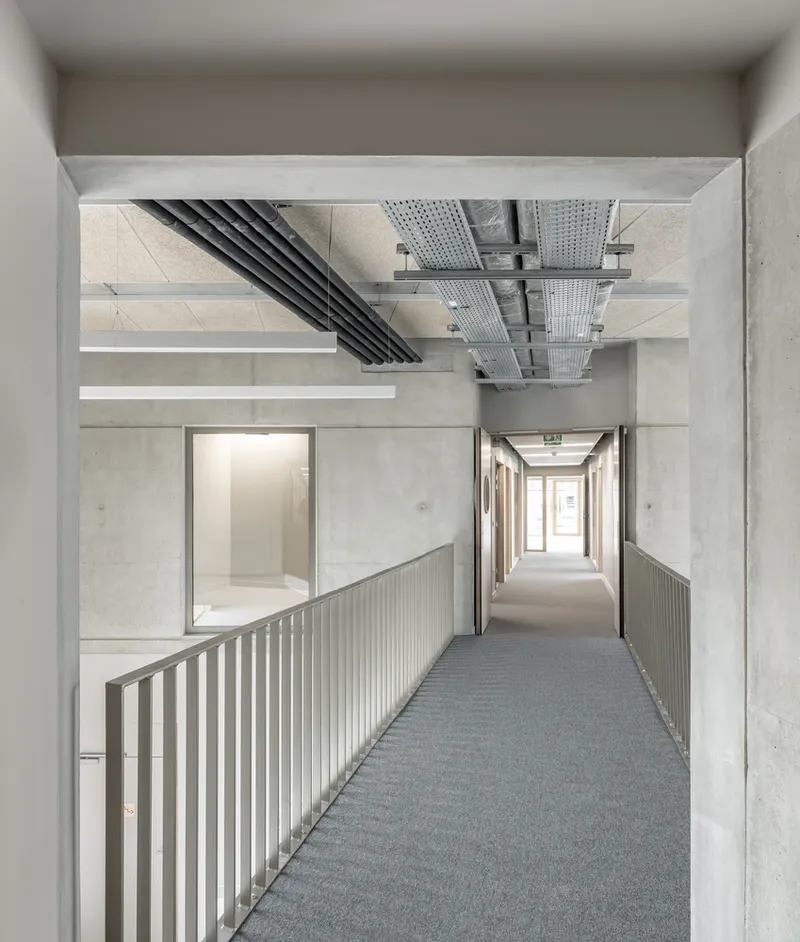
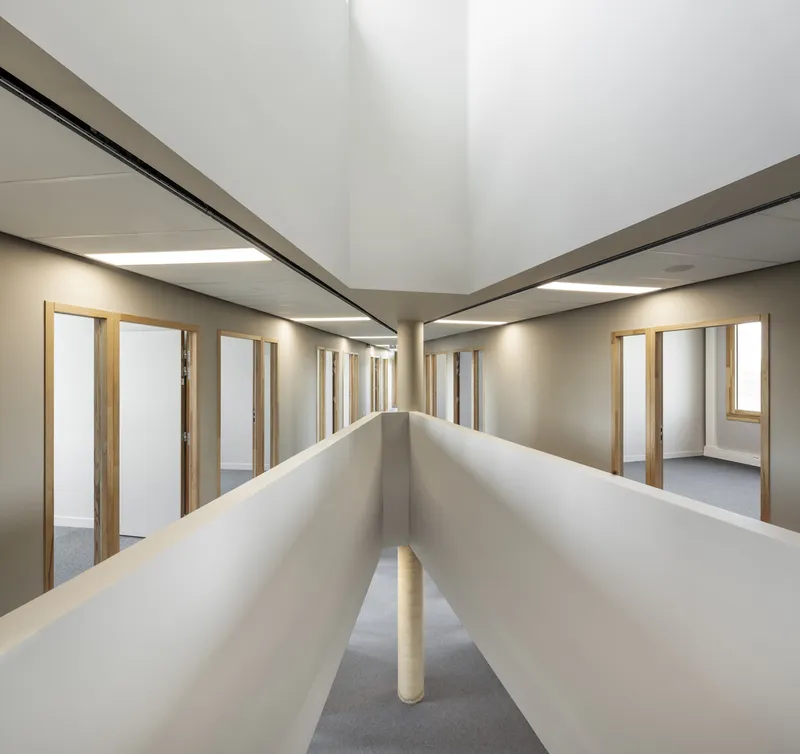
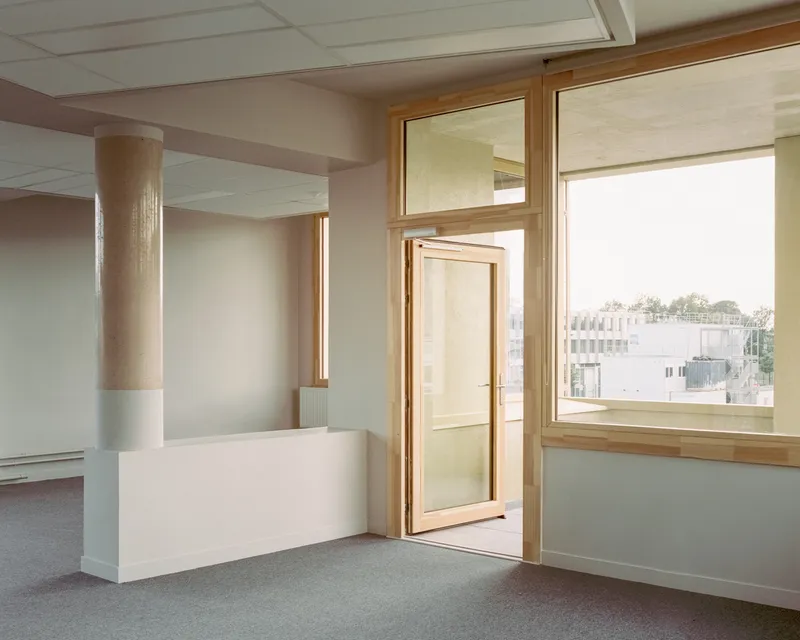
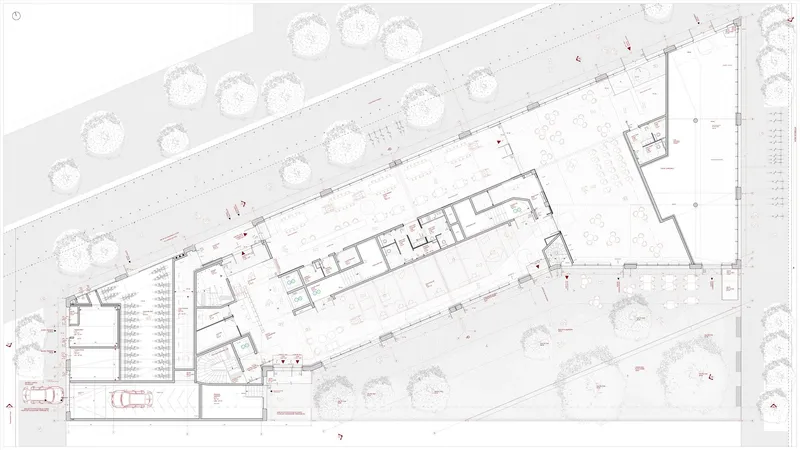
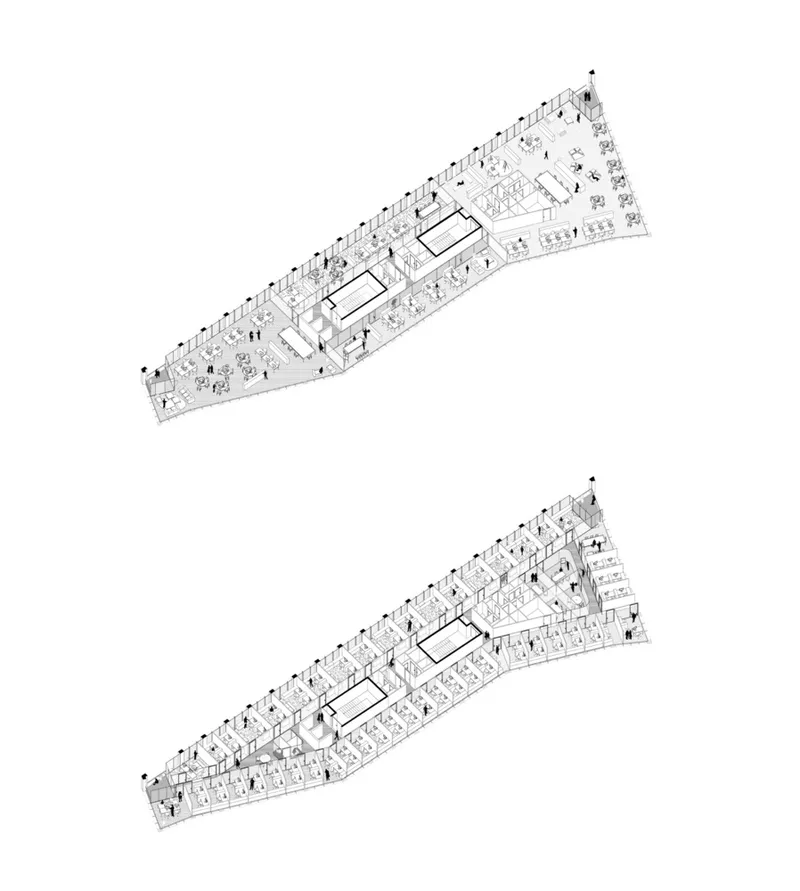
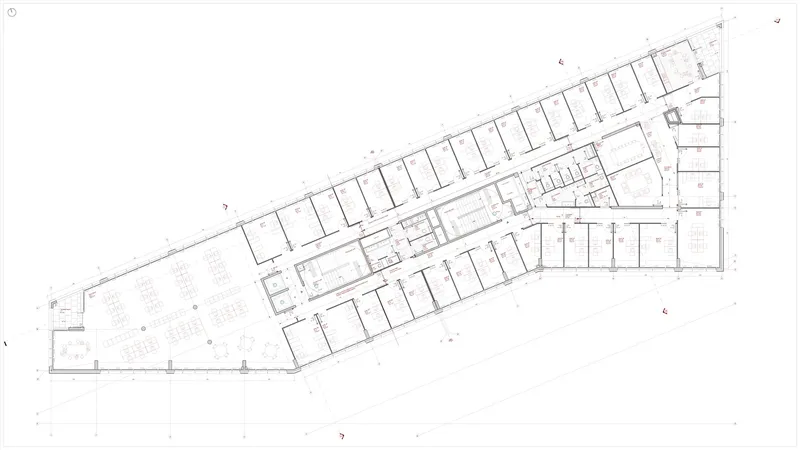
The IPHE Incubator & Hotel features open, modular floor plans with a central core that distributes utilities and allows for large, uninterrupted workspace areas. Floors can be organized into different configurations, enabling everything from collaborative working zones to private offices or event spaces. This setup provides start-ups with the flexibility they need to expand or adjust as their teams grow, supporting the spirit of innovation.
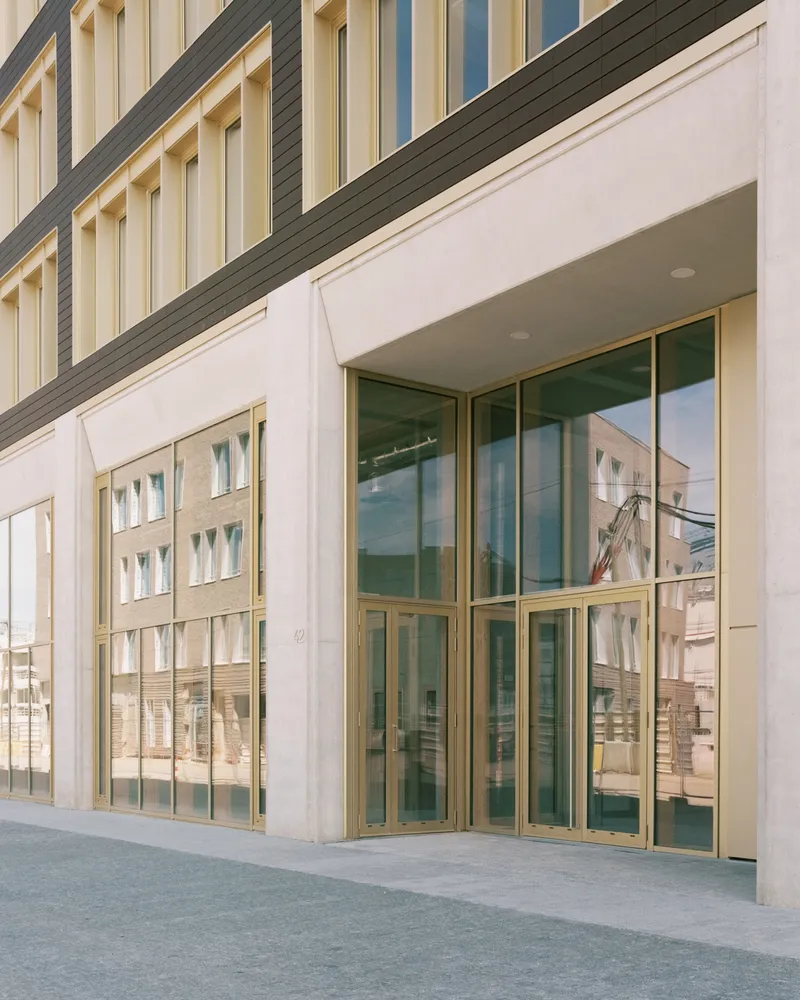
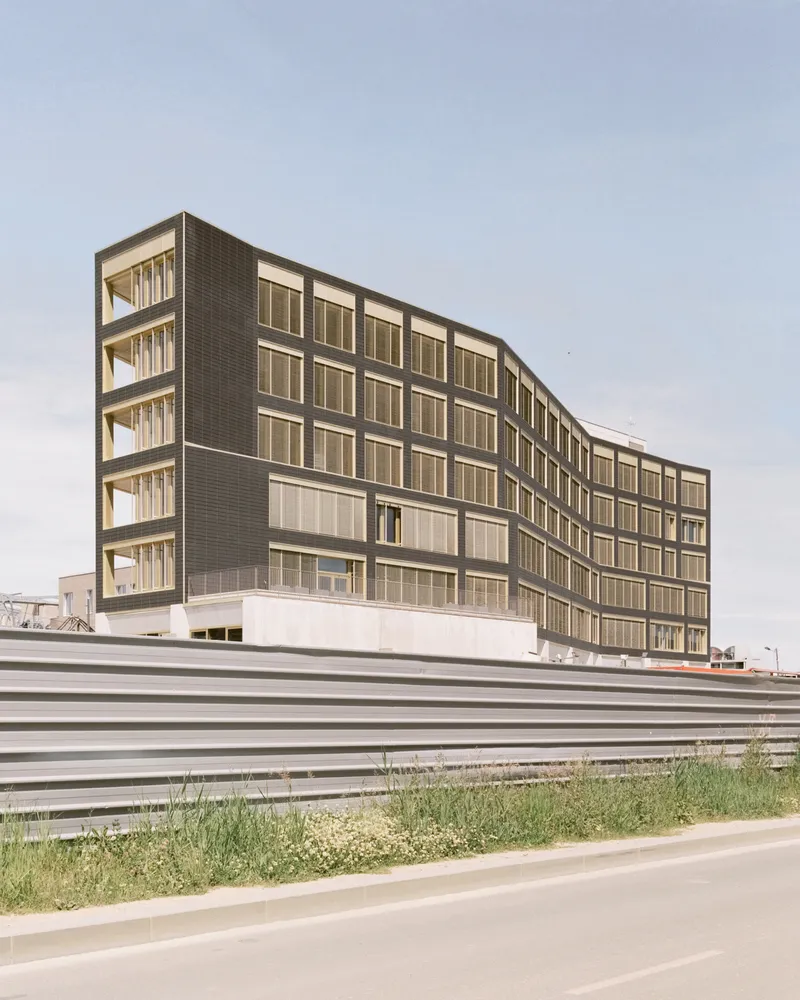
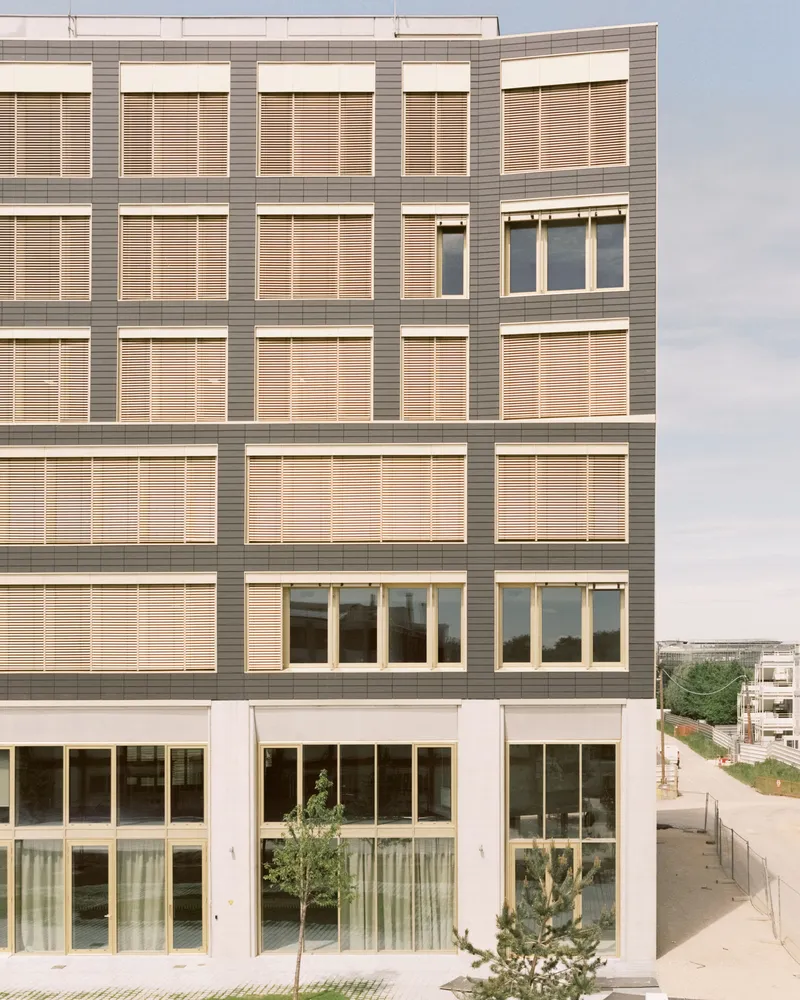
Double-Height Base for Public Engagement
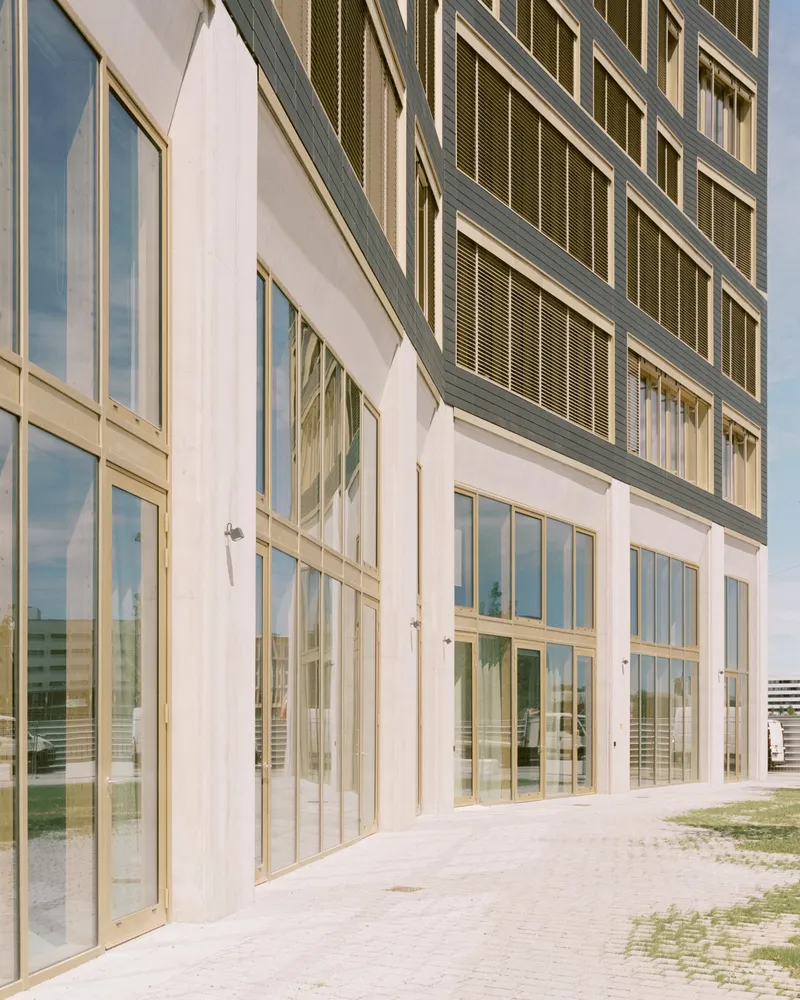
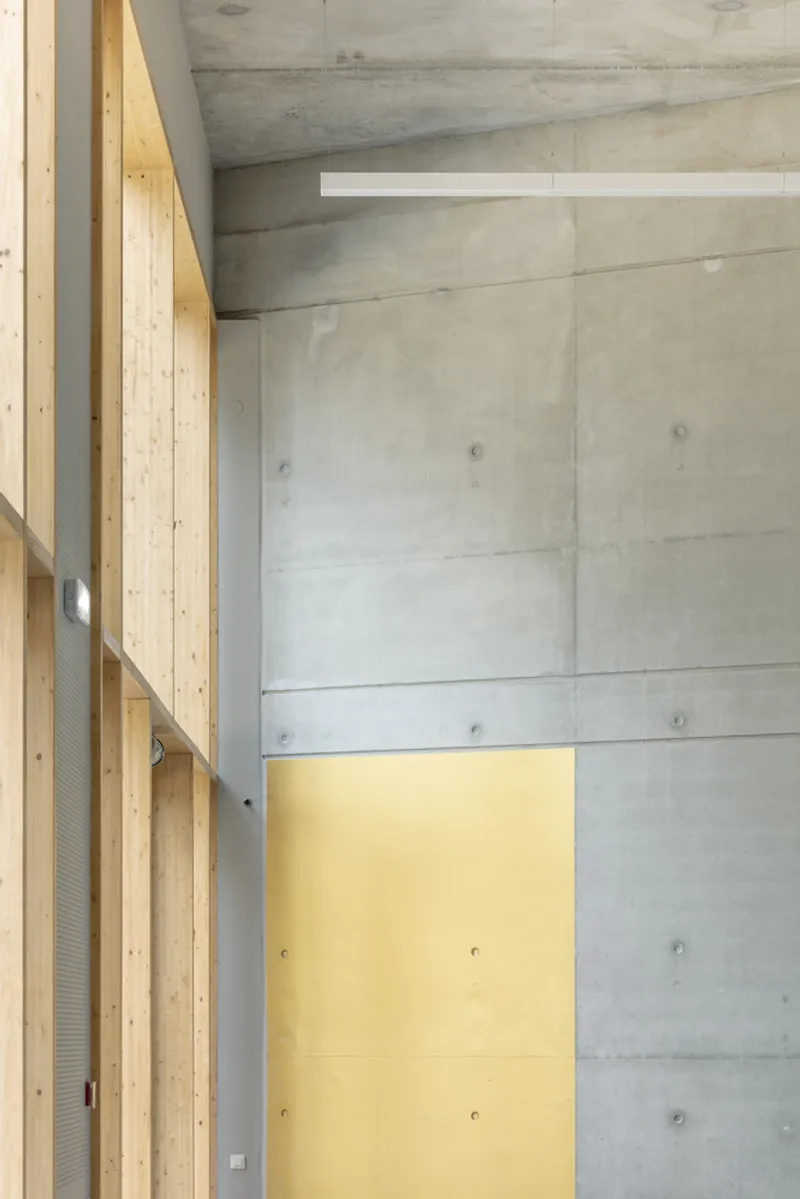
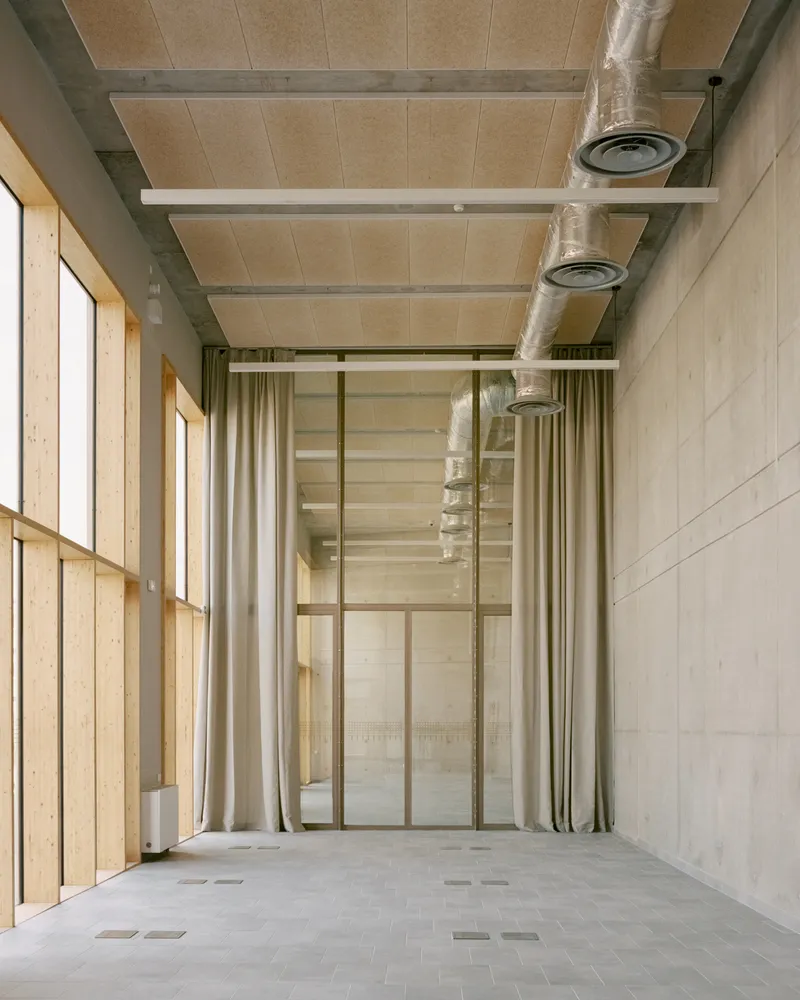
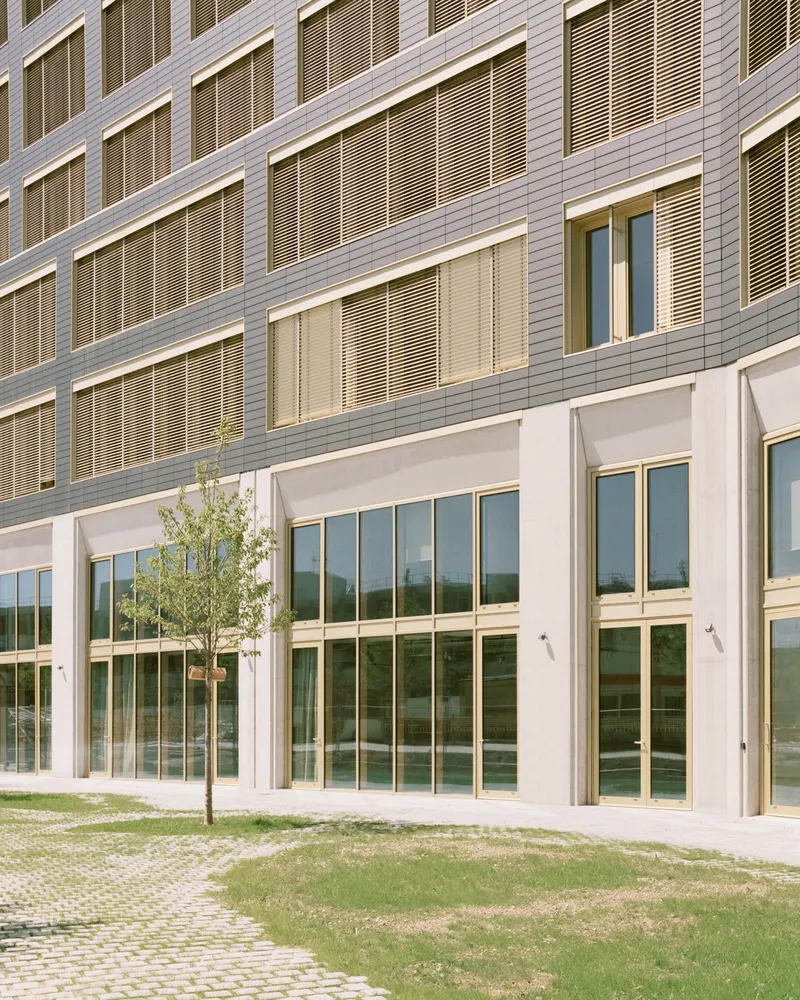
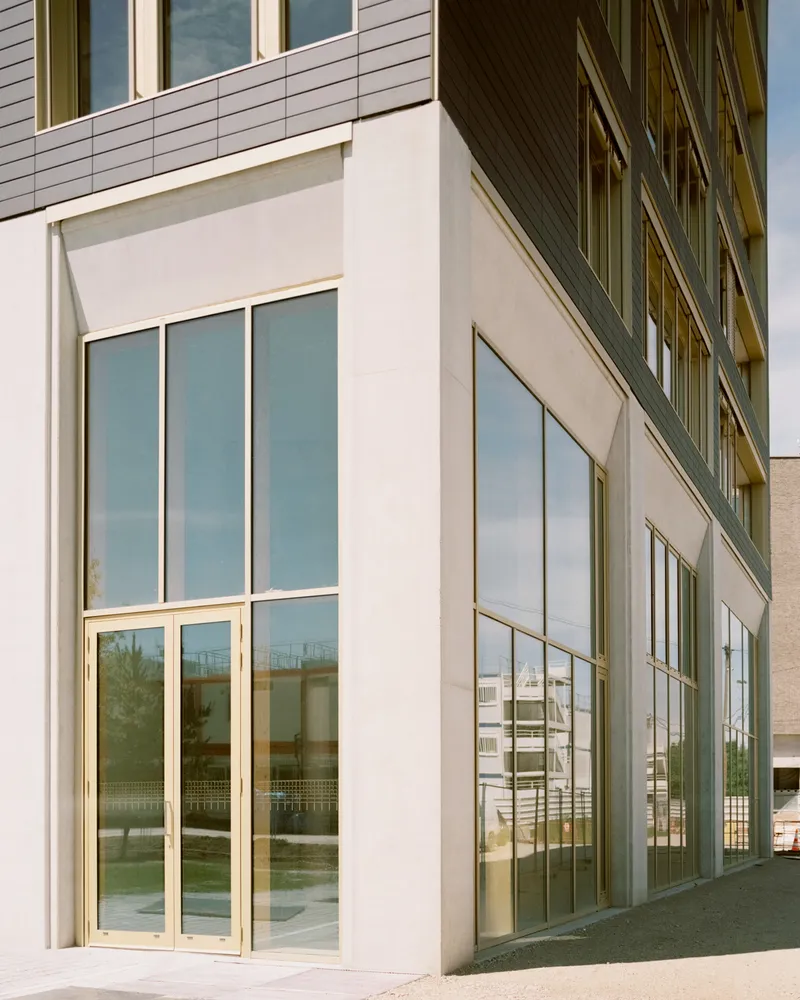
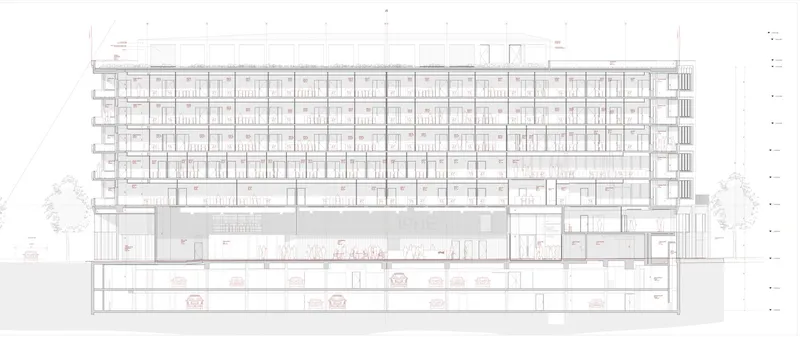
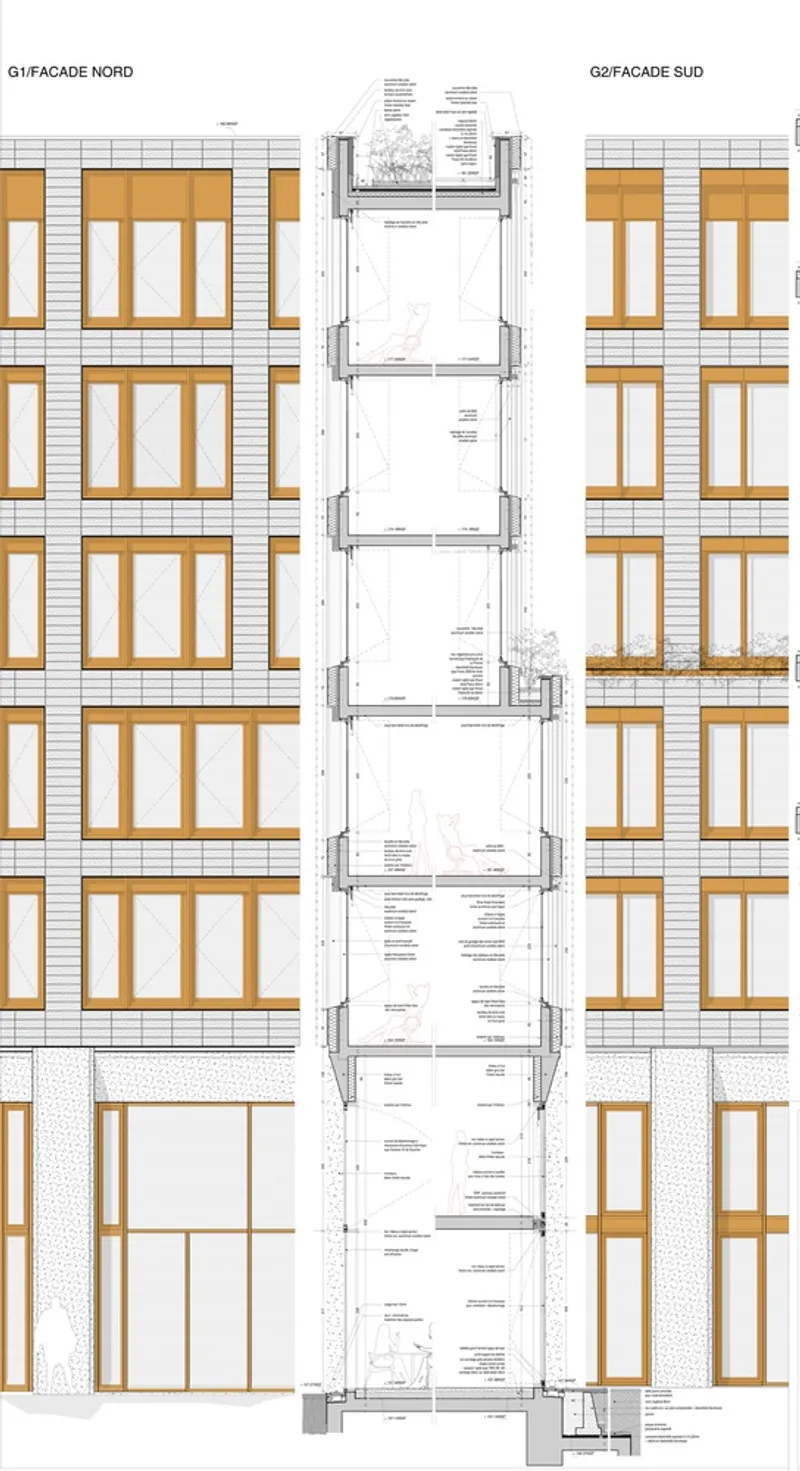
The double-height base of the building serves as a lively, public-facing area that fosters a connection with the urban environment. With large glazed facades facing the street and courtyard, the base provides co-working spaces, demonstration areas, and a prototyping zone. The openness of this design creates a welcoming space that acts as an “agora” where entrepreneurs, engineers, and students can meet, collaborate, and innovate.
Sustainable and Community-Focused Design
Rooftop Terrace and Green Spaces
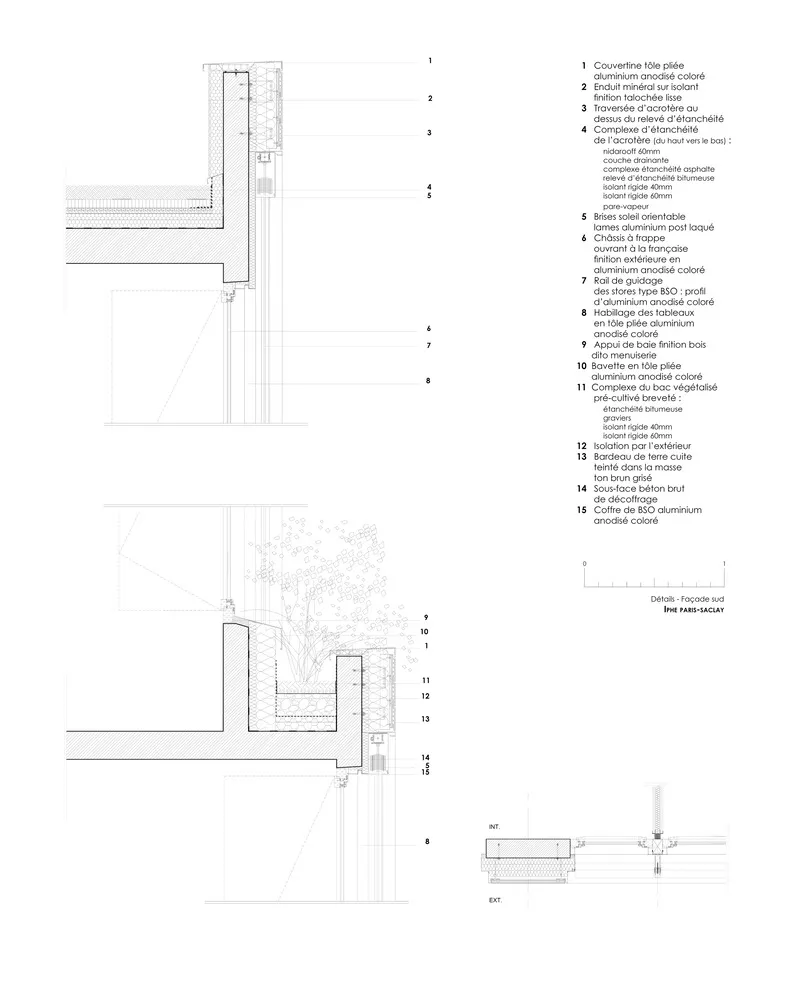
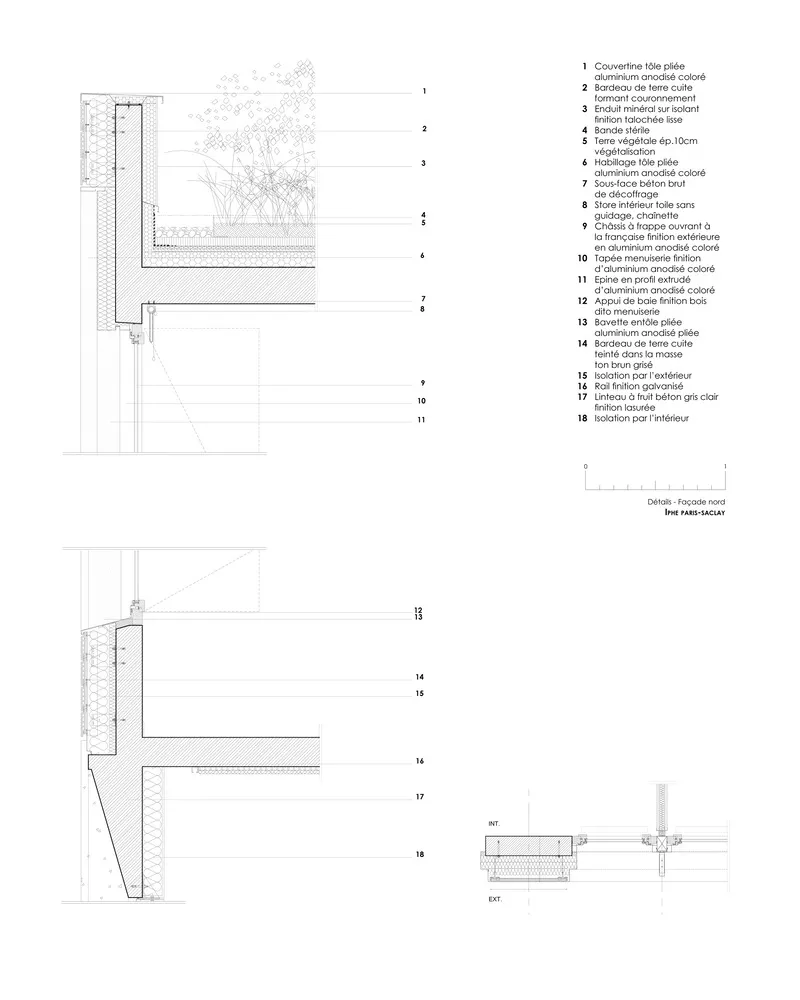
On the roof, a large green terrace provides a space for relaxation and informal gatherings with views of the Saclay plateau. This green area not only enhances the building’s sustainability credentials by providing insulation and supporting biodiversity but also offers a tranquil space where users can unwind and gain fresh inspiration.
Sustainable Materials and Efficient Layout
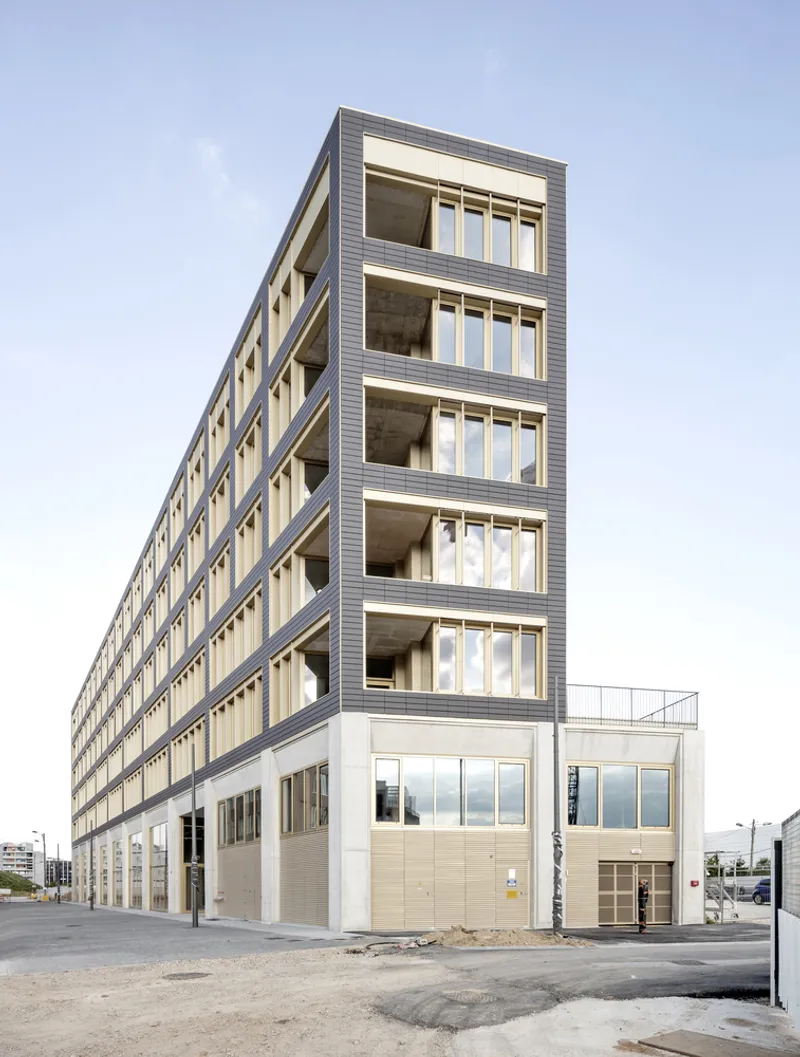
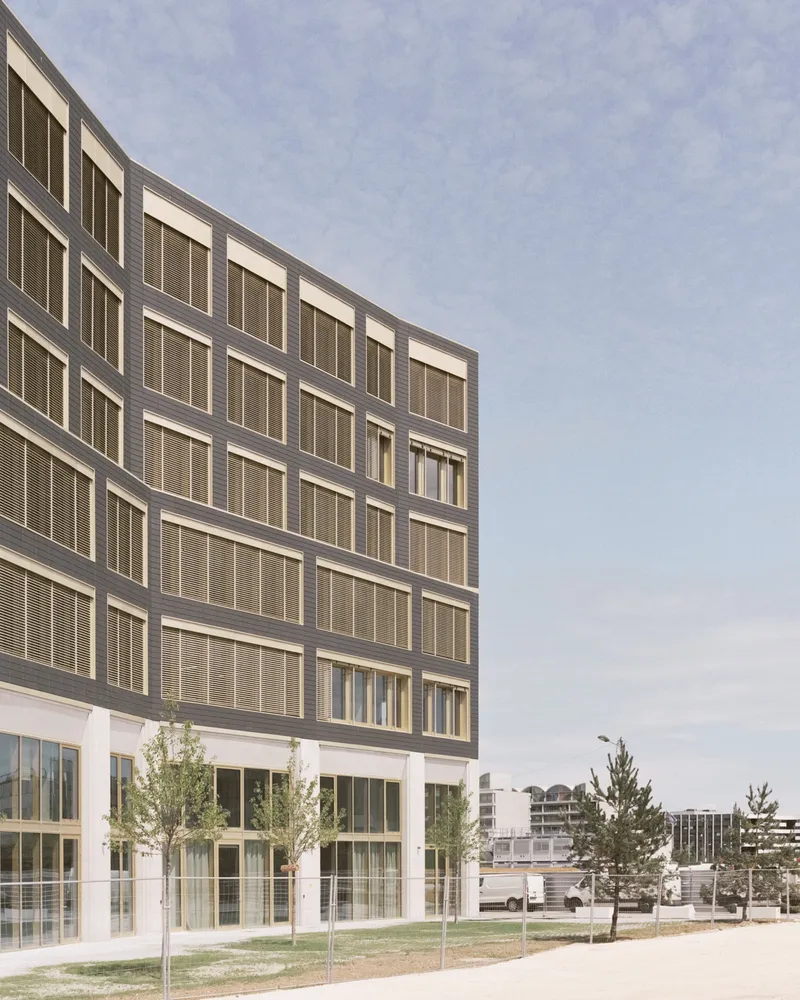
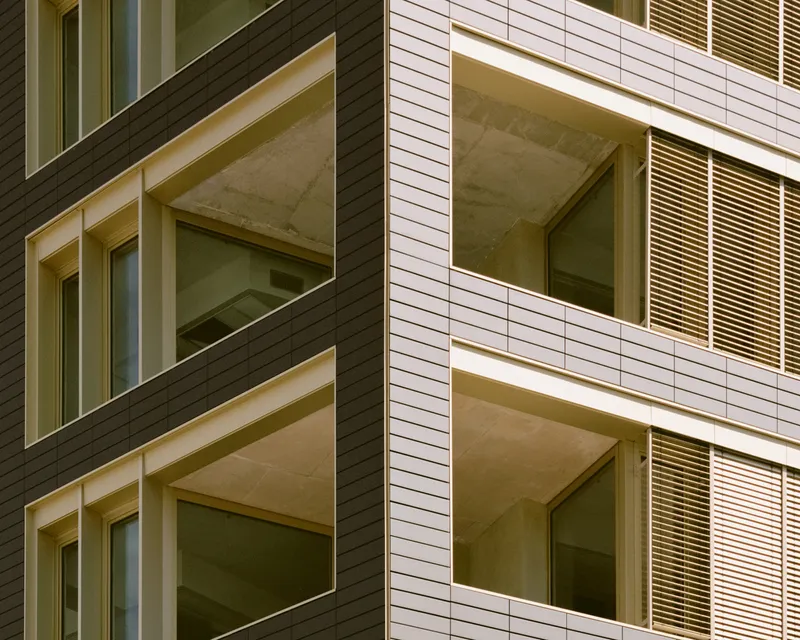
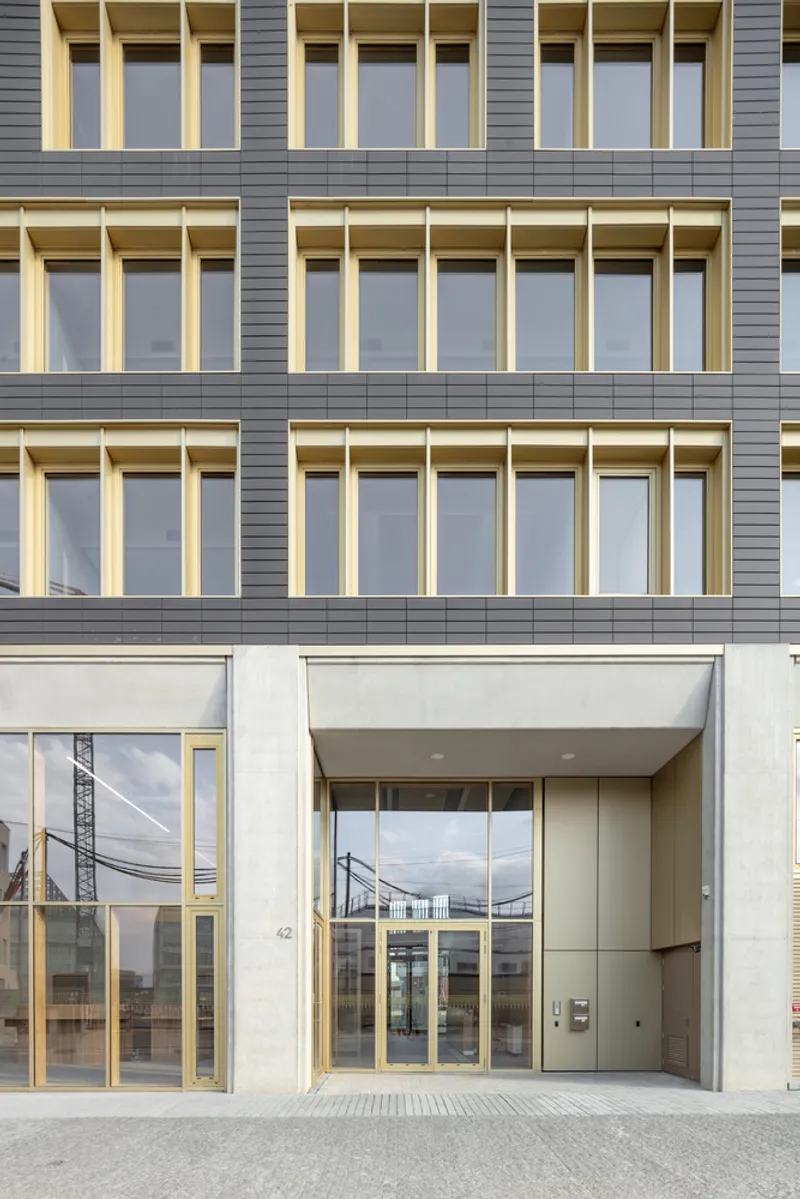
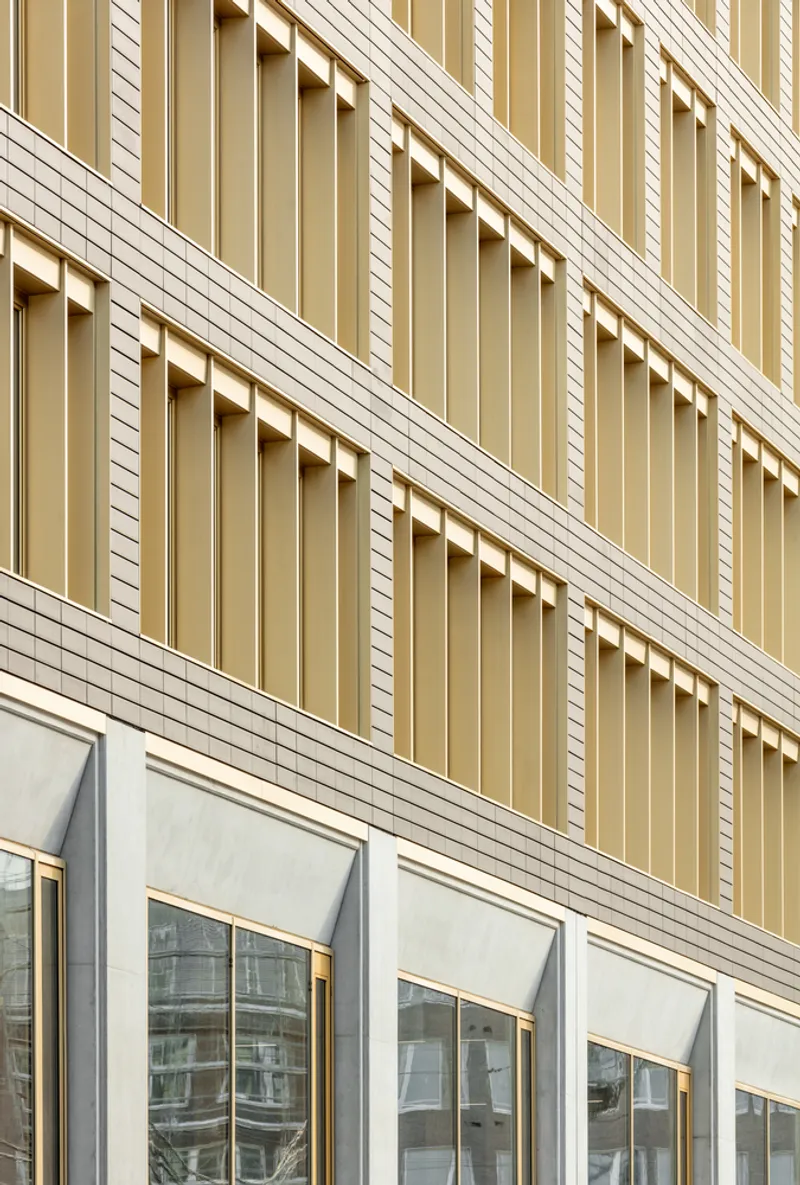
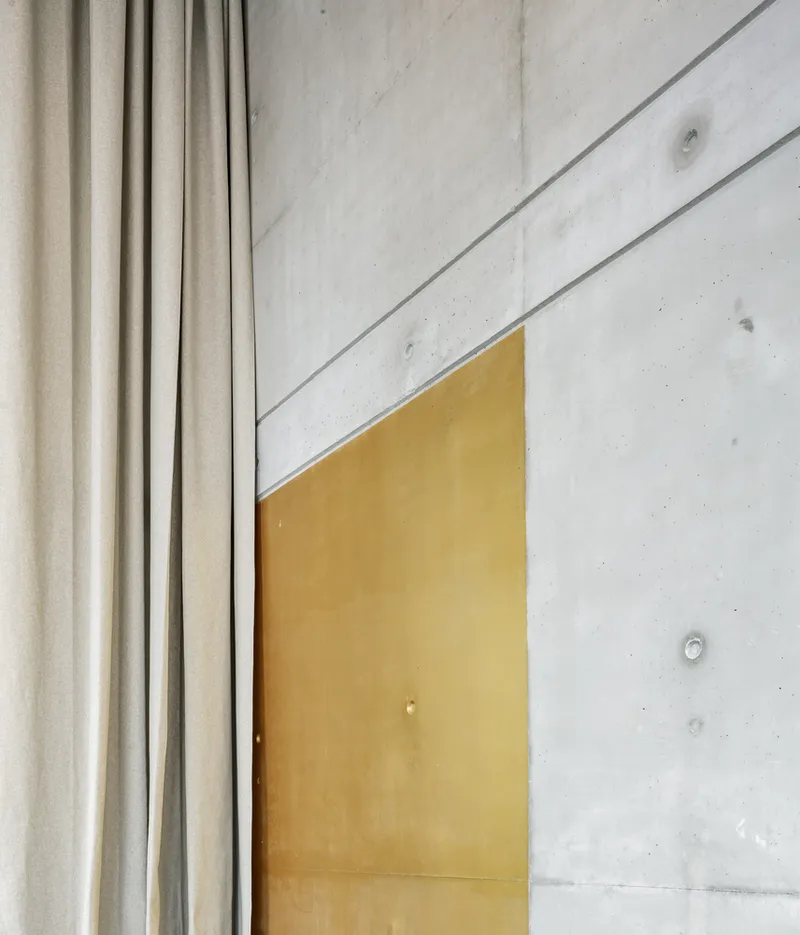
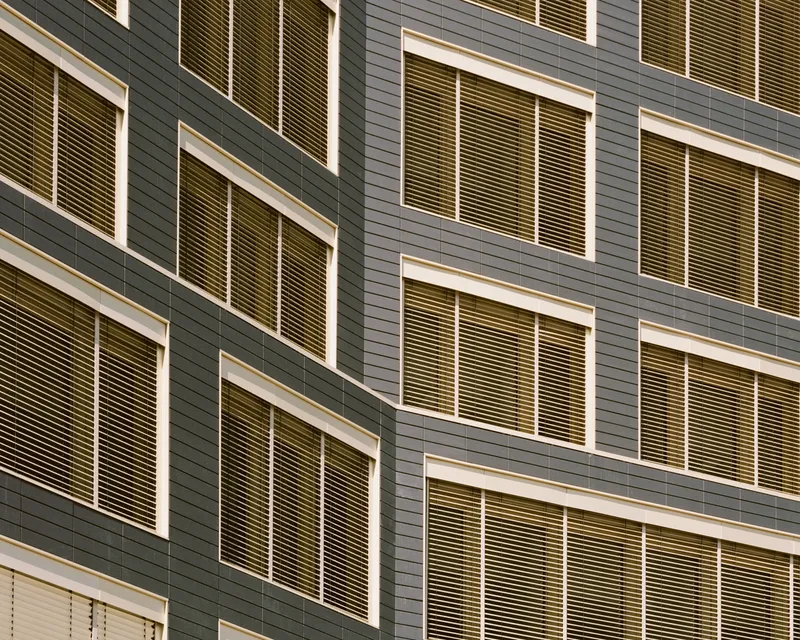
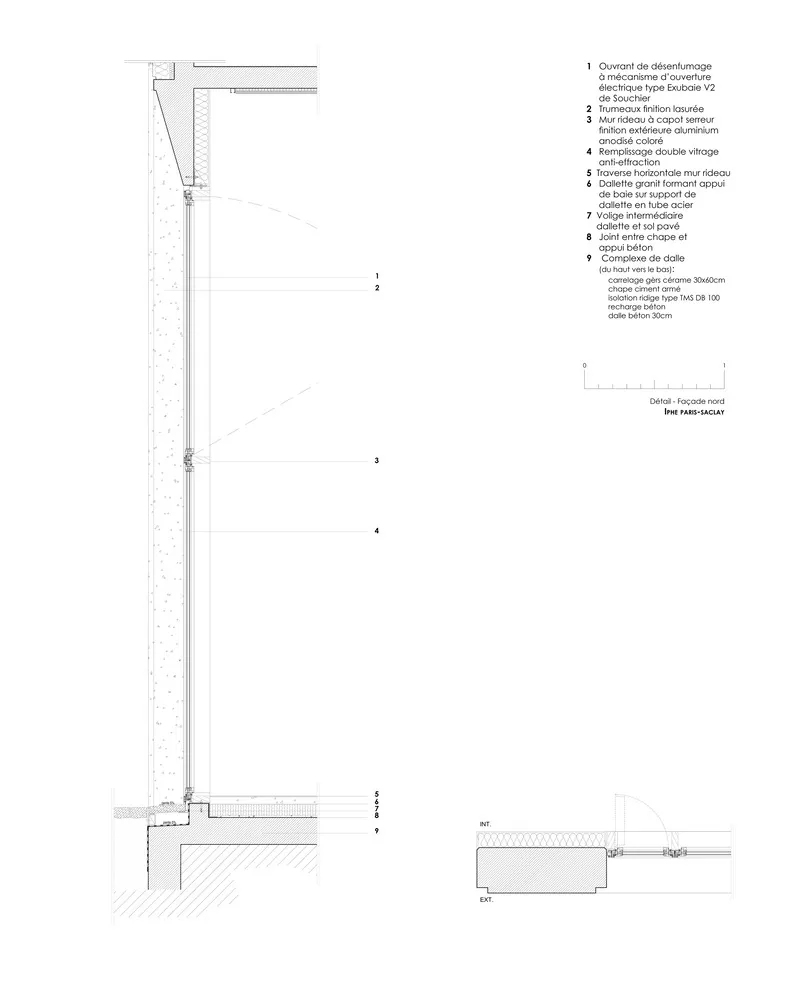
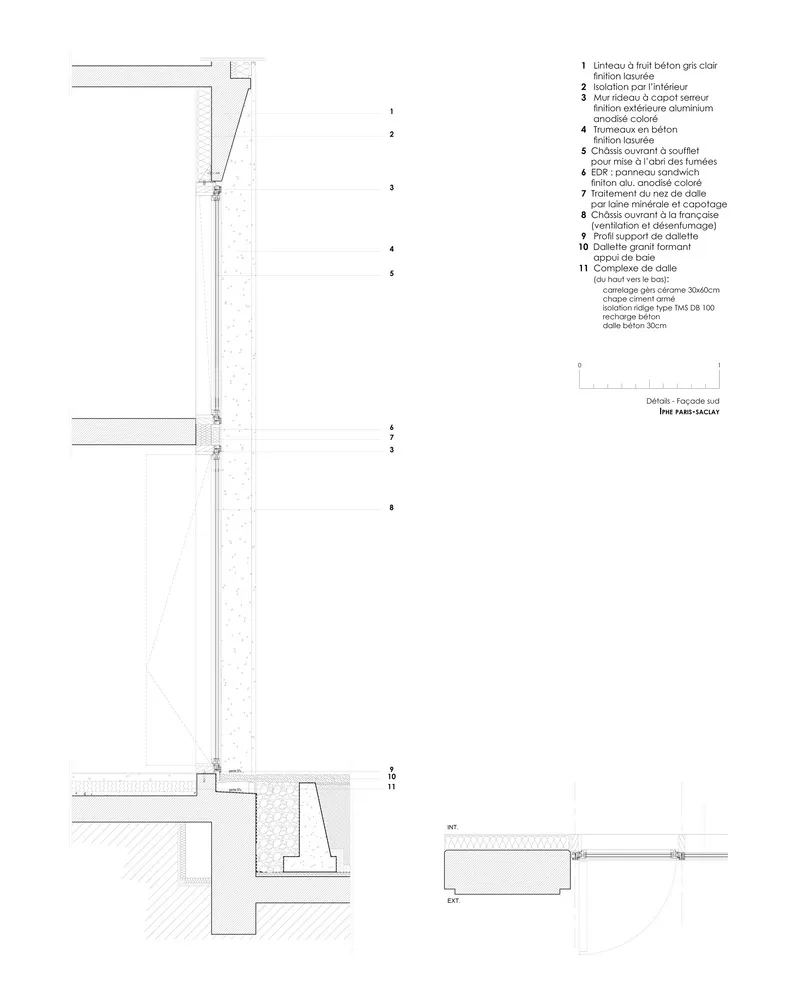
The IPHE building integrates sustainable materials from manufacturers like RAICO and MOEDING and prioritizes energy efficiency with a layout that maximizes natural light. The exterior is defined by a combination of glass and modular facade elements, creating a streamlined, minimalist look while promoting eco-friendly design.
Functional Layout: From Public Base to Private Workspaces
The Base as a Social Hub
The building’s base, designed with floor-to-ceiling windows and mezzanine balconies, highlights the social energy of the workspaces within. These areas serve as a showcase of the dynamic activities inside, with visibility into various working and prototyping spaces. By creating this transparency between the street and the incubator, Ignacio Prego Architectures fosters a dialogue between the IPHE building and the city of Saclay, emphasizing its public dimension and innovation.
Upper Levels: A Flexible Workspace Layout
Floors R+2 to R+6 house open workspaces for incubators and business hotels. Each level connects to a central core, which streamlines access to utilities and circulatory systems, freeing up the periphery for adaptable workstations. Large windows on every floor ensure ample natural lighting, providing occupants with comfortable, airy work environments that encourage productivity and creativity.
IPHE as a Blueprint for Future Workspace Design
The IPHE Host Innovation Incubator & Hotel in Saclay serves as a model of flexible, sustainable workspace design. By creating a structure that can adapt to different functions and user needs, Ignacio Prego Architectures has delivered an enduring architectural solution for the rapidly changing world of work. IPHE not only supports Paris-Saclay’s innovation ecosystem but also sets a benchmark in mixed-use architecture, merging public spaces with adaptable work environments in a sustainable, unified structure.
All photographs are work of Luc Boegly


Popular Articles
Popular articles from the community


David Macias Steps a Doorless Stone and Plaster House Down a Tropical Colombian Hillside
In the humid hills of Colombia, Threshold House replaces the front door with an open void and terraces its 850 m² down the slope instead of fighting it.

Juan García Correa, John González and Claudia Rueda Sink a Circular Amphitheater into a Manizales Engineering Building
On the La Nubia campus in Manizales, Colombia, the S1 Building folds labs and offices into a hillside of ramped lawns that double as a campus route.

Cube Design Draws an Ecological Corridor Between Two Shenzhen Hills with the Nankai Building
Beside Shenzhen's container docks, the Nankai Building pairs stacked balconies with a climbing green screen to connect two hillsides across its height.

GROUP A Strips a 1969 Rotterdam Harbor Headquarters to Its Frame and Wraps It in Timber Louvers
In Rotterdam's M4H harbor district, Ferro Offices reuses a 1969 frame, adds one timber storey and reaches BREEAM-NL Outstanding.

Similar Reads
You might also enjoy these articles


Hodi-Mandai Geram
Project Function: Preservation and revitalization of the Intangible heritage and socio-spatial identity of the Hodi by Housing, Cultural Memory Center, Sacred Grove, landscape, local tourism economy


Olio Towers: A Mid-Rise for Performers That Fuses Housing, Rehearsal, and Stage
Located blocks from Houston's Theater District, this modular tower stacks living units around a central performance atrium.

Oasis: Modular Green Housing Carved into Dhaka's Urban Fabric
A shortlisted Plugin Housing entry reclaims unauthorized settlements in Dhaka with stepped concrete volumes, green roofs, and ventilation-driven design.

Black Hole: A Floating Megastructure for the Post-Physical Era
Emiliano Mazzarotto envisions a spherical, self-scaling arena where e-sports, digital hotels, and holographic stadiums replace traditional public space.

Explore Innovation & Business Competitions
Discover active competitions in this discipline

Challenge to reimagine the Iron Throne

Photograph architecture without architects

Illustrate the lost glory of Angkor Wat - Render Challenge

Design challenge to reuse E-waste
Comments (0)
Please login or sign up to add comments
No comments yet. Be the first to comment!