
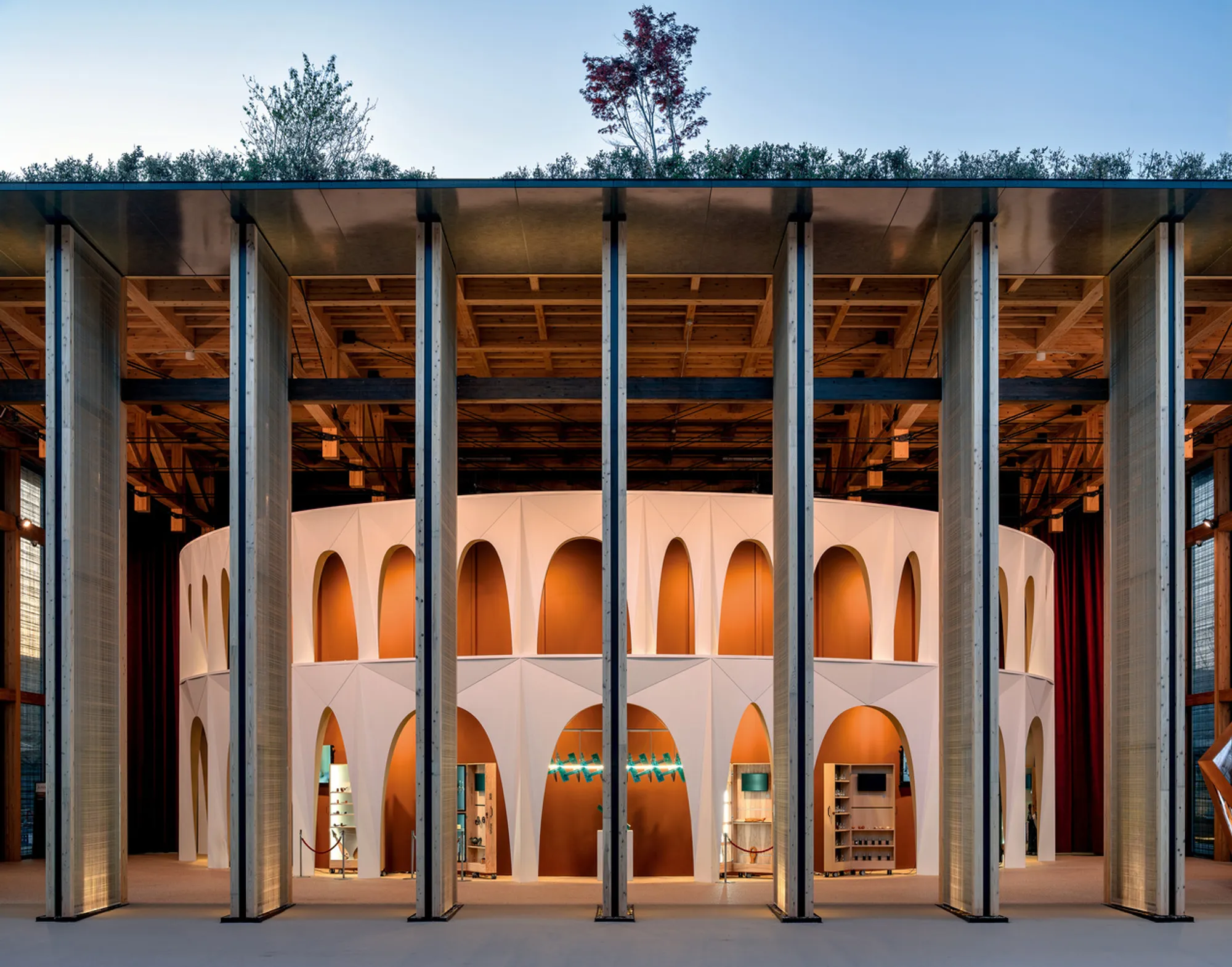
Italian Pavilion Expo 2025 Osaka Architecture by Mario Cucinella and Yoshiki Matsuda
The Italian Pavilion Expo 2025 Osaka showcases Italy’s culture, innovation, and sustainability through modular design, immersive narratives, and regenerative architecture.


The Italian Pavilion Expo 2025 Osaka Architecture, designed by Mario Cucinella Architects in collaboration with Yoshiki Matsuda Architects, is a visionary project that merges Italian creativity, sustainability, and technological innovation. Located within the Expo 2025 site in Osaka Bay, the pavilion spans 3,000 square meters and serves as a cultural bridge, showcasing Italy’s heritage while embracing modernity and environmental consciousness.
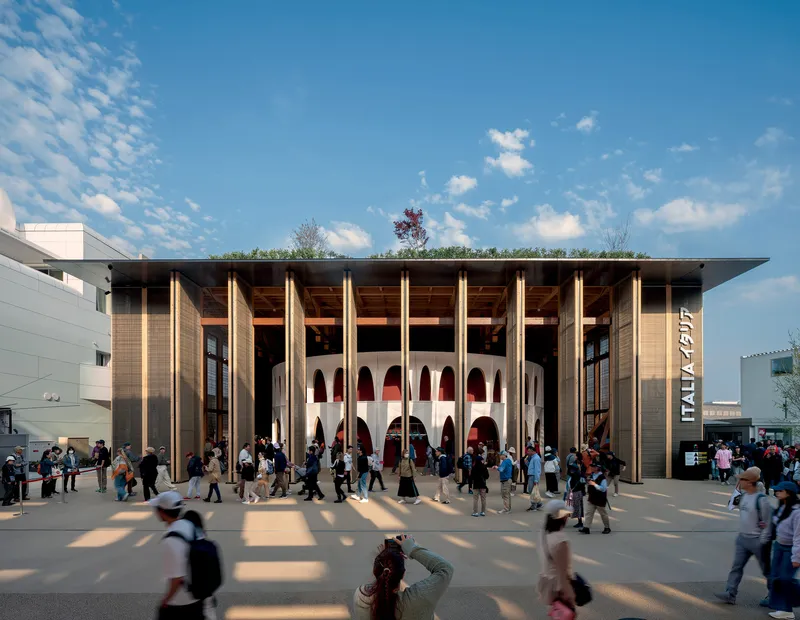
Mario Cucinella describes the pavilion as a “living organism”—a place where art, history, nature, and technology interact, reflecting the Expo theme “Designing Future Societies for Our Lives,” with a particular focus on “Saving Lives” and aligning with the United Nations’ Sustainable Development Goals (SDGs).
A Living and Regenerative Ecosystem
More than just an exhibition hall, the Italian Pavilion is designed as a regenerative ecosystem, celebrating the dialogue between tradition and innovation, craftsmanship and science. It acts as a platform for cultural exchange and international collaboration, presenting Italy as a model for a sustainable, circular, and inclusive future.
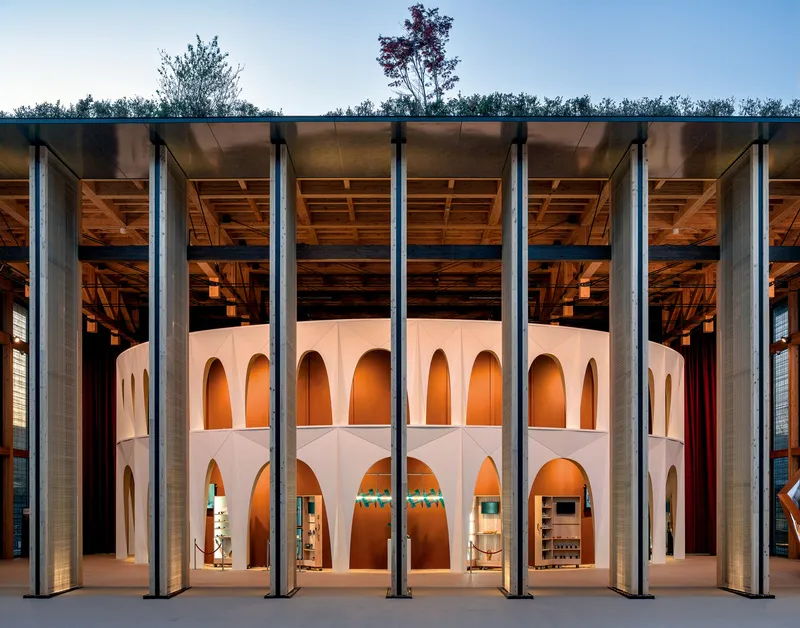
The pavilion’s modular wooden structure and dry construction system emphasize reversibility and reuse, ensuring that the building can be fully disassembled and repurposed after the Expo. This forward-thinking approach showcases how architectural design can extend beyond temporary exhibitions to create lasting cultural and ecological value.
Architectural Design and Spatial Language
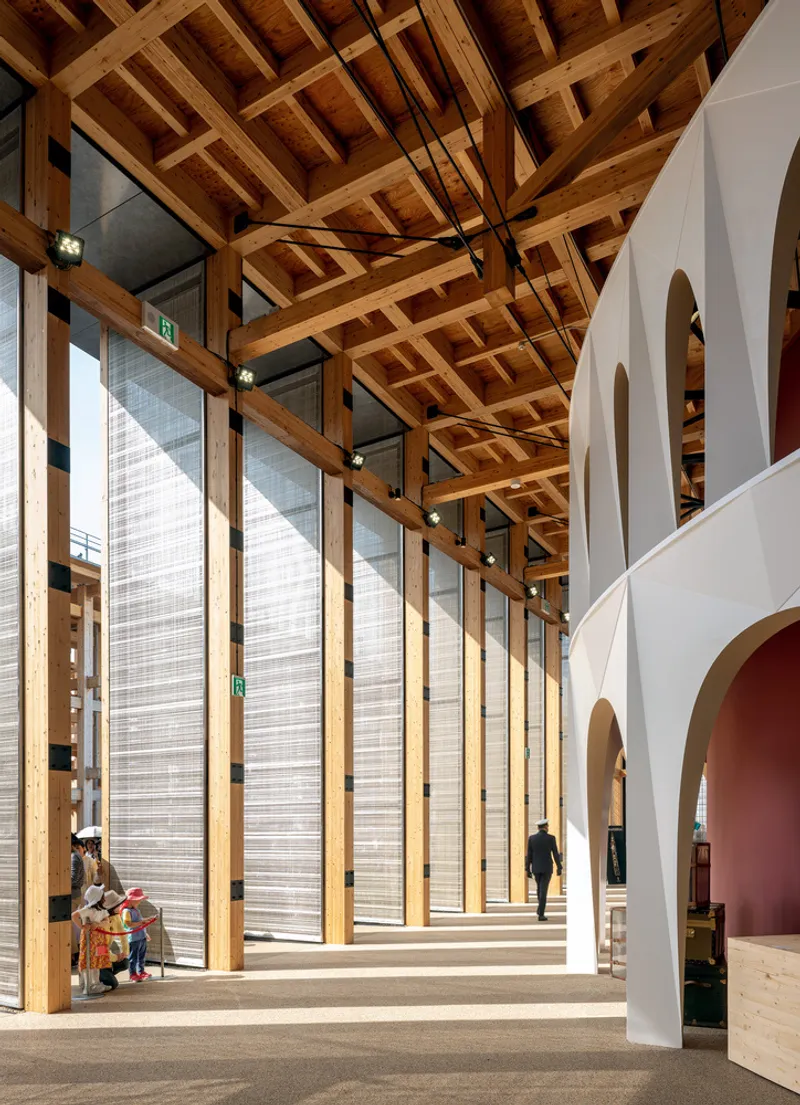
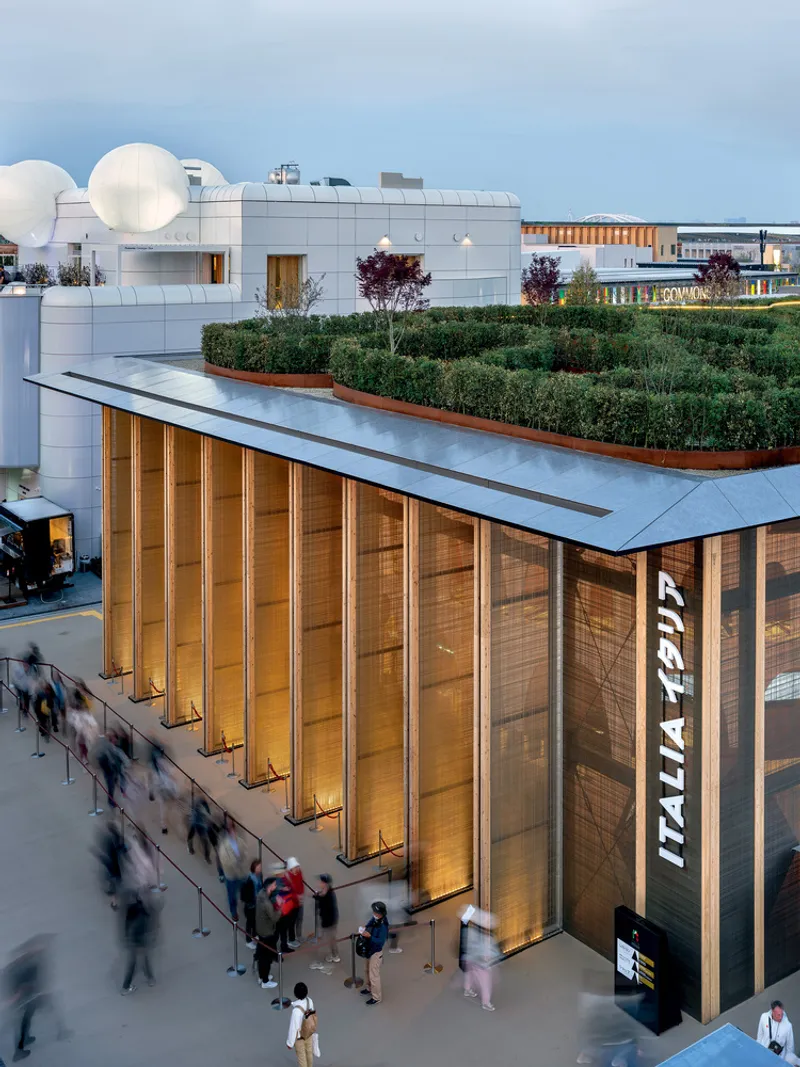
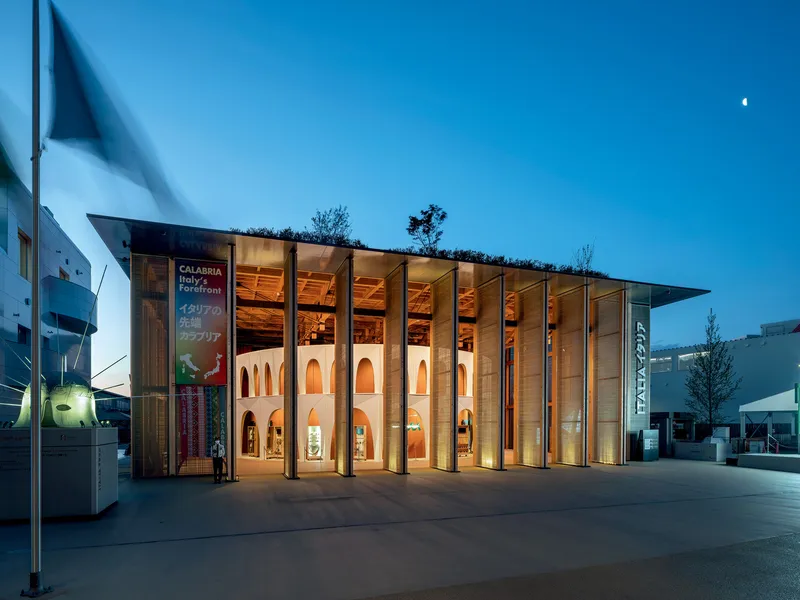
The Italian Pavilion Expo 2025 Osaka Architecture adopts a fluid and permeable form, inspired by the values of Italian hospitality and landscapes. Natural light, transparency, and organic materials define the visitor experience, with the main entrance foyer framed by a breathable, semi-transparent mineral fiber façade that filters sunlight and enhances passive ventilation.
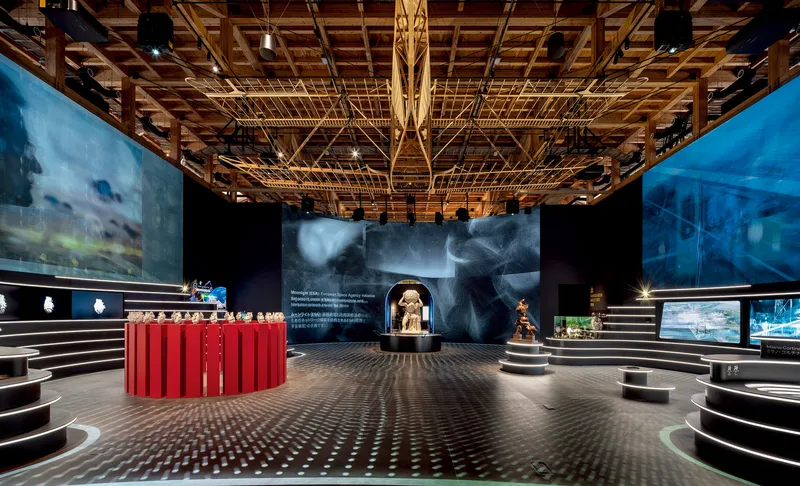
The pavilion’s structural rhythm is generated by a lattice of laminated wood beams and pillars, a nod to both Italian coffered ceilings and Japanese construction techniques. This modular structure creates dynamic shadows throughout the day while ensuring the building’s flexibility and reversibility.
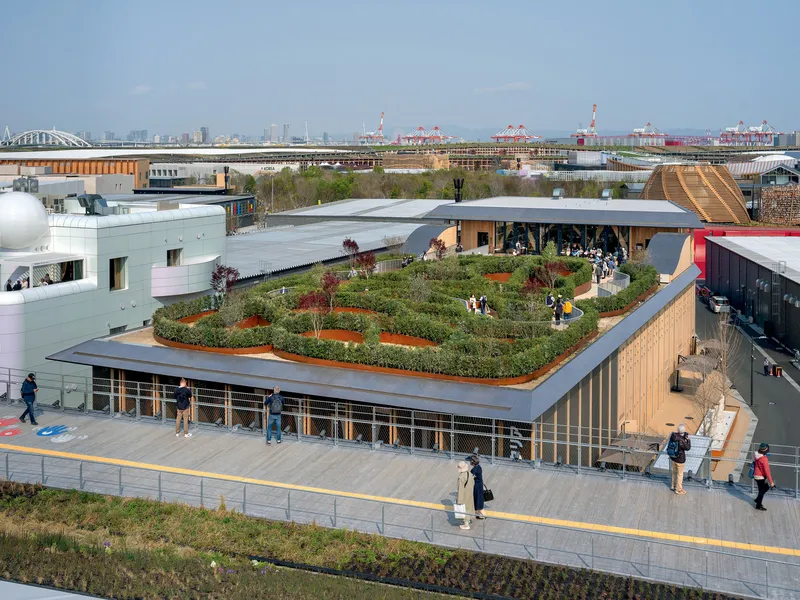
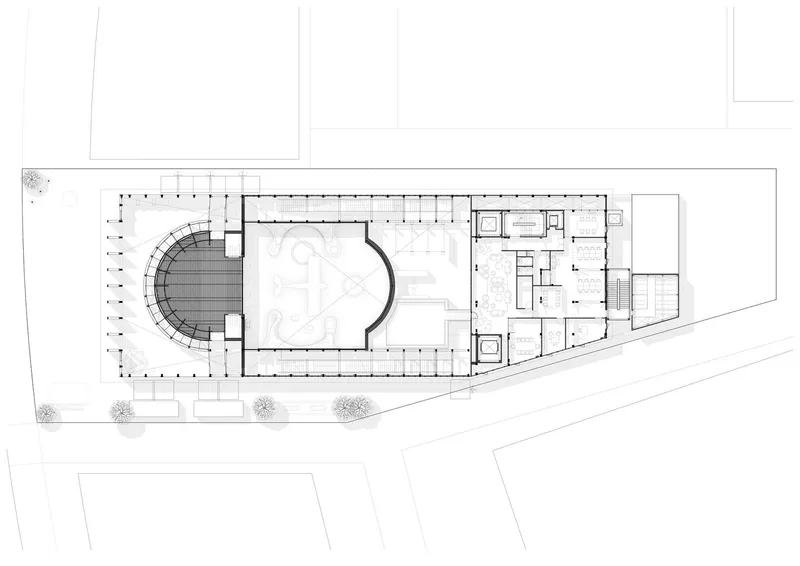
Visitors are invited to explore the pavilion through a journey of interconnected spaces, culminating in the Green Terrace, a roof garden inspired by the Italian Renaissance garden. This living ecosystem offers panoramic views and a contemplative environment with more than 900 linear meters of hedges, flowering plants, and art installations.
Immersive Cultural Experience
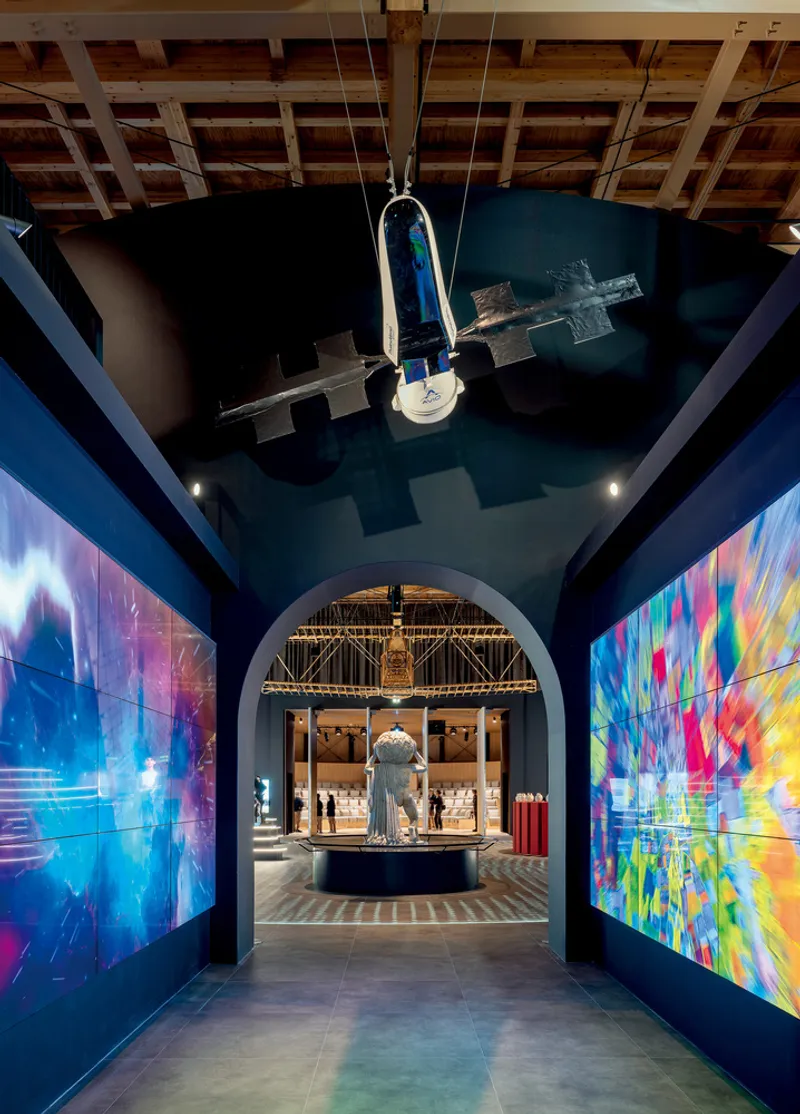
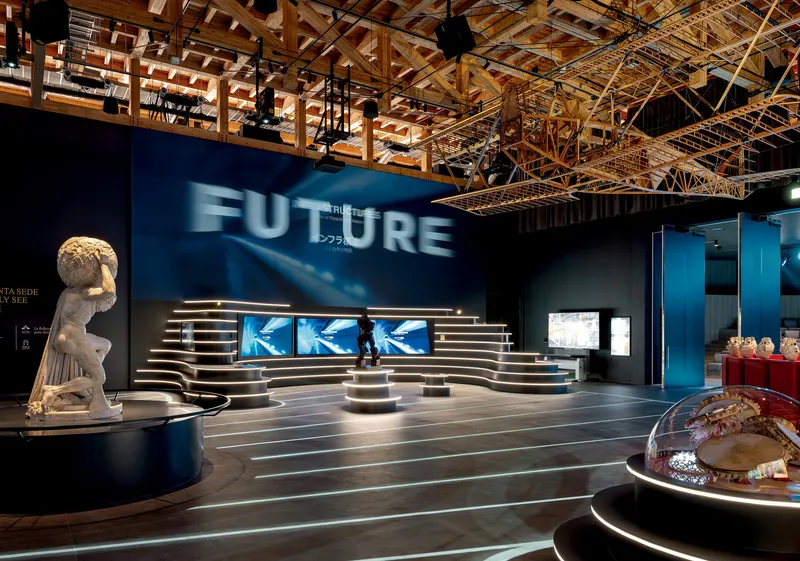
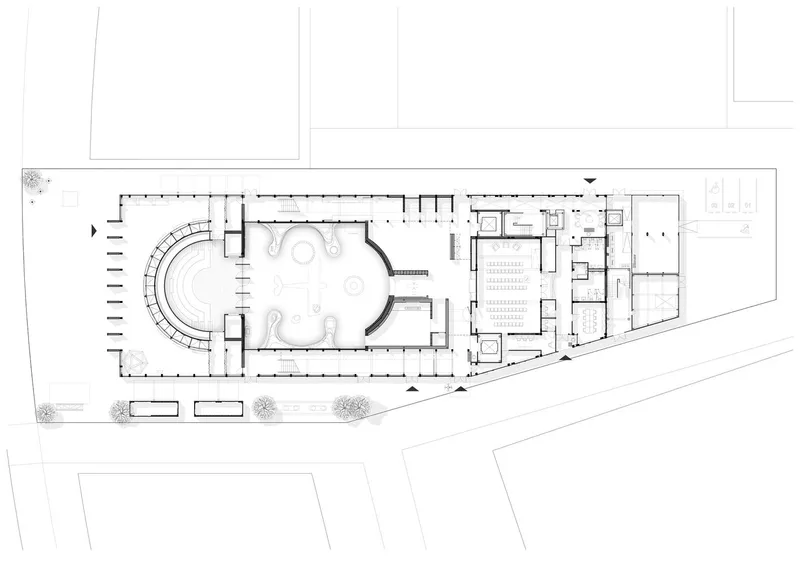
The interior of the pavilion is designed as an immersive narrative journey, presenting Italy’s identity through interactive installations, live performances, and sensory experiences. Highlights include the Ateliers of Italian Creativity, showcasing digital craftsmanship, advanced manufacturing, and visual arts, as well as a theater space blending digital sets with live performances inspired by Renaissance traditions and Japanese performance culture.

Visitors also encounter the Ideal City area, which reimagines the concept of the Renaissance city as a holistic vision where culture, nature, and technology converge. The pavilion features iconic artifacts such as the Farnese Atlas and the Olympic Torches of Milano Cortina 2026. A special contemplative space houses Caravaggio’s masterpiece The Deposition, on loan from the Vatican Museums, reinforcing the deep ties between art, spirituality, and heritage.
Sustainability and Post-Expo Legacy
Sustainability is embedded in every aspect of the Italian Pavilion Expo 2025 Osaka Architecture. The building integrates passive cooling, natural ventilation, and shading systems to reduce energy consumption, while all materials are sourced from certified, renewable supply chains. The design follows principles of Design for Disassembly (DfD) and Design for Manufacturing and Assembly (DfMA) to reduce waste and ensure efficient reuse of components.
After the Expo, the pavilion will be fully disassembled, with its elements repurposed for cultural or educational purposes. The project will live on as a digital and physical archive of performances, artworks, and collaborative initiatives, turning the pavilion into a permanent Italian laboratory for cultural and technological exchange.
The Italian Pavilion Expo 2025 Osaka Architecture is not just a temporary structure but a manifesto of Italy’s vision for the future—sustainable, inclusive, and deeply rooted in creativity and tradition. By combining modular design, immersive experiences, and a regenerative approach, the pavilion serves as a model for future global exhibitions and architectural projects that aim to create a positive cultural and environmental legacy.
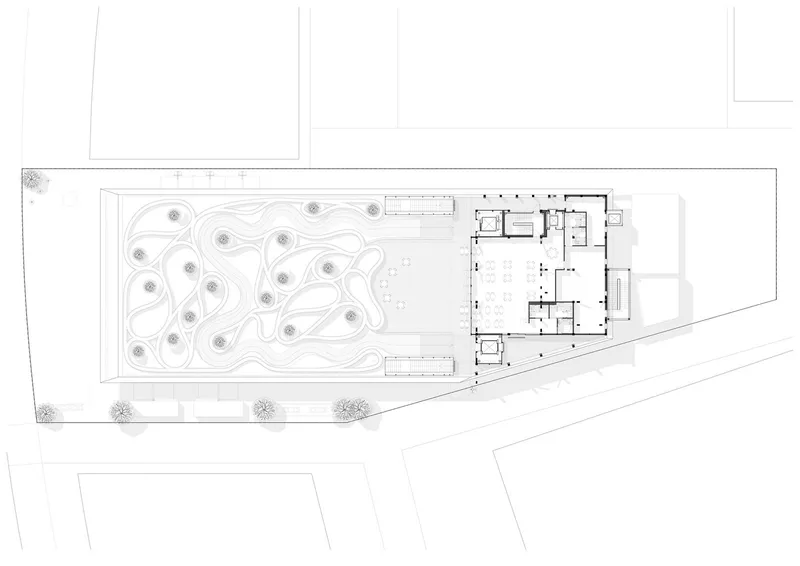
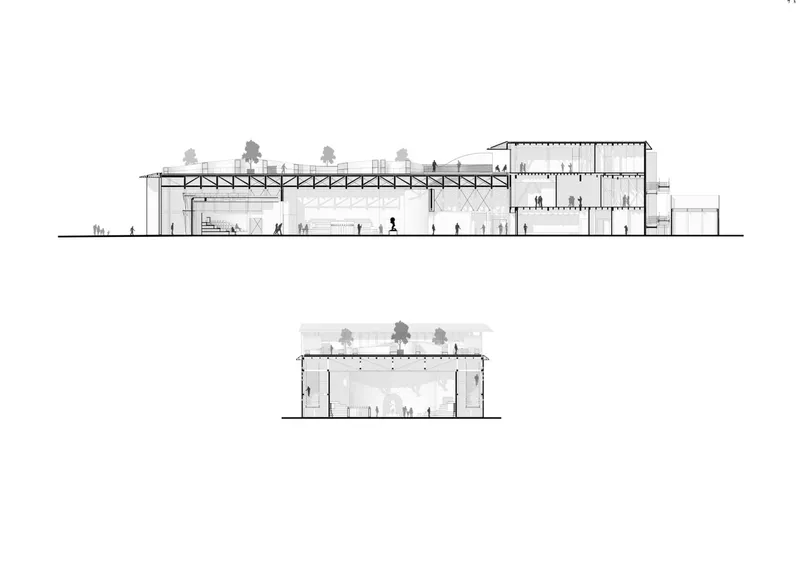
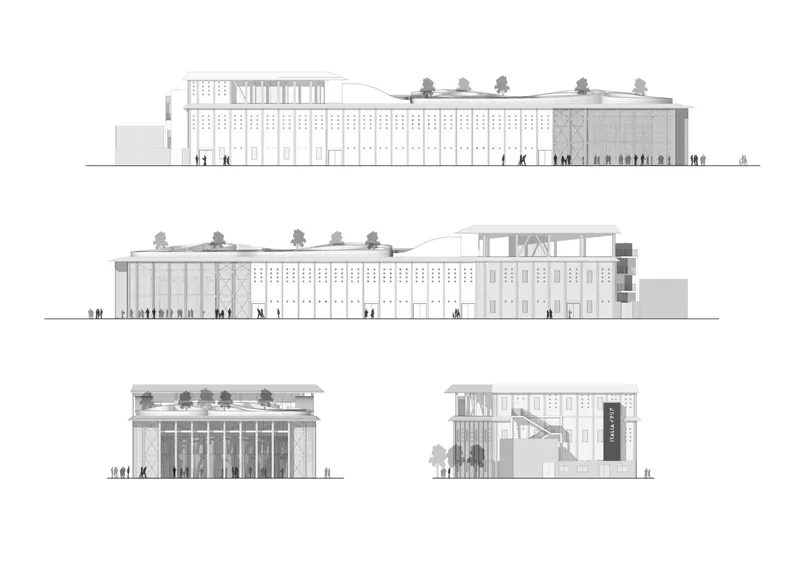
All the photographs are works of Duccio Malagamba




Popular Articles
Popular articles from the community


Co-Life: Senior Housing Design That Reconnects Older Adults With the City
Co-Life reimagines senior housing design through healing gardens, shared streets, workshops, and a sustainable community across generations.

Play: Fragments of Their World
Familiar architecture becomes modular playground design, creating safe spaces where displaced children can learn, connect, imagine and play.

The Ocean Hive: Sustainable Architecture for a Self-Sufficient Civilization at Sea
The Ocean Hive imagines sustainable architecture at sea, where modular habitats, algae, wave power and ocean waste sustain a growing colony.

Riyadh For All: Intergenerational Urban Design for Active Aging in Rabat
Riyadh For All reimagines urban design in Rabat with intergenerational co-living, adaptive courtyards, and Moroccan cultural exchange today.


Similar Reads
You might also enjoy these articles

Bamboo Housing Challenge 2026: Design Affordable, Sustainable Homes Using Bamboo
An international design competition by Bamboo U and IBUKU inviting architects and designers to reimagine affordable housing using bamboo — with the winning design built full-scale in Bali.

Computational Design & Education: Beegraphy Design Awards Introduces 7th Category (Featuring Jiyun's Innovative Approach)
Dive into Beegraphy’s 7th Design Awards category, where computational design meets education to create immersive, interactive learning tools, inspired by Jiyun’s work.

From Parametric Lighting to Urban Furniture: Join the 2nd Workshop in Beegraphy’s Computational Design Series
Dive into Cutting-Edge Design Techniques and Practical Applications with Industry Experts

Last Call: Unleash Your Architectural Genius in SHAK's Kindergarten Design Competition
Urgent call for architects to join SHAK's kindergarten design competition before the looming deadline


Explore Architecture Competitions
Discover active competitions in this discipline



Challenge to reimagine the Iron Throne


Photograph architecture without architects


Illustrate the lost glory of Angkor Wat - Render Challenge


Design challenge to reuse E-waste
Comments (0)
Please login or sign up to add comments
No comments yet. Be the first to comment!