
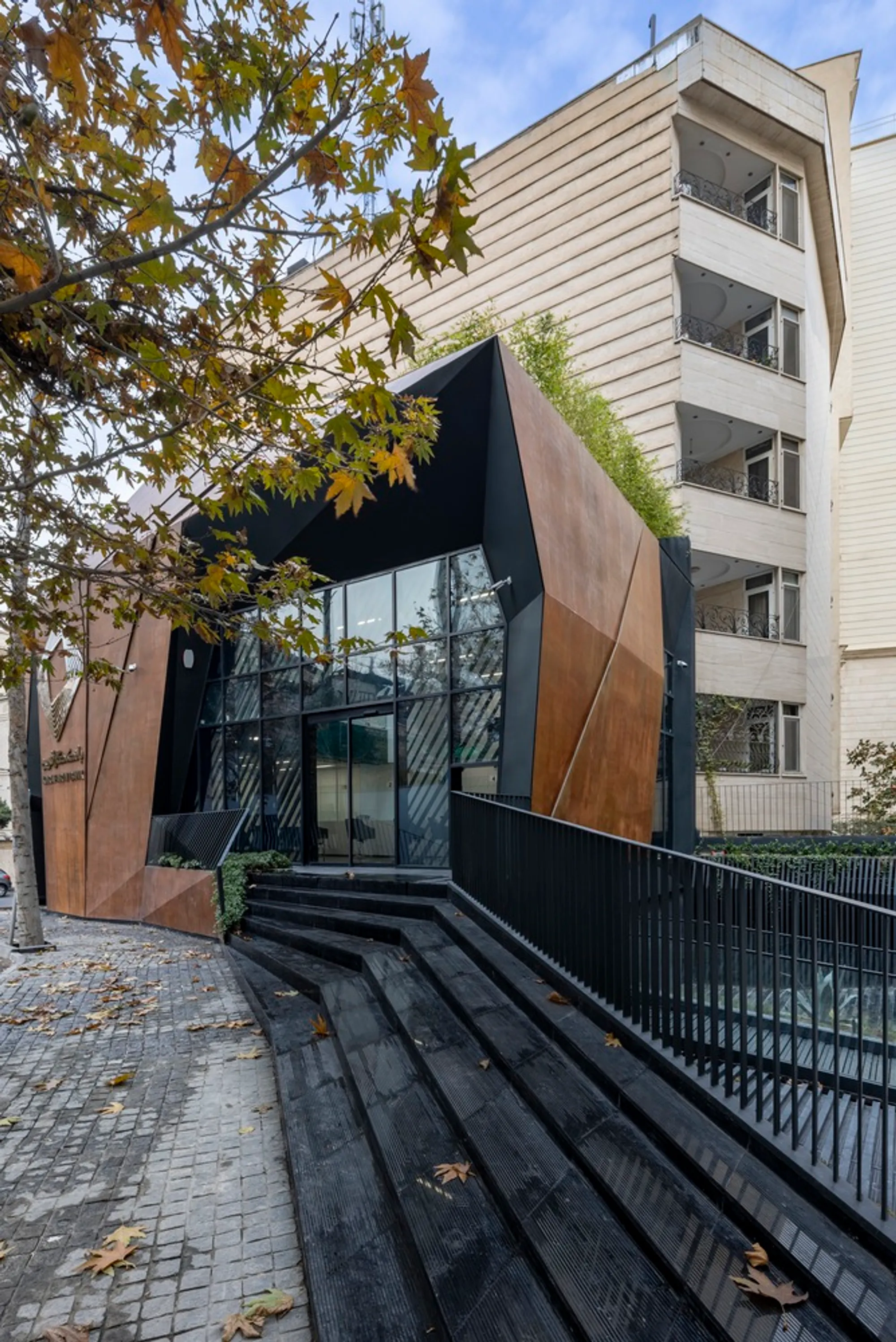
Karafarin Bank by NextOffice: A Fusion of Architecture, Memory, and Urban Identity
Karafarin Bank by NextOffice blends modern design with historical memory, using bold materials and form to redefine institutional architecture.


Site as Memory: Honoring the Past in Modern Form
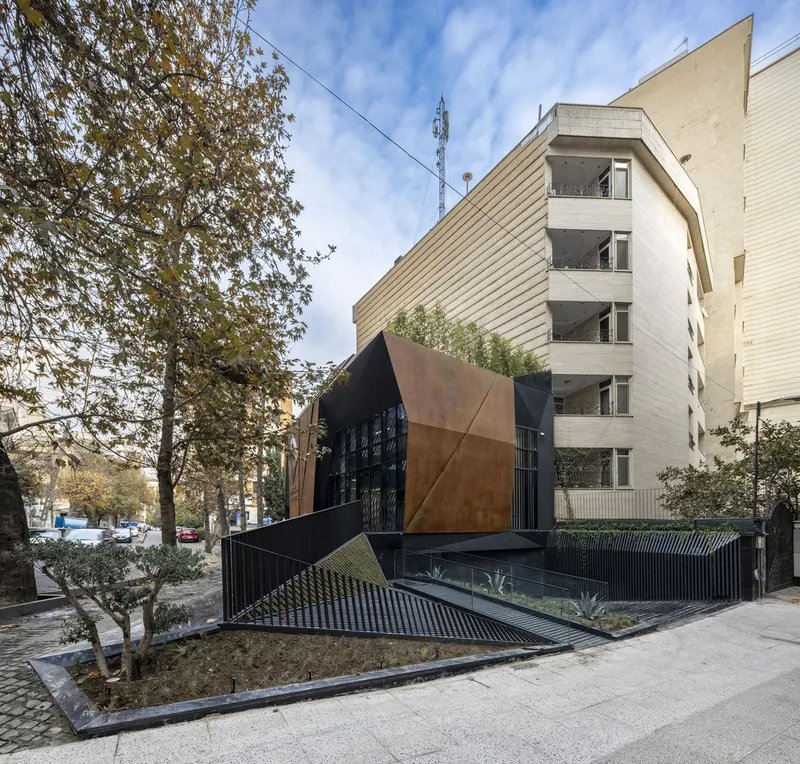
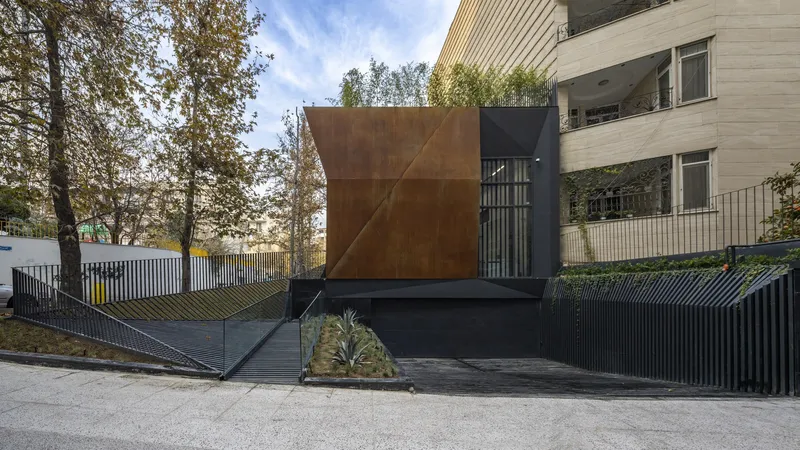
Upon encountering the site, the design team was struck by its irregular proportions and the visible remnants of a previous structure—a villa whose outline and ramp still lingered like a chalk outline at a crime scene. This symbolic presence shaped the architectural concept: how could the design resurrect the memory of the lost villa while serving the functional requirements of a modern bank?
Instead of erasing the past, NextOffice chose to build a dialogue with it—retaining the memory of place as the foundation for new form.
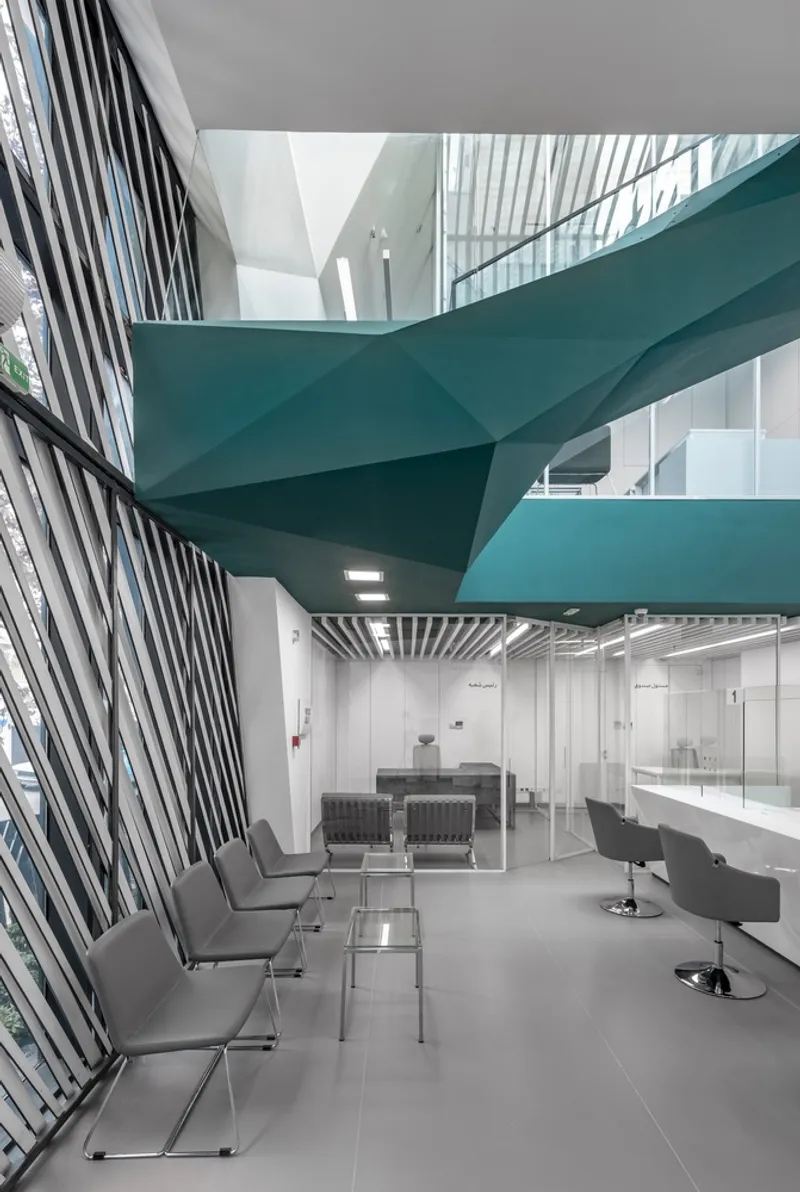
A One-and-a-Half-Story Statement Against Convention
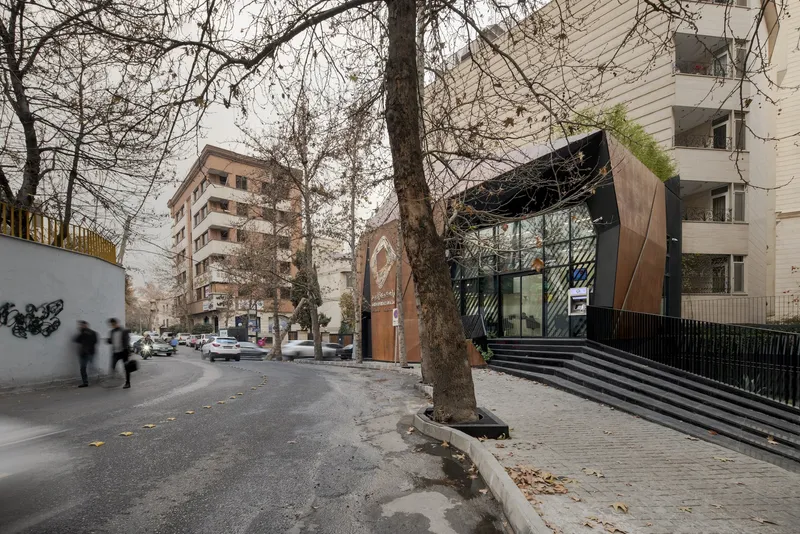
Rejecting the client’s initial push for a multi-story building, the architects advocated for a low-rise, one-and-a-half-story design. Through extensive dialogue, they argued that scale, restraint, and spatial integrity would create more lasting value than vertical expansion.
This choice allowed for a structure that breaks from the anonymous, towering stereotypes of commercial buildings, offering a more human, approachable presence that subtly evokes the form and domesticity of the old villa.
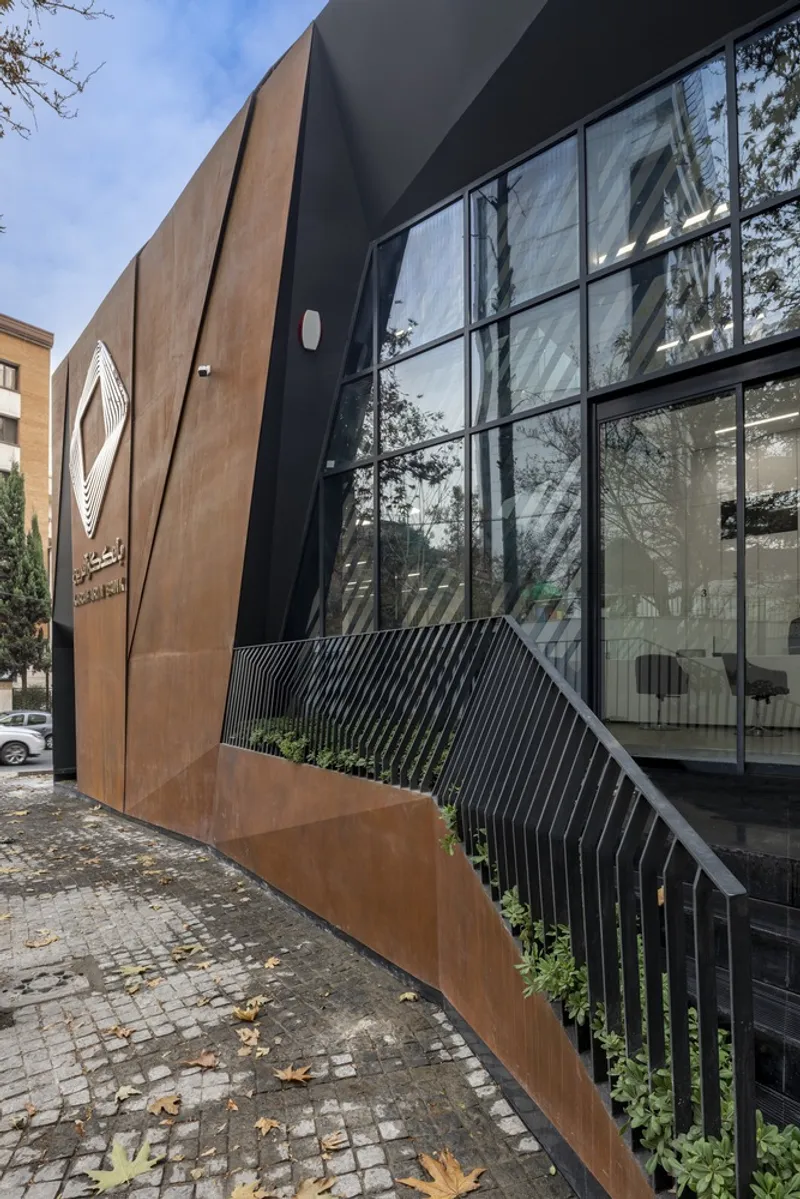
Spatial Configuration: Between House and Institution
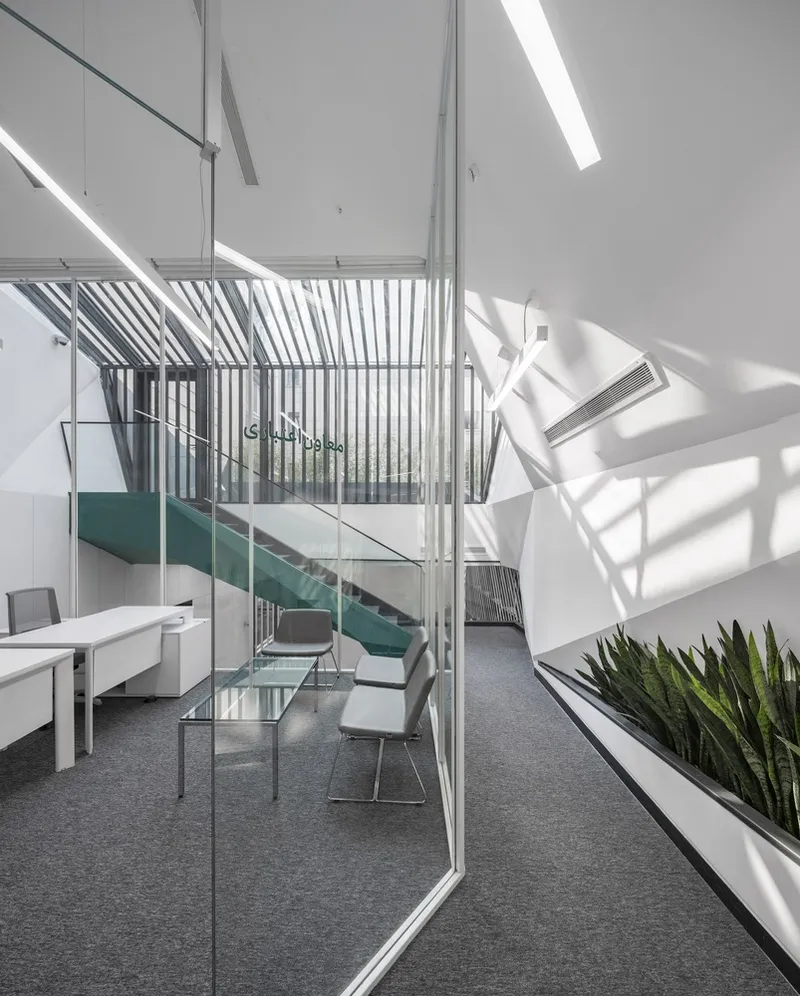
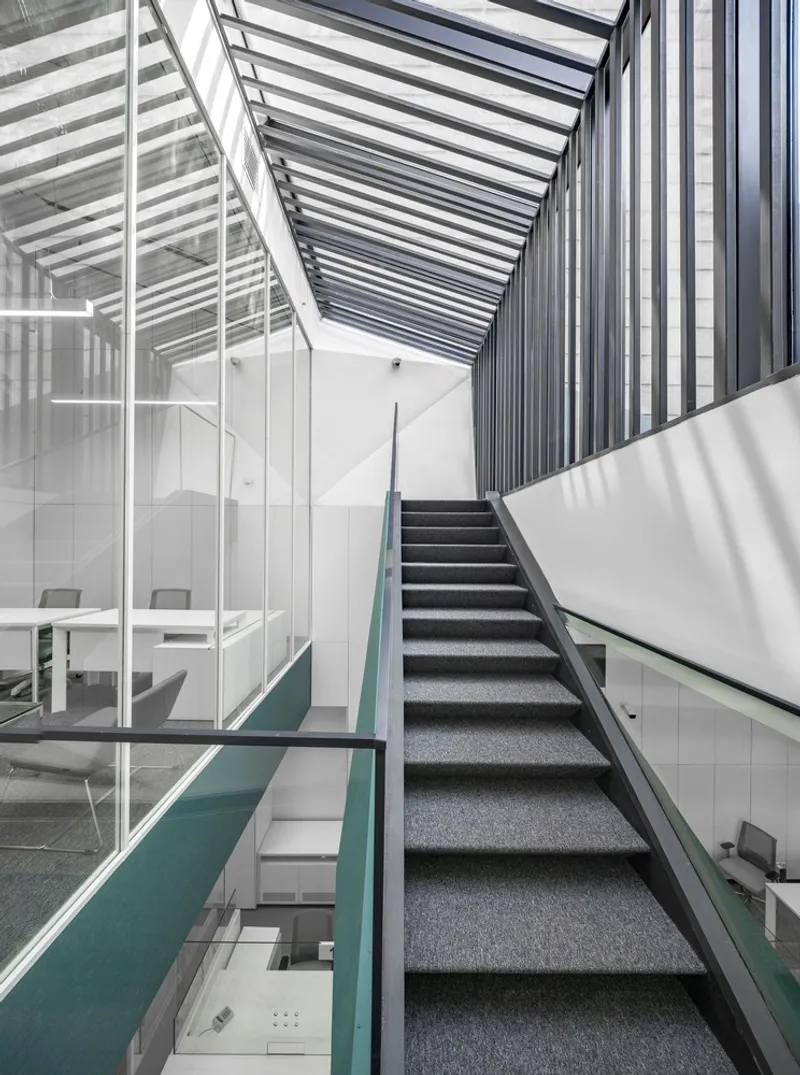
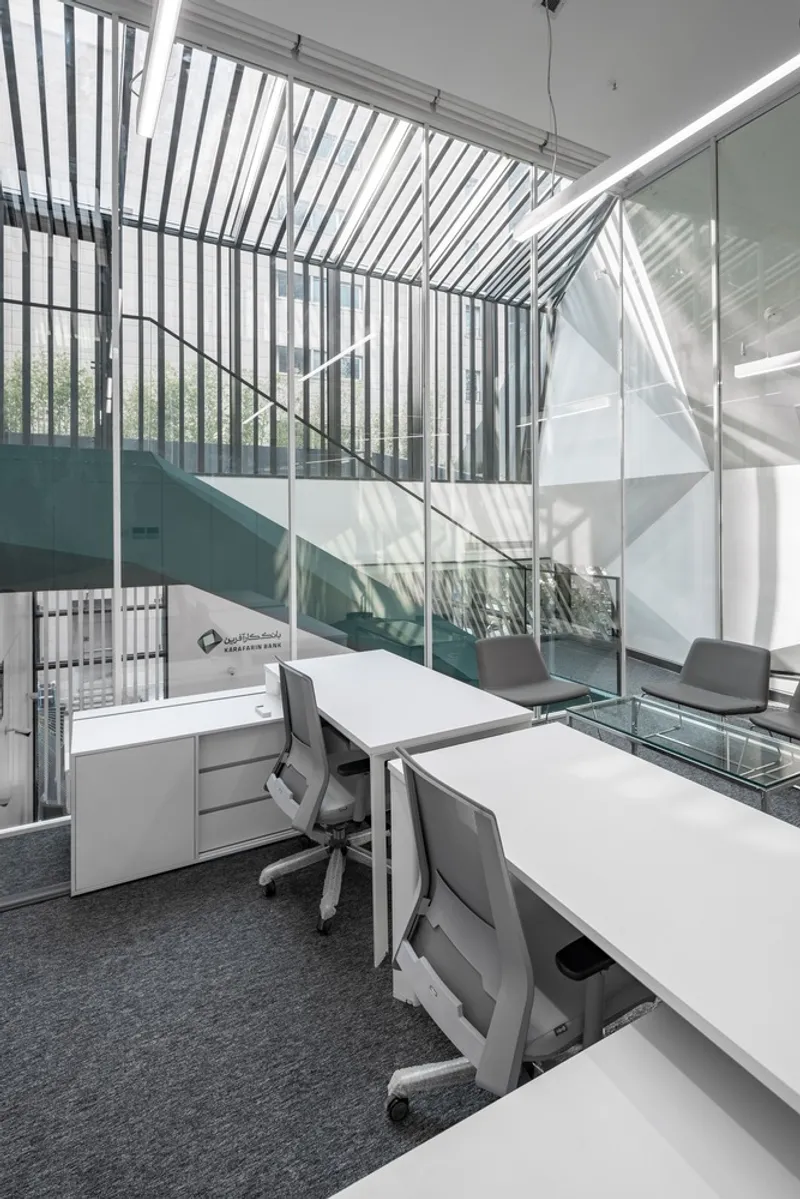
The interior is carefully organized to blur the lines between residential warmth and institutional function. Using mezzanine levels, pitched ceilings, green balconies, and exposed staircases, the designers created a dynamic and open interior layout that feels closer to a contemporary home than a conventional office.
This spatial narrative reflects the project's dual nature: a functional bank and a symbolic villa, coexisting in one architectural body.
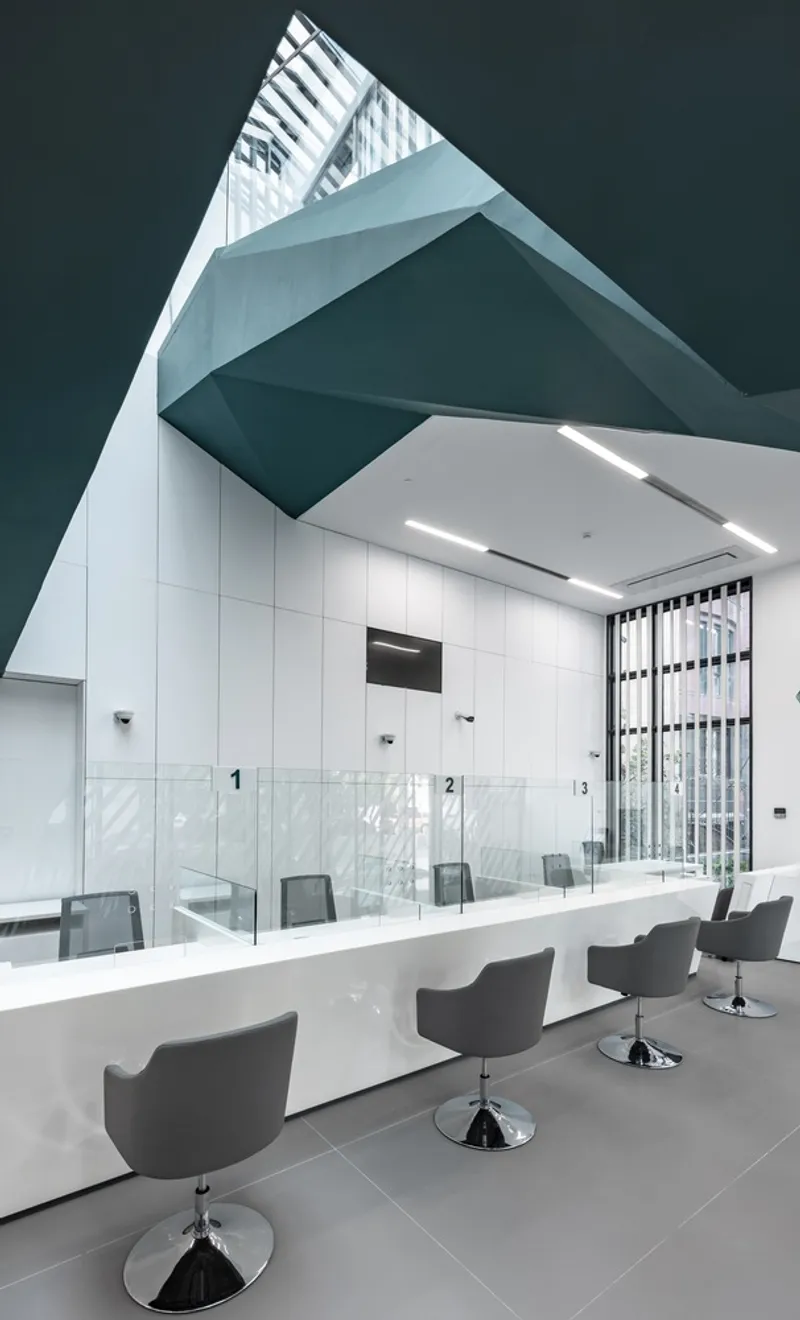
Material Expression: Merging Memory, Age, and Durability
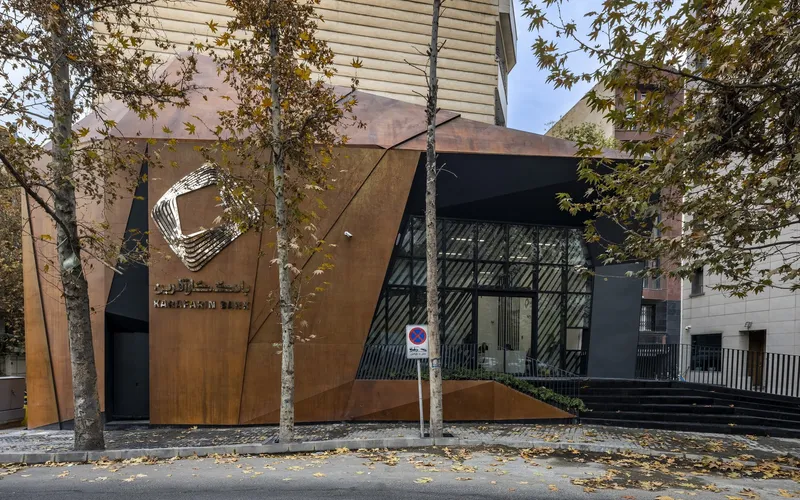
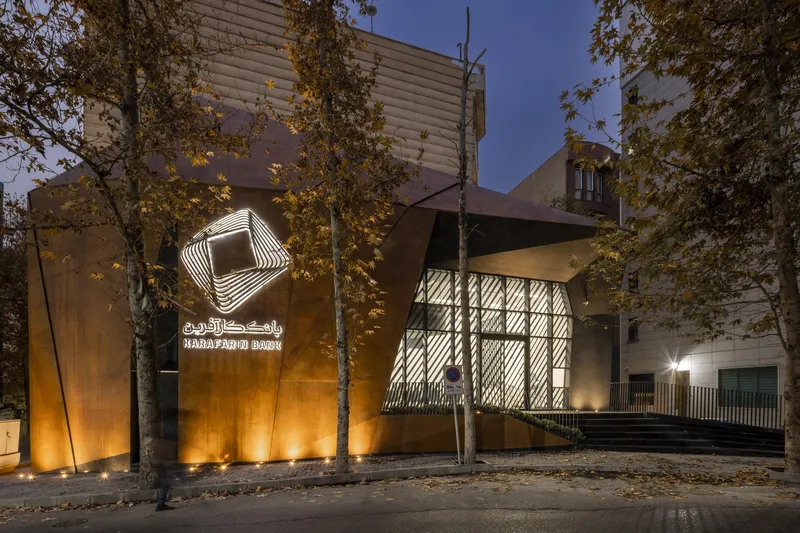
Material selection posed another challenge. The team needed a façade that could differentiate the building from its residential surroundings while evoking a sense of permanence, weathering, and temporal beauty.
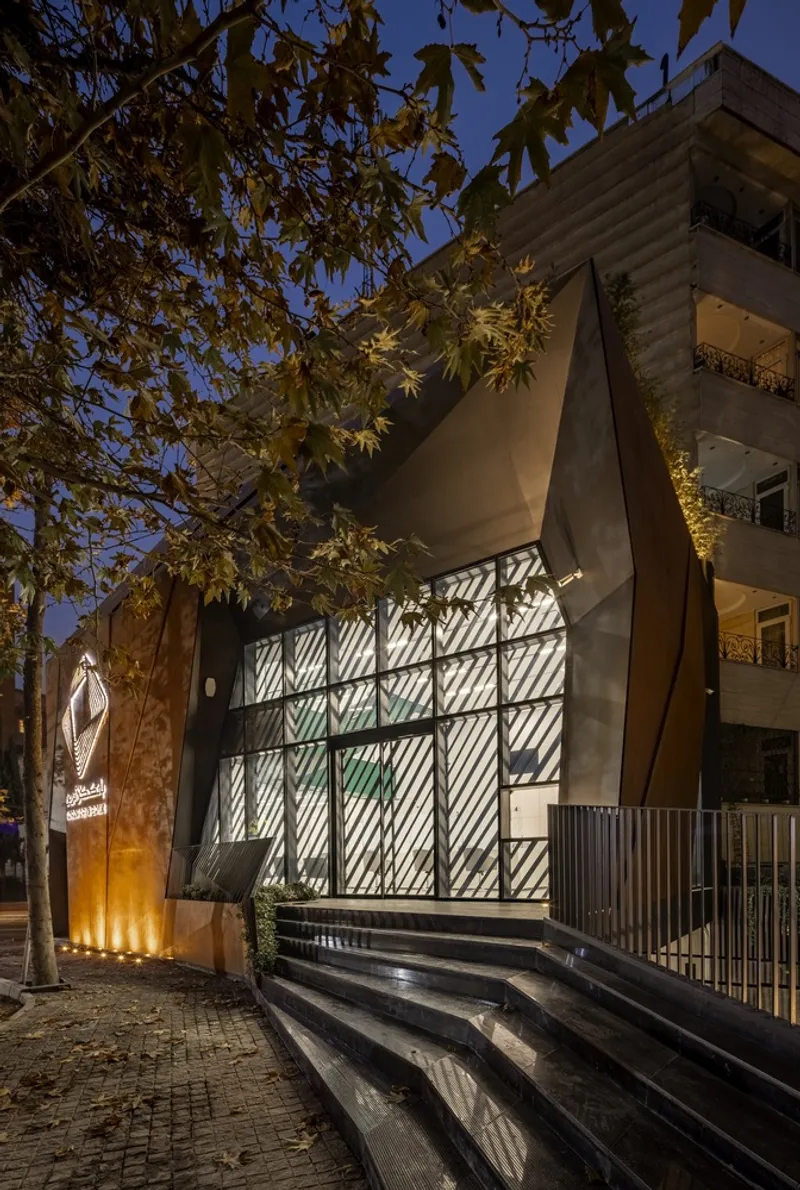
The chosen materials—textured brick, steel, and glass—unify the roof and walls, shaping a structure that feels aged yet timeless, like a chest of precious metals slowly gathering the dust of time. This material plasticity reinforces the building’s sculptural character and anchors it firmly within its urban context.
Final Form: Between a Bank and a Lost Villa
Karafarin Bank walks a tightrope between institutional identity and personal memory. It stands out in scale, form, and material, yet subtly gestures toward the history embedded in its site. The building’s dual character—part vault, part home—renders it a rare architectural gem in Tehran’s urban landscape.
By redefining what a bank can be, NextOffice has not only created a building but also crafted a narrative, where architecture becomes a vessel for memory, community, and enduring design.
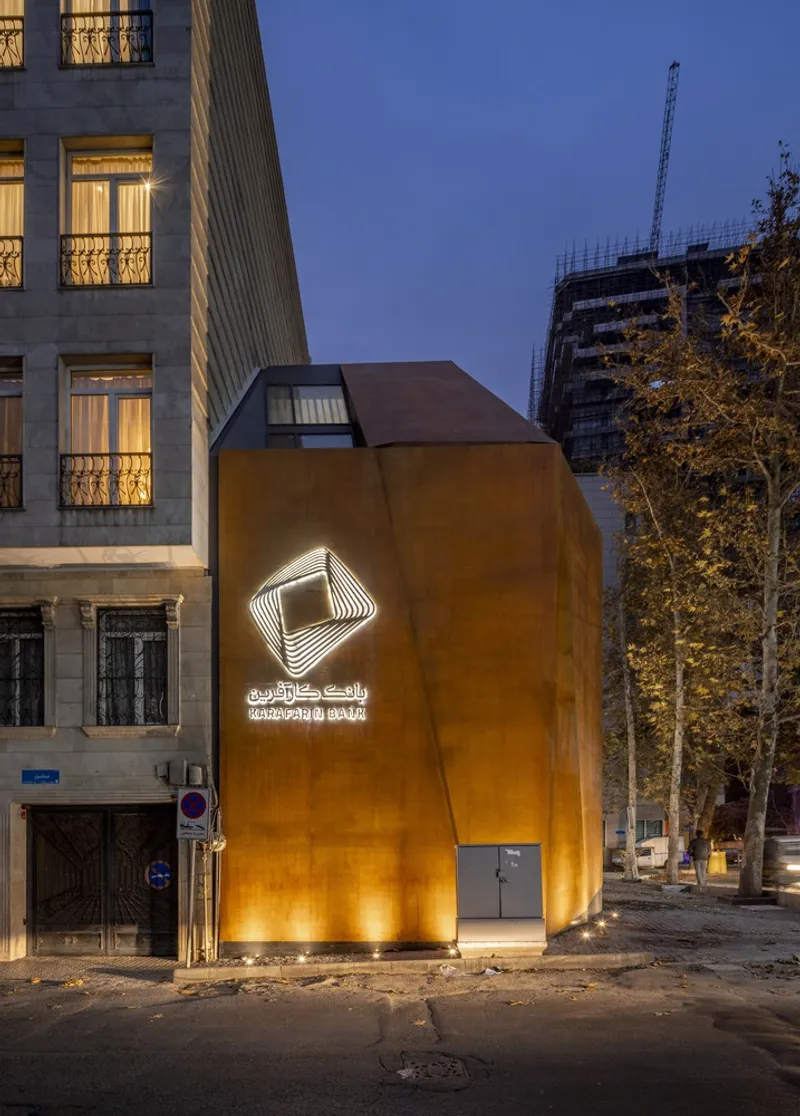
All the photographs are works of Parham Taghioff, Deed Studio



Popular Articles
Popular articles from the community


Co-Life: Senior Housing Design That Reconnects Older Adults With the City
Co-Life reimagines senior housing design through healing gardens, shared streets, workshops, and a sustainable community across generations.

Co-life: Sustainable Architecture for Age-Friendly Community Living
Co-life reimagines sustainable architecture for seniors through courtyards, rammed earth, shared gardens, and spaces designed for belonging.

Play: Fragments of Their World
Familiar architecture becomes modular playground design, creating safe spaces where displaced children can learn, connect, imagine and play.

Riyadh For All: Intergenerational Urban Design for Active Aging in Rabat
Riyadh For All reimagines urban design in Rabat with intergenerational co-living, adaptive courtyards, and Moroccan cultural exchange today.


Similar Reads
You might also enjoy these articles


Hodi-Mandai Geram
Project Function: Preservation and revitalization of the Intangible heritage and socio-spatial identity of the Hodi by Housing, Cultural Memory Center, Sacred Grove, landscape, local tourism economy


Olio Towers: A Mid-Rise for Performers That Fuses Housing, Rehearsal, and Stage
Located blocks from Houston's Theater District, this modular tower stacks living units around a central performance atrium.

Oasis: Modular Green Housing Carved into Dhaka's Urban Fabric
A shortlisted Plugin Housing entry reclaims unauthorized settlements in Dhaka with stepped concrete volumes, green roofs, and ventilation-driven design.

Black Hole: A Floating Megastructure for the Post-Physical Era
Emiliano Mazzarotto envisions a spherical, self-scaling arena where e-sports, digital hotels, and holographic stadiums replace traditional public space.

Explore Interior Design Competitions
Discover active competitions in this discipline


Challenge to design luxury tourism on rails


Challenge to reimagine the Iron Throne


Photograph architecture without architects


VR headsets Storefront design competition
Comments (0)
Please login or sign up to add comments
No comments yet. Be the first to comment!